Military training improves tibial density, structure, and estimated strength; however, men and women may adapt differently. Most work performed in military populations has assessed changes in bone health during initial entry programs, a timeframe at the beginning of a service member’s career when bones may be more adaptable to a novel mechanical stimulus. The purpose of this investigation was to examine changes in tibial volumetric bone mineral density (vBMD), structure, and estimated strength, and biomarkers of bone metabolism (P1NP, osteocalcin, TRAP5b, sclerostin) between male and female candidates measured at the start and end of United States Marine Corps Officer Candidates School (OCS), a 10-week military training program attended by older service members ( 25 y/o) who may have previous military experience. Peripheral quantitative computed tomography (pQCT) of the tibia (n = 375) and blood draws (n = 385) were performed. Generalized linear mixed effects modeling compared changes between sexes over time. Increases in total and trabecular vBMD were observed at the 4
Forced-marching with heavy loads is a typical task for warfighters. Unfortunately, injury incidence is high during these tasks with the most common mechanism of injury being a slip, trip, or fall. Given that individuals are less stable in the mediolateral plane we sought to understand how load carriage, sex and task completion impacts parameters of mediolateral stability during forced-marching. Twenty-four (12F, 12 M) recruit-aged adults (18-35 years) completed trials of forced-marching unloaded and with a load 55 % of bodyweight. Mean and standard deviation of center of mass position (zB), heading (ΔzB), step-width (w), and trunk impulse (JTrunk) were calculated. Detrended fluctuation analysis and direct control analysis were performed on time-series of each parameter. Only JTrunk mean and variability changed between conditions, increasing with load (p = 0.006; p < 0.001). Load had no effect on zB and ΔzB control with the former being minimally controlled and the latter tightly regulated. The addition of load decreased (p = 0.004) control of w and JTrunk but the latter was still tightly regulated. There were no effects of sex but individuals who failed to complete the loaded trial had greater (p = 0.038) JTrunk compared to those who did. The continued strict regulation of JTrunk when loaded suggests an attempt to reduce large magnitude deviations. Larger JTrunk of individuals unable to complete the task may indicate limited trunk muscle strength/endurance to restrict impulse. Alternatively, these individuals may utilize a coordinative pattern poorly suited for constraining trunk movement. Therefore, JTrunk may represent an important parameter of assessment to identify individuals of greater risk.
Background:Military personnel in combat roles observe a high prevalence of knee osteoarthritis. Knee total joint moment (KTJM) and the knee adduction moment percentage contribution (KAM%) of KTJM have been linked to knee osteoarthritis. It is postulated that sex, load carriage, and imposed locomotion patterns such as forced marching (FM) alter mechanics of the knee. The purpose of this study was to determine the effects of "military-relevant" load magnitudes, locomotion patterns, and sex on KTJM and its planar percentage contributions in recruit-aged adults during short-duration gait tasks. Hypothesis:The greatest load magnitude and FM will significantly increase KAM contribution to KTJM compared with lower magnitudes or no load. Additionally, women will exhibit greater KAM contribution to KTJM compared with men regardless of experimental condition. Study Design:Controlled laboratory study. Methods:Twenty healthy recruit-aged (18-35 years) adults (10 male, 10 female) executed trials of running and FM with no load (BW), an additional load of 45% of BW, and an additional load of 55% of BW. KTJM was calculated along with each plane of motion percentage contribution: knee flexion moment (KFM%), KAM%, and knee rotation moment (KRM%). A 3 × 2 × 2 mixed model analysis of variance was used to evaluate the effects of load carriage, locomotion pattern, and sex on KTJM, KFM%, KAM%, and KRM% at multiple gait events of stance phase. Results:FM exhibited a greater (P < .001) KTJM than running at heel strike. Running had greater KAM% (P = .01) and KRM% (P < .001) compared with FM. At midstance, running exhibited greater (P < .001) KTJM than FM for each load condition; however, FM had greater KAM% (P < .001) and KRM% (P = .002) compared with running at peak vertical ground reaction force and midstance. Men exhibited greater KAM% at heel strike (P = .02) independent of locomotion pattern and at midstance (P = .04) for FM. Conclusion:Load carriage increases KAM% to a magnitude similarly observed in populations with knee osteoarthritis, especially when executing FM. Interestingly, men exhibited greater KAM% than women, suggesting differing strategies to motor execution with relative load carriage. Clinical Relevance:Screening recruits for greater KAM% during loaded gait tasks may identify individuals in need of specialized training to reduce the risk of knee osteoarthritis development.
Purpose: Ischemic stroke is a high-incidence disease that threatens human well-being.The potent neuroprotective effects render reactive oxygen species (ROS) scavengers potential agents for acute ischemic stroke therapy.Challenges such as inadequate permeability across the blood-brain barrier (BBB), limited half-life, and adverse effects hinder the widespread utilization of small molecule and inorganic ROS scavengers.Thus, there is an urgent demand for efficacious neuroprotective agents targeting ischemic stroke.Our study discovered the superoxide dismutase (SOD)-mimetic activity of recombinant human heavy chain ferritin (rHF) nanoparticles expressed from Escherichia coli (E.coli).Subsequent investigations delved into the ROS-scavenging proficiency of rHF within neural cells, its therapeutic efficacy against ischemic stroke, and the elucidation of its neuroprotective mechanisms.Methods: rHF protein nanoparticles were expressed in E. coli and purified via size-exclusion chromatography.The superoxide anion (•O 2 -) scavenging SOD-mimetic activity of rHF nanoparticles was measured using a SOD detection kit.The ROS scavenging ability and protection effects against oxidative damage of rHF nanoparticles were studied in H 2 O 2 -induced PC12 cells.Therapeutic effects and neuroprotective mechanisms of rHF against ischemic stroke were investigated with transient middle cerebral artery occlusion (MCAO) reperfusion mice model.Results: rHF nanoparticles can eliminate excessive ROS in nerve cells and alleviate oxidative damage.The results of animal experiments demonstrated that rHF nanoparticles passed across BBB, reduced infarct areas in brain tissue, and lowered the neurological deficit score of ischemia-reperfusion model mice.Additionally, rHF nanoparticles mitigated neuronal apoptosis and ferroptosis, suppressed microglial activation, maintained oxygen homeostasis, and exhibited negligible organ toxicity.Conclusion: rHF nanoparticle could be developed as a new ROS scavenger for nerve cells and has therapeutic potential as a drug for cerebral ischemia-reperfusion injury.
Optimal motor control that is stable and adaptable to perturbation is reflected in the temporal arrangement and regulation of gait variability. Load carriage and forced-marching are common military relevant perturbations to gait that have been implicated in the high incidence of musculoskeletal injuries in military populations. We investigated the interactive effects of load magnitude and locomotion pattern on motor variability, stride regulation and spatiotemporal complexity during gait in recruit-aged adults. We further investigated the influences of sex and task duration. Healthy adults executed trials of running and forced-marching with and without loads at 10% above their gait transition velocity. Spatiotemporal parameters were analyzed using a goal equivalent manifold approach. With load and forced-marching, individuals used a greater array of motor solutions to execute the task goal (maintain velocity). Stride-to-stride regulation became stricter as the task progressed. Participants exhibited optimal spatiotemporal complexity with significant but not meaningful differences between sexes. With the introduction of load carriage and forced-marching, individuals relied on a strategy that maximizes and regulates motor solutions that achieve the task goal of velocity specifically but compete with other task functions. The appended cost penalties may have deleterious effects during prolonged execution, potentially increasing the risk of musculoskeletal injuries.
Objectives: Determine the influence of clinically-measured maximum dorsiflexion, dynamic peak dorsiflexion and percent of clinically-measured maximum dorsiflexion used during a drop-jump task on landing biomechan-ics and risk of ankle injury in military personnel. Design: Prospective cohort study. Methods: 672 participants (122 women) enrolled. The weightbearing lunge test assessed clinically-measured maximum dorsiflexion averaged across limbs (degrees). Markerless motion capture and force plates collected lower extremity kinematic and kinetic data during a drop-jump task. Percent of clinically-measured maximum dorsiflexion used during landing was calculated as dynamic peak dorsiflexion divided by clinically-measured value, multiplied by 100 (%). De-identified injury data was derived from military physical therapists. Simple lin-ear regression analysis determined the association between dorsiflexion measures and landing biomechanics. Simple binary logistic regression analyses identified predictors of ankle injuries. Statistical significance was set at alpha = 0.05. Results: Eighteen participants sustained a traumatic ankle injury from a landing. All measures of dorsiflexion were associated with movement patterns that countered the stiff-legged landing strategy with dynamic mea-sures showing a higher predictive value. Protective factors against ankle injury included height (odds ratio: 0.818, p = 0.006) and weight (odds ratio: 0.824, p = 0.023) for women. Relative braking impulse was a risk factor for men (odds ratio: 1.890, p = 0.001). Conclusions: Greater clinically-measured and dynamic measures of dorsiflexion were associated with movement patterns that countered the stiff-legged landing strategy but neither measure of dorsiflexion predicted ankle injury risk. Resultant biomechanics and anthropometrics influenced ankle injury risk to warrant recognition for injury prevention initiatives.(c) 2023 Sports Medicine Australia. Published by Elsevier Ltd. All rights reserved.
Introduction: Systemic acute inflammation accompanies and underlies the pathobiology of sepsis but is also central to tissue healing. We demonstrated previously the in vivo feasibility of modulating the key inflammatory mediator tumor necrosis factor-alpha (TNF-α) through the constitutive production and systemic administration of soluble TNF-α receptor (sTNFR) via a biohybrid device. Methods: We have now created multiple, stably transfected human HepG2 cell line variants expressing the mouse NF-κB/sTNFR. In vitro, these cell lines vary with regard to baseline production of sTNFR, but all have ~3.5-fold elevations of sTNFR in response to TNF-α. Results: Both constitutive and TNF-α-inducible sTNFR constructs, seeded into multicompartment, capillary-membrane liver bioreactors could reprogram dynamic networks of systemic inflammation and modulate PaO 2 , a key physiological outcome, in both endotoxemic and septic rats. Discussion: Thus, Control of TNF-α may drive a new generation of tunable biohybrid devices for the rational reprogramming of acute inflammation.
Military training exposes candidates to physically demanding multi-stressor environments to ensure they can execute orders and occupational tasks when under extreme stress. The ability to adapt under stress, identified as psychological resilience (RES), has been linked to success in military training. PURPOSE: To examine if self-reported RES is associated with fitness, injury, and attrition during military training. METHODS: 357 candidates (age: 24.7 ± 3.2 years; BMI: 25.5 ± 2.3 kg/m2; 15.4% women) completed the Connor-Davidson Resilience scale (range: 53-100, M ± SD: 82.4 ± 9.9) prior to the start of U.S. Marine Corps Officer Candidate School (OCS). During OCS, candidates completed three physical fitness tests (PFT): Combat Fitness Test (CFT), inventory PFT (iPFT), and final PFT (fPFT). The iPFT and fPFT included maximum pull-up repetitions (PU), 3-mile run time (RT), and an age/sex adjusted total score. The CFT included: 880-yard movement to contact run (MTC), maximum overhead 30-lb ammunition can lift repetitions (AL), a simulated maneuver under fire (MUF) event, and an age/sex adjusted total score. Injury and attrition data were obtained from staff records. Associations between RES and injury and attrition were analyzed using multiple logistic regression analyses controlling for sex and age. Associations between RES and total CFT, iPFT, and fPFT scores were analyzed using simple linear regression analyses, while all other associations were analyzed using multiple linear regression analyses controlling for sex and age. RESULTS. Higher RES was significantly associated with increased likelihood of successful completion of OCS (AOR [CI] = 0.88 [0.79-0.97], p = 0.013). RES was not associated with MTC (adj. β = -0.0003, p = 0.695), AL (adj. β = 0.13, p = 0.077), MUF (adj. β = -0.0009, p = 0.488), iPFT PU (adj. β = 0.002, p = 0.926), iPFT RT (adj. β = 0.005, p = 0.513), fPFT PU (adj. β = 0.009, p = 0.592), or fPFT RT (adj. β = 0.005, p = 0.451). RES was also not associated with total scores of CFT (p = 0.084), iPFT (p = 0.760), fPFT (p = 0.826), changes in PU (p = 0.075) or RT (p = 0.058), or injury (p = 0.586). CONCLUSION: Higher RES was associated with successful completion of OCS. These results suggest that military training may be enhanced by focusing on the improvement of psychological resilience.Supported by ONR Grant N00014-20-C2020.
Background: Military personnel must maintain physical performance despite exposure to operational stressors such as sleep loss, caloric restriction and high cognitive load. Habitual sleep and specific sleep features are positively associated with fitness and may contribute to physical performance in operational settings. Further, by affecting muscle recovery, sleep may contribute to the ability to maintain performance across multiple days of exposure to operational stressors. Objectives: We examined the role of individual differences in baseline sleep on baseline physical performance and on change in physical performance throughout exposure to simulated military operational stress (SMOS). Methods: Military personnel (36 male, 9 female, 26.3 +/- 5.3 years) completed a 5-day SMOS protocol during which they completed a tactical mobility test daily. Sleep questionnaires were administered at intake and sleep was monitored each night with polysomnography. Lasso regressions were used to identify meaningful predictors of physical performance at baseline and of change in physical performance across SMOS. Results: Better aerobic fitness, lower daytime sleepiness (Epworth Sleepiness Scale), and lower absolute slow wave activity (0.5-4 Hz) predicted better physical performance at baseline (66.1% of variance explained), but did not relate to changes in performance. Conclusions: Collectively, higher daytime sleepiness and slow wave activity may reflect more chronic exposure to insufficient sleep and higher baseline sleep drive, which in turn led to compromised physical performance. The findings suggest that low self-report sleepiness and low objective slow wave activity may reflect two quantifiable markers of healthy sleep behaviors that have implications for operational performance. (c) 2022 National Sleep Foundation. Published by Elsevier Inc. All rights reserved.
Allostatic load (AL) reflects the cumulative physiological demands that trigger recurrent autonomic responses elicited by heightened stress and engender a gradual disruption of biological systems if unmanaged. Overnight cardiac chronotropy (OCC) reflects the basal autonomic activity during sleep assessed by heart rate that responds to AL. Understanding the suitability of OCC on markers of AL assessed by wrist-worn device in Marines may help manage AL in this populace. PURPOSE Assess the relation between OCC and markers of AL from a wrist-worn device in Marines enduring a military training course. METHODS 82 Marines (men: n = 59, 22 [21, 26] y, 177.5 [172, 183.2] cm, 81.7 [72.7, 87.2] kg; women: n = 23, 24 [21, 27] y, 166 [163.4, 171.4] cm, 68.7 [59.8, 73.3] kg) participated. Wrist-worn devices (Garmin Instinct Solar, Garmin, Ltd., Olathe, KS) assessed OCC and markers of AL over 30 d including active kilocalories (kcal), steps, distance (m), moderate intensity (min), vigorous intensity (min), total sleep (min), deep sleep (min), light sleep (min), REM sleep (min), awake time during sleep (min) and sleep phase (%). Wear time ≥ 10 h/d over ≥1 wk was analyzed. Data were shown as median [Q1, Q3]. Spearman’s correlations (rs) assessed associations between OCC and AL. Strength of correlation coefficients was based on 0.8-1.0 very strong, 0.6-0.79 moderate, 0.3-0.59 fair and 0.1-0.29 poor. RESULTS 64 Marines (19 women) were included. Wear time was 24 [23.8, 24] h/d over 21 [16, 23] d. OCC (50 [44, 55] bpm) showed poor to fair correlations with AL: kcal (rs = 0.173 [0.12, 0.23] p < 0.001), steps (rs = -0.127 [-0.18, -0.07] p < 0.001), distance (rs = -0.180 [-0.24, -0.12] p < 0.001), moderate intensity (rs = 0.319 [0.25, 0.39] p < 0.001), vigorous intensity (rs = 0.198 [0.12, 0.27] p < 0.001), deep sleep (rs = 0.010 [0.02, 0.17] p = 0.011), % deep sleep (rs = 0.128 [0.05, 0.20] p < 0.001), REM sleep (rs = -0.149 [-0.22, -0.07] p < 0.001), % REM sleep (rs = -0.140 [-0.21, -0.06] p < 0.001), % awake time during sleep (rs = 0.090 [0.01, 0.16] p = 0.018) and total sleep (rs = -0.068 [-0.13, -0.01] p = 0.018). Light sleep (p = 0.328), % light sleep (p = 0.639) and awake time during sleep (p = 0.063) were not correlated. CONCLUSION OCC captured by a wrist-worn device may be unsuitable to assess AL in Marines as more sensitive markers or devices are warranted. ONRN00014-20-C2020
Abstract Introduction As humans’ advance towards a Mars mission, ensuring astronaut safety, well-being, and performance becomes increasingly critical. Long-duration space exploration presents several challenges for human sleep, including altered photoperiods, prolonged confinement, and monotony. Antarctica provides an ideal analog for understanding how these and other stressors impact sleep over time. Prior studies among Antarctic cohorts have found reduced total sleep, increased sleep onset, and circadian phase delay. However, day-to-day regularity of sleep-wake patterns in the Antarctic over prolonged periods has not been studied. Methods Crew members (N= 110) at a coastal (McMurdo: MM, n = 88) and an inland Antarctic station (South Pole: SP, n = 22) were studied longitudinally for up to 9-months. Sleep was monitored continuously with actigraphy (Actiwatch Spectrum, Philips Respironics) and examined in relation to cumulative time on station and calendar month (photoperiod). Self-reported mental health symptoms were also examined monthly using The Mental Health Checklist (MHCL). The Sleep Regularity Index (SRI; Phillips et al., 2017) which calculates the percentage probability of an individual being in the same state (sleep vs. wake) at any two time-points 24 hours apart was calculated to examine sleep regularity over time. Results Controlling for time on station prior to participation, we observed no significant changes in monthly SRI over a 6-month period at MM where photoperiod alterations are less extreme. At SP, SRI remained very stable during months of total daylight but declined during winter months in the absence of sunlight. SRI scores were significantly different between month-8 and month-9 and with large effect sizes across month-7, month-8, and month-9. Participants with lower month-7 SRI scores had significantly higher MHCL poor self-regulation scores at the end of the mission. Conclusion Day-to-day variability in sleep–wake patterns is an important predictor of health and safety. Our findings show reductions in sleep regularity during prolonged Antarctic residence particularly at the SP station, where sunlight is absent for 6 months of the year. Less sleep regularity predicted worse mental health functioning. These findings suggest that mitigation the impact of altered light-dark cycles on sleep is critical for a Mars mission. Support (if any) NASA award #NNX15AC13G S014 to the last author.
Recently, commercial grade technologies have provided black box algorithms potentially relating to musculoskeletal injury (MSKI) risk and functional movement deficits, in which may add value to a high-performance model. Thus, the purpose of this manuscript was to evaluate composite and component scores from commercial grade technologies associations to MSKI risk in Marine Officer Candidates. 689 candidates (Male candidates = 566, Female candidates = 123) performed counter movement jumps on SPARTA™ force plates and functional movements (squats, jumps, lunges) in DARI™ markerless motion capture at the start of Officer Candidates School (OCS). De-identified MSKI data was acquired from internal OCS reports for those who presented to the Physical Therapy department for MSKI treatment during the 10 weeks of training. Logistic regression analyses were conducted to validate the utility of the composite scores and supervised machine learning algorithms were deployed to create a population specific model on the normalized component variables in SPARTA™ and DARI™. Common MSKI risk factors (cMSKI) such as older age, slower run times, and females were associated with greater MSKI risk. Composite scores were significantly associated with MSKI, although the area under the curve (AUC) demonstrated poor discrimination (AUC = .55–.57). When supervised machine learning algorithms were trained on the normalized component variables and cMSKI variables, the overall training models performed well, but when the training models were tested on the testing data the models classified MSKI “by chance” (testing AUC avg = .55–.57) across all models. Composite scores and component population specific models were poor predictors of MSKI in candidates. While cMSKI, SPARTA™, and DARI™ models performed similarly, this study does not dismiss the use of commercial technologies but questions the utility of a singular screening task to predict MSKI over 10 weeks. Further investigations should evaluate occupation specific screening, serial measurements, and/or load exposure for creating MSKI risk models.
Nutritional fitness, which comprises food choices, meal timing, and dietary intake behaviors, is an important component of military service member health and performance that has garnered recent attention. This study utilized generalized linear mixed effects modeling (GLMM) to investigate changes in eating pathology symptoms in men and women during initial military training (Marine Corps Officer Candidates School (OCS)). Associations among eating pathology, musculoskeletal injury risk and BMI were also assessed. This investigation includes data from the Eating Pathology Symptoms Inventory (EPSI) and BMI at the start of OCS (n = 598: Male n = 469, Female n = 129) and end of the 10-week program (n = 413: Male n = 329, Female n = 84), and injury sur-veillance throughout. At baseline, female candidates presented with greater body dissatisfaction, binge eating, purging, and restricting, but lower negative attitudes toward obesity compared to male candidates (p < 0.001). Eating symptoms changed during military training indicated by decreased body dissatisfaction in women (p = 0.003), decreased excessive exercise and negative attitudes toward obesity in men (p < 0.001), decreased cognitive restraint (p < 0.001), restricting (p < 0.001), purging (p = 0.013), and muscle building (p < 0.001) and increased binge eating (p < 0.001) in both sexes. Changes in restricting were significantly related to changes in BMI during training (p < 0.05). The likelihood of future injury was 108 % higher in female candidates than males and decreased by 5 % for each unit increase in excessive exercise. Eating attitudes and behaviors change during military training environments and are associated with military health and readiness outcomes including BMI and injury risk.
Military operational stress is known to increase adrenal hormones and inflammatory cytokines, while decreasing hormones associated with the anabolic milieu and neuroendocrine system. Less is known about the role of extracellular vesicles (EVs), a form of cell-to-cell communication, in military operational stress and their relationship to circulating hormones. The purpose of this study was to characterize the neuroendocrine, cytokine, and EV response to an intense. 24-h selection course known as the Naval Special Warfare (NSW) Screener and identify associations between EVs and cytokines. Blood samples were collected the morning of and following the NSW Screener in 29 men (18-26 yr). Samples were analyzed for concentrations of cortisol, insulin-like growth factor I (IGF-I), neuropeptide-Y (NPY), brain-derived neurotrophic factor (BDNF), α-klotho, tumor necrosis factor-α (TNFα), and interleukins (IL) -1β, -6, and -10. EVs stained with markers associated with exosomes (CD63), microvesicles (VAMP3), and apoptotic bodies (THSD1) were characterized using imaging flow cytometry and vesicle flow cytometry. The selection event induced significant changes in circulating BDNF (-43.2%), IGF-I (-24.6%), TNFα (+17.7%), and IL-6 (+13.6%) accompanied by increases in intensities of THSD1+ and VAMP3+ EVs (all P < 0.05). Higher concentrations of IL-1β and IL-10 were positively associated with THSD1+ EVs (P < 0.05). Military operational stress altered the EV profile. Surface markers associated with apoptotic bodies were positively correlated with an inflammatory response. Future studies should consider a multiomics assessment of EV cargo to discern canonical pathways that may be mediated by EVs during military stress.
Mechanical loading (e.g. physical activity) is associated with changes in bone density and structure; however, few investigations have examined the adaptive bone response to arduous military training in men and women. PURPOSE Investigate the effects of military training on volumetric bone density (vBMD), geometry, and strength in men and women who complete Marine Corps Officer Candidates School (OCS). METHODS Male and female candidates (n=267) completed a tibial peripheral quantitative computed tomography (pQCT) scan before and after a 10-week physically intensive military training course. Three-dimensional vBMD, geometry, and estimated bone strength were assessed at the 4%, 38%, and 66% sites. Wilcoxon signed-rank tests assessed changes across training. Data are mean±SEM, α=0.05. RESULTS Subjects were aged 19-35 (25.3±0.2 yrs) with a BMI 25.5±0.1 kg/m2. At the distal (4%) tibia, increases in total vBMD (pre: 354.5±2.7, post: 356.3±2.7 mg/cm3), trabecular vBMD (294.3±2.2, 295.6±2.2 mg/cm3), and estimated compression strength (BSI; 154.7±2.2, 156.2±2.1 mg2/mm4) were observed in men (n=222, p<0.001). In women (n=39), total vBMD (324.2±5.1, 326.5±5.2 mg/cm3 p=0.03), trabecular vBMD (262.7±4.8, 264.4±4.9 mg/cm3 p=0.01), and BSI (105.9±3.3, 107.4±3.4 mm3 p<0.01) also increased. At the midshaft (38%) tibia, total vBMD (938.1±3.7, 938.9±3.7 mg/cm3 p=0.03), cortical thickness (6.8±0.1, 6.8±0.1 mm, p<0.01), periosteal circumference (77.0±0.3, 77.1±0.3 mm p<0.01) and estimated bending strength (SSI; 2182.7±25.9, 2193.8±25.1 mm3 p=0.02) increased in men (n=208). In women (n=40), only periosteal circumference increased (70.0±0.6, 70.1±0.6 mm p=0.05). At the proximal (66%) tibia, no significant changes (p>0.05) were observed in men (n=200). In women (n=38), total vBMD decreased (735.9±9.0, 732.7±8.8 mg/cm3 p=0.04) and periosteal circumference increased (82.5±0.9, 82.8±0.9 mm p<0.01) following training. CONCLUSION Bone adaptations in response to 10 weeks of military training are slight (≤1.5%), but statistically significant and may be sufficient to improve estimates of bone strength. Changes are further dependent on biological sex and anatomical location.
The Counter Movement Jump (CMJ) is a field expedient test to evaluate kinetics and kinematics relating to readiness, and injury risk. There is a greater incidence of injuries in women during military training and understanding key measures within the CMJ between sexes may be useful in determining injury/performance differences. PURPOSE: To evaluate sex differences in performance, kinetic and kinematic variables for the CMJ in Marine Officer Candidates (MOC) pre and post Officer Candidates School (OCS). METHODS: 375 MOCs (women n=72, 25±3 y, 65.9±7.1 kg, 164.9±5.7 cm; men n=303, 25±3 y, 81.3±9.4 kg, 177.5±6.9 cm) performed three maximal CMJs, 15 second rest between CMJs, on Hawkin Dynamics force plate (FP) and DARI marker less motion capture (mMoCap) pre and post 10-weeks of OCS, a rigorous graded physical, leadership and academic training pipeline for incoming Marine Officers. Three CMJs were averaged to one jump, and right and left limbs were averaged for mMoCAP. Separate 2-way mixed measures ANOVAs (Time*Sex) were conducted on each CMJ dependent variable 1) FP: avg. propulsive force (APF), avg. braking force (ABF), jump height (JH) 2) mMoCap: loading hip flexion (LHF), loading knee flexion (LKF), loading ankle flexion (LAF). RESULTS: There was a significant interaction effect on JH (p=<.001, np2=.04) and APF (p<.001, np2=.07). Simple main effects of time showed that JH declined differently between women (.29±.05 to .28±.04 m, p<.001, np2=.16) and men (.40±.06 to .37±.06 m, p<.001, np2=.04), and APF improved in women (1053±144 to 1063±140 N, p=.242, np2=.02) but declined in men (1404±201 to 1361±177 N, p<.001, np2=.22). ABF displayed a significant decline over time (p<.001, np2=.04) and men performed better than women (p<.001, np2=.25). There were no significant interactions or main effect of sex for mMoCap, but LHF (p<.001, np2=.12), LKF (p<.001, np2=.12) and LAF (p<.001, np2=.03) decreased significantly over time. CONCLUSION: Kinematics decreased for men and women, while kinetics were less consistent from this trend in women. Although stiffer CMJ loading flexions in all joints, JH and ABF declined for both men and women, women slightly gained propulsive force, thus contributing to efficiencies in the CMJ protected and improved after OCS for women. Funded by the Office of Naval Research: N00014-20-C-2020
Extracellular vesicles (EVs) are mediators of physiological changes that occur during physical exertion. This study examined the effects of physical exertion with and without sleep and caloric restriction on EV size, concentration, and surface proteins in men and women. Twenty participants (10 men) completed a 5-day simulated military operational stress protocol with daily physical exertion. Blood was drawn before and immediately after exertion at baseline (D1) and following 48-h of sleep and caloric restriction (D3). EV size and concentration were assessed using nanoparticle tracking analysis. EVs were identified with markers associated with exosomes (CD63), microvesicles (VAMP3), apoptotic bodies (THSD1), and skeletal muscle-derived EVs (SGCA) and quantified using imaging flow cytometry. Interactive and main effects of sex, day, and time on EVs were assessed using three-way ANOVAs. EV concentration declined pre to postexertion in women on D1 and D3 but was stable in men. EV size increased from pre to postexertion and from D1 to D3 in men and women. Physical exertion following sleep and caloric restriction increased CD63+ EV concentration, proportion of total EVs, and CD63 surface protein expression regardless of sex. The proportion of SGCA+ EVs increased in men and women following exertion and from D1 to D3 but was higher in women than in men. No differences were observed in VAMP3+ and THSD1+ EVs. This study identified sexually dimorphic EV profiles in response to various stressors. Further investigations are necessary to determine if dimorphic EV responses affect health and performance outcomes during stress. NEW & NOTEWORTHY Sex is understudied in EV research, and most studies limit EV analysis to single stress conditions such as exercise. Multistress conditions consisting of physical exertion and sleep and caloric restriction are common in real-world settings. We demonstrate that physical exertion results in sex-specific EV signatures and that EV profiles vary according to single versus multistress conditions. Our data highlight important biological and ecological characteristics that should be considered in EV research.
Simulated military operational stress (SMOS) provides a useful model to better understand resilience in humans as the stress associated with caloric restriction, sleep deficits, and fatiguing exertion degrades physical and cognitive performance. Habitual physical activity may confer resilience against these stressors by promoting favorable use-dependent neuroplasticity, but it is unclear how physical activity, resilience, and corticospinal excitability (CSE) relate during SMOS. To examine associations between corticospinal excitability, physical activity, and physical performance during SMOS. Fifty-three service members (age: 26 ± 5 yr, 13 women) completed a 5-day and -night intervention composed of familiarization, baseline, SMOS (2 nights/days), and recovery days. During SMOS, participants performed rigorous physical and cognitive activities while receiving half of normal sleep (two 2-h blocks) and caloric requirements. Lower and upper limb CSE were determined with transcranial magnetic stimulation (TMS) stimulus-response curves. Self-reported resilience, physical activity, military-specific physical performance (TMT), and endocrine factors were compared in individuals with high (HIGH) and low CSE based on a median split of lower limb CSE at baseline. HIGH had greater physical activity and better TMT performance throughout SMOS. Both groups maintained physical performance despite substantial psychophysiological stress. Physical activity, resilience, and TMT performance were directly associated with lower limb CSE. Individual differences in physical activity coincide with lower (but not upper) limb CSE. Such use-dependent corticospinal excitability directly relates to resilience and physical performance during SMOS. Future studies may use noninvasive neuromodulation to clarify the interplay among CSE, physical activity, and resilience and improve physical and cognitive performance.NEW & NOTEWORTHY We demonstrate that individual differences in physical activity levels coincide with lower limb corticospinal excitability. Such use-dependent corticospinal excitability directly relates to resilience and physical performance during a 5-day simulation of military operational stress with caloric restriction, sleep restriction and disruption, and heavy physical and cognitive exertion.
Bone stress injuries (BSI) are a common musculoskeletal condition among exercising and military populations and present a major burden to military readiness. The purpose of this investigation was to determine whether baseline measures of bone density, geometry, and strength, as assessed via peripheral quantitative computed tomography (pQCT), are predictive of tibial BSI during Marine Officer Candidates School training. Tibial pQCT scans were conducted prior to the start of physical training (n = 504; Male n = 382; Female n = 122) to measure volumetric bone mineral density (vBMD), geometry, robustness, and estimates of bone strength. Bone parameters were assessed at three tibial sites including the distal metaphysis (4% of tibial length measured from the distal endplate), mid-diaphysis (38% of tibial length measured from the distal endplate), and proximal diaphysis (66% of tibial length measured from the distal endplate). Injury surveillance data was collected throughout training. Four percent (n = 21) of the sample were diagnosed with a BSI at any anatomical site during training, 10 injuries were of the tibia. Baseline bone parameters were then tested for associations with the development of a tibial BSI during training and it was determined that cortical bone measures at diaphyseal (38 and 66%) sites were significant predictors of a prospective tibial BSI. At the mid-diaphysis (38% site), in a simple model and after adjusting for sex, age, and body size, total area [Odds Ratio (OR): 0.987, 0.983], endosteal circumference (OR: 0.853, 0.857), periosteal circumference (OR: 0.863, 0.824), and estimated bending strength (SSI; OR: 0.998, 0.997) were significant predictors of a BSI during training, respectively, such that lower values were associated with an increased likelihood of injury. Similarly, at the proximal diaphysis (66% site), total area (OR: 0.989, 0.985), endosteal circumference (OR: 0.855, 0.854), periosteal circumference (OR: 0.867, 0.823), robustness (OR: 0.007, 0.003), and SSI (OR: 0.998, 0.998) were also significant predictors of BSI in the simple and adjusted models, respectively, such that lower values were associated with an increased likelihood of injury. Results from this investigation support that narrower bones, with reduced circumference, lower total area, and lower estimated strength are associated with increased risk for tibial BSI during military training.
Musculoskeletal injuries (MSKI) are a significant burden on the military healthcare system. Movement strategies, genetics, and fitness level have been identified as potential contributors to MSKI risk. Screening measures associated with MSKI risk are emerging, including novel technologies, such as markerless motion capture (mMoCap) and force plates (FP) and allow for field expedient measures in dynamic military settings. The aim of the current study was to evaluate movement strategies (i.e., describe variables) of the countermovement jump (CMJ) in Marine officer candidates (MOCs) via mMoCap and FP technology by clustering variables to create distinct movement strategies associated with MSKI sustained during Officer Candidates School (OCS). 728 MOCs were tested and 668 MOCs (Male MOCs = 547, Female MOCs = 121) were used for analysis. MOCs performed 3 maximal CMJs in a mMoCap space with FP embedded into the system. De-identified MSKI data was acquired from internal OCS reports for those who presented to the OCS Physical Therapy department for MSKI treatment during the 10 weeks of OCS training. Three distinct clusters were formed with variables relating to CMJ kinetics and kinematics from the mMoCap and FPs. Proportions of MOCs with a lower extremity and torso MSKI across clusters were significantly different (p < 0.001), with the high-risk cluster having the highest proportions (30.5%), followed by moderate-risk cluster (22.5%) and low-risk cluster (13.8%). Kinetics, including braking rate of force development (BRFD), braking net impulse and propulsive net impulse, were higher in low-risk cluster compared to the high-risk cluster (p < 0.001). Lesser degrees of flexion and shorter CMJ phase durations (braking phase and propulsive phase) were observed in low-risk cluster compared to both moderate-risk and high-risk clusters. Male MOCs were distributed equally across clusters while female MOCs were primarily distributed in the high-risk cluster. Movement strategies (i.e., clusters), as quantified by mMoCap and FPs, were successfully described with MOCs MSKI risk proportions between clusters. These results provide actionable thresholds of key performance indicators for practitioners to use for screening measures in classifying greater MSKI risk. These tools may add value in creating modifiable strength and conditioning training programs before or during military training.
 Yoram Vodovotz合作论文数Department of Surgery, University of Pittsburgh;Department of Immunology, University of Pittsburgh54
 Bradley C. Nindl合作论文数Neuromuscular Research Laboratory, University of Pittsburgh;Warrior Human Performance Research Center, University of Pittsburgh31
 Ruben Zamora合作论文数Department of Surgery, University of Pittsburgh25
 Shawn D Flanagan合作论文数Department of Human Sciences, The Ohio State University24
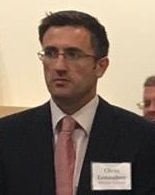 Chris Connaboy合作论文数21
 Mita Lovalekar合作论文数Graduate School of Public Health, University of Pittsburgh20
 Timothy R. Billiar合作论文数Department of Surgery, School of Medicine, University of Pittsburgh19
 Brian Martin合作论文数17Derek Barclay合作论文数16Cordelia Ziraldo合作论文数15
 Kellen Krajewski合作论文数Neuromuscular Res Lab, Univ Pittsburgh14
 Rami A. Namas合作论文数Department of Surgery, University of Pittsburgh School of Medicine;Department of Surgery, University of Pittsburgh School of Medicine14Gregory M. Constantine合作论文数13
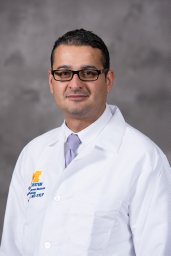 Namas Rajaie合作论文数Department of Surgery, University of Pittsburgh12
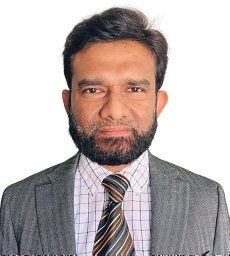 Ahamed Nizam Uddin合作论文数Faculty of Manufacturing Engineering, Universiti Malaysia Pahang12
 Matthew B. Bird合作论文数Warrior Human Performance Research Center, University of Pittsburgh11
 Kristen Koltun合作论文数11
 Alexey Solovyev合作论文数Department of Mathematics, University of Pittsburgh11Camille C. Johnson合作论文数10
 Joyeeta Dutta-Moscato合作论文数University of Pittsburgh9
 Meaghan E. Beckner合作论文数8Khalid Almahmoud合作论文数8
 Will Conkright合作论文数7
 Shawn R Eagle合作论文数University of Pittsburgh Sports Medicine Concussion Program, University of Pittsburgh Medical Center7
 Adam J Sterczala合作论文数7
 David O. Okonkwo合作论文数Neurotrauma Clinical Trials Center, Department of Neurological Surgery, School of Medicine, University of Pittsburgh7Gary An合作论文数7
 Dennis E Dever合作论文数6Nicole M. Sekel合作论文数6
 Sophie Wardle合作论文数Department of Army Health and Physical Performance Research, UK Ministry of Defence6
 Thomas J O'Leary合作论文数Army Hlth & Performance Res, British Army6
 William J. Anderst合作论文数Department of Orthopaedic Surgery, University of Pittsburgh;Center for Artificial Intelligence Innovation in Medical Imaging, University of Pittsburgh6
 Abboud Andrew合作论文数Department of Surgery, University of Pittsburgh School of Medicine6
 Nabil Azhar合作论文数University of Pittsburgh6Beals Kim合作论文数6
 Zaaqoq Akram合作论文数6Julie P. Greeves合作论文数6
 Amrita Sahu合作论文数5Jennifer N. Forse合作论文数5Jinling Yin合作论文数5Ghuma Ali合作论文数5
 Richard L. Simmons合作论文数Department of Surgery, School of Medicine, University of Pittsburgh5Gilles Clermont合作论文数5
 Maxim Mikheev合作论文数Engelhardt Institute of Molecular Biology;Russian Academy of Sciences;Center of Virology and Biotechnology, Research;Engelhardt Institute of Molecular Biology, Russian Academy of Sciences5
 Fabrisia Ambrosio合作论文数Atlantic Charter Discovery Center for Musculoskeletal Recovery, Adams Schoen Research Institute at Spaulding, Harvard Medical School5
 Fabio Ferrarelli合作论文数Departement of Psychiatry, University of Wisconsin, Madison5Verdolini Abbott Katherine合作论文数4
 Bahiyyah S Jefferson合作论文数4Abdul-Malak Othman合作论文数4




