Low-frequency (1 Hz) repetitive Transcranial Magnetic Stimulation (rTMS) to right dorsolateral prefrontal cortex (rDLPFC) paired with Cognitive Processing Therapy (CPT) was shown to reduce aggregate posttraumatic stress disorder (PTSD) symptom severity. PTSD, however, consists of re-experiencing, avoidance and numbing, and hyperarousal symptoms that vary in frequency and intensity. Thus, to explore the potential of more granular effects of rTMS on PTSD, the present secondary analysis examined the influence of rTMS on symptom cluster frequency and intensity. In the original study, Post-9/11 United States military veterans with combat-related PTSD were randomly assigned to receive rTMS + CPT or sham rTMS + CPT. The Clinician-Administered PTSD Scale (CAPS), including frequency and intensity ratings for the symptom clusters, was administered at baseline, treatment session 5, treatment session 9, and at 1-, 3-, and 6-months post-treatment. A significant treatment by time interaction was observed only for re-experiencing frequency; whereas other symptom-cluster frequency and intensity effects were not significant. Compared to sham + CPT, rTMS + CPT led to significantly greater, sustained reductions in re-experiencing frequency from session 9 through the 6-month timepoint. Thus, these secondary analyses provide insight into the potential clinical specificity of rTMS in augmenting CPT in PTSD and insight into the possible role of rDLPFC in PTSD.
Identifying the role of guilt in post-traumatic stress disorder (PTSD) has important implications for understanding the development and treatment of PTSD. The present study is a secondary analysis of data collected on veterans with combat-related PTSD (N = 61) who enrolled in a clinical trial. Hierarchical regression analyses were used to explore associations between action- and survivor-guilt on the Clinician Administered PTSD Scale (CAPS), PTSD symptom severity on the CAPS, and depression on the Quick Inventory of Depressive Symptomatology (QIDS). Action- and survivor-guilt independently predicted PTSD total symptom severity, but in examining PTSD symptom cluster severity, only action-guilt independently predicted avoidance and numbing severity in PTSD. However, depression symptom severity on QIDS also mediated the association between action-guilt and PTSD total symptom severity and avoidance and numbing severity. Thus, action- and survivor-guilt appear to have independent contributions to PTSD symptom severity, and action-guilt, more specifically, appears to affect avoidance and numbing severity in PTSD through depression. The findings are discussed in terms of the potential role of guilt in PTSD and in relation to previous research on guilt and depression in PTSD and PTSD treatment.
This study examined how semantic characteristics of verbal cues impact naming, focusing on cue distinctiveness, defined as the degree to which a semantic cue is uniquely associated with a target. Using a novel naming paradigm, we presented word pairs representing semantic features to elicit naming responses. These verbal cues were categorized as distinctive (e.g., "moo-milk" for COW) or shared (e.g., "feathers-pink" for FLAMINGO), and targets were classified as living or nonliving. Distinctive cues significantly improved naming accuracy and speed, with a greater benefit for living items. A follow-up analysis examined graded effects of distinctiveness while accounting for associative strength. Both cue distinctiveness and associative strength facilitated naming speed overall. However, when distinctiveness was residualized against associative strength, the effect remained stronger for living items, although other semantic factors are also discussed. This study introduces a novel paradigm for evaluating semantic factors on naming, with potential future application to clinical populations.
Confrontational naming is widely used in diagnosing neurodegenerative disorders like MCI and dementia, and previous research indicates that healthy Non-Hispanic Whites outperform Hispanics in such tasks. However, understanding the factors contributing to score differences among ethnic groups remains limited. This study focuses on cognitively intact Mexican Americans and Non-Hispanic White older adults from the TARCC Hispanic Cohort project. Hierarchical regression analyses reveal that sex, age, ethnicity, education level, and estimated IQ significantly predict performance on the Boston Naming Test (BNT). Notably, education level and estimated IQ more strongly influence BNT performance in Mexican Americans than in Non-Hispanic Whites. When controlling for education level, estimated IQ has a more pronounced impact on BNT performance in aging Mexican Americans compared to Non-Hispanic Whites. Conversely, after controlling for estimated IQ, the influence of education level is weaker for Mexican Americans than Non-Hispanic Whites. These findings emphasize the need for careful evaluation of confrontational naming task scores in diverse ethnic groups, emphasizing the critical role of education and estimated IQ in understanding performance disparities.
Abstract Objective Verbal-retrieval deficits often occur after traumatic brain injury (TBI), but no effective treatment is available. In this study, High-Definition Transcranial Direct Current Stimulation (HD-tDCS) was applied to examine its potential effects on cognitive, especially verbal-retrieval, performance in individuals with chronic TBI. Method Four adults (mean age 48 years; 3 females) with self-reported word-finding difficulty confirmed by objective measures following mild to moderate non-military TBIs sustained over a year ago underwent a double-blind, cross-over, randomized, sham-controlled trial. Each participant received 10 sessions of active HD-tDCS and sham stimulation over the superior medial frontal cortex. A battery of neuropsychological tests was administered including verbal-retrieval measures (i. e. letter fluency, category fluency, Boston Naming Test/BNT) at baseline, immediately, and 8 weeks post-treatment. Post-treatment performance was compared to baseline using 2-tailed paired t-tests. Results Improvements on letter fluency were observed between baseline and immediate assessments post active HD-tDCS, approaching statistical significance (p = 0.076, Cohen’s d = 0.957, 7.5 ± 5.7 more items). No immediate effects with sham HD-tDCS (p > 0.10, 1.5 ± 3.5 more items) and no sustained effects (8 weeks after) were found with either active or sham HD-tDCS (ps > 0.10). Additionally, no significant changes were observed for category fluency or BNT (all ps > 0.10). Conclusion While our pilot study suggests a potential benefit for improved letter fluency immediately following active HD-tDCS compared to sham, the lack of sustained improvement after 8 weeks and the observed variability across different tests acknowledges the need for future larger-scale investigation across multiple cognitive domains.
Objective: Verbal retrieval (VR) deficits often occur after traumatic brain injury (TBI), but the mechanisms remain unclear. We examined how event-related potentials (ERPs) during a Go-NoGo task were associated with VR deficits. Methods: Sixty veterans with a history of TBI underwent a neuropsychological battery and a Go-NoGo task with concurrent EEG recording. We compared task performance and ERP measures (N2, P3) between those with and those without persistent injury-related VR deficits. We then used generalized linear modeling to examine the relationship between ERP measures and scores on measures of executive function and processing speed. Results: Go-NoGo task performance was comparable between the groups. Those with VR deficits had larger N2 amplitude in NoGo than in Go conditions. In participants with VR deficits, larger NoGo N2/P3 amplitude predicted faster processing speed. Furthermore, larger P3 amplitude and shorter P3 latency of the difference wave (NoGo - Go) predicted faster processing speed in those with VR deficits. Conclusions: Despite no difference in Go-NoGo task performance, ERP amplitude and latency measures associated with cognitive control during Go-NoGo distinguished TBI individuals with VR deficits from those without.
Word finding difficulty is a frequent complaint in older age and disease states, but treatment options are lacking for such verbal retrieval deficits. Better understanding of the neurophysiological and neuroanatomical basis of verbal retrieval function may inform effective interventions. In this article, we review the current evidence of a neural retrieval circuit central to verbal production, including words and semantic memory, that involves the pre-supplementary motor area (pre-SMA), striatum (particularly caudate nucleus), and thalamus. We aim to offer a modified neural circuit framework expanded upon a memory retrieval model proposed in 2013 by Hart et al., as evidence from electrophysiological, functional brain imaging, and noninvasive electrical brain stimulation studies have provided additional pieces of information that converge on a shared neural circuit for retrieval of memory and words. We propose that both the left inferior frontal gyrus and fronto-polar regions should be included in the expanded circuit. All these regions have their respective functional roles during verbal retrieval, such as selection and inhibition during search, initiation and termination of search, maintenance of co-activation across cortical regions, as well as final activation of the retrieved information. We will also highlight the structural connectivity from and to the pre-SMA (e.g., frontal aslant tract and fronto-striatal tract) that facilitates communication between the regions within this circuit. Finally, we will discuss how this circuit and its correlated activity may be affected by disease states and how this circuit may serve as a novel target engagement for neuromodulatory treatment of verbal retrieval deficits.
Pre-, peri-, and post-deployment factors, including demographic factor, psychological traits, and previous trauma experience, have been hypothesized to influence severity of combat-related posttraumatic stress disorder (PTSD) and whether an individual completes a treatment trial. Here we report on the roles of these factors on pretreatment PTSD symptom severity and how these factors affected treatment drop-out in 103 participants enrolled in a previously con-ducted treatment trial for PTSD for these individuals. We found that comorbid depression, IQ, breadth of combat experiences, and psychosocial functioning play significant roles in account-ing for PTSD severity, with those five variables accounting for-51% of the variance, with depressive symptoms (-38% of the variance in CAPS total score), extent of trauma exposure (-5%), IQ (-3%), the index trauma being related to witnessing a threat (-3%), and psychosocial functioning (-2%) contributing significantly. The same factors were investigated to assess their influence on completion of treatment protocols, where higher IQs and less diversity of trauma exposures were associated with a higher completion rate. Thus, the factors contributing to PTSD symptoms and treatment completion are diverse, encompass pre-, peri-, and post trauma conditions, and span the breadth of neurobiological, combat, and psychosocial factors. ClinicalTrials.gov identifier: NCT01391832. (c) 2023 Association Franc,aise de Therapie Comportementale et Cognitive. Published by Elsevier Masson SAS. All rights reserved.
An elevated P3a amplitude to trauma-related stimuli is strongly associated with posttraumatic stress disorder (PTSD), yet little is known about whether this response to trauma-related stimuli is affected by treatment that decreases PTSD symptoms. As an analysis of secondary outcome measures from a randomized controlled trial, we investigated the latency and amplitude changes of the P3a in responses in a three-condition oddball visual task that included trauma-related (combat scenes) and trauma-unrelated (threatening animals) distractors. Fifty-five U.S. veterans diagnosed with combat-related PTSD were randomized to receive either active or sham repetitive transcranial magnetic stimulation (rTMS). All received cognitive processing therapy, CPT+A, which requires a written account of the index trauma. They were tested before and 6 months after protocol completion. P3a amplitude and response time decreases were driven largely by the changes in the responses to the trauma-related stimuli, and this decrease correlated to the decrease in PTSD symptoms. The amplitude changes were greater in those who received rTMS + CPT than in those who received sham rTMS + CPT, suggesting that rTMS plays beneficial role in reducing arousal and threat bias, which may allow for more effective engagement in trauma-focused PTSD treatment.
Self-reported TBI history with LOC was associated with poorer executive function and processing speed. The findings further characterize the relationship between TBI history and long-term cognitive sequelae in veterans, particularly suggesting LOC can affect neural systems underlying executive function and processing speed.
Objective: High Definition transcranial Direct Current Stimulation (HD-tDCS) has been shown to improve cognitive performance in individuals with chronic traumatic brain injury (TBI), although electrophysiological mechanisms remain unclear. Methods: Veterans with TBI underwent active anodal (N = 15) vs sham (N = 10) HD-tDCS targeting the pre-supplementary motor area (pre-SMA). A Go-NoGo task was conducted simultaneously with electroencephalography (EEG) at baseline and after intervention completion. Results: We found increased theta event-related spectral perturbation (ERSP) and inter-trial phase coherence (ITPC) during Go in the frontal midline electrodes overlying the pre-SMA after active HD-tDCS intervention, but not after sham. We also found increased theta phase coherence during Go between the frontal midline and left posterior regions after active HD-tDCS. A late increase in alpha-theta ERSP was found in the left central region after active HD-tDCS. Notably, lower baseline theta ERSP/ITPC in the frontal midline region predicted more post-intervention improvement in Go performance only in the active group. Conclusions: There are local and interregional oscillatory changes in response to HD-tDCS modulation in chronic TBI. Significance: These findings may guide future research in utilizing EEG time-frequency metrics not only to measure interventional effects, but also in selecting candidates who may optimally respond to treatment. (c) 2022 International Federation of Clinical Neurophysiology. Published by Elsevier B.V. All rights reserved.
Infectious bronchitis virus (IBV) produces six subgenomic (sg) mRNAs, each containing a 64 nucleotide (nt) leader sequence, derived from the 5' end of the genome by a discontinuous process. Several putative functional domains such as a papain-like proteinase (PL(pro)), main protease (M(pro)), RNA-dependent RNA polymerase (RdRp), and RNA helicase encoded by the replicase gene are important for virus replication. We have sequenced four regions of the replicase genes corresponding to the 5'-terminal sequence, PL(pro), M(pro), and RdRp domains from 20 heterologous IBV strains, and compared them with previously published coronavirus sequences. All the coronavirus 5'-termini and PL(pro) domains were divergent, unlike the M(pro) and the RdRp domains that were highly conserved with 28% and 48% conserved residues, respectively. Among IBV strains, the 5' untranslated region including the leader sequence was highly conserved (>94% identical); whereas, the N-terminal coding region and the PL(pro) domains were highly variable ranging from 84.6% to 100%, and 77.6% to 100% identity, respectively. The IBV M(pro) and RdRp domains were highly conserved with 82.7% and 92.7% conserved residues, respectively. The BJ strain was the most different from other IBVs in all four regions of the replicase. Phylogeny-based clustering based on replicase genes was identical to the antigen-based classification of coronaviruses into three groups. However, the IBV strain classification based on replicase gene domains did not correlate with that of the type-specific antigenic groups. The replicase gene sequences of many IBVs recovered from infected chickens were identical to those of vaccine viruses irrespective of serotype, suggesting that either there has been an exchange of genetic material among vaccine and field isolates or that there is a convergent evolution to a specific replicase genotype. There was no correlation between the genotype of any region of the replicase gene and pathotype, suggesting that the replicase is not the sole determinant of IBV pathogenicity.
Anodal high definition transcranial direct current stimulation (HD-tDCS) targeting the pre-supplementary motor area/dorsal anterior cingulate cortex (pre-SMA/dACC) has recently been shown to improve verbal retrieval deficits in veterans with chronic traumatic brain injury (TBI) (Motes et al., 2020), but predictors of treatment response are unclear. We hypothesized that baseline delayed verbal recall, a sensitive measure for post-TBI chronic cognitive decline, would predict therapeutic effects of HD-tDCS targeting the pre-SMA/dACC for verbal retrieval deficits. Standardized verbal retrieval measures were administered at baseline, immediately after and 8 weeks after treatment completion. We applied mixed generalized linear modeling as a post-hoc subgroup analysis to the verbal retrieval scores that showed significant improvement in Motes at el. (2020) to examine effects of active stimulation across the groups with baseline-intact delayed recall (N = 10) and baseline-impaired delayed recall (N = 8), compared to sham (N = 7). Individuals with impaired baseline delayed recall showed significant improvement (compared to baseline) in both category fluency and color-word inhibition/switch, while individuals with intact delayed recall showed significant improvement only in color-word inhibition/switch. Baseline delayed verbal recall may therefore be considered as a predictor for future electromodulation studies targeting frontal structures to treat TBI-related verbal deficits.
Emotional processing and cognitive control are implicated as being dysfunctional in posttraumatic stress disorder (PTSD) and targeted in cognitive processing therapy (CPT), a trauma-focused treatment for PTSD. The N2 event-related potential has been interpreted in the context of emotional processing and cognitive control. In this analysis of secondary outcome measures from a randomized controlled trial, we investigated the latency and amplitude changes of the N2 in responses to task-relevant target tones and task-irrelevant distractor sounds (e.g., a trauma-related gunshot and a trauma-unrelated lion's roar) and the associations between these responses and PTSD symptom changes. United States military veterans (N = 60) diagnosed with combat-related PTSD were randomized to either active or sham repetitive transcranial magnetic stimulation (rTMS) and received a CPT intervention that included a written trauma account element (CPT+A). Participants were tested before and 6 months after protocol completion. Reduction in N2 amplitude to the gunshot stimulus was correlated with reductions in reexperiencing, |r| = .445, and hyperarousal measures, |r| = .364. In addition, in both groups, the latency of the N2 event-related potential to the distractors became longer with treatment and the N2 latency to the task-relevant stimulus became shorter, ηp 2 = .064, both of which are consistent with improved cognitive control. There were no between-group differences in N2 amplitude and latency. Normalized N2 latencies, reduced N2 amplitude to threatening distractors, and the correlation between N2 amplitude reduction and PTSD symptom reduction reflect improved cognitive control, consistent with the CPT+A objective of addressing patients' abilities to respond more appropriately to trauma triggers.
Post-traumatic stress disorder (PTSD) is a debilitating condition that may develop after experiencing a traumatic event. Combat exposure increases an individual's chance of developing PTSD, making veterans especially susceptible to the disorder. PTSD is characterized by dysregulated emotional networks, memory deficits, and a hyperattentive response to perceived threatening stimuli. Recently, there have been a number of imaging studies that show structural and functional abnormalities associated with PTSD; however, there have been few studies utilizing electroencephalography (EEG). The goal of this study was to characterize **EEG brain dynamics in individuals with PTSD, in order to better understand the neurophysiological underpinnings of some of the salient features of PTSD, such as threat-processing bias. Veterans of Operation Enduring Freedom/Iraqi Freedom completed an implicit visual threat semantic memory recognition task with stimuli that varied on both category (animals, items, nature, and people) and feature (threatening and nonthreatening) membership, including trauma-related stimuli. Combat veterans with PTSD had slower reaction times for the threatening stimuli relative to the combat veterans without PTSD (VETC). There were trauma-specific effects in frontal regions, with theta band EEG power reductions for the threatening combat scenes in the PTSD patients compared to the VETC group. Additionally, a moderate negative correlation was observed between trauma-specific frontal theta power and hyperarousal symptoms as measured by clinically administered PTSD scale. These findings complement and extend current models of cortico-limbic dysfunction in PTSD. The moderate negative correlation between frontal theta power and hyperarousal endorsements suggests the utility of these measures as therapeutic markers of symptomatology in PTSD patients.
Abstract Introduction Prior Go/NoGo studies have localized specific regions and EEG spectra for which traditional approaches have distinguished between Go and NoGo conditions. A more detailed characterization of the spatial distribution and timing of the synchronization of frequency bands would contribute substantially to the clarification of neural mechanisms that underlie performance of the Go/NoGo task. Methods The present study used a machine learning approach to learn the features that distinguish between ERSPs involved in selection and inhibition in a Go/NoGo task. A single‐layer neural network classifier was used to predict task conditions for each subject to characterize ERSPs associated with Go versus NoGo trials. Results The final classifier accurately identified individual task conditions at an overall rate of 92%, estimated by fivefold cross‐validation. The detailed accounting of EEG time–frequency patterns localized to brain regions (i.e., thalamus, pre‐SMA, orbitofrontal cortex, and superior parietal cortex) corroborates and also elaborates upon previous findings from fMRI and EEG studies, and expands the information about EEG power changes in multiple frequency bands (i.e., primarily theta power increase, alpha decreases, and beta increases and decreases) within these regions underlying the selection and inhibition processes engaged in the Go and NoGo trials. Conclusion This time–frequency‐based classifier extends previous spatiotemporal findings and provides information about neural mechanisms underlying selection and inhibition processes engaged in Go and NoGo trials, respectively. This neural network classifier can be used to assess time–frequency patterns from an individual subject and thus may offer insight into therapeutic uses of neuromodulation in neural dysfunction.
A bstract The neural underpinnings of inhibitory control, an executive cognitive control function, has been a topic of interest for several decades due to both its clinical significance and the maturation of cognitive science disciplines. Behavioral, imaging, and electrophysiological studies suggest that the pre-supplementary motor area (preSMA) serves as a primary hub in a network of regions engaged in inhibition. High-definition transcranial direct current stimulation (HD-tDCS) allows us to modulate neural function to assess cortical contribution to cognitive functioning. The present study targeted HD-tDCS modulation of preSMA to affect inhibition. Participants were randomly assigned to receive 20 min of Sham, Anodal, or Cathodal stimulation prior to completing a semantically cued go/nogo task while electroencephalography (EEG) data were recorded. Both anodal and cathodal stimulation improved inhibitory performance as measured by faster reaction times and increased (greater negative) N2 event-related potentials (ERPs). In contrast, the Sham group did not show such changes. We did not find support for the anodal/cathodal dichotomy for HD neural stimulation. These findings constitute an early investigation into role of the preSMA in inhibitory control and in exploring application of HD-tDCS to the preSMA in order to improve inhibitory control.
Alzheimer's disease (AD) is the most common cause of neurodegenerative cognitive impairment, defined by abnormal accumulations of amyloid-β and tau. Approaches directly targeting these proteins have not resulted in a disease modifying therapy. Neurovascular unit dysfunction is a feature of AD offering an alternative target for intervention. Sildenafil, a phosphodiesterase 5 (PDE5) inhibitor, improves cognitive functioning in mouse models of AD. Recent work in AD patients has demonstrated increased cerebral blood flow, as well as brain oxygen utilization after a single dose of sildenafil. Its effect on nitric oxide-cGMP signaling may have downstream effects on neuroplasticity, amyloid-β processing, and improved neurovascular unit function. Fractional amplitude of low frequency fluctuations (fALFF) assesses spontaneous neural activity via resting state fMRI BOLD signal (0.01-0.08 or 0.10 Hz). In AD, other assessments have revealed increased fALFF in hippocampi and parahippocampal gyri. Here, we examined the effects of a single dose of sildenafil on fALFF in a cohort of 10 AD patients. We found a decrease (p < 0.03, α= 0.05) in fALFF an hour after sildenafil administration in the right hippocampus. Additionally, cerebral vascular reactivity in response to carbon dioxide inhalation, a measure of neural vascular reserve previously collected on most of these participants, was not significantly correlated with this decrease, implying that change in fALFF may not have been solely due to altered vascular reactivity to CO2. We demonstrate that in patients with AD, hippocampal fALFF decreases in response to sildenafil, suggesting a normalization. These findings support further investigation into the effects of sildenafil in AD.
May 8, 2019April 9, 2019Free AccessSildenafil Alters Hippocampal Fractional Amplitude of Low Frequency Fluctuations (fALFF) in Patients with Alzheimer’s Disease (P4.1-009)Niyatee Samudra, Michael Motes, Hanzhang Lu, Ramon Diaz-Arrastia, John Hart, and Kyle WomackAuthors Info & AffiliationsApril 9, 2019 issue92 (15_supplement)https://doi.org/10.1212/WNL.92.15_supplement.P4.1-009 Letters to the Editor
the meta-analyses of RCTs of cognitive training on neuropsychological/cognitive outcomes should be used to guide theoretical development and training/testing design optimization for future RCT fMRI studies, and emphasis should be placed on associating neuropsychological/cognitive assessments of training-related change with fMRI-related change
 John Hart合作论文数26
 Bart Rypma合作论文数School of Behavioral and Brain Sciences, The University of Texas at Dallas/Department of Psychiatry, UT Southwestern Medical Center23Michael A. Kraut合作论文数19
 Chiang Hsueh-Sheng合作论文数the University of Texas at Dallas, the University of Texas at Dallas12Jeffrey S. Spence合作论文数Department of Statistical Science, Southern Methodist University12Maria Kozhevnikov合作论文数Department of Communications and New Media, Faculty of Arts and Social Sciences, National University of Singapore10
 Bharat Biswal合作论文数Department of Biomedical Engineering, New Jersey Institute of Technology;New Jersey Medical School8
 Bambi L Delarosa合作论文数Center for BrainHealth, The University of Texas at Dallas7
 Christina marie Bass合作论文数6Rao Neena K合作论文数6
 Mandy J. Maguire合作论文数School of Behavioral and Brain Sciences, The University of Texas at Dallas6Nyaz Didehbani合作论文数Dept Psychiat, Univ Texas Southwestern Med Ctr Dallas5
 Frank Andrew Kozel合作论文数Ralph H. Johnson Veterans Hospital5Gail D. Tillman合作论文数5Sridhar Kannurpatti合作论文数Department of Radiology, Rutgers New Jersey Medical School5
 Timothy L. Hubbard合作论文数College of Doctoral Studies, Grand Canyon University;Department of Psychology, Arizona State University5
 Christian Lobue合作论文数4
 Sven Vanneste合作论文数Department of Developmental, Personality, and Social Psychology, Ghent University4
 Raksha Anand Mudar合作论文数Department of Speech and Hearing Science, College of Applied Health Sciences, University of Illinois at Urbana-Champaign4
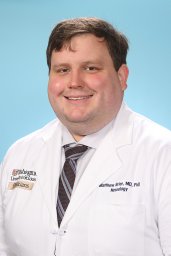 Matthew R. Brier合作论文数Center for BrainHealth, University of Texas at Dallas4
 Ilana J. Bennett合作论文数Department of Psychology, Georgetown University4Kelsey Watson合作论文数3Elizabeth Ellen Morris合作论文数3Ashna Adhikari合作论文数3Penelope Jones合作论文数Univ Texas Dallas3Shokri-Kojori Ehsan合作论文数NIAAA, NIH3
 C Munro Cullum合作论文数Psychology Division, Deptartment of Psychiatry, University of Texas Southwestern Medical Center;O’Donnell Brain Institute, University of Texas Southwestern Medical Center3
 Jerzy J. Karylowski合作论文数Polskiej Akademii Nauk, University of North Florida3
 Harry M Wallace合作论文数3
 Kyle B Womack合作论文数University of Texas Southwestern Medical Center3Olessia Blajenkova合作论文数3
 Sandra Bond Chapman合作论文数3Mary Turner合作论文数2Caitlin D. Schraufnagel合作论文数2Laura Dewey合作论文数2Niyatee Samudra合作论文数Department of Neurology, Vanderbilt University Medical Center2
 Ramon Diaz-Arrastia合作论文数Department of Neurology, Penn Presbyterian Medical Center, Hospital of the University of Pennsylvania;Pennsylvania Hospital;Perelman School of Medicine, University of Pennsylvania;Clinical Traumatic Brain Injury Research, University of Pennsylvania2Calley Clifford S合作论文数2
 Courtney Jon R合作论文数State of New Mexico;Families Department, USA.;Children, Youth, & Families Department, State of New Mexico2Eroh Justin合作论文数2Hutchison Joanna L合作论文数2Hubbard Nicholas A合作论文数School of Behavioral and Brain Sciences, University of Texas at Dallas2
 Wing Ting To合作论文数2
 Hanzhang Lu合作论文数Department of Radiology and Radiological Science, School of Medicine, Johns Hopkins University2Jacquelyn F. Gamino合作论文数Institute of Biomedical Sciences and Technology, The University of Texas at Dallas2
 Daniel C Krawczyk合作论文数University of California, Los Angeles2Robert W. Haley合作论文数2Shawheen Faghihahmadabadi合作论文数1Elizabeth E Morris合作论文数1




