Heatmap of patients with active disease at study theray initiation, showing CBF subtype, ACA, treatment group and mutational groups
Cox multivariate for overall survival in the full cohort with backward model selection not including DNMT3A-ASXL1-TET2 (DAT) and TRANSCRIPTION FACTORS
6504 Background: Hypomethylating agents (HMAs; azacitidine/decitabine) plus venetoclax (VEN) are standard for newly diagnosed acute myeloid leukemia (AML) unfit for intensive chemotherapy; however FMS-like tyrosine kinase-3 internal tandem duplication ( FLT3-ITD ) confers resistance and poor overall survival (OS). Addition of quizartinib (QUIZ), a potent FLT3 inhibitor, may improve outcomes. Methods: Phase I/II study of QUIZ+decitabine+VEN in two cohorts: newly diagnosed FLT3-ITD AML pts unfit for intensive chemotherapy and relapsed/refractory (R/R) FLT3-ITD AML pts. Primary endpoints were maximum tolerated dose (MTD) and overall response rate (ORR). Results: Eighty-eight patients (pts) were enrolled (frontline N=42; R/R N=46). QUIZ 26.5mg/day was selected as the recommended phase II dose (RP2D). In the frontline cohort, median age was 70y (62–85); 15 pts (36%) were ≥75y; 25 (60%), 12 (N=28%), and 5 (12%) had de novo, secondary, and therapy-related AML, respectively. DNMT3A (43%), NPM1 (33%), and RUNX1 (31%) were the most common co-mutations. Complete remission (CR), CR with incomplete count recovery (CRi), morphologic leukemia-free state (MLFS), end-of-cycle-1 (EOC1) measurable residual disease (MRD) negativity by multicolor flow cytometry (MFC; 0.01%), and next-generation sequencing (NGS) FLT3-ITD negativity (5×10⁻⁵) were 72% (N=29), 17% (N=7), 2% (N=1), 58% (19/32), and 27% (5/18), respectively; 2 pts in cycle 1 were not evaluable. Best MRD negativity by MFC and FLT3-NGS were 68% (23/34) and 83% (15/18). Median time to absolute neutrophil count (ANC) >500, ANC >1000, and platelets >50K were 40 (19–72), 41 (14–72), and 35 (16–71) days, respectively. The median relapse-free survival (RFS) and OS were 24.7 and 36.5mo. Fifteen pts (36%) proceeded to allogeneic stem cell transplant (ASCT) in CR1, with OS not reached vs 36.6mo without ASCT (p=0.65, landmark analysis). Median 3 cycles (1–39) were delivered; 11 pts remain on study. Thirty-one pts discontinued protocol due to ASCT (N=15), relapse (N=9), physician/pt choice (N=3), induction death (N=1), death in CR (N=1), death with disease (N=1), or hospice (N=1). Grade ≥3 non-hematologic adverse events (>5%) included febrile neutropenia (37%), pneumonia (33%), infections (17%), pain (10%), ALT increase (10%), fracture (10%), sepsis (9%), hypertension (7%), hypotension (7%), hyponatremia (7%), gait disturbance (7%), oral mucositis (7%), and pleural effusion (7%). In the R/R cohort, CR/CRi was 28% (N=13) with 33% (N=15) MLFS; 37% (N=17) proceeded to ASCT; median OS was 6.3mo (further data will be provided at the time of presentation). Conclusions: QUIZ+decitabine+VEN combination resulted in high CR/CRi, deep MRD responses, and encouraging survival in older pts with newly diagnosed FLT3-ITD AML. Clinical trial information: NCT03661307 .
Menin inhibition leads to an antileukemic effect through hematopoietic differentiation. Treatment with the menin inhibitor revumenib results in clinical remissions in relapsed or refractory (R/R) acute myeloid leukemia (AML) with either rearrangement of lysine methyltransferase 2A (KMT2A) or mutation in nucleophosmin 1 (NPM1), leading to regulatory approval of this drug. However, determinants of response to revumenib have not been fully elucidated. We examined the immunophenotype of leukemia cells by flow cytometry, in sequential bone marrow specimens from 48 patients with R/R AML treated with revumenib. We observed dynamic changes in the immunophenotype after treatment in 16 of 31 (52%) patients, characterized by a switch from a myeloid/stem-like to a monocytic or myelomonocytic immunophenotype, or vice versa, or by substantial changes in the intensity of antigen expression or in patterns of leukemia-associated immunophenotypes. Morphologic remission with undetectable measurable residual disease (MRD) by flow cytometry following revumenib was associated with improved overall survival, with a median of 23.6 months compared with 20.8 months in patients with morphologic response and detectable MRD, and 3.2 months in non-responders. In summary, treatment monitoring of AML by flow cytometry, following menin inhibition, requires recognition of phenotypic changes associated with differentiation.
Supplementary Table S1. Abbreviations of cell populations analyzed using Bloodspot. Supplementary Table S2. Comparative analysis of significance based on survival curves generated using GraphPad. Supplementary Table S3. Mutational profiles of AML cell lines and their sensitivity to SBI-0206965. Supplementary Table S4. Mutational profiles of AML patient derived primary samples. Supplementary Table S5. IC50 values of drug resistant cells. Supplementary Table S6. Combinatorial Index (CI-value) of combination treatments. Supplementary Table S7. Comparative analysis of significance based on survival curves generated using GraphPad (Ex vivo model). Supplementary Table S8. List of Antibodies. Supplementary Table S9. List of Primers.
Cox multivariate for relapse free survival in the full cohort with backward variable selection not including DNMT3A-ASXL1-TET2 (DAT) and TRANSCRIPTION FACTORS
Fludarabine, cytarabine, and G-CSF-based therapy (FLAG) yields approximately 60% 5-year overall survival (OS) in core-binding factor (CBF) acute myeloid leukemia (AML), with potential added benefit with gemtuzumab ozogamicin (GO). Although measurable residual disease (MRD) status via optimal quantitative polymerase chain reaction (qPCR) response (OPR; qPCR <0.1% at the end of induction and <0.01% during/after consolidation) of fusion transcripts predicts survival, the impact of baseline myeloid mutations on OPR and survival with FLAG remains uncertain. We interrogated these factors in 219 first-line patients with CBF-AML (median age 52 years; range, 19-80) treated on a phase II trial (NCT00801489); 51% received FLAG-GO and 49% FLAG idarubicin. Baseline mutations included 49% kinase pathways (non-MAP kinase), 44% MAP kinase, 11% DNMT3A-ASXL1-TET2, and 7% transcription factors. Five-year relapse-free survival and OS were 67% and 74% overall, respectively, 77% and 80% with FLAG-GO. On multivariate analysis, baseline mutations did not affect OPR or survival, whereas FLAG-GO favored both. In CBF-AML, FLAG-based therapy possibly attenuates the prognostic impact of concurrent baseline genomics. SIGNIFICANCE:In CBF-AML treated with conventional intensive chemotherapy, usually 7 + 3, baseline mutations in KIT, chromatin modulators, cohesin complex, etc., garner suboptimal MRD clearance and survival. In our analysis, FLAG-based therapy abrogated the impact of baseline mutations on OPR and survival in CBF-AML, while showing promising long-term survival using FLAG-GO.
Survival stratified by the presence of RAS mutations at high burden (>1 mutation with VAF>5% for both or single mutation with VAF >20%)
Most mitochondrial proteins are nucleus-encoded, translated in the cytosol, and imported into the mitochondria. Through gene expression analysis and functional assays, we demonstrated that mitochondrial protein import was increased in acute myeloid leukemia (AML) cells compared with normal hematopoietic cells. Increased mitochondrial protein import was positively correlated with an increase in the mitochondrial unfolded protein response (UPRmt), a stress-activated pathway of mitochondrial proteases and chaperones that maintains protein solubility and prevents the formation of toxic aggregates. The UPRmt protease LONP1 (Lon peptidase 1) was upregulated in AML and positively correlated with increased mitochondrial protein import and UPRmt. Genetic or chemical inhibition of the LONP1 ATPase domain induced mitochondrial protein aggregation and selectively killed AML cells with high LONP1 expression, while sparing AML cells with low LONP1 expression and normal hematopoietic cells in vitro and in vivo. Thus, we uncovered a critical role of the UPRmt protease LONP1 in buffering stress from mitochondrial protein import in AML.
Multivariate logistic regression analysis to study factors associated with an Optimal PCR Response (OPR)
Cox multivariate model for relapse free survival in the full cohort with forward variable selection
Coverage by gene and codon(s) tested with >250x coverage in the clinical grade targeted myeloid gene sequencing
BACKGROUND:Hypomethylating agent (HMA) and the BCL-2 inhibitor venetoclax (VEN) combinations have evolved into frontline therapies for patients with acute myeloid leukemia (AML), yielding high response rates. However, most patients ultimately relapse, particularly those with TP53 mutations. We investigated mechanisms of action and therapeutic efficacy of NTX-301, a next-generation HMA. Methods used include flow cytometry-based cell viability assays, Western blot, reverse-phase protein arrays, RNA-sequencing, CyTOF single-cell mass cytometry, and methylation profiling in various therapy-resistant AML models. RESULTS:We demonstrate that NTX-301 exhibits superior efficacy compared to 5-azacytidine (5-AZA) in 5-AZA or VEN-resistant AML. It synergizes with VEN in VEN- or VEN/HMA-resistant and TP53-mutant AML blasts and stem/progenitor cells (combination index<1). NTX-301 inhibits DNMT1 and increases p73, caspase-8/activated caspase-8 levels in TP53-WT and TP53-mutant AML and activates p53 signaling. It extends survival (≥45%) in both, xenograft and PDX models. Methylation profiling revealed that NTX-301 is a more targeted HMA compared to 5-AZA, enabling suppression of functionally enriched genes/pathways. Pathway analysis of 954 commonly hypomethylated genes showed profoundly greater enrichment of Hippo signaling in NTX-301-treated compared to 5-AZA-treated cells, and enrichment of insulin signaling, VEGF pathway, and cell cycle selectively in NTX-301- but not in 5-AZA-treated cells. NTX-301-mediated Hippo signaling was validated at protein levels. CONCLUSION:Data suggest that NTX-301 exerts potent anti-leukemia activities superior to 5-AZA and synergizes with VEN in VEN-resistant and TP53-mutant AML, in part by suppressing DNMT1 and inducing DNA damage responses and apoptosis, by inducing p53 signaling and demethylating LATS1/2, thus activating Hippo signaling.
 Marina Konopleva合作论文数Department of Oncology, Albert Einstein College of Medicine;Department of Molecular Pharmacology, Albert Einstein College of Medicine703
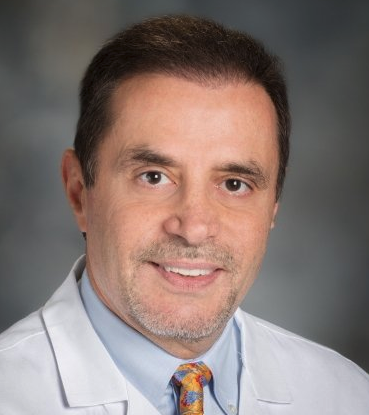 Hagop M. Kantarjian合作论文数Department of Leukemia, Division of Cancer Medicine, The University of Texas MD Anderson Cancer Center393
 Gautam Borthakur合作论文数Department of Leukemia, Division of Cancer Medicine, The University of Texas MD Anderson Cancer Center334
 Guillermo Garcia-Manero合作论文数Section of Myelodysplastic Syndromes, Department of Leukemia, Division of Cancer Medicine, The University of Texas MD Anderson Cancer Center;UTHealth Houston Graduate School of Biomedical Sciences287
 Naval G. Daver合作论文数Department of Leukemia, Division of Cancer Medicine, The University of Texas MD Anderson Cancer Center271
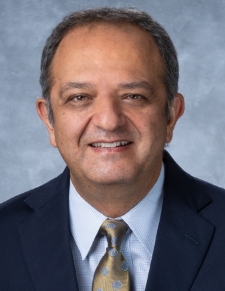 Farhad Ravandi-Kashani合作论文数Section of Developmental Therapeutics, Department of Leukemia, The University of Texas MD Anderson Cancer Center;Division of Cancer Medicine, The University of Texas MD Anderson Cancer Center271
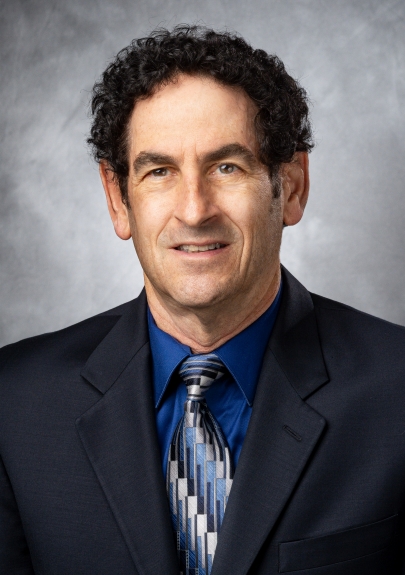 Steven M. Kornblau合作论文数Department of Leukemia, Division of Cancer Medicine, University of Texas MD Anderson Cancer Center;Department of Stem Cell Transplantation, Division of Cancer Medicine, The University of Texas MD Anderson Cancer Center249
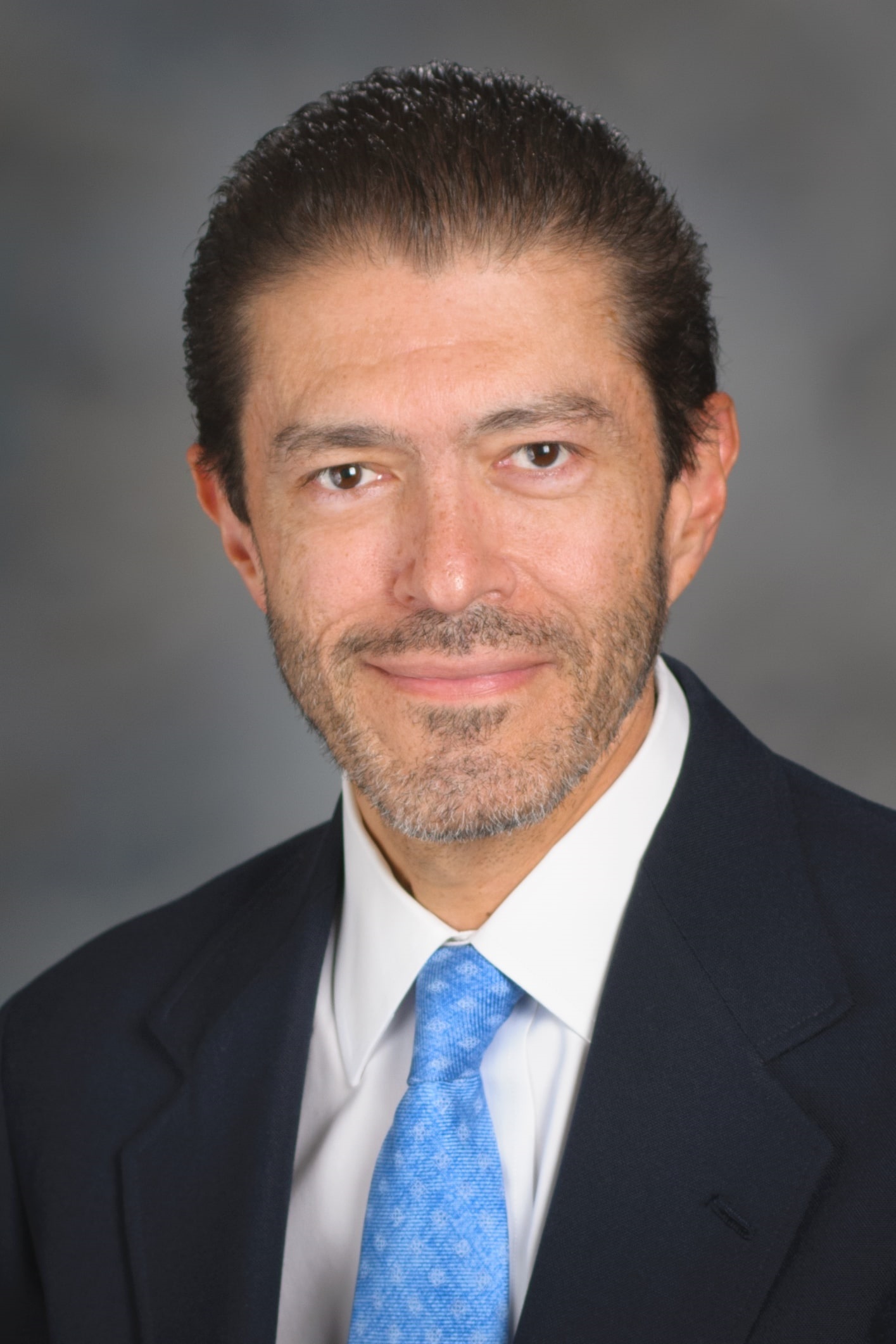 Jorge Cortes合作论文数Georgia Cancer Center, Augusta University;Department of Medicine, Medical College of Georgia, Augusta University;The Graduate School, Augusta University;Latin America Leukemia Net Lalnet242
 Tapan M. Kadia合作论文数Department of Leukemia, Division of Cancer Medicine, M.D. Anderson Cancer Center216
 Vivian Ruvolo合作论文数207
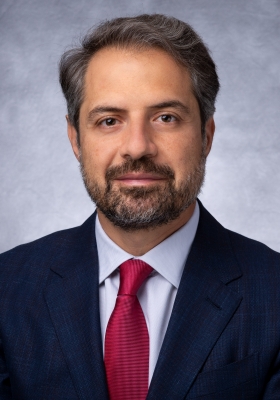 Elias Jabbour合作论文数Department of Leukemia, Division of Cancer Medicine, MD Anderson Cancer Center, University of Texas193
 Courtney DiNardo合作论文数Department of Leukemia, The University of Texas MD Anderson Cancer Center180
 Bing Z. Carter合作论文数Section of Molecular Hematology and Therapy, Department of Leukemia, The University of Texas MD Anderson Cancer Center169
 Stephanie Pierce合作论文数Western Governors University116
 Koji Sasaki合作论文数114
 Naveen Pemmaraju合作论文数Department of Leukemia, The University of Texas MD Anderson Cancer Center112Yesid Alvarado合作论文数106Peter P. Ruvolo合作论文数105Teresa Mcqueen合作论文数105
 Loghavi Sanam合作论文数Dept Hematopathol, Univ Texas MD Anderson Canc Ctr101
 Yoko Tabe合作论文数100
 Koichi Takahashi合作论文数99Mak Po Yee合作论文数98
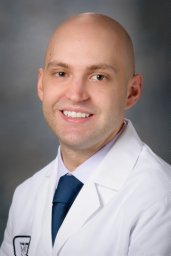 Nicholas Short合作论文数Department of Cellular and Structural Biology, University of Texas Health Science Center at San Antonio94
 Venkata Lokesh Battula合作论文数88
 Kensuke Kojima (小島研介)合作论文数Department of Hematology, Kochi Medical School, Kochi University86
 Zeev Estrov合作论文数Department of Leukemia, Division of Cancer Medicine, The University of Texas MD Anderson Cancer Center85
 Rodrigo Jacamo合作论文数81
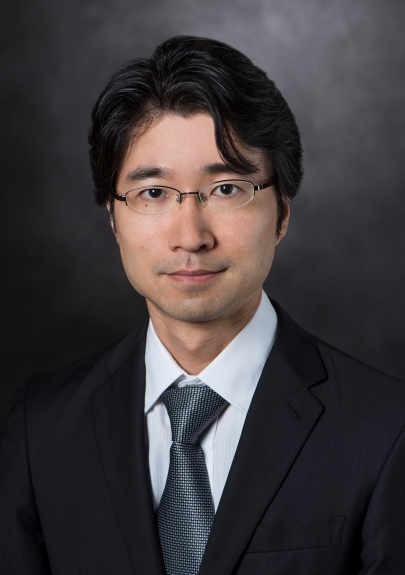 Jo Ishizawa合作论文数Department of Leukemia, The University of Texas M.D. Anderson Cancer Center79Duncan H. Mak合作论文数Department of Stem Cell Transplantation and Cellular Therapy, The University of Texas M. D. Anderson Cancer Center79
 Ghayas C Issa合作论文数78Mu Hong合作论文数76
 Weiguo Zhang合作论文数72
 Musa Yilmaz合作论文数Department of Leukemia, MD Anderson Cancer Center71
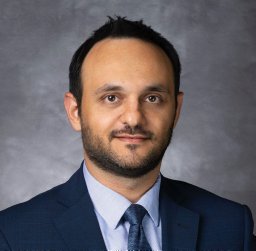 Abbas Hussein A合作论文数Department of Molecular and Cellular Oncology, University of Texas M. D. Anderson Cancer Center71Zhihong Zeng合作论文数70
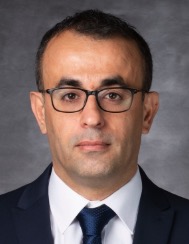 Muharrem Muftuoglu合作论文数Department of Leukemia, Division of Cancer Medicine, The University of Texas MD Anderson Cancer Center67Lauren B Ostermann合作论文数66
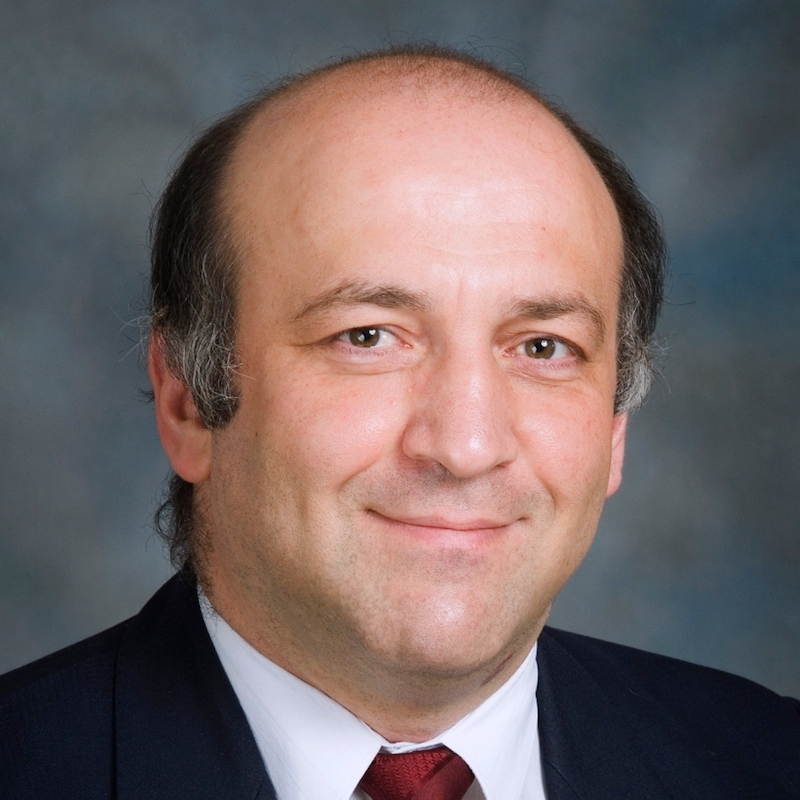 Sergej Konoplev合作论文数Memorial Sloan Kettering Cancer Center;Department of Hematopathology, The University of Texas MD Anderson Cancer Center66
 Maiti Abhishek合作论文数Department of Critical Care Medicine, West Bank Hospital65
 Mark Brandt合作论文数65
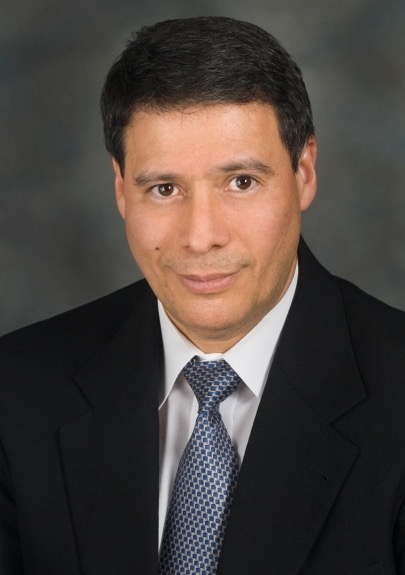 Carlos E. Bueso-Ramos合作论文数Bone Marrow Laboratory, Department of Hematopathology, The University of Texas MD Anderson Cancer Center;Division of Pathology/Lab Medicine, The University of Texas MD Anderson Cancer Center63Wendy D. Schober合作论文数63
 Ismael Samudio合作论文数DCx Biotherapeutics Corporation62Rui-Yu Wang合作论文数61
 Stefan Faderl合作论文数Division of Leukemia, John Theurer Cancer Center, Hackensack University Medical Center61
 Yuki Nishida合作论文数MD Anderson Cancer Center, The University of Texas57Qi Zhang (张琪)合作论文数56Xuelin Huang合作论文数55




