Chemotherapy-induced peripheral neuropathy (CIPN) is a common and serious adverse effect of chemotherapeutic agents such as taxanes, platinum compounds, and vinca alkaloids. Efforts to prevent and treat CIPN are impeded by an incomplete understanding of its pathogenesis. Recently, the gut microbiota has been causally linked to CIPN in rodent models. However, human studies exploring this connection are limited. Here, in a cohort of 70 patients with early-stage breast cancer, relationships between disruptions in the gut microbiota during chemotherapy and both participant CIPN symptoms and general pain symptoms were investigated. Study participants provided fecal samples (for 16S rRNA sequencing and targeted metabolomics), blood samples, and sensory symptom information during the three days prior to their first and their final chemotherapy (including a taxane drug) infusions. Sensory neuropathy symptoms increased during treatment, as did circulating levels of neurofilament light chain (NFL), a putative biomarker of CIPN. Decreases in microbiota alpha diversity during chemotherapy were associated with worse neuropathy symptoms during treatment, along with worsening of general pain, after controlling for pre-treatment baseline symptoms. Larger shifts in beta diversity from baseline to last infusion also coincided with more severe neuropathy symptoms. Bacterial producers of short-chain fatty acids were decreased in participants with neuropathy symptoms at the final chemotherapy infusion. Furthermore, decreases in fecal levels of short-chain fatty acids during treatment were related to worse neuropathy symptoms, suggesting a potential mechanism by which gut microbiota alterations could influence CIPN. Collectively, these findings corroborate preclinical work linking the gut microbiota to CIPN and provide evidence of potential microbiota involvement in general pain symptoms as well. Larger confirmatory studies in the future could support microbiota-targeted interventions for CIPN, such as fecal microbiota transplants or dietary interventions.
The leukocyte NADPH oxidase 2 (Nox2) is an important regulator of inflammatory responses, independent of its antimicrobial activity. Inactivating mutations in NOX2 cause chronic granulomatous disease (CGD), a severe immunodeficiency associated with recurrent infections and dysregulated neutrophilic inflammation. Recurrent oral ulcers, stomatitis, gingivitis, and other inflammatory issues affecting the oral mucosa have been observed in patients with CGD; however, the underlying mechanisms are not known. Here, we present evidence that the extensive inflammatory destruction of oral mucosal tissues observed in Nox2-deficient or CybbKO mice was not caused by impaired antimicrobial surveillance against oral pathobionts but instead resulted from a cell-intrinsic dysregulation of neutrophil inflammatory responses. Transcriptional and cellular profiling of oral tissues isolated from wild-type and CybbKO mice showed a dominant neutrophil signature, which was accompanied by a significant upregulation of several bone-resorbing, tissue-degrading inflammatory cytokines and a reduced expression of nuclear factor erythroid 2-related factor 2 (Nrf2) regulated genes. Mechanistically, hyperinflammatory responses were mitigated by restoring Nrf2 transcriptional activity using a synthetic agonist. Thus, our studies show that the Nox2 oxidase and derivative reactive oxygen species are crucial for balanced neutrophil recruitment and cell-intrinsic regulation of their inflammatory responses within oral tissues in an Nrf2-dependent manner.
Background Fatigue is a common and debilitating side effect of chemotherapy, negatively affecting treatment adherence and survival. Chemotherapy alters gut microbiome composition, and accumulating evidence suggests that gut microbes contribute to chemotherapy-induced fatigue. Because the gut microbiome is modifiable through targeted interventions, such as fecal microbiota transplantation (FMT), microbiome modulation has emerged as a potential strategy to mitigate treatment-related toxicities. To understand the impact of FMT interventions across the gut-brain axis, studying rodent chemotherapy models that simultaneously capture behavioral side effects and gastrointestinal pathology is warranted. Methods Patient-reported fatigue and diarrhea were assessed in breast cancer patients before and during chemotherapy (n = 67). In parallel, mice were treated with chemotherapy (5-fluorouracil [5-FU] or paclitaxel) with or without FMT derived from pre-chemotherapy fecal material. Outcomes included fatigue (in-cage locomotion and voluntary wheel running), gut microbiome composition (16S rRNA sequencing), intestinal and brain gene/protein expression (RT-qPCR, single-cell RNA sequencing, and/or multiplex electrochemiluminescence assay), and circulating inflammatory markers. Results In patients, increased fatigue during chemotherapy was associated with worse diarrhea and shifts in gut microbiome composition. In mice receiving 5-FU, FMT produced mild-to-moderate benefits, most notably preserving body mass, with milder and transient benefits for fatigue. FMT partially normalized gut bacterial taxa, reduced 5-FU-induced colonic Il1b expression, and prevented chemotherapy-related increases in brain Aqp4. FMT did not attenuate other inflammatory effects induced by 5-FU or paclitaxel. Conclusion These findings are consistent with a role for gut microbes in chemotherapy-induced fatigue and suggest that FMT is not universally beneficial, with effects varying by chemotherapy drug.
Introduction:Prenatal stress (PNS) is associated with deleterious effects on childhood health and wellbeing. Among these consequential health repercussions, PNS-exposed children are at increased risk for acquiring early-life infections, with respiratory infections frequently reported. Stress-induced perturbations in the maternal microbiome during pregnancy represent a key link between stress in utero and aberrant offspring development and can drive abnormal pioneer colonization of offspring microbiomes. Methods:Using a mouse model of PNS, we aimed to understand the extent to which these early-life intestinal microbial perturbations are related to intestinal and lung cytokine gene expression. The intestinal microbiome alongside intestinal and lung tissue gene expression were assessed over the first five weeks of life in PNS-exposed offspring to characterize basal cytokine differences in relation to intestinal microbial composition. Results:In addition to significant changes in microbiome diversity and differential abundance, PNS offspring exhibited significant differences in ileal and lung cytokines characterized by overall increased interferon and proinflammatory gene signatures. PNS-associated microbiome changes also correlated to gene expression in both the ileum and lung. Finally, PNS-associated cytokine differences were not observed in MyD88-/- offspring which lack the ability to initiate inflammatory responses through microbially-stimulated toll-like receptor signaling. Conclusion:These findings suggest that PNS-mediated changes in the early-life microbiome are linked to respiratory and ileal immune development and the microbe-immune interactions are MyD88 pathway-dependent.
Cardiovascular disease (CVD) remains a leading cause of morbidity and mortality, particularly in under-resourced populations. Although nutritional interventions are important for CVD prevention, their outcomes are commonly evaluated using conventional clinical and behavioral indicators, which may not fully capture early molecular responses. In this study, we developed the BIOCARD framework, an exploratory fecal multi-omics platform integrating bile acids, lipids, and metabolites to evaluate intervention outcomes related to cardiovascular health. Fecal samples were collected from caregiver-child participants enrolled in a 10-week randomized controlled trial comparing a multicomponent garden-based intervention (SHA) with an education-only control group (MSP). Fecal polar metabolites, lipids, and bile acids were analyzed by UHPLC-HRMS-based approaches and integrated with conventional health indicators. Traditional clinical indicators in the present study showed limited sensitivity for detecting intervention-related differences. In contrast, fecal multi-omics analyzes revealed intervention-associated differences in metabolites, lipids, and bile acids, with children showing more apparent molecular variation than parents. Network analysis further revealed associations between selected molecular features and cardiovascular-related indicators, including blood pressure, body fat, skin carotenoids, and Healthy Eating Index scores. Together, these findings suggest that the BIOCARD framework may serve as an exploratory molecular approach to complement traditional outcome measures and improve the evaluation of nutritional interventions for cardiovascular health.
Chemotherapy affects over 300,000 U.S. breast cancer patients, which disrupts the gut microbiome and induces gut inflammation-an effect hypothesized to drive gastrointestinal side effects (e.g., diarrhea, vomiting) experienced by 50%-80% of patients. Preclinical studies have found causal links amongst chemotherapy-induced gut microbiome disruption, systemic inflammation, and brain-mediated side effects. Therefore, the gut microbiome represents a therapeutic target to attenuate chemotherapy side effects. Because clinical populations are administered multiple chemotherapeutics in combination, a comprehensive understanding of which treatments disrupt the gut microbiome‒blood‒brain axis is lacking. Here, translationally-relevant regimens of four commonly used breast cancer chemotherapies (paclitaxel, cyclophosphamide, cisplatin, and doxorubicin) were given to adult female C57BL/6 mice, and inflammatory, metabolomics and/or bacteriome outcomes were measured in the gut, gut contents, blood, and brain tissues, along with a fatigue and anxiety-like behavioral assessment. Many inter-chemotherapy differences were observed but notable findings include prolonged circulation and central proinflammatory signals by paclitaxel and sustained disruption of the gut microbiome by cisplatin. In contrast, cyclophosphamide and doxorubicin modestly disrupted the gut microbiome‒blood‒brain axis. Taken together, this study systematically identified that paclitaxel and cisplatin most robustly disrupted the gut microbiome‒blood‒brain axis, suggesting that those treated with these drugs may benefit the most from gut-targeted interventions for associated side effects.
Objectives To identify predictive gene-expression signatures for immune-related adverse events (irAEs) in patients with melanoma treated with anti-PD-1 inhibitors, in the adjuvant therapy (AT) and first-line therapy (FLT).Methods This retrospective study analyzed baseline whole-blood gene expression profile from 161 patients with resected stage III or unresectable stage III-IV melanoma treated with anti-PD-1 inhibitors. RNA was extracted from baseline peripheral blood samples and profiled using the NanoString nCounter PanCancer IO 360 panel. Gene-expression signatures were identified and validated using cross-validated sparse partial least squares modeling and principal component analysis, then correlated with toxicity occurrence.Results A total of 223 and 186 irAEs were observed in the AT and FLT groups, respectively, including arthralgia, colitis, and headache. Distinct gene-expression signatures significantly predicted toxicity occurrence, with variation across therapy settings. Arthralgia was predicted by immune-related and apoptotic gene signatures (eg, SMAD5, FASLG in FLT; ICOS, TGFB2 in AT), while colitis was linked to inflammatory and adhesion-related pathways. In the AT group, headache was associated with genes involved in interferon and adhesion signaling. Across both cohorts, specific signatures predicted overall irAE risk and timing. No events were observed in patients with low-risk signatures over the follow-up period. In the FLT cohort, arthralgia and cutaneous toxicities were positively associated with ORR, while arthralgia, asthenia, colitis, fatigue, and skin-related toxicities correlated with improved disease control rate. No significant association between irAEs and relapse risk was observed in the adjuvant cohort.Conclusions Whole-blood gene-expression profiling enables early identification of patients at high risk for irAEs during anti-PD-1 therapy. These predictive biomarkers may guide personalized toxicity monitoring in melanoma treatment.
Psychological stress is a known risk factor for inflammatory bowel disease (IBD), but the mechanisms linking stress to worsened disease remain unclear. Because distinct stress paradigms activate different neuroimmune circuits, it is critical to investigate model-specific effects. We examined how social stress primes the gut for heightened inflammation and whether this is mediated by specific neuroendocrine pathways, including α2-/β-adrenergic (sympathetic) or glucocorticoid/ corticotropin-releasing hormone receptor (CRHR1) (HPA axis) signaling. Mice were exposed to social disruption (SDR) stress and pre-treated with pharmacological antagonists targeting α2-adrenergic receptors (idazoxan), β-adrenergic receptor (β-AR) (propranolol), glucocorticoid receptor (mifepristone), or CRHR1 (antalarmin). Intestinal epithelial cell (IEC) gene expression and microbiota composition were assessed following SDR. To determine disease impact, SDR was combined with either Citrobacter rodentium infection or dextran sulfate sodium (DSS)-induced colitis, with interventions including the β-AR inhibitors and the NADPH oxidase inhibitor apocynin. SDR significantly upregulated expression of Dual oxidase 2 (Duox2), Dual oxidase maturation factor 2 (Duoxa2), and inducible nitric oxide synthase 2 (Nos2) in IECs (2- to 8-fold, p < 0.0001), effects reversed by β-AR blockade but not α2-adrenergic, CRH, or glucocorticoid inhibition. SDR also induced microbial dysbiosis, characterized by reduced α -diversity and compositional shifts, which was rescued by propranolol. Stress exacerbated disease severity in both infectious (C. rodentium) and chemically induced (DSS) colitis, amplifying colonic expression of Duox2, Nos2, and Ccl2, especially. Apocynin mitigated stress-induced ROS/RNS production and body weight loss even prior to colitis onset, reduced colonic expression of key oxidative enzymes, especially DUOX2, and alleviated both chemically and infectious colitis severity. These findings provide strong evidence that social stress sensitizes the gut to inflammation through β-adrenergic and NADPH oxidase-driven oxidative stress, highlighting potential therapeutic targets for mitigating stress-exacerbated IBD.
BACKGROUND:The gut microbiota is increasingly recognized as a critical regulator of brain function, influencing neurodevelopment, brain physiology, and disease vulnerability in part through its interactions with microglia, the resident immune cells of the central nervous system. Microbial metabolites, beginning prenatally and persisting throughout the lifespan, modulate fundamental aspects of microglial biology. SUMMARY:Microglia from germ-free mice exhibit persistent immaturity, altered energy metabolism, and blunted inflammatory responses, which can be partially reversed by microbial colonization or supplementation with specific bacterial metabolites. Short-chain fatty acids, tryptophan-derived indoles, and secondary bile acids have emerged as key microbial mediators that regulate microglial development, metabolism, and immune function, whereas certain inflammatory metabolites, such as trimethylamine n-oxide, disrupt microglial homeostasis, and worsen neurodegeneration. KEY MESSAGES:These findings reveal distinct metabolite-driven pathways linking microbial composition to microglial phenotypes, positioning the microbiome as a potential key influencer of neurodevelopmental trajectories and the pathophysiology of psychiatric and neurological disorders. Despite recent advances, major knowledge gaps persist in understanding the precise molecular intermediaries and mechanisms through which metabolite signaling to microglia shapes susceptibility or resilience to brain-based disorders. Understanding both the bacterial metabolomic landscape and its collective impact on microglial programming holds substantial therapeutic promise, offering avenues to target microbial metabolite production or administer them directly to modulate disease susceptibility.
Early gut microbiome development may impact brain and behavioral development. Using a nonhuman primate model (Macaca mulatta), we investigated the association between social environments and the gut microbiome on infant neurodevelopment and cognitive function. Infant rhesus monkeys (n = 33) were either mother-peer-reared (MPR) or nursery-reared (NR). Neurodevelopmental outcomes, namely emotional responsivity, visual orientation, and motor maturity, were assessed with the Primate Neonatal Neurobehavioral Assessment (PNNA) at 14-30 days. Cognitive development was assessed through tasks evaluating infant reward association, cognitive flexibility, and impulsivity at 6-8 months. The fecal microbiome was quantified from rectal swabs via 16S rRNA sequencing. Factor analysis was used to identify "co-abundance factors" describing patterns of microbial composition. We used multiple linear regressions with AIC Model Selection and differential abundance analysis (MaAsLin2) to evaluate relationships between co-abundance factors, microbiome diversity, and neuro-/cognitive development outcomes. At 30 days of age, a gut microbiome co-abundance factor, or pattern, with high Prevotella and Lactobacillus (beta = -0.88, p = 0.04, AIC Weight = 68%) and gut microbiome alpha diversity as measured by Shannon diversity (beta = -1.33, p = 0.02, AIC Weight = 80%) were both negatively associated with infant emotional responsivity. At 30 days of age, being NR was also associated with lower emotional responsivity (Factor 1 model: beta = -3.13, p < 0.01; Shannon diversity model: beta = -3.77, p < 0.01). The infant gut microbiome, along with early-rearing environments, may shape domains of neuro-/cognitive development related to temperament.
Sickle cell disease (SCD) is a chronic blood disorder that disrupts multiple organ systems and can lead to severe morbidity. Persistent and acute symptoms caused by immune system dysregulation in individuals with SCD could contribute to disease either directly or indirectly via dysbiosis of commensal microbes and increased susceptibility to infection. Here, we explored the nasal and oral microbiomes of children with SCD (cwSCD) to uncover potential dysbiotic associations with the blood disorder. Microbiota collected from nasal and oral swabs of 40 cwSCD were compared to eight healthy siblings using shotgun metagenomic sequencing. Commensal taxa were present at similar levels in the nasal and oral microbiome of both groups. However, the nasal microbiomes of cwSCD contained a higher prevalence of Pseudomonadota species, including pathobionts such as Yersinia enterocolitica and Klebsiella pneumoniae. Furthermore, the oral microbiome of cwSCD displayed lower α-diversity and fewer commensal and pathobiont species compared to the healthy siblings. Thus, subtle but notable shifts seem to exist in the nasal and oral microbiomes of cwSCD, suggesting an interaction between SCD and the microbiome that may influence health outcomes. IMPORTANCE:The oral and nasal cavities are susceptible to environmental exposures including pathogenic microbes. In individuals with systemic disorders, antibiotic exposure, changes to the immune system, or changes to organ function could influence the composition of the microbes at these sites and the overall health of individuals. Children with sickle cell disease (SCD) commonly experience respiratory infections, such as pneumonia or sinusitis, and may have increased susceptibility to infection because of disrupted microbiota at these body sites. We found that children with SCD (cwSCD) had more pathobiont bacteria in the nasal cavity and reduced bacterial diversity in the oral cavity compared to their healthy siblings. Defining when, why, and how these changes occur in cwSCD could help identify specific microbial signatures associated with susceptibility to infection or adverse outcomes, providing insights into personalized treatment strategies and preventive measures.
BACKGROUND:Decreased Aryl Hydrocarbon Receptor (AHR) signaling pathway activation is implicated in necrotizing enterocolitis (NEC) pathogenesis. Limosilactobacillus reuteri (Lr) is a probiotic that catabolizes tryptophan into AHR ligands. We have previously shown that Lr in its biofilm state has improved efficacy against NEC. However, the importance of the physiologic state of Lr (planktonic vs. biofilm) on AHR activation remains unknown. METHODS:In vitro experiments using intestinal epithelial cells (IEC) and in vivo experiments in premature rodents were carried out to assess the impact of planktonic- vs. biofilm-state Lr on AHR ligand production, AHR activation, and protection against NEC. RESULTS:Biofilm-state Lr was found to have increased persistence in the intestine of premature rodent pups compared to planktonic-state Lr. IECs exposed to conditioned media from Lr grown with tryptophan demonstrated increased AHR activation compared to IECs exposed to tryptophan alone. Finally, biofilm-state Lr was associated with increased intestinal AHR ligand production, AHR activation, and protection against NEC in rodent pups. CONCLUSION:Biofilm-state Lr has increased persistence in the gut and protects against NEC. This protection is associated with increased AHR activation in the intestine. Through improved understanding of the interactions of Lr and AHR signaling, we may be able to further enhance Lr efficacy against NEC. IMPACT:Limosilactobacillus reuteri in its biofilm state increases AHR activation and reduces intestinal injury during NEC. This is the first study to look at the role of the AHR signaling pathway in Limosilactobacillus reuteri-mediated protection against NEC. Development of an effective therapy to prevent NEC would reduce the morbidity and mortality of this lethal disease.
Metaproteomic analysis offers critical insights into gut microbiome function; however, efficient microbial protein extraction from fecal samples remains challenging due to the complexity of different types of bacterial cell walls in the microbiome. In this study, we systematically compared three representative detergent-based lysis buffers (sodium dodecyl sulfate_urea, dodecyl β-D-maltoside_urea, sodium dodecyl sulfate_ dodecyl β-D-maltoside_urea) for metaproteomics sample preparation. After multiple levels of analyses, we identified SDS_DDM_urea as the most efficient option for extracting diverse microbial proteins, peptides, and identifying microbial species. Applying this optimized method to samples from a community based dietary intervention study (Summer Harvest Adventure), we found minimal group-level microbial diversity shifts during this type of intervention, but substantial individual-specific variations reflected by metaproteomics results. Functional analyses also revealed microbial protein changes, especially proteins related to metabolic adaptations, including enhanced carbohydrate metabolism, amino acid biosynthesis, vitamin transport, and increased expression of membrane-associated proteins. Our results highlighted the personalized microbiome response to dietary interventions and underscored the importance of selecting appropriate protein extraction methods to accurately capture microbiome functional dynamics in microbiome analyses via metaproteomics.
Dietary fiber ingestion serves as a critical regulator of intestinal motility and the structure and function of the enteric microbiome. Yet, the extent to which subtle structural differences among fibers modulate motility via microbiota-host interactions remains undefined. GABA is a microbial metabolite intimately related to microbial fructan fermentation and host intestinal motility. The purpose of this study was to investigate how fructan chain length influenced microbiota-host signaling underlying ileal and colonic contractions. Male and female mice were pair-fed diets containing no fiber (fiber-free diet, FFD) or the same diet containing cellulose (CELL, fiber control), short-chain fructooligosaccharides (scFOS), or inulin (INU) for 2 weeks. scFOS and INU similarly enhanced total microbial load (fluorescence in situ hybridization), relative abundances of GABA-synthesizing bacteria (16S rRNA sequencing), and luminal GABA concentrations (ELISA) in the ileum and colon versus FFD. Conversely, scFOS altered expression (Fluidigm qPCR) of more motility- and GABA-related genes than INU in the ileum, whereas INU altered expression of more motility and GABA-related genes than scFOS in the colon. Incubation of ileal segments with GABA potentiated contraction force in INU but not scFOS ex vivo. Conversely, incubation of colon segments with GABA repressed contraction force in scFOS, reducing them to levels observed in INU with or without GABA. Notably, GABA altered contraction forces only in female mice. Our study highlights dietary fructan chain length as a determinant of segment- and sex-specific GABA-mediated intestinal motility and creates a rationale and framework for investigation of how prebiotic fiber structures influence microbiota-host interactions and physiology.
Background:Psychosocial stress and mood-related disorders, such as depression, are prevalent and vulnerability to these conditions is heightened during pregnancy. Psychosocial stress induces consequences via several mechanisms including the gut microbiota-brain axis and associated signaling pathways. Previous preclinical work indicates that prenatal stress alters maternal gut microbial composition and impairs offspring development. Importantly, although the fecal and vaginal microenvironments undergo alterations across pregnancy, we lack consensus regarding which shifts are adaptive or maladaptive in the presence of prenatal stress and depression. Clinical studies interrogating these relationships have identified unique taxa but have been limited in study design. Methods:We conducted a prospective cohort study of pregnant individuals consisting of repeated administration of psychometrics (Perceived Stress Scale (PSS) and Center for Epidemiological Studies Depression Scale (CES-D)) and collection of fecal and vaginal microbiome samples. Fecal and vaginal microbial community composition across psychometric responses were interrogated using full-length 16S rRNA sequencing followed by α and β-diversity metrics and taxonomic abundance. Results:Early pregnancy stress was associated with increased abundance of fecal taxa not previously identified in related studies, and stress from late pregnancy through postpartum was associated with increased abundance of typical vaginal taxa and opportunistic pathogens in the fecal microenvironment. Additionally, in late pregnancy, maternal stress and depression scores were associated with each other and with elevated maternal C-C motif chemokine ligand 2 (CCL2) concentrations. At delivery, concordant with previous literature, umbilical CCL2 concentration was negatively correlated with relative abundance of maternal fecal Lactobacilli. Lastly, participants with more severe depressive symptoms experienced steeper decreases in prenatal vaginal α-diversity. Conclusion:These findings a) underscore previous preclinical and clinical research demonstrating the effects of prenatal stress on maternal microbiome composition, b) suggest distinct biological pathways for the consequences of stress versus depression and c) extend the literature by identifying several taxa which may serve critical roles in mediating this relationship. Thus, further interrogation of the role of specific maternal microbial taxa in relation to psychosocial stress and its sequelae is warranted.
Otitis media (OM) is one of the most globally pervasive pediatric conditions. Translocation of nasopharynx-resident opportunistic pathogens like nontypeable Haemophilus influenzae (NTHi) assimilates into polymicrobial middle ear biofilms, which promote OM pathogenesis and substantially diminish antibiotic efficacy. Oral or tympanostomy tube (TT)-delivered antibiotics remain the standard of care (SOC) despite consequences including secondary infection, dysbiosis, and antimicrobial resistance. Monoclonal antibodies (mAb) against two biofilm-associated structural proteins, NTHi-specific type IV pilus PilA (anti-rsPilA) and protective tip-region epitopes of NTHi integration host factor (anti-tip-chimer), were previously shown to disrupt biofilms and restore antibiotic sensitivity in vitro. However, the additional criterion for clinical relevance includes the absence of consequential microbiome alterations. Here, nine chinchilla cohorts (n = 3/cohort) without disease were established to evaluate whether TT delivery of mAbs disrupted nasopharyngeal or fecal microbiomes relative to SOC-OM antibiotics. Cohort treatments included a 7d regimen of oral amoxicillin-clavulanate (AC) or 2d regimen of TT-delivered mAb, AC, Trimethoprim-sulfamethoxazole (TS), ofloxacin, or saline. Fecal and nasopharyngeal lavage (NPL) samples were collected before and several days post treatment (DPT) for 16S sequencing. While antibiotic-treated cohorts displayed beta-diversity shifts (PERMANOVA, P < 0.05) and reductions in alpha diversity (q < 0.20) relative to baseline, mAb antibodies failed to affect diversity, indicating maintenance of a eubiotic state. Taxonomic and longitudinal analyses showed blooms in opportunistic pathogens (ANCOM) and greater magnitudes of compositional change (P < 0.05) following broad-spectrum antibiotic but not mAb treatments. Collectively, results showed broad-spectrum antibiotics induced significant fecal and nasopharyngeal microbiome disruption regardless of delivery route. Excitingly, biofilm-targeting antibodies had little effect on fecal and nasopharyngeal microbiomes.
The first two years of the COVID-19 pandemic and subsequent health mandates resulted in significant disruptions to daily life, creating a period of heightened psychosocial stress in myriad aspects. Understanding the impact of this period on pregnant individuals' bacteriomes is crucial as pregnancy is a period of heightened vulnerability to stress and its sequelae, anxiety and mood disorders, which have been demonstrated to alter gut microbiome composition. In a prospective cohort study (N = 12-26) conducted from February 2019 to August 2021, we examined psychometric responses and rectal microbiome swabs from pregnant individuals. Full-length 16 S rRNA sequencing followed by calculation of diversity metrics and relative abundance values were used to interrogate fecal microbiome community composition across pandemic groups. Distinct shifts in bacterial diversity and composition were observed during early to late pregnancy in the pandemic group, including lower relative abundance of pathogenic and lesser-known taxa. However, distribution of stress and depressive symptoms did not significantly differ from the pre-pandemic period while the correlation between stress and depressive symptoms dissipated during the pandemic. Our findings suggest that living through the COVID-19 pandemic altered the gut microbiome of pregnant individuals, independent of perceived stress.
 Stokes C.合作论文数Bristol Veterinary School, University of Bristol50
 John F. Sheridan合作论文数College of Dentistry, Ohio State University;Neuroendocrine Immunology Laboratory, Ohio State University50
 Jeffrey D. Galley合作论文数College of Dentistry, The Ohio State University37
 Amy R Mackos合作论文数College of Dentistry, The Ohio State University32K. Haverson合作论文数26
 Brett R. Loman合作论文数Division of Nutritional Sciences, College of Agricultural, Consumer and Environmental Sciences, University of Illinois at Urbana-Champaign24
 Tamar L. Gur合作论文数the Center for Neurodegenerative Disease Research and Department of Pathology and Laboratory Medicine, The University of Pennsylvania24David A. Padgett合作论文数Institute for Behavioral Medicine Research, The Ohio State University21Inman Charlotte F合作论文数17
 Jacob Matthew Allen合作论文数Division of Nutritional Sciences, College of Agricultural, Consumer and Environmental Sciences, University of Illinois at Urbana-Champaign17Powell N D合作论文数16Ross M Maltz合作论文数15Goodman Steven D合作论文数Center for Microbial Pathogenesis, The Research Institute at Nationwide Children's Hospital14
 Leah M Pyter合作论文数Institute for Mind and Biology, The University of Chicago14
 Steven K. Clinton合作论文数Department of Urology, College of Medicine, The Ohio State University;Division of Medical Oncology, Department of Internal Medicine, Comprehensive Cancer Center, The Ohio State University13Nicola M. Parry合作论文数13
 Marie Lewis合作论文数13Yijie Wang合作论文数13Robert M Jaggers合作论文数Dept Surg, Ohio State Univ12
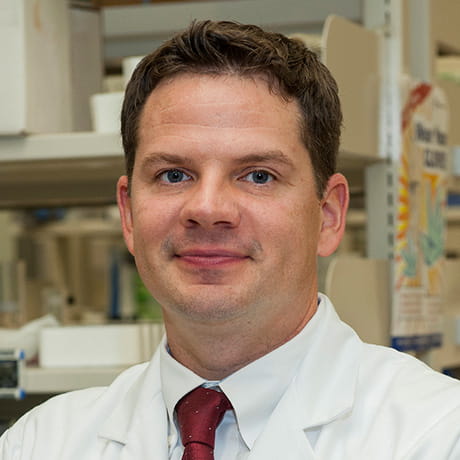 Jonathan Godbout合作论文数Center for Brain and Spinal Cord Repair, College of Medicine, The Ohio State University;Institute for Behavioral Medicine Research, College of Medicine, The Ohio State University;Department of Neuroscience, College of Medicine, The Ohio State University12Paul W. Bland合作论文数12
 Martin Birchall合作论文数Ear Institute, University College London;Faculty of Brain Sciences, University College London;The Royal College of Surgeons of England12
 Gail Besner合作论文数Division of Pediatric Surgery, College of Medicine, The Ohio State University11
 Mark Lyte合作论文数Department of Veterinary Microbiology & Preventive Medicine, College of Veterinary Medicine, Iowa State University11
 Timothy Eubank合作论文数School of Medicine, West Virginia University11C Stokes合作论文数10Therese Rajasekera合作论文数10
 Lauren Mashburn-warren合作论文数Center for Microbial Pathogenesis, The Research Institute at Nationwide Children's Hospital10Clay B. Marsh合作论文数Division of Pulmonary, Allergy, Critical Care and Sleep Medicine, DHLRI10Harald Engler合作论文数University Hospital Essen, University of Duisburg-Essen10
 Scot E Dowd合作论文数Molecular Research LP;Spirostat Technologies9Eric V Yang合作论文数8E Telemo合作论文数8Jennifer M Curry合作论文数8
 Audrey Duff合作论文数8
 Annelise Madison合作论文数Dept Psychol, Ohio State Univ8
 Rebecca Roberts Andridge合作论文数Div Biostat, Ohio State Univ8
 Ronald Glaser合作论文数Institute for Behavioral Medicine Research, College of Medicine, Ohio State University8
 Jennifer Thomas-Ahner合作论文数Department of Pathology;Ohio State University;Department of Pathology, Ohio State University8Nisha Crouser合作论文数7Laura A Sumner合作论文数7
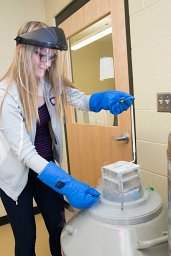 Kayla Steinberger合作论文数Dept Microbiol Immunol & Cell Biol, West Virginia Univ7Mitchard Louisa合作论文数7B. G. Miller合作论文数7
 Sandra C Kim合作论文数7
 Amy C Gross合作论文数7
 Jason Navarro合作论文数University of Nevada School of Life Sciences7
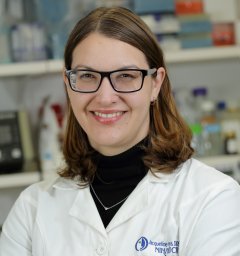 Jacqueline W. Mays合作论文数College Of Dentistry, The Ohio State University7Jeffrey L. Voorhees合作论文数Ohio State Biochemistry Program, The Ohio State University7




