450 Background: Inactivating genomic alterations (GA) of FANCC gene are associated with genomic instability, DNA cross-linking, and homologous DNA repair deficiency (HRD). FANCC GA are most frequently associated with colon, lung, breast, and prostate cancers (0.5% frequency) with germline FANCC mutations linked to familial breast cancer. FANCC GA have been rarely associated with RT and are not currently linked to any hereditary renal cancer predisposition syndromes. We evaluated the incidence of FANCC GA and other genomic features across cancer types. Methods: 463,546 clinically advanced cancers (CAC) underwent hybrid capture-based comprehensive genomic profiling using the FDA-approved F1CDx assay to detect all classes of GA. MSI status, tumor mutation burden (TMB), gLOH, prediction of germline status, genomic ancestry, and genomic signature were determined with algorithm-based analysis. PD-L1 expression was tested by IHC (Dako 22C3 tumor proportional score; low positive (LP) 1-49%). Results: 1,993 (0.43%) CAC featured FANCC GA. 27 of these FANCC-mutated tumors (20 male, mean age 57) were RT (0.35% of 7,668 RT): 13 clear cell, 3 sarcomatoid, 3 urothelial, 3 chromophobe, 2 squamous cell, 2 medullary renal carcinomas (RCC), and 1 Wilm’s tumor. The primary tumor was sequenced in 9 cases and a metastatic site in 18 (5 lymph node, 4 soft tissue, 3 brain, 2 liver, 1 each lung, adrenal, eye, bone). Only 1 of 25 tested FANCC-mutated RT was MSI-high. The mean TMB was 5.7 mut/Mb while the median TMB was 2.5 mut/Mb, and 4 cases (15%) featured TMB ≥10 mut/Mb. 2 of 4 FANCC-mutated RT that were tested for PD-L1 were LP. The mean gLOH was 7.5%. Genomic ancestry evaluation revealed 21 EUR, 4 AFR, and 2 AMR patients. Genomic signature could be assessed in 5 cases: 4 were MMR deficient. The FANCC mutations included inactivating short variant mutations in 24 cases (10 nonsense, 10 frameshift, 2 non-frame and 2 splice-site mutations) and 3 truncating rearrangements ( FANCC: SUSD3, FANCC: FANCC, FANCC: C20orf24). Interestingly, 14 (52%) of the FANCC-mutated RT were predicted to be germline. Additional GA in the FANCC-mutated RT included VHL, TP53, CDKN2A, ARID1A, PBRM1, TERT, PTEN, and SETD2. Conclusions: Somatic and germline mutations in FANCC occur in an exceedingly small subset of clinically advanced RT but at similar rate to other cancers. RT with inactivated FANCC do not appear to have a different GA landscape from RT with wild-type FANCC. The high frequency of predicted germline status during somatic testing with FANCC alterations suggests the importance of further workup with confirmatory germline testing as it may affect counseling for other family members. Limitations of this study include lack of clinical and therapy data annotation.
Upper tract urothelial carcinoma (UTUC) is a relatively uncommon urologic malignancy that has historically a worse prognosis than urothelial carcinoma of the bladder due to higher rate of invasion and worse morbidity in patients. However, recent developments in treatment possess great potential for improved outcomes in these patients. This review compiles the most recent practices in treating this disease, and avenues for future modalities. Risk stratification of UTUC guides treatment and surveillance, with neoadjuvant chemotherapy employed in higher stage, to improve oncologic outcome. Surgical management for UTUC includes endoscopic management (EM) and kidney-sparing surgery (KSS) for low risk (LR) disease, and radical nephroureterectomy (RNU) for high risk (HR) disease. EM may follow a retrograde or antegrade approach, preserving renal function at the cost of increased risk of recurrence. Topical therapies provide great potential for low-cost, outpatient procedures for LR disease, but their efficacy is poorly characterized. While RNU remains the gold standard, robot-assisted nephroureterectomy is the dominant modality, with lower rates of perioperative complications while maintaining comparable outcomes with respect to the open approach. Perioperative intravesical therapy is universally incorporated to reduce the risk of intravesical recurrence. The POUT trial demonstrated improved disease-free survival with adjuvant platinum-based chemotherapy following RNU, establishing it as standard of care in locally advanced disease, while enfortumab vedotin in combination with pembrolizumab has demonstrated significant improvements in progression-free and overall survival in the metastatic setting. Future implementation of biomarker technologies discloses the potential for improved screening and surveillance at low-cost. Treatment strategies for UTUC are rapidly expanding due to advances in diagnostic technologies and the emergence of novel systemic agents, including antibody-drug conjugates and immune checkpoint inhibitors. Proper management requires accurate risk stratification, with EM suitable for LR disease and RNU for HR disease.
The transcription factor Hypoxia-Inducible Factor 2α (HIF2α) plays a crucial role in cancer cell adaptation to hypoxic conditions, particularly in clear cell renal cell carcinoma, promoting tumor growth and angiogenesis. Targeting HIF2α through pharmacologic inhibition offers a promising therapeutic strategy for HIF2α-driven cancers. An in silico docking study using 10,000 drug-like compounds was performed using the previously solved X-ray crystal structure of HIF2α. Select compounds predicted to bind to the Per-Arnt-Sim-A (PAS-A) and PAS-B domains of HIF2α were further evaluated for biological activity in clear cell renal cell carcinoma and normal kidney cell lines. Biochemical and cell-based assays were performed to define the mechanism of action for a lead compound. Here, we identify Compound-c2 as a selective HIF2α inhibitor that binds to the PAS-B domain of HIF2α. Notably, Compound-c2 disrupts the interaction between HIF2α and the molecular chaperone Hsp70, leading to proteasomal degradation of HIF2α and the induction of apoptosis in ccRCC. The distinctive inhibitory mechanism of the HIF2α inhibitor identified here, Compound-c2, sets it apart from previous HIF2α antagonists. This positions Compound-c2 as a promising alternative with potential applications in addressing drug resistance, providing a unique approach to inhibit HIF2α-related processes. Cancer occurs when cells grow out of control. In the most common type of kidney cancer, this is caused by abnormal activity of a specific part of cellular machinery. In this study, we used computer simulations to find drugs that can stop this growth-causing activity. By testing drugs identified from these simulations, we found one drug that kills kidney cancer cells, but not normal cells. We show that this drug works differently than another drug used to kill kidney cancer. These results show that in the future, this drug could be used to treat kidney cancer, particularly in patients where other available drugs have not worked. Heritz et al. use an orthogonal approach to identify a selective inhibitor for HIF2α that disrupts its interaction with the molecular chaperone Hsp70. This inhibitor utilizes an alternative mechanism of action to previous HIF2α antagonists, providing a promising approach in addressing kidney cancer drug resistance.
Radical cystectomy remains the standard of care after neoadjuvant therapy for muscle-invasive bladder cancer. While newer regimens (NIAGRA, KEYNOTE-B15/905) achieve impressive pathological complete response rates, the survival benefits from these trials were built on consolidative surgery, with a 88% cystectomy rate bladder preservation. Clinical complete response agrees with true pathological complete response only about half the time, meaning current restaging tools cannot reliably identify who is truly disease-free. Bladder preservation trials using systemic therapy alone (RETAIN-1/2, HCRN GU 16-257) have shown concerning rates of recurrence and metastasis even with biomarker selection. Trimodal approaches incorporating radiation (IMMUNOPRESERVE, INDIBLADE) are promising but remain early-phase. Until validated biomarkers and prospective trials prove otherwise, cystectomy should remain part of the curative-intent treatment paradigm.
Introduction While renal AML is generally a benign tumor, malignant eAML is a rare form of renal malignancy of uncertain histogenesis and variable prognosis. This CGP-based study was designed to identify genomic alterations (GA) associated with potential therapeutic targets in this uncommon tumor. Methods Hybrid capture based CGP was performed on 38 cases of clinically advanced/metastatic renal eAML for all classes of GA. MSI status, gLOH, genomic ancestry, and gene signatures were determined by CGP. TMB was measured in mutations/Megabase (mut/Mb) of sequenced DNA. PD-L1 was measured by IHC using the DAKO 22C3 tumor cell proportional score (0%: negative; 1-49%: low positive). Results The primary tumor was used for CGP in 16/38 (42.1%) and a metastatic tissue in 22/38 (57.9%) cases (12 liver, 3 lung, 4 retroperitoneum, 2 peritoneum; 1 psoas muscle). In a subset when either MART1 or HMB45 IHC staining was performed all (100%) cases were positive for either biomarker. There were 21 (55.2%) female and 17 (44.8%) male patients with mean age of 50.5 years (median 53 years). There were no MSI-high cases. The mean (1.54 mut/Mb) and median (1.3 mut/Mb) TMB were uniformly low. Of 5 malignant eAML cases tested, 4 (80%) were negative and 1 (20%) case was low PD-L1 expression. Short variant mutations were found in TSC2 in 27 (71.1%) cases, the other 8 (28.9%) were TSC2-wild type. Germline mutations in the malignant eAML cases included 2 (5.3%) TSC2 GA and 1 (2.6%) each in the TP53, ARID1A, BRCA2, CHEK2, EGFR, MUTYH, CD36, FLCN and FANCC genes, all of uncertain roles in the pathogenesis of these tumors. In addition to the TSC2 mutatations, other GA potentially implicating MTOR pathway based targeted therapies included GA in PTEN (5.2%) and NF2 (2.6%). Other identified GA currently considered as “non-targetable” included TP53 (34.2%) and CDKN2A/B, ATRX and RB1 all at 13.2%. GA potentially impacting PARPi use included BRCA2 (2.6%). In 28 evaluable cases, the mean gLOH was 6.3% (0-37.9%) with 3/28 malignant eAML (10.7%) featuring gLOH of >16%. In 34 evaluable cases, 26 (76.5%) patients were of EUR ancestry, 5 (14.7%) of AMR ancestry, 3 (8.8%) of AFR ancestry. No specific genomic signature characterized these cases. Conclusions Renal malignant eAML also known as malignant PEComa of the kidney is an exceedingly rare tumor with propensity for malignant behavior that frequently displays a variety of germline mutations as well as GA indicative of potential efficacy of MTOR pathway inhibitors.
Literature supporting antimicrobial prophylaxis for hypospadias repairs is lacking, with largest studies including several hundred subjects. We sought to evaluate the association of a single dose of preoperative antibiotics in hypospadias repairs on postoperative outcomes using National Surgical Quality Improvement Program Pediatrics (NSQIP-P). The 2021-2022 NSQIP-P database was used to categorize hypospadias repairs into 3 groups - (1) 1-stage distal hypospadias repairs, (2) 1-stage proximal hypospadias repairs and second/third stage urethroplasties, and (3) repair of hypospadias complications. Patients with missing data regarding preoperative antibiotic prophylaxis administration were excluded. We evaluated the risk of wound complications (wound infection or dehiscence) and urinary tract infections (UTI). Binomial logistic regressions were performed with selected covariates including age, race, prematurity, relative value unit, operative time, American Society of Anesthesiologists score, and antibiotic prophylaxis. There were 5026 patients in group 1, 1428 patients in group 2, and 1159 patients in group 3. 6392 (84.0%) patients received preoperative antibiotics. Overall, UTI and wound complications rate was about 3%. On multivariable analysis, preoperative antibiotics were associated with decreased wound complications in longer procedures (p=0.018). Preoperative antibiotics correlated with decreased wound complications in longer procedures. Due to the overall very low incidence of postoperative complications, clinicians should consider omitting preoperative antibiotics in hypospadias repairs, particularly in lower risk patients.
PURPOSE:Literature supporting antimicrobial prophylaxis for hypospadias repairs is lacking, with largest studies including several hundred subjects. We sought to evaluate the association of a single dose of preoperative antibiotics in hypospadias repairs on postoperative outcomes using the National Surgical Quality Improvement Program Pediatric Registry. MATERIALS AND METHODS:The 2021 to 2022 National Surgical Quality Improvement Program Pediatric Registry was used to categorize hypospadias repairs into 3 groups-(1) 1-stage distal hypospadias repairs, (2) 1-stage proximal hypospadias repairs and second-/third-stage urethroplasties, and (3) repair of hypospadias complications. Patients with missing data regarding preoperative antibiotic prophylaxis administration were excluded. We evaluated the risk of wound complications (wound infection or dehiscence) and UTI. Binomial logistic regressions were performed with selected covariates including age, race, prematurity, relative value unit, operative time, American Society of Anesthesiologists score, and antibiotic prophylaxis. RESULTS:There were 5026 patients in group 1, 1428 patients in group 2, and 1159 patients in group 3. A total of 6392 (84.0%) patients received preoperative antibiotics. Overall, the UTI and wound complication rates were approximately 3%. On multivariable analysis, preoperative antibiotics were associated with decreased wound complications in longer procedures (P = .018). CONCLUSIONS:Preoperative antibiotics correlated with decreased wound complications in longer procedures. Owing to the overall very low incidence of postoperative complications, clinicians should consider omitting preoperative antibiotics in hypospadias repairs, particularly in lower-risk patients.
e17142 Background: Prostate Cancer (PCa) is the most common cancer in men and is the second leading cause of cancer-related mortality in men in the USA. It is estimated that 10-15% of PCa cases are due to germline mutations. PCa with germline mutation is generally more biologically aggressive and is associated with worse clinical outcomes. Therefore, it is crucial to understand factors that may influence the risk of PCa with germline mutations. We assessed the impact of a prior cancer diagnosis. Methods: Data were extracted from the Myriad Collaborative Research Registry (MCRR) for patients with a PCa diagnosis who received germline testing (MyRisk; starting September 2013) through Myriad Genetics. Variables included age of diagnosis, family and personal history of cancer, USA region, and germline mutation status. Patients were categorized based on whether they had no prior cancer diagnosis, one prior diagnosis, or 2+ prior diagnoses. A logistic regression model assessed the factors associated with a positive germline mutation. Results: The total number of PCa patients in the study was 42,643. Overall, 12.4% of PCa patients tested positive for a germline mutation. 10.5% of patients with no prior cancer history had a positive germline mutation, significantly less than the 15.1% of patients with one previous diagnosis (p<0.001) and 17.5% with 2+ previous diagnoses (p<0.001). The most significant difference was seen in patients with a history of colon cancer, where 8.6% of those with a positive germline mutation previously had colon cancer, while only 5.3% of those negative for a germline mutation did (p<0.001). In the logistic regression model (Table 1), a prior diagnosis of ureteral cancer (OR: 5.61, CI: 2.33-13.5), bladder cancer (OR: 1.53, CI: 1.19-1.97), sarcoma (OR: 2.51, CI: 1.15-5.50), and colon cancer (OR: 1.53, CI: 1.37-1.72) was statistically significantly associated with a germline mutation. Conclusions: PCa harboring germline mutations is associated with a prior diagnosis of cancer, specifically genitourinary cancers such as bladder and ureteral cancer, as well as colon cancer and sarcomas. These results emphasize the need to perform germline mutation testing in patients with a prior cancer history. Multivariable logistic regression model assessing associations of various factors with positive germline mutations in PCa patients. OR CI (95%) p-value Father had cancer 0.96 0.86-1.07 0.46 Sibling had cancer 0.98 0.88-1.09 0.69 Mother had cancer 1.03 0.92-1.15 0.62 Had bladder cancer 1.53 1.19-1.97 <0.001 Had ureteral cancer 5.61 2.33-13.5 <0.001 Had kidney/renal cancer 1.06 0.79-1.44 0.69 Had lung cancer 1.33 0.88-1.99 0.18 Had colon cancer 1.53 1.37-1.72 <0.001 Had sarcoma 2.51 1.15-5.50 0.02 *The multivariable model also adjusted for USA region of residence, age, and other cancers (Leukemia, lymphoma, head and neck, brain, melanoma, pancreatic, small bowel, gastric cancer, and other cancers).
451 Background: While renal AML is generally a benign tumor, malignant eAML is a rare form of renal malignancy of uncertain histogenesis featuring variable prognosis. Consequently, most series are limited in small sample sizes and lack comprehensive genomic analysis. We sought to survey the genomic landscape in malignant renal eAML and identify potential therapeutic targets. Methods: After reviewing our database containing over 400,000 advanced cancer samples we identified 34 cases of malignant eAML. Comprehensive genomic profiling (CGP) was performed using a hybrid capture technique to assess all classes of genomic alterations (GA). MSI status, gLOH, genomic ancestry and gene signatures were determined by CGP. TMB was measured in mutations/megabase of sequenced DNA. PD-L1 positivity was determined by IHC using the DAKO 22C3 tumor cell proportional score (0% = negative; 1-49% = low positive). Results: The primary malignant eAML was used for CGP in 14/34 (41.2%) and a metastatic site biopsy was used in 20 (58.8%) cases (10 liver, 3 lung, 4 retroperitoneum, 2 peritoneum and 1 psoas muscle). There were 19 (55.9%) female patients and a mean age of 60 years (median 53 years). In a subset 17 of cases when either MART1, MelanA or HMB45 IHC staining was performed all cases were positive for at least 1 marker. There were no MSI-high cases. The mean and median TMB was 1.6 mutations/Mb. Of the 4 malignant eAML cases tested, 3 (75%) were negative and 1 (25%) case was low PD-L1 expression positive. 25 (73.5%) of the cases featured short variant mutations in the TSC2 gene while the other 9 (26.5%) were TSC2 mutation negative. 4 (11.8%) of the malignant eAML featured germline GA in the MUTYH, CD36, FLCN, and FANCC genes of uncertain roles in the development of the disease. There were no TSC2 germline GA. Other GA were mostly not currently targetable and included the tumor suppressors TP53 at 29.4%, CDKN2A/B at 14.7%, ATRX at 11.8%, and RB1 at 8.8%. Aside from the frequent TSC2 alterations, other GA potentially implicating MTOR inhibitor use include GA in PTEN at 5.9% and NF2 at 2.9%. Additionally, BRCA1 was altered in 2.9% of cases, suggesting the possible utility of a PARP inhibitor. In a 28 case subset, the mean gLOH was 6.3% (range 0% to 37.9%) with 3 cases (10.7%) featuring a gLOH of > 16%. 26 (76.5%) of these patients were of EUR ancestry, 5 (14.7%) of AMR ancestry and 3 (8.8%) of AFR ancestry. No specific genomic signature characterized the malignant eAML cases. Conclusions: Renal malignant eAML, also known as malignant PEComa of the kidney, is an exceedingly rare malignant tumor. Our CGP identified that the majority of cases exhibit non-germline TSC2 mutations. Interestingly, other germline alterations were found in 4/34 cases which are of unknown significance. While there may be limited opportunities for targeted or immunotherapies aside from MTOR inhibition, CGP analysis may still provide guidance into identification of potential therapeutic targets.
4588 Background: Activating DNA sequence genomic alterations (GA) in the FGFR3 gene are known oncodrivers and relevant precision targets for patients with urothelial carcinoma. THOR-1 trial showed a significant overall survival benefit with erdafitinib (FGFR inhibitor) vs chemotherapy (taxane or vinflunine) in patients with advanced urothelial carcinoma of the bladder (UCB) or upper tract urothelial carcinoma (UTUC). PROOF-302 trial showed higher frequency of FGFR3 GA in UTUC (30%) vs UCB (13%). We sought to explore differences in frequency of FGFR3 alterations and the genomic landscapes of FGFR3-altered UCB, ureteral urothelial carcinoma (UUC) and renal pelvic urothelial carcinoma (RPUC). Methods: 10,798 UCB and 2,392 UTUC (871 UUC and 1521 RPUC) underwent hybrid capture-based comprehensive genomic profiling (CGP) to assess all classes of GA and measure MSI status, TMB level, genomic ancestry, genomic signature, germline mutations and HRD score. PD-L1 was determined by IHC Dako 22C3 using the TPS system. Results were compared using the Fisher Exact method with the Benjamini-Hochberg adjustment. Results: FGFR3mut+ status was significantly higher in RPUC (27.8%), followed by UUC (22.0%), and UCB (18.1%) (P<.0001) (Table). Patients with UCB were more often male compared to patients with UTUC. Median age, EUR ancestry, and GA/tumor were similar. “Targetable” GA in ERBB2 (P=.03), PIK3CA(P=.05), KDM6A (P=.0009) were more frequent in FGFR3mut+ UCB vs FGFR3mut+ UTUC. Targetable GA in PTEN, TSC1 and MTAP currently associated with drugs tested in trials were similar in UBC and UTUC. The KEGG ERBB and VEGF signaling pathways were more frequently identified in UCB (P=.036) and the MMR pathway more frequently identified in UTUC (P=.014). The HRD signature was similar in the groups. MSI-high status was significantly higher in UTUC vs UCB, but there was no significant difference in TMB or PD-L1 expression levels. Conclusions: Although histologically similar, the genomic landscape of FGFR3mut+ RPUC and UUC has notable differences with FGFR3mut+ UCB. Limitations include lack of clinical data annotation, inherent selection biases, and the retrospective nature of this work. Findings may impact clinical trial designs for UCB and UTUC, including evaluating combinations of anti-FGFR3 with other agents. CGP may also inform resistance mechanisms and putative biomarkers of response. [Table: see text]
540 Background: Activating DNA sequence genomic alterations (GA) in the FGFR3 gene including short variant (SV) mutations and kinase domain activating gene rearrangements/fusions (RE-FUS) are known drivers and relevant precision treatment targets for pts with UC. THOR trial showed a significant overall survival benefit with erdafitinib (FGFR inhibitor) vs (taxane or vinflunine) in patients (pts) with advanced UCB or UTUC. PROOF-302 trial showed higher frequency of FGFR3 GA in UTUC (30%) vs UCB (13%). We sought to explore differences in frequency of FGFR3 alterations and the genomic landscapes of FGFR3-altered UCB and UTUC. Methods: 10,402 UCB and 2,325 UTUC (combined ureter and renal pelvis) underwent hybrid capture-based comprehensive genomic profiling (CGP) using a hybrid capture-based to assess all classes of GA and measure MSI status, TMB level, genomic ancestry, genomic signature, germline mutations and HRD score. PD-L1 was determined by IHC (Dako 22C3 using the TPS system. Results were compared using the Fisher Exact method with the Benjamini-Hochberg adjustment. Results: FGFR3mut+ status was significantly more frequent in UTUC than in UBC (24.9% vs 17.7%; p<.0001) (Table). UCB pts were more often male than UTUC (P=.0003). Age (71-72 yrs), EUR ancestry (85%) and GA/tumor (8.9-9.0) were similar. The number of GA/case and the frequency of EUR ancestry were similar. Targetable GA in ERBB2 and PIK3CA were more frequent in FGFR3mut+ UBC vs FGFR3mut+ UTUC. GA in PTEN, TSC1 and MTAP currently associated with clinical trials were similar in UBC and UTUC. The KEGG ERBB and VEGF signaling pathways were more frequently identified in UCB (p=0.036) and the MMR pathway more frequently identified in UTUC (p=0.014). The HRD signature was similar in both groups (2.3-3.1%). Anti-PD(L)1 putative biomarkers included a significantly higher frequency of MSI-high status in UTUC vs UCB but no significant difference in TMB or PD-L1 expression levels. Conclusions: Although histologically similar, the genomic landscape of FGFR3mut+ UTUC has notable differences with FGFR3mut+ UCB. Limitations include lack of clinical data annotation. The findings may impact of clinical trial designs for UCB and UTUC, including evaluating combinations of anti-FGFR3 with other agents. [Table: see text]
Our aim was to examine associations between sociodemographic factors and postoperative opioid use and recovery among pediatric patients undergoing outpatient urologic procedures. We retrospectively evaluated 831 patients undergoing ambulatory urologic procedures from 2013 to 2017 at an urban pediatric hospital. Patients were evaluated for days of opioid use and days until return to baseline behavior. Differences in outcomes by race/ethnicity, primary language, median neighborhood household income, and health insurance type were analyzed using negative binomial regression models. Overall, patients reported a median of 1.0 day (IQR: 2.0) of postoperative opioid use and 3.0 days (IQR: 6.0) of recovery time. After controlling for covariates, patients with non-English speaking parents took opioids for 26.5% (95% CI: 11.4-41.7%) longer and had 27.8% (95% CI: 8.1-51.0%) longer recovery time than patients with English-speaking parents. Hispanic patients took opioids for 27.5% (95% CI: 0.1-54.9%) longer than White patients. Patients with public insurance used opioids for 47.6% (95% CI: 5.0-107.4%) longer than privately insured patients. Non-English speaking, Hispanic, and publicly insured patients had a longer duration of postoperative opioid use than primarily English-speaking, White, and privately insured patients, respectively. Identifying these disparities is important for designing equitable postoperative care pathways.
Abstract Objectives: Bladder cancer (BC) stands as the 5th most prevalent cancer in the USA, with over 83,000 new cases diagnosed in 2023. The absence of non-invasive diagnostic tools for sensitive early BC detection and treatment response monitoring poses a significant challenge. This study evaluates the clinical potential of the Bladder CARE™ Assay for early BC detection and monitoring treatment response in BC patients. Methods: Under an institutional review board-approved protocol, voided urine samples were prospectively collected from USC patients with prior BC history under surveillance/anticancer treatment, prior genitourinary manipulation. Enrollment spanned February 2019 to September 2021. Samples underwent analysis using the Bladder CARE™ Assay, a DNA methylation test for quantitative BC and upper tract urothelial carcinoma (UTUC) detection from urine. Results were reported as Bladder CARE Index (BCI) and samples were categorized as “positive” (BCI > 5), “low-positive” (2.5 < BCI < 5), or “negative” (BCI < 2.5). Correlations between BCI value and categories, and clinicopathological findings were assessed. Results: A total of 110 previously diagnosed BC patients (median age: 74; 86% male) were enrolled in this study. Within 36 months post-TURBT, 24 patients (21.8%) showed evidence of recurrence. Bladder CARE™ Assay detected all recurrences, averagely 7.35 months earlier than cystoscopy. Of 55 patients (50%) undergoing anticancer therapies (45 BCG, 4 MMC, 2 GEM, 1 9UT, 1 GEM/DOCE, 1 MMC/BCG, and 1 BCG, MMC, and GEM), 7 (12.7%) recur (non-responders) and 11 (20%) did not show evidence of recurrence by 18 months post-TURBT (responders); 18-month post-operative data was unavailable for 37 patients (67.3%), which could not be classified in responders or non-responders. Bladder CARE™ detected 85.7% of non-responders, with BCI increasing prior to positive histology (avg. BCI: 86.1). In responders, BCI remained stable in negative/low-positive range post-TURBT (avg. BCI: 2.5). In addition, data from pre- and post-TURBT assessments were available for 20 of the 110 enrolled patients. The Bladder CARE™ Assay demonstrated a decrease in BCI post-TURBT in 19 of these 20 patients (95%). Conclusions: This prospective pilot study underscores the Bladder CARE™ Assay's capacity to pre-emptively detect BC months ahead of the gold standard. Furthermore, its quantitative nature offers prognostic insight, enabling non-invasive monitoring of patient response to anticancer treatments. A larger-scale study is the next step to validating these promising findings. Citation Format: Paolo Piatti, Sia Daneshmand, Sanam Ladi Seyedian, Saum Ghodossipour, Hamed Ahmadi, Suzanne Roberts, Alireza Ghoreifi, Michael Basin, Simin Hajian, Yap Ching Chew, Jeffrey Bhasin, Benjamin Jara, Lucy Sanossian, Hooman Djaladat, Anne Shuckman, Sumeet Bhavandia, Gangning Liang. DNA methylation biomarkers for early bladder cancer detection and treatment response monitoring [abstract]. In: Proceedings of the American Association for Cancer Research Annual Meeting 2024; Part 2 (Late-Breaking, Clinical Trial, and Invited Abstracts); 2024 Apr 5-10; San Diego, CA. Philadelphia (PA): AACR; Cancer Res 2024;84(7_Suppl):Abstract nr LB327.
 Gennady Bratslavsky合作论文数24
 Joseph Jacob合作论文数13
 Sager Rebecca合作论文数Department of Biochemistry and Molecular Biology, SUNY Upstate Medical University12
 Goldberg Hanan合作论文数The Institute of Urology, Tel Aviv University12
 Jeffrey Ross合作论文数Foundation Medicine, Inc;Upstate Medical University12Basnet Alina合作论文数Trinitas Regional Medical Center, Seton Hall University of Graduate Medical Education10
 Petros Grivas合作论文数Department of Medicine, University of Washington8
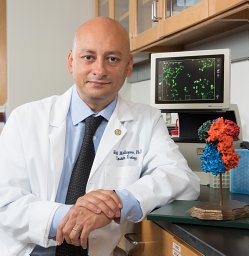 Mehdi Mollapour合作论文数National Cancer Institute, National Institutes of Health8Dean C. Pavlick合作论文数Fdn Med Inc, Cambridge, MA USA7
 Philippe Spiess合作论文数Moffitt Cancer Center7
 Andrea Necchi合作论文数Urological Research Institute, IRCCS San Raffaele Hospital and Scientific Institute;Department of Medical Oncology, Università Vita-Salute San Raffaele;Ospedale San Raffaele7
 Douglas I. Lin合作论文数Foundation Medicine7Michael Daneshvar合作论文数6
 Roger Li合作论文数6
 Mark Woodford合作论文数5Sarah J Backe合作论文数5
 Hooman Djaladat合作论文数Department of Urology, Norris Cancer Center, University of Southern California5
 Alireza Ghoreifi合作论文数Mashhad University of Medical Sciences5
 Ashish M. Kamat合作论文数Department of Urology, Division of Surgery, The University of Texas MD Anderson Cancer Center5
 Liang Cheng合作论文数Department of Surgery, Warren Alpert Medical School of Brown University;Department of Pathology and Laboratory Medicine, Warren Alpert Medical School of Brown University5Dimitra Bourboulia合作论文数5Sumeet Bhanvadia合作论文数4
 Siamak Daneshmand合作论文数Catherine and Joseph Aresty Department of Urology, Keck School of Medicine, University of Southern California4
 Anne Schuckman合作论文数4Hamed Ahmadi合作论文数3Paolo Piatti合作论文数3Benjamin Jara合作论文数3Anastasija Useva合作论文数3Ethan Sokol合作论文数Fdn Med Inc3Richard S P Huang合作论文数3Shapiro Oleg合作论文数3
 Ghodoussipour Saum B合作论文数3Dawn E. Post合作论文数3
 John D. Chisholm合作论文数3
 Gangning Liang合作论文数Los Angeles, CA3Mohammad Aslzare合作论文数2Michael S. Bratslavsky合作论文数2Aleksandar Popovic合作论文数2Elizabeth Ferry合作论文数2Alex Wang合作论文数2Ragini Vazirani合作论文数2Melissa Trabold合作论文数2Lucy Sanossian合作论文数2Jiayao Chen合作论文数2Terry Zhu合作论文数2Natalie Danziger合作论文数2Zoe Baker合作论文数Division of Urology, Children's Hospital Los Angeles;Keck School of Medicine, University of Southern California2
 Nima Nassiri合作论文数Keck School of Medicine, University of Southern California;USC Institute of Urology, University of Southern California;University of Southern California, University of Southern California2
 Smruthy Sivakumar合作论文数Univ Texas MD Anderson Canc Ctr, Dept Epidemiol, Houston, TX 77030 USA2




