Detrital-based trophic cascades are often considered weak or absent in tropical stream ecosystems because of the prevalence of omnivorous macroconsumers and the dearth of leaf-shredding insects. In this study, we isolate top-down effects of three macroconsumer species on detrital processing in headwater streams draining Trinidad's northern mountains. We separated effects of different macroconsumers by experimentally manipulating their temporal access to isolated benthic habitat over the diel cycle. We found no evidence that omnivorous macroconsumers, including a freshwater crab (Eudaniela garmani) and guppy (Poecilia reticulata), increased leaf decomposition via consumption. By contrast, above a waterfall excluding guppies, the insectivorous killifish, Anablepsoides hartii, reduced the biomass of the leaf-shredding insect Phylloicus hansoni 4-fold, which consequently reduced leaf decomposition rates 1.6-fold. This detrital cascade did not occur below the barrier waterfall, where omnivorous guppies join the assemblage and reduce killifish densities; here killifish had no significant effects on Phylloicus or decomposition rates. These patterns of detrital processing were also observed in upstream-downstream comparisons in a landscape study across paired reaches of six streams. Above waterfalls, where killifish were present, but guppies absent, leaf decomposition rates and Phylloicus biomass were 2.5- and ~35-fold lower, respectively, compared to measurements below waterfalls. Moreover, the strength of top-down control by killifish is reflected by the 20- and 5-fold reductions in variability (±SE) surrounding mean Phylloicus biomass and leaf decomposition rates in upstream relative to downstream reaches where no top-down control was detected. Findings show a clear, detrital-based trophic cascade among killifish, a leaf-shredding insect, and leaf decomposition rates. Results also show how omnivorous guppies disrupt this cascade by depressing killifish densities, thereby releasing invertebrate shredders from predation, and significantly increasing decomposition rates. Moreover, this combination of direct and indirect trophic interactions drives patterns in decomposition rates in stream networks at a landscape scale, resulting in significantly lower rates of decomposition above vs. below barrier waterfalls. Our findings reveal that omnivory can result in significant indirect effects on a key ecosystem process, illustrating the importance of these hidden trophic pathways in detrital-based systems and suggesting that resource control in tropical systems may be even more complex than previously envisioned.
While previous studies have shown that evolutionary divergence alters ecological processes in small-scale experiments, a major challenge is to assess whether such evolutionary effects are important in natural ecosystems at larger spatial scales. At the landscape scale, across eight streams in the Caroni drainage, we found that the presence of locally adapted populations of guppies (Poecilia reticulata) is associated with reduced algal biomass and increased invertebrate biomass, while the opposite trends were true in streams with experimentally introduced populations of non-locally adapted guppies. Exclusion experiments conducted in two separate reaches of a single stream showed that guppies with locally adapted phenotypes significantly reduced algae with no effect on invertebrates, while non-adapted guppies had no effect on algae but significantly reduced invertebrates. These divergent effects of phenotype on stream ecosystems are comparable in strength to the effects of abiotic factors (e.g., light) known to be important drivers of ecosystem condition. They also corroborate the results of previous experiments conducted in artificial streams. Our results demonstrate that local adaptation can produce phenotypes with significantly different effects in natural ecosystems at a landscape scale, within a tropical watershed, despite high variability in abiotic factors: five of the seven physical and chemical parameters measured across the eight study streams varied by more than one order of magnitude. Our findings suggest that ecosystem structure is, in part, an evolutionary product and not simply an ecological pattern.
Population variation in trophic niche is widespread among organisms and is of increasing interest given its role in both speciation and adaptation to changing environments. Trinidadian guppies ( Poecilia reticulata ) inhabiting stream reaches with different predation regimes have rapidly evolved divergent life history traits. Here, we investigated the effects of both predation and resource availability on guppy trophic niches by evaluating their gut contents, resource standing stocks, and δ 15 N and δ 13 C stable isotopes across five streams during the wet season. We found that guppies from low predation (LP) sites had a consistently higher trophic position and proportion of invertebrates in their guts and assimilate less epilithon than guppies from high predation (HP) sites. Higher trophic position was also associated with lower benthic invertebrate availability. Our results suggest that LP guppies could be more efficient invertebrate consumers, possibly as an evolutionary response to greater intraspecific competition for higher quality food. This may be intensified by seasonality, as wet season conditions can alter resource availability, feeding rates, and the intensity of intraspecific competition. Understanding how guppy diets vary among communities is critical to elucidating the role of niche shifts in mediating the link between environmental change and the evolution of life histories.
Ecological research has focused on understanding how changes in consumer abundance affects community structure and ecosystem processes. However, there is increasing evidence that evolutionary changes in consumers can also alter community structure and ecosystem processes. Typically, the effects of consumer phenotype on communities and ecosystem processes are measured as net effects that integrate numerous ecological pathways. Here, we analyze new data from experimental manipulations of Trinidadian guppy Poecilia reticulata presence, density and phenotype to examine how effects on the algal community cause changes in gross‐primary production (GPP). We combine analytical tools borrowed from path analysis with experimental exclosures in mesocosms to separate the ecological and evolutionary effects of guppies into direct and indirect components. We show that the evolutionary effects of guppy phenotype act through different ecological pathways than the effects of guppy presence and density on GPP. As reported in previous studies that used a different measure of algal biomass, adding guppies and doubling their densities decreased algal biovolume through direct effects. In contrast to these previously reported results, exchanging guppy phenotypes that live without predators for phenotypes that live with predators did not affect algal biovolume. Instead, guppies from populations that live with predators increased the diversity of algal species and increased GPP compared to guppies that live without predators. These changes in the algal community were driven primarily by guppy phenotypes that live with predators—algal communities in mesocosms without fish were similar to those with guppies from predator‐free locations, but both were different from mesocosms with guppies from populations that live with predators. Changes in the algal community were driven directly by differences in foraging behavior between the two consumer phenotypes. We reconcile these results with our previous findings, thereby enhancing our understanding of the relationship between ecological and evolutionary processes.
Evolution of life history traits can occur rapidly and has the potential to influence ecological processes, which can also be shaped by abiotic and biotic factors. Few studies have shown that life history phenotype can affect ecological processes as much as commonly studied biotic ecological variables, but currently we do not know how the ecological effects of life history phenotype compare in size to the effects of abiotic factors, or whether the ecological effects of phenotypes are sensitive to variability in abiotic conditions. Using a factorial mesocosm experiment we compared the ecosystem effects of guppy Poecilia reticulata life history phenotypes in two light treatments representing a four‐fold difference in light levels, which was comparable to upstream downstream differences in light availability in Trinidadian streams. Light and phenotype had significant effects on similar aspects of ecosystem function. Whereas light had a stronger effect on ecosystem structure (algal and invertebrate stocks) than phenotype, phenotype and light had nearly equal effects on many ecosystem processes (nutrient recycling, nutrient fluxes, ecosystem metabolism and leaf litter decomposition). Light had a stronger effect on most guppy life history traits and guppy fitness than differences between phenotypes. The effect of light on these traits was consistent with higher availability of food resources in the high light treatments. Interactions between light and phenotype were weak for the majority of response variables suggesting that abiotic variability did not alter the mechanisms by which phenotypes affect ecosystem function. We conclude that subtle phenotypic differences in consumers can affect ecosystem processes as much as meaningful variability in abiotic factors which until recently were thought to be the primary drivers of ecosystem function in nature. However, despite its effects on traits and the ecosystem, light did not alter the effect of guppy phenotype on ecosystem function.
Decades of theory and recent empirical results have shown that evolutionary, population, community and ecosystem properties are the result of feedbacks between ecological and evolutionary processes. The vast majority of theory and empirical research on these eco-evolutionary feedbacks has focused on interactions among population size and mean traits of populations. However, numbers and mean traits represent only a fraction of the possible feedback dimensions. Populations of many organisms consist of different size classes that differ in their impact on the environment and each other. Moreover, rarely do we know the map of ecological pathways through which changes in numbers or size structure cause evolutionary change. The goal of this study was to test the role of size structure in eco-evolutionary feedbacks of Trinidadian guppies and to begin to build an eco-evolutionary map along this unexplored dimension. We used a factorial experiment in mesocosms wherein we crossed high- and low-predation guppy phenotypes with population size structure. We tested the ability of changes in size structure to generate selection on the demographic rates of guppies using an integral projection model (IPM). To understand how fitness differences among high- and low-predation phenotypes may be generated, we measured the response of the biomass of lower trophic levels and nutrient cycling to the different phenotype and size structure treatments. We found a significant interaction between guppy phenotype and the size structure treatments for absolute fitness. Size structure had a very large effect on invertebrate biomass in the mesocosms, but there was little or no effect of the phenotype. The effect of size structure on algal biomass depended on guppy phenotype, with no difference in algal biomass in populations with more, smaller guppies, but a large decrease in algal biomass in mesocosms with phenotypes adapted to low-predation risk. These results indicate an important role for size structure partially driving eco-evolutionary feedbacks in guppies. The changes in the ecosystem suggest that the absence of a steep decline in guppy fitness of the low-predation risk populations is likely due to higher consumption of algae when invertebrates are comparatively rare. Overall, these results demonstrate size structure as a possible dimension through which eco-evolutionary feedbacks may occur in natural populations.
Summary Trait evolution can occur in response to anthropogenic alterations to ecosystems and can occur on timescales similar to those of ecological processes suggesting that it could alter ecosystem function. In this study, we characterise the effects of life history evolution on nutrient recycling using the Trinidadian guppy ( Poecilia reticulata ) as a model system. Guppy life history traits evolve in response to predation pressure. When predation pressure is removed, guppy population density and average body size of the population also increase. Therefore, the evolution of guppy life histories involves changes in individual traits and demographic characteristics, both of which can alter nutrient recycling. The relative contributions of these variables to guppy‐driven nutrient recycling are unknown. We synthesise data from published experiments to disentangle how differences in individual traits, population characteristics and environmental conditions contribute to differences in guppy excretion rates. Individual guppies adapted to the absence of predators [low‐predation ( LP ) guppies] have lower nitrogen and phosphorus excretion rates than individual guppies adapted to predators [high‐predation ( HP ) guppies]. However, LP guppy populations excrete twice as much nitrogen as HP populations because of their larger average body size and higher population densities. We compare these findings to guppy excretion data collected from HP and LP sites in four rivers in Trinidad. Phenotypic and population differences in excretion rates are consistent with those observed in the experiments. Our study demonstrates that life history evolution can alter nutrient recycling in freshwater ecosystems. Characterizing the combined effects of traits and demographics is essential for understanding the effects of life history evolution on ecosystem processes.
The elemental composition of animals, or their organismal stoichiometry, is thought to constrain their contribution to nutrient recycling, their interactions with other animals, and their demographic rates. Factors that affect organismal stoichiometry are generally poorly understood, but likely reflect elemental investments in morphological features and life history traits, acting in concert with the environmental availability of elements. We assessed the relative contribution of organismal traits and environmental variability to the stoichiometry of an insectivorous Neotropical stream fish, Rivulus hartii. We characterized the influence of body size, life history phenotype, stage of maturity, and environmental variability on organismal stoichiometry in 6 streams that differ in a broad suite of environmental variables. The elemental composition of R. hartii was variable, and overlapped with the wide range of elemental composition documented across freshwater fish taxa. Average %P composition was ∼3.2%(±0.6), average %N∼10.7%(±0.9), and average %C∼41.7%(±3.1). Streams were the strongest predictor of organismal stoichiometry, and explained up to 18% of the overall variance. This effect appeared to be largely explained by variability in quality of basal resources such as epilithon N:P and benthic organic matter C:N, along with variability in invertebrate standing stocks, an important food source for R. hartii. Organismal traits were weak predictors of organismal stoichiometry in this species, explaining when combined up to 7% of the overall variance in stoichiometry. Body size was significantly and positively correlated with %P, and negatively with N:P, and C:P, and life history phenotype was significantly correlated with %C, %P, C:P and C:N. Our study suggests that spatial variability in elemental availability is more strongly correlated with organismal stoichiometry than organismal traits, and suggests that the stoichiometry of carnivores may not be completely buffered from environmental variability. We discuss the relevance of these findings to ecological stoichiometry theory.
The effect of consumers on their resources has been demonstrated in many systems but is often confounded by trophic interactions with other consumers. Consumers may also have behavioral and life history adaptations to each other and to co-occurring predators that may additionally modulate their particular roles in ecosystems. We experimentally excluded large consumers from tile periphyton, leaves and natural benthic substrata using submerged electrified frames in three stream reaches with overlapping consumer assemblages in Trinidad, West Indies. Concurrently, we assessed visits to (non-electrified) control frames by the three most common large consumers-primarily insectivorous killifish (Rivulus hartii), omnivorous guppies (Poecilia reticulata) and omnivorous crabs (Eudaniela garmani). Consumers caused the greatest decrease in final chlorophyll a biomass and accrual rates the most in the downstream reach containing all three focal consumers in the presence of fish predators. Consumers also caused the greatest increase in leaf decay rates in the upstream reach containing only killifish and crabs. In the downstream reach where guppies co-occur with predators, we found significantly lower benthic invertebrate biomass in control relative to exclosure treatments than the midstream reach where guppies occur in the absence of predators. These data suggest that differences in guppy foraging, potentially driven by differences in their life history phenotype, may affect ecosystem structure and processes as much as their presence or absence and that interactions among consumers may further mediate their effects in these stream ecosystems.
Light, nutrient availability, and flow are strong factors controlling the elemental composition and biomass of epilithon in temperate stream ecosystems. However, comparatively little is known about these relationships in tropical streams. We investigated how gradients of light and nutrient availability, seasonality, and habitat influenced epilithon biomass, chlorophyll a, and nutrient ratios in montane streams of Trinidad, West Indies. We sampled 4 focal tributaries of a single river, 2 of which had canopies experimentally thinned, every other month over a 2-y period to observe temporal dynamics and light effects on epilithon. We also sampled 18 sites across Trinidad's Northern Range Mountains once each in a wet and dry season to examine the effects of naturally occurring differences in light and dissolved nutrient availability on epilithic characteristics. We found greater chlorophyll a concentrations in habitats with greater light availability, but the effect of light on epilithon stoichiometry differed between the site-survey and focal-tributary data. In general, epilithic C:nutrient ratios decreased with increasing dissolved nutrient concentrations, but relationships between nutrient availability and biomass probably were obscured by naturally high dissolved N and P concentrations in many of the streams. Season and habitat type had profound effects on epilithon variables. Biomass and % C generally decreased in riffles and under wetseason conditions. These results suggest multiple controls for the quantity and quality of stream epilithon and have important implications for in-stream consumers.
Ecological and evolutionary processes may interact on the same timescale, but we are just beginning to understand how. Several studies have examined the net effects of adaptive evolution on ecosystem properties. However, we do not know whether these effects are confined to direct interactions or whether they propagate further through indirect ecological pathways. Even less well understood is how the combination of direct and indirect ecological effects of the phenotype promotes or inhibits evolutionary change. We coupled mesocosm experiments and ecosystem modeling to evaluate the ecological effects of local adaptation in Trinidadian guppies (Poecilia reticulata). The experiments show that guppies adapted to life with and without predators alter the ecosystem directly through differences in diet. The ecosystem model reveals that the small total indirect effect of the phenotype observed in the experiments is likely a combination of several large indirect effects that act in opposing directions. The model further suggests that these indirect effects can reverse the direction of selection that direct effects alone exert back on phenotypic variation. We conclude that phenotypic divergence can have major effects deep in the web of indirect ecological interactions and that even small total indirect effects can radically change the dynamics of adaptation.
1. Ecological stoichiometry expresses ecological interactions as the balance between multiple elements. It relates the ecological function of organisms to their elemental composition, or their organismal stoichiometry. Organismal stoichiometry is thought to reflect elemental investments in life history and morphology acting in concert with variability in abiotic or environmental conditions, but the relative contribution of these factors to natural variability in organismal stoichiometry is poorly understood. 2. We assessed the relative contribution of stream identity, predation, body size and sex to the organismal stoichiometry of guppies (Poecilia reticulata) in six streams in Trinidad. In this system, guppy life-history phenotype evolves in response to predation. Guppies adapted to high-predation (HP) pressure grow faster, mature earlier, produce fewer and smaller offspring and eat a higher-quality diet than guppies adapted to low-predation (LP) pressure. This pattern of life-history evolution is repeated in many rivers encompassing a wide range of abiotic conditions. 3. Organismal stoichiometry of guppies was widely variable, spanning up to similar to 70% of the range of variability reported across freshwater fish taxa. Streams from where guppies were sampled were the most important predictor of organismal stoichiometry. In many cases, guppy populations from sites within the same stream varied as much as from sites in different streams. 4. Surprisingly, predation regime was a minor predictor of % C, C : P and C : N in female guppies, despite its strong correlation with life-history phenotype and other organismal traits in this species. Body size and sex were not significant predictors of organismal stoichiometry. 5. Guppies from HP sites were more stoichiometrically balanced with their diets than guppies from LP sites. The latter appeared to be more vulnerable to phosphorus limitation than the former, suggesting that dietary specialization associated with guppy life-history phenotype may have stoichiometric consequences that can affect guppy physiology and nutrient recycling. 6. Our findings suggest that local environmental conditions are a stronger predictor of organismal stoichiometry than organismal traits. We recommend that future work should explicitly consider correlations between organismal traits and organismal stoichiometry in the context of environmental heterogeneity.
Theory suggests evolutionary change can significantly influence and act in tandem with ecological forces via ecological-evolutionary feedbacks. This theory assumes that significant evolutionary change occurs over ecologically relevant timescales and that phenotypes have differential effects on the environment. Here we test the hypothesis that local adaptation causes ecosystem structure and function to diverge. We demonstrate that populations of Trinidadian guppies (Poecilia reticulata), characterized by differences in phenotypic and population-level traits, differ in their impact on ecosystem properties. We report results from a replicated, common garden mesocosm experiment and show that differences between guppy phenotypes result in the divergence of ecosystem structure (algal, invertebrate, and detrital standing stocks) and function (gross primary productivity, leaf decomposition rates, and nutrient flux). These phenotypic effects are further modified by effects of guppy density. We evaluated the generality of these effects by replicating the experiment using guppies derived from two independent origins of the phenotype. Finally, we tested the ability of multiple guppy traits to explain observed differences in the mesocosms. Our findings demonstrate that evolution can significantly affect both ecosystem structure and function. The ecosystem differences reported here are consistent with patterns observed across natural streams and argue that guppies play a significant role in shaping these ecosystems.
The latest Red List of threatened animals and plants makes grim reading, but also holds glimmers of good news
Evolution has been shown to be a critical determinant of ecological processes in some systems, but its importance relative to traditional ecological effects is not well known. In addition, almost nothing is known about the role of coevolution in shaping ecosystem function. Here, we experimentally evaluated the relative effects of species invasion (a traditional ecological effect), evolution and coevolution on ecosystem processes in Trinidadian streams. We manipulated the presence and population-of-origin of two common fish species, the guppy (Poecilia reticulata) and the killifish (Rivulus hartii). We measured epilithic algal biomass and accrual, aquatic invertebrate biomass, and detrital decomposition. Our results show that, for some ecosystem responses, the effects of evolution and coevolution were larger than the effects of species invasion. Guppy evolution in response to alternative predation regimes significantly influenced algal biomass and accrual rates. Guppies from a high-predation site caused an increase in algae relative to guppies from a low-predation site; algae effects were probably shaped by observed divergence in rates of nutrient excretion and algae consumption. Rivulus-guppy coevolution significantly influenced the biomass of aquatic invertebrates. Locally coevolved populations reduced invertebrate biomass relative to non-coevolved populations. These results challenge the general assumption that intraspecific diversity is a less critical determinant of ecosystem function than is interspecific diversity. Given existing evidence for contemporary evolution in these fish species, our findings suggest considerable potential for eco-evolutionary feedbacks to operate as populations adapt to natural or anthropogenic perturbations.
The region of surface water-groundwater interaction in streams, the hyporheic zone, is important for biogeochemical processes and provides habitat for specialized microbial and invertebrate assemblages. Although hyporheic invertebrates contribute little biomass and respiration relative to microbes in stream sediments, invertebrate effects on biogeochemical processes may be disproportionately large. We tested how various interstitial invertebrate assemblages affected N cycling and respiration in flow-through microcosms filled with alluvial sediment in the laboratory. Average invertebrate biomasses in low and high invertebrate treatments were 0.20 and 19 mg dry mass/L sediment, respectively. Average net NO3- regeneration/uptake rate increased with increasing invertebrate biomass, showing invertebrates suppressed NO3- uptake or stimulated in situ NO3- production. Average respiration (normalized for sediment organic matter) and particulate organic matter (POM) increased 51.9% and 33%, respectively, with increasing invertebrate biomass, suggesting direct contribution to hyporheic metabolism and/or stimulation of microbial activity and an accumulation of POM driven by invertebrates. We suggest that interstitial invertebrates can substantially alter biogeochemical processes in hyporheic zones.
A caddisfly-exclusion experiment, employing four trials over two years (1995-1996) of differing snowmelt magnitude and summer baseflow nutrient regime, was used to assess effects of variation in macroinvertebrate grazing intensity and nutrient supply on epilithic algae in a montane headwater stream. Ceramic tiles, either inaccessible to caddis larvae or situated to allow access to all grazers, served as substrata for algal accrual. Trials were run during or just after peak melt discharge each year, and again at summer baseflow in two reaches that differed in patterns of ground-water/surface water exchange. In 1995, a year of heavy snowmelt, stream-water nitrogen to phosphorus ratios (N:P) suggested N limitation on all but one sampling date. By the start of trial 1, mayfly and chironomid densities had recovered from melt-induced reductions, but caddis populations had not and exclusion had no effect. Caddis densities had recovered by trial 2 and exclusion effects were noted, particularly in the upstream reach where caddis larvae were abundant. Snowmelt in 1996 occurred during trial 3, but was of low intensity and had no apparent effect on stream biota. Grazers were abundant during trial 3, exclusion effects were evident in both reaches, grazer-resistant taxa dominated algal assemblages, and live-diatom percentages were uniformly low. Trial 4, run at baseflow in 1996 under high N: P (and high N), was characterized by high algal densities, taxonomic diversity, and diatom live-cell percentages, relatively low grazer densities, significant exclusion effects in both reaches, and reach x treatment interactions indicating between-reach differences in nutrient regime. Negative correlations were noted between mayfly density and algal cell numbers and diatom live-cell percentages on natural substrata. Caddis densities correlated negatively with live-diatom percentage, but not algal density. Of 23 common algal taxa on caddis-accessible tiles, 28-d accrual rates of only 5 correlated negatively with caddis densities, eleven (14 if exclusion substrata were included) correlated negatively with mayfly densities. Changes in accrual rates varied with algal growth form accrual rates of grazer- sensitive taxa fell sharply when grazer densities exceeded 1000/m(2). Our data illustrate that grazing effects can vary between spatially proximate and physically similar stream reaches, and that the nature of these effects may differ among years and seasons.
 David N. Reznick合作论文数Department of Biology, University of California, Riverside;Department of Evolution Ecology & Organismal Biology, College of Natural and Agricultural Sciences, University of California, Riverside13
 Catherine Pringle合作论文数Odum School of Ecology, University of Georgia11
 Alexander S Flecker合作论文数Department of Ecology and Evolutionary Biology, College of Arts & Sciences, Cornell University10
 Steven Thomas合作论文数Howard Hughes Medical Institute;Department of Biochemistry;University of Washington;Howard Hughes Medical Institute, University of Washington10
 Bassar Ronald D合作论文数Dept Biol, Univ Calif Riverside8
 Joseph Travis合作论文数Department of Biological Science, Florida State University8
 Rana El-Sabaawi合作论文数7
 Eugenia Zandonà合作论文数Department of Bioscience and Biotechnology, Drexel University6
 Tyler J. Kohler合作论文数4
 Andrés López-Sepulcre合作论文数4
 Binderup Andrew J合作论文数3
 H. Maurice Valett合作论文数3
 Cliff Dahm合作论文数Department of Biology, The University of New Mexico3
 James F Gilliam合作论文数Department of Zoology;College of Agriculture and Life Sciences;North Carolina State University;College of Agriculture and Life Sciences, North Carolina State University3Brynne L. Bryan合作论文数2
 Regis Ferriere合作论文数Univ Arizona, Dept Ecol & Evolutionary Biol, Tucson, AZ 85721 USA2
 Christopher M. Dalton合作论文数2
 Eric P Palkovacs合作论文数Department of Ecology;Yale University;Department of Ecology, Yale University2Douglas F. Fraser合作论文数Department of Biology, Siena College2
 Troy Simon合作论文数2
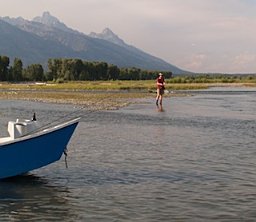 Robert O. Hall合作论文数Department of Zoology and Physiology, University of Wyoming2
 Christopher G. Peterson合作论文数Department of Human Oncology, University of Wisconsin2
 Susan Kilham合作论文数Department of Biodiversity, Earth and Environmental Science, College of Arts and Sciences, Drexel University2Ro Hall合作论文数1Cathy M. Pringle合作论文数1Dl Moyer合作论文数1
 Jason Howard合作论文数1
 chase rakowski合作论文数Sch Nat Resources & Environm, Univ Michigan1
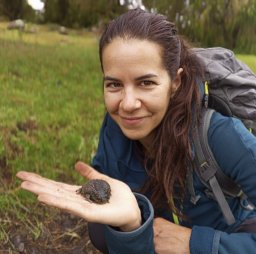 Sandra Goutte合作论文数Ctr Genom & Syst Biol, New York Univ Abu Dhabi1Weese Dylan J合作论文数1
 Thomas Heatherly II合作论文数1
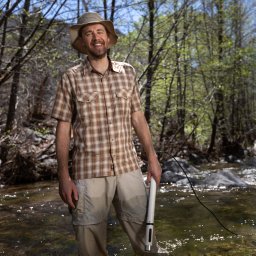 Benjamin J. Koch合作论文数Center for Ecosystem Science and Society, Northern Arizona University1
 Matthew R Walsh合作论文数Department of Ecology and Evolutionary Biology, Yale University1Lamphere Brad A合作论文数1Lynch Benjamin R合作论文数1
 Mary C. Freeman合作论文数U. S. Geological Survey;Patuxent Wildlife Research Center;U. S. Geological Survey, Patuxent Wildlife Research Center1Jennifer M. Moslemi合作论文数1
 Sonya K. Auer合作论文数Inst Biodivers Anim Hlth & Comparat Med, Univ Glasgow1
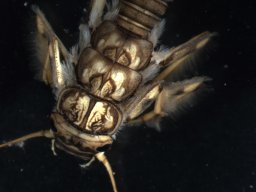 Lusha M Tronstad合作论文数Department of Biological Sciences, University of Alabama1
 Brad W. Taylor合作论文数Department of Entomology, Cornell University1Michael T. Kinnison合作论文数Center for Marine Biology, University of New Hampshire1R. Timothy Edwards合作论文数SRI 4-202
Johns Hopkins University
Applied Physics Laboratory
11100 Johns Hopkins Road
Laurel, MD 20723-60991
Brad W. Taylor合作论文数Department of Entomology, Cornell University1Michael T. Kinnison合作论文数Center for Marine Biology, University of New Hampshire1R. Timothy Edwards合作论文数SRI 4-202
Johns Hopkins University
Applied Physics Laboratory
11100 Johns Hopkins Road
Laurel, MD 20723-60991 James Thibault合作论文数University of New Mexico1




