Importance Hypothermia begun less than 6 hours after birth reduces death or disability in infants with encephalopathy due to hypoxia-ischemia at 36 or more weeks' gestation. Trials of hypothermia for infants younger than 36 weeks' gestation are lacking. Objective To assess the probability that hypothermia at less than 6 hours after birth decreases death or disability in infants 33 to 35 weeks' gestation with moderate or severe hypoxic-ischemic encephalopathy. Design, Setting, and Participants This randomized clinical trial was conducted between July 2015 and December 2022 for infants 33 to 35 weeks' gestation with moderate or severe hypoxic-ischemic encephalopathy at less than 6 hours after birth. Bayesian and intention-to-treat analyses were prespecified. The setting included 19 US Neonatal Research Network centers. Data were analyzed from March 2023 to November 2024. Interventions Infants received unblinded targeted esophageal temperature management. Infants with hypothermia were maintained at 33.5 degrees C (acceptable 33-34 degrees C) for 72 hours and then rewarmed. Infants with normothermia were to be maintained at 37 degrees C (acceptable 36.5-37.3 degrees C). Main Outcomes and Measures Composite of death or disability (moderate or severe) at 18 to 22 months' corrected age adjusted for level of encephalopathy and center. Results A total of 168 infants with hypothermia and normothermia were preterm (mean [SD] age, 34.0 [0.8] weeks' gestation and 34.1 [0.8] weeks' gestation, respectively), while 46 of 88 (52%) and 45 of 80 (56%) were male, respectively. Randomization occurred at mean (SD) 4.5 (1.2) hours and 4.5 (1.3) hours for the groups with hypothermia and normothermia, respectively. The primary outcome occurred in 29 of 83 infants (35%) with hypothermia and 20 of 69 infants (29%) with normothermia (adjusted relative risk [hypothermic/normothermic], 1.11; 95% credibility interval, 0.74-2.00), and death occurred in 18 of 88 infants (20%) with hypothermia and 9 of 78 infants (12%) with normothermia (adjusted relative risk, 1.38; 95% credibility interval, 0.79-2.85). Bayesian analysis with neutral prior indicated 74% probability of increased death or disability and 87% probability of increased death with hypothermia. Conclusions and Relevance Among infants 33 to 35 weeks' gestation with hypoxic-ischemic encephalopathy, hypothermia at less than 6 hours' age did not reduce death or disability at 18 to 22 months' corrected age. Trial Registration ClinicalTrials.gov Identifier: NCT01793129
Importance:Extremely preterm infants are at high risk for bronchopulmonary dysplasia (BPD) and death. Multiple small randomized clinical trials showed that a combination of budesonide with surfactant compared with surfactant alone reduced BPD or death. Objective:To determine if early intratracheal administration of a combination of budesonide (0.25 mg/kg) mixed with surfactant, compared with surfactant alone, reduces physiologic BPD or death by 36 weeks' postmenstrual age in extremely preterm infants. Design, Setting, and Participants:This double-masked randomized clinical trial was conducted from April 2021 to June 2024 in the 17 centers of the United States Neonatal Research Network. Infants 22 to 28 weeks' gestation or 401 to 1000 g birth weight were enrolled after clinical decision to give surfactant, with the first dose of surfactant being study drug (prior surfactant was an exclusion criterion). Interventions:Infants were randomly allocated 1:1 to receive 1 to 2 doses of budesonide + surfactant (poractant alfa) or surfactant alone via endotracheal tube within 50 hours of birth. Main Outcomes and Measures:The primary outcome was physiologic BPD or death by 36 weeks' postmenstrual age. There were 5 prespecified secondary outcomes and multiple prespecified exploratory and safety outcomes. Results:The trial was stopped with 641 infants enrolled (55.3% of 1160 planned; mean birth weight, 810 g [SD, 256 g]; gestational age, 25.9 weeks [SD, 1.9 weeks]), because interim analysis at 50% enrollment reached the prespecified futility threshold. The incidence of BPD or death was 68.5% in the budesonide + surfactant group and 67.9% in the surfactant-alone group (adjusted relative risk [RR], 1.00 [95% CI, 0.90-1.11]). No differences were noted in mortality (15.3% vs 13.2%; adjusted RR, 1.13 [95% CI, 0.78-1.64]) or BPD among survivors to 36 weeks' postmenstrual age (62.9% vs 63.0%; adjusted RR, 0.99 [95% CI, 0.87-1.12]). More infants who received budesonide + surfactant compared with surfactant alone had hyperglycemia (66.7% vs 49.8%; adjusted RR, 1.33 [95% CI, 1.17-1.51]). Conclusions and Relevance:In this large multicenter trial, the combination of budesonide with surfactant did not reduce the risk of BPD or death at 36 weeks' postmenstrual age in extremely preterm infants. Trial Registration:ClinicalTrials.gov Identifier: NCT04545866.
Importance The neonatal brain injury score on magnetic resonance imaging following moderate or severe hypoxic-ischemic encephalopathy developed by the National Institute of Child Health and Human Development Neonatal Research Network has been revised to separate watershed and basal ganglia or thalamic injury and their associated outcomes. Objective To evaluate the association of the injury score with outcomes of death or moderate or severe disability among all infants, and with neurodevelopment among survivors in a trial of deeper and longer cooling. Design, Setting, and Participants In this secondary analysis of a multicenter randomized clinical trial, brain imaging was obtained from infants between October 2010 and November 2013. Infants were followed up to 18 months of age, with follow-up completed in January 2016. Data analysis was performed from August 2021 to September 2024. Interventions Infants were assigned to 4 hypothermia groups based on depth and duration of cooling, stratified by center and level of encephalopathy in a 2 x 2 factorial design to cooling at 33.5 degrees C or 32.0 degrees C and to 72 or 120 hours. A 10-level brain injury score was examined. Main Outcomes and Measures The primary outcome was death or moderate or severe disability measured by the Bayley Scales of Infant and Toddler Development III, the Gross Motor Function Classification System level, vision, and hearing. Results This study included 298 infants who had magnetic resonance imaging (MRI) and primary outcome data among 364 infants of the initial cohort (mean [SD] age at MRI, 9.18 [4.49] days). Death or moderate or severe disability occurred in 72 of 298 infants (24%), and disability occurred in 52 of 278 surviving infants (19%). Death or disability occurred in 12 of 28 infants (43%) with any or predominant watershed injury and in 17 of 46 (37%) of those with any or predominant basal ganglia or thalamic injury. Among the 32 infants with hemispheric devastation, 30 (94%) had death or disability, and 17 (89%) survived with moderate or severe disability. Injury scores of increasing severity were associated with death or disability among all infants (odds ratio, 13.66 [95% CI, 7.47-24.95]; area under the curve, 0.84 [95% CI, 0.78-0.90]) and with disability among surviving infants (odds ratio, 10.52 [95% CI, 5.46-20.28]; area under the curve, 0.80 [95% CI, 0.73-0.88]). There were no differences in the injury score between infants undergoing usual care cooling and those cooled to a greater depth or longer duration. Conclusions Among infants with hypoxic-ischemic encephalopathy, outcomes were similar between infants with watershed and basal ganglia injury. Higher imaging scores were associated with risk of death or disability among all infants and with neurodevelopmental disability among surviving infants. Trial RegistrationClinicalTrials.gov Identifier: NCT01192776
Importance Previous studies suggest that administration of erythropoiesis-stimulating agents darbepoetin or erythropoietin to preterm infants results in fewer transfusions, fewer donor exposures, and improved neurodevelopmental outcome. Objective To determine if, compared with placebo, preterm infants randomized to weekly darbepoetin would have greater red cell mass during hospitalization and better neurocognitive outcome at 22 to 26 months' corrected age. Design, Setting, and Participants This randomized clinical trial was conducted between September 2017 and November 2019 for infants 23 0/7 to 28 6/7 weeks' gestation in 19 US Neonatal Research Network centers comprising 33 neonatal intensive care units. Follow-up occurred through January 2023. Infants were randomized by 36 hours after birth to weekly placebo or darbepoetin (10 mu g/kg) through 35 weeks' postmenstrual age. Iron administration and transfusions were administered by protocol. Study data were analyzed from June to October 2023. Main Outcomes and MeasuresThe primary outcome was the mean cognitive composite score on the Bayley Scales of Infant Development, third edition (Bayley-III) at 22 to 26 months' corrected age. The lowest possible score (54) was assigned to infants who died. Results A total of 650 infants (322 darbepoetin; 328 placebo; mean [SD] gestational age, 26.2 [1.7] weeks; 328 female [50.5%]) were enrolled. Five hundred eighty-three infants (291 darbepoetin; 292 placebo) had the primary outcome determined (90% of those enrolled). Mean (SD) cognitive scores were similar between groups: 80.7 (19.5) darbepoetin vs 80.1 (18.7) placebo, adjusted mean difference, -0.23 (95% CI, -3.09 to 2.64). Compared with infants receiving placebo, more infants in the darbepoetin group were transfusion free (40% [127 of 319] vs 21% [70 of 327]; adjusted relative risk [RR], 1.3; 95% CI, 1.2-1.5), received fewer transfusions (mean [SD], 2.3 [3.1] vs 3.3 [3.5]), were exposed to fewer donors (mean [SD], 1.6 [2.3] vs 2.2 [2.3]), had higher red cell mass by week 2 of age (adjusted mean difference, 3.2; 95% CI, 1.7-4.7), and higher mean hematocrit by week 2 of age (adjusted mean difference, 2.8; 95% CI, 2.1-3.6), and were less likely to have bronchopulmonary dysplasia greater than grade 1 (35% [91 of 261] vs 46% [128 of 277]; RR, 0.78; 95% CI, 0.64-0.96). The incidence of retinopathy of prematurity stage greater than 2 was similar between groups, 13% (35 of 273) in the darbepoetin group vs 16% (45 of 279) in the placebo group. There were no differences in adverse effects between groups. Conclusions and Relevance Results of this randomized clinical trial reveal that this dose and dosing schedule of darbepoetin did not improve cognitive scores of preterm infants at 22 to 26 months' corrected age. Darbepoetin significantly increased red cell mass resulting in higher hematocrit values, fewer transfusions, and fewer donor exposures.
Importance:Hospitalization of moderately preterm infants may be prolonged while waiting for apnea of prematurity to resolve after discontinuing caffeine. Objective:To evaluate whether extending caffeine treatment reduces the duration of hospitalization. Design, Setting, and Participants:From February 2019 to December 2022, this randomized clinical trial in 29 US hospitals enrolled infants born at 29 to 33 weeks' gestation who at 33 to 35 weeks' postmenstrual age were receiving caffeine treatment with plans to discontinue it plus receiving full feeds (≥120 mL/kg/d). Follow-up was completed on March 20, 2023. Interventions:Infants were randomized to oral caffeine citrate (10 mg/kg/d) or placebo until 28 days after discharge. Main Outcomes and Measures:The primary outcome was days to discharge after randomization. Secondary outcomes included days to physiological maturity (apnea free for 5 consecutive days, receiving full oral feeds, and out of the incubator for at least 48 hours), postmenstrual age at discharge, all-cause hospital readmissions, all-cause sick and emergency department visits, safety outcomes, and death. Results:A total of 827 infants (median gestational age, 31 weeks; 414 female [51%]) were randomized (416, caffeine; 411, placebo) out of the 878 planned before reaching the prespecified futility threshold. Days of hospitalization after randomization did not differ between groups (18.0 days [IQR, 10 to 30 days] for caffeine vs 16.5 [IQR, 10 to 27 days] for placebo; adjusted median difference, 0 days [95% CI, -1.7 to 1.7 days]), nor did days to physiological maturity differ (14.0 vs 15.0 days, adjusted median difference, -1 day [95% CI, -2.4 to 0.4 days]). Infants receiving caffeine were apnea free sooner (6.0 vs 10.0 days; adjusted median difference, -2.7 days [95% CI, -3.4 to -2.0 days ]) but had similar days to full oral feeding (7.5 vs 6.0 days, adjusted median difference, 0 days [95% CI, -0.1 to 0.1]). Rates of readmissions and sick visits did not differ between groups. There was no statistically significant difference in adverse events between the 2 groups. Conclusions and Relevance:In moderately preterm infants, continuation of caffeine treatment compared with placebo did not shorten hospitalization. Trial Registration:ClinicalTrials.gov Identifier: NCT03340727.
This study aimed to characterize the cerebrospinal fluid (CSF) of infants with stroke and compare those findings to the CSF of infants with bacterial meningitis and neither condition in the first 14 postnatal days. Cohort study of 30,092 infants who received a lumbar puncture in the first 14 postnatal days discharged from >400 neonatal intensive care units from 1997 to 2020. CSF parameters were compared between infants with stroke and bacterial meningitis using non-parametric hypothesis testing and quantile regression. Compared to infants with bacterial meningitis, infants with stroke had a significantly lower median protein concentration, higher median glucose concentration, higher median red blood cell count, and higher median monocyte count. Using quantile regression at the 75th percentile, infants with stroke had a significantly lower white blood cell count, segmented neutrophil count, and lymphocyte count than infants with bacterial meningitis. This study addresses the paucity of literature describing the CSF of infants with ischemic stroke. Knowledge of the differences in CSF parameters between infants with stroke and meningitis may allow for faster recognition and intervention before CSF culture results are available. · Neonatal stroke is a serious and morbid event.. · Neonatal stroke and meningitis can present similarly.. · The CSF of neonatal stroke is poorly described..
Previous studies suggest that administration of erythropoiesis-stimulating agents darbepoetin or erythropoietin to preterm infants results in fewer transfusions, fewer donor exposures, and improved neurodevelopmental outcome. To determine if, compared with placebo, preterm infants randomized to weekly darbepoetin would have greater red cell mass during hospitalization and better neurocognitive outcome at 22 to 26 months’ corrected age. This randomized clinical trial was conducted between September 2017 and November 2019 for infants 23 0/7 to 28 6/7 weeks’ gestation in 19 US Neonatal Research Network centers comprising 33 neonatal intensive care units. Follow-up occurred through January 2023. Infants were randomized by 36 hours after birth to weekly placebo or darbepoetin (10 μg/kg) through 35 weeks’ postmenstrual age. Iron administration and transfusions were administered by protocol. Study data were analyzed from June to October 2023. The primary outcome was the mean cognitive composite score on the Bayley Scales of Infant Development, third edition (Bayley-III) at 22 to 26 months’ corrected age. The lowest possible score (54) was assigned to infants who died. A total of 650 infants (322 darbepoetin; 328 placebo; mean [SD] gestational age, 26.2 [1.7] weeks; 328 female [50.5%]) were enrolled. Five hundred eighty-three infants (291 darbepoetin; 292 placebo) had the primary outcome determined (90% of those enrolled). Mean (SD) cognitive scores were similar between groups: 80.7 (19.5) darbepoetin vs 80.1 (18.7) placebo, adjusted mean difference, −0.23 (95% CI, −3.09 to 2.64). Compared with infants receiving placebo, more infants in the darbepoetin group were transfusion free (40% [127 of 319] vs 21% [70 of 327]; adjusted relative risk [RR], 1.3; 95% CI, 1.2-1.5), received fewer transfusions (mean [SD], 2.3 [3.1] vs 3.3 [3.5]), were exposed to fewer donors (mean [SD], 1.6 [2.3] vs 2.2 [2.3]), had higher red cell mass by week 2 of age (adjusted mean difference, 3.2; 95% CI, 1.7-4.7), and higher mean hematocrit by week 2 of age (adjusted mean difference, 2.8; 95% CI, 2.1-3.6), and were less likely to have bronchopulmonary dysplasia greater than grade 1 (35% [91 of 261] vs 46% [128 of 277]; RR, 0.78; 95% CI, 0.64-0.96). The incidence of retinopathy of prematurity stage greater than 2 was similar between groups, 13% (35 of 273) in the darbepoetin group vs 16% (45 of 279) in the placebo group. There were no differences in adverse effects between groups. Results of this randomized clinical trial reveal that this dose and dosing schedule of darbepoetin did not improve cognitive scores of preterm infants at 22 to 26 months’ corrected age. Darbepoetin significantly increased red cell mass resulting in higher hematocrit values, fewer transfusions, and fewer donor exposures. ClinicalTrials.gov Identifier: NCT03169881
Intestinal perforation occurring in extremely low gestational age neonates is a devastating complication, associated with high mortality and morbidity. Multiple phenotypes of bowel perforation in premature infants have been described, with the most common being spontaneous, or isolated, intestinal perforation and perforated necrotizing enterocolitis. The purpose of this article is to summarize literature describing “meconium obstruction of prematurity”, increasingly recognized as a distinct clinical phenotype in the smallest and most immature neonates. The goal of this review is to improve international recognition and understanding of this high-risk clinical condition. The lack of standardized nomenclature has been an obstacle to progress in understanding, preventing, and treating this important and more frequently encountered condition. The recognition of meconium obstruction requiring medical or surgical management is a clear distinguishing factor from other bowel pathologies of prematurity.
Importance The neonatal brain injury score on magnetic resonance imaging following moderate or severe hypoxic-ischemic encephalopathy developed by the National Institute of Child Health and Human Development Neonatal Research Network has been revised to separate watershed and basal ganglia or thalamic injury and their associated outcomes. Objective To evaluate the association of the injury score with outcomes of death or moderate or severe disability among all infants, and with neurodevelopment among survivors in a trial of deeper and longer cooling. Design, Setting, and Participants In this secondary analysis of a multicenter randomized clinical trial, brain imaging was obtained from infants between October 2010 and November 2013. Infants were followed up to 18 months of age, with follow-up completed in January 2016. Data analysis was performed from August 2021 to September 2024. Interventions Infants were assigned to 4 hypothermia groups based on depth and duration of cooling, stratified by center and level of encephalopathy in a 2 × 2 factorial design to cooling at 33.5 °C or 32.0 °C and to 72 or 120 hours. A 10-level brain injury score was examined. Main Outcomes and Measures The primary outcome was death or moderate or severe disability measured by the Bayley Scales of Infant and Toddler Development III, the Gross Motor Function Classification System level, vision, and hearing. Results This study included 298 infants who had magnetic resonance imaging (MRI) and primary outcome data among 364 infants of the initial cohort (mean [SD] age at MRI, 9.18 [4.49] days). Death or moderate or severe disability occurred in 72 of 298 infants (24%), and disability occurred in 52 of 278 surviving infants (19%). Death or disability occurred in 12 of 28 infants (43%) with any or predominant watershed injury and in 17 of 46 (37%) of those with any or predominant basal ganglia or thalamic injury. Among the 32 infants with hemispheric devastation, 30 (94%) had death or disability, and 17 (89%) survived with moderate or severe disability. Injury scores of increasing severity were associated with death or disability among all infants (odds ratio, 13.66 [95% CI, 7.47-24.95]; area under the curve, 0.84 [95% CI, 0.78-0.90]) and with disability among surviving infants (odds ratio, 10.52 [95% CI, 5.46-20.28]; area under the curve, 0.80 [95% CI, 0.73-0.88]). There were no differences in the injury score between infants undergoing usual care cooling and those cooled to a greater depth or longer duration. Conclusions Among infants with hypoxic-ischemic encephalopathy, outcomes were similar between infants with watershed and basal ganglia injury. Higher imaging scores were associated with risk of death or disability among all infants and with neurodevelopmental disability among surviving infants. Trial Registration ClinicalTrials.gov Identifier: NCT01192776
Hospitalization of moderately preterm infants may be prolonged while waiting for apnea of prematurity to resolve after discontinuing caffeine. To evaluate whether extending caffeine treatment reduces the duration of hospitalization. From February 2019 to December 2022, this randomized clinical trial in 29 US hospitals enrolled infants born at 29 to 33 weeks’ gestation who at 33 to 35 weeks’ postmenstrual age were receiving caffeine treatment with plans to discontinue it plus receiving full feeds (≥120 mL/kg/d). Follow-up was completed on March 20, 2023. Infants were randomized to oral caffeine citrate (10 mg/kg/d) or placebo until 28 days after discharge. The primary outcome was days to discharge after randomization. Secondary outcomes included days to physiological maturity (apnea free for 5 consecutive days, receiving full oral feeds, and out of the incubator for at least 48 hours), postmenstrual age at discharge, all-cause hospital readmissions, all-cause sick and emergency department visits, safety outcomes, and death. A total of 827 infants (median gestational age, 31 weeks; 414 female [51%]) were randomized (416, caffeine; 411, placebo) out of the 878 planned before reaching the prespecified futility threshold. Days of hospitalization after randomization did not differ between groups (18.0 days [IQR, 10 to 30 days] for caffeine vs 16.5 [IQR, 10 to 27 days] for placebo; adjusted median difference, 0 days [95% CI, −1.7 to 1.7 days]), nor did days to physiological maturity differ (14.0 vs 15.0 days, adjusted median difference, −1 day [95% CI, −2.4 to 0.4 days]). Infants receiving caffeine were apnea free sooner (6.0 vs 10.0 days; adjusted median difference, −2.7 days [95% CI, −3.4 to −2.0 days ]) but had similar days to full oral feeding (7.5 vs 6.0 days, adjusted median difference, 0 days [95% CI, −0.1 to 0.1]). Rates of readmissions and sick visits did not differ between groups. There was no statistically significant difference in adverse events between the 2 groups. In moderately preterm infants, continuation of caffeine treatment compared with placebo did not shorten hospitalization. ClinicalTrials.gov Identifier: NCT03340727
Importance Hypothermia begun less than 6 hours after birth reduces death or disability in infants with encephalopathy due to hypoxia-ischemia at 36 or more weeks’ gestation. Trials of hypothermia for infants younger than 36 weeks’ gestation are lacking. Objective To assess the probability that hypothermia at less than 6 hours after birth decreases death or disability in infants 33 to 35 weeks’ gestation with moderate or severe hypoxic-ischemic encephalopathy. Design, Setting, and Participants This randomized clinical trial was conducted between July 2015 and December 2022 for infants 33 to 35 weeks’ gestation with moderate or severe hypoxic-ischemic encephalopathy at less than 6 hours after birth. Bayesian and intention-to-treat analyses were prespecified. The setting included 19 US Neonatal Research Network centers. Data were analyzed from March 2023 to November 2024. Interventions Infants received unblinded targeted esophageal temperature management. Infants with hypothermia were maintained at 33.5 °C (acceptable 33-34 °C) for 72 hours and then rewarmed. Infants with normothermia were to be maintained at 37 °C (acceptable 36.5-37.3 °C). Main Outcomes and Measures Composite of death or disability (moderate or severe) at 18 to 22 months’ corrected age adjusted for level of encephalopathy and center. Results A total of 168 infants with hypothermia and normothermia were preterm (mean [SD] age, 34.0 [0.8] weeks’ gestation and 34.1 [0.8] weeks’ gestation, respectively), while 46 of 88 (52%) and 45 of 80 (56%) were male, respectively. Randomization occurred at mean (SD) 4.5 (1.2) hours and 4.5 (1.3) hours for the groups with hypothermia and normothermia, respectively. The primary outcome occurred in 29 of 83 infants (35%) with hypothermia and 20 of 69 infants (29%) with normothermia (adjusted relative risk [hypothermic/normothermic], 1.11; 95% credibility interval, 0.74-2.00), and death occurred in 18 of 88 infants (20%) with hypothermia and 9 of 78 infants (12%) with normothermia (adjusted relative risk, 1.38; 95% credibility interval, 0.79-2.85). Bayesian analysis with neutral prior indicated 74% probability of increased death or disability and 87% probability of increased death with hypothermia. Conclusions and Relevance Among infants 33 to 35 weeks’ gestation with hypoxic-ischemic encephalopathy, hypothermia at less than 6 hours’ age did not reduce death or disability at 18 to 22 months’ corrected age. Trial Registration ClinicalTrials.gov Identifier: NCT01793129
Objectives:To develop a data harmonization framework for neonatal hypoxic-ischemic encephalopathy (HIE) studies and demonstrate its suitability for prognostic biomarker development. Materials and Methods:Variables were first categorized by chronological stages and then by medical topics. We created a dictionary to harmonize variable names and value coding. We began by merging comprehensive data from 2 landmark nationwide therapeutic hypothermia for HIE trials (2008-2016, 21 sites) in the Eunice Kennedy Shriver National Institute of Child Health and Human Development (NICHD) Neonatal Research Network (NRN). The 2 datasets differ in available variables, variable naming and coding, necessitating harmonization. To demonstrate the utility of this data harmonization framework, we computed the distributions of variables and ranked them by the strength of associations with 18- to 22-month outcomes. Associations were measured using Pearson's correlation analysis. Outcomes were defined as (a) a 5-class variable: survivors with normal, mild, moderate, severe disability, or death and (b) the Bayley-III Scales. Results:We created a dictionary of 1181 variables on 532 patients across 5 chronologic categories and 60 medical subcategories. The distribution of major predictive and outcome variables, and the variables strongly associated with neurodevelopmental outcomes at 18-22 months were presented. The modified Sarnat scores at the Post-intervention and NICU-discharge stage, and the NRN pattern of MRI injury score showed strong associations with outcome variables. Conclusion:We designed a data harmonization framework specifically for HIE. Our initial effort in merging 2 iconic clinical trials shows strong predictor-outcome associations, allowing subsequent development of advanced prognostic biomarkers of neonatal HIE.
OBJECTIVE:To describe the neonatal intensive care unit outcomes of infants born extremely preterm to mothers who test positive for severe acute respiratory syndrome coronavirus 2 (SARS-CoV-2) during pregnancy. STUDY DESIGN:Prospective study (March 1, 2020-April 30, 2023) at 16 Eunice Kennedy Shriver National Institute of Child Health and Human Development Neonatal Research Network centers of inborn infants (birth weight 401-1000 g and/or gestational age <29 weeks) born to mothers tested for SARS-CoV-2 during pregnancy. Frequency of maternal SARS-CoV-2 detection, vertical transmission rate, and association of maternal SARS-CoV-2 positivity during pregnancy with infant outcomes were determined. RESULTS:During the 38-month study, 4548 extremely preterm infants were born to 4072 mothers tested for SARS-CoV-2 during pregnancy. Overall, 7% (297/4072) of mothers had a positive SARS-CoV-2 test; 1% (2/181) of tested infants were positive at age <72 hours. The majority of outcomes (eg, bronchopulmonary dysplasia and retinopathy of prematurity) did not differ between infants of test-positive vs test-negative mothers. Infants of test-positive mothers were more likely to be diagnosed with necrotizing enterocolitis (NEC) than those of test-negative mothers (14% vs 11%; P = .03). In adjusted analyses, infants born to test-positive mothers were more likely to develop NEC (risk ratio [RR] 1.40; 95% CI, 1.03-1.89; P = .03) or the combined outcome of death within 12 hours of age or NEC (RR 1.33; 95% CI, 1.09-1.62; P < .01) but not death within 12 hours of age (RR 1.22, 95% CI, 0.92-1.62; P = .16) or before discharge (RR 0.83, 95% CI, 0.55-1.26; P = .38). CONCLUSIONS:Among infants <29 weeks' gestation, vertical transmission of SARS-CoV-2 was infrequent. Maternal SARS-CoV-2 positivity was associated with NEC but not with other infant outcomes or mortality. TRIAL REGISTRATION:ClinicalTrials.gov ID. Generic Database: NCT00063063. https://clinicaltrials.gov/study/NCT00063063.
OBJECTIVES To compare incidence of late-onset sepsis (LOS) among extremely preterm infants before and during the COVID-19 pandemic.METHODS Multicenter cohort study of infants with birthweight 401 to 1000 g or gestational age 22 to 28 weeks. LOS was defined as a bacterial or fungal pathogen isolated from blood or cerebrospinal fluid culture obtained after 72 hours of age. Primary outcome was LOS incidence calculated as incidence proportion (LOS cases among all admissions) and incidence rate (LOS events/1000 patient days). A multivariable Poisson regression model was used to compare the adjusted risk of LOS incidence proportion before (1/1/18-3/31/20) and during the pandemic (4/1/20-12/31/21). An interrupted time series analysis using a generalized linear mixed model with center as a random effect was used to compare LOS incidence rates during the 2 periods.RESULTS Among 6509 eligible infants, LOS incidence proportion was not different before (18.2%) and during the pandemic (16.9%; P = .18). The adjusted relative risk (95% CI) for LOS was 0.93 (0.82-1.05) and for LOS or mortality was 0.98 (0.88-1.08) during the pandemic compared to the period before the pandemic. In the interrupted time series analysis, there was no significant change in LOS incidence rates at the start of the pandemic (0.219, 95% CI, -0.453 to 0.891) or microbiology of LOS, and change in trends of LOS incidence rates before and during the pandemic was not significant (-0.005, 95% CI, -0.025 to 0.015).CONCLUSIONS In a large multicenter study of extremely preterm infants, rates of LOS remained unchanged during the pandemic.
BACKGROUND:Preterm prelabor rupture of membranes before or around the limit of fetal viability is associated with serious maternal and neonatal complications, including chorioamnionitis, extremely preterm birth, and pulmonary hypoplasia. OBJECTIVE:This study aimed to describe the contemporary outcomes of extremely preterm infants born after prolonged periviable preterm prelabor rupture of membranes and to identify perinatal factors associated with survival and survival without severe neurodevelopmental impairment. STUDY DESIGN:Among actively treated infants born alive at <27 weeks' gestational age in centers of the Eunice Kennedy Shriver National Institute of Child Health and Human Development Neonatal Research Network from 2012 to 2018, the outcomes of survival and survival without severe neurodevelopmental impairment at 22 to 26 months' corrected age were compared between infants exposed to prolonged (≥120 hours) periviable (<24 weeks' gestational age) preterm prelabor rupture of membranes and unexposed infants born after rupture of membranes ≤18 hours before delivery or at delivery with adjustment for birth gestational age, sex, multiple gestation, antenatal steroids, small for gestational age, insurance, and center. Regression models were used to identify perinatal factors associated with survival and survival without severe neurodevelopmental impairment among the infants exposed to prolonged periviable preterm prelabor rupture of membranes. RESULTS:The analysis included 609 infants exposed to prolonged periviable preterm prelabor rupture of membranes and 4489 unexposed infants. In the prolonged periviable preterm prelabor rupture of membranes group, 444 of 608 (73%) infants survived and 298 of 533 (56%) infants survived without severe neurodevelopmental impairment. The odds of survival (odds ratio, 0.84; 95% confidence interval, 0.68-1.05) and survival without severe neurodevelopmental impairment (odds ratio, 0.91; 95% confidence interval, 0.75-1.12) were not significantly different between prolonged periviable preterm prelabor rupture of membranes and unexposed groups. The variables associated with higher odds of survival without severe neurodevelopmental impairment were later gestational age at birth (odds ratio, 1.37; 95% confidence interval, 1.13-1.67), later gestational age at preterm prelabor rupture of membranes (odds ratio, 1.44; 95% confidence interval, 1.26-1.63), and female sex (odds ratio, 1.57; 95% confidence interval, 1.06-2.34), whereas small-for-gestational-age infants had lower odds of survival without severe neurodevelopmental impairment (odds ratio, 0.14; 95% confidence interval, 0.04-0.51). CONCLUSION:The odds of survival and survival without severe neurodevelopmental impairment among infants exposed to prolonged periviable preterm prelabor rupture of membranes were not significantly different from those of unexposed infants but decreased with earlier gestational age at birth and rupture of membranes.
ImportanceInguinal hernia repair in preterm infants is common and is associated with considerable morbidity. Whether the inguinal hernia should be repaired prior to or after discharge from the neonatal intensive care unit is controversial.ObjectiveTo evaluate the safety of early vs late surgical repair for preterm infants with an inguinal hernia.Design, Setting, and ParticipantsA multicenter randomized clinical trial including preterm infants with inguinal hernia diagnosed during initial hospitalization was conducted between September 2013 and April 2021 at 39 US hospitals. Follow-up was completed on January 3, 2023.InterventionsIn the early repair strategy, infants underwent inguinal hernia repair before neonatal intensive care unit discharge. In the late repair strategy, hernia repair was planned after discharge from the neonatal intensive care unit and when the infants were older than 55 weeks’ postmenstrual age.Main Outcomes and MeasuresThe primary outcome was occurrence of any prespecified serious adverse event during the 10-month observation period (determined by a blinded adjudication committee). The secondary outcomes included the total number of days in the hospital during the 10-month observation period.ResultsAmong the 338 randomized infants (172 in the early repair group and 166 in the late repair group), 320 underwent operative repair (86% were male; 2% were Asian, 30% were Black, 16% were Hispanic, 59% were White, and race and ethnicity were unknown in 9% and 4%, respectively; the mean gestational age at birth was 26.6 weeks [SD, 2.8 weeks]; the mean postnatal age at enrollment was 12 weeks [SD, 5 weeks]). Among 308 infants (91%) with complete data (159 in the early repair group and 149 in the late repair group), 44 (28%) in the early repair group vs 27 (18%) in the late repair group had at least 1 serious adverse event (risk difference, −7.9% [95% credible interval, −16.9% to 0%]; 97% bayesian posterior probability of benefit with late repair). The median number of days in the hospital during the 10-month observation period was 19.0 days (IQR, 9.8 to 35.0 days) in the early repair group vs 16.0 days (IQR, 7.0 to 38.0 days) in the late repair group (82% posterior probability of benefit with late repair). In the prespecified subgroup analyses, the probability that late repair reduced the number of infants with at least 1 serious adverse event was higher in infants with a gestational age younger than 28 weeks and in those with bronchopulmonary dysplasia (99% probability of benefit in each subgroup).Conclusions and RelevanceAmong preterm infants with inguinal hernia, the late repair strategy resulted in fewer infants having at least 1 serious adverse event. These findings support delaying inguinal hernia repair until after initial discharge from the neonatal intensive care unit.Trial RegistrationClinicalTrials.gov Identifier: NCT01678638
BACKGROUND AND OBJECTIVES:Packed red blood cell transfusions (pRBCT) in preterm infants have been associated with significant morbidity. Although infants <26 weeks' gestational age typically require several pRBCT, preterm infants born between 26 and 34 weeks' gestational age may also require pRBCT during their hospitalization that are potentially preventable. We aimed to reduce pRBCT in this population by 20%. METHODS:This quality improvement project was conducted in the Duke University Hospital NICU between July 2018 and February 2023. Interventions included the implementation of evidence-based transfusion thresholds, supporting bone marrow erythropoiesis, and reducing laboratory specimen volumes by increasing capillary test panels. The rates per 1000 patient days for pRBCT (outcome measure), number of new patients initiated on erythropoietin (process measure), number of basic metabolic panels (process measure), and total capillary panels (process measure) were monitored during the project period. Statistical process control charts were used to observe trends over time. RESULTS:Among infants born between 26 0/7 and 34 6/7 weeks' gestational age, the rate of pRBCT decreased from an average of 23.8 to 12.7 transfusions per 1000 patient days, which is a 46.6% decrease. Increases in the use of erythropoietin and capillary panels were observed, along with a decrease in the use of basic metabolic panels. There was no change in mortality or the rate of necrotizing enterocolitis. Improvement was sustained for 24 months after implementation. CONCLUSIONS:pRBCT can be decreased in preterm infants born between 26 and 34 completed weeks' gestation through a combination of strategies utilizing quality improvement methodology.
Objective Little is known about the hospital outcomes of moderately preterm (MPT; 29 0/7–33 6/7 weeks gestational age) infants born to insulin-dependent diabetic mothers (IDDMs). We evaluated characteristics and outcomes of MPT infants born to IDDMs compared with those without IDDM (non-IDDM). Study Design Cohort study of infants from 18 centers included in the MPT infant database from 2012 to 2013. We compared characteristics and outcomes of infants born to IDDMs and non-IDDMs. Results Of 7,036 infants, 527 (7.5%) were born to IDDMs. Infants of IDDMs were larger at birth, more often received continuous positive pressure ventilation in the delivery room, and had higher risk of patent ductus arteriosus (adjusted relative risk or aRR: 1.49, 95% confidence interval [CI]: 1.20–1.85) and continued hospitalization at 40 weeks postmenstrual age (aRR: 1.55, 95% CI: 1.18–2.05). Conclusion MPT infants of IDDM received more respiratory support and prolonged hospitalizations, providing further evidence of the important neonatal health consequences of maternal diabetes. Key Points
Abstract Objective This study aimed to evaluate whether there are genetic variants associated with adverse neurodevelopmental outcomes in extremely low birth weight (ELBW) infants. Study Design We conducted a candidate gene association study in two well-defined cohorts of ELBW infants (<1,000 g). One cohort was for discovery and the other for replication. The discovery case–control analysis utilized anonymized DNA samples and evaluated 1,614 single-nucleotide polymorphisms (SNPs) in 145 genes concentrated in inflammation, angiogenesis, brain development, and oxidation pathways. Cases were children who died by age one or who were diagnosed with cerebral palsy (CP) or neurodevelopmental delay (Bayley II mental developmental index [MDI] or psychomotor developmental index [PDI] < 70) by 18 to 22 months. Controls were survivors with normal neurodevelopment. We assessed significant epidemiological variables and SNPs associated with the combined outcome of CP or death, CP, mental delay (MDI < 70) and motor delay (PDI < 70). Multivariable analyses adjusted for gestational age at birth, small for gestational age, sex, antenatal corticosteroids, multiple gestation, racial admixture, and multiple comparisons. SNPs associated with adverse neurodevelopmental outcomes with p < 0.01 were selected for validation in the replication cohort. Successful replication was defined as p < 0.05 in the replication cohort. Results Of 1,013 infants analyzed (452 cases, 561 controls) in the discovery cohort, 917 were successfully genotyped for >90% of SNPs and passed quality metrics. After adjusting for covariates, 26 SNPs with p < 0.01 for one or more outcomes were selected for replication cohort validation, which included 362 infants (170 cases and 192 controls). A variant in SERPINE1, which encodes plasminogen activator inhibitor (PAI1), was associated with the combined outcome of CP or death in the discovery analysis ( p = 4.1 × 10 −4 ) and was significantly associated with CP or death in the replication cohort (adjusted odd ratio: 0.4; 95% confidence interval: 0.2–1.0; p = 0.039). Conclusion A genetic variant in SERPINE1, involved in inflammation and coagulation, is associated with CP or death among ELBW infants. Key Points Early preterm and ELBW infants have dramatically increased risks of CP and developmental delay. A genetic variant in SERPINE1 is associated with CP or death among ELBW infants. The SERPINE1 gene encodes the serine protease inhibitor plasminogen activator inhibitor.
Objective Extremely preterm infants are at high risk of neonatal mortality and morbidity. Extreme preterm birth (PTB) may result from spontaneous preterm labor or preterm premature rupture of membranes or may be indicated due to preeclampsia, eclampsia, hypertension, or other causes. Our objective was to identify single nucleotide polymorphisms (SNPs) and biological pathways associated with spontaneous versus indicated extreme PTB using the neonatal genome. Study Design We evaluated 523 spontaneous births and 134 indicated births weighing 401 to 1,000 g at birth from the Eunice Kennedy Shriver National Institute of Child Health and Human Development Neonatal Research Network's Genomics dataset by genome-wide association study (GWAS) and pathway analysis. The TOLSURF cohort was used to replicate the results. Results In the NRN GWAS, no statistically significant results were found, although the Manhattan plot showed one almost significant peak (rs60854043 on chromosome 14 at p = 1.03E-07) along with many other modest peaks at p = 1–9E-06, for a total of 15 suggestive associations at this locus. In the NRN pathway analysis, multiple pathways were identified, with the most significant being “GO_mf:go_low_density_lipoprotein_particle_receptor_activity” at p = 1.14E-06. However, these results could not be replicated in the TOLSURF cohort. Conclusion Genomic differences are seen between infants born by spontaneous versus indicated extreme PTB. Due to the limited sample size, there is a need for larger studies. Key Points
 Abhik Das合作论文数70
 Phillip Brian Smith合作论文数Department of Pediatrics, Duke University School of Medicine66
 Waldemar Carlo合作论文数Division of Neonatology, Department of Pediatrics, Heersink School of Medicine, University of Alabama at Birmingham55
 Ronald Norman Goldberg合作论文数Department of Pediatrics, School of Medicine, Duke University54Rosemary D. Higgins合作论文数53Abbot R Laptook合作论文数Department of Pediatrics, Alpert Medical School, Brown University51
 Edward Bell合作论文数Stead Family Department of Pediatrics, Roy J. and Lucille A. Carver College of Medicine, University of Iowa49
 Krisa Page Van Meurs合作论文数Division of Neonatal and Developmental Medicine, Department of Pediatrics, Stanford University School of Medicine/Lucile Packard Children's Hospital49Michele C. Walsh合作论文数49Shankaran Seetha合作论文数46
 Brenda Poindexter合作论文数45
 Pablo J Sanchez合作论文数Departments of Obstetrics and Gynecology, Pediatrics, and Radiology, University of Texas Southwestern Medical Center42
 Barbara J. Stoll合作论文数McGovern Medical School, UTHealth Houston41
 Daniel Kelly Benjamin合作论文数Department of Pediatrics, School of Medicine, Duke University;Duke Clinical Research Institute, Duke University35Kristi L. Watterberg合作论文数34
 Namasivayam Ambalavanan合作论文数Department of Pediatrics, Heersink School of Medicine, The University of Alabama at Birmingham32
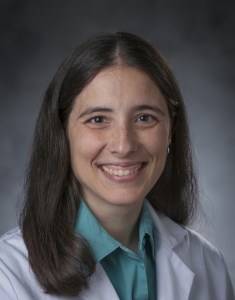 Rachel Gottron Greenberg合作论文数Department of Pediatrics, Duke University School of Medicine30
 Sara B Demauro合作论文数Children's Hospital of Philadelphia and the Perelman School of Medicine, University of Pennsylvania29Reese H Clark合作论文数27Laughon Matthew M合作论文数25Carl D'Angio合作论文数24
 Jon E. Tyson合作论文数Center for Clinical Research and Evidence-Based Medicine, The University of Texas Health Science Center at Houston;Department of Pediatrics, McGovern Medical School, The University of Texas Health Science Center at Houston24
 Susan R. Hintz合作论文数Division of Neonatal and Developmental Medicine, Center for Academic Medicine, Stanford University;School of Medicine, Stanford University24
 Anna Maria Hibbs合作论文数Rainbow Babies and Children’s Hospital22Myra H. Wyckoff合作论文数22
 Gregory M Sokol合作论文数21
 Kurt R Schibler合作论文数21
 Marie Gantz合作论文数20Ricki F. Goldstein合作论文数20
 Tarah Colaizy合作论文数Department of Pediatrics, University of Iowa19
 Cynthia Ann Toth合作论文数Department of Ophthalmology, School of Medicine, Duke University;Department of Biomedical Engineering, Pratt School of Engineering, Duke University19Kathleen A. Kennedy合作论文数19
 Richard A. Ehrenkranz合作论文数School of Medicine, Yale University18
 Betty R. Vohr合作论文数Warren Alpert Medical School, Brown University;Department of Pediatrics, Women & Infants Hospital of RI;Rhode Island Hospital18
 BRADLEY A. YODER合作论文数Division of Neonatology, Department of Pediatrics, University of Utah;NICHD Neonatal Research Network17
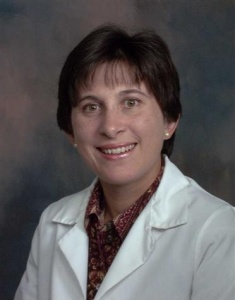 Margarita Bidegain合作论文数Department of Pediatrics, School of Medicine, Duke University16
 Sharon Fridovich Freedman合作论文数Division of Pediatric Ophthalmology and Strabismus, Department of Ophthalmology, Duke University School of Medicine;Department of Pediatrics, Duke University School of Medicine16Ohls Robin K合作论文数16Kimberley Fisher合作论文数15Ivan D. Frantz合作论文数15McDonald Scott A合作论文数15
 William E. Truog合作论文数Children's Mercy Hospital15
 Lina F Chalak合作论文数15Faix Roger G合作论文数14
 Patel Ravi Mangal合作论文数Department of Pediatrics, Emory University School of Medicine14Girija Natarajan合作论文数14
 Martin Keszler合作论文数14Kathryn E. Gustafson合作论文数14Ronnie Guillet合作论文数14




