Importance:Physicians with disabilities face bias and barriers in the workplace, including stigma, lack of accommodations, and mistreatment, which may contribute to workforce attrition. Given the projected physician shortage and the importance of physicians with disabilities in providing informed and empathetic care, understanding attrition within this group is critical. Objective:To examine the associations among disability, workplace accommodations, and physician workforce attrition, including consideration of leaving medical practice and reductions in clinical hours. Design, Setting, and Participants:This survey study used a cross-sectional design to analyze data from the 2022 National Sample Survey of Physicians. Logistic regression models assessed associations between disability and attrition outcomes, adjusting for demographic and workplace factors. Participants included 5917 active physicians who self-reported personal (eg, disability status) and professional (eg, accommodations) data. Data were collected from May 10 to November 9, 2022, and analyzed from October 1, 2023, to May 1, 2025. Main Outcomes and Measures:The primary outcomes were (1) having considered leaving medical practice within the past 12 months, including reasons why, and (2) having ever reduced clinical hours for 6 months or longer. The core independent variable was accommodation status. Results:Among the 5917 physicians surveyed, 154 (2.6%) reported having a disability. A total of 3707 respondents (62.6%) were men or transgender men and 5620 (95.0%) identified as heterosexual; the mean (SD) age was 53.9 (10.8) years. Fifty-six physicians with disabilities (36.4%) considered leaving the practice of medicine, compared with 1316 of 5600 physicians (23.5%) without disabilities. Sixty-seven physicians with disabilities (43.5%) reported transitioning to part time or pausing their practice at some point, compared with 1327 (23.7%) without disabilities. Multivariate regression analysis found physicians with disabilities were more likely than their peers without disabilities to consider leaving medical practice (odds ratio [OR], 2.22; 95% CI, 1.24-3.96; P = .01) and to have reduced clinical hours or paused practice during their careers (OR, 1.94; 95% CI, 1.09-3.43; P = .02). Burnout was the most common reason among both groups, and physicians with disabilities more frequently cited underlying health conditions (self or family) (32 [52.7%] vs 122 [8.5%]). Among physicians with disabilities, those who received accommodations were significantly less likely than those without accommodations to report an intent to leave (42 of 123 [34.3%] and 13 of 24 [54.2%], respectively). Conclusions and Relevance:In this survey study, physicians with disabilities were significantly more likely to consider leaving the workforce and to reduce clinical hours than their peers without disabilities. Clear, stigma-free disclosure and accommodation processes, along with inclusive workplace cultures, are essential to retaining this vital segment of the physician workforce.
This cross-sectional study assesses the interdependence of rural background and training as factors associated with rural practice among US physicians.
BackgroundThe growth of telehealth care delivery during the COVID-19 pandemic highlighted its potential to enhance access to care and improve patient outcomes. As the healthcare landscape moves toward a new equilibrium in care delivery, few studies have examined physician usage of specific telehealth modalities.ObjectiveTo understand telehealth usage differences among modalities and across subgroups of physicians.DesignCross-sectional survey of physicians in the United States (U.S).ParticipantsPhysicians in the U.S.Main MeasuresTelehealth modalities, telehealth usage intensity, factors influencing telehealth usage by different types of physicians.Key ResultsMore than 70% of physicians reported using telehealth. Our results show variation in the types of modalities used by different types of physicians, with provider-to-provider telehealth modalities having lower usage rates than provider-to-patient modalities. Live video visits with patients was the most commonly used modality (56.5%), while video consultations (17.6%) was the least used modality. "Payment and reimbursement" was identified as the most important factor enabling routine telehealth use (by 41.6% of physicians).ConclusionsThis study identifies and assesses the widespread adoption of telehealth among U.S. physicians, particularly for provider-to-patient interactions, and highlights the potential for greater use of provider-to-provider modalities. While variations in usage patterns across provider types and specialties reflect the diverse needs and contexts within healthcare, ensuring that these variations are appropriate is critical to avoiding disparities in access and utilization. Addressing barriers related to reimbursement, interoperability, and training will be key to promoting equitable and appropriate adoption of various telehealth modalities across diverse clinical settings.
OBJECTIVE:To evaluate the impact of the COVID-19 pandemic on physician burnout. STUDY SETTING AND DESIGN:This observational study spanned from 2019 to 2022, involving active US physicians from various settings. We applied logistic regression to cross-sectional data to examine the associations between COVID-19-affected aspects of physicians' work and practice and physician burnout, and used repeated measures of ANOVA on longitudinal data to determine changes in burnout before and during COVID-19. DATA SOURCES AND ANALYTIC SAMPLE:Both cross-sectional (n = 5917) and longitudinal data (n = 2429) were drawn from the Association of American Medical Colleges (AAMC)'s National Sample Survey of Physicians (NSSP), collected in 2019 and 2022. Burnout was measured using a Maslach Burnout Inventory item, while COVID-19-affected aspects were reported in 2022. PRINCIPAL FINDINGS:In 2022, 31.68% of respondents reported burnout once a week or higher. One in five physicians (19.43%) reported that COVID affected at least one aspect of their work status, while 67.77% reported that it affected at least one aspect of their practice. Cross-sectional analysis found that high burnout was reported by 30.41% of physicians whose work was not affected by COVID-19, compared to 37.00% (95% CI: 32.20-41.79, p = 0.015) among those who reported at least one affected aspect. Similarly, high burnout was reported by 27.19% of physicians with no COVID-affected practice aspects and 33.83% (95% CI: 31.42-36.24, p = 0.002) of those with at least one affected aspect. Longitudinal analysis revealed a 0.07 (p = 0.001) increase in burnout frequency on the 0-4 scale from 2019 to 2022. Increased work hours (b = 0.01, p < 0.001) and transitioning from other specialties into primary care specialties (b = 0.15, p < 0.001) significantly contributed to increased burnout. CONCLUSIONS:These findings quantify the detrimental effects of COVID-19-related work and practice changes on burnout and provide insights for policymakers and healthcare organizations to develop targeted strategies to mitigate the negative impacts of future public health crises.
This survey study examines reported experiences of burnout, including emotional exhaustion and depersonalization, among physicians with disability.
ImportancePrevious research suggests that a greater capacity of health care organizations to address patients' health-related social needs (HRSNs) is associated with lower physician burnout. However, individual physician-level engagement in addressing HRSNs has not been fully characterized, and its association with physician burnout remains understudied. ObjectiveTo characterize physicians' engagement in addressing HRSNs and examine its association with burnout. Design, Setting, and ParticipantsThis cross-sectional study used the 2022 Association of American Medical Colleges National Sample Survey of Physicians (NSSP), a nationally representative survey of active, practicing physicians in the US conducted from May to November 2022 that measured a diverse array of physician workforce characteristics. Main Outcome and MeasuresHRSN engagement was defined by physicians' responses to the NSSP item, "During the past 12 months, how often did you spend work time helping your patients meet their social needs?" Engagement levels were categorized as no engagement, low to moderate engagement (monthly or <1 time per month), or high engagement (weekly or daily). Burnout was measured using a single-item measure from the emotional exhaustion domain of the Maslach Burnout Inventory (high was defined as weekly or more). HRSN engagement was examined by physician characteristics, and multivariate logistic regression was conducted to explore associations between HRSN engagement and burnout. Data were weighted by age, gender, international medical graduate status, and specialty group. ResultsIn the study cohort of 5447 physicians, the mean (SD) age was 50.9 (11.7) years, and 3735 (68.6%) identified as men or transgender men. Overall, 34.3% of physicians reported high HRSN engagement, with variability based on physician characteristics. Compared with no HRSN engagement, low to moderate HRSN engagement (adjusted odds ratio [AOR], 1.33; 95% CI, 1.03-1.72; P = .03) and high HRSN engagement (AOR, 1.72; 95% CI, 1.39-2.27; P < .001) were significantly associated with high burnout. Conclusions and RelevanceIn this cross-sectional study of 5447 nationally representative physicians in the US, 34.3% regularly dedicated time to addressing HRSNs. The study identified variability in physicians' engagement in addressing HRSNs and found that higher engagement was associated with a greater likelihood of burnout. The findings suggest the need for thorough assessment of the potential unintended consequences of physicians' engagement in addressing HRSNs on their well-being.
Physicians in the United States are increasingly working with physician assistants (PAs) and nurse practitioners (NPs), but little is known about how they perceive working with PAs and NPs affects their clinical practice. We used a new national survey to examine physicians' perceptions of working with PAs and/or NPs on their patient volume, care quality, time use, and workload. Among our analytical sample of 5823 physicians, 59% reported working with PAs and/or NPs. Most reported that PAs and NPs positively affected their clinical practice. Among several findings, physicians working in medical schools and with higher incomes were more likely to indicate that PAs improve their clinical practices in all 4 aspects, while being in specialties with higher women's representation was associated with lower ratings for working with PAs. Native Hawaiian and Pacific Islander physicians and those with higher incomes were more likely to signify that NPs improved their clinical practices in all 4 aspects. These findings provide valuable insights, from the physicians' perspective, on care delivery reform.
Increasing pursuit of subspecialized training has quietly revolutionized physician training, but the potential impact on physician workforce estimates has not previously been recognized. The Physicians Specialty Data Reports of the Association of American Medical Colleges, derived from specialty designations in the American Medical Association (AMA) Physician Professional Data (PPD), are the reference source for US physician workforce estimates; by 2020, the report for pathologists was an undercount of 39% when compared with the PPD. Most of the difference was due to the omission of pathology subspecialty designations. The rest resulted from reliance on only the first of the AMA PPD's 2 specialty data fields. Placement of specialty designation in these 2 fields is sensitive to sequence of training and is thus affected by multiple or intercalated (between years of residency training) fellowships. Both these phenomena have become progressively more common and are not unique to pathology. Our findings demonstrate the need to update definitions and methodology underlying estimates of the US physician workforce for pathology and suggest a like need in other specialties affected by similar trends.
While several studies have documented the rapid growth in telehealth visits during the pandemic, none have examined its relationship with greater overall access to care among vulnerable populations. We use Association of American Medical Colleges' Consumer Survey data to examine the relationship between access to care and telehealth use before and during the pandemic. The proportion of survey respondents who were always able to get medical care when needed was slightly lower in 2020 compared with prior years while telehealth use rose dramatically. Disparities in telehealth use for Medicaid beneficiaries and rural respondents disappeared during the pandemic, but remained for lower-income populations. Before the pandemic, telehealth use was associated with greater access, but not during the pandemic-when it appears to have become a substitute for in-person. After the pandemic, telehealth could once again be an opportunity to supplement access to care, if telehealth policies enacted during the pandemic are made permanent.
Physician-patient language concordance increases access to high-quality, equitable care for the growing United States (US) population with non-English language preferences. However, little is known about the physician workforce's language skills and use patterns. The primary objective was to evaluate the language profile of the US physician workforce and describe the characteristics of multilingual physicians, defined as speaking one or more languages besides English. This study analyzed the Association of American Medical College's 2019 National Sample Survey of Physicians data. A total of 6,000 physicians garnered from sampling a nationally representative panel of active physicians responded to the online survey. The main measures included respondent demographics, practice characteristics, languages spoken, and frequency of language use in patient care. 39.7% of physicians reported speaking a language other than English, and 9.6% reported using their multilingual skills always or often in patient care. Multilingual physicians were more likely to originate from urban settings, identify as Hispanic/Latinx or Asian, and be international medical graduates. Those who reported speaking Spanish (35.5%), Hindi (17.1%), French (10.2%), Chinese (Mandarin; 8.0%), and Russian (5.7%) accounted for the largest proportions. The percentage of multilingual physicians who reported frequent non-English language use with patients was highest among Spanish-speaking physicians (59.3%). Respondents reported several other languages as frequently used in patient care by over 30% of physicians who speak the language, namely: Vietnamese (41.5%), Chinese (Cantonese, 41.2%), Korean (39.5%), Japanese (33.0%), and Polish (31.3%). Many US physicians report multilingual skills and use their non-English languages with patients. Understanding the language profile of US physicians can inform educational initiatives to increase multilingualism in healthcare delivery and the development of proficiency standards for clinical use and provide context for future research. Furthermore, characterizing physicians’ language skills is a valuable step in improving health equity among historically marginalized linguistic communities.
Importance:Studies have suggested that greater primary care physician (PCP) availability is associated with better population health and that a diverse health workforce can improve care experience measures. However, it is unclear whether greater Black representation within the PCP workforce is associated with improved health outcomes among Black individuals.Objective:To assess county-level Black PCP workforce representation and its association with mortality-related outcomes in the US.Design, Setting, and Participants:This cohort study evaluated the association of Black PCP workforce representation with survival outcomes at 3 time points (from January 1 to December 31 each in 2009, 2014, and 2019) for US counties. County-level representation was defined as the ratio of the proportion of PCPs who identifed as Black divided by the proportion of the population who identified as Black. Analyses focused on between- and within-county influences of Black PCP representation and treated Black PCP representation as a time-varying covariate. Analysis of between-county influences examined whether, on average, counties with increased Black representation exhibited improved survival outcomes. Analysis of within-county influences assessed whether counties with higher-than-usual Black PCP representation exhibited enhanced survival outcomes during a given year of heightened workforce diversity. Data analyses were performed on June 23, 2022.Main Outcomes and Measures:Using mixed-effects growth models, the impact of Black PCP representation on life expectancy and all-cause mortality for Black individuals and on mortality rate disparities between Black and White individuals was assessed.Results:A combined sample of 1618 US counties was identified based on whether at least 1 Black PCP operated within a county during 1 or more time points (2009, 2014, and 2019). Black PCPs operated in 1198 counties in 2009, 1260 counties in 2014, and 1308 counties in 2019-less than half of all 3142 Census-defined US counties as of 2014. Between-county influence results indicated that greater Black workforce representation was associated with higher life expectancy and was inversely associated with all-cause Black mortality and mortality rate disparities between Black and White individuals. In adjusted mixed-effects growth models, a 10% increase in Black PCP representation was associated with a higher life expectancy of 30.61 days (95% CI, 19.13-42.44 days).Conclusions and Relevance:The findings of this cohort study suggest that greater Black PCP workforce representation is associated with better population health measures for Black individuals, although there was a dearth of US counties with at least 1 Black PCP during each study time point. Investments to build a more representative PCP workforce nationally may be important for improving population health.
Background and AimsLittle is known about physicians' approaches to continuing medical education (CME) for continuing professional development despite the rapid evolution of CME offerings. We sought to identify the extent to which demographic, career, and experiential CME-activity variables were independently associated with physicians' satisfaction with their ability to stay current on medical information and practice. MethodsUsing the 2019 Association of American Medical Colleges' National Sample Survey of Physicians data, we ran multivariable logistic regression models examining demographic, career, and experiential (participation in 11 CME activities in the past year) variables for their associations with physicians' satisfaction (satisfied vs. not satisfied/neutral) with their ability to stay current. ResultsOf 5926 respondents, 90% (5341/5926) were satisfied with their ability to stay current. Significant (each two-sided p < 0.05) predictors of respondents who were satisfied included (among others) a surgery specialty (vs. primary care; adjusted odds ratio [AOR] = 1.41, 95% confidence interval [CI] = 1.06-1.88), an academic affiliation (vs. none; AOR = 1.35, 95% CI = 1.10-1.66), and participation (vs. no participation) in each of professional meetings (AOR = 1.31, 95% CI = 1.07-1.60) and journal-based CME (AOR = 1.29, 95% CI = 1.07-1.56). Respondents who self-identified as a race/ethnicity underrepresented in medicine (vs. white; AOR = 0.68, 95% CI = 0.48-0.97) and were between ages 40 and 49 years (vs. 50-59; AOR = 0.74; 95% CI = 0.58-0.94) were less likely to be satisfied. Gender, board certification status, and medical degree type did not independently predict satisfaction (each p > 0.05). ConclusionWe observed independent associations between physicians' satisfaction with their ability to stay current in medical information and practice and each specialty, academic affiliation, race/ethnicity, age, and CME activity type (for 2 of 11 examined). Findings may be relevant to organizations and institutions designing and implementing CME activities in the current context of COVID-19 pandemic-related in-person activity limitations and can inform targeted interventions addressing differences in the satisfaction we observed to better support physicians' CME.
Background Physicians report increasing burnout and declining career-related satisfaction, negatively impacting physician well-being and patient care quality. For physicians with academic affiliations, these issues can directly affect future generations of physicians. Previous research on burnout and satisfaction has focused on factors like work hours, gender, race, specialty, and work setting. We seek to contribute to the literature by examining these associations while controlling for demographic, family, and work-related characteristics. Furthermore, we aim to determine any differential effects of faculty rank. Methods We analyzed data on practicing physicians in the U.S. from the Association of American Medical College’s (AAMC) 2019 National Sample Survey of Physicians (NSSP,) which includes variables adapted from the Maslach Burnout Inventory. We used ordinal logistic regressions to explore associations between academic affiliation and burnout. We conducted a factor analysis to consolidate satisfaction measures, then examined their relationship with academic affiliation using multivariate linear regressions. All regression analyses controlled for physicians’ individual, family, and work characteristics. Results Among respondents ( n = 6,000), 40% were affiliated with academic institutions. Physicians with academic affiliations had lower odds than their non-affiliated peers for feeling emotional exhaustion every day (Odds Ratio [OR] 0.87; 95% CI: 0.79–0.96; P < .001) and reported greater career-related satisfaction (0.10–0.14, SE, 0.03, 0.02; P < .001 ). The odds of feeling burnt out every day were higher for associate professors, (OR 1.57; 95% CI: 1.22–2.04; P < .001 ) assistant professors, (OR 1.64; 95% CI: 1.28–2.11; P < .001 ), and instructors (OR 1.72; 95% CI, 1.29–2.29; P < .001 ), relative to full professors. Conclusions Our findings contribute to the literature on burnout and career satisfaction by exploring their association with academic affiliation and examining how they vary among different faculty ranks. An academic affiliation may be an essential factor in keeping physicians’ burnout levels lower and career satisfaction higher. It also suggests that policies addressing physician well-being are not “one size fits all” and should consider factors such as academic affiliation, faculty rank and career stage, gender identity, the diversity of available professional opportunities, and institutional and social supports. For instance, department chairs and administrators in medical institutions could protect physicians’ time for academic activities like teaching to help keep burnout lower and career satisfaction higher.
Physicians from underrepresented groups are at greater risk of experiencing mistreatment from coworkers and patients, including offensive remarks, physical harm, threats of physical harm, and unwanted sexual advances. These can have far-reaching negative consequences for the physicians’ personal and professional lives. This study used data from a nationally representative sample of physicians to examine workplace mistreatment experienced by physicians with disabilities and determine whether physicians with disabilities are more likely to experience mistreatment in their workplace than physicians without disabilities. Compared with their nondisabled peers, physicians with disabilities had a significantly higher likelihood of experiencing every type of mistreatment from both patients and coworkers. Our findings suggest the need for disability-focused anti-mistreatment policies and practices.
This study contributes to the current understanding of what drives physicians to practice in rural areas by analyzing new, comprehensive survey data of practicing physicians in the United States. This research confirmed that rural origin is a powerful and reliable predictor for rural practice and revealed that new and experienced physicians have different priorities regarding location choice. Physicians choosing rural practice locations are more likely to be motivated by compensation, the resemblance of the environment to the one they grew up in, patient needs, and prenegotiated service obligations or visa/immigration status. They are less likely to attribute their location choice to social network proximity. These findings have important implications for salary incentives and policy initiatives aimed at increasing the rural physician workforce. The results of this study will help decrypt the difficulties rural areas face in attracting and retaining medical and other professionals and inform policy development.
Background: Women physicians remain a minority in most medical specialties and are at higher risk of workplace harassment than men. This research examines the relationship between a medical specialty's gender composition and physicians' workplace harassment experience. Materials and Methods: We used the Association of American Medical Colleges' National Sample Survey of Physicians 2019 (n = 6000). Participants self-reported harassment experiences in the 12 months preceding the survey, including threats of physical harm, physical harm, offensive and sexist remarks, and unwanted sexual advances from patients and coworkers. We used data from the American Medical Association to determine medical specialties' gender composition. We used multiple logistic regression to assess the relationship between harassment experiences and specialty gender composition. Results: Women and men physicians reported threats and harm at similar rates. However, women reported offensive, sexist remarks and unwanted sexual advances more frequently. We found greater representation of women within a specialty is associated with a lower prevalence of harassment experienced by men and women physicians (e.g., threats of physical harm, odds ratio [OR] = 0.973 [women] and 0.984 [men], and unwanted sexual advances, OR = 0.976 [women] and 0.981 [men]). Also, as women's representation in a specialty increases, the gender gap in experiences of most types of harassment decreases. Conclusions: Greater representation of women within a medical specialty is associated with a safer environment for both men and women physicians and narrower gender gaps in harassment experience. Our findings support efforts to increase gender diversity across the specialties and illuminate the dire need for antiharassment solutions in specialties with low women's representation.
This survey study uses data from the Association of American Medical Colleges National Sample Survey of Physicians to assess the prevalence and characteristics of US physicians with disabilities among a survey of 6000 practicing physicians.
Physician workforce planning must address multiple concerns such as having sufficient numbers and adequate geographic distribution of physicians and pressures for physicians to adapt to new models of care and payment. Though there are national workforce planning tools, planning tools for local areas have been scarce. This article describes a dynamic simulation model developed as a pilot project to support physician workforce planning in 2 metropolitan areas, Cleveland and Albuquerque (February 2014-June 2016). This model serves as a prototype for planning tools that could be used by medical educators and local health systems to project the effect of different policies on physician supply and demand. System dynamics and group model building approaches were used to develop the model with the participation of local stakeholders to create the model's causal structure. The model included determinants of the demand for primary and specialty care for the local population and projected the effects of births and deaths, aging, level of chronic illness present, and migration on demand. Physician supply was disaggregated by primary versus specialty care, age, sex, and work setting and projected based on completions of local residency programs, physician migration in and out of the area, and retirements. Feedback relationships between supply and demand (e.g., adequacy of care affecting the distribution of chronic illnesses, demand for care influencing in- and out-migration of physicians) were also included and had important effects on the results produced by the model. Scenarios were simulated that projected increased demand for care (e.g., through expanded insurance coverage) and increased supply (e.g., through practice incentives to encourage in-migration) and a combination of these. An expanded advanced practice registered nurse and physician assistant capacity scenario was also simulated. In Albuquerque, the combination scenario yielded the greatest increases in local physician supply.
This study examines the hours worked and patterns of work activities before and during the COVID-19 pandemic among US physicians.
 Xiaochu Hu合作论文数11
 Schoolcraft Conrad Sarah合作论文数7Zakia Nouri合作论文数4Natalie Felida合作论文数3Christopher Moreland合作论文数3
 Pilar Ortega合作论文数Departments of Medical Education and Emergency Medicine, University of Illinois College of Medicine;ORCID: http://orcid.org/0000-0002-5136-1805 .;Departments of Medical Education and Emergency Medicine, University of Illinois College of Medicine3
 Lisa M. Meeks合作论文数Department of Family Medicine, University of Michigan Medical School;Meeks and Company Consulting3Clese Erikson合作论文数Center for Workforce Studies, Association of American Medical Colleges3
 Gary B Hirsch合作论文数2Emily Yunker合作论文数2
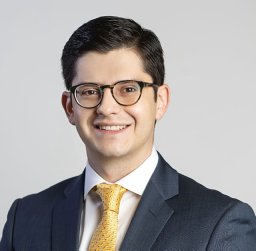 Santiago Avila合作论文数Pritzker School of Medicine, University of Chicago2Walter H. Merrill合作论文数2Carolyn E. Reed合作论文数2
 Ara A Vaporciyan合作论文数2Andrea J. Carpenter合作论文数2Kristine J. Guleserian合作论文数2
 Malika Fair合作论文数1Marie Caulfield合作论文数1
 Alison C Essary合作论文数1Rebecca L Johnson合作论文数1Anne K Rzeszut合作论文数1Katherine Brandenburg合作论文数1Amy Jayas合作论文数1Chu Zhuang合作论文数1Masami Tabata-Kelly合作论文数Ctr Geriatr Surg, Brigham & Womens Hosp1Yoon Hong Park合作论文数Milken Inst, George Washington Univ1David J Gross合作论文数1Brandi Leach合作论文数1
 Zoie Sheets合作论文数University of Illinois College of Medicine at Chicago1
 David Acosta合作论文数Association of American Medical Colleges1Kara Fisher合作论文数1
 S Michelle Ogunwole合作论文数Division of General Internal Medicine, The Johns Hopkins University1
 Hyunjung Lee合作论文数John McCormack Graduate School of Policy and Global Studies, University of Massachusetts Boston;Global Health and Education Projects, Inc, and The Center for Global Health and Health Policy;John McCormack Graduate School of Policy and Global Studies, University of Massachusetts Boston1Noel Smith合作论文数PA & Ind Res & Anal, Amer Acad Phys Associates1John E Snyder合作论文数1
 Perri Anne Morgan合作论文数Department of Population Health Sciences, Duke University School of Medicine1
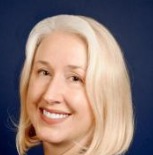 Christine M Everett合作论文数Department of Population Health Sciences, Duke University School of Medicine1
 Sherita Hill Golden合作论文数Welch Center for Prevention, Epidemiology, and Clinical Research, Bloomberg School of Public Health, Johns Hopkins University;Department of Epidemiology, Bloomberg School of Public Health, Johns Hopkins University1Kirch Darrell G合作论文数1
 Lisa Howley合作论文数Carolinas Medical Center1
 Dorothy A Andriole合作论文数1Rebecca S Lipner合作论文数1
 Bettie Coplan合作论文数Midwestern University1
 Rachel Upton合作论文数1
 Henderson Mackenzie K合作论文数1Perloff Jennifer N合作论文数1
 Justine Strand de Oliveira合作论文数1
 Barnes Hilary合作论文数Center for Health Outcomes and Policy Research, University of Pennsylvania School of Nursing1Poll-Hunter Norma I合作论文数1




