Are democracies less likely to go to war than other kinds of states? This question is of tremendous importance in both academic and policy-making circles and one that has been debated by political scientists for years. The Clinton administration, in particular, has argued that the United States should endeavor to promote democracy around the world. This timely reader includes some of the most influential articles in the debate that have appeared in the journal International Security during the past two years, adding two seminal pieces published elsewhere to make a more balanced and complete collection, suitable for classroom use.
During the Cold War, most international relations theorists and strategic studies analysts paid little attention to ethnic and other forms of communal conflict. Disregard for the importance of ethnic and nationality issues in world affairs, always misguided so far as the developing world was concerned, has been overtaken, in stunning fashion, by recent events from Abkhazia to Zaire. The essays in this volume advance our understanding of the causes of ethnic and communal conflict, the regional and international implications of such conflicts, and what the international community can do to minimize the potential for instability and violence. Drawn from recent issues of Survival, they are organized along thematic rather than regional lines, and will be required reading for scholars, students, and policymakers alike. The contributors to the volume include Michael Brown on the causes and implications of ethnic conflict, Anthony Smith on the ethnic sources of nationalism, David Welsh on domestic politics and ethnic conflict, Renee de Nevers on democratization and ethnic conflict, and Pierre Hassner on nationalism and internationalism. Jack Snyder writes on nationalism and the crisis of the post-Soviet state, Barry Posen on the security dilemma and ethnic conflict, Kathleen Newland on ethnic conflict and refugees, Jenonne Walker on international mediation of ethnic conflicts, and Robert Cooper and Mats Berdal on outside intervention in ethnic conflicts, Adam Roberts discusses the U.N. and international security, and John Chipman explores managing the politics of parochialism.
 Francis Fukuyama合作论文数Freeman Spogli Institute for International Studies, Stanford University;Center on Democracy, Development and the Rule of Law, Stanford University;Aarhus University2
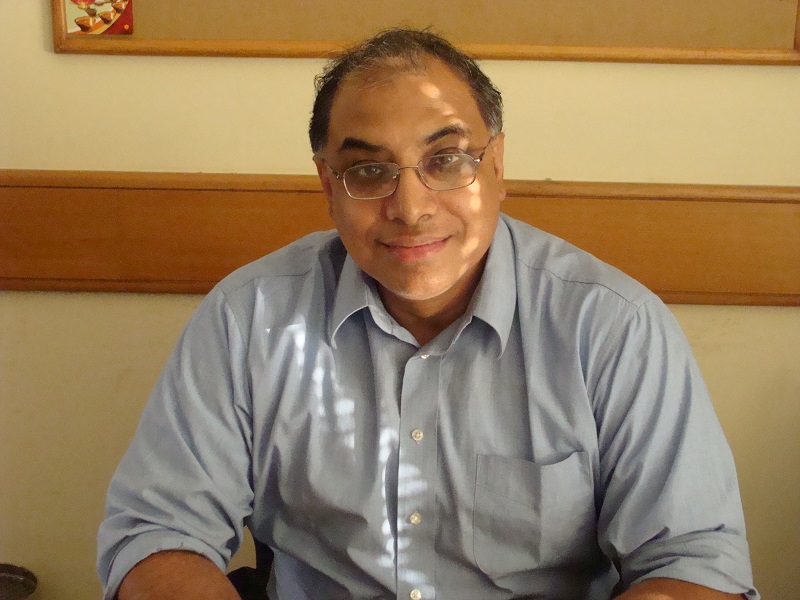 Sumit Ganguly合作论文数DEPARTMENT OF COMPUTER SCIENCE AND ENGINEERING IIT1
 Donald G. Mccloud合作论文数1Sean M. Lynn-Jones合作论文数1Steven E. Miller合作论文数1




