role, but instead appear to play a protective role, which has most clearly been illustrated in the case of IL-22. On the other hand, mice deficient in RORgT a critical master regulator of the Th17 lineage, or in IL-23 a cytokine with complicated but important role in Th17 responses, are protected from several types of autoimmune diseases, including EAE ad colitis. This raises a question as to the specific mechanism and effector T cells types involved in these pathogenic responses. We will discuss our recent findings suggesting a potentially dichotomous role of Th17 responses in the development of colitis, as well as the possible innate immune signaling pathways involved in their generation in the gut. Finally, it is increasingly appreciated that commensal flora plays an important role in the activation of various T cell effector responses in the gut [4]. Commensal bacteria can contribute to the initiation of immune responses for two reasons: First, they provide a source of ligands for various pattern recognition receptors, such as TLRs, which is necessary for the activation of T cell responses when other regulatory mechanisms are intact. Second, commensal bacteria provide a source of nonself antigens, which can be recognized by naïve T cells in the intestine, and these T cells can potentially differentiate into pathogenic effector T cells. It is becoming clear from recent studies, that the commensal composition may play a critical role in affecting the type of T cell responses that can develop in the intestine. Therefore, a possible contribution of commensal flora on the differential induction of pathogenic and protective T cell responses in the intestine will also be discussed.
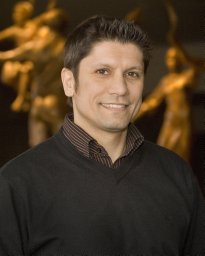 Lotfi Ramin合作论文数Institute of Transfusion Medicine, Ulm University;Institute for Clinical Transfusion Medicine and Immunogenetics Ulm, Red Cross Blood Service Baden-Württemberg - Hessen;Institute of Transfusion Medicine, Ulm University2
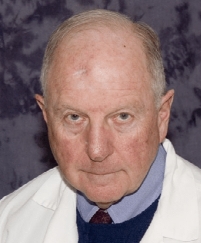 Bertram Pitt合作论文数Samuel and Jean Frankel Cardiovascular Center, University of Michigan;School of Medicine, University of Michigan2
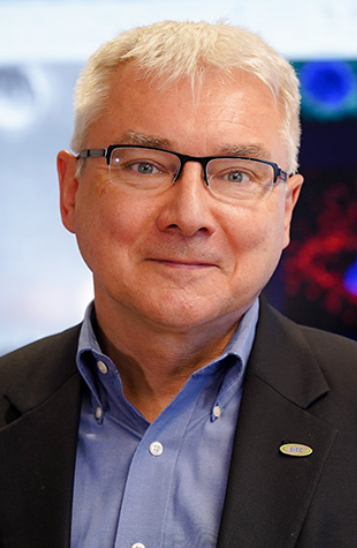 Pawel Kalinski合作论文数Department of Immunology, Roswell Park Comprehensive Cancer Center2
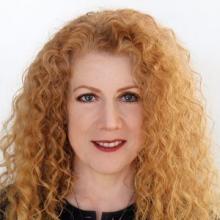 Lisa Helene Butterfield合作论文数Helen Diller Family Comprehensive Cancer Center, University of California San Francisco;Parker Institute for Cancer Immunotherapy2
 Anna Rubartelli合作论文数2P Basse合作论文数1H. J. Zeh合作论文数1Xiaoyan Liang合作论文数1William J. Buchser合作论文数1Se Plevy合作论文数1
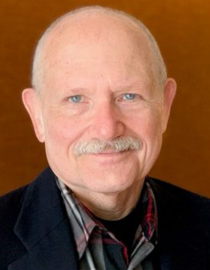 Michael T. Lotze合作论文数Department of Surgery, School of Medicine, University of Pittsburgh1P.H. Basse合作论文数1
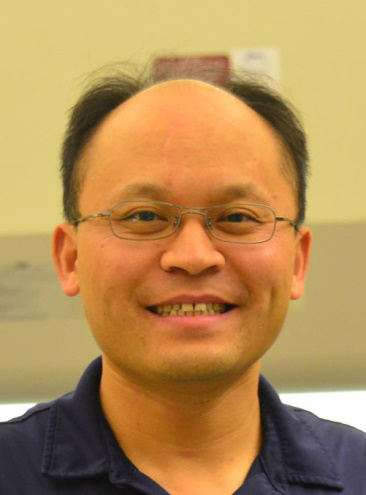 Daolin Tang (唐道林)合作论文数The First Affiliated Hospital of Guangzhou Medical University1




