A series of symmetrically his-substituted imidazole analogs bearing at the N-1 and N-3 two biphenyl moieties ortho substituted either with tetrazole or carboxylate functional groups was designed based on docking studies and utilizing for the first time an extra hydrophobic binding cleft of AT1 receptor. The synthesized analogs were evaluated for their in vitro antagonistic activities (pA(2) values) and binding affinities (-logIC(50) values) to the Angiotensin II AT1 receptor. Among them, the potassium (-logIC(50)= 9.04) and the sodium (-logIC(50) = 8.54) salts of 4-butyl-N,N'-bis{[2'-(2H-tetrazol-5-yl)biphenyl-4-yl]methyl} imidazolium bromide (12a and 12b, respectively) as well as its free acid 11 (-logIC(50) = 9.46) and the 4-butyl-2-hydroxymethyl-N,N'-bis{[2'-(2H-tetrazol-5-yl)biphenyl-4-yl]methyl}imidazolium bromide (14) (-logIC(50)= 8.37, pA(2) = 8.58) showed high binding affinity to the AT1 receptor and high antagonistic activity (potency). The potency was similar or even superior to that of Losartan (-logIC(50) = 8.25, pA(2) = 8.25). On the contrary, 2-butyl-N,N'-bis{[2'-[2H-tetrazol-5-yl)]biphenyl-4-yl]methyl}imidazolium bromide (27) (-logIC(50) = 5.77) and 2-butyl-4-chloro-5-hydroxymethyl-N,N'-bis{[2'-[2H-tetrazol-5-yl)]biphenyl-4-yl] methyl}imidazolium bromide (30) (-logIC(50) = 638) displayed very low binding affinity indicating that the orientation of the n-butyl group is of primary importance. Docking studies of the representative highly active 12b clearly showed that this molecule has an extra hydrophobic binding feature compared to prototype drug Losartan and it fits to the extra hydrophobic cavity. These results may contribute to the discovery and development of a new class of biologically active molecules through bis-alkylation of the imidazole ring by a convenient and cost effective synthetic strategy. (C) 2013 Elsevier Masson SAS. All rights reserved.
Purpose.: Parstatin is a 41-mer peptide formed by proteolytic cleavage on activation of the PAR1 receptor. The authors recently showed that parstatin is a potent inhibitor of angiogenesis. The purpose of the present study was to evaluate the therapeutic effect of parstatin on ocular neovascularization. Methods.: Choroidal neovascularization was generated in mice using laser-induced rupture of Bruch's membrane and was assessed after 14 days after perfusion of FITC-dextran. Oxygen-induced retinal neovascularization was established in neonatal mice by exposing them to 75% O2 at postnatal day (P)7 for 5 days and then placing them in room air for 5 days. Evaluation was performed on P17 after staining with anti-mouse PECAM-1. The effect of parstatin was tested after intravitreal administration. The effects of subconjunctival-injected parstatin on corneal neovascularization and inflammation in rats were assessed 7 days after chemical burn-induced corneal neovascularization. Retinal leukostasis in mice was assessed after perfusion with FITC-conjugated concanavalin A. Results.: Parstatin potently inhibited choroidal neovascularization with an IC50 of approximately 3 μg and a maximum inhibition of 59% at 10 μg. Parstatin suppressed retinal neovascularization with maximum inhibition of 60% at 3 μg. Ten-microgram and 30-μg doses appeared to be toxic to the neonatal retina. Subconjunctival parstatin inhibited corneal neovascularization, with 200 μg the most effective dose (59% inhibition). In addition, parstatin significantly inhibited corneal inflammation and VEGF-induced retinal leukostasis. In all models tested, scrambled parstatin was without any significant effect. Conclusions.: Parstatin is a potent antiangiogenic agent of ocular neovascularization and may have clinical potential in the treatment of angiogenesis-related ocular disorders.
The proteolytic activation by thrombin of the proteinase-activated receptor 1 unveils the tethered peptide ligand and cleaves a 41-amino acid peptide. In this report, we show that this peptide, which we have designated as "parstatin," is a potent inhibitor of angiogenesis. Synthesized parstatin suppressed both the basic angiogenesis and that stimulated by basic fibroblast growth factor and vascular endothelial growth factor in the chick embryo model in vivo and in the rat aortic ring assay. Parstatin also abrogated endothelial cell migration and capillary-like network formation on the Matrigel and fibrin angiogenesis models in vitro. Treatment of endothelial cells with parstatin resulted in inhibition of cell growth by inhibiting the phosphorylation of extracellular signal-regulated kinases in a specific and reversible fashion and by promoting cell cycle arrest and apoptosis through a mechanism involving activation of caspases. We have shown that parstatin acts as a cell-penetrating peptide, exerting its biological effects intracellularly. The uptake into cells and the inhibitory activity were dependent on parstatin hydrophobic region. These results support the notion that parstatin may represent an important negative regulator of angiogenesis with possible therapeutic applications.
A plethora of endogenous modulators of angiogenesis have been identified and their roles in the molecular and cellular events that mediate and regulate angiogenesis have been proposed. In this review, we summarize the recent findings on the role of thrombin/thrombosis on angiogenesis and other related pathophysiological processes. The mechanisms by which thrombin itself and its receptor PAR1 orchestrate many cellular events through interaction with a variety of other factors and cell types are discussed. These new data point to the complexity of the regulatory processes involved in the angiogenic cascade, which may be tissue specific, and dependent upon the pathology involved. The understanding of these events may provide targets for therapeutic intervention in disease states where angiogenesis is disturbed.
Thrombin has been reported to play a pivotal role in the initiation of angiogenesis by indirectly regulating and organizing a network of angiogenic molecules. In addition, it has been proposed that thrombin can directly activate endothelial cell proliferation. However, in this report it was shown that thrombin is a poor growth factor for human endothelial cells, and its modest mitogenic activity is mediated indirectly by the release of heparin-binding epidermal growth factor, subsequent to proteinase-activated receptor 1 (PAR1) activation. On the other hand, it was demonstrated that thrombin is a potent anti-apoptotic factor for endothelial cells, pointing to a novel role of thrombin in vascular protection. Analysis by annexin V-propidium iodide double staining revealed that thrombin, specifically, promoted survival of serum-starved endothelial cells in a concentration-dependent manner. In contrast to its mitogenic effect, the anti-apoptotic effect of thrombin was largely independent of its catalytic activity and was mediated through interaction with alphanubeta3 and alpha5beta1 integrins, whereas the involvement of PAR1 was limited. These results provide new insights in understanding the role of thrombin in endothelial cell signaling and vascular biology.
Angiogenesis, the growth of new blood vessels from preexisting ones, is a necessary component of embryogenesis, wound healing, and the proliferative phase of the female reproductive cycle. Angiogenesis also plays a critical role in important pathologic processes such as cancer and cardiovascular complications. In addition, clinical, laboratory, and pharmacologic evidence has shown a link between angiogenesis, coagulation, hemostasis, and thrombosis in the settings of these pathologies. Recent studies in our laboratory revealed that thrombin has a significant stimulatory effect on angiogenesis. This effect of thrombin is independent of fibrin formation and can be attributed mainly to the activation of protease-activated receptor-1 (PAR-1). PAR-1 is widely expressed in vascular cells and is involved in cardiovascular complications such as atherosclerosis, restenosis, and neointimal formation. It is also expressed in many cancer cells contributing to induction of tumor growth and metastasis. In this review, we will summarize our present-day understanding of the role of thrombin and PAR-1 in angiogenesis and the potential therapeutic utility of targeting PAR-1 in angiogenesis-related disease, such as atherosclerosis, restenosis, and cancer.
Angiogenesis is the process of generating new blood vessels from preexisting vessels and is considered essential in many pathological conditions. The purpose of the present study was to evaluate the effect of methylene blue in chick chorioallantoic membrane angiogenesis model in vivo. In this well characterized model, methylene blue inhibited angiogenesis in a concentration-dependent manner. In addition, when methylene blue was combined with sodium nitroprusside, a spontaneous generator of nitric oxide, an inhibition of angiogenesis was evident which was comparable with that observed by the application of methylene blue alone. Sodium nitroprusside, alone, caused a significant inhibition in basal angiogenesis. These results provide evidence that methylene blue inhibits angiogenesis independently of nitric oxide pathway and suggest that methylene blue may be useful for treating angiogenesis-dependent human diseases.
Many studies support the notion that protease-activated receptor (PAR)-1 plays a pivotal role in angiogenesis. However, direct evidence and understanding the molecular mechanisms involved were limited because PAR-1-specific antagonists have been developed only recently. In the present study, we evaluated the effects of two well characterized PAR-1 antagonists, SCH79797 ((N-3-cyclopropyl-7-{[4-(1-methylethyl)phenyl]-methyl}-7H-pyrrolo[3,2-f]quinazoline-1,3-diamine)) and RWJ56110 [(αS)-N-[(1S)-3-amino-1-[[(phenylmethyl)amino]carbonyl]propyl]-α-[[[[[1-(2,6-dichlorophenyl)methyl]-3-(1-pyrrolidinylmethyl)-1H-indol-6-yl]amino]carbonyl]amino]-3,4-difluorobenzenepropanamide], in the angiogenic cascade. These antagonists suppressed both the basic angiogenesis and that stimulated by thrombin in the chick chorioallantoic membrane model in vivo. PAR-1 antagonists also abrogated tube formation in the in vitro Matrigel system. These inhibitory effects were dose-dependent and well correlated with the inhibitory effects of SCH79797 and RWJ56110 on primary endothelial cell proliferation and on the initiation of apoptosis. PAR-1 blockage resulted in inhibition of endothelial cell growth by increasing the sub-G0/G1 fraction and reducing the percentage of cells in the S phase. Consistent with this, PAR-1 antagonists reduced incorporation of [3H]thymidine in endothelial cells and blocked the phosphorylation of extracellular signal-regulated kinases in a fashion depending specifically on PAR-1 activation. Analysis by annexin V/propidium iodide staining and poly(ADP-ribose) polymerase cleavage revealed that PAR-1 blockage increased apoptotic cell death by a mechanism involving caspases. These results provide further evidence that PAR-1 is a key receptor that mediates angiogenesis and suggest PAR-1 as target for developing antiangiogenic agents with potential therapeutic application in cancer and other angiogenesis-related diseases.
 Tsopanoglou Nikos E合作论文数Medical School, University of Patras21
 Christodoulos Flordellis合作论文数6
 Evangelia Papadimitriou合作论文数Athens Medical School, Attikon University Hospital5
 Eva Pipili-Synetos合作论文数5
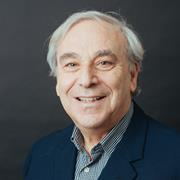 Peter I Lelkes合作论文数Department of Bioengineering, College of Engineering, Temple University4
 John Matsoukas合作论文数Department of Chemistry, University of Patras4g c haralabopoulos合作论文数3BR UNSWORTH合作论文数3
 George Karakiulakis合作论文数School of Medicine, Aristotle University3
 Panos S. Gartaganis合作论文数3P. Zania合作论文数3Stamatis Papaioannou合作论文数2E. Missirlis合作论文数2G. Zoumboulis合作论文数2E Pipili合作论文数2J WASVARY合作论文数2
 Jennifer L Strande合作论文数2Vasilakis Panagiotis合作论文数2
 Hu Huang合作论文数2Maria Bastaki合作论文数2
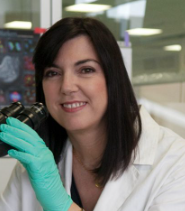 Adriana Albini合作论文数Dipartimento di Medicina e Chirurgia, Università degli Studi di Milano-Bicocca;Istituto Europeo di Oncologia2Eleni Sakkoula合作论文数2
 Tai-Ping Fan合作论文数Northwest University2Panagiota Ravazoula合作论文数School of Medicine, University of Patras2
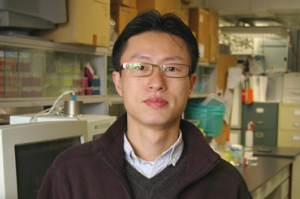 Patrick Ying-Kit Yue (余英傑)合作论文数Department of Biology,Faculty of Science,Hong Kong Baptist University2
 Ricky Ngok-Shun Wong (黃岳順)合作论文数Department of Biology,Faculty of Science,Hong Kong Baptist University2Tsoo E. King合作论文数2Katerina Geronatsiou合作论文数2Moritz A. Konerding合作论文数2Pietro M. Gullino合作论文数2
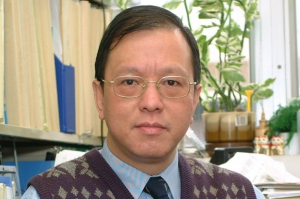 Nai-Ki Mak (麥乃岐)合作论文数Department of Biology,Faculty of Science,Hong Kong Baptist University2Stanley A. Vinores合作论文数2Paraskevi Andriopoulou合作论文数2j k shen合作论文数1I. Sogno合作论文数1E Fait合作论文数1E Pipili-Synetos合作论文数1Kostas Alexopoulos合作论文数1JAMES BREADY合作论文数1A.O. Pineda合作论文数1
 Evangelos D Anastassiou合作论文数1H Hankin合作论文数1Ilaria Sogno合作论文数1Christiane Bréant合作论文数1Suzanne Harley合作论文数1W. J. A. de Vree合作论文数1F S Mathews合作论文数1N Zacharakis合作论文数1Thomas Mavromoustakos合作论文数1




