There is a need for greater recognition of clinical psychopharmacology endpoints, including instances where specific psychotropic medications may become unnecessary, redundant, contradictory, or otherwise inappropriate and therefore merit deprescribing. To address circumstances warranting psychotropic medication deprescribing. The American Society of Clinical Psychopharmacology convened a panel of 45 international psychopharmacology experts who developed and completed a multiround Delphi survey and conducted a focused literature review between January and May of 2025, in order to identify areas of consensus or disagreement on key aspects of the deprescribing of psychotropic medications. These included collaborative risk-benefit assessments with patients; pharmacokinetic and pharmacodynamic factors; pharmacogenomics; distinguishing redundant or conflictual from complementary mechanisms of action; managing adverse effects; assuring medication adherence; drug tolerance or tachyphylaxis; medication misuse; and the psychological context and ramifications of deprescribing. Consensus was achieved on 44 of 50 final Delphi statements (88%). Panelists unanimously agreed that components of a pharmacotherapy regimen should undergo periodic review to ensure that treatments target relevant symptoms and have favorable risk-benefit ratios. Key points of consensus were that deprescribing: (1) should not occur without first assessing medication adherence; (2) merits consideration if less than partial therapeutic response is apparent, or if treatment goals have been reached and relapse prevention is not a long-term objective; (3) involves psychological ramifications that warrant attention; (4) should be followed by close clinical monitoring; and (5) risk-benefit decisions should ideally involve active patient participation within a shared decision-making model. Through this Consensus Statement, the Task Force identified circumstances in which the selective elimination of certain psychotropic medications may be clinically indicated. Empirical trials are needed to assess the implementation of deprescribing protocols and gauge their safe, effective, and acceptable outcomes.
IMPORTANCE:Seltorexant, a selective orexin-2 receptor (OX2R) antagonist, has demonstrated antidepressant effects in major depressive disorder (MDD), particularly among patients with higher baseline insomnia symptoms. OBJECTIVE:To investigate flexibly dosed seltorexant vs flexibly dosed quetiapine extended release (quetiapine-XR) as adjunctive treatment to a selective serotonin (SSRI) or serotonin-norepinephrine (SNRI) reuptake inhibitor. SETTING:Outpatient. DESIGN:Randomized, active-controlled, multicenter, exploratory phase 2 study with screening (≤4 weeks), double-blind treatment (24 weeks), and post-treatment follow-up (2 weeks) phases. PARTICIPANTS:Patients with MDD and inadequate response to 1-3 SSRIs/SNRIs, including an ongoing SSRI/SNRI, in the current depressive episode. INTERVENTIONS:Flexibly dosed seltorexant (20 or 40 mg) or quetiapine-XR (150 or 300 mg, with 2-day initial dosing of 50 mg) once daily as adjunctive therapy to an SSRI/SNRI. Randomization (1:1) was stratified by baseline Insomnia Severity Index total score (≥15 vs <15). Safety, tolerability, and preliminary efficacy were evaluated. MAIN OUTCOMES AND MEASURES:Primary efficacy endpoint was time to all-cause study drug discontinuation. Secondary efficacy endpoints included change in Montgomery-Åsberg Depression Rating Scale (MADRS) total score. Subgroup analyses included MADRS change by mode dose (MD; most frequent daily dose received by a patient during the study). Safety and tolerability also were assessed. RESULTS:Time to all-cause discontinuation (estimated 25th percentile [80% CI]: seltorexant, 62 [38, 83] days vs quetiapine-XR, 42 [35, 61] days; hazard ratio [80% CI]: 0.83 [0.6, 1.2]) and all-cause discontinuation (seltorexant, 41.2% vs quetiapine-XR, 47.1%; 2-sided P = .5355) did not differ significantly between treatment groups. For the seltorexant 20-mg MD group, MADRS total scores consistently improved over time and reductions were numerically greater at weeks 18 and 24 versus the seltorexant 40-mg MD and the combined quetiapine-XR groups, and patients with higher baseline insomnia symptoms had greater improvement in MADRS total score, consistent with prior studies showing efficacy at 20 but not 40 mg. Treatment-emergent adverse event rates were 65.4% for seltorexant and 80.8% for quetiapine-XR. CONCLUSIONS AND RELEVANCE:Results support the favorable tolerability and preliminary efficacy of seltorexant 20 mg daily as adjunctive treatment in patients with MDD, especially those with insomnia symptoms, and suggest potential approaches to differentiate seltorexant from quetiapine-XR in future adequately powered studies. TRIAL REGISTRATION:Clinicaltrials.gov identifier: NCT03321526.
OBJECTIVE:Anxious depression is a negative prognostic factor linked to worse outcomes in major depressive disorder (MDD). However, its role in treatment-resistant depression (TRD) remains unclear. This secondary analysis of the ASCERTAIN-TRD trial investigates the role of anxious depression as a predictor or moderator of treatment response. METHODS:A Hamilton Depression Rating Scale Anxiety and Somatization Subscale score of at least 7 identified subjects with the anxious depressive subtype. Treatment response was evaluated based on changes in Montgomery-Asberg Depression Rating Scale scores using mixed-effects models with repeated measures and included additional terms accounting for the presence or absence of anxious depression. Two hundred fifty-three patients, who had at least one post-baseline Montgomery-Asberg Depression Rating Scale and Hamilton Depression Rating Scale score were included in the analysis. Of them, 182 subjects presented anxious and 71 nonanxious depression. RESULTS:Treatment outcomes were similar across the three treatment groups regardless of anxious MDD status ( P -value > 0.5 for all comparisons) suggesting that anxious depression was not a significant predictor or moderator of treatment outcome. CONCLUSION:These findings indicate that anxious depression alone may be prognostic rather than predictive. These findings may be a useful guidance for clinicians, suggesting that standard TRD treatments remain applicable in the anxious MDD subtype.
Importance Few pharmacotherapies are approved for treatment-resistant depression, and many patients do not achieve remission following treatment with those therapies. Objective To examine the efficacy and safety of single-day treatment with a synthetic formulation of inhaled mebufotenin (GH001) vs placebo in patients with treatment-resistant depression. Design, Setting, and Participants This was a 7-day, randomized, double-blind, placebo-controlled phase 2b trial with a 6-month open-label extension phase conducted at 16 sites in Europe from May 2023 to March 2025. Adult patients aged 18 to 64 years with treatment-resistant depression, defined as nonresponse to 2 to 5 oral antidepressant treatments, with current episode duration of up to 2 years were included. Of 128 assessed for eligibility, 81 were randomized and completed the placebo-controlled period of the trial. Interventions Patients were randomly assigned 1:1 to receive an individualized dosing regimen of up to 3 escalating doses of GH001 (6, 12, and 18 mg) or a placebo individualized dosing regimen on a single day (day 1). Main Outcomes and Measures The primary efficacy end point was the change from baseline to day 8 in Montgomery-Åsberg Depression Rating Scale total score (range, 0-60; higher scores indicate greater severity of depression), comparing GH001 with placebo. Secondary end points included remission (Montgomery-Åsberg Depression Rating Scale score ≤10) at day 8. Results Among the 81 patients randomized to GH001 (n = 40) or placebo (n = 41), the mean (SD) age was 41.6 (11.4) years and 43.9 (10.9) years and 24 (60.0%) and 22 (53.7%) were female, respectively. Change in Montgomery-Åsberg Depression Rating Scale score from baseline to day 8 was significantly greater for GH001 vs placebo (least squares mean difference [SE], −15.5 [1.7]; P < .001; effect size, −2.0). Day 8 remission rates were 23/40 (57.5%) with GH001 and 0/41 (0%) with placebo. No severe or serious adverse events were reported in the placebo-controlled period. Conclusions and Relevance In this study, an individualized dosing regimen of inhaled GH001 resulted in significant improvements in depression symptoms relative to placebo and was well tolerated, supporting its potential as a novel, rapid-acting treatment for treatment-resistant depression. Trial Registration ClinicalTrials.gov Identifier: NCT05800860
There is a lack of consensus in the field about the indefinite use of psychostimulants for adult ADHD and the circumstances under which their deprescribing warrants consideration. To address this gap in knowledge, the American Society of Clinical Psychopharmacology (ASCP) convened a Task Force on the deprescribing of psychotropic medications, including stimulant medications for adult ADHD, which entailed a focused literature review and 2-round Delphi survey querying 45 international psychopharmacology experts on factors related to deprescribing. Consensus (≥75% agreement, defined by endorsements of “strongly agree” or “moderately agree”) was reached on 10 of 11 (91%) Delphi statements. Survey responses plus literature review suggest that stimulant deprescribing may be appropriate when 1) the diagnosis of ADHD is deemed incorrect upon reevaluation unless another stimulant-responsive condition is evident; 2) cognitive complaints have other more likely etiologies for which stimulant medications are inappropriate; 3) cognitive benefits are absent; 4) stimulant medications exacerbate medical or other psychiatric comorbidities; 5) adverse effects, if present, are non-remediable; 6) stimulant medications are misused; and 7) untreated comorbid non-cannabis substance use disorders are present. Panelists just fell short of consensus in perceiving regular use of cannabis as an insufficient reason to deprescribe stimulant medications in adult ADHD patients. In sum, clinical circumstances and rationales can be identified that support decisions to deprescribe stimulant medications for adult ADHD. Deliberate stimulant misuse or abuse, comorbid medical or psychiatric contraindications, and diagnostic inaccuracy pose strong reasons to consider deprescribing stimulants, potentially in favor of alternative pharmacotherapies and psychotherapies for adult ADHD.
Background:Approximately 30% of patients treated for major depressive disorder develop treatment-resistant depression (TRD). The STAR*D study demonstrated remission rates decline progressively with each antidepressant failure (37%, 31%, 14%, and 13%, respectively). A single-day individualized dosing regimen of GH001 (synthetic mebufotenin for inhalation) produced rapid, large improvements in depressive symptoms versus placebo in patients with TRD in a Phase 2b trial (least-squares mean difference, -15.5; effect size, -2.0; 57.5% remission at Day 8 versus 0% placebo). The current post hoc analysis examines whether GH001 efficacy varies by number of prior lifetime antidepressant treatment failures. Methods:This analysis included all 40 patients who received GH001 in the double-blind part of a Phase 2b trial. Spearman rank correlations between number of prior lifetime antidepressant failures and change from baseline in Montgomery-Åsberg Depression Rating Scale (MADRS) scores were calculated at Day 8 and among 6-month open-label extension completers. Remission rates (MADRS ⩽10) were examined by subgroup (2, 3, 4, or ⩾5 prior lifetime failures). Results:No meaningful correlation was observed between prior lifetime treatment failures and MADRS improvement at Day 8 (r = -0.13; P = 0.44) or 6-month OLE completers (r = -0.10; P = 0.60). Remission rates at Day 8 likewise were similar across subgroups (range, 53.9%-63.6%) and were maintained at end of treatment visit/Month 6 (range, 61.5%-85.7%). Secondary endpoints were not associated with treatment history. Conclusions:The efficacy of GH001 in patients with TRD appears largely independent of number of prior lifetime antidepressant treatments, and further research in patients with extensive treatment histories will be conducted in subsequent development stages.
BACKGROUND:Double-blind, placebo-controlled trials are often affected by higher-than-anticipated placebo responses that may contribute to study failure. It is common to observe symptomatic improvement immediately after randomization regardless of treatment allocation. METHODS:This post hoc analysis examined the early randomization effect in a recent 4-week double-blind, placebo-controlled study that examined a novel presynaptic mGluR2 inhibitor, MK-1942, in a daily or twice-weekly dosing strategy versus placebo as an adjunctive treatment in acutely depressed participants with major depressive disorder who had not adequately responded to antidepressant treatment. RESULTS:The original study failed to meet its primary endpoints, but a post hoc analysis revealed an early randomization effect that may have impeded signal detection. Over 60% of the overall Montgomery Asberg Depression Rating Scale (MADRS) score improvement observed in the placebo group occurred within the first week of this 4-week study, and >20% of placebo-assigned participants met criteria as treatment responders within 1 week after randomization. Using week 1 as an alternative ("revised") baseline, the percentage of placebo responders at week 4 was reduced from 48.6% to 31.4%. Cohen standardized effect size favoring the twice-weekly MK-1942 dosing over placebo improved from -0.33 (original baseline) to -0.54 at week 4 by applying the revised baseline. CONCLUSIONS:These post hoc results suggest an early randomization effect may complicate the interpretation of studies that examine treatment effects of drugs in development. Masking the timing of randomization with blinded, placebo-lead-in designs may warrant consideration for depression studies, particularly for rapid-acting antidepressants.
QuestionDoes Project Life Force (PLF), a manualized suicide safety planning group intervention augmented with skills training, reduce suicidal behavior among veterans at high risk for suicide over 12 months?FindingsIn this randomized clinical trial of 207 veterans at high risk for suicide, no difference was found in time to first suicidal behavior between participants in the PLF arm compared with those in the treatment as usual (TAU) arm. However, PLF participants demonstrated a significantly lower number of actual attempts and improved suicide-related coping than TAU participants.MeaningThese findings suggest that PLF may lower suicide risk among veterans at high risk for suicide. This randomized clinical trial evaluates Project Life Force, a group-based suicide safety planning and skills training intervention for veterans at high risk for suicide, comparing its effects to standard treatment over a 12-month period. ImportanceNovel evidence-based suicide-specific treatments are critical to addressing rising rates of suicide among veterans.ObjectiveTo determine whether Project Life Force (PLF), a group intervention that augments suicide safety planning (SSP) with skills training, plus treatment as usual (TAU) delays or decreases suicidal behavior compared with TAU alone.Design, Setting, and ParticipantsThis multisite randomized clinical trial, using intention-to-treat analyses, included veterans at high risk for suicide. Participants were recruited after psychiatric inpatient discharge or referral from 4 Veterans Health Administration outpatient care teams in hospitals in Pennsylvania, New York, and Texas between March 2018 and February 2024. Data were analyzed from April 2024 to October 2025.InterventionPLF is a manualized, 10- to 12-session (75-90 minutes per session) group intervention combining SSP with distress tolerance, emotion regulation, and interpersonal skills training. Sessions cover each of the 6 SSP steps, health management, reasons for living, SSP accessibility, and a recap, with up to 4 optional booster sessions offered. All participants received TAU, constituting individual SSP and standard outpatient mental health care.Main Outcomes and MeasuresThe primary outcome was time in days to first suicidal behavior (aborted, interrupted, or actual attempts or suicide death) over 12 months, assessed using the Columbia Suicide Severity Rating Scale and chart review. Secondary outcomes over 12 months included self-report measures of hopelessness, depression, treatment use, attitudes toward help-seeking, and suicide-related coping.ResultsA total of 207 participants (mean [SD] age, 46.1 [13.9] years; 178 male [86%]) were assessed at baseline and randomly assigned to PLF plus TAU (101 participants) or TAU alone (106 participants). Cox proportional hazards models showed no significant between-group difference in time to suicidal behavior; however, compared with TAU, PLF participants had a lower hazard of actual suicide attempts over 1 year (HR, 0.49; 95% CI, 0.26-0.92; P = .03). Secondary outcome analyses included data from 132 participants (64%) at posttreatment, 125 (60%) at month 6, and 130 (62%) at month 12. Treatment-by-time effects ranged from Cohen d = -0.03 to 0.35. Notably, PLF significantly improved suicide-related coping at posttreatment (estimate, 4.06; Cohen d, 0.21; P = .04) and month 6 (estimate, 5.36; Cohen d, 0.27; P = .007). No study-related adverse events occurred.Conclusions and RelevanceIn this randomized clinical trial of 207 participants, PLF plus TAU did not change time to suicidal behavior but did increase time to actual suicide attempts and improve suicide-related coping, thereby enhancing SSP impact.Trial RegistrationClinicalTrials.gov Identifier: NCT03653637
PURPOSE:To evaluate MK-1942, a negative allosteric modulator of mGluR2, for treatment-resistant depression using chronic and intermittent dosing. METHODS:Randomized, double-blind, 4-week study of MK-1942 added to stable antidepressant therapy in adults with treatment-resistant depression (NCT04663321). Participants were randomized 2:1:2 to (1) daily MK-1942 titrated from 5 to 20 mg bid, (2) twice-weekly MK-1942 10 mg, or (3) placebo. The endpoints were Montgomery Asberg Depression Rating Scale (MADRS) scores at week 3 (daily MK-1942) and week 1 (twice-weekly MK-1942). RESULTS:The study was terminated following asymptomatic elevations in liver function tests. At termination, ~70% of the planned enrolment was achieved (MK-1942 daily N=40, MK-1942 twice-weekly N=19, placebo N=40). No significant efficacy differences from placebo were seen for either MK-1942 group. The difference in mean change-from-baseline MADRS score for daily MK-1942 vs placebo directionally favored placebo at Week 3 (3.3 [95% CI: -1.4, 8.0]) and all other time points. The difference between twice-weekly MK-1942 and placebo directionally favored placebo at week 1 (1.9 [95% CI: -2.7, 6.4]) but not at later time points (eg, week 4, -1.5 [95% CI: -8.0, 4.9]). Interestingly, at every time point, the difference between twice-weekly and daily MK-1942 directionally favored the twice-weekly group. Discontinuations due to an adverse event were more common with MK-1942 than placebo (daily=10.0%, twice-weekly=15.8%, placebo=2.5%), and dizziness was the most common adverse event (daily=25.0%, twice-weekly=31.6%, placebo=7.5%). CONCLUSIONS:Although interpretation of the findings is limited by the early termination of the trial, MK-1942 was not effective in treatment-resistant depression.
Importance:Novel evidence-based suicide-specific treatments are critical to addressing rising rates of suicide among veterans. Objective:To determine whether Project Life Force (PLF), a group intervention that augments suicide safety planning (SSP) with skills training, plus treatment as usual (TAU) delays or decreases suicidal behavior compared with TAU alone. Design, Setting, and Participants:This multisite randomized clinical trial, using intention-to-treat analyses, included veterans at high risk for suicide. Participants were recruited after psychiatric inpatient discharge or referral from 4 Veterans Health Administration outpatient care teams in hospitals in Pennsylvania, New York, and Texas between March 2018 and February 2024. Data were analyzed from April 2024 to October 2025. Intervention:PLF is a manualized, 10- to 12-session (75-90 minutes per session) group intervention combining SSP with distress tolerance, emotion regulation, and interpersonal skills training. Sessions cover each of the 6 SSP steps, health management, reasons for living, SSP accessibility, and a recap, with up to 4 optional booster sessions offered. All participants received TAU, constituting individual SSP and standard outpatient mental health care. Main Outcomes and Measures:The primary outcome was time in days to first suicidal behavior (aborted, interrupted, or actual attempts or suicide death) over 12 months, assessed using the Columbia Suicide Severity Rating Scale and chart review. Secondary outcomes over 12 months included self-report measures of hopelessness, depression, treatment use, attitudes toward help-seeking, and suicide-related coping. Results:A total of 207 participants (mean [SD] age, 46.1 [13.9] years; 178 male [86%]) were assessed at baseline and randomly assigned to PLF plus TAU (101 participants) or TAU alone (106 participants). Cox proportional hazards models showed no significant between-group difference in time to suicidal behavior; however, compared with TAU, PLF participants had a lower hazard of actual suicide attempts over 1 year (HR, 0.49; 95% CI, 0.26-0.92; P = .03). Secondary outcome analyses included data from 132 participants (64%) at posttreatment, 125 (60%) at month 6, and 130 (62%) at month 12. Treatment-by-time effects ranged from Cohen d = -0.03 to 0.35. Notably, PLF significantly improved suicide-related coping at posttreatment (estimate, 4.06; Cohen d, 0.21; P = .04) and month 6 (estimate, 5.36; Cohen d, 0.27; P = .007). No study-related adverse events occurred. Conclusions and Relevance:In this randomized clinical trial of 207 participants, PLF plus TAU did not change time to suicidal behavior but did increase time to actual suicide attempts and improve suicide-related coping, thereby enhancing SSP impact. Trial Registration:ClinicalTrials.gov Identifier: NCT03653637.
Benzodiazepines and sedative hypnotics such as zolpidem (“z-drugs”) are commonly prescribed for anxiety and sleep disorders. Epidemiologic evidence links their use to increased risk of venous thromboembolism. We investigated venous thromboembolism risk among concomitant users of individual benzodiazepines/z-drugs (examined separately) with other prescription medications to generate data-driven hypotheses about drug interactions resulting in clinically meaningful harm to inform future etiologic studies of specific drug combinations. We conducted a series of self-controlled case series studies within a 50
Abstract Introduction At present the uncodified standard for the medical treatment of insomnia is to use hypnotics as needed or intermittently (3-5x per week). While both approaches are dose sparing, neither may provide for the highest rate of treatment responding. Based on prior work, it was hypothesized that intermittent dosing without the interspersion of placebos would be the least effective strategy. Methods A four group RCT with longitudinal follow-up was used to evaluate a two-step treatment protocol. In Step-1, all patients were treated nightly with zolpidem (5mg or 10mg) for one month. In Step-2, treatment responses were maintained for up to 3 months with one of four strategies: nightly dosing; intermittent dosing; or intermittent dosing w/ placebos interspersed (either 1 or 3 active doses per week). Group differences were evaluated with an omnibus exact test for response rates, a Log-Rank test for time to relapse, and a GEE model was used to assess sleep continuity. Results 115 subjects with chronic insomnia were enrolled in Step-1. 10% of subjects were lost to follow-up. 82 subjects (71%) exhibited treatment responses and were randomized in Step-2 to one of the four maintenance treatment conditions. The positive clinical effects in Step-1 were on sleep latency (reduced by 43%), wake after sleep onset (reduced by 44%), and total sleep time (increased by 8%). Early morning awakening was largely unaffected (reduced by about 3%). In step-2, the four maintenance strategies did not significantly differ with respect to: relapse rates; latency to relapse; or average sleep continuity. As assessed with a weekly medical symptom check list, the groups did not differ with respect to the incidence, frequency, or severity of medical symptoms. Conclusion As expected, Step-1 produced good treatment outcomes. Contrary to expectation, all forms of intermittent dosing used for maintenance therapy were sufficient to maintain treatment response. These results suggest that an optimal strategy for the long-term medical treatment of insomnia is to utilize a two-step regimen: nightly dosing for one month (to maximize treatment responding) and (2) intermittent dosing for maintenance therapy (to reduce the amount of a drug required to maintain therapeutic effects). Support (if any) N/A
Background: Suicide is a public health crisis in the US, with limited evidence demonstrating efficacy of treatments for high-risk patients due in part to their exclusion from most clinical trials. This clinical trial evaluates the feasibility and efficacy of adjunctive cognitive behavioral therapy (CBT) with esketamine in patients with major depression and suicidal ideation (MDSI). Methods: Treatment-seeking patients (57 inpatients; 36 outpatients) with major depressive disorder (DSM-5 criteria) and suicidal ideation were randomized (1:1) to receive esketamine plus a 16-week course of CBT or esketamine plus treatment as usual (TAU) alone. The starting dose of esketamine was 84 mg in both groups. The primary outcome was feasibility, with a key secondary outcome being improvement in suicidal ideation. CBT consisted of traditional one-on-one therapy sessions and a computer-assisted program to facilitate psychoeducation and attainment of skills. Enrollment occurred between March 2021 and May 2025. Outcomes: Ninety-three subjects were randomized with a 72% study completion rate, demonstrating feasibility (primary outcome) by meeting recruitment goals of 80% of the targeted enrollment and 70% of retention through study end point. Change in suicidal ideation from baseline through week 18 (a key secondary outcome), based on the Beck Scale for Suicidal Ideation (BSSI), Clinician Global Improvement Scale for Suicide Severity (CGI-S), and Montgomery-Åsberg Depression Rating Scale (MADRS), favored the CBT group over the TAU group (BSSI mean difference of -1.91, 95% CI -3.57 to -0.24, P=.025; CGI-S mean difference of -0.33, 95% CI -0.58 to -0.08, P=.011; MADRS mean difference of -3.77, 95% CI -6.62 to -0.93, P=.009). No difference between groups was observed in the Columbia-Suicide Severity Rating Scale score, MADRS-SI score, or suicide-related events. Interpretation: This study demonstrates the feasibility and the effectiveness of combining CBT with esketamine to reduce SI and prevent relapse in patients with MDSI. Trial Registration: ClinicalTrials.gov identifier: NCT04760652.
 Madhukar Trivedi合作论文数Department of Psychiatry, University of Texas Southwestern Medical Center108
 David J. Kupfer合作论文数Department of Psychiatry, University of Pittsburgh School of Medicine;Career Development Institute for Psychiatry, Western Psychiatric Institute and Clinic85
 Ellen Frank合作论文数Department of Psychology, School of Medicine, University of Pittsburgh;Western Psychiatric Institute and Clinic, University of Pittsburgh Medical Center;HealthRhythms, Inc.81
 Andrew Nierenberg合作论文数Dauten Family Center for Bipolar Treatment Innovation, Massachusetts General Hospital;Mass General Research Institute79
 Richard C. Shelton合作论文数77
 James H Kocsis合作论文数Department of Psychiatry, Weill Cornell Medical College73
 Joseph Calabrese合作论文数School of Medicine, Case Western Reserve University;Cleveland FES Center;University Hospitals Cleveland Medical Center72
 Augustus John Rush合作论文数Department of Psychiatry and Behavioral Sciences, School of Medicine, Duke University;Duke-National University of Singapore;Curbstone Consultant LLC71
 Charles L. Bowden合作论文数Department of Psychiatry and Behavioral Sciences, Long School of Medicine, University of Texas Health Science Center at San Antonio62
 Stephen R. Wisniewski合作论文数Department of Epidemiology, Graduate School of Public Health, University of Pittsburgh60
 Maurizio Fava合作论文数Dana-Farber / Harvard Cancer Center;Harvard Medical School;Mass General Brigham Academic Medical Centers Psychiatry Department57
 Edward S Friedman合作论文数55
 Martin B Keller合作论文数Department of Psychiatry and Human Behavior, Alpert Medical School, Brown University;Mood and Anxiety Disorders Research Program, Butler Hospital54
 Daniel Klein合作论文数Department of Psychology, College of Arts and Sciences, Stony Brook University;Department of Psychiatry, Renaissance School of Medicine, Stony Brook University49
 Gary Sachs合作论文数Department of Psychiatry, Massachusetts General Hospital;Harvard Medical School47
 Louisa Sylvia合作论文数Department of Psychiatry, Massachussetts General Hospital;Dauten Family Center for Bipolar Treatment Innovation, Massachussetts General Hospital;Harvard Medical School43
 Robin B Jarrett合作论文数Dallas41
 Rachel Manber合作论文数Department of Psychiatry and Behavioral Sciences, School of Medicine, Stanford University40
 Terence Ketter合作论文数Bipolar Disorders Clinic, Department of Psychiatry and Behavioral Sciences, School of Medicine, Stanford University;Department of Psychiatry, Stanford University;Department of General Psychiatry and Psychology, Stanford University40
 Noreen A Reilly-Harrington合作论文数39Mauricio Tohen合作论文数Division of Mood & Anxiety Disorders U of Texas Health Science Ctr38
 Dan Iosifescu合作论文数Department of Psychiatry, Grossman School of Medicine, New York University;Nathan Kline Institute for Psychiatric Research35Michael J Ostacher合作论文数34
 David J. Miklowitz合作论文数Department of Psychology, College of Life Sciences, University of California, Los Angeles34Jeffrey R. Vittengl合作论文数32
 Alan F. Schatzberg合作论文数Department of Psychiatry and Behavioral Sciences, School of Medicine, Stanford University31
 Charles F. Reynolds合作论文数Schools of the Health Sciences, University of Pittsburgh;NIMH Center of Excellence in Late Life Depression Prevention and Treatment, University of Pittsburgh;Hartford Center of Excellence in Geriatric Psychiatry, University of Pittsburgh31
 Susan G. Kornstein合作论文数Department of Psychiatry, Virginia Commonwealth University;VCU Institute for Women’s Health30
 Greg J. Siegle合作论文数Department of Psychiatry, School of Medicine, University of Pittsburgh30
 Bruce A. Arnow合作论文数Department of Psychiatry and Behavioral Sciences, Stanford University29Thilo Deckersbach合作论文数Department of Psychiatry, Massachusetts General Hospital and Harvard Medical School29
 Robert H Howland合作论文数Department of Psychiatry, University of Pittsburgh29Clark Lee Anna合作论文数28Alan J. Gelenberg合作论文数28
 Susan L. Mcelroy合作论文数College of Medicine, University of Cincinnati;Lindner Center of HOPE28
 Roger McIntyre合作论文数Departments of Psychiatry, Temerty Faculty of Medicine, University of Toronto;Mood Disorders Psychopharmacology Unit, University Health Network27
 Barbara Rothbaum合作论文数Department of Medicine, School of Medicine, Emory University;Department of Psychiatry and Behavioral Sciences, School of Medicine, Emory University26
 Melvin McInnis合作论文数Department of Psychiatry, Medical School, University of Michigan25Anne D Simons合作论文数Department of Psychology, University of Oregon25
 George Papakostas合作论文数Department of Psychiatry, Massachusetts General Hospital;Harvard Medical School24John S. Markowitz合作论文数24
 William Bobo合作论文数Department of Psychiatry, Mayo Clinic Florida;College of Medicine, Florida State University23Amy L. Fasiczka合作论文数22
 Rabideau Dustin J合作论文数Massachusetts General Hospital21
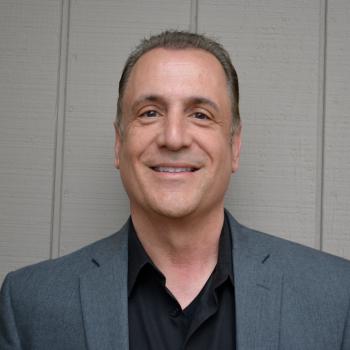 Charles DeBattista合作论文数Department of Psychiatry and Behavioral Sciences, School of Medicine, Stanford University21Andrea Fagiolini合作论文数21
 David L. Dunner合作论文数Center for Anxiety & Depression;University of Washington21
 Boadie Dunlop合作论文数Department of Psychiatry and Behavioral Sciences, School of Medicine, Emory University;Emory Center for Psychedelics and Spirituality, Emory University20
 J. Richard Jennings合作论文数Department of Psychiatry, University of Pittsburgh20




