Introduction:This was a pilot study designed to test the hypothesis that bedtime administration of acetylsalicylic acid (ASA) lowers BP through sleep improvements that impact the inflammatory, and renin-angiotensin-aldosterone system (RAAS). We predicted that ASA would enhance sleep consolidation and lower sympathetic activation, protecting against the physiological stress of fragmented sleep. Methods:Seven participants (5F, 2M, mean age 25.71 ± 4.03 years, body mass index (BMI) 22.40 ± 1.91 kg/m2) completed this within-subject, double-blind, balanced study involving 2 × 5 in-patient days. Participants were randomized to daily intake of ASA (81 mg/day) or placebo at bedtime for 2 weeks before each hospital research stay that included 1 baseline (BL) night, 2 nights of an experimental sleep disturbance (ESD) protocol and finally, 1 night of recovery sleep. The ESD protocol included 1-h delayed sleep onset, fragmentation of sleep with 5 × 20-min awakenings, and a 1-h earlier lights on time. Results:ASA did not decrease BP following the 2-week at-home ASA administration, nor during ESD. Evening renin was significantly reduced (p = .048), compared to placebo after 2 weeks of ASA. Mood and well-being improved after 2 weeks of ASA. There were statistical trends toward decreased 24-h average heart rate (p = .053), and increased heart rate variability (p = .080). When challenged with the ESD protocol, ASA was associated with a longer duration of individual slow waves (p = .013), lower 24-h average HR (p < .001) and a trend to greater non-rapid eye movement delta power (p = .061). Conclusions:This pilot study is the first investigation exploring effects of ASA on renal & hemodynamic parameters at night, implicating sleep as an important mechanistic factor.
ABSTRACT Introduction Insomnia is a highly prevalent condition that predisposes individuals to many chronic pain disorders, with most of them showing pronounced sexual dimorphism. We investigated whether experimental insomnia‐like sleep disturbances (ESD) affect spontaneous pain and pain sensitivity, and whether sex modulates pain responses. Methods Twenty‐four healthy participants (50% females, age 28.3 ± 5.9 years) participated in a study consisting of two 19‐day in‐laboratory protocols—an ESD protocol consisting of repeated nights of short and disrupted sleep with intermittent nights of undisturbed sleep and a control sleep (CS) protocol consisting of 18 nights with an undisturbed 8‐h sleep opportunity. Spontaneous pain was assessed using electronic rating scales during daytime and night‐time wake periods. Pain sensitivity was assessed through pressure and heat pain threshold measures every other day of the protocol. Results Females responded with higher daytime pain ratings in the ESD compared to the CS condition, while males responded with lower pain ratings ( p < 0.05 for condition*sex). Spontaneous pain ratings were higher at night‐time than during daytime and worsened across successive nights of sleep disturbances, independent of sex ( p < 0.05 for condition*study day*daytime‐night‐time). Females developed greater pressure pain sensitivity, while males developed greater pain sensitivity to heat in the ESD compared to the CS condition ( p < 0.05 for condition*sex). Conclusion Pain responses to sleep disturbances strongly vary by sex and may contribute to sex differences in the prevalence and symptom burden of many chronic pain conditions. Because the study was not a priori powered on sex, findings are preliminary and require follow‐up in larger samples. Findings further suggest to specifically target night‐time pain in sleep disturbed individuals, for example, through optimised timing of analgesic‐acting medications. Significance Exploration of sex as a modulator suggest that sleep disturbances amplify spontaneous pain and pressure pain sensitivity to a greater extent in females than in males, and this may contribute to females' overrepresentation and disproportionate symptom burden observed for many pain‐related disorders for which insomnia is comorbid or a risk factor.
OBJECTIVE:Insomnia and repetitive negative thinking (RNT) are both prevalent among cancer survivors, yet little work has investigated their interrelationship. To explore the hypothesis that RNT and insomnia are related, we conducted secondary analyses on data from a pilot clinical trial of cognitive behavioral therapy for insomnia (CBT-I) for cancer survivors. METHODS:This study analyzed survey data from 40 cancer survivors with insomnia who participated in a pilot randomized trial of CBT-I. Correlations and linear regression models were used to determine associations between aspects of RNT and related constructs (fear of cancer recurrence [FCR], cancer-specific rumination, worry, and intolerance of uncertainty) and sleep (insomnia and sleep quality), while accounting for psychiatric symptoms such as anxiety and depression. Treatment-related change in RNT was examined using a series of linear mixed models. RESULTS:Evidence for an association between RNT and insomnia among cancer survivors emerged. Higher levels of FCR and cancer-related rumination were correlated with more severe insomnia symptoms and worse sleep quality. Notably, FCR levels predicted insomnia, even after controlling for anxiety and depression. Results identified potential benefits and limitations of CBT-I in addressing RNT that should be examined more thoroughly in future research. CONCLUSIONS:RNT is a potential target to consider in insomnia treatment for cancer survivors.
Objective/Background: Cancer survivors have elevated rates of insomnia and depression. Insomnia in-creases risk for depression onset, and the Integrated Sleep and Reward (ISR) Model suggests that im-pairments in reward responding (e.g., ability to anticipate and/or experience pleasure) plays a central role in this relationship. Cognitive behavioral therapy for insomnia (CBT-I) is efficacious for treating chronic insomnia and reducing depression in cancer survivor populations. The effects of CBT-I on anticipatory and consummatory pleasure are theoretically and clinically meaningful, yet remain unexamined.Patients/Methods: This secondary analysis of a pilot RCT (N 1/4 40 cancer survivors with insomnia) explicated changes in anticipatory and consummatory pleasure and depression symptoms following a 4 -session, synchronous, virtual CBT-I program versus enhanced usual care (referral to a behavioral sleep medicine clinic thorn sleep hygiene handout). Linear mixed models examined changes in anticipatory and consummatory pleasure and depression symptoms as predictors of changes in insomnia severity from baseline to post-intervention and 1-month follow-up.Results: CBT-I buffered against deterioration in anticipatory pleasure but not consummatory pleasure or depression symptoms. Across conditions, increased anticipatory pleasure was associated with insomnia reduction through 1-month follow-up, even after adjusting for changes in depression symptoms.Conclusion: CBT-I may improve reward processing deficits in cancer survivors with insomnia. Findings provide support for the ISR Model and implicate pleasure as an important target for insomnia and depression.(c) 2023 Elsevier B.V. All rights reserved.
Study Objectives There is strong evidence that sleep disturbances are an independent risk factor for the development of chronic pain conditions. The mechanisms underlying this association, however, are still not well understood. We examined the effect of experimental sleep disturbances (ESDs) on three pathways involved in pain initiation/resolution: (1) the central pain-inhibitory pathway, (2) the cyclooxygenase (COX) pathway, and (3) the endocannabinoid (eCB) pathway. Methods Twenty-four healthy participants (50% females) underwent two 19-day long in-laboratory protocols in randomized order: (1) an ESD protocol consisting of repeated nights of short and disrupted sleep with intermittent recovery sleep; and (2) a sleep control protocol consisting of nights with an 8-hour sleep opportunity. Pain inhibition (conditioned pain modulation, habituation to repeated pain), COX-2 expression at monocyte level (lipopolysaccharide [LPS]-stimulated and spontaneous), and eCBs (arachidonoylethanolamine, 2-arachidonoylglycerol, docosahexaenoylethanolamide [DHEA], eicosapentaenoylethanolamide, docosatetraenoylethanolamide) were measured every other day throughout the protocol. Results The central pain-inhibitory pathway was compromised by sleep disturbances in females, but not in males (p < 0.05 condition × sex effect). The COX-2 pathway (LPS-stimulated) was activated by sleep disturbances (p < 0.05 condition effect), and this effect was exclusively driven by males (p < 0.05 condition × sex effect). With respect to the eCB pathway, DHEA was higher (p < 0.05 condition effect) in the sleep disturbance compared to the control condition, without sex-differential effects on any eCBs. Conclusions These findings suggest that central pain-inhibitory and COX mechanisms through which sleep disturbances may contribute to chronic pain risk are sex specific, implicating the need for sex-differential therapeutic targets to effectively reduce chronic pain associated with sleep disturbances in both sexes. Clinical Trials Registration NCT02484742: Pain Sensitization and Habituation in a Model of Experimentally-induced Insomnia Symptoms. https://clinicaltrials.gov/ct2/show/NCT02484742.
Despite the growing research base examining the benefits and physiological mechanisms of slow-paced breathing (SPB), mindfulness (M), and their combination (as yogic breathing, SPB + M), no studies have directly compared these in a ”dismantling” framework. To address this gap, we conducted a fully remote three-armed feasibility study with wearable devices and video-based laboratory visits. Eighteen healthy participants (age 18–30 years, 12 female) were randomized to one of three 8-week interventions: slow-paced breathing (SPB, N = 5), mindfulness (M, N = 6), or yogic breathing (SPB + M, N = 7). The participants began a 24-h heart rate recording with a chest-worn device prior to the first virtual laboratory visit, consisting of a 60-min intervention-specific training with guided practice and experimental stress induction using a Stroop test. The participants were then instructed to repeat their assigned intervention practice daily with a guided audio, while concurrently recording their heart rate data and completing a detailed practice log. The feasibility was determined using the rates of overall study completion (100%), daily practice adherence (73%), and the rate of fully analyzable data from virtual laboratory visits (92%). These results demonstrate feasibility for conducting larger trial studies with a similar fully remote framework, enhancing the ecological validity and sample size that could be possible with such research designs.
Abstract Introduction For cancer survivors, insomnia is a frequent and distressing concern. Cognitive behavioral therapy for insomnia (CBT-I) is an effective treatment, yet in-person care can be difficult for cancer survivors to access for a variety of socioeconomic, medical and logistical reasons. In a pilot randomized clinical trial, four, weekly sessions of virtually-delivered, synchronous CBT-I were feasible, acceptable, and seemingly efficacious for reducing insomnia among cancer survivors (vs. an enhanced usual care control). The aim of this secondary analysis was to characterize daily patterns in sleep diary metrics during the intervention phase. Methods Adults who had completed treatment for any non-metastatic cancer and had chronic insomnia (DSM-5 criteria and Insomnia Severity Index score <=15) and were randomized to receive CBT-I completed daily assessments of sleep quality (SQ), total sleep time (TST), time in bed (TIB), sleep efficiency (SE), sleep onset latency (SOL), and waking after sleep onset (WASO) for 21 days (i.e., from Session 1-4). Linear mixed models were used to compute trajectories of change for each sleep metric and -2 log likelihood, AIC, and BIC fit indices. Results Among 20 cancer survivors who received CBT-I (mean age 51.2 ± 17.1 years, 90% female), model fit indices indicated that across sleep metrics, linear growth models provided a better fit to the data than either quadratic or cubic growth models. Significant linear improvement was observed for SQ (B = 0.02, t = 3.60, p < 0.001), SE (B = 0.16, t = 2.01, p = 0.046), and SOL (B = -0.41, t = -2.47, p = 0.01), but not TIB, TST, or WASO (ts < 1.12, ps > 0.26). Conclusion Findings elucidate how sleep may be expected to change over the course CBT-I, in particular for the growing population of cancer survivors seeking virtual care for insomnia. The strengths, limitations, and potential modifications to optimize the intervention across sleep metrics will be discussed. Support (if any) This work was conducted with support from the American Cancer Society (Massachusetts General Hospital Institutional Research Grant, PI: Hall).
Sleep disturbances, including disrupted sleep and short sleep duration, are highly prevalent and are prospectively associated with an increased risk for various widespread diseases, including cardiometabolic, neurodegenerative, chronic pain, and autoimmune diseases. Systemic inflammation, which has been observed in populations experiencing sleep disturbances, may mechanistically link disturbed sleep with increased disease risks. To determine whether sleep disturbances are causally responsible for the inflammatory changes reported in population-based studies, we developed a 19-day in-hospital experimental model of prolonged sleep disturbance inducing disrupted and shortened sleep. The model included delayed sleep onset, frequent nighttime awakenings, and advanced sleep offset, interspersed with intermittent nights of undisturbed sleep. This pattern aimed at providing an ecologically highly valid experimental model of the typical sleep disturbances often reported in the general and patient populations. Unexpectedly, the experimental sleep disturbance model reduced several of the assessed proinflammatory markers, namely interleukin(IL)-6 production by monocytes and plasma levels of IL-6 and C-reactive protein (CRP), presumably due to intermittent increases in the counterinflammatory hormone cortisol. Striking sex differences were observed with females presenting a reduction in proinflammatory markers and males showing a predominantly proinflammatory response and reductions of cortisol levels. Our findings indicate that sleep disturbances causally dysregulate inflammatory pathways, with opposing effects in females and males. These results have the potential to advance our mechanistic understanding of the pronounced sexual dimorphism in the many diseases for which sleep disturbances are a risk factor.
Abstract Introduction Mind-body interventions (MBIs) continue to receive widespread interest for improving sleep disturbances. This study investigated the feasibility of using an automated electronic survey system in REDCap in the context of a fully remote clinical trial study to produce detailed measures of participant adherence, daily sleep quality, and associations with physiological outcomes captured by wearable devices. Methods Eighteen healthy participants (age 18-30 yrs, 12 female) were randomized to one of three 8-week long interventions: slow-paced breathing (SPB, N=5, 24.6 ± 2.1 years, 4 female), mindfulness (M, N=6, 23.7 ± 3.7 years, 4 female), or yogic breathing (SPB+M, N=7, 24.3 ± 3.1 years). Participants completed two weeks of daily sleep logs along with the Pittsburgh Sleep Quality Index (PSQI) prior to a virtual laboratory visit, which consisted of a 60-min intervention-specific training, including a 20-min guided practice, and subsequent tasks including experimental stress induction. Participants were then instructed to repeat their assigned intervention practice daily, selecting either the same or a similar guided audio as their initial training. After an initial video check-in appointment, participants received regular visual feedback of their data and completed weekly check-ins with the study team to improve adherence. At the end of the intervention period, participants again completed daily sleep logs and the PSQI, in addition to other outcome measures and a virtual laboratory visit. Data were analyzed using linear mixed models. Results Sleep log adherence was over 90% in all three groups. The groups were successfully distinguishable based on HRV-derived breathing and mindfulness ratings. For the SBP+M group only, there was a trend of reduced sleep onset latency (SOL, p=.093) and a significant increase in sleep efficiency (SE, p=.025). There were no significant changes in PSQI or other sleep log measures. More detailed analysis of timecourse across these measures is ongoing. Conclusion These findings support feasibility for a fully remote, semi-automated clinical trial study assessing component-specific effects of these MBIs on sleep in generally healthy young adults. Research evaluating MBIs for sleep in both clinical and nonclinical populations would benefit from similar study designs to examine intervention-specific components while increasing both scalability and quality control. Support (If Any) Pilot Research Grant, Osher Center for Integrative Medicine of Harvard Medical School and Brigham & Women’s Hospital; National Institutes of Health (5T32HL007901-22)
Sleep plays an important role in maintaining healthy mood. Sleep loss can lead to maladaptive emotional regulation and processing. Using a variety of tools—including sleep polysomnography, affective inventories, physiological measurements, laboratory-based behavioral tasks, and brain imaging—experimental and clinical research in the past few decades has begun to shed light on the mechanisms supporting this relationship and its important implications. This article focuses on the impact of sleep and sleep loss on affect in cognitively normal, healthy individuals. First, the roles of REM and NREM sleep in emotional memory processing and affective function are discussed. Then, the effects of sleep loss on different components of affective function and underlying neurobiology are summarized. Next, the influence of development, biological sex, and sexual, gender, and racial/ethnic identity, and their interactions, on sleep and affect are discussed. Then, the link between sleep loss and risk for mood disorder is outlined. Lastly, the effects of circadian and homeostatic factors are summarized. In this article, affect and related terms of mood, emotion, and reaction to stress are discussed together, although it is also important to consider each domain separately.
BackgroundFor cancer survivors, insomnia is prevalent, distressing, and persists for years if unmanaged. Cognitive behavioral therapy for insomnia (CBT‐I) is an effective treatment yet can be difficult to access and may require modification to address survivorship‐specific barriers to sleep. In this 2‐phase study, the authors adapted and assessed the feasibility, acceptability, and preliminary effects of synchronous, virtual CBT‐I adapted for cancer survivors (the Survivorship Sleep Program [SSP]).MethodsFrom April to August 2020, cancer survivors with insomnia (N = 10) were interviewed to refine SSP content and delivery. From October 2020 to March 2021, 40 survivors were recruited for a randomized controlled trial comparing 4 weekly SSP sessions with enhanced usual care (EUC) (CBT‐I referral plus a sleep hygiene handout). Feasibility and acceptability were assessed by enrollment, retention, attendance, fidelity, survey ratings, and exit interviews. Insomnia severity (secondary outcome), sleep quality, sleep diaries, and fatigue were assessed at baseline, postintervention, and at 1‐month follow‐up using linear mixed models.ResultsThe SSP included targeted content and clinician‐led, virtual delivery to enhance patient centeredness and access. Benchmarks were met for enrollment (56% enrolled/eligible), retention (SSP, 90%; EUC, 95%), attendance (100%), and fidelity (95%). Compared with EUC, the SSP resulted in large, clinically significant improvements in insomnia severity (Cohen d = 1.19) that were sustained at 1‐month follow‐up (Cohen d = 1.27). Improvements were observed for all other sleep metrics except sleep diary total sleep time and fatigue.ConclusionsSynchronous, virtually delivered CBT‐I targeted to cancer survivors is feasible, acceptable, and seems to be efficacious for reducing insomnia severity. Further testing in larger and more diverse samples is warranted.
STUDY OBJECTIVES:Although subjective-objective sleep discrepancy has long been observed in patients with insomnia, the profiles of this discrepancy are poorly understood. Further, sleep discrepancy in insomnia with sleep comorbidities remains underexplored. We sought to better characterize sleep discrepancy among patient groups with and without insomnia and comorbid conditions such as obstructive sleep apnea (OSA). METHODS:Using data from the Sleep Heart Health Study, we conducted a secondary analysis describing (1) the profile of self-reported and objective sleep measures in patients with insomnia (IS group; n = 73) and comorbid OSA (IS + OSA group; n = 143), compared with individuals with OSA only (OSA group; n = 296) and normal sleep control patients (NSC group; n = 126); (2) the comparative magnitude of sleep misperception between these 4 groups; and (3) the self-reported quality of life (QOL) in the 4 groups. RESULTS:Subjective-objective sleep discrepancy existed in all 4 groups, including the NSC group. Controlling for age, sex, mental health conditions, sleep apnea severity, and objectively measured sleep time, the presence of self-reported insomnia had the strongest association with sleep discrepancy. In patients with insomnia, sleep onset latency was overestimated (7.8 ± 36.8 min in the IS group; P < .001 when compared to the NSC and OSA groups), with the largest differences seen in the comorbid IS + OSA group (15.0 ± 56.8 min). Insomnia conferred the most negative impact on QOL, with the combined IS + OSA group reporting the lowest QOL. CONCLUSIONS:Self-reported insomnia is associated with sleep discrepancy and negative QOL. Those with comorbid OSA reported the greatest sleep discrepancy and the lowest QOL. Future research is warranted to further understand individual profiles of misperception and insomnia phenotypes. CITATION:Ma Y, Goldstein MR, Davis RB, Yeh GY. Profile of subjective-objective sleep discrepancy in patients with insomnia and sleep apnea. J Clin Sleep Med. 2021;17(11):2155-2163.
The autonomic system plays an important role in regulating blood pressure (BP). BP is elevated at night when individuals remain awake and continues to be elevated during either the night or the day if wakefulness persists. There is a close relationship between the high frequency (HF) of the variability of the RR interval (RRI), an index of parasympathetic predominance, and delta power during slow-wave sleep bouts. In addition, there is an HF rebound once sleep is permitted following sleep deprivation. Furthermore, this is the case for acute total sleep deprivation, as well as for models of chronic sleep restriction. Evidence indicates that sleep is important for autonomic homeostasis.
Prior studies have suggested a benefit of yoga for alleviating sleep disturbance; however, many studies have had methodological limitations. This trial study aimed to extend that literature by including an active sleep hygiene comparison. Participants aged 25–59 years with a primary complaint of sleep onset insomnia lasting at least 6 months were block randomized to an 8-week Kundalini yoga or sleep hygiene intervention, both consisting of initial 60-minute instruction and weekly check-ins. Daily sleep diaries and questionnaires were collected at baseline, throughout the intervention, and at 6-month follow-up. Data were analyzed using linear mixed models (n = 20 in each group). Participant ratings of the interventions did not significantly differ. Sleep hygiene improved several diary and questionnaire outcomes, however, yoga resulted in even greater improvements corresponding to medium-to-large between-group effect sizes. Total sleep time increased progressively across yoga treatment (d = 0.95, P = .002), concurrent with increased sleep efficiency (d = 1.36, P < .001) and decreased sleep onset latency (d = −1.16, P < .001), but without changes in pre-sleep arousal (d =−0.30, P = .59). Remission rates were also higher for yoga compared to sleep hygiene, with ≥ 80 Clinical Trial Registration: Registry: ClinicalTrials.gov; Name: Yoga as a Treatment for Insomnia; URL: https://clinicaltrials.gov/ct2/show/NCT00033865 ; Identifier: NCT00033865. Khalsa SBS, Goldstein MR. Treatment of chronic primary sleep onset insomnia with Kundalini yoga: a randomized controlled trial with active sleep hygiene comparison. J Clin Sleep Med. 2021;17(9):1841–1852.
ObjectiveCompare two distinct psychosocial stress-management workshops.ParticipantsUndergraduate and graduate students (n = 69 for analysis, completed April 2017).MethodsParticipants were randomized to one of two workshops (Sudarshan Kriya Yoga, SKY; Wisdom On Wellness, WOW), matched in terms of duration, group size, etc. Outcomes were questionnaires and psychophysiological response to laboratory stress induction at pre, post, and 3-month follow-up.ResultsSKY and WOW participants demonstrated similar workshop ratings and retention rates. SKY demonstrated greater improvements on a number of self-report measures relative to WOW, including perceived stress, sleep, social connectedness, distress, anxiety, depression, conscientiousness, self-esteem, and life satisfaction. Both groups improved in terms of heart rate measures of stress reactivity, however, these outcomes were partially related to changes in resting values at post-workshop and follow-up.ConclusionsThese findings offer insight into unique patterns of change between yogic breathing, acceptance-based approaches to stress management versus cognitively based approaches.
Empirical evidence demonstrates mental health disparities between sexual and gender minority individuals (SGM) compared with cisgender heterosexual individuals. SGM individuals report elevated rates of emotional distress, symptoms related to mood and anxiety disorders, self-harm, and suicidal ideation and behavior. Social support is inversely related to psychiatric symptoms, regardless of SGM status. The COVID-19 pandemic—with its associated limited social interactions—represents an unprecedented period of acute distress with potential reductions in accessibility of social support, which might be of particular concern for SGM individuals' mental well-being. In the present study, we explored the extent to which potential changes in mental health outcomes (depressive symptoms, worry, perceived stress, positive and negative affect) throughout the duration of the pandemic were related to differences in perceptions of social support and engagement in virtual social activity, as a function of SGM status. Utilizing a large sample of US adults ( N = 1,014; 18% reported SGM status), we assessed psychiatric symptoms, perceptions of social isolation, and amount of time spent socializing virtually at 3 time windows during the pandemic (between March 21 and May 21). Although SGM individuals reported greater levels of depression compared with non-SGM individuals at all 3 time points, there was no interaction between time and SGM status. Across all participants, mental health outcomes improved across time. Perceived social isolation was associated with poorer mental health outcomes. Further, time spent engaging in virtual socialization was associated with reduced depression, but only for those in self-reported quarantine. We discuss these results in terms of the nature of our sample and its impact on the generalizability of these findings to other SGM samples as well as directions for future research aimed at understanding potential health disparities in the face of the COVID-19 pandemic.
College and graduate school are often filled with life transitions, stress, and sleep disturbance that impact overall well-being and physical health. Although there has been growing interest in mindfulness and other contemplative-based interventions, direct evaluation against active comparison groups, as well as sustainability of effects following intervention, are not yet well elucidated. 89 students (age 20.9±3.1 years, 73% female, 86% undergraduate) with general distress complaints were randomly assigned to undergo one of two stress-management workshops. ‘Your Enlightened Side’ (YESplus) primarily emphasized yogic breathing, acceptance, and social connectedness, and ‘Wisdom On Wellness’ (WOW!) targeted cognitive stress-management techniques. Both workshops entailed 18 hours of training across four consecutive days, and multi-question workshop evaluations were collected at the first and last day, blind to the instructors. At pre, post, and 3-month follow-up, participants completed the Pittsburgh Sleep Quality Index (PSQI), Perceived Stress Scale (PSS), and various other measures and laboratory tasks (not reported here). YESplus and WOW! participants reported similarly high ratings of the workshops (8.0±3.1 vs. 7.7±3.1, respectively, on 0-9 scale, p=0.42), along with similar retention rates from first to last day of workshop (92% vs. 91%), as well as from post to 3-month follow-up (79% vs. 70%). A significant Group x Time interaction on PSQI was observed (p=0.04). Both groups showed non-significant decreases on PSQI from pre to post. However, WOW! returned to the baseline level by the 3-month follow-up, while YESplus showed further decreases, significantly lower at follow-up than baseline (5.9±2.4 to 4.7±2.7, p=0.043, d=-0.48). Furthermore, greater decreases in PSQI from baseline to 3-month follow-up were associated with greater decreases in PSS in YESplus (r=0.46, p=0.02) but not in WOW! (r=0.23, p=0.36). These results extend prior literature suggesting benefit of contemplative-based intervention for general distress and sleep disturbance in the college student population. Further investigation is warranted to examine possible mechanisms of contemplative-based versus cognitively based interventions, as well as their impact on relationships between sleep and health. Mind and Life Institute Varela Award
Objective: Mindfulness-based interventions (MBI) have been shown to reduce subjective symptoms of insomnia but the effects on objective measures remain unclear. The purpose of this study was to examine sleep EEG microarchitecture patterns from a randomized controlled trial of Mindfulness-Based Stress Reduction (MBSR) and Mindfulness-Based Therapy for Insomnia (MBTI). Methods: Sleep EEG spectral analysis was conducted on 36 participants with chronic insomnia (> 6 months) randomized to 8-week MBSR, MBTI, or self-monitoring control (SM). Overnight polysomnography with 6 channel EEG was conducted at baseline, post-treatment, and 6-month follow-up. Spectral power averaged from channels C3/C4 across NREM epochs (excluding N1) was examined for within-group changes and relationships with self-report measures. Results: Increases in absolute NREM beta (16-25 Hz) power were observed from baseline to post-treatment (p = .02, d = 0.53) and maintained at 6-month follow-up (p = .01, d = 0.57) in the combined MBI groups, and additionally in the gamma (25-40 Hz) range at follow-up for the MBTI group only. No significant changes in these frequency bands were observed for SM. Following mindfulness intervention, NREM beta was positively associated with Five-Facet Mindfulness (FFM) score (rho = 0.37, p = .091) and negatively associated with Insomnia Severity Index (rho = -0.43, p = .047). Conclusion These results in people with insomnia corroborate prior reports of increased high-frequency sleep EEG power associated with mindfulness training. This change in beta EEG pattern merits further evaluation as a potential marker of the effects of mindfulness meditation on sleep, especially given the paradoxical findings in the context of insomnia.
Study Objectives: To clarify whether hypersomnolence disorder is associated with a specific sleep phenotype and altered neurophysiological function in persons with and without hypersomnolence disorder and major depressive disorder (MDD). Methods: Eighty-three unmedicated persons with and without hypersomnolence disorder and/or MDD underwent ad libitum high-density EEG polysomnography. Clinical and sleep architecture variables were compared between groups. Topographic patterns of slow-wave activity (SWA) relative to healthy controls were compared, with correlations between topographic SWA and daytime sleepiness assessed. Reductions in SWA in hypersomnolence disorder were mapped to specific cortical areas using source localization. Results: Regardless of the presence or absence of comorbid MDD, persons with hypersomnolence disorder had increased sleep duration relative to both controls and persons with MDD without hypersomnolence. Participants with hypersomnolence disorder also demonstrated reduced bilateral centroparietal low-frequency activity during nonrapid eye movement sleep relative to controls, a pattern not observed in persons with MDD but without hypersomnolence. SWA in these regions was negatively correlated with subjective measures of daytime sleepiness. Source localization demonstrated reductions in SWA in the supramarginal gyrus, somatosensory, and transverse temporal cortex in participants with hypersomnolence disorder. Conclusions: Hypersomnolence disorder is characterized by increased sleep duration with normal sleep continuity, regardless of the presence or absence of comorbid depression. Reduced local SWA may be a specific neurophysiological finding in hypersomnolence disorder. Further research is warranted to elucidate the mechanisms through which these cortical changes are related to clinical complaints of daytime sleepiness.
Insomnia is the most prevalent sleep disorder, particularly among middle and older aged adults, and is associated with a variety of negative health consequences, including higher risk for cardiovascular disease. Unfortunately, the mechanisms linking insomnia with cardiovascular risk remain largely unknown, thus limiting targeted therapeutic interventions. The hyperarousal hypothesis has attracted the most support, positing that insomnia is a result of multisystem over-activation, including sympathetic hyperactivity, which promotes wakefulness and blocks the occurrence of sleep at the desired time. The results from literature in support of this hypothesis are inconclusive and mainly relay on studies that used methods to assess sympathetic activity lacking in specificity and reproducibility. The present review aims at summarizing the primary findings on autonomic nervous system regulation in insomnia while highlighting the advantages and limitations of the methods mainly used to support the increase in sympathetic function in insomnia. Collectively, this review aims to provide novel perspectives on conceptualizing insomnia and suggest innovative approaches to help elucidate the relationship between insomnia and autonomic nervous system activity.
 David T. Plante合作论文数Outpatient Clinic, McLean Hospital8
 Giulio Tononi合作论文数Department of Psychiatry, School of Medicine and Public Health, University of Wisconsin-Madison6Ruth M. Benca合作论文数6
 Michael J Peterson合作论文数School of Oceanography, University of Washington5
 Monika Haack合作论文数Max Planck Institute of Psychiatry, Kraepelinstrasse 10, D-80804 Munich, Germany5
 Tony J Cunningham合作论文数Dept Psychol & Neurosci, Boston Coll4
 Jesse D Cook合作论文数Dept Psychol, Univ Wisconsin4
 Kimberly Arditte Hall合作论文数Department of Psychology and Philosophy.4
 Riedner Brady A合作论文数4
 Elyse Park合作论文数Cancer Center Smokefree Support Service, Massachusetts General Hospital;Harvard Medical School;Health Promotion and Resiliency Intervention Research Center4Janet Mullington合作论文数Max Planck Institute, Munich, Germany4Brooke Juhel合作论文数3Rammy Dang合作论文数3Helen R Mizrach合作论文数3Eric C Landsness合作论文数3Larissa C Engert合作论文数Harvard Med Sch, Boston, MA USA3
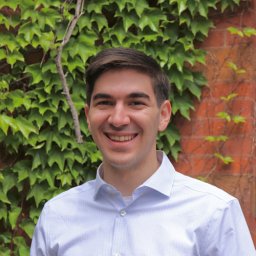 Michael Vazquez合作论文数Beth Israel Deaconess Medical Center, Harvard Medical School3
 Yan Ma合作论文数3Huan Yang (杨桓)合作论文数State Key Lab Marine Resource Utilizat South China, Hainan Univ3
 Daniel Hall合作论文数Future Cities Laboratory, Singapore-ETH Centre, Eidgenössische Technische Hochschule Zürich;Department of Civil, Environmental and Geomatic Engineering, Eidgenössische Technische Hochschule Zürich3Comander Amy H合作论文数3Besedovsky Luciana合作论文数3
 John J. B. Allen合作论文数Department of Psychology, University of Arizona3Suzanne M. Bertisch合作论文数3Olivia Buraks合作论文数2
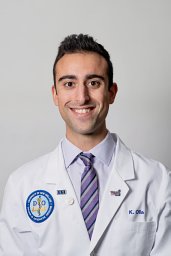 K Olia合作论文数2Sarah T Wieman合作论文数2Alexandros Markowitz合作论文数2
 Raissa Li合作论文数2
 Jaime K Devine合作论文数Appl Behav Res, Inst Behav Resources2
 Joseph L. Sanguinetti合作论文数2Smith Richard F合作论文数2
 Ezra E Smith合作论文数Department of Psychology, University of Arizona2
 Navil Sethna合作论文数Harvard Medical School;Department of Anesthesiology, Critical Care and Pain Medicine, Boston Children's Hospital;Pediatric Pain Rehabilitation Center, Boston Children's Hospital2
 Meredith Rumble合作论文数Department of Psychiatry, School of Medicine and Public Health, University of Wisconsin–Madison2Norah S. Simpson合作论文数2
 Michael Grandner合作论文数Department of Psychiatry, College of Medicine – Tucson, University of Arizona2
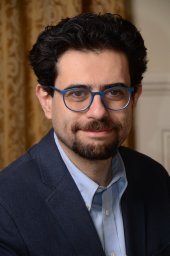 Fabio Ferrarelli合作论文数Departement of Psychiatry, University of Wisconsin, Madison2Rivian K Lewin合作论文数1
 Tim Wanger合作论文数1Ronnie I Newman合作论文数1Lucia Sweeney合作论文数1Michael L Prairie合作论文数1David Sholtes合作论文数1
 Ryan Bottary合作论文数Department of Psychiatry, Massachusetts General Hospital;Harvard Medical School, Department of Psychiatry, Charlestown, MA, USA;Athinoula A. Martinos Center for Biomedical Imaging;Department of Psychology and Neuroscience, Boston College;Harvard Medical School, Boston College1Katharine Simon合作论文数Department of Cognitive Sciences, University of California Irvine1
 Janice Brown合作论文数1J. J. Guokas合作论文数1
 Sarah N Price合作论文数1




