OBJECTIVE:To evaluate intracochlear electrocochleography (ECochG) amplitude parameters during cochlear implantation (CI) using a novel multi-frequency ECochG algorithm. METHODS:A multi-institutional, prospective cohort study was performed at 18 high-volume CI centers. The inclusion criteria were adults with sensorineural hearing loss and audiometric thresholds of ≤ 90 dB hearing level at 500 Hz undergoing CI with Advanced Bionics (Valencia, CA) Ultra 3D devices between 2024 and 2025. ECochG recordings were performed with simultaneous multi-frequency stimulation of four frequencies between 125 and 4000 Hz during cochlear implant insertion. Concurrent multi-frequency recording allowed extraction of amplitude and phase of each frequency individually. Post hoc analysis was performed to determine the difference in the number of drop alarms between single- and multi-frequency ECochG. An ECochG amplitude drop of 6 dB was defined as a drop alarm. Insertion track patterns were compared between single- and multi-frequency ECochG. RESULTS:One hundred ninety-five ears were included. Mean number of drop alarms for the single-frequency algorithm was 1.72 (95% CI: 1.52, 1.92; median 1) compared to 0.42 (95% CI: 0.31, 0.53; median 0) for multi-frequency; p < 0.001. The number of Type C patterns (rise in amplitude during insertion followed by a drop) decreased with the multi-frequency ECochG algorithm compared to the single-frequency ECochG algorithm. The number of Type D patterns (no-response) decreased, indicating that multi-frequency ECochG generated more responses across the cochlea than single-frequency ECochG. CONCLUSIONS:A novel multi-frequency ECochG algorithm during CI is associated with fewer drop alarms and altered insertion track patterns, which may provide a more accurate assessment of the cochlear microenvironment. LEVEL OF EVIDENCE: 3:
OBJECTIVE:The aim of this scoping review is to identify and categorize uncommon disorders of hearing instability, enabling a better understanding of their clinical presentations and treatments. METHODS:The framework for the review was developed using the PRISMA-ScR. Literature was pulled from Medline, Web of Science, Embase, and Cochrane Central and screened independently by 3 reviewers with an extended inclusion and exclusion criteria. Once included, data extraction included etiological category of the disease, hearing loss type (sudden, fluctuating, or both), associated symptoms, comorbidities, treatments administered, and hearing recovery outcomes. RESULTS:A total of 334 studies were included after screening, and data from 2247 patients was extracted. The most common etiologies per study were infectious (30.2%, n = 101 studies), neoplastic (29.6%, n = 99 studies), and vascular (28.1%, n = 94 studies). Average age across cases was 45.9 years (range: 0-90). Among patients, 89.8% exhibited sudden hearing loss, while 8.18% experienced fluctuating hearing loss. Neoplastic-related hearing instability had the highest number of total patients (n = 1101 patients), predominantly involving vestibular schwannomas (n = 582 patients) while infectious diseases had the second highest number of patients (n = 493 patients), with COVID-19 as the most reported infection (n = 146 patients). Causes identified without a known association with hearing loss in other literature include acute or chronic myeloid leukemia (n = 24), metastatic tumor disease (n = 10), or infective endocarditis (n = 3). CONCLUSION:Hearing instability can arise from a variety of uncommon causes. Increased awareness of these conditions may help clinicians initiate appropriate treatment sooner, potentially improving patient outcomes.
Background:Hypoglossal nerve stimulator (HNS) implantation has become increasingly common to treat obstructive sleep apnea (OSA) among patients unable to tolerate positive pressure therapy. Given the novelty of this surgery, there is variability in the training backgrounds of implanting surgeons. The objective of this study is to characterize the surgical training backgrounds and geographic locations of implanting surgeons in the United States. Methods:A list of physicians certified to perform HNS implantations as of March 2024, their geographic location, and fellowship training background was provided by Inspire Medical Systems along with the total number of HNS devices implanted from 2019 to 2022. General demographic information and surgeon practice type (academic versus non-academic) were recorded. Results:A total of 1345 implanting physicians were identified. A total of 210 (16%) providers were not otolaryngologists and therefore excluded. Among those included, 1058 (93%) had an MD degree, 948 (84%) were male, 248 (22%) were in academic practice, and 325 (29%) were fellowship trained. The most common subspecialty training backgrounds included head and neck surgical oncology (39%), facial plastic and reconstructive surgery (15%), and sleep surgery (12%). Wyoming (1.2) and the District of Columbia (0.88) had the highest density of HNS surgeons per 100,000 persons, while Hawaii (0.07) and New Mexico (0.09) had the lowest density. Conclusions:There is wide variability of HNS-implanting otolaryngologists in the United States. Most surgeons are general otolaryngologists in private practice. Given the increased demand for HNS implantation compared to other treatments for OSA, there may be an expanding role for sleep surgery training. Level of Evidence:N/A.
Pathogenic variants in the gene TMPRSS3 are a common cause of hearing loss in humans, although the causal mechanisms remain unknown. Previous work has shown that Tmprss3Y260X/Y260X mice exhibit normal hair cell development, mechanosensory transduction, and spiral ganglion patterning, but experience rapid hair cell death from P12 to P14 at the onset of hearing. Here, we demonstrate that Tmprss3Y260X/Y260X mice display an early and temporary spike in endocochlear potential (EP) prior to the onset of hair cell death. In vitro experiments with cochlear explants from Tmprss3Y260X/Y260X mice and in vivo studies with Tmprss3Y260X/Y260X mice crossed with 2 different mutant models that lacked EP generation promoted hair cell survival. Furthermore, systemic administration of furosemide, a drug that reduces EP in vivo, reduced hair cell death in Tmprss3Y260X/Y260X mice. These findings suggest that extracellular factors, including EP, play a role in TMPRSS3-related hair cell survival and hearing loss, and suggest that modulating EP could be a therapeutic strategy.
Lack of proven biomarkers for hearing instability (HI) disorders leads to difficulty and delays in diagnosis. Given the association of HI with endolymphatic hydrops (EH), imaging-based techniques for quantification of endolymph and perilymph may be useful for improved clinical management. This study longitudinally characterizes variations in endolymph fluid volume and correlations with hearing changes. This prospective cohort study (2021-2024) followed 14 patients (age 29-73) meeting criteria for HI over 15 months and 12 healthy volunteers (age 22-75). Contrast Enhanced Delayed (CED)-MRI using 3D FLAIR and STIR sequences was performed every 3-6 months, under a deep phenotyping protocol including standard hearing threshold testing. Perilymph and endolymph volumes were quantified using a semi-automatic MRI processing and analysis pipeline. Individual endolymph-to-perilymph (E/P) ratio variance over time was higher in ears with fluctuating hearing and MRI-designated EH (Mann-Whitney U Test: U = 39, 27; p = 0.01, 0.003 respectively). On linear regression, increasing vestibule E/P ratio correlated with worse hearing (Estimate = 45.31, SE = 7.88, p < 0.001) and visit-to-visit change in E/P ratio increased with shifts to worse hearing thresholds (Estimate = 141.84, SE = 45.69, p = 0.003). Longitudinal assessment of HI patient imaging therefore allows detection of quantifiable fluctuations in EH that correlate with hearing changes. This methodology could improve monitoring of HI and evaluation of potential therapies. Trial registration number: NCT04806282.
Objective:To evaluate the hearing-related quality of life (HR-QoL) instruments utilized to assess pediatric cochlear implant (CI) users and determine which quality of life domains are most relatable to each stage of childhood development. Databases reviewed:PubMed, OVID Medline, Embase. Methods:Our systematic review included a search of the PubMed, OVID Medline, and Embase databases using relevant MeSH terminology. Inclusion criteria captured the following: 1) pediatric CI users, 2) QoL measurement outcomes, 3) written in the English language, and 4) numerical data of survey scores readily available. Our study was adherent to the Meta-analysis Of Observational Studies in Epidemiology reporting guidelines. Results:Among 1597 studies screened, 20 met the inclusion criteria. Among 1369 pediatric CI patients surveyed, nearly one-third of the studies administered a pediatric and parental version of the generic KINDL QoL questionnaire. Both children and adolescents with CI scored similarly in the generic HR-QoL and in the specialized Peds QoL questionnaire (CI) (scores displayed in mean ± SD; children: 67.11± 12.6; adolescents: 69.40± 12.42). CI users in both age groups scored lower than their age-matched normal hearing peers (NHP) (79.11 ± 11.63) and to their parents (78.19 ± 10.18) on both the generic and CI-specific QoL questionnaires. The highest scores across studies among CI users were observed under the physical and psychosocial well-being domains. Conclusions and Relevance:Children and adolescents with CI experience similar physical and psychosocial functioning QoL aspects, though lower than their NHP. Disagreement was observed between most pediatric and parental QoL reports among children and adolescents at QoL assessment, suggesting parents may not be reliable reporters on their child's overall QoL. These data provide a basis for future discussions aimed at designing standardized HR-QoL measures for pediatric CI users.
OBJECTIVE:The COVID-19 pandemic marked the resurgence of an old disease, syphilis. The CDC reported increased syphilis cases in the United States from 2016 to 2022, necessitating early recognition of syphilis to properly diagnose complications. We revisit otosyphilis management with the intent of developing an updated diagnostic testing algorithm and treatment plan for otolaryngologists to prevent worsening hearing loss. DATA SOURCES:MEDLINE, PubMed, Embase, Web of Science, and Cochrane databases. METHODS:A scoping review of diagnostic and treatment methods for otosyphilis was completed and reported in compliance with the guidelines outlined in the PRISMA-ScR extension for scoping reviews statement. A retrospective case series was also conducted by reviewing patient charts from a tertiary care hospital network. Patients with otosyphilis or neurosyphilis with otic symptoms, as diagnosed by an otolaryngology or infectious disease specialist, were included. RESULTS:In 57 studies (222 patients), the mean reported symptom duration was 6.6 ± 5.0 weeks (n = 30) with nine outliers presenting after 6 months (65%) had hearing loss, 95 (43%) tinnitus, and 53 (24%) vertigo. Most (97%) received penicillin. Of 84 with outcomes, 48 (57%) improved. In 18 additional patients from the tertiary hospital system cohort (17 males, 1 female; 25-87 years, 9 HIV-positive), penicillin or doxycycline was used. Six patients fully recovered, four required further therapy, two partially recovered, and one did not improve. CONCLUSION:Otosyphilis has an insidious presentation and can mimic other audiovestibular demanding early testing. Complex serologic interpretation may require referral to infectious disease specialists. Clear diagnostic protocols ensure timely treatment and improved outcomes.
The inflammatory foreign body response (FBR) following cochlear implantation (CI) can negatively impact CI outcomes, including increased electrode impedances. This study aims to investigate the long-term efficacy of dexamethasone-eluting cochlear implant and locally delivered dexamethasone, a potent anti-inflammatory glucocorticoid, on the intracochlear FBR and electrical impedance post-implantation in a murine model. Preliminary impedance data in humans are also provided as a complement to the murine data to illustrate generalizability and reinforce implications related to clinical application. The left ears of CX3CR1+/GFP Thy1+/YFP (macrophage-neuron dual reporter) mice were implanted with dexamethasone-eluting cochlear implants (Dex-CI) or standard implant (Standard-CI) while the right ear served as unoperated control. Another group of dual reporter mice was implanted with a standard CI electrode array followed by injection of dexamethasone in the middle ear to mimic current clinical practice (Dex-local). Mouse implants were electrically stimulated with serial measurements of electrical impedance. Human subjects were implanted with either standard or Dex-CI followed by serial impedance measurements. Dex-CI reduced electrical impedance in the murine model and human subjects and inflammatory FBR in the murine model for an extended period. Dex-local in the murine model is ineffective for long-term reduction of FBR and electrode impedance. Our data suggests that dexamethasone-eluting arrays are more effective than the current clinical practice of locally applied dexamethasone in reducing FBR and electrical impedance.
Stereocilia are rod-like mechanosensory projections consisting of unidirectionally oriented actin filaments that extend into the inner ear hair cell cytoskeleton, forming dense rootlets. Taperin (TPRN) localizes to the narrowed-down base of stereocilia, where they pivot in response to sound and gravity. We show that TPRN-deficient mice have progressive deafness characterized by gradual asynchronous retraction and fusion of outer and inner hair cell stereocilia, followed by synaptic abnormalities. Stereocilia that lack TPRN develop warped rootlets with gradual loss of TRIOBP-5 and ANKRD24 from mechanosensory rows starting postnatally. In contrast, TPRN overexpression causes excessive F-actin bundling, extra rows, and over-elongation of stereocilia during development. Purified full-length mouse TPRN cross-links F-actin into bendable bundles reflecting in vivo data. This F-actin-bundling ability is attributed to the TPRN N-terminal region. TPRN interacts with the membrane receptor PTPRQ, connecting the F-actin core to the plasma membrane, stabilizing stereocilia. Thus, TPRN is a specialized F-actin bundler strategically located to augment stereocilia rootlet formation and their pivot point flexibility for sustained sound-induced deflections.
BACKGROUND:Asymmetric hearing loss (AHL)-defined as severe-to-profound hearing loss in one ear with better hearing in the other-can significantly impair communication and quality of life (QoL). Although cochlear implantation (CI) is an established treatment for sensorineural hearing loss, restrictive FDA and Medicare criteria often exclude AHL patients who could benefit. Emerging evidence suggests CI improves auditory function and QoL in this population. OBJECTIVES:Perform a scoping review of the literature on CI in adults with AHL, focusing on audiometric and QoL outcomes. METHODS:A scoping review was conducted per PRISMA guidelines. Databases searched included Ovid MEDLINE, Embase, CENTRAL, CINAHL, and Web of Science. Eligible studies involved adult AHL patients undergoing CI reporting preoperative and postoperative audiometric or QoL data. Two reviewers independently screened and extracted data. RESULTS:Twenty-five studies met inclusion criteria, reporting 23 audiometric and 21 different QoL measures. The Consonant-Nucleus-Consonant (CNC) test was the most used, with average preoperative scores in the implanted ear ranging from 3.6% to 18.3% to 49.3% to 66.2% at 12 months. Sentence recognition in quiet (AzBio) increased from 13% to 25% preoperatively to as high as 84% bimodally. In noise (+5dB SNR), bimodal AzBio scores rose from 27% to 30% preoperatively to 49% to 68% at 6 months, with sustained 12-month benefit. QoL measures-including the Speech, Spatial and Qualities of Hearing Scale (SSQ) and Nijmegen Cochlear Implant Questionnaire (NCIQ)-showed significant improvements in 92% and 100% of studies, respectively. CONCLUSIONS:CI provides substantial auditory and QoL benefits for adults with AHL, supporting reconsideration of candidacy criteria to expand access.
INTRODUCTION:Cochlear implantation (CI) has been shown to be feasible and beneficial in patients with inner ear malformations (IEMs); however, incomplete partition type III (IP-III) malformations are rarely considered. In this scoping review, we evaluate the benefit of CI in patients with the relatively rare IP-III malformation. METHODS:A review in accordance with PRISMA was performed. A search of MEDLINE, EMBASE, Cochrane CENTRAL, CINAHL, and Web of Science was performed. Cohort studies, case studies, and conference abstracts evaluating complications or outcomes of CI in patients with confirmed IP-III malformation were included. RESULTS:Our search identified a total of 40 studies after screening 1060 articles. Twenty-five studies (62.5%) reported CSF gusher as an intraoperative complication for a total of 120/122 patients (98.4%) in these studies. The most reported audiologic outcomes were speech perception testing with 10 studies, Categories of Auditory Performance (CAP) scores with 9 studies, and Speech Intelligibility Rating (SIR) with 8 studies. All 4 studies that directly compared IP-III malformation to other malformations using these outcome measures concluded that performance was statistically similar to at least one other malformation (100%). When compared with children with normal ears, only one-sixth of studies (16.7%) reported statistically similar results in IP-III malformation. CONCLUSION:CSF gusher is an expected intraoperative complication of CI in patients with IP-III. Expectations regarding performance with CI in the setting of IP-III malformations should be tempered. Nonetheless, CI remains a viable option in patients with IP-III malformations with auditory outcomes comparable to those seen in other IEMs.
OBJECTIVE:To evaluate the variability in cochlear nerve deficiency (CND) incidence in pediatric single-sided deafness (SSD), assess how study parameters and inclusion criteria affect these rates, and examine the diagnostic tools utilized, including magnetic resonance imaging (MRI) and computed tomography (CT), in identifying CND. DATA SOURCES:Databases including MEDLINE, Embase, Cochrane CENTRAL, and Web of Science. REVIEW METHODS:A systematic review was conducted according to the Preferred Reporting Items for Systematic Reviews and Meta-analyses reporting guidelines with predefined search criteria using terms related to pediatric unilateral hearing loss and CND from 2010 to January 2024. Studies were selected based on their focus on CND incidence in pediatric SSD, excluding case reports, nonhuman or adult studies, and analyses limited to bilateral deafness. RESULTS:Out of 518 articles screened, 17 underwent full-text review, and 10 were included. Incidence rates of CND ranged from 15.7% to 100%, with all studies using MRI and 60% using CT as an adjunct diagnostic tool. Age criteria varied: five studies included patients 18 years and older, one study included patients up to age 21 years, and four studies targeted children under 5 years, including two studies on neonates. Variability stemmed from differing inclusion criteria; studies on younger cohorts generally excluded noncongenital causes, while older children's studies were less restrictive. Additionally, two studies excluded syndromic SSD, impacting incidence rates. Larger studies show an overall incidence of 35% to 45%, which this systematic review of the literature reports as the approximate incidence of CND in SSD, with higher incidence rates observed in studies excluding syndromic causes and broader criteria linked to decreased incidence. CONCLUSION:This systematic review highlights how age-specific inclusion criteria and management of syndromic causes significantly influence reported CND incidence rates in pediatric SSD, underscoring the need for standardized reporting to improve clinical understanding and treatment approaches.Level of Evidence: 1.
Objective: To assess outcomes of CI in adolescent patients with ANSD, a population which has not yet been comprehensively reviewed through a scoping review. Methods: A scoping review in accordance with Preferred Reporting Items for Systematic Reviews and Meta-Analyses (PRISMA) guidelines. A comprehensive search of MEDLINE, EMBASE, Cochrane DSR, Cochrane CENTRAL, CINAHL, and Web of Science was performed. Cohort and case studies evaluating outcomes of CI in adolescents with ANSD were selected. A case report of an adolescent ANSD patient who underwent CI from our tertiary care academic hospital setting is also reported. Results: Our search identified a total of 17 articles after screening 488 articles. Among the 24 patients isolated from the selected articles, the vast majority showed some level of improvement in their hearing ability (n = 21, 87.5%). Additionally, of the 20 individuals whose hearing outcomes had a comparison cohort of subjects under 10 years old, nearly half showed better or similar levels of hearing improvement (n = 9, 45%). Conclusions: Adolescents with ANSD receiving CI have notable improvements in hearing outcomes, but to a lesser degree than younger cohorts with ANSD. As such, CI should be considered as a valid treatment option for adolescents with ANSD. However, the benefit of such intervention has a wide variability, presumably based on the different pathologies that can cause their hearing loss and not necessarily the age at implantation.
The stria vascularis (SV) is an essential component of the inner ear that regulates the ionic environment required for hearing. SV degeneration disrupts cochlear homeostasis, leading to irreversible hearing loss, yet a comprehensive understanding of the SV, and consequently therapeutic availability for SV degeneration, is lacking. We developed a whole-tissue explant model from neonatal and mature mice to create a platform for advancing SV research. We validated our model by demonstrating that the proliferative behavior of the SV in vitro mimics SV in vivo. We also provided evidence for pharmacological experimentation by investigating the role of Wnt/b-catenin signaling in SV proliferation. Finally, we performed single-cell RNA sequencing from in vivo neonatal and mature mouse SV and surrounding tissue and revealed key genes and pathways that may play a role in SV proliferation and maintenance. Together, our results contribute new insights into investigating biological solutions for SV-associated hearing loss.
Hearing loss is a common disability affecting the world’s population. Currently, its treatment options are limited. Adeno-associated virus (AAV)-mediated inner ear gene therapy has shown great promise as a treatment for hereditary hearing loss. However, the host immune responses to AAV-mediated gene therapy in the mammalian inner ear is not well understood. In this study, two serotypes of AAV vectors were injected individually into the mouse inner ear to evaluate the host innate and adaptive immune responses up to 1 month after inner ear gene delivery. Our results suggest that the host innate and adaptive immune responses to AAV-mediated inner ear gene delivery are limited and mild, which is favorable for its clinical translation.
Importance:Since 2015, US government and related personnel have reported dizziness, pain, visual problems, and cognitive dysfunction after experiencing intrusive sounds and head pressure. The US government has labeled these anomalous health incidents (AHIs).Objective:To assess whether participants with AHIs differ significantly from US government control participants with respect to clinical, research, and biomarker assessments.Design, Setting, and Participants:Exploratory study conducted between June 2018 and July 2022 at the National Institutes of Health Clinical Center, involving 86 US government staff and family members with AHIs from Cuba, Austria, China, and other locations as well as 30 US government control participants.Exposures:AHIs.Main Outcomes and Measures:Participants were assessed with extensive clinical, auditory, vestibular, balance, visual, neuropsychological, and blood biomarkers (glial fibrillary acidic protein and neurofilament light) testing. The patients were analyzed based on the risk characteristics of the AHI identifying concerning cases as well as geographic location.Results:Eighty-six participants with AHIs (42 women and 44 men; mean [SD] age, 42.1 [9.1] years) and 30 vocationally matched government control participants (11 women and 19 men; mean [SD] age, 43.8 [10.1] years) were included in the analyses. Participants with AHIs were evaluated a median of 76 days (IQR, 30-537) from the most recent incident. In general, there were no significant differences between participants with AHIs and control participants in most tests of auditory, vestibular, cognitive, or visual function as well as levels of the blood biomarkers. Participants with AHIs had significantly increased fatigue, depression, posttraumatic stress, imbalance, and neurobehavioral symptoms compared with the control participants. There were no differences in these findings based on the risk characteristics of the incident or geographic location of the AHIs. Twenty-four patients (28%) with AHI presented with functional neurological disorders.Conclusions and Relevance:In this exploratory study, there were no significant differences between individuals reporting AHIs and matched control participants with respect to most clinical, research, and biomarker measures, except for objective and self-reported measures of imbalance and symptoms of fatigue, posttraumatic stress, and depression. This study did not replicate the findings of previous studies, although differences in the populations included and the timing of assessments limit direct comparisons.
Hypothesis We aimed to identify practice trends and association between physician training and administration of perioperative steroids for cochlear implantation (CI) as it relates to hearing preservation. Background Perioperative steroid therapy regimens are postulated to protect residual hearing and improve hearing preservation outcomes in CI. Methods A 27-question online survey was developed by the senior authors using the Qualtrics Survey Tool, then distributed via email from September to November 2022 to otolaryngologists specializing in otology or neurotology and who practice in the United States or Canada. Results The survey was sent to 463 physicians, 162 (35.0%) of whom completed the survey. One hundred forty-four (31.1%) responses underwent analysis. All physicians administering preoperative steroids (n = 31) prefer preoperative oral prednisone. Of 143 physicians administering intraoperative steroids, 54.5% prefer intraoperative intravenous dexamethasone. More than half (77.6%) of 85 physicians administering postoperative steroids prefer postoperative oral prednisone. Postoperative steroid administration ( p < 0.006) and taper utilization ( p < 0.041) were greater among physicians who complete greater than 40 CIs annually (n = 47 [71.2%]; n = 30 [49.2%]) than physicians who complete up to 40 CIs annually (n = 37 [48.7%]; n = 20 [31.3%]), respectively. Physicians practicing for 5 to 20 years after residency are more prevalent in using postoperative steroid tapers than physicians practicing for fewer than 5 years after and more than 20 years after residency (n = 37 [51.4%] versus n = 14 [25.5%], p < 0.001). Conclusion Consensus is needed about the optimal steroid treatment for CI patients. Level of Evidence 4.
 Shoujun Gu合作论文数22Rafal Olszewski合作论文数21
 Robert Morell合作论文数National Institute on Deafness and Other Communication Disorders, National Institutes of Health18thomas friedmann合作论文数11J Dixon Johns合作论文数11H Jeffrey Kim合作论文数8James M. Coticchia合作论文数Department of Otolaryngology, Washington University Medical School8
 Sheikh Riazuddin合作论文数Department of Medicine, Allama Iqbal Medical College8
 Cristina Fenollar-Ferrer合作论文数7
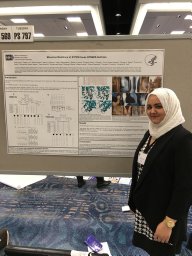 Rabia Faridi合作论文数Lab Mol Genet, NIH7Ian Taukulis合作论文数6
 Jason R Crossley合作论文数Department of Otolaryngology - Head and Neck Surgery, MedStar Georgetown University Hospital6
 Samuel Mawuli Adadey合作论文数Faculty of Health Sciences, University of Cape Town6Sayaka Inagaki合作论文数5
 Fred H Linthicum合作论文数5
 William H. Slattery合作论文数Ear Clinic, The House Institute;Department of Clinical Studies, House Ear Institute;USC School of Medicine5
 Andrew J Griffith合作论文数College of Medicine, The University of Tennessee Health Science Center5
 Rizwan Yousaf合作论文数5Lacey L. Nelson合作论文数4Alexander A Missner合作论文数4
 Dillon Strepay合作论文数4Elizabeth Wilson合作论文数4
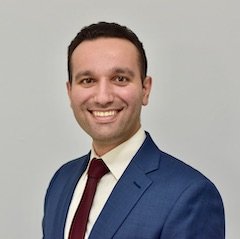 Amir A Hakimi合作论文数Department of Otolaryngology-Head and Neck Surgery, MedStar Georgetown University Hospital4
 Matthew J Goupell合作论文数College Pk, Univ Maryland4
 Matthew W. Kelley合作论文数Laboratory of Cochlear Development, National Institute on Deafness and Other Communication Disorders4Stakhovskaya Olga A合作论文数4Rick A. Friedman合作论文数4Akira Ishiyama合作论文数4
 Carmen Brewer合作论文数National Institutes of Health Otolaryngology Branch, National Institute on Deafness and Other Communication Disorders4
 Eric P. Wilkinson合作论文数4
 Jack Noble合作论文数Dept. of Electrical and Computer Engineering, Vanderbilt University;Biomedical Image Analysis for Image Guided Interventions Laboratory, Vanderbilt University4Livjot Sachdeva合作论文数Department of Otolaryngology-Head and Neck Surgery, WSU School of Medicine4
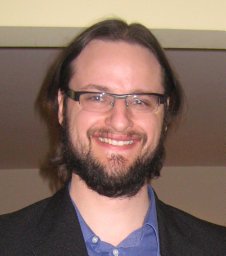 Joshua G. W. Bernstein合作论文数Army Audiology and Speech Center, Walter Reed Army Medical Center4
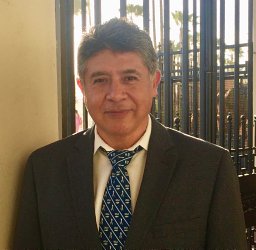 Ivan Lopez合作论文数University of California, Los Angeles4
 Kenneth Kragh Jensen合作论文数4Tanveer Ahmed Qaiser合作论文数3Soumya Korrapati合作论文数3Ann K Jay合作论文数3Matthew F. Starost合作论文数3Alvin deTorres合作论文数3
 Michael Kelly合作论文数Cancer Research Technology Program, Frederick National Laboratory for Cancer Research3Nathan Aminpour合作论文数Sch Med, Georgetown Univ3Elizabeth Kolberg合作论文数James H. Quillen VAMC, Mountain Home, TN3Richard Berk合作论文数3
 Daniel Martin合作论文数Peninsula Medical School, Faculty of Health, University of Plymouth3Tona Risa合作论文数3Fitzgerald Tracy S合作论文数3Burns Joseph C合作论文数3Lijin Dong合作论文数3




