This work outlines an optimized process for converting 2,3-butanediol (BDO) into sustainable aviation fuel (SAF) and C4 chemicals. BDO is reactively separated from fermentation broth by forming dioxolanes, which are converted to isobutyraldehyde, methyl ethyl ketone (MEK), and 1,3-butadiene. These intermediates are reduced and dehydrated over Cu/ZSM-5 to form alkenes, which can be oligomerized and hydrotreated to jet-range alkanes. Previous BDO-dioxolane-alkene processes are limited by the requirement for a continuous aldehyde source for dioxolane formation. Brønsted acidic zeolites catalyze dioxolane deacetalization to form isobutyraldehyde and MEK in a >2:1 molar ratio, providing an internal, recyclable aldehyde source. Dioxolane formation optimization was performed to achieve >95% dioxolane yields over Amberlyst-15 and minimize isobutyraldehyde recycle. The overall BDO-dioxolane-fuel process yields an alkane mixture that enables at least a 50% v/v blend with Jet-A. Techno-economic analyses and life cycle assessments for this BDO-dioxolane-fuel process yield scenarios with <$2.50 per gallon gas equivalent and >58% reduction in CO2 emissions.
Zeolitic Brønsted acid sites catalyze carbocation rearrangements central to upgrading biomass-derived oxygenates. Here we elucidate the mechanism of dioxolane conversion to methyl ethyl ketone and isobutanal on H-ZSM-5 using periodic density functional theory on the MFI model, complemented by ab initio molecular dynamics to probe confinement effects. Dioxolane adsorption at the Brønsted site is followed by protonation-assisted ring opening to form an oxocarbenium intermediate stabilized by the deprotonated framework. From this common intermediate, selectivity is governed by two competing rearrangements, namely, the 1,2-hydride shift with a free-energy barrier of 18.05 kcal mol-1 at 498 K leading toward MEK, and the 1,2-methyl shift with a higher barrier of 25.40 kcal mol-1 leading toward isobutanal. The hydride-shift channel is kinetically preferred over the methyl-shift channel, lowering the isobutanal/MEK ratio below the 3:1 limit expected for equal branching. Adsorption thermodynamics further indicate stronger stabilization of MEK than isobutanal within ZSM-5 channels, suggesting that confinement-controlled binding can bias product distributions in addition to intrinsic rearrangement barriers. These results highlight how Brønsted acidity and pore confinement jointly shape the rearrangement landscape in MFI zeolites.
Zeolitic Br & oslash;nsted acid sites catalyze carbocation rearrangements central to upgrading biomass-derived oxygenates. Here we elucidate the mechanism of dioxolane conversion to methyl ethyl ketone and isobutanal on H-ZSM-5 using periodic density functional theory on the MFI model, complemented by ab initio molecular dynamics to probe confinement effects. Dioxolane adsorption at the Br & oslash;nsted site is followed by protonation-assisted ring opening to form an oxocarbenium intermediate stabilized by the deprotonated framework. From this common intermediate, selectivity is governed by two competing rearrangements, namely, the 1,2-hydride shift with a free-energy barrier of 18.05 kcal mol-1 at 498 K leading toward MEK, and the 1,2-methyl shift with a higher barrier of 25.40 kcal mol-1 leading toward isobutanal. The hydride-shift channel is kinetically preferred over the methyl-shift channel, lowering the isobutanal/MEK ratio below the 3:1 limit expected for equal branching. Adsorption thermodynamics further indicate stronger stabilization of MEK than isobutanal within ZSM-5 channels, suggesting that confinement-controlled binding can bias product distributions in addition to intrinsic rearrangement barriers. These results highlight how Br & oslash;nsted acidity and pore confinement jointly shape the rearrangement landscape in MFI zeolites.
The production of aviation biofuel precursors from biomass-derived ketones by heterogeneous catalysis has been hindered by the low catalytic activity. Herein, a series of Cu-doped metal oxide catalysts were prepared for the conversion of biomass-derived ketones to aviation biofuel precursors. Solvent-free cyclopentanone conversion via aldol condensation reached 91.1 % over Cu/Al2O3 with 100% selectivity toward dimer and trimer oxygenated species, all of which are aviation biofuel precursors. This catalyst primarily contains Cu2O and Cu nanoparticles which are uniformly dispersed across the Al2O3 surface. From in situ DRIFTS and DFT results, the incorporation of Cu species onto Al2O3 not only increased the diversity of Lewis acidic sites, but also changed the adsorption of C = O groups, which lead to the increased aldol condensation activity of Cu/Al2O3. This study provides insight on the design of heterogeneous catalysts suitable for the solvent-free synthesis of aviation biofuel precursors from biomass-derived ketones.
In this work, yttrium containing dealuminated Beta zeolites (Y/deAlBeta) were synthesized and characterized by various spectroscopic techniques to improve understanding of ethanol upgrading over these materials. Characterization results indicate yttrium atoms partially condense with framework silanol nests formed during dealumination of parent Al-Beta supports. Active sites for conversion of ethanol and acetaldehyde to butadiene were quantified on a series of Y/deAlBeta catalysts (0.1–10 vawt% yttrium) via ex situ chemisorption and transmission Fourier transformed infrared (FTIR) spectroscopy measurements by first measuring the integrated molar extinction coefficient (IMEC) for pyridine bound to Lewis acidic yttrium sites. In situ titrations with pyridine demonstrate that the number of sites quantified by ex situ chemisorption IR is quantitatively similar to the number of sites that catalyze butadiene formation, which varies (from 0.05 to 0.35) across the series of catalysts. In situ pyridine titrations impact butadiene site time yields (STY), but not crotonaldehyde STY, indicating that a distribution of yttrium sites is present, and that discrete yttrium site types participate in distinct steps in the pathway from ethanol to butadiene. Apparent kinetic parameters including activation energies and reaction orders were measured, these suggest differences in reactant (or reactant-derived intermediate) surface coverages result in higher STYs (per mol Y or per Lewis acidic Y site) for samples with low Y loadings relative to those with higher Y loadings. Isotopic labeling experiments evince the existence of other kinetically relevant steps in addition to the crotonaldehyde transformation to crotyl alcohol. Together, these findings provide further guidance into the heterogeneities in site structures in yttrium-containing zeolites and their relevance for the various steps in the pathway from ethanol to C4 products useful for production of sustainable aviation fuel and renewable butadiene.
Bioethanol to middle distillate technologies have offered a unique solution to produce renewable aviation fuel for decarbonizing the hard-to-electrify sectors. Here, we have developed the series of bimetallic Cu- and rare earth-containing (RE) Beta zeolite catalysts that yield high C3+ alkene selectivity from ethanol upgrading (>80% selectivity at ∼100% conversion, 623K). The formation rates of butene isomers to C5+ alkenes are linearly correlated with the strength of Lewis acidic RE identity, which follows the sequence of Yb12/Beta >Y7/Beta > Gd12/Beta > Ce10/Beta > La12/Beta. Rate measurements indicate that the RE selection plays the vital role in altering the rate of the key competitive reactions within the ethanol-to-alkenes reaction network, namely C4 alcohol dehydration and C-C chain growth, which dictate alkene product distributions. These findings indicate a feasible and promising method for tailoring alkene product distributions from ethanol upgrading, which is of notable significance to the generation of renewable middle distillates.
The cost-effective production of sustainable aviation fuels (SAF) remains a major challenge within the energy sector. One approach to address this is the fermentation of biomass feedstocks into oxygenates followed by catalytic conversion to alkenes or other oligomerization precursors. 2,3-Butanediol (BDO) is a promising fermentation product due to its four-carbon nature, its decreased microorganism toxicity and associated higher maximum fermentation titers relative to other alcohols and oxygenates, and its capacity to be readily converted into butene isomers and longer chain alkenes. BDO conversion is currently constrained by separation challenges for BDO isolation due to its high boiling point and hydrophilicity. This work expands upon previous BDO reactive separation via dioxolane formation over a solid acid catalyst by investigating the conversion of dioxolanes into alkene mixtures. Dioxolanes were formed from a range of aldehydes and subsequently converted over a Cu/ZSM-5 catalyst (448-523 K) via an ether cleavage, hydrogenation, and dehydration reaction network to form alkene-rich product mixtures (96% C3+ alkene yield, 523 K). This selectivity is greater than that of direct BDO conversion to alkenes over an identical catalyst (89%, 523 K). C3+ alkene selectivity is maximized between 498 and 523 K at complete dioxolane conversion without significant alkene hydrogenation to alkanes. The alkene product distributions can be tailored via both aldehyde selection during dioxolane formation and the dioxolane conversion reaction temperature. Alkene mixtures from dioxolane conversion predominantly reflect the carbon chain length and stereochemistry of BDO and the initial aldehyde at or below 498 K, yet higher reaction temperatures yield alkene mixtures of similar carbon chain distributions, regardless of initial aldehyde selection. Deactivation of the Cu/ZSM-5 catalyst is observed for multiple steps of the overall reaction network but can be minimized by facilitating the complete dioxolane-to-alkene reaction network at temperatures of at least 498 K.
Carboxylic acid ketonization has recently gained significant attention to produce biomass-derived hydrocarbon fuels as it not only removes the highly reactive carboxylic functional group but also increases the size of the carbon chain. In this study, Ca-doped CeO2-based catalysts were investigated for acetic acid ketonization using a combined experimental and computational approach. Acetic acid conversion was performed across a range of temperatures including higher temperatures relevant to catalytic hot gas filtration (450 degrees C). Ca addition slightly decreases overall acetic acid ketonization reactivity yet stabilizes the catalyst at the higher temperatures necessary for catalytic hot gas filtration. From density functional theory calculations of the ketonization reaction mechanism, the C-C coupling and water formation steps are identified as two of the most energy-consuming steps on a CeO2 surface with a proximal oxygen vacancy and the presence of a Ca dopant stabilizes the key intermediates. Calculations predict an optimal structure comprising three Ca ensembles to minimize the reaction free energies for C-C coupling and water formation steps. These findings provide a priori information to guide future experiments for ketonization catalyst design and development.
Ethanol conversion to C4+olefins remains a critical yet nonselectiveprocess for producing renewable middle distillates. Here, Cu-La/Beta catalystscomposed of copper and lanthanum incorporated onto a dealuminated Betasupport are reported for ethanol conversion to C4+olefins (73% selectivity,similar to 98%ethanol conversion, 623 K,<4% C1-C3hydrocarbons) which particularly favors C5+olefin formation (43% selectivity) as a distinction from the benchmarking Cu-Y/Beta catalyst. Monometallic Cu/Beta or La/Beta samples are insufficient to catalyzethe C4+olefin formation and primarily form dehydration products (e.g., ethyleneand diethyl ether), indicating the necessity of both Cu and La species for buteneand C5+olefin formation. Increasing the bulk La loading at afixed Cu content yieldshigher C5+olefins until the La/Cu molar ratio reaches 3.6. Thesefindings indicate Cu-La/Beta as an effective ethanol conversioncatalyst that facilitates multiple C-C bond formation events required for synthesizing C5+olefins (i.e., hexenes and octenes).
The selective production of C3+ olefins from renewable feedstocks, especially via C-1 and C-2 platform chemicals, is a critical challenge for obtaining economically viable low-carbon middle-distillate transportation fuels (i.e., jet and diesel). Here, we report a multifunctional catalyst system composed of Zn-Y/Beta and "single-atom" alloy (SAA) Pt-Cu/Al2O3, which selectively catalyzes ethanol-to-olefin (C3+, ETO) valorization in the absence of cofed hydrogen, forming butenes as the primary olefin products. Beta zeolites containing predominately isolated Zn and Y metal sites catalyze ethanol upgrading steps (588 K, 3.1 kPa ethanol, ambient pressure) regardless of cofed hydrogen partial pressure (0-98.3 kPa H-2), forming butadiene as the primary product (60% selectivity at an 87% conversion). The Zn-Y/Beta catalyst possesses site-isolated Zn and Y Lewis acid sites (at similar to 7 wt % Y) and Bronsted acidic Y sites, the latter of which have been previously uncharacterized. A secondary bed of SAA Pt-Cu/Al2O3 selectively hydrogenates butadiene to butene isomers at a consistent reaction temperature using hydrogen generated in situ from ethanol to butadiene (ETB) conversion. This unique hydrogenation reactivity at near-stoichiometric hydrogen and butadiene partial pressures is not observed over monometallic Pt or Cu catalysts, highlighting these operating conditions as a critical SAA catalyst application area for conjugated diene selective hydrogenation at high reaction temperatures (>573 K) and low H-2/diene ratios (e.g., 1:1). Single-bed steady-state selective hydrogenation rates, associated apparent hydrogen and butadiene reaction orders, and density functional theory (DFT) calculations of the Horiuti-Polanyi reaction mechanisms indicate that the unique butadiene selective hydrogenation reactivity over SAA Pt-Cu/Al2O3 reflects lower hydrogen scission barriers relative to monometallic Cu surfaces and limited butene binding energies relative to monometallic Pt surfaces. DFT calculations further indicate the preferential desorption of butene isomers over SAA Pt-Cu(111) and Cu(111) surfaces, while Pt(111) surfaces favor subsequent butene hydrogenation reactions to form butane over butene desorption events. Under operating conditions without hydrogen cofeeding, this combination of Zn-Y/Beta and SAA Pt-Cu catalysts can selectively form butenes (65% butenes, 78% C3+ selectivity at 94% conversion) and avoid butane formation using only in situ-generated hydrogen, avoiding costly hydrogen cofeeding requirements that hinder many renewable energy processes.
Direct and selective production of C3+ olefins from bioethanol remains a critical challenge and important for the production of renewable transportation fuels such as aviation biofuels. Here, we report a Cu-Zn-Y/Beta catalyst for selective ethanol conversion to butene-rich C3+ olefins (88% selectivity at 100% ethanol conversion, 623 K), where the Cu, Zn, and Y sites are all highly dispersed. The ethanol-to-butene reaction network includes ethanol dehydrogenation, aldol condensation to crotonaldehyde, and hydrogenation to butyraldehyde, followed by further hydrogenation and dehydration reactions to form butenes. Cu sites play a critical role in promoting hydrogenation of the crotonaldehyde C=C bond to form butyraldehyde in the presence of hydrogen, making this a distinctive pathway from crotyl alcohol-based ethanol-to-butadiene reaction. Reaction rate measurements in the presence of ethanol and acetaldehyde (543 K, 12 kPa ethanol, 1.2 kPa acetaldehyde, 101.9 kPa H-2) over monometallic Zn/Beta and Y/Beta catalysts indicate that Y sites have higher C-C coupling rates than over Zn sites (initial C-C coupling rate, 6.1 x 10(-3) mol mol Y-1 s(-1) vs 1.2 x 10(-3) mol mol Zn-1 s(-1)). Further, Lewis-acidic Y-site densities over Cu-Zn-Y/Beta with varied Y loadings are linearly correlated with the initial C-C coupling rates, suggesting that Lewis-acidic Y sites are the predominant sites that catalyze C-C coupling in Cu-Zn-Y/Beta catalysts. Control experiments show that the dealuminated Beta support is important to form higher density of Lewis-acidic Y sites in comparison with other supports such as silica, or deboronated MWW despite similar atomic dispersion of Y sites and Y-O coordination numbers over these supports, leading to more than 9 times higher C-C coupling rate per mole Y over dealuminated Beta relative to other supports. This study highlights the significance of unique combination of metal sites in contributing to the selective valorization of ethanol to C3+ olefins, motivating for exploring multifunctional zeolite catalysts, where the presence of multiple sites with varying reactivities and functions allows for controlling the predominant molecular fluxes toward the desired products in complex reactions.
Aqueous-phase isomerization of d-glucose to d-fructose and l-sorbose is catalyzed in parallel by Lewis acidic Ti sites in siliceous frameworks. Glucose isomerization rates (per Ti, 373 K) are undetectable when Ti sites are confined within mesoporous voids (Ti-MCM-41, TiO2 -SiO2 ) and increase to detectable values when Ti sites are confined within the smaller 12-membered ring (12-MR) micropores of Ti-Beta. Isomerization rates decrease to lower values (by ≈20×) with further decreases in micropore size as Ti sites are confined within 10-MR pores (Ti-MFI, Ti-CON), likely because of intrapore reactant diffusion restrictions, and reach undetectable values within the 8-MR pores of Ti-CHA as size exclusion prevents glucose from accessing active sites. Remarkably, the selectivity toward l-sorbose over d-fructose increases systematically as spatial constraints around Ti sites become tighter, and is >10 on Ti-MFI. These findings demonstrate the marked influence of confinement around Ti active sites on the selectivity between parallel stereoselective sugar isomerization pathways.
Hydrophobic voids within titanium silicates have long been considered necessary to achieve high rates and selectivities for alkene epoxidations with H2O2. The catalytic consequences of silanol groups and their stabilization of hydrogen-bonded networks of water (H2O), however, have not been demonstrated in ways that lead to a clear understanding of their importance. We compare turnover rates for 1-octene epoxidation and H2O2 decomposition over a series of Ti-substituted zeolite *BEA (Ti-BEA) that encompasses a wide range of densities of silanol nests ((SiOH)4). The most hydrophilic Ti-BEA gives epoxidation turnover rates that are 100 times larger than those in defect-free Ti-BEA, yet rates of H2O2 decomposition are similar for all (SiOH)4 densities. These differences cause the most hydrophilic Ti-BEA to also give the highest selectivities, which defies conventional wisdom. Spectroscopic, thermodynamic, and kinetic evidence indicate that these catalytic differences are not due to changes in the electronic affinity of the active site, the electronic structure of Ti-OOH intermediates, or the mechanism for epoxidation. Comparisons of apparent activation enthalpies and entropies show that differences in epoxidation rates and selectivities reflect favorable entropy gains produced when epoxidation transition states disrupt hydrogen-bonded H2O clusters anchored to (SiOH)4 near active sites. Transition states for H2O2 decomposition hydrogen bond with H2O in ways similar to Ti-OOH reactive species, such that decomposition becomes insensitive to the presence of (SiOH)4. Collectively, these findings clarify how molecular interactions between reactive species, hydrogen-bonded solvent networks, and polar surfaces can influence rates and selectivities for epoxidation (and other reactions) in zeolite catalysts.
Spectroscopic, titration and kinetic methods were used to probe the deactivation of Sn-Beta in water.
Lewis acid sites in zeolites catalyze aqueous-phase sugar isomerization at higher turnover rates when confined within hydrophobic rather than within hydrophilic micropores; however, relative contributions of competitive water adsorption at active sites and preferential stabilization of isomerization transition states have remained unclear. Here, we employ a suite of experimental and theoretical techniques to elucidate the effects of coadsorbed water on glucose isomerization reaction coordinate free energy landscapes. Transmission IR spectra provide evidence that water forms extended hydrogen-bonding networks within hydrophilic but not hydrophobic micropores of Beta zeolites. Aqueous-phase glucose isomerization turnover rates measured on Ti-Beta zeolites transition from first-order to zero-order dependence on glucose thermodynamic activity, as Lewis acidic Ti sites transition from water-covered to glucose-covered, consistent with intermediates identified from modulation excitation spectroscopy during in situ attenuated total reflectance IR experiments. First-order and zero-order isomerization rate constants are systematically higher (by 3-12×, 368-383 K) when Ti sites are confined within hydrophobic micropores. Apparent activation enthalpies and entropies reveal that glucose and water competitive adsorption at Ti sites depend weakly on confining environment polarity, while Gibbs free energies of hydride-shift isomerization transition states are lower when confined within hydrophobic micropores. DFT calculations suggest that interactions between intraporous water and isomerization transition states increase effective transition state sizes through second-shell solvation spheres, reducing primary solvation sphere flexibility. These findings clarify the effects of hydrophobic pockets on the stability of coadsorbed water and isomerization transition states and suggest design strategies that modify micropore polarity to influence turnover rates in liquid water.
 Rajamani Gounder合作论文数Charles Davidson School of Chemical Engineering, Purdue University;Purdue Catalysis Center, Purdue University13
 Zhenglong Li (李正龙)合作论文数8
 James Harris合作论文数6
 Juan Carlos Vega-Vila合作论文数Purdue Univ, Davidson Sch Chem Engn, W Lafayette, IN 47907 USA5
 Junyan Zhang合作论文数Oak Ridge Natl Lab, POB 2009, Oak Ridge, TN 37830 USA5Jacklyn N. Hall合作论文数William A Brookshire Dept Chem & Biomol Engn, Univ Houston5
 Meijun Li (李美俊)合作论文数5
 Kinga A. Unocic合作论文数Oak Ridge National Laboratory5Stephen C. Purdy合作论文数Purdue Univ, Davidson Sch Chem Engn, W Lafayette, IN 47907 USA4Zige Huang合作论文数3Nohor River Samad合作论文数3Evan C. Wegener合作论文数Argonne Natl Lab, Chem Sci & Engn Div, Lemont, IL 60439 USA3
 Jason S. Bates合作论文数Dept Chem, Univ Wisconsin3
 Jeffrey T. Miller合作论文数Davidson School of Chemical Engineering, Purdue University;Department of Chemical Engineering, Purdue University3
 Dongxia Liu合作论文数Institute of Chemistry, Chinese Academy of Sciences3
 Andrew Sutton合作论文数Department of Chemistry, University of California, Davis3
 Theodore Krause合作论文数Argonne National Laboratory Chemical Engineering Division3
 Mingxia Zhou合作论文数Kansas State Univ, Dept Chem Engn, Manhattan, KS 66506 USA2
 Mohit Gupta合作论文数Department of Urology, University of Florida College of Medicine2
 Fabio H. Ribeiro合作论文数Davidson School of Chemical Engineering, College of Engineering, Purdue University;CISTAR NSF Engineering Research Center;Krach Institute for Tech Diplomacy at Purdue2
 Huamin Wang合作论文数2
 Zili Wu合作论文数Surface Chemistry and Catalysis, ORNL2
 David Hibbitts合作论文数2Fan Lin合作论文数2
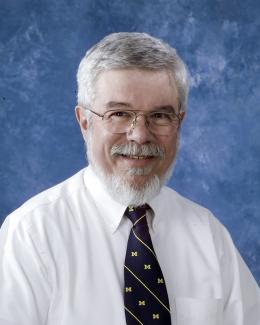 Lawrence F Allard Jr合作论文数Materials Science and Technology Division, Oak Ridge National Laboratory2
 Rajeev S. Assary合作论文数Department of Chemical and Biological Engineering, Northwestern University2
 A. Jeremy Kropf合作论文数Division of Chemical Sciences and Engineering, Argonne National Laboratory2
 David W. Flaherty合作论文数School of Chemical and Biomolecular Engineering, Georgia Institute of Technology2Michael Z. Hu合作论文数1Linjia Yin合作论文数1
 Brandon Bukowski合作论文数Department of Chemical and Biomolecular Engineering, Whiting School of Engineering, Johns Hopkins University1Ami Y. Patel合作论文数1Alayna M Johnson合作论文数1Alyssa Casper合作论文数1
 Jae-Soon Choi合作论文数1
 Xiaokun Yang合作论文数1
 Carlos Bornes合作论文数Aveiro Inst Mat, Univ Aveiro1
 Aimee L. Church合作论文数Government of the United States of America1E. Zeynep Ayla合作论文数1
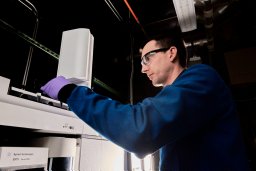 Cameron M. Moore合作论文数Div Chem, Los Alamos Natl Lab1
 Lei Bai (白磊)合作论文数Dept Chem & Biomed Engn, West Virginia Univ1Sichao Cheng合作论文数University of Maryland, College Park1
 Chenyang Li合作论文数1
 Daniel T. Bregante合作论文数Dept Chem & Biomol Engn, Univ Illinois1Shiba P. Adhikari合作论文数Wake Forest Univ, Dept Chem, Winston Salem, NC 27109 USA1John R. Di Iorio合作论文数1
 Li Tan (谭理)合作论文数College of Chemistry, Fuzhou University1
 Jeffrey Greeley合作论文数Davidson School of Chemical Engineering, College of Engineering, Purdue University1




