The breadth of management goals in large and complex landscapes encompasses biotic communities with diverse life histories. However, managing multiple communities may be challenging when resource requirements overlap, like forage for ungulates and floral resources for bees. For three years in a riparian forest in northeastern Oregon, USA, we manipulated the presence of wild deer and elk, domestic cattle, and the combination of wild and domestic ungulates, to understand the separate and cumulative influence of grazing by different functional feeding guilds on bloom and bee communities. While we found no effect of individual grazing treatments, of either wild or domestic ungulates on bloom and bee abundance or richness, there was a negative association between cumulative herbivore pressure of all ungulates and bloom and bee abundance. Additionally, bloom community composition differed by grazing treatment late in the growing season, primarily because several blooming species were annuals associated with cattle grazing. Using information on elk dietary preferences and bee-flower associations, we found that elk-preferred forbs are attractive to bees and occupy important positions in mutualist networks. Bees that specialize on these forbs may be at risk of decline if co-occurring elk selectively reduce floral resources. Management strategies, such as electronic fences, phenologically informed livestock grazing, targeted seed mixes, increased physical complexity in riparian areas, and/or improved ungulate forage allocation, could help maintain ecosystem services provided by ungulates, while preserving floral-rich habitats for bees.
Domestic animals represent the largest mammalian biomass on Earth, creating an urgent need to understand their effects on native species. Environmental change may further alter these interactions, particularly for large herbivores that are highly sensitive to climate-driven resource availability. Interactions among assemblages of large herbivores include interference and exploitation competition, but the grazing optimization hypothesis paradigm suggests that interactions are often facilitative because defoliation from grazing stimulates compensatory regrowth of high-quality forage that benefits other species. We used 35 years of contemporaneous telemetry data on elk and domestic cattle to quantify spatial interactions within the context of climate-change-induced drought conditions. We fit step-selection functions to assess the immediate response of elk to spatiotemporal cattle distribution and tested whether drought and phenological advancement of the growing season-mediated interactions. We also modelled elk selection for pastures that were ungrazed, currently grazed or previously grazed by cattle to assess competition and facilitation. Our results refute the grazing optimization hypothesis and suggest elk are not attracted to areas previously grazed by cattle. Instead, elk avoided cattle throughout the entire growing season and at multiple scales. Elk were 2.9 times more likely to make movements to locations without cattle versus locations with 1 cow-calf pair/hectare, 23% less likely to use a pasture with cattle present, and 27% less likely to use one grazed by cattle earlier in the season, compared to an ungrazed pasture. After controlling for current season grazing status, elk were 30% less likely to use a pasture if it was grazed the previous year. Resource availability, influenced by growing season phenology and drought, mediated the magnitude of avoidance of cattle by elk. In the periods of most severe drought, elk reduced their avoidance of cattle ostensibly to seek out the remaining palatable forage regardless of cattle presence. Increased overlap between domestic and wild ungulates should be anticipated as climate change continues to increase the intensity and frequency of drought, which may result in decreased weight gain or fitness consequences to both species, increased potential for disease transmission, and more encounters between predators and domestic livestock.
Understanding how indirect effects of climate can interact with density-dependent processes has become increasingly important as variability changes resource availability for wildlife. Both climate and animal density can drive the abundance of vegetation and control the degree of competition for forage between ungulates. Further, climate-density relationships may be more pronounced for females in the population as they may need to compensate nutritionally for the energetic costs of raising young. Quantifying the effects of these relationships on individual animal performance is challenging because it requires long-term data that spans changing densities and climatic patterns to observe the mechanisms in play. Our objectives were to: 1) evaluate differences in fall (Nov-Dec) female elk body condition based on lactation status; 2) assess the relationships between seasonal bottom-up covariates, elk density, and changes in elk body fat; and 3) examine the timing of growing season conditions associated with variation in elk body fat. We used a 20-year dataset of female elk (Cervus canadensis) across varying population densities and seasonal bottom-up patterns to quantify changes in body fat in a semi-arid forested rangeland system in northeastern Oregon, USA. Body fat of lactating elk was negatively associated with severe drought at higher elk densities. Body fat of lactating elk was greater following wet summers with a later green-up date. Higher precipitation during the growing season significantly increased body fat for all groups of elk. These results collectively support the importance of the indirect, bottom-up effects on female elk nutrition. If summer drought continues to increase in duration and intensity in the Pacific Northwest, USA, we expect to see declines in elk body condition with potential impacts to population-level performance.
Prior research has demonstrated that providing upland nutritional supplements can reduce utilization of riparian vegetation by altering cattle grazing distribution. However, knowledge of the specific factors affecting supplement use in pastures containing riparian areas common to the rugged coniferous forests of the Intermountain West is limited. Consequently, we evaluated the disappearance of crude protein (CP) and mineral (M) supplements by cow/calf pairs during 6 years of a grazing experiment in the Meadow Creek allotment in the Starkey Experimental Forest and Range in northeastern Oregon, USA. We separately analyzed disappearance rates (lbs/hd/day) of protein and mineral supplements using generalized linear models with covariates describing the landscape around each supplement site. We considered covariates for season (early vs. late), slope, distance to upland water sites and to the riparian area, canopy cover, sine and cosine of aspect, convexity, and a measure of greenness (amplitude). We allowed for multi-scale relationships by averaging values on a 30-m grid using 100-, 200-, and 300-m buffers around each site. We fit univariate models and used the small-sample version of the Akaike Information Criterion (AICc) to select the optimal scale for each covariate. We then developed a list of all-possible models for each supplmenet type using the optimal scales for each covariate and preventing correlated variables from entering the same model. We fit and ranked all models using AICc. Our results indicated that season influenced disappearance of CP (P ≤ 0.10), with late season 63% greater compared with early-season, while season had no effect on M disappearance (P > 0.10). We found the best predictor of supplement use was average slope around a site, with rates decreasing dramatically with increased slope within a 200 m buffer (P ≤ 0.10). In addition, CP disappearance was greater (P ≤ 0.10) at locations closer to watering sites and with more canopy cover within 100 meters. For M, our model predicted that the consumption rate decreased sharply with increasing average percentage slope within a 300-m buffer. In conjunction with information on pasture access and road/trail networks, we can use our final models to identify optimal supplement locations to encourage supplement use and alter pasture distribution by beef cattle to help meet natural resource management objectives, especially in pastures with riparian areas.
ABSTRACT Restoration of riparian vegetation is an objective for recovery of threatened salmonids in the interior Pacific Northwest (PNW; USA). However, bryophytes (mosses, liverworts, and hornworts) are overlooked despite their capacity to provide stream habitat for invertebrates, an important salmonid food. The role of bryophytes as invertebrate habitat is little studied in the PNW. We investigated macroinvertebrate communities in bryophytes across three aquatic habitat types (headwaters, mid‐order streams and wetlands) in a salmonid‐bearing stream system in the Blue Mountains, northeastern Oregon (USA). We sampled paired bryophyte and non‐bryophyte benthic (streambed) substrates from 12 sites (headwaters, n = 3; mid‐order streams, n = 6; wetlands, n = 3) during spring, summer and fall, 2022–2023. Bryophytes, regardless of habitat, enhanced invertebrate density per square meter, by ~11 times, on average, compared to streambeds without bryophytes. Bryophytes increased the abundance of most functional groups and hosted unique invertebrate communities dominated by Chironomidae (midges) and detritivores. Bryophytes did not serve as nursery habitat; however, invertebrates were smaller (mean length ~12% shorter) in bryophytes compared to streambeds, primarily because bryophytes were dominated by smaller taxa. Non‐metric multidimensional scaling indicated that the dominant gradient in invertebrate composition was related to separation between bryophytes and streambeds (R2 = 0.70). This gradient was driven by the dominance of midges in bryophytes compared to streambeds regardless of season or habitat type. Bryophytes harbored high densities of most functional groups of macroinvertebrates, particularly midges, a highly productive food for many stream and riparian organisms. These results suggest that bryophytes are important habitat for macroinvertebrates across most aquatic habitat types in salmonid‐bearing stream systems of the Blue Mountains. By considering bryophytes in stream‐riparian restoration and management plans, practitioners can enhance an important vegetation component and support conservation of highly productive aquatic invertebrate communities and consumers that depend on them for food.
Because riparian ecosystems are highly valued for their diverse ecological services, past and ongoing disturbances in riparian zones have led to extensive restoration effort s, litigation, and compliance monitoring of the effects of livestock grazing. Better understanding of the factors that influence cattle riparian use, especially in landscapes supporting threatened or endangered fish, could lead to improved predictions of management outcomes and riparian recovery for sustainable grazing systems. Although published models predict habitat selection by cattle, there is a gap in our understanding of cattle use, or occupancy, in riparian zones. As part of a long-term, multi-disciplinary project in a semi-arid riparian system in Oregon, USA, we collected 4 yr (2017-2020) of cattle telemetry data to identify factors affecting riparian use by cattle. We used beta regression in a Bayesian hierarchical framework to model the daily proportion of cattle locations in the riparian zone. We hypothesized that riparian use would 1) increase with increasing Julian date, temperature, solar radiation, days in pasture, and days since herding, and 2) decrease with higher humidity and precipitation. The best model predicted that use was greater with increasing days since herding, number of days grazing in a pasture, and Julian date, and lower as relative humidity increased. Daily riparian use by cattle averaged 0.167 (SD = 0.180) across years and pastures. The final model performed well, based on k-fold cross validation (Pearson's correlation = 0.72; 90% CI from 0.66 to 0.77). Our findings demonstrate the importance of considering management strategies (herding, grazing seasons) that affect riparian use by cattle, in tandem with weather, pasture characteristics, and other factors, and can be used in decision support systems to guide riparian grazing management. This is an open access article under the CC BY license ( http://creativecommons.org/licenses/by/4.0/ )
Forests in the western US have undergone a profound transformation over the last 100 years due to chronic fire suppression and a cycle of extensive timber harvest followed by little silvicultural activity. Forested landscapes in this region are now dominated by intermediate age, denser stands of coniferous trees that reduce transmission of light and precipitation to the understory, with potential consequences for ungulate nutrition. We used a 20-year dataset of mule deer locations (560 animal-years of data) to evaluate long-term patterns of selection of forest stands that had been thinned and burned compared to untreated reference stands. We evaluated within homerange (3rd order) selection at 3 temporal scales (hourly, daily, annually) and landscape-scale (2nd order) use annually. We found that annual selection of treated stands during summer generally increased with two peaks, once immediately after treatments were applied and again 15 years later. Mule deer also showed strong seasonal and temporal patterns in selection of treated forest stands. Deer selected treated stands at night in July and August immediately after treatments. After 4-6 years, mule deer selected treated stands both during the day and at night in May, July, and August, but with stronger selection at night. We hypothesize that preference for treated forest stands were driven by differences in forage quantity and quality among forest stands. Vegetation surveys during years of peak selection showed that treated stands had significantly higher biomass and digestible energy of neutrally selected forage and lower biomass of avoided forage species, although there was no difference in biomass of preferred forage species. A subset of female mule deer with multiple years of data did not shift home ranges to overlap with treated forest stands over time (2nd order use) but did show increasing selection over time for treated forest stands within their home ranges (3rd order). Our results show that thinning and burning of forest stands can benefit mule deer both immediately and for up to 15 years after treatment and that researchers should evaluate temporal and seasonal patterns in studies of habitat selection. Given the diverse habitat needs of mule deer, treatments would be most beneficial if they were scattered across large landscapes and staggered in time to provide a diversity of forage and cover types.
Hunting has important social, cultural, economic, and conservation benefits. Information on hunters' motivations and expectations for a hunting experience can help support decision-making by state and federal wildlife managers. We surveyed deer (Odocoileus spp.) and elk (Cervus canadensis) hunters participating in controlled hunts in eastern Oregon to describe hunter characteristics and experiences, including the importance of hunting motivational factors and specific setting attributes (2017-2019; n = 501). We compared differences between hunters' ratings of importance and satisfaction and identified factors of particular importance for hunters with different characteristics. Survey response rates were high, ranging from 97% in 2017 to 81% in 2019. We found that the intangible benefits of hunting were most important to hunters, with enjoyment and spending time with friends and family emerging as the top-ranked hunting motivations by importance. Motivations differed by gender, age and hunting avidity. Women rated getting meat for themselves and family higher than did men ((x) over bar = 4.67 vs. 4.26). Frequent hunters ranked many experiential elements of a hunt higher in importance than less frequent hunters (e.g., Seeing animals in the wild, (x) over bar = 4.52 vs. 4.19; Fun and enjoyment, (x) over bar = 4.50 vs. 4.21; Thrill of the chase, (x) over bar = 4.34 vs. 3.97). Older hunters considered learning experiences less important than younger hunters (New experience, developing new skills, x (x) over bar = 2.72 vs. 3.52; Gaining knowledge about the outdoors, x (x) over bar = 3.14 vs. 3.83). We also found that the attributes of the specific hunt setting were less important than the broad factors that motivate hunting participation. Our results provide context for hunting retention and reactivation efforts and can be used to identify opportunities to recruit new hunters whose diversity reflects that of background populations in the U.S.
ABSTRACTTo reverse observed range-wide population declines, managers of mule and black- tailed deer (Odocoileus hemionus) require information on the vital rates and life stages that are most influential to population growth for which to target management actions. We conducted a range-wide literature review and used hierarchical models to provide biological descriptions of mule and black-tailed deer vital rates, their variability, and how they correlate with one another. We then used matrix models and life-stage simulation analysis to determine the individual vital rates that contributed most to lambda, i.e., annual population growth rate. Adult female survival was the vital rate with the greatest ability to predict lambda and explained 62% of the variation in population growth. While annual juvenile survival explained 44% of the variation in lambda, summer and winter juvenile survival by themselves were far less explanatory than adult female survival. Winter fawn:doe ratios, a metric often collected by management agencies, only explained 10% of the variation in lambda. When adult female survival was 0.84, our simulations estimated an equal probability that a population would increase versus decrease, and correspondingly, the estimate of lambda was 1.0 with a 95% credible interval of 0.88–1.14. Simulations suggested that populations with adult survival rates less than 70% would always decline, but as survival increased beyond this value lambda increased linearly and never plateaued. In contrast, the probability of observing a stable lambda plateaued when annual juvenile survival reached approximately 0.5. The mean lambda calculated from all simulated values within the observed range of vital rate values across the species’ geographical distribution was 0.975, and in 61% of the simulations lambda was < 1. After 20 years, we estimated that this distribution of lambda values would cause populations to decrease in 92% of instances with a mean decrease of 44%. Our results align with the observed declines in mule deer populations throughout their range over recent decades and suggest that these trends will continue until management can improve survival of adult females.
AbstractElk (Cervus canadensis) are the second largest member of the deer family that reside in North America. Historically, the species occupied most of North America, however, today, they occupy only a small proportion of that range. Across their historical and contemporary distribution, they occupied diverse vegetation communities including both rangelands and forest ecosystems. Given this broad distribution, elk face numerous conservation and management threats including competition with wild and domestic ungulates, disease considerations, and human-elk conflicts. This chapter highlights these and other conservation and management concerns, especially as they pertain to rangelands. In closing, we identify current and future research needs that will be important for the continued persistence and expansion of elk populations across their range.
Forage quality and quantity are nutritional attributes that influence ungulate populations through bottom-up processes.In northern Idaho, harsh winters occasionally cause substantial mortality of elk (Cervus canadensis) and deer (Odocoileus hemionus) populations; however, recent studies in the Western United States show that nutritional deficiencies on summer range also affect populations by reducing reproduction and survival.In fact, in many settings, nutritional deficiencies in summer may have a more limiting effect on elk populations than deficiencies in winter.Large tracts of mid-and late-succession forests, a product of fire suppression and declines in timber harvest in many areas of the West, often support forage resources of relatively low quantity and quality.Natural disturbance events and forest management can greatly increase forage quantity and quality to improve forage resources across landscapes.We sampled plant communities in northern Idaho during the summers of 2016 and 2017 to describe patterns of forage quantity and quality among seral stages and potential vegetation communities from late spring through early autumn.In this report, we summarized these patterns and provided insights for managing forests to improve forage for elk.For all potential vegetation (PV) series ranging from Douglas-fir to subalpine fir, early-seral communities (<25 years old) provided greater forage abundance and often forage of higher quality.But forage response to disturbance varied among PV series.Forage quality was higher in PV series at higher elevations (e.g., the spruce-fir, western redcedar, and western hemlock series), particularly in late summer.Early-seral communities created by standreplacing disturbance produced the best forage (high quantity and high quality) for elk in the western redcedar, western hemlock, and wetter extents of the grand fir and spruce-fir series, providing the greatest benefit to elk relative to the cost of increasing forage through forest management.In PV series where climate is especially conducive to conifer growth (e.g., western redcedar, western hemlock, and wetter extents of the grand fir series), forest overstory development after disturbance was rapid, and duration of abundant, nutritious forage in the early-seral communities was short.Successional development of the overstory in drier PV series at lower elevations (Douglas-fir series) and at the highest elevations (spruce-fir series) was slower, and forage readily consumed by elk persisted into older stands to a greater degree than in series where climate supports rapid conifer development.Dense mid-and late-seral forests greatly dominated across central and eastern portions of our study area, suggesting that restoring early-seral communities, well-distributed across the region, will benefit elk and other wildlife that depend on these productive, diverse community types.
AbstractRangeland wildlife ecology and conservation is strongly influenced by domestic livestock systems. Domestic livestock production on rangelands in North America is dominated by ruminant livestock, with beef cattle being the largest industry. Rangeland ruminant livestock production systems are unique in that land/animal managers develop production systems that attempt to optimize the use of limited-nutrition forage bases. This involves the strategic selection of calving/lambing dates to coincide with forage resources and labor limitations. Likewise, the species, breed, and age of animal is selected to be productive in sometimes suboptimal nutrition and environmental conditions. In addition, the role of this industry in the conservation and enhancement of wildlife diversity and ecosystem services is important now and paramount in future management goals. Grazing systems that are unique to the needs of ecosystems are designed to enhance soils, vegetation, and wildlife diversity. In addition, understanding how wild and domestic animals utilize landscapes of varying topography is an ongoing area of research. Continued investigations into how animals use landscapes, grazing distribution/behavior, botanical composition of diets, and dietary strategies will be important in designing management approaches for all animals that are dependent on rangeland resources. The paradigm of sustainable management of livestock systems needs to view herbivory as a tool to manage vegetation for optimal biological integrity and resiliency. Only by the optimization of biological processes within plant communities on rangelands, will managers create systems that benefit both livestock and wildlife.
There is an increasing need to understand how animals respond to modifications of their habitat following landscape-scale disturbances such as wildfire or timber harvest. Such disturbances can promote increased use by herbivores due to changes in plant community structure that improve forage conditions, but can also cause avoidance if other habitat functions provided by cover are substantially reduced or eliminated. Quantifying the total effects of these disturbances, however, is challenging because they may not fully be apparent unless observed at successional timescales. Further, the effects of disturbances that improve habitat quality may be density dependent, such that the benefits are (1) less valuable to high-density populations because the per-capita benefits are reduced when shared among more users or, alternatively, (2) more valuable to animals living in high densities because resources may be more depleted from the greater intraspecific competition. We used 30 years of telemetry data on elk occurring at two distinct population densities to quantify changes in space use at diel, monthly, and successional timescales following timber harvest. Elk selected logged areas at night only, with selection strongest during midsummer, and peak selection occurring 14 years post harvest, but persisting for 26-33 years. This pattern of increased selection at night following a reduction in overhead canopy cover is consistent with elk exploiting improved nutritional conditions for foraging. The magnitude of selection for logged areas was 73% higher for elk at low population density, consistent with predictions from the ideal free distribution. Yet elk avoided these same areas during daytime for up to 28 years post logging and instead selected untreated forest, suggesting a role for cover to meet other life history requirements. Our results demonstrate that while landscape-scale disturbances can lead to increased selection by large herbivores and suggest that the improvement in foraging conditions can persist over short-term successional timescales, the magnitude of the benefits may not be equal across population densities. Further, the enduring avoidance of logging treatments during the daytime indicates a need for structurally intact forests and suggests that a mosaic of forest patches of varying successional stages and structural completeness is likely to be the most beneficial to large herbivores.
The pursuit of ungulates as game animals, whether for recreation, cultural tradition, or meat, is a dominant activity on public and private lands in North America and much of the world. Strategic regulation of hunting is key for managing game population abundance, age and sex structure, and distribution, with harvest rates a function of both hunter success and participation. Hunter satisfaction is often linked to success and ultimately with hunter recruitment and retention, a growing concern for wildlife agencies. Yet knowledge is lacking about what hunter characteristics or behaviors are linked with success, and how these may differ among common hunt types. We used survey and spatial data from hunters (n = 416) during a 6-year observational study in northeastern Oregon, USA to characterize hunter traits associated with success for 3 hunt types for antlered males: rifle deer (Odocoileus spp.), archery elk (Cervus canadensis), and rifle elk. We modeled the success for rifle deer and rifle elk hunters using logistic regression models in a Bayesian hierarchical approach. Annual success rates were highly variable, ranging from 4 to 76% for rifle deer and 20 to 56% for rifle elk hunters, and from 0 to 14% for archery elk. Age distributions of hunters were similar across hunt types ((x) over bar = 47.2 years), and male hunters were similar to 8 times as common as females (n = 370 vs. n = 46, respectively). Success rates for men and women, however, were comparable within hunt types. Successful hunters spent more hours per day outside camp ((x) over bar = 7.4 vs. 6.4 for unsuccessful hunters) and expended a slightly larger percentage of their hunting effort on foot ((x) over bar = 87.8%) than did unsuccessful hunters ((x) over bar = 84.6%). The best model predicting success of rifle deer hunters was based on hours per day spent outside camp during the hunting hours, with each additional hour increasing odds of success by 26%. For rifle elk hunters, the best model included time outside camp and a binary covariate for scouting. The odds of success increased by 418% for hunters who scouted versus those who did not, and by 18% with each additional hour per day spent hunting outside of camp. Summed model weights indicated that hours per day outside camp and scouting were most informative, and that use of an all-terrain vehicle, age, and experience were unrelated to hunter success. Both models performed reasonably well (correct classification rates of 0.74 and 0.70 for rifle deer and rifle elk models, respectively). Our study augmented the relatively limited published information about behavioral factors associated with successful harvest of deer and elk, and we recommend additional research to better unravel the nexus of success and hunter characteristics and behavior to help sustain recreational hunting and big game populations.
Consistent with a warming climate, the timing of key phenological phases (i.e. phenophases) for many plant species is shifting, but the direction and extent of these shifts remain unclear. For large herbivores such as ungulates, altered plant phenology can have important nutritional and demographic consequences. We used two multi-year datasets collected during 1992–1996 and 2015–2019 of understory plant phenology in semi-arid forested rangelands in northeastern Oregon, United States, to test whether the duration of phenophases for forage species has changed over time for three plant functional groups (forbs, graminoids, and shrubs). Duration of spring green-up was approximately 2 weeks shorter in the later years for forbs (19 ± 3.8 d) and graminoids (13.2 ± 2.8 d), and senescence was 3 weeks longer for graminoids (25.1 ± 5.1) and shrubs (22.0 ± 4.6). Average peak flowering date was 3.1 ± 0.2 d earlier per decade for understory forage species with approximately 1/3 of the species (35%) exhibiting earlier peak flowering dates over time. Variation in late-winter precipitation had the greatest effect on the duration of understory green-up, whereas variation in summer precipitation had a greater effect on duration of the senescent period. Collectively, these results indicate climate-related progression towards shorter periods of peak plant productivity, and earlier and longer periods of plant senescence, the combination of which substantially reduces the temporal window of forage available in growing forms most usable to herbivores. This work adds a needed component to the climate change literature, by describing links between shifting climate variables, multiple phases of understory plant phenology, and possible nutritional consequences for herbivores under a warming climate.
The behavioral mechanisms by which predators encounter prey are poorly resolved. In particular, the extent to which predators engage in active search for prey versus incidentally encountering them has not been well studied in many systems and particularly not for neonate prey during the birth pulse. Parturition of many large herbivores occurs during a short and predictable temporal window in which young are highly vulnerable to predation. Our study aims to determine how a suite of carnivores responds to the seasonal pulse of newborn ungulates using contemporaneous global positioning system (GPS) locations of four species of predators and two species of prey. We used step-selection functions to assess whether coyotes, cougars, black bears, and bobcats encountered parturient adult female ungulates more often than expected by chance in a low-density population of mule deer and a high-density population of elk. We then assessed whether the carnivore species that encountered parturient prey more often than expected by chance did so by shifting their habitat use toward areas with a high probability of encountering neonates. None of the four carnivore species encountered GPS-collared parturient mule deer more often than expected by chance. By contrast, we determined that cougar and male bear movements positioned them in the proximity of GPS-collared parturient elk more often than expected by chance which may provide evidence of searching behavior. Although both male bears and cougars exhibited behavior consistent with active search for neonates, only male bears used elk parturition habitat in a way that dynamically tracked the phenology of the elk birth pulse suggesting that maximizing encounters with juvenile elk was a motivation when selecting resources. Our results suggest that there is high interspecific and intersexual variability in foraging strategies among large mammalian predators and their prey.
Prey respond to predation risk with a range of behavioral tactics that can vary based on space use and hunting mode of the predator. Unlike other predators, human hunters are often more spatially and temporally restricted, which creates a period of short-duration, high-intensity predation risk for prey. Consequently, identifying the roles different hunting modes (i.e., archery and rifle), hunts for targeted and non-targeted species, and landscape features play in altering spatial and temporal responses of prey to predation risk by humans is important for effective management of harvested populations. From 2009 to 2016, we used a large-scale experiment including 50 animal-years of location data from 38 unique male elk (Cervus canadensis) to quantify changes in movement and resource selection in response to hunters during 3 separate 5-day controlled hunts for antlered males (elk archery, deer [Odocoileus spp.] rifle, and elk rifle) at the Starkey Experimental Forest and Range in northeast Oregon, USA. We evaluated competing hypotheses regarding elk responses to varying levels of prey risk posed by the different hunt types. We predicted that the strength of elk behavioral responses would increase with perceived hunter lethality (i.e., weak response to elk archery but similar response to elk and deer rifle hunts) and that prey response would be closely associated with hunter activity within the diel cycle (greater during diurnal than nocturnal hours) and across hunting seasons. Elk responses were strongest during diurnal hours when hunters were active on the landscape and were generally more pronounced during both rifle hunts than during the archery hunt (supporting our perceived lethality hypothesis). Male elk avoided open roads across all periods except during nocturnal hours of the breeding season and alternated between avoidance of areas with high canopy cover during nocturnal hours and selection during diurnal hours. In combination these patterns led to distinct distributional changes of male elk from pre-hunt to hunt periods. Patterns of male elk selection highlight the importance of managing for heterogeneous landscapes to meet a variety of habitat, harvest, hunter satisfaction, and escapement objectives.
Spatial capture-recapture (SCR) models have become the preferred tool for estimating densities of carnivores. Within this family of models are variants requiring identification of all individuals in each encounter (SCR), a subset of individuals only (generalized spatial mark-resight, gSMR), or no individual identification (spatial count or spatial presence-absence). Although each technique has been shown through simulation to yield unbiased results, the consistency and relative precision of estimates across methods in real-world settings are seldom considered. We tested a suite of models ranging from those only requiring detections of unmarked individuals to others that integrate remote camera, physical capture, genetic, and global positioning system (GPS) data into a ‘hybrid’ model, to estimate population densities of black bears, bobcats, cougars, and coyotes. For each species we genotyped fecal DNA collected with detection dogs during a 20-day period. A subset of individuals from each species was affixed with GPS collars bearing unique markings and resighted by remote cameras over 140 days contemporaneous with scat collection. Camera-based gSMR models produced density estimates that differed by less than 10% from genetic SCR for bears, cougars, and coyotes once important sources of variation (sex or behavioral status) were controlled for. For bobcats, SCR estimates were 33% higher than gSMR. The cause of the discrepancies in estimates was likely attributable to challenges designing a study compatible for species with disparate home range sizes and the difficulty of collecting sufficient data in a timeframe in which demographic closure could be assumed. Unmarked models estimated densities that varied greatly from SCR, but estimates became more consistent in models wherein more individuals were identifiable. Hybrid models containing all data sources exhibited the most precise estimates for all species. For studies in which only sparse data can be obtained and the strictest model assumptions are unlikely to be met, we suggest researchers use caution making inference from models lacking individual identity. For best results, we further recommend the use of methods requiring at least a subset of the population is marked and that multiple datasets are incorporated when possible.
 Mary M. Rowland合作论文数USDI Bureau of Land Management, 1401 Gekeler Lane, La Grande, OR 97850, USA67
 Bruce Johnson合作论文数City University of New York29
 Darren A. Clark合作论文数18Barbara C. Wales合作论文数17Ryan M. Nielson合作论文数14Taal Levi合作论文数Departments of Environmental Studies, Center for Integrated Spatial Research,12
 Bryan A Endress合作论文数Department of Forest Science, Oregon State University12
 Priscilla K. Coe合作论文数12
 John G Kie合作论文数Pacific Southwest Forest;Condition of Individuals12Richard S. Holthausen合作论文数11
 Alan Ager合作论文数Department of Forest Engineering, Resources & Management, College of Forestry, Oregon State University;Rocky Mountain Research Station, Missoula Fire Sciences Laboratory;Department of Natural Resources, Forest Research Centre, School of;Agriculture, University of Lisbon11Bridgett J. Naylor合作论文数11
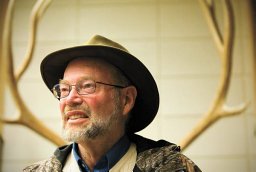 Edward O. Garton合作论文数University of Idaho;Department of Fish and Wildlife;Department of Fish and Wildlife, University of Idaho10
 Joel S. Ruprecht合作论文数Utah State Univ, Dept Wildland Resources, 5230 Old Main Hill, Logan, UT 84322 USA9
 Martin Vavra合作论文数9
 Haiganoush K. Preisler合作论文数Pacific Southwest Research Station, Forest Service, U.S. Department Of Agriculture9
 Smith Joshua B合作论文数8
 Tavis Donahue Forrester合作论文数8Lisa J. Bate合作论文数8
 Terrell Rich合作论文数8
 Martin Raphael合作论文数Pacific Northwest Research Station, United States Forest Service, United States Department of Agriculture7Joshua P. Averett合作论文数7Derek B. Spitz合作论文数Dept Fisheries & Wildlife, Univ Calif Santa Cruz7
 John Cook合作论文数7Catherine G. Parks合作论文数7Bruce G. Marcot合作论文数6
 L. Scott Mills合作论文数University of Montana6Wendel J. Hann合作论文数6
 John W. Kern合作论文数Spectrum Consulting Services, Inc.6Victoria A. Saab合作论文数USDA Forest Service6Jennifer M. Hafer合作论文数5
 Rachel Cook合作论文数Department of Forestry and Environmental Resources, North Carolina State University5
 Jeanne C. Chambers合作论文数Rocky Mountain Research Station, Forest Service, United States Department of Agriculture5
 Norman J. Cimon合作论文数5
 Lowell Suring合作论文数Forestry Sciences Laboratory, USDA Forest Service5Steven T. Knick合作论文数5daniel c lee合作论文数4Cara W. Meinke合作论文数4M. Vavra合作论文数4
 Burak K Pekin合作论文数Institute for Conservation Research, Purdue University4Robin J. Tausch合作论文数4Scott L. Findholt合作论文数4S. L. Findholt合作论文数4Torolf R. Torgersen合作论文数4
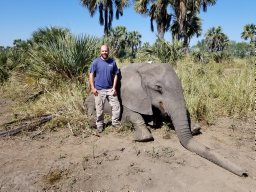 Ryan A. Long合作论文数Department of Biological Sciences, Idaho State University4
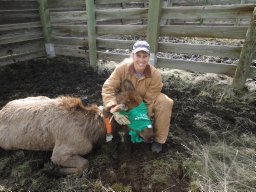 Kelley M. Stewart合作论文数Natural Resources and Environmental Sciences, University of Nevada Reno4Nathan J Jackson合作论文数3JG Cook合作论文数3
 Jennifer Merems合作论文数3




