OBJECTIVE:To assess whether in adults with dyslipidemia, statins reduce cardiovascular events, mortality, and adverse effects when compared to fibrates.METHODS:Systematic review and meta-analysis of head-to-head randomized trials of statin and fibrate monotherapy. MEDLINE, EMBASE, Cochrane, WHO International Controlled Trials Registry Platform, and ClinicalTrials.gov were searched through October 30, 2019. Trials that had a follow-up of at least 28 days, and reported mortality or a cardiovascular outcome of interest were eligible for inclusion. Efficacy outcomes were cardiovascular mortality and major cardiovascular events. Safety outcomes included myalgia, serious adverse effects, elevated serum creatinine, and elevated serum alanine aminotransferase. Odds ratios (OR) and 95% confidence intervals (CI) were estimated using the Mantel-Haenszel fixed-effect model, and heterogeneity was assessed using the I2 statistic.RESULTS:We included 19 eligible trials that directly compared statin and fibrate monotherapy and reported mortality or a cardiovascular event. Studies had a limited duration of follow-up (range 10 weeks to 2 years). We did not find any evidence of a difference between statins and fibrates for cardiovascular mortality (OR 2.35, 95% CI 0.94-5.86, I2 = 0%; ten studies, n = 2657; low certainty), major cardiovascular events (OR 1.15, 95% CI 0.80-1.65, I2 = 13%; 19 studies, n = 7619; low certainty), and myalgia (OR 1.32, 95% CI 0.95-1.83, I2 = 0%; ten studies, n = 6090; low certainty). Statins had less serious adverse effects (OR 0.57, 95% CI 0.36-0.91, I2 = 0%; nine studies, n = 3749; moderate certainty), less elevations in serum creatinine (OR 0.17, 95% CI 0.08-0.36, I2 = 0%; six studies, n = 2553; high certainty), and more elevations in alanine aminotransferase (OR 1.43, 95% CI 1.03-1.99, I2 = 44%; seven studies, n = 5225; low certainty).CONCLUSIONS:The eligible randomized trials of statins versus fibrates were designed to assess short-term lipid outcomes, making it difficult to have certainty about the direct comparative effect on cardiovascular outcomes and mortality. With the exception of myalgia, use of a statin appeared to have a lower incidence of adverse effects compared to use of a fibrate.
Drug-eluting stent (DES) design features, including strut thickness, can influence the biological response to percutaneous coronary intervention (PCI). Recent studies suggest the clinical superiority of an ultrathin strut (60 microns), biodegradable-polymer, sirolimus-eluting stent (Orsiro; Biotronik, Berlin, Germany) over a thin-strut (81 microns), permanent-polymer, everolimus-eluting stent (Xience; Abbott, Chicago, IL, USA) in ST elevation myocardial infarction (STEMI) patients undergoing PCI.
The presence of chronic kidney disease (CKD) amongst patients presenting with acute coronary syndromes (ACS) has been associated with worse outcomes, including higher rates of mortality and bleeding.
INTRODUCTION The risk of liver injury in patients with atrial fibrillation (AF) using nonvitamin K antagonist oral anticoagulants (NOACs) has not been previously examined using liver function tests as the primary outcome in the real-world setting. This study assessed the association between NOACs (dabigatran, rivaroxaban, and apixaban) and warfarin and the risk of liver injury, as defined by laboratory tests. METHODS Patients newly diagnosed with AF and prescribed NOACs or warfarin between 2010 and 2016, identified using the Hong Kong Clinical Database and Reporting System, were matched on age, sex, health status scores, comorbidities, and medications by propensity score on a 1:1 ratio. Risk of liver injury, defined as laboratory test values >3 times the upper limit of normal of alanine aminotransferase or aspartate aminotransferase and >2 times the upper limit of normal of total bilirubin, was compared between NOAC and warfarin users using Cox proportional hazards regression. RESULTS After propensity score matching, 13,698 patients were included, of which 141 (2.1%) NOAC users and 232 (3.4%) warfarin users developed liver injury. The hazard ratio (HR) for NOAC vs warfarin users was 0.71 (95% confidence interval: 0.58-0.89). When comparing individual NOACs, only dabigatran (hazard ratio: 0.63; 95% confidence interval: 0.48-0.82) was associated with a lower risk of liver injury. DISCUSSION Among patients with AF, NOACs as a group, and dabigatran alone were associated with a significantly lower risk of laboratory-based liver injury when compared with warfarin. However, liver injury occurs more frequently in real-world practice than in NOAC randomized controlled trials.
BACKGROUND:Dual antiplatelet therapy (DAPT) with aspirin plus clopidogrel is used for stroke prevention in patients with atrial fibrillation (AF) who refuse to take use oral anticoagulants (OACs). However, clinical data comparing these treatments are limited.OBJECTIVE:The purpose of this study was to compare the clinical outcomes between DAPT and OAC in patients with AF.METHODS:A cohort study using a population-wide database of the Hong Kong Hospital Authority was performed. New patients with AF from 2010-2014 who were prescribed DAPT or OAC (warfarin or dabigatran) were followed until July 31, 2016. Outcomes were thromboembolism, bleeding, and death. Propensity score (PS) matching at a ratio of 1:2 was used to select DAPT users with characteristics similar to those of OAC users, analyzed using Poisson regression.RESULTS:Among 51,946 new patients with AF, 8520 users of OAC and DAPT were identified. The likelihood of receiving DAPT over OAC increased with older age and previous intracranial hemorrhage. Among DAPT users, the incidences of thromboembolism, death, and bleeding per 100 patient-years were 15.8, 17.6, and 5.1, respectively. Compared to DAPT users, PS-matched analysis indicated a lower incidence of thromboembolism and/or death among OAC users (dabigatran: incidence rate ratio [IRR] 0.32; 95% confidence interval [CI] 0.19-0.55; warfarin: IRR 0.58; 95% CI 0.36-0.95), with no significant differences in bleeding events.CONCLUSION:DAPT users were at markedly increased risk for thromboembolism and death compared to OAC users. These findings indicate the need for improved stroke risk reduction strategies among patients taking DAPT and the opportunities for using OAC in high-risk groups to prevent additional events.
Background and aims: Clinical practice guidelines recommend specific statin doses for the primary and secondary prevention of cardiovascular disease. Little is known about how statin utilization and dosing have evolved over time in Hong Kong. The aim of this study was to describe trends in statin prevalence, initiation, and dosing from 2004 to 2015. Methods: Patients receiving public health services, who were prescribed a statin, were included if they received a lipid test at a single center (n=58,672). Using the territory-wide electronic health record, prescribed daily statin dose, nondaily dose frequency, and statin dose intensity were determined for statin prescriptions from 2004 to 2015. Statin prescription prevalence and initiation rates were estimated using the appropriate at-risk population in the hospital catchment area as the denominator. Prescribed daily doses were stratified by primary or secondary cardiovascular prevention status to assess changes in statin dosing over time. Results: The prescription prevalence of statins was higher in 2015 (8.68%; 95% CI, 8.60%-8.75%) as compared with 2004 (1.82%; 95% confidence interval [CI], 1.78%-1.86%). Initiation rates for new statin users increased from 2004 to 2013. High-intensity statins were infrequently prescribed. New users generally had higher statin initiation rates for primary prevention. There were small increases in the prescribed daily doses of statins. Nondaily statin dosing was infrequent (0.42% of all prescriptions). Conclusions: The prevalence and initiation of statin prescriptions increased in Hong Kong, and was in part driven by low-intensity statins for the primary prevention of cardiovascular disease.
Background Repeat hospitalizations for recurrent acute coronary syndrome (ACS) or unplanned revascularization after acute myocardial infarction (MI) are common, costly and potentially preventable. We aim to describe 10-year trends and identify independent risk factors of these repeat hospitalizations. Methods We analyzed data from 9615 patients from the Melbourne Interventional Group registry (2005-2014) who underwent percutaneous coronary intervention (PCI) for their index MI and survived to discharge. Patients with >= 1 hospitalization for recurrent ACS events and/or unplanned revascularization in the year after discharge were included in the recurrent coronary hospitalization group. We assessed yearly trends of recurrent coronary events and identified independent predictors using multivariate analysis. Results Recurrent coronary hospitalization occurred in 1175 (12.2%) patients. There was a significant decrease in the rate of recurrent ACS hospitalization (15.3%-7.6%, P for trend <.001) and unplanned revascularization (4.2%-2 1%, P for trend = .01), but not in all-cause re-hospitalizations (P for trend = .28). On multivariate analysis, female gender, diabetes mellitus, previous coronary bypass surgery, previous PCI, reduced ejection fraction, heart failure, multi-vessel coronary disease and obstructive sleep apnea were independent predictors of recurrent coronary hospitalizations (all P < .05). Conclusions Recurrent hospitalization for ACS or unplanned revascularization has decreased significantly over the past decade. Risk factors for such events are numerous and largely non-modifiable, however they identify a cohort of patients in whom non-culprit vessel PCI in multi-vessel disease, optimization of left ventricular dysfunction and diabetes management may improve outcomes.
Transcatheter aortic valve implantation (TAVI) is an effective intervention for severe aortic stenosis in patients at intermediate or high surgical risk, but damage to the native conduction system such as left bundle branch block (LBBB) may offset its benefits. New onset LBBB is associated with a higher risk of cardiovascular morbidity and mortality. His-bundle pacing (HBP) may be useful to treat TAVI-induced LBBB but has yet to be reported. We present the case of a 76-year-old man with severe symptomatic aortic stenosis treated with TAVI. His preoperative electrocardiogram showed sinus rhythm with a narrow QRS complex. Insertion of a CoreValve Evolut R transcatheter aortic valve was uneventful apart from the development of LBBB with a long PR interval. A dual-lead DDD pacemaker was implanted via the left cephalic vein on the following day. HV was mildly prolonged at 60 ms. Capture of the proximal His restored AV synchrony without correction of LBBB. Repositioning of the lead with capture of the left bundle branch enabled complete ventricular resynchronisation with a single lead. Our case demonstrates that LBBB in the setting of TAVI may be corrected by HBP.
A decrement in fluoroscopy time (FT) is one objective measure of competency in coronary angiography. Aims: To establish if a difference in FT exists between consultants and trainees, investigate if trainees have shorter FT with increasing seniority, compare transradial (TR) and transfemoral (TF) FTs of trainees, and determine a minimum number of TR cases to overcome the potential “learning curve”. Methods and Results: The total, TF and TR FTs in patients was assessed over four years. Cases were dichotomized to with trainee (trainee) or without trainee (consultant) present in the catherization laboratory. Complex cases were excluded. 1699 patients underwent diagnostic coronary angiography during the study period, where the trainee was present in 707 cases. Patients in the trainee cohort were older, but there was no other significant difference in demographics. The presence of a trainee resulted in longer FTs (6.0 versus 3.9 min, p<0.001). The median FT of trainees improved between their first and second fifty cases (6.5 mins vs 5.2 mins, p-value<0.0001). After the first 50 TR cases, median trainee TR FT fell within the IQR of consultants. Conclusion: Cardiology trainees have longer total, TF and TR fluoroscopy times compared to consultant cardiologists. However, these times improved with increasing experience.
Balloon aortic valvuloplasty (BAV) intervention is used as destination therapy or as a bridge to percutaneous or surgical aortic valve intervention. BAV is traditionally performed via a transfemoral approach; however, this may not be feasible in all patients due to peripheral vascular disease. We present a case of BAV performed via bilateral transradial access utilizing simultaneous deployment of two angioplasty balloons.
BACKGROUND Women with atrial fibrillation are at a higher risk of stroke, despite treatment with warfarin. It is unclear if women treated with direct oral anticoagulants (DOACs) have better clinical outcomes, especially when considering the quality of anticoagulation control of warfarin. OBJECTIVES This study compared the effectiveness and safety outcomes of DOACs versus warfarin in men and women with stratifications for anticoagulation control. METHODS Patients newly diagnosed with atrial fibrillation and prescribed oral anticoagulants during 2010 to 2015 were identified using the Hong Kong clinical database. Propensity score matching was performed in men and women separately. Further analysis was conducted to stratify warfarin users according to their anticoagulation control. Cox regression was used to compare the risk of ischemic stroke or systemic embolism, intracranial hemorrhage (ICH), gastrointestinal bleeding, and all-cause mortality in the specific sex. RESULTS There were 4,972 men and 4,834 women successfully matched in our cohort. Compared with warfarin, DOAC use was associated with a lower risk of ICH (hazard ratio [HR]: 0.16; 95% confidence interval [CI]: 0.06 to 0.40) and allcause mortality (HR: 0.55; 95% CI: 0.39 to 0.77) in women but not in men. The treatment by sex interaction was significant for ICH only, and a significantly lower risk of ICH remained in the DOAC group when compared with warfarin users with good anticoagulation control (HR: 0.13; 95% CI: 0.02 to 1.00) among women only. The risks of ischemic stroke or systemic embolism and gastrointestinal bleeding with DOACs versus warfarin were comparable in both sexes. CONCLUSIONS DOACs were associated with a lower risk of ICH and all-cause mortality in women only, where the association of lower ICH risk remained when compared with warfarin users with good anticoagulation control. (C) 2018 by the American College of Cardiology Foundation.
Background: Bioabsorbable vascular scaffolds (BVS) provide temporary drug-eluting vessel support and gradual resorption of the polymer backbone facilitating vessel healing without a permanent prosthesis following coronary intervention. Recent reports of late and very late scaffold thrombosis (VLScT) are emerging. We present a case of VLScT during the resorption period, at 32 months following implantation. Case: A 61-year-old Caucasian male presenting with unstable angina underwent implantation of a 3.0 × 18 mm Absorb BVS (Abbott Vascular) to the proximal LAD in May 2014 under guidance of the local Research, Ethics, Governance and Integrity unit with appropriate informed patient consent. Implantation technique was in accordance with the manufacturer's recommendations, including quantitative coronary angiography, careful lesion preparation and scaffold post-dilatation. Dual antiplatelet therapy (DAPT) was discontinued after 12 months, against medical advice. This patient re-presented in January 2017 with an anterior ST-elevation infarct, 32 months post implantation. After successful thrombolysis, repeat coronary angiography revealed severe in-segment restenosis. Optical coherence tomography demonstrated intraluminal thrombus, with significant variability in the extent of underlying scaffold resorption, neointimal thickness and luminal diameter. Management consisted of balloon angioplasty and DAPT, without further device implantation. Discussion: The pathophysiology of BVS thrombosis appears complex. Factors predisposing to thrombosis may include de novo or acquired strut malapposition or discontinuity, restenosis due to neointimal hyperplasia and/or negative remodelling, inflammation and neoatherosclerosis. This example illustrates the complex vascular response, risk of very late adverse outcomes and uncertainty of optimal target lesion revascularisation strategy with this novel device, and highlights the need for long-term clinical follow-up.
 Josep Rodés-Cabau合作论文数Institut universitaire de cardiologie et de pneumologie de Québec, Université Laval21
 Eric Dumont合作论文数19Daniel Doyle合作论文数16
 Robert de larochelliere合作论文数15
 Luis Nombela Franco合作论文数Unidad de Hemodinámica del Servicio de Cardiología, Hospital Universitario Ntra. Sra. del Rosario14Urena Marina合作论文数Quebec Heart and Lung Institute, Laval University14Mélanie Côté合作论文数Université Laval12D. Clark合作论文数10
 Andrew Ajani合作论文数Melbourne Private Hospital;Melbourne University;Monash University9
 Martin Sebastian合作论文数Abteilung für Hämatologie/Onkologie, Goethe University Frankfurt8
 Philippe Pibarot合作论文数Faculté Médecine, Université Laval;Centre de recherche de l'Institut universitaire de cardiologie et de pneumonie de Québec;Institut universitaire de cardiologie et de pneumologie de Québec – Université Laval8
 Melanie Freeman合作论文数Epworth Cardiac Sciences Clinical Institute;Eastern Health Clinical School8O. Farouque合作论文数7
 Ian C. K. Wong (黃志基)合作论文数Centre for Safe Medication Practice and Research, Department of Pharmacology and Pharmacy, LKS Faculty of Medicine, The University of Hong Kong;School of Pharmacy, University College London;Aston Pharmacy School, College of Health and Life Sciences, Aston University7
 Henrique B. Ribeiro合作论文数Instituto do Coração do Hospital das Clínicas da Faculdade de Medicina da Universidade de São Paulo6
 Esther W. Y. Chen (陳慧賢)合作论文数Department of Pharmacology and Pharmacy, Li Ka Shing Faculty of Medicine, The University of Hong Kong6Nick Andrianopoulos合作论文数6Rb Grieve合作论文数5C. Hiew合作论文数5
 Ricardo Allende合作论文数5
 Ignacio J. Amat Santos合作论文数Hospital Clínico Valladolid5
 John Webb合作论文数St Paul's Hospital, University of British Columbia;Department of Medicine, Faculty of Medicine, University of British Columbia5
 Christopher Reid合作论文数Curtin School of Population Health, Faculty of Health Sciences, Curtin University;School of Public Health and Preventive Medicine, Monash University;Centre of Cardiovascular Research & Education in Therapeutics, Monash University5Angela L Brennan合作论文数Monash University5Jacques Villeneuve合作论文数5A. Al-Fiadh合作论文数4A. Hutchison合作论文数4Louis Laflamme合作论文数4
 David Abraham合作论文数4
 Wallis Lau合作论文数School of Pharmacy, University College London4
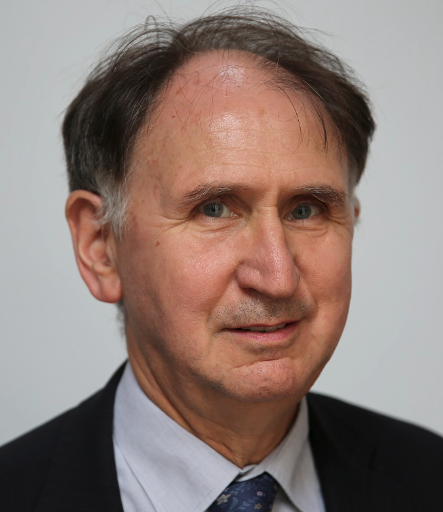 Stephen Duffy合作论文数Centre for Prevention, Detection and Diagnosis, Wolfson Institute of Population Health, Queen Mary University of London4DeLarochellière Hugo合作论文数4Pasian Sergio合作论文数4
 Ernesto Oqueli合作论文数Ballarat Heart Centre4Joseph E Blais合作论文数4Gishel New合作论文数4Kenneth J. Marians合作论文数4
 Jonathon A. Leipsic合作论文数Department of Radiology, University of British Columbia4C Jaworski合作论文数4Michel Rheault合作论文数3T. Y. Lee合作论文数3
 Kate Rankin合作论文数3B. Khialani合作论文数3Y. S. Chan合作论文数3T. Yip合作论文数3K. Y. Yip合作论文数3
 David Siu Chung Wah合作论文数Department of Medicine, Faculty of Engineering, The University of Hong Kong3Dinh Diem T合作论文数3Willson Alexander B合作论文数3




