OBJECTIVES:The 1st Global Consensus for Clinical Guidelines (GCCG) in Implant Dentistry introduced an innovative, evidence-based approach to developing patient-centered and practical recommendations for the rehabilitation of the edentulous maxilla. Within this framework, Group 1 aimed to formulate clinical recommendations on the number of implants required, timing of implant placement, and timing of loading. MATERIALS AND METHODS:Group 1 followed the S2k-level guideline framework of the Association of the Scientific Medical Societies in Germany (AWMF), using a structured nominal group technique. The evidence base included three systematic reviews evaluating clinician-reported outcomes (ClinROs) and patient-reported outcomes (PROs), supplemented by structured single-round international surveys involving expert clinicians, patients, and cross-disciplinary experts. Survey content covered diagnostics, treatment planning, clinical procedures, and maintenance care. Draft recommendations were discussed during the in-person consensus meeting in Boston (June 16-18, 2025) and finalized through anonymous plenary voting. Consensus was defined as ≥ 75% and ≤ 95% agreement and strong consensus as > 95% agreement. RESULTS:Group 1 formulated 12 clinical recommendations across the workflow domains of diagnostic tools, treatment planning, and treatment procedure. During plenary voting, three of these recommendations reached strong consensus, and nine achieved consensus. The number of voters per recommendation ranged from 61 to 90, with an average of 83. CONCLUSIONS:This consensus report provides structured, evidence-based recommendations on implant number, placement timing, and loading protocols for rehabilitation of the edentulous maxilla. These guidelines are intended to support individualized, patient-centered care while also identifying priority areas for future research.
AIM:To compare one-year prosthetic, technical, and esthetic outcomes of screw-retained, implant-supported all-ceramic single crowns placed on two-piece zirconia (ZrO2) versus titanium implants. MATERIALS AND METHODS:In this randomized, prospective, multicenter clinical trial, patients received screw-retained, implant-supported all-ceramic single crowns placed either on a two-piece zirconia implant with a titanium base connection or on a titanium implant with a conventional titanium base (implant diameters: 4.1 mm). Restoration survival and technical complications were systematically recorded. Peri-implant soft-tissue parameters, including plaque index (PI), papilla bleeding index (PBI), and papilla index (PaI), were assessed at baseline and at the one-year follow-up. Baseline was set at three weeks after crown insertion. Statistical analyses were performed using descriptive statistics. Chi-square tests were used to compare outcomes between the zirconia and titanium implant groups, with the level of significance set at p < 0.05. RESULTS:A total of 117 implants were restored, and 112 restorations were available for analysis after one year of function. Restoration survival was 100% in both the zirconia and titanium implant groups. No statistically significant differences were observed between groups with regard to overall technical complication rates. Veneered zirconia crowns exhibited significantly higher complication rates compared with monolithic restorations, irrespective of the supporting implant material. Peri-implant soft-tissue parameters, including PI, PBI, and PaI, did not differ significantly between groups. CONCLUSION:Within the limitations of this prospective randomized clinical trial, restorations supported by zirconia implants with a screw-retained titanium base connection demonstrated short-term clinical performance comparable to that of restorations placed on titanium implants. Both groups showed a 100% restoration survival rate, with no significant differences in technical complications or peri-implant soft-tissue parameters. These findings should be interpreted considering the one-year follow-up, the study design primarily powered to detect differences in marginal bone loss, and the exclusive use of regular-diameter implants. Overall, the results support the favorable short-term clinical performance at 1 year. TRIAL REGISTRATION:The study is registered at the German Clinical Trial Register (https://drks.de/search/de/trial/DRKS00013209) as well as at the Federal Office of Public Health's (FOPH) portal for human research in Switzerland (kofam.ch).
OBJECTIVES:To evaluate the clinical performance of two-piece zirconia implants with screw-retained abutments compared to titanium implants after 1 year of loading. MATERIALS AND METHODS:In this multicenter, prospective, randomized clinical trial, 61 two-piece zirconia and 61 titanium implants were placed and restored with single crowns. Evaluations were performed at implant placement, crown delivery, and 1-year post-loading. Peri-implant Marginal Bone Loss (MBL), survival rate, early wound healing index, and soft tissue parameters were assessed. Intergroup comparisons of continuous outcomes were performed using Linear Mixed-Effects Models accounting for center and potential confounders. Categorical variables were analyzed using the chi-square or Fisher's exact test. Survival was analyzed using Kaplan-Meier estimates. Significance was set at p < 0.05. RESULTS:No significant differences were found between the two implant types. Mean MBL from implantation to crown insertion was 1.10 ± 0.78 mm for titanium and 0.94 ± 0.67 mm for zirconia implants. No significant additional bone loss occurred over the subsequent year, with changes of 0.07 ± 0.55 mm and 0.08 ± 0.51 mm for titanium and zirconia, respectively. After 1 year, zirconia implants showed a 100% survival rate, while titanium implants showed 96.5% with two failures. At 1 year, differences in probing depths, plaque accumulation, and Papilla Bleeding Index were not statistically significant. CONCLUSION:After 1 year of loading, no statistically significant differences in MBL, implant survival, or peri-implant health were found between zirconia and titanium implants, indicating no clinical superiority. Zirconia implants may therefore be considered a viable alternative in single-tooth implant restorations. TRIAL REGISTRATION:The study is registered at the German Clinical Trial Register (No. DRKS 00013209) as well as at the Federal Office of Public Health's (FOPH) portal for human research in Switzerland (kofam.ch).
Background: This study examines the correlation between extreme weather events and acute endodontic treatment-related emergency visits (AET-related EVs). Methods: A total of 11,541 AET-related EVs at the Medical University Graz from January 2016 to August 2022 were analyzed using a distributed lag non-linear model. Extreme weather was defined as conditions beyond the 5th or 95th percentiles, and relative (RR) and cumulative risks (cRR) were assessed over 14 days. Results: High temperatures (>21 °C) increased AET-related EVs (cRR 1.41 [1.20–1.65], p < 0.001), while cold spells reduced cRR (0.81 [0.68–0.96], p = 0.014). Prolonged humidity around 65% raised cRR to 1.38 (1.21–1.59, p < 0.001). Heavy precipitation elevated cRR (1.24 [1.04–1.46], p = 0.016). Lower wind speeds were linked to a reduced cRR of EVs within four days following a single weather event (minimum of 0.86 [0.75–0.99], p = 0.032), and within four, seven and 14 days after prolonged low wind speeds (minimum of 0.69 [0.58–0.83], p < 0.001). Three-day low atmospheric pressure increased RR after seven days (1.04 [1.01–1.08], p = 0.014), while a single event reduced cRR by one day (0.78 [0.63–0.95], p = 0.016). Conclusions: Extreme weather events significantly influence AET-related EV rates, with various conditions affecting risk differently. Potentially causative pathophysiological mechanisms need to be researched.
AIM:To assess the potential benefit of using adjunct systemic antibiotics in surgical peri-implantitis treatment. MATERIALS AND METHODS:Six databases were searched (December 2024) for randomised/non-randomised clinical studies. After duplicate study selection, data extraction and risk-of-bias assessment, random-effects meta-analyses of odds ratios (ORs) or mean differences (MDs) and their 95% confidence intervals (CIs) were performed, followed by the analysis of certainty of evidence. RESULTS:Seven studies (three randomised and four non-randomised, comprising 595 patients and 1388 implants) were included. Systemic antibiotics were associated with greater short-term treatment success (n = 5; OR = 2.33; 95% CI: 1.29-4.21), bone gain (n = 4; MD = 0.37 mm; 95% CI: -0.68 to -0.07), increased bone level stability (n = 3; OR = 2.73; 95% CI: 1.50-4.99), reduced bleeding on probing (n = 6; OR = 0.49; 95% CI: 0.31-0.78), reduced suppuration on probing (n = 3; OR = 0.33; 95% CI: 0.18-0.61) and increased gingival recession (n = 3; MD = 0.18 mm; 95% CI: 0-0.36 mm) (p < 0.05). Systemic antibiotics seem to benefit only implants with modified surfaces (ORs: modified 4.10 vs. turned 0.79), and event that, without long-term benefits (≥ 3 years). Finally, one trial found that antibiotics probably increased diarrhoea risk. CONCLUSIONS:Evidence from randomised/non-randomised studies seems to indicate that systemic antibiotics benefit surgical peri-implantitis treatment, in the short term (1-2 years), especially for implants with a modified surface, while data on adverse effects is scarce. No substantial long-term benefits are seen (≥ 3 years). Uncertainty still exists regarding the potential benefit of systemic antibiotics as adjunct to surgical management of peri-implantitis.
Abstract Purpose Zirconia dental implants show excellent biocompatibility and tissue integration, low affinity for plaque, and favorable biomechanical properties. However, these objective measures do not adequately replicate the patient’s perception. This systematic review evaluated the evidence on patient-reported outcome (PROs) in zirconia dental implant treatment. Methods A systematic literature review was conducted following the PRISMA guidelines, utilizing six electronic databases, and supplemented by a manual search of relevant journals and websites to ensure a thorough and comprehensive screening process. The identified studies were subjected to preidentified inclusion criteria. Only controlled clinical trials published in English were considered without limitations on the year of publication. Data on the study characteristics (follow-up, survival rate (%), implant system, number of implants, and type of treatment), PROMs, level of evidence, and Methodological Index for Nonrandomized Studies (MINORS) Bias Score were extracted. Results The initial database and hand search yielded 596 articles; 189 were included in the title and abstract screening after excluding the duplicates. Eighteen articles were selected based on the inclusion criteria, among which six were excluded because they did not match the research question. Thus, the final selection comprised 12 articles. Most PROMs (aesthetics, speaking, comfort, chewing ability, and general satisfaction) at prosthetic delivery revealed significantly improved average scores than those at pretreatment. Conclusions Despite the respective limitations of the articles included in this systematic review, patients revealed high satisfaction levels with regard to zirconia dental implants. A high level of heterogeneity was observed among the instruments used for measuring the patient-reported outcomes in patients with zirconia implants, thus highlighting the need to develop specific PROMs in the future.
Introduction:Dental implantology has seen rapid technological advancements, with artificial intelligence (AI) increasingly integrated into diagnostic, planning, and surgical processes. The release of chat-generative pretrained transformer (ChatGPT) and its subsequent updates, including the deep research function, presents opportunities for AI-assisted systematic reviews. However, its efficacy compared to traditional manual research has not been researched. Materials and Methods:A systematic review was conducted on May 6, 2025, to evaluate recent innovations in dental implantology and AI. Two parallel searches were performed: one using ChatGPT 4.1's deep research tool in the PubMed database and another manual PubMed search by two independent reviewers. Both searches used identical keywords and Boolean operators targeting studies from 2020 to 2025. Inclusion criteria were peer-reviewed studies related to implant design, osseointegration, guided placement, and other predefined outcomes. Results:The manual search identified 124 articles, of which 23 met the inclusion criteria. ChatGPT retrieved 114 articles, selected 13 for inclusion, yet only included 11 in its synthesis. Two cited articles by the AI software were nonexistent, and numerous relevant studies were not retrieved, whereas the remaining articles were correct and found by manual search as well. ChatGPT had high specificity (98%) and low sensitivity (47.8%), with a statistically significant difference compared to manual search and selection. Discussion:AI tools like ChatGPT show promise in literature search, synthesis, and assistance, especially in improving readability and identifying trending topics in science. Nevertheless, the current state of deep research function lacks the reliability required for conducting systematic reviews due to issues such as made-up references and missed articles. The results highlight the need for human supervision and improved safeguards. Conclusions:ChatGPT's deep research function can support, but not replace manual systematic search and selection. It offers substantial benefits in writing support and preliminary synthesis due to acceptable accuracy, but limitations in reliability and low sensitivity (47.8%) require cautious use and transparent reporting of any AI involvement in scientific research.
OBJECTIVES:Despite many studies on patient-reported outcomes (PROs) in peri‑implantitis treatment, a comprehensive review is lacking. This systematic analysis aimed to evaluate PROs after surgical and nonsurgical treatments, with a focus on patient-reported outcome measures (PROMs). METHODS:This systematic review followed PRISMA and Cochrane guidelines, using the PICO framework to define eligibility: adults (≥18) needing peri‑implantitis treatment (non-surgical or surgical) with outcomes on patient satisfaction, quality of life, or other PROs. The protocol was registered at PROSPERO (ID: CRD42024585132). SOURCES:Systematic search was conducted in Cochrane Library, OVID Medline, Web of Science, Scopus, Embase, and Google Scholar, and complemented by manual search. STUDY SELECTION:Of the 5339 publications identified, 1674 titles and abstracts were screened, resulting in 25 full-text reviews. After resolving disagreements, 11 studies met the inclusion criteria. No significant differences were observed in the PROs before and after the nonsurgical treatments. Long-term PROs assessments (≥12 months) showed no significant differences among different surgical procedures. However, in the short term, three studies found that patients who received guided bone regeneration (GBR) experienced significantly higher pain and discomfort than did the controls (p < 0.05). In addition, one study reported a significant association between background characteristics (sex and employment) and the level of pain/discomfort following surgery. CONCLUSIONS:No significant differences in PROs were found between non-surgical and long-term surgical treatments before and after intervention. However, short-term data showed more pain with resorbable membranes in GBR procedures. The absence of validated PROMs for peri‑implantitis highlights the need for better tools to capture patient preferences. CLINICAL SIGNIFICANCE:This study highlights the variability in patient-reported outcomes (PROs) following nonsurgical and surgical periodontal treatments. While long-term outcomes showed no significant differences, short-term results suggest greater pain and discomfort with GBR surgery using resorbable membranes. Understanding these differences can help clinicians optimize treatment planning and patient counseling.
Objectives: Oral and maxillofacial trauma (OMFT) presents significant public health challenges, impacting individuals’ functional, aesthetic, and psychological well-being. While clinical and sociodemographic factors are well-documented, environmental influences remain underexplored. This review explores how social, physical, and familial factors are associated with the prevalence and severity of OMFT. Methods: A comprehensive literature search was performed across MEDLINE (PubMed), Scopus, Web of Science, Cochrane Library, Google Scholar, and Embase (Ovid), with no restrictions on publication date and limited to English-language articles. Study quality was assessed using the JBI tool for prevalence studies, categorising studies as high (≥70%), moderate (50–69%), or low quality (≤49%) based on the proportion of affirmative responses. Findings were synthesized using a narrative approach. Results: A total of 25 observational studies from 10 countries, published between 1982 and 2024, with sample sizes ranging from 731 to 55,858 participants, were included. The findings indicate that physical environments—particularly schools and homes—are common injury sites, while lower socioeconomic conditions of the area is associated with a higher prevalence of trauma. Additionally, supportive family environments correlate with reduced injury risk. All studies were rated as having a low risk of bias according to the JBI tool. Conclusions: By classifying environmental influences into physical, socioeconomic, and familial domains, this review highlights key areas where targeted interventions and preventive strategies can be most effective in the context of OMFT. Prevention and intervention strategies should focus on high-risk settings and vulnerable populations. Future research should further examine how social determinants mediate injury outcomes.
This prospective cohort study aimed to evaluate the clinical and radiographic outcomes of one-piece zirconia implants and compare them to those of titanium implants over a period of up to 108 months (85.3 ± 31.6 months). A total of 33 implants (22 zirconia/Ziterion Zit-Z® and 11 titanium/Ziterion Zit-T®) were placed in 32 patients (15 male, 17 female), all of whom required neither bone nor soft tissue augmentation. These implant systems are no longer commercially available. Radiographic bone levels, clinical peri-implant parameters, and implant survival were recorded for up to 108 months. Implant fractures were not observed. In the titanium group, two implant failures (18.2
In 2017, Europe implemented a ban on amalgam restorations for children aged <15 years and for pregnant/breastfeeding women, highlighting the need for alternative filling materials exhibiting less surface roughness and enhanced longevity. This in vitro study aimed to examine the surface roughness variations of five amalgam-replacement materials across three time points and using six finishing methods: (1) no finishing (control), (2) Arkansas burs, (3) diamond burs, (4) tungsten carbide burs, (5) SofLex discs in descending grit size, and (6) coarse SofLex discs combined with silicone polishing. We prepared 960 samples. Each material group, i.e., Cention Forte (CNF), DeltaFil (DLF), Ketac Universal (KTU), IonoStar Molar (ISM), and Equia Forte HT (EQF), comprised 60 samples (n = 10 per finishing method) created using standardized 3D-printed metal molds. Surface roughness (Sa) was measured immediately after finishing, after 30 days of storage in distilled water, and after thermocycling (5000 cycles) using a non-contact profilometer. The results indicate that conventional and hybrid glass-ionomer cements have smoother surfaces than high-viscosity GICs. The DLF and CNF groups exhibited stable outcomes. These findings underscore the importance of selecting appropriate finishing methods based on the restorative material to minimize surface roughness.
(1) Background: This study aimed to integrate an augmented reality (AR) image-guided surgery (IGS) system, based on preoperative cone beam computed tomography (CBCT) scans, into clinical practice. (2) Methods: In preclinical and clinical surgical setups, an AR-guided visualization system based on Microsoft’s HoloLens 2 was assessed for complex lower third molar (LTM) extractions. In this study, the system’s potential intraoperative feasibility and usability is described first. Preparation and operating times for each procedure were measured, as well as the system’s usability, using the System Usability Scale (SUS). (3) Results: A total of six LTMs (n = 6) were analyzed, two extracted from human cadaver head specimens (n = 2) and four from clinical patients (n = 4). The average preparation time was 166 ± 44 s, while the operation time averaged 21 ± 5.9 min. The overall mean SUS score was 79.1 ± 9.3. When analyzed separately, the usability score categorized the AR-guidance system as “good” in clinical patients and “best imaginable” in human cadaver head procedures. (4) Conclusions: This translational study analyzed the first successful and functionally stable application of the HoloLens technology for complex LTM extraction in clinical patients. Further research is needed to refine the technology’s integration into clinical practice to improve patient outcomes.
There are 500 million patients living with diabetes mellitus worldwide and 50
To date, studies have only investigated the use of platelet-rich fibrin (PRF) after removal of third molars from the mandible or maxilla. Removal of the upper and lower third molars is typically combined into one session per side; therefore, this study aimed to investigate influence on PRF. This prospective, single-blinded, randomized controlled, clinical trial (split-mouth design) included 25 patients. After third molar removal, the test group’s sockets were treated with solid PRF clots, whereas the control group’s sockets were conventionally treated. The primary outcome was swelling, which was measured digitally and analogously. Secondary outcomes included trismus, pus, hematoma, and clinical attachment loss (CAL) of the second molars on days 1, 3, 7, and 14. Patient-centered outcome measures and the consumption of painkillers and antibiotics were recorded on days 0–7. The t-test for paired samples, Wilcoxon test, and Chi-Square test were used for statistical analyses. Swelling was significantly lower on day 14 in the test group (p < 0.05). No statistically significant differences were observed in pain, trismus, and CAL. In the test group, the number of painkillers taken and the number of days of intake were significantly lower (p < 0.05). PRF caused a reduction of painkiller consumption and in the days painkillers were needed. PRF significantly considerably reduced swelling after 14 days. Owing to the lack of differences in other parameters, the integration of PRF application into routine wisdom tooth removal is critical. PRF affects the long-term outcomes of third molar removal by reducing swelling and reducing as well as shortening painkiller consumption. clinicaltrials.gov (NCT05089812).
Aims: There are 500 million patients living with diabetes mellitus worldwide and 50% of them remain undiagnosed. Routine periodontal probing provides gingival crevicular blood in patients with gingivitis. Gingival blood may be useful for diabetes screening without the need for any expensive, painful or time-consuming method by using convenient glucometers. Therefore, the objective of this systematic review and meta-analysis is to answer the question to “is there a difference in glucose or HbA1c levels (O) in patients with positive gingival bleeding (P) measured on gingival crevicular blood (GCB) (I) compared to finger prick capillary blood (CB) (C). Methods: The authors finalised an electronic search of six databases (MEDLINE, Cochrane Library, PsycINFO, Web of Science, Google Scholar and Scopus) using identical MeSH phrases in July, 2023. Only human clinical studies written in English without limitations on the year of publication were considered. Data extraction was done by using standardised data collection sheets. Risk of bias assessment was conducted using QUADAS-2 and QUADAS-C. Meta-analyses were carried out with the random effects model to aggregate the correlation coefficients and the difference between the means between gingival and capillary blood reading, using 95% confidence intervals. Results: The database and manual search yielded 268 articles, from which the selection procedure provided 36 articles for full-text screening, and the final pool of eligible articles composed of 23 studies with 1680 patients. Meta-analysis results on glycemic levels showed differences between the GCB and CB procedures in patients with and without diabetes with values of -6.80 [-17.35; 3.76] and −舁4.36 [-9.89; 1.18], respectively. Statistically significant correlations were found (p舁=舁0.001) between GCB and CB measurements in patients with (0.97 [0.927; 0.987]) and without diabetes (0.927[0.873; 0.958]). Conclusions: It was found that gingival crevicular blood could be used to measure blood glucose levels to identify patients with undiagnosed diabetes, if the necessary amount of uncontaminated gingival blood is present for a correct reading.
This study aims to evaluate the influence of the additional use of enamel matrix derivate (EMD) in the treatment of gingival recession defects using a coronally advanced flap (CAF) and a xenogeneic dermal matrix (XDM) by means of digital and clinical assessment methods. In this prospective randomized controlled study, recession height and area, width and thickness of keratinized gingiva, pocket probing depth, and clinical attachment levels were measured at the baseline and followed up for one year. Fifteen patients (n = 15) with 24 gingival recession defects were treated between 2019 and 2021. On average, the digitally assessed root coverage of the control group (CAF + XDM) was not significantly different compared to the test group (CAF + XDM + EMD), with 69 ± 28% and 36 ± 32%, respectively (p = 0.094). One year postoperatively, there were no differences found regarding keratinized tissue width (KTW) between the control group and test group (p = 0.690). However, the control group showed superior results in the thickness of keratinized gingiva (p = 0.044). The present study showed that there were no statistically significant differences in the root coverage results in the CAF + XDM + EMD group compared to the CAF + XDM group. The adjunctive use of EMD to a CAF and XDM in the treatment of gingival recession defects does not appear to have any clinical benefit.
Rehabilitation of the edentulous maxilla with implant-supported fixed dental prostheses can represent a significant clinical challenge due to limited bone availability and surgical access, among other factors. This review addresses several treatment options to replace missing teeth in posterior maxillary segments, namely the placement of standard implants in conjunction with maxillary sinus floor augmentation, short implants, tilted implants, and distal cantilever extensions. Pertinent technical information and a concise summary of relevant evidence on the reported outcomes of these different therapeutic approaches are presented, along with a set of clinical guidelines to facilitate decision-making processes and optimize the outcomes of therapy.
INTRODUCTION The aim of this study was to assess the students' experience with education during the COVID-19 pandemic, as well as to investigate their views moving forward after resumption of face-to-face education. MATERIALS AND METHODS A questionnaire was administered to dental students in clinical dental education at seven dental schools. The questionnaire included 33 items organized in three sections: (a) Demographics, (b) Perceptions/activity during lockdown, and (c) Perceptions/activity upon resumption of face-to-face teaching. RESULTS A total of 286 students from seven universities in Europe and Asia participated. Students' satisfaction with education during the pandemic varied among universities and ranged between 36%-80%, but students engaged in delivering emergency care had a significantly higher opinion (p = .001). Students who felt that their workload decreased, were commonly 24 years old or older (p = .015), male (p = .05) reported lower concentration and motivation, experienced a more severe disruption and valued lower the efforts of their universities to ensure the continuity of education (p = .009). The majority of the students (80.3%) felt confident to resume clinical training after the lockdown. In general, female students experienced a higher disruption of their education during the pandemic (p = .043) and expressed lower confidence to continue clinical training in comparison to their male colleagues (p = .001). CONCLUSION Students' perception of their workload during the COVID-19 lockdown was very diverse, with those experiencing a reduction in workload being more likely to express lower satisfaction as well. Female students experienced a higher level of disruption. Engaging students in the delivery of emergency care had a positive effect on their appreciation of the education.
OBJECTIVES:To assess in a prospective randomized trial two phycogenic bone substitutes-biphasic calcium phosphate (BCP) versus almost pure hydroxyapatite (HA)-for their volume stability and clinical implications after sinus floor elevation (SFE).MATERIALS AND METHODS:Twenty patients requiring lateral-window SFE 6 months prior to implant surgery were randomized to a BCP or HA group. As primary outcome, the grafts were analyzed for volume stability, using four cone-beam computed tomography scans obtained immediately/6/12/24 months after SFE. Secondary outcomes were implant survivval, success, periotest values, oral-health-related quality of life (OHIP-G14), and pain (VAS).RESULTS:Kolmogorov-Smirnov goodness-of-fit test revealed normal distribution of samples (p = .200). At 6/12/24 months, the augmented volumes decreased to 96/92/90% (HA) or 99/96/96% (BCP). Volume changes were significantly a factor of time (p < .001; generalized linear model with repeated measures) and reached significantly lower values in HA group (p = .018). Significant intergroup difference in volume losses was notable at 24 months (p = .021; t-test for independent samples). Periotest values decreased from -3/-4.1 (HA/BCP) after implant placement to -6.3/-4.5 (HA/BCP) after 6 months. OHIP scores diverged at 2 months (HA: 9.5; BCP: 5.2) and largely resolved by 24 months (HA: 1.3; BCP: 1.9). VAS scores were comparable, 2.2 at 1 week after SFE being their highest mean level.CONCLUSIONS:After 2 years, both groups experienced no biological or technical complications, demonstrating a consistent healing trajectory without notable symptoms. Although no significant differences were observed in implant stability and survival, BCP demonstrated higher volume stability than HA.
Objective: Computer-aided design (CAD) and computer-aided manufacturing (CAM) technology in dentistry has become noticeably more significant in recent years. The further development of CAD/ CAM systems has led to a broader range of applications, more user-friendly operation, and improved accessibility. The present online survey aimed to investigate CAD/CAM technology utilisation amongst Austrian dentists as the first social media pilot study from Europe on this specific topic. Materials and methods: For this purpose, an online survey consisting of 27 questions was created using Google Forms. The questions were divided into 3 sections: general inquiries, questions for CAD/CAM users, and questions for nonusers. The questionnaire was randomly distributed to Austrian dentists via email and social media. A total of 115 responses were submitted. Results: The vast majority of respondents, 52.6% (n = 60), practised as general dentists. Further-more, a significant proportion of participants specialised in oral surgery, 17.5% (n = 20), and orthodontics, 12.3% (n = 14). Approximately half of the respondents, 51.8% (n = 59), reported having a CAD/CAM device at their current workplace. Amongst the CAD/CAM users, 70.7% (n = 58) believed that CAD/CAM is important in increasing the number of patients visiting the dental practice. In total, 54.2% (n = 26) of nonusers indicated the high initial cost of purchasing a CAD/CAM device as the main reason for not utilising this technology. Conclusions: CAD/CAM technology appears to have infiltrated the workflow of Austrian den-tists with predictions of growing implementation amongst dental practices in the future. (c) 2022 The Authors. Published by Elsevier Inc. on behalf of FDI World Dental Federation. This is an open access article under the CC BY-NC-ND license (http://creativecommons.org/licenses/by-nc-nd/4.0/)
 Norbert Jakse合作论文数37
 Lorenzoni Martin合作论文数14
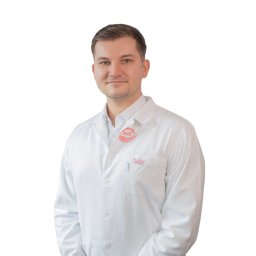 Daniel Vegh合作论文数Department of Prosthodontics, Semmelweis University13Wegscheider Walther合作论文数11
 Robert Kirmeier合作论文数9Irene Mischak合作论文数7Alwin Sokolowski合作论文数7
 Khaled Mukaddam合作论文数7
 Sebastian Kuhl合作论文数7Armin Sokolowski合作论文数6
 Herber Valentin合作论文数6
 Barbara Kirnbauer合作论文数6
 Martin Koller合作论文数6
 Andreas Filippi合作论文数University of Basle, University of Gießen6
 Ronald E. Jung合作论文数Clinic of Reconstructive Dentistry, Center of Dental Medicine, University of Zurich6Alexander Heschl合作论文数5Adam Vegh合作论文数5
 Dorottya Banyai合作论文数5Kerstin Theisen合作论文数5
 Omid Fakheran Esfahani合作论文数Dept Oral Hlth & Community Dent, Isfahan Univ Med Sci5
 Angelika Wildburger合作论文数5Hermann P合作论文数5
 Birgit Lohberger合作论文数5
 Christoph Hämmerle合作论文数Medizinische Fakultät, Universität Zürich;Center of Dental Medicine, University of Zurich;Dental Campus5
 Marcus Rieder合作论文数4Schmidlin Patrick R合作论文数4
 Karin Pekovits合作论文数4
 Stephan Acham合作论文数4
 Daniel S Thoma合作论文数4Astrid Truschnegg合作论文数4
 Stefan Bienz合作论文数4Bernhard Remschmidt合作论文数3Zita Biczo合作论文数3
 Behrouz Arefnia合作论文数3Jan Gaessler合作论文数3
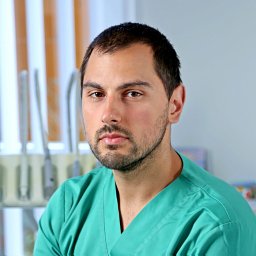 Sasa Marin合作论文数Div Oral Surg, Univ Banja Luka3g v arnetzl合作论文数3Márta Ujpál合作论文数3
 Antonoglou Georgios N合作论文数Institute of Dentistry, University of Oulu3
 Tomislav Ante Zrnc合作论文数University Hospital Basel, University of Basel3
 Jurgen Wallner合作论文数Department of Maxillofacial Surgery, Medical University of Graz3
 Heinz Hutter合作论文数3
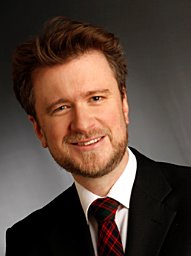 Andreas Leithner合作论文数Department of Orthopaedic Surgery, Medical University of Graz3
 Gottfried Dohr合作论文数Institute of Histology and Embryology;University of Graz;Institute of Histology and Embryology, University of Graz3Gernot Wimmer合作论文数3Christof Pertl合作论文数3
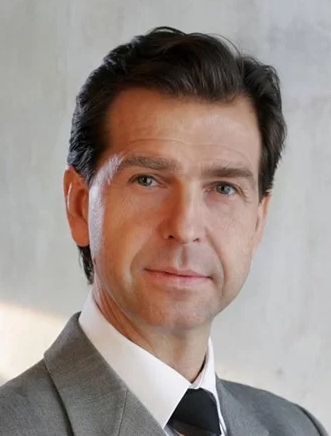 Reinhard Windhager合作论文数Department of Orthopaedic Surgery, Medical University of Vienna;Department of Orthopedics and Trauma Surgery, Medical University of Vienna;Orthopedics Department, Vienna General Hospital3Dorothea Dagassan-Berndt合作论文数3Beate Rinner合作论文数3




