This study benchmarks multiple data-driven methodologies for predicting relative density (RD) of 316 L stainless steel fabricated via Powder Bed Fusion–Laser Beam (PBF-LB), as part of the ESAFORM Benchmark 2025 AMDmodel initiative. Two datasets (DS-01 and DS-02), each with 256 specimens from a 4-factor, 4-level design of experiments, were produced on different PBF-LB systems equipped with equivalent in-situ infrared (IR) melt-pool pyrometry. Failed builds (RD = 60
Surface roughness in laser-based metal powder bed fusion (PBF-LB/M) plays a critical role in determining both functional performance and the quality of downstream manufacturing steps. This characterization requires extracting roughness from an areal height map, typically obtained using optical microscopy or contact profilometry. However, accurately extracting roughness from areal topography remains challenging due to non-planar surfaces, pronounced waviness, and the computational cost of conventional post-processing algorithms. This article presents a simple and computationally efficient method that isolates surface roughness from microscopy depth fields using singular value decomposition (SVD). The approach requires no pre-training and, on the datasets studied, surpasses existing ISO 25178-compliant filtering workflows in both accuracy and runtime.
This study investigates the stabilization of interlayer temperature in the laser powder bed fusion process through a novel switched layer-to-layer closed-loop feedback controller. The controller architecture aims to measure the interlayer temperature by a laterally positioned thermal camera and maintain a preset reference temperature by switching between the heating mode through dynamic laser power adjustment and the cooling mode by assigning interlayer dwell time to allow cooling between layers. The switching controller employs a feedback optimization control algorithm for the heating mode to adjust the laser power, and a triggering algorithm that increases the interlayer dwell time until the interlayer temperature reaches the reference value. Additionally, the study compares the performance of the proposed controller in both supported and unsupported overhanging parts to evaluate the effect of support structures on the controller performance as well as the thermal behavior of overhanging parts. Key results demonstrate the controller’s effectiveness in stabilizing interlayer temperature across varying cross-sectional areas while remaining within the material’s stable processing zone. In the heating mode, the controller efficiently tracks the reference temperature, even in geometries with significant cross-section variation. During cooling, the controller adjusts dwell times to enhance thermal control in overhanging sections. The controller’s robustness is further validated by its performance with unsupported parts, where the overheating effect is more pronounced, and in supported parts, where thermal conduction to the build plate is enhanced. The study also identifies trade-offs among process efficiency, energy consumption, and build time. Supported parts exhibit reduced overheating but consume more energy and material, while unsupported parts stabilize interlayer temperature faster but with longer build times due to increased dwell time assignments. This tradeoff is more than compensated by a reduction in post-processing effort. The research highlights notable improvements in interlayer temperature control for geometries prone to excessive thermal stresses. Moreover, the introduction of interlayer dwell time offers a practical solution to maintaining thermal stability in complex geometries.
Laser Powder Bed Fusion (LPBF) is a widely used additive manufacturing process that offers high precision and design flexibility but suffers from quality inconsistencies due to variations in layer thickness. Ensuring uniform layer thickness is critical, as deviations can lead to defects such as porosity and geometric distortion. Existing inspection methods rely on optical or thermographic imaging techniques that limit spatial and temporal resolution and require supervised machine learning techniques. This study introduces a novel self-supervised machine learning approach leveraging on-axis pyrometry data to infer local layer thickness variations during LPBF. A Temporal Convolutional Network (TCN) is trained using a unique data randomization technique to handle variable-length time-series signals. The model is designed to learn representations without requiring labelled data, addressing a key challenge in real-time process monitoring. Experimental validation was conducted using a controlled LPBF setup with varying layer thicknesses. The trained model successfully classified different thickness regimes and demonstrated the ability to capture process anomalies such as short-feeding or warping. Analysis using t-distributed stochastic neighbour embedding (t-SNE) revealed well-separated clusters for distinct layer thicknesses, validating the model's effectiveness. However, the sensor's resolution limited discrimination below 20 mu m, highlighting the need for sensor fusion strategies. Future work will focus on integrating additional data sources, such as acoustic emissions and photonic sensing, to improve resolution and extend the model's applicability to complex geometries and scan patterns. The proposed method provides a foundation for real-time LPBF quality control, enabling adaptive process optimization and defect prevention, paving the way for industrial-scale adoption of in-situ monitoring solutions.
Heterogeneous temperature distributions in additively manufactured metallic parts, particularly in laser powder bed fusion (PBF-LB/M), pose a major challenge to achieving high-quality components due to thermal distortions, microstructural inconsistencies, and shifts in the process window. This study introduces a physics-aware feedforward approach for regulating dwell time that effectively mitigates distortion in 3D-printed cantilevers by reducing thermal variations along the build direction. A fast, 1D finite volume method thermal simulation is employed to estimate the temperature profile throughout the build. The interlayer dwell time is dynamically adjusted based on a predefined thermal difference threshold between layers to minimize residual stresses and part deformation. Experimental validation on a cantilever beam geometry confirms that the adaptive dwell time strategy significantly reduces distortion compared to a constant dwell time approach. The proposed method enhances thermal stability while maintaining processing times, offering an efficient solution for distortion control in PBF-LB/M. These findings contribute to advancing process optimization strategies by integrating physics-based thermal modeling with feedforward control.
This study presents the design of a novel rotary PBF-LB/M machine where the recoater and gas system rotate synchronously with laser exposure. Unlike previous setups, the rotating nozzle covers only part of the powder bed, enabling higher localized gas velocities. CFD simulations indicate that a fine-mesh square grid improves flow uniformity with minimal powder disturbance. An angled recoater design supports stable rotary powder deposition. Trial builds, in-process measurements, and analyses of timing and powder efficiency demonstrate the system's effectiveness for annular parts, offering a significant speed advantage over rectilinear designs. (c) 2025 The Authors. Published by Elsevier Ltd on behalf of CIRP. This is an open access article under the CC BY license (http://creativecommons.org/licenses/by/4.0/)
Open-loop control of laser powder bed fusion (LPBF) additive manufacturing (AM) has enabled the production of complex, high-criticality parts for various industries. This method relies on static parameter sets from extensive experimentation and simulations, hoping they remain stable and defect-free in production. Closed-loop control of LPBF can further enhance process stability and reduce defects despite complex thermal histories, process noise, hardware drift, and unexpected perturbations. Controller performance depends on parameter tuning, traditionally a manual, expertise-driven process with no guarantee of optimal performance and limited transferability between systems. This study proposes Bayesian Optimization (BO) to automate in-layer controller tuning by leveraging LPBF's layer-to-layer repetitive nature. Two approaches are introduced: online tuning, adjusting parameters iteratively during the process, and offline tuning, conducted in a setup such as laser exposures on a bare metal plate. These methods are experimentally implemented on an in-layer PI controller, and the performance is investigated on two wedge geometries prone to overheating. Results show that BO effectively tunes controllers using either method, significantly reducing overheating in controlled wedge specimens compared to uncontrolled ones. This study presents the first printed parts controlled by an in-layer controller subjected to microstructural analysis. Findings reveal partial presence of lack-of-fusion porosities due to insufficient laser power assigned by the controller, highlighting a significant challenge for utilizing laser power controllers. In summary, BO presents a promising method for automatic in-layer controller tuning in LPBF, enhancing control precision and mitigating overheating in production parts.
The rapid advancements in additive manufacturing (AM) across different scales and material classes have enabled the creationof architected materials with highly tailored properties. Beyond geometric flexibility, multi-material AM further expands designpossibilities by combining materials with distinct characteristics. While machine learning has recently shown great potentialfor the fast inverse design of lattice structures, its application has largely been limited to single-material systems. In thiswork, we propose a novel approach that incorporates material properties as edge features within the graph representation ofmulti-material truss lattices, utilizing graph neural networks (GNNs) to develop a fast and efficient inverse design framework.We validate this framework by designing lattices with tunable thermal expansion and stiffness properties, showcasing its abilityto explore a broad and flexible design space. We showcase the framework’s inverse design capabilities for both single andmulti-objective optimization tasks and assess its limitations. Additionally, we demonstrate the superior capacity of GNNsin capturing structure-property relationships for multi-material systems. We anticipate that the continued advancement ofGNN-assisted inverse design will play a key role in unlocking the full potential of multi-material truss lattices.
This study addresses challenges in design and fabrication of thermally auxetic structures with zero thermal expansion (ZTE) using multi-material laser powder bed fusion. Planar 316L-CuCr1Zr lattices with re-entrant and triangular unit cells were designed, manufactured and tested. Introducing beam curvature as a new design parameter effectively reduces the coefficient of thermal expansion (CTE) compared to standard designs with straight struts. Curved beams act like non-linear springs and allow accommodating internal strains in the lattice. Despite the slight thermal expansion differences of CuCr1Zr and 316L, a curved-beam lattice is identified that mimics Invar's CTE up to 200 degrees C. (c) 2024 Published by Elsevier Ltd on behalf of CIRP.
Purpose For additive manufacturing (AM) through laser-based powder bed fusion of polymers (PBF-LB/P), accurate characterization of powder flowability is vital for achieving high-quality parts. However, accurately characterizing feedstock flowability presents challenges because of a lack of consensus on which tests to perform and the diverse forces and mechanisms involved. This study aims to undertake a thorough investigation into the flowability of eight feedstock materials for PBF-LB/P at different temperatures using various techniques. Design/methodology/approach For ambient temperature assessments, established metrics such as avalanche angle and Hausner ratio, along with the approximated flow function coefficient (FFCapp), are used. The study then focuses on the influence of elevated temperatures representative of in-process conditions. FFCapp and differential scanning calorimetry (DSC) are performed and analyzed, followed by a correlation analysis as a holistic approach to identify key aspects for flowability. Furthermore, two feedstock materials are compared with a previous study to connect the present findings to PBF-LB/P processing. Findings The study revealed intrinsic material properties such as mechanical softening near the melting point to become significant. This partially explains why certain powders with poor ambient temperature flowability are consistently demonstrated to produce high-quality parts. FFCapp and thermal characterization through DSC are identified as critical metrics for optimizing feedstock material characteristics across temperature ranges. Originality/value Previous studies emphasized specific characterizations of feedstock material at ambient temperature, presented a limited materials selection or focused on metrics such as shape factors. In contrast, this study addresses a partially understood aspect by examining the critical role of temperature in governing feedstock material flowability. It advocates for the inclusion of temperature variables in flowability analyses to closely resemble the PBF-LB/P process, which can be applied to material design, selection and process optimization.
Austenitization is significant for understanding the microstructure and residual stress evolution in additive manufacturing of non-austenitic steels. However, the accurate modeling of austenite transformation of additively manufactured parts is rarely reported. In this work, a new kinetic model is proposed to describe the diffusional austenitization of additively manufactured 17-4 PH martensitic stainless steel. The proposed kinetic model is based on the classic Johnson-Mehl-Avrami-Kolmogorov (JMAK) theory, and incorporates a new austenite grain growth model that accounts for the maximum austenite grain size and the effective driving force for growth. Experimental results obtained through dilatometry show that the proposed kinetic model is able to fit and predict the austenite transformation curves across a wide range of heating rates. This model accurately predicts the saturated austenite fraction by maximum austenite grain size and facilitates the understanding of the effect of heating rate on diffusional austenite transformation behavior. The findings imply that the drag force restricting the maximum austenite grain size originates from the initial martensitic microstructure. The transition from the diffusional austenitization to massive or displacive phase transformation at the heating rate of 100°C/s is identified for additively manufactured 17-4 PH martensitic stainless steel.
Copper contamination has a negative effect on the tensile properties of certain stainless steel grades due to a weakening of grain boundaries via liquid metal embrittlement. This is especially problematic given current trends in laser powder bed fusion (L-PBF) that elevate contamination risks, such as multi-material processing or the use of recycled materials. As such, it is critical to establish composition limits for use in standard specifications. This study investigates the changes in tensile properties and cracking behavior in stainless steel alloy 316L contaminated with copper alloy CuCr1Zr at concentrations of 0–10 particle percent (pt.
In laser powder bed fusion (LPBF), part quality and process conditions are highly dependent on the interlayer temperature (ILT) of the exposure surface of printed parts. State-of-the-art closed-loop control applications do not stabilize ILT, which has a decisive influence on the resulting part properties. This paper presents a closed-loop control strategy for LPBF that stabilizes the ILT. The thermal balance is defined with respect to exposure area change in overhanging parts and a control strategy is proposed to maintain the thermal balance by actuating energy input. The proposed control strategy uses an off-axis thermal camera for interlayer temperature acquisition to update the laser power layer to layer. An online optimization-based controller that leverages the repetitive nature of the LPBF process is implemented for the task. The developed controller is validated by experiments with different overhanging geometries. Successful ILT stabilization for various overhanging angles shows the robustness of the controller for an extended number of layers. However, modulation of laser power alone is shown to be insufficient to maintain the ILT within the stable processing window due to excessive heat accumulation in the long term. Nevertheless, the results of this study demonstrate the feasibility of ILT stabilization via of closed-loop control in LPBF and the potential for significant improvements in stabilizing the properties of the printed parts.
The aircraft engine industry manufactures many ring-like metal parts of large diameter but small cross-sectional area. Designers of these parts require increasingly complex geometries for improved aerodynamic efficiency and cooling while manufacturers of these parts require larger and faster equipment for high productivity and low cost. The combination of these industrial requirements inspired the development of a new Direct Metal Laser Melting (DMLM) architecture, reported here, which incorporates a rotating powder bed. The system coordinates the rotational motion of the powder bed with an ascending laser scanner and recoater to build parts in a helical fashion. A single-point powder feeder delivers metal powder near the inner radius of an annular build volume, and a recoater spreads the powder to the outer radius in a “snow plow” fashion. Because the recoater and laser scanner are installed at different angular positions, they operate independently and simultaneously. Encoder feedback from both the rotational stage and the galvanometers assures accuracy of the laser scan path. A prototype system was built to demonstrate this new concept for an aircraft engine combustor liner (600-mm dia. x 150-mm ht.) and showed continuous laser utilization exceeding 97%. Build rates were shown to triple conventional DMLM systems while powder requirements were decreased by more than 4x.
The aircraft engine industry manufactures many metal parts of large diameter, but small cross-sectional area. Designers of these parts require increasingly complex geometries for improved aerodynamic efficiency and cooling. The combination of large diameter and complex geometric features inspired the development of a new Direct Metal Laser Melting (DMLM) architecture with a rotating powder bed. The system coordinates the rotational motion of a powder bed with an ascending laser scanner and recoater to build in a helical fashion. A single-point powder feeder delivers metal powder near the inner radius of an annular build volume, and the recoater spreads the powder to the outer radius in a “snow plow” fashion. Because the recoater and laser scanner are installed at different angular positions, they operate independently and simultaneously. A prototype system was built to demonstrate this concept for an aircraft engine combustor liner (600-mm dia. x 150-mm ht.) and showed continuous laser utilization exceeding 97%.
OBJECTIVE:An improved understanding of mechanical impedance modulation in human joints would provide insights about the neuromechanics underlying functional movements. Experimental estimation of impedance requires specialized tools with highly reproducible perturbation dynamics and reliable measurement capabilities. This paper presents the design and mechanical characterization of the ETH Knee Perturbator: an actuated exoskeleton for perturbing the knee during gait.METHODS:A novel wearable perturbation device was developed based on specific experimental objectives. Bench-top tests validated the device's torque limiting capability and characterized the time delays of the on-board clutch. Further tests demonstrated the device's ability to perform system identification on passive loads with static initial conditions. Finally, the ability of the device to consistently perturb human gait was evaluated through a pilot study on three unimpaired subjects.RESULTS:The ETH Knee Perturbator is capable of identifying mass-spring systems within 15% accuracy, accounting for over 95% of the variance in the observed torque in 10 out of 16 cases. Five-degree extension and flexion perturbations were executed on human subjects with an onset timing precision of 2.52% of swing phase duration and a rise time of 36.5 ms.CONCLUSION:The ETH Knee Perturbator can deliver safe, precisely timed, and controlled perturbations, which is a prerequisite for the estimation of knee joint impedance during gait.SIGNIFICANCE:Tools such as this can enhance models of neuromuscular control, which may improve rehabilitative outcomes following impairments affecting gait and advance the design and control of assistive devices.
The capabilities of robotic gait assistive devices are ever increasing; however, their adoption outside of the lab is still limited. A critical barrier for the functionality of these devices are the still unknown mechanical properties of the human leg during dynamic conditions such as walking. We built a robotic knee exoskeleton to address this problem. Here, we present the effects of our device on the walking pattern of four subjects. We assessed the effects after a short period of acclimation as well as after a 1.5h walking protocol. We found that the knee exoskeleton decreased (towards extension) the peak hip extension and peak knee flexion of the leg with the exoskeleton, while minimally affecting the non-exoskeleton leg. Comparatively smaller changes occurred after prolonged walking. These results suggest that walking patterns attained after a few minutes of acclimation with a knee exoskeleton are stable for at least a couple of hours.
Accurate timing of interventions during the gait cycle are critical for optimal efficacy of assistive devices, e.g., to reduce the metabolic cost of walking. However, timing control generally relies on methods that can neither account for changes in the stride duration over time due to different walking speeds, nor reject isolated abnormal strides, which could be caused by stumbling or obstacle avoidance for example. In order to address these issues, a method, named the Gait Phase Estimator (GPE), is proposed to predict temporal gait events and stride duration. Predictions are based on the weighted forward moving-average of stride duration. Prediction performance in steady-state walking, robustness to stride disturbances, and adaptation to speed changes were evaluated in an experiment with three subjects walking on a treadmill at three different speeds. Results suggest that, on average, the GPE produces better predictions than a predefined estimate. On top, it automatically adapts to changes in speed, while offering the benefit of robustness to irregular strides unlike a conventional moving-average. Thus, the proposed GPE has the potential to improve and greatly simplify the process of obtaining stride duration estimates, which could benefit gait-assistive devices and experimental protocols.
Technological advancements have led to the development of numerous wearable robotic devices for the physical assistance and restoration of human locomotion. While many challenges remain with respect to the mechanical design of such devices, it is at least equally challenging and important to develop strategies to control them in concert with the intentions of the user. This work reviews the state-of-the-art techniques for controlling portable active lower limb prosthetic and orthotic (P/O) devices in the context of locomotive activities of daily living (ADL), and considers how these can be interfaced with the user’s sensory-motor control system. This review underscores the practical challenges and opportunities associated with P/O control, which can be used to accelerate future developments in this field. Furthermore, this work provides a classification scheme for the comparison of the various control strategies. As a novel contribution, a general framework for the control of portable gait-assistance devices is proposed. This framework accounts for the physical and informatic interactions between the controller, the user, the environment, and the mechanical device itself. Such a treatment of P/Os – not as independent devices, but as actors within an ecosystem – is suggested to be necessary to structure the next generation of intelligent and multifunctional controllers. Each element of the proposed framework is discussed with respect to the role that it plays in the assistance of locomotion, along with how its states can be sensed as inputs to the controller. The reviewed controllers are shown to fit within different levels of a hierarchical scheme, which loosely resembles the structure and functionality of the nominal human central nervous system (CNS). Active and passive safety mechanisms are considered to be central aspects underlying all of P/O design and control, and are shown to be critical for regulatory approval of such devices for real-world use. The works discussed herein provide evidence that, while we are getting ever closer, significant challenges still exist for the development of controllers for portable powered P/O devices that can seamlessly integrate with the user’s neuromusculoskeletal system and are practical for use in locomotive ADL.
 Markus Bambach合作论文数Department of Mechanical and Process Engineering, Eidgenössische Technische Hochschule Zürich11
 Roger Gassert合作论文数Rehabilitation Engineering Laboratory, ETH Zurich;Department of Health Sciences and Technology, ETH Zurich7
 Olivier Lambercy合作论文数National University of Singapore5Baris Kavas合作论文数4
 Efe C. Balta合作论文数Univ Michigan, Dept Mech Engn, Ann Arbor, MI 48109 USA4
 Shirota Camila合作论文数Department of Biomedical Engineering, Northwestern University3
 John Lygeros合作论文数Department of Information Technology and Electrical Engineering, ETH Zurich3michael evans graham合作论文数2Victor Ostroverkhov合作论文数2Justin Mamrak合作论文数2
 James Sulzer合作论文数Walker Department of Mechanical Engineering, Cockrell School of Engineering, University of Texas at Austin2Brian McCarthy合作论文数2
 Alisa Rupenyan-Vasileva合作论文数Automatic Control Laboratory, ETH Zürich2
 Younkoo Jeong合作论文数Dept. of Mech. Eng., Ohio State Univ.2
 Subhrajit Roychowdhury合作论文数Department of Electrical and Computer Engineering;University of Minnesota;Department of Electrical and Computer Engineering, University of Minnesota2
 Iason Sideris合作论文数1Yi Liu合作论文数1Kromer Robin合作论文数1Stefan Oliver Kanzig-Schrade合作论文数1Merve Nur Dogu合作论文数1
 Mohamadreza Afrasiabi合作论文数Institute of Machine Tools & Manufacturing, ETH Zürich1
 Cian Hughes合作论文数Sch Mech & Mfg Engn, Dublin City Univ1
 Francesco Sillani合作论文数Inspire, Innovat Ctr Addit Mfg Switzerland Icams1Sankhya Mohanty合作论文数Department of Mechanical Engineering, Technical University of Denmark (DTU),1
 José del R. Millán合作论文数Department of Neurology, Dell Medical School, The University of Texas at Austin;Department of Electrical and Computer Engineering, The University of Texas at Austin1
 Anna Pagel合作论文数1
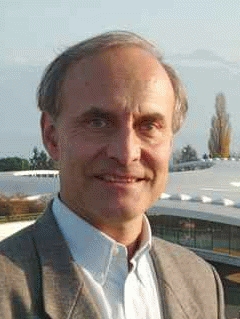 Hannes Bleuler合作论文数Ecole Polytechnique Federale de Lausanne1
 Zimmermann Raphael合作论文数Department of Biomedical Engineering, University of Minnesota1Kaspar Leuenberger合作论文数Rehabilitation Eng. Lab., ETH Zurich;c;Rehabilitation Eng. Lab., ETH Zurich1
 Jeremy Olivier合作论文数1
 Heike Vallery合作论文数Institute of Automatic Control, RWTH Aachen University;Department for Rehabilitation Medicine, Erasmus MC;Delft BioRobotics Lab, Department of BioMechanical Engineering, Faculty of Mechanical, Maritime and Materials Engineering, Delft University of Technology1
 Junhe Lian合作论文数Aalto University1Eanna Mccarthy合作论文数1
 Robert Riener合作论文数Department of Health Sciences and Technology, ETH Zürich1
 Anne Isabelle Mertens合作论文数PCIM, Université Catholique de Louvain1
 Junying Min (闵峻英)合作论文数School of Mechanical Engineering, Tongji University;Automotive Lightweight Laboratory, Tongji University1
 Kevin B. Fite合作论文数Department of Mechanical Engineering;Vanderbilt University;Department of Mechanical Engineering, Vanderbilt University1
 Bogdan Vigaru合作论文数Department of Urology, Johns Hopkins Medicine1
 Denis Schütz合作论文数Christian Doppler Laboratory for Advanced Ferroic Oxides, Graz University of Technology1
 Werner L. Popp合作论文数1
 Jean-Claude Metzger合作论文数1L. Deillon合作论文数1
 Mohamed Bouri合作论文数Laboratoire de Systemes Robotiques ( LSRO );Swiss Federal Institute of Technology;Laboratoire de Systemes Robotiques ( LSRO ), Swiss Federal Institute of Technology1
 Dermot Brabazon合作论文数School of Mechanical & Manufacturing Engineering, Dublin City University1




