Aim: Atypical teratoid rhabdoid tumor (ATRT) is a rare and highly aggressive primary CNS neoplasm, predominantly observed in children. The use of autologous stem cell transplantation (ASCT) in pediatric ATRT has shown promise; however, its utility in adult ATRT remains unclear. Patients & methods: This study presents the case of an adult patient with ATRT who is in remission after ASCT and reviews the literature on ASCT in adults with ATRT. Four cases of ATRT in adults who underwent ASCT were identified, with pertinent data summarized. Results: All five patients survived longer than the historical average survival rate, four of whom had no clinical or radiographic evidence of disease at the final follow-up. Conclusion: Based on limited data, there may be a role for ASCT in the treatment of adults with ATRT.
We conducted a phase I trial to determine the maximum tolerated dose (MTD) of clofarabine with high-dose busulfan followed by allogeneic stem cell transplantation (SCT) in patients with high-risk and refractory acute leukemia. Patients received intravenous busulfan 0.8 mg/kg every 6 h on days −6 to −3 and clofarabine 30–60 mg/m 2 per day on days −6 to −2. Graft-versus-host disease prophylaxis included sirolimus plus tacrolimus (days −2 to +180). A total of 15 patients, median age 48 (30–58) years, with acute leukemia that was relapsed and refractory ( n =8), primary refractory ( n =6), or in CR2 ( n =1), were treated at four clofarabine dose levels: 30 ( n =3), 40 ( n =3), 50 ( n =3) and 60 mg/m 2 per day ( n =6) with busulfan. All engrafted, and the MTD was not reached. Grades 3–4 non-hematological toxicities included vomiting ( n =3), mucositis ( n =9), hand-foot syndrome ( n =1), acute renal failure ( n =1) and reversible elevation of aspartate aminotransferase/alanine aminotransferase ( n =10). The 1-year event-free survival was 53% (95% confidence interval: 33–86%), and the 1-year overall survival was 60% (95% confidence interval: 40–91%). Given the good tolerability and promising results, we recommend clofarabine 60 mg/m 2 per day × 5 days as a phase II dose in combination with busulfan (12.8 mg per kg total dose) for further study as a myeloablative regimen for allogeneic SCT for high-risk acute leukemia.
2535 Background: rhIL-18, a potent immunomodulatory cytokine, has demonstrated anti-tumor activity in a variety of preclinical models. Clinical safety and biological activity were examined in a previous study of rhIL-18 administered in a single cycle at IV doses ranging from 3 - 1000 mcg/kg/day for 5 days. The current study examined the effects of administering repeated cycles, and the resulting PK exposure and PD biomarker response data, which are described below. Methods: Three cohorts of 3 patients each were enrolled (6 with melanoma and 3 with metastatic renal cell carcinoma), and received 100, 500, or 1000 mcg/kg doses of rhIL-18 (SB485232) administered as 2h infusions daily for 5 consecutive days every 28 days in repeated cycles (up to 6). Assessments included tolerability, immunogenicity, anti-tumor activity, PK, and biomarkers of immunomodulatory activity. PK and PD measurements were made on Days 1 and 5 of Cycles 1 and 2. Plasma drug concentrations were measured by ELISA. Cytokine/protein biomark...
 M. M. Dar合作论文数1J. Baute合作论文数1Angela M. Richardson合作论文数1L L Wood合作论文数1David R Jones合作论文数1Kathryn S Nevel合作论文数1
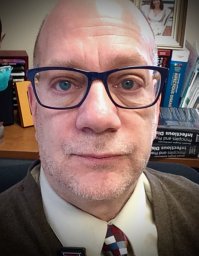 Mitchell Goldman合作论文数Div Infect Dis, Indiana Univ Sch Med1Elizabeth Cox合作论文数1Allen Stephen合作论文数1Diane Donegan合作论文数1S. Srivastava合作论文数1
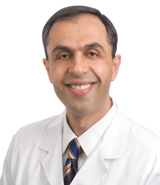 Aaron A. Cohen-Gadol合作论文数Goodman Campbell Brain and Spine, Indiana University1Robert P Nelson合作论文数1Robert Nelson合作论文数1A. Secrest合作论文数1
 Sherif S. Farag合作论文数School of Medicine, Indiana University1Barbara Bell合作论文数1Bryan Schneider合作论文数1Rafat Abonour合作论文数1
 Kevin M Koch合作论文数1Ayana Barbarin合作论文数1
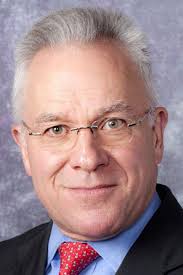 John M. Kirkwood合作论文数Division of Malignant Hematology and Medical Oncology, Department of Medicine, School of Medicine, University of Pittsburgh;Department of Pathology, School of Medicine, University of Pittsburgh1P. Godillot合作论文数1Kevin Shiue合作论文数1Jennifer Schwartz合作论文数1




