We examined past-year intimate partner violence (IPV), including psychological violence without physical/sexual violence, and health outcomes among people with HIV (PWH) in care in a multi-site U.S. cohort. Between 2016 and 2022, PWH reported 12-month psychological, physical, and sexual IPV in a routine assessment. We used linear and logistic regression models adjusted for age, race/ethnicity, and site to examine relationships with health outcomes. Among 9748 PWH (median age 50 years, 81
Antiretroviral therapy (ART) should be started as soon as possible after HIV diagnosis. Recommended starting ART regimens in patients with any baseline viral load include ictegravir plus tenofovir alafenamide (TAF)/emtricitabine (FTC), dolutegravir (DTG) plus abacavir/lamivudine, DTG plus TAF (or TDF)/FTC, or DTG plus 3TC. Initial laboratory evaluation includes CD4+ cell count, plasma HIV-1 RNA, and testing for HIV reverse transcriptase and protease resistance mutations. ART regimens do not need to be altered for virologic blips due to release of virus from chronically latently infected cells in patients otherwise exhibiting viral suppression. Patients with continuously undetectable viral load on ART pose virtually no risk of transmitting infection through sexual contact. This article is based on a case-based presentation by Michael S. Saag, MD, at the 2018 Clinical Conference at the National Ryan White Conference on HIV Care & Treatment in December 2018 and intended for clinicians who are new to HIV disease management.
Objectives A measure used for assessing the effectiveness of HIV care and comparing clinical centres is the proportion of people starting antiretroviral therapy ( ART ) with viral suppression ( VS ) after 1 year. We propose a method that adjusts for patients’ demographic characteristics, and visually compares this measure between different sites accounting for centre size. Methods We analysed viral load measurements for UK Collaborative HIV Cohort ( UK CHIC ) patients starting ART between 2006 and 2013. We used logistic regression to estimate the proportion with VS after 1 year of ART adjusted for patient mix (in terms of age and a combined gender/ethnicity/acquisition mode variable) and calendar year. We compared outcomes between centres using funnel plots which account for centre size. Results The overall proportion of the cohort with VS 1 year after starting ART was 90% and increased from 83% to 93% between 2006 and 2013. VS was lower in younger individuals. White men who have sex with men ( MSM ) had the highest (94%), and black African (81%) and white (82%) heterosexual women the lowest proportions achieving VS . Comparing the unadjusted funnel plot with the adjusted, there were movements of some centres from outside to inside the 95% contour limits, which was largely explained by the patient mix of these centres. Conclusions VS 1 year after ART start was associated with demographic characteristics and centre size; therefore, to compare the performances of centres, adjustment for these factors is required. Adjusted funnel plot is an effective tool which accounts for both the demographic characteristics and the centre size. Social factors, rather than treatment decisions within the control of the centres, may drive differences in outcomes.
Treatment guidelines recommend single-tablet regimens for patients with HIV infection starting antiretroviral therapy. These regimens might be as effective and cost less if taken as separate drugs. We assessed whether the one pill once a day combination of efavirenz, emtricitabine and tenofovir reduces the risk of disease progression compared with multiple-pill formulations of the same regimen.We selected treatment-naïve patients starting one-, two- or three-pill formulations of this regimen in data from the Antiretroviral Therapy Cohort Collaboration. These patients were followed until an AIDS event or death or until they modified their regimen. We analysed these data using Cox regression models, then used our models to predict the potential consequences of exposing a future population to either a one-pill regimen or a three-pill regimen.Among 11 739 treatment-naïve patients starting the regimen, there were 386 AIDS events and 87 deaths. Follow-up often ended when patients switched to the same regimen with fewer pills. After the first month, two pills rather than one was associated with an increase in the risk of AIDS or death [hazard ratio (HR) 1.39; 95% confidence interval (CI) 1.01-1.91], but three pills rather than two did not appreciably add to that increase (HR 1.19; 95% CI 0.84-1.68). We estimate that 77 patients would need to be exposed to a one-pill regimen rather than a three-pill regimen for 1 year to avoid one additional AIDS event or death.This particular single-tablet regimen is associated with a modest decrease in the risk of AIDS or death relative to multiple-pill formulations.
Importance The Second Universal Definition of Myocardial Infarction (MI) divides MIs into different types. Type 1 MIs result spontaneously from instability of atherosclerotic plaque, whereas type 2 MIs occur in the setting of a mismatch between oxygen demand and supply, as with severe hypotension. Type 2 MIs are uncommon in the general population, but their frequency in human immunodeficiency virus (HIV)–infected individuals is unknown. Objectives To characterize MIs, including type; identify causes of type 2 MIs; and compare demographic and clinical characteristics among HIV-infected individuals with type 1 vs type 2 MIs. Design, Setting, and Participants This longitudinal study identified potential MIs among patients with HIV receiving clinical care at 6 US sites from January 1, 1996, to March 1, 2014, using diagnoses and cardiac biomarkers recorded in the centralized data repository. Sites assembled deidentified packets, including physician notes and electrocardiograms, procedures, and clinical laboratory tests. Two physician experts adjudicated each event, categorizing each definite or probable MI as type 1 or type 2 and identifying the causes of type 2 MI. Main Outcomes and Measures The number and proportion of type 1 vs type 2 MIs, demographic and clinical characteristics among those with type 1 vs type 2 MIs, and the causes of type 2 MIs. Results Among 571 patients (median age, 49 years [interquartile range, 43-55 years]; 430 men and 141 women) with definite or probable MIs, 288 MIs (50.4%) were type 2 and 283 (49.6%) were type 1. In analyses of type 1 MIs, 79 patients who underwent cardiac interventions, such as coronary artery bypass graft surgery, were also included, totaling 362 patients. Sepsis or bacteremia (100 [34.7%]) and recent use of cocaine or other illicit drugs (39 [13.5%]) were the most common causes of type 2 MIs. A higher proportion of patients with type 2 MIs were younger than 40 years (47 of 288 [16.3%] vs 32 of 362 [8.8%]) and had lower current CD4 cell counts (median, 230 vs 383 cells/µL), lipid levels (mean [SD] total cholesterol level, 167 [63] vs 190 [54] mg/dL, and mean (SD) Framingham risk scores (8% [7%] vs 10% [8%]) than those with type 1 MIs or who underwent cardiac interventions. Conclusions and Relevance Approximately half of all MIs among HIV-infected individuals were type 2 MIs caused by heterogeneous clinical conditions, including sepsis or bacteremia and recent use of cocaine or other illicit drugs. Demographic characteristics and cardiovascular risk factors among those with type 1 and type 2 MIs differed, suggesting the need to specifically consider type among HIV-infected individuals to further understand MI outcomes and to guide prevention and treatment.
 Heidi M Crane合作论文数Department of Medicine, Division of Allergy & Infectious Diseases, University of Washington;School of Public Health, University of Washington18
 Mari M. Kitahata合作论文数Division of Allergy & Infectious Diseases, Department of Medicine, University of Washington;Center for AIDS Research, University of Washington10
 James Henry Willig合作论文数School of Medicine, University of Texas Southwestern9
 Mary E McCaul合作论文数Department of Psychiatry and Behavioral Sciences, Johns Hopkins University8
 Heidi E Hutton合作论文数Department of Otolaryngology-Head and Neck Surgery, School of Medicine, Johns Hopkins University8
 Greer A. Burkholder合作论文数Div Infect Dis, Univ Alabama Birmingham8
 Joseph J. Eron合作论文数Division of Infectious Diseases, Department of Medicine, School of Medical, University of North Carolina at Chapel Hill;Center for AIDS Research, University of North Carolina at Chapel Hill8
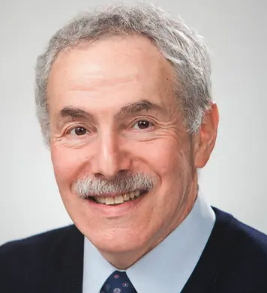 Kenneth Hugh Mayer合作论文数Brown University School of Medicine;Fenway Community Health Center, Inc.8G. Chander合作论文数8Rob J Fredericksen合作论文数7S. Boswell合作论文数6Daniel R Drozd合作论文数6
 Robin Nance合作论文数Department of Medicine, University of Washington;Vigil Neuroscience, Inc6
 Benigno Rodriguez合作论文数Sch Med, Case Western Reserve Univ5Christopoulos Katerina A合作论文数5
 Matthew J. Mimiaga合作论文数Department of Epidemiology, Fielding School of Public Health, University of California, Los Angeles;Department of Psychiatry & Biobehavioral Sciences, David Geffen School of Medicine, University of California, Los Angeles;Center for Lgbtq+ Advocacy, Research & Health, University of California, Los Angeles5
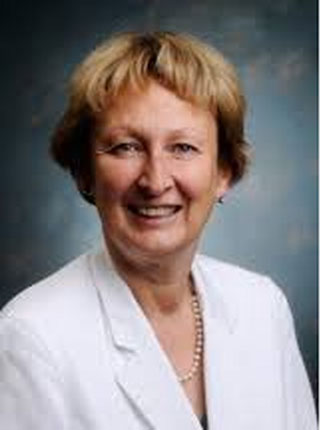 Beatrice H. Hahn合作论文数Department of Medicine, Perelman School of Medicine, University of Pennsylvania5
 Karen L. Cropsey合作论文数University of Alabama-Birmingham5
 Margaret May合作论文数University of Bristol5William G. Powderly合作论文数5K Squires合作论文数4
 Jonathan Sterne合作论文数Department of Population Health Sciences, Bristol Medical School, University of Bristol;Health Data Research UK South West Better Care Partnership;NIHR Bristol Biomedical Research Centre4
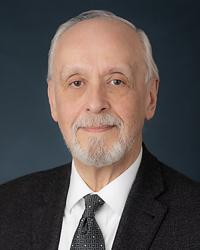 Richard D. Moore合作论文数Johns Hopkins University School of Medicine;Bloomberg School of Public Health, Johns Hopkins University;Johns Hopkins Hospital4Richard Haubrich合作论文数4
 Robert T. Schooley合作论文数School of Medicine, University of California, San Diego4
 Wm. Christopher Mathews合作论文数Department of Medicine, University of California4
 Sonia Napravnik合作论文数Department of Epidemiology, Gillings School of Global Public Health, University of North Carolina at Chapel Hill;Division of Infectious Diseases, Department of Medicine, School of Medicine, University of North Carolina at Chapel Hill;Retrovirus Research Center, School of Medicine, Universidad Central del Caribe4
 Michael Mugavero合作论文数Center for AIDS Research, School of Medicine, The University of Alabama at Birmingham;Center for Outcomes and Effectiveness Research and Education, General Clinical Research Center, The University of Alabama at Birmingham;Minority Health & Research Center, General Clinical Research Center, The University of Alabama at Birmingham;Center for Clinical and Translational Science, General Clinical Research Center, The University of Alabama at Birmingham;Department of Medicine, The University of Alabama at Birmingham;School of Public Health, The University of Alabama at Birmingham4
 Joseph (Chris) Delaney合作论文数Department of Epidemiology, School of Public Health, University of Washington;Division of General Internal Medicine, University of Washington4
 John Michael Kilby合作论文数4
 William B. Lober合作论文数Department of Global Health, University of Washington/Biomedical Informatics and Medical Education, University of Washington4M. M. Kitahata合作论文数3W. C. Matthews合作论文数3J. Merrill合作论文数3J Lifson合作论文数3S. Sun合作论文数3
 Bryan Lau合作论文数Epidemiology, Bloomberg School of Public Health, Johns Hopkins University3
 Antonella D'Arminio Monforte合作论文数Department of Health Sciences, Università degli Studi di Milano;ASST Santi Paolo e Carlo3
 Elvin H. Geng合作论文数Division of Infectious Diseases, John T. Milliken Department of Medicine, School of Medicine, Washington University in St. Louis;Center for Dissemination and Implementation, Institute for Public Health, Washington University in St. Louis3
 Jeffrey Curtis合作论文数Department of Computer Science, College of Arts and Sciences, The University of Alabama at Birmingham;Division of Clinical Immunology and Rheumatology, School of Medicine, The University of Alabama at Birmingham3
 Suzanne Ingle合作论文数3
 Peter Reiss合作论文数Department of Global Health, Amsterdam UMC, University of Amsterdam;Amsterdam Institute for Global Health and Development;Academic Medical Centre, University of Amsterdam3
 Robert Hogg合作论文数Faculty of Health Sciences, Simon Fraser University;BC Centre for Excellence in HIV/AIDS3William J. Matthews合作论文数3
 Martin Nowak合作论文数Department of Mathematics, Harvard University3
 Carol Mathews合作论文数Department of Psychiatry, College of Medicine, University of Florida3
 Gray D. Shaw合作论文数3Andrew O. Westfall合作论文数Department of Medicine (Division of Hematology/Oncology),, The University of Alabama at Birmingham3




