This Viewpoint explores the US Food and Drug Administration’s plan to approve leucovorin for patients with autism and the potential implications for evidentiary standards.
Background:. Microaggressions in healthcare are associated with higher rates of part-time employment and early retirement, exacerbating the surgeon workforce shortage. However, the direct impact on surgeon career has not been investigated. Methods:. This cross-sectional survey study evaluated career status and trajectory among American College of Surgeons (ACS) members who experienced workplace microaggressions. The survey was administered through the ACS Online Communities from November 2022 to January 2023. Primary outcomes were to characterize career impact and determine whether surgeons would choose a career in surgery again. Results:. Of 377 ACS survey respondents, 249 (66.0%) experienced workplace microaggressions with 143 (of 249, 57.4%) taking action. When a supervisor was the perpetrator, career impact included microaggression escalation (P < 0.001) and changing jobs with a demotion (P = 0.025). Women surgeons who took action against microaggressions were less likely to report resolution of the microaggression than men surgeons (12.9% vs 39.1%, P = 0.005). Retaliation and no employer response were more common for women (P = 0.047), younger surgeons (P = 0.031) and those in specific surgical subspecialties (P = 0.035). Surgeons who experienced microaggressions in 2 or 3 jobs (out of 2 or 3 jobs) (n = 122) were more likely to say they would not choose a career in surgery again (P = 0.003). Conclusions:. The professional role of the perpetrator directly impacted surgeon career trajectory, especially if the perpetrator was the supervisor. Addressing and mitigating workplace microaggressions could increase retention, and ensure access for patients who require surgical management.
BACKGROUND: In healthcare, microaggressions contribute to an unsafe and disruptive workplace for surgeons, leading to lower job satisfaction. Previous studies identified specific traits of targeted individuals. However, no studies describe perpetrator roles, the type of microaggressions, or whether and how workplace microaggressions are addressed. STUDY DESIGN: This was a cross-sectional survey study to assess surgeons' experiences with workplace microaggressions and whether and what type of action was taken to address them. Perpetrator roles included supervisors, surgeon colleagues, staff, trainees, and patients and families. Types of action included informal and formal reporting and directly confronting the perpetrator. Analyses include descriptive and chi-square statistics, t-tests, and bivariate logistic regression. RESULTS: Of 377 survey respondents, 249 (66.0%) experienced workplace microaggressions, with 143 (57.4%) respondents taking action. Supervisors and surgeon colleagues were the most frequent perpetrators (74.8% and 81.5%, respectively) and committed all types of microaggressions. The types of action taken differed by perpetrator role, with informal reporting and directly confronting the perpetrator being the most common. The occurrence of microaggressions increased with each job (58.7% in first job to 74.7% in third job, p < 0.001), but surgeons were less likely to take action (50.6% in first job to 11.5% in third job, p = 0.002). Surgeons who took action were less likely to say they would choose a career in surgery again (p = 0.024). CONCLUSIONS: Over half of the surgeons who experienced microaggressions took action through traditional institutional or professional mechanisms. Surgeons who took action against microaggressions endorsed career regret.
This Viewpoint examines the US Supreme Court’s decision in Harrington v Purdue Pharma and the ramifications it could have for public health and medicine.
Up to hundreds of billions of dollars are annually lost to fraud and abuse in the US health care, making it a significant burden on the system. This study investigates a specific instance of health care fraud in spine surgery, in which a medical device company ended up paying $75 million to settle violations of the False Claims Act. We review the surgical background regarding the kyphoplasty procedure, as well as its billing and reimbursement details. We also explore the official legal complaint brought by the US Department of Justice to tell the story of how one of the most significant medical innovations in spine surgery in the 21st century turned into a widespread fraudulent marketing scheme. In the sequence, we provide a detailed root cause analysis of this scandal and propose some proactive measures that can be taken to avoid such type of unfortunate events. Ultimately, this historical health care scandal constitutes a valuable lesson to surgeons, health care administrators, medical device companies, and policymakers on how misaligned incentives and subsequent unscrupulous practices can transform a medical innovation into an unfortunate tale of fraud and deceit.
BACKGROUND: Workplace microaggressions are a longstanding but understudied problem in the surgical specialties. Microaggressions in health care are linked to negative emotional and physical health outcomes and can contribute to burnout and suboptimal delivery of patient care. They also negatively impact recruitment, retention, and promotion, which often results in attrition. Further attrition at the time of an impending surgical workforce shortage risks compromising the delivery of health care to the diverse US population, and may jeopardize the financial stability of health care organizations. To date, studies on microaggressions have consisted of small focus groups comprising women faculty or trainees at a single institution. To our knowledge, there are no large, multiorganizational, gender-inclusive studies on microaggressions experienced by practicing surgeons. OBJECTIVE: This study aimed to examine the demographic and occupational characteristics of surgeons who do and do not report experiencing workplace microaggressions and whether these experiences would influence a decision to pursue a career in surgery again. STUDY DESIGN: We developed and internally validated a web-based survey to assess surgeon experiences with microaggressions and the associated sequelae. The survey was distributed through a convenience sample of 9 American College of Surgeons online Communities from November 2022 to January 2023. All American College of Surgeons Communities comprised members who had completed residency or fellowship training and had experience in the surgical workforce. The survey contained demographic, occupational, and validated micro- aggression items. Analyses include descriptive and chi-square statistics, t tests, and bivariable and multivariable logistic regression. RESULTS: The survey was completed by 377 American College of Surgeons members with the following characteristics: working as a surgeon (80.9%), non-Hispanic White (71.8%), general surgeons (71.0%), aged >= 50 years (67.4%), fellowship-trained (61.0%), and women (58.4%). A total of 254 (67.4%) respondents reported experiencing microaggressions. Younger surgeons (P=.002), women (P<.001), and fellowship-trained surgeons (P=.001) were more likely to report experiencing microaggressions than their counterparts. Surgeons working in academic medical centers or health care systems with teaching responsibilities were more likely to experience microaggressions than those in private practice (P<.01). Surgeons currently working as a surgeon or those who are unable to work reported more experience with micro- aggressions (P=.003). There was no difference in microaggressions experienced among respondents based on surgical specialty, race/ ethnicity, or whether the surgeons reported having a disability. In multi- variable logistic regression, women had higher odds of experiencing microaggressions compared with men (adjusted odds ratio, 15.9; 95% confidence interval, 7.7-32.8), and surgeons in private practice had significantly lower odds of experiencing microaggressions compared with surgeons in academic medicine (adjusted odds ratio, 0.3; 95% confidence interval, 0.1-0.8) or in health care systems with teaching responsibilities (adjusted odds ratio, 0.2; 95% confidence interval, 0.1-0.6). Among surgeons responding to an online survey, respondents reporting micro- aggressions were less likely to say that they would choose a career in surgery again (P<.001). CONCLUSION: Surgeons reporting experience with microaggressions represent a diverse range of surgical specialties and subspecialties. With the continued expansion of surgeon gender and race/ethnicity representation, deliberate efforts to address and eliminate workplace micro- aggressions could have broad implications for improving recruitment and retention of surgeons.
The Supreme Court's 2022 decision in Dobbs v. Jackson Women's Health Organization was a pivotal moment that reshaped the landscape of abortion policy and delivery of abortion care in the United States. To create a space for critical reflection on the implications of Dobbs for the teaching and learning of abortion care in both medical and legal education, the authors engage in a dialogue highlighting the varied perspectives of professionals and professionals-in-training in both the medical and legal professions. As new attacks on reproductive autonomy continue at both state and federal levels, we foreshadow a tumultuous landscape for abortion policy in the next several decades and describe the impact and ramifications of widespread restrictions on abortion care at all levels of medical training and practice; collaboration between physicians and attorneys will be essential to forge a path ahead.
This Viewpoint discusses the Alabama Supreme Court's opinion on in vitro fertilization and how it plays into a larger push for fetal and embryonic personhood.
Deja Vu All Over Again The federal government's initial response to H5N1 avian influenza suggests that elected officials and other key decision makers may not be heeding the lessons from Covid-19.
Approximately 30 per cent of Americans-including 40 per cent of adults aged 18-34-have at least one tattoo. 1Tattoo ink, however, poses several health-related concerns. 2Heavy metals found in inks-including cadmium, lead, mercury, antimony, beryllium, and arsenic-have been shown to cause cancer, degenerative brain diseases, and cardiovascular and endocrine abnormalities. 3 The FDA notes that the risks involved with the application of tattoos include injection and removal problems, allergic reactions, granulomas, keloid formation, and MRI complications. 1 Tattoo needles typically go 1-2 mm into the skin to permanently suspend the ink in the matrix of the dermis.The immune system tries to clear the ink from the body; unable to do so, the ink remains stored in white blood cells until cell death, when the ink is again released into the dermal matrix and the process starts over.White blood cells can also carry ink throughout the body-tattoo ink has been found in lymph nodes and in some cases has mimicked malignancy and made staging of cancer more difficult. 4 In this Essay, we argue that greater regulatory oversight is urgently needed.Standardization and consistency in the manufacturing and use of tattoo ink would protect consumers from exposure to unknown ingredients that may cause allergic reactions, infection, or other serious illnesses.
Orphan Drugs and Priorities for the Future By many measures, the Orphan Drug Act has been a resounding success. Yet many rare diseases still lack treatments, and some manufacturers have used the law in ways that diverge from its original intent.
This Viewpoint discusses recent US court decisions on the availability of mifepristone, a drug used to terminate pregnancies, and how these conflicting court decisions affect the scientific process and decision-making of the US Food and Drug Administration.
Sinha, Michael S. MD, JD, MPH1; Dzara, Kristina PhD, MMSc2; Mueller, Stephanie K. MD, MPH3 Author Information
 Aaron Seth Kesselheim合作论文数Solomon Center for Health Law & Policy, Yale Law School;Department of Health Policy and Management, Harvard T.H. Chan School of Public Health;Center for Bioethics, Harvard Medical School;Petrie-Flom Center for Health Law Policy, Biotechnology, and Bioethics, Harvard Law School;Division of Pharmacoepidemiology and Pharmacoeconomics, Department of Medicine, Brigham and Women’s Hospital;Brigham and Women's Faulkner Hospital24
 Peter Sorger合作论文数Department of Systems Biology, Harvard Medical School;Laboratory of Systems Pharmacology, Harvard Medical School9
 Helen Yang合作论文数Harvard Med Sch, Harvard MIT Ctr Regulatory Sci8
 Deborah Plana合作论文数Dept Syst Biol, Harvard Med Sch7
 Yu Sherry H合作论文数7Nicole R. Leboeuf合作论文数Dana Farber Cancer Institute/Brigham and Women's Hospital, Harvard Medical School7
 Pringl Miller Md合作论文数5
 Avilash Cramer合作论文数Division of Health Sciences and Technology, MIT5
 Deborah Jean Verran合作论文数Australian National Liver Transplant Unit, Royal Prince Alfred Hospital5Jacob Freake合作论文数Fikst Product Development, Woburn, MA, United States.4
 Christine A. Heisler合作论文数4Enze Tian合作论文数4
 Florence Bourgeois合作论文数Boston Children's Hospital;Harvard Medical School4
 Ameet Sarpatwari合作论文数Harvard T.H. Chan School of Public Health, Harvard University4
 Ju Li (李巨)合作论文数Department of Materials Science & Engineering, Massachusetts Institute of Technology;Department of Nuclear Science and Engineering, Massachusetts Institute of Technology4
 Aaron Daniel合作论文数Laboratory for Molecular Medicine, Partners HealthCare Center for Personalized Molecular Medicine, Cambridge, Massachusetts, USA.4
 Jerry Avorn合作论文数Division of Pharmacoepidemiology and Pharmacoeconomics, Department of Medicine, Brigham and Women’s Hospital;Harvard Medical School4
 Jinhan Mo (莫金汉)合作论文数College of Civil and Transportation Engineering, Shenzhen University4Brian M. Lappin合作论文数3Christopher Van合作论文数3
 Timo Minssen合作论文数Faculty of Law, University of Copenhagen3Gerald J Dal Pan合作论文数3Amy Godecker合作论文数3Mary M Carmack合作论文数3
 Emily H Jung合作论文数Winship Canc Inst, Emory Univ3
 Thomas J Hwang合作论文数Brigham and Women's Hospital;Harvard Medical School3Rausch Paula合作论文数3Zhou Esther H合作论文数3Wendy E. Parmet合作论文数3
 Julie K. Silver合作论文数Harvard Medical School, Boston, MA, USA3Amber Fannin合作论文数2Minjune Kim合作论文数2David Krikorian合作论文数2Heather Manning合作论文数2Richard Oakley合作论文数2Leanne Smith合作论文数2David Turner合作论文数2
 Leo Beletsky合作论文数2
 Sven Bostyn合作论文数2
 Marc-Joseph Antonini合作论文数Research Laboratory of Electronics, Massachusetts Institute of Technology2Ana Santos Rutschman合作论文数2Edward W. Boyer合作论文数2
 Rajiv Gupta合作论文数Massachusetts Gen Hosp, Dept Radiol, Boston, MA 02114 USA2
 Lyla Atta合作论文数Johns Hopkins Univ, Dept Biomed Engn, Baltimore, MD 21218 USA2Frazer A Tessema合作论文数Dept Med, Brigham & Womens Hosp2
 Chintan Dave合作论文数Ctr Pharmacoepidemiol & Treatment Sci, Rutgers State Univ2
 Clark Freifeld合作论文数Boston Childrens Hosp, Childrens Hosp Informat Program2
 Michael A. Carrier合作论文数School of Law-Camden, Rutgers University2
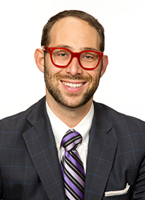 I. Glenn Cohen合作论文数Petrie-Flom Center for Health Law Policy, Biotechnology & Bioethics, Harvard Law School, Harvard University;Center for Bioethics, Harvard Medical School2




