Sulindac, a nonsteroidal anti-inflammatory drug (NSAID), induces growth arrest in HeLa cells and causes strong inhibition of the G1 to S transition of the cell cycle in a concentration-dependent manner. The G1 arrest is preceded by suppression of cyclin E and A, inactivation of cdk2, and the complete loss of the viral oncoprotein E7, despite ongoing HPV transcription. As shown by inhibitors specific for cyclooxygenase (COX) 1 and 2 loss of E7 is COX-independent. Moreover, inhibition of the proteasome activity with MG132 partially blocked the ability of sulindac to suppress E7 suggesting that sulindac induces degradation of E7 by the proteasomal pathway. In addition to inhibiting growth, sulindac strongly induces apoptosis, which can be abrogated by using the general caspase inhibitor zVAD-fmk. Unchanged expression of the pro-apoptotic protein Bax and suppression of the anti-apoptotic molecules Bcl-2 and Bcl-xL argues for the engagement of the mitochondrial apoptotic pathway. These results support the notion that sulindac is a potent growth inhibitor and inducer of apoptosis on cervical cancer cells in vitro and may offer new perspectives as a chemopreventive or supplementary anti-cervical cancer drug.
Histone deacetylase (HDAC) inhibitors induce an intrinsic type of apoptosis in human papillomavirus (HPV)-positive cells by disrupting the mitochondrial transmembrane potential (deltapsim). Loss of deltapsim was only detected in E7, but not in E6 oncogene-expressing cells. HDAC inhibition led to a time-dependent degradation of the pocket proteins pRb, p107 and p130, releasing 'free' E2F-1 following initial G1 arrest. Inhibition of proteasomal proteolysis, but not of caspase activity rescued pRb from degradation and functionally restored its inhibitory effect on the cyclin E gene, known to be suppressed by pRb-E2F-1 in conjunction with HDAC1. Using siRNA targeted against p53, E2F-1 still triggered apoptosis by inducing the E2F-responsive proapoptotic alpha- and beta-isoforms of p73. These data may determine future therapeutic strategies in which HDAC inhibitors can effectively eliminate HPV-positive cells by an apoptotic route that does not rely on the reactivation of the 'classical' p53 pathway through a preceding shut-off of viral gene expression.
The linear independence constraint qualifications (LICQ) plays an important role in the analysis of mathematical programs with complementarity constraints (MPCCs) and is a vital ingredient to convergence analyses of SQP-type or smoothing methods, cf., e.g., Fukushima and Pang (1999), Luo et al. (1996), Scholtes and Stöhr (1999), Scholtes (2001), Stöhr (2000). We will argue in this paper that LICQ is not a particularly stringent assumption for MPCCs. Our arguments are based on an extension of Jongen's (1977) genericity analysis to MPCCs. His definitions of nondegenerate critical points and regular programs extend naturally to MPCCs and his genericity results generalize straightforwardly to MPCCs in standard form. An extension is not as straightforward for MPCCs with the particular structure induced by lower-level stationarity conditions for variational inequalities or optimization problems. We show that LICQ remains a generic property for this class of MPCCs.
The project presented addresses the strategic topic of providing drinking and irrigation water through seawater desalination via a very energy-efficient and cost-competitive submarine technology. In conventional surface based industrial desalination plants applying the reverse osmosis (RO) technology, the freshwater flow behind the membranes is approximately 20–45% of the inlet seawater flow, depending on membrane type and characteristics. The resulting brine is disposed off into the sea. While state-of-the-art RO installations generate the required pressure with seawater resistant high-pressure pumps, the innovative submarine approach uses seawater hydrostatic pressure. The desalinated water, produced at about atmospheric pressure and collected in a submarine tank at the same working depth, is pumped to the sea surface. This approach saves about 50% of the electricity consumption with respect to an efficient conventional RO plant (about 2–2.5 kWh/m3) since only the outlet desalinated water is pumped instead of the inlet seawater, thus reducing the pumping flow rate by 55–80%. It avoids the pretreatment of the inlet seawater, therefore saving costs for chemicals and equipment.
We study theoretical and computational aspects of an exact penalization approach to mathematical programs with equilibrium constraints (MPECs). In the first part, we prove that a Mangasarian--Fromovitz-type condition ensures the existence of a stable local error bound at the root of a real-valued nonnegative piecewise smooth function. A specification to nonsmooth formulations of equilibrium constraints, e.g., complementarity conditions or normal equations, provides conditions which guarantee the existence of a nonsmooth exact penalty function for MPECs. In the second part, we study a trust region minimization method for a class of composite nonsmooth functions which comprises exact penalty functions arising from MPECs. We prove a global convergence result for the general method and incorporate a penalty update rule. A further specification results in an SQP trust region method for MPECs based on an \(\ell_1\) penalty function.
Air quality in modem EU cities is greatly affected by transport emissions, which represent one of the greatest problems to deal with. In particular, in 1995, within the urban environment, transports can be considered responsible for approximately 80 % of particulate matter (dust), 60 % of CO emissions, 70 % of NOx emissions, and a great part of total VOC and particularly benzene emissions. A general trend of recent research on modern engines is to move towards a combustion that is as lean as possible. ECOSPRINTER is an innovative low cost very effective device capable to reduce pollutant emissions from transport systems, allowing a very lean combustion. This particular device is based on a temporary effect created in the fuel in presence of an electromagnetic field: when the "energised" fuel is fed into the engine an improvement of engine performance and a consistent emission reduction are found. The ECOSPRINTER has also the important characteristic of being independent with respect to the fuel type: therefore, it can be easily installed on both gasoline and diesel vehicles. ECOSPRINTER has already been preliminarily tested by several independent laboratories: these trials were rather successful, especially in terms of CO, HC and particulate matter reduction. The low cost of the present device, its simplicity and limited dimensions make it extremely suitable for retrofitting existing vehicles, especially for public transportation.
Two cell lines derived from a lung metastasis of a rat osteosarcoma were treated with cisplatin (CDDP) and two phosphonic acid compounds (AMDP, DADP), AMDP-treated cells showed a decrease in FDG uptake, CDDP and DADP resulted in an increase. A block in G2 or in S and G2 phase was seen after CDDP and AMDP treatment. The changes in the cell cycle fractions were not related to the changes in FDG uptake. Furthermore, the transcription of the glucose transporter and hexokinase genes were elevated in CDDP and decreased in AMDP treated cells. However, the changes in FDG uptake were not fully explained by changes at the transcriptional level. The total uptake of thymidine was elevated although the incorporation of thymidine into DNA decreased. In both cell lines the changes in FDG uptake correlated with the changes in thymidine incorporation into DNA (r = 0.95 and r = 0.83, respectively). Cells with an increased FDG uptake showed a weaker growth inhibition than cells with a decrease in FDG uptake.
Lectures and presentations at the 1992 Heidelberg Cytometry Symposium reflected a rapidly growing research field with widespread activities that cover daily routine diagnosis as well as investigations at the molecular level and the diagnosis of genetic alterations. Both flow and image cytometry and their impact on quantitative cytology were backed and combined with new approaches (i.e. magnetic cell sorting) that enable the isolation of rare cells with high purity for cell biological analyses and thus pave the way for new, research fields (i.e. arteriosclerosis). Their combination with the multicolor painting of gene sequences (fluorescent in situ hybridization) represents a further improvement of chromosome quantification and thus the analysis of the topology of cell nuclei.
A virus-modified autologous tumour cell vaccine prepared from human colorectal cancer cells is described. After dissociation an average of 5 × 10⁷ cells/g tissue were obtained from primary tumours and 9 × 10⁷/g tissue from metastases with an average viability of 72% and 51%, respectively. Following irradiation (200 Gy), inactivation of the proliferative activity of the cells was demonstrated by their degeneration in tissue culture and the absence of incorporation of 3H-labelled thymidine. One third of the cells were still metabolically active, as shown by the incorporation of 3H-uridine and a mixture of 3H-aminoacids. The dissociated cells expressed MHC class I and II antigens in a qualitatively similar way to tissue sections. Epithelium-specific antigens (detected by MAb HEA125) were expressed on an average of more than 75% cells of the suspension, while leucocyte-specific antigens (detected by MAb CD53) were expressed on an average of less than 25% cells. The vaccine was prepared by admixing the nonlytic strain Ulster of Newcastle disease virus (NDV) with the tumour cell suspension. The NDV adsorption at tumour cells was shown by electron microscopy. Clinically, the treatment with the vaccine was associated with an increased sensibilisation against autologous tumour cells, measured by DTH skin reactivity. First results in 23 patients with colorectal liver metastases who underwent “curative” liver resection followed by vaccination show a clear correlation between the induced increase of DTH skin reaction against autologous tumour cells and the recurrence-free interval. No correlation was found for DTH reaction caused by standard antigens (Mérieux test), NDV alone or autologous normal liver tissue. The results demonstrate the possibility of preparing immunogenic virus-modified autologous tumour cell vaccine from colorectal cancer tissue, which could be used for cancer therapy.
We have synthesized a new photoreactive vinblastine derivative, 3-[[[2-amino(4-azido-2-nitrophenyl)ethyl]amino] carbonyl]-O4-deacetyl-3-de-(methoxycarbonyl)-vincaleukoblastine (NAPAVIN), which absorbs light at around 450 nm. We report here its effects in vitro on multidrug-resistant mouse HD33 Ehrlich-Lettré ascites cells, on Chinese hamster ovary CHRC5S3 cells, on the corresponding drug-sensitive cells, on chemosensitive rat TMA1 mammary carcinoma, and on human SW48 colon carcinoma cells. Cells were incubated with the drug prior to activation by laser light at 457 nm. In Vinca alkaloid-sensitive cells, the short-term effects (30 to 72 h after treatment) of NAPAVIN with and without irradiation on cell proliferation are comparable to those of vinblastine. In drug-resistant cells, NAPAVIN without irradiation reduces the 50% inhibitory concentration 2- to 9-fold, compared with vinblastine. Upon irradiation with an argon laser at 457 nm, the concentration causing 50% inhibition of cell proliferation is further decreased to a total of 9- to 33-fold. Long-term effects (up to 6 wk after treatment) are seen in both sensitive and resistant cells. A single dose of the photoactivated drug causes a 6- to 9-fold larger delay (5 wk) in proliferation, compared with an equal dose of vinblastine.
Treatment of EL-4 lymphoma cells with tetradecanoylphorbol-acetate (TPA), a well-known activator of protein kinase C, induces the production of the T cell growth factor interleukin-2 (IL-2) and the expression of IL-2-specific mRNA within 4–8 h. This system is an ideal model for studies on the induction of a differentiated function in a homogeneous lymphoid cell population by a defined signal. TPA induces also an increase of ornithine decarboxylase (ODC) activity and elevates the intracellular concentrations of putrescine and polyamines within 4–8 h. A similar increase of intracellular putrescine and polyamine concentrations can be achieved by administration of 2 mM putrescine to the culture medium. However, putrescine cannot induce the production of IL-2 in the absence of TPA and cannot reconstitute the IL-2 production in cultures with PGE2 or cyclosporine A, i.e., two well-known immunosuppressive substances which inhibit ODC activity. Putrescine has rather a counter-regulatory effect as concluded from the observation that the TPA-induced TCGF production and IL-2-specific mRNA expression are augmented (superinduced) by the ODC inhibitor d,l-α-difluoromethylornithine (DFMO) and again suppressed after the administration of putrescine or polyamines to DFMO-treated cultures. The glycolytic activity, general protein synthesis ([3H]leucine incorporation), and the cell cycle progression from G2/M to G1, in contrast, are inhibited by DFMO and reconstituted by putrescine. This demonstrates that the cells are able to sacrifice to a large extent several vital functions including their general protein synthesis and to devote themselves at the same time to a fulminant production of their functionally most relevant protein IL-2. This process is downregulated by ODC and its product putrescine. A correlation between increased IL-2 production and accumulation of cells in the G2/M phase was also observed in cultures treated with hydroxyurea or with a combination of amethopterin and adenosine.
Analytical cytology is the science of automatically analyzing morphologic, biochemical, biophysical, and functional aspects of cells by machine. Two basic techniques are used: image cytometry, in which microscopic objects on a slide or in a photograph are analyzed; and flow cytometry, in which biologic particles in aqueous suspensions are forced to pass through a measuring device. The latter technique has the added power of sorting particles according to type for further study. Currently, analytic cytology is being studied for use in the following areas: WBC differentiation, cell-cycle kinetics, prescreening for uterine cancer, screening of high-risk groups, monitoring of tumor therapy, and microbial and chromosome analysis. In all these areas, analytic cytology has the potential to improve existing techniques and to make results more uniform; likewise, its sensitivity, accuracy, and speed may well allow a breadth and depth of analysis not presently allowed by human study.
Chromosomes from a rat kangaroo (Potorous tridactylus) cell line (PtK2) and from a Chinese hamster (Cricetulus griseus) cell line (CHV79) were isolated by means of fluorescence activated flow cytometric sorting. DAPI (4′-6-diamino-2-phenylindole) was used as the DNA specific fluorescent dye. The karyotype of the PtK2 cells which exhibits 13 chromosomes was separated into 6, and the 22 chromosomes of the CHV79 cells were resolved into 11 fractions. DNA extracted from these chromosomal fractions was used for restriction enzyme digestion and blotting on nitrocellulose filters. The blots were challenged with gene probes corresponding to ribosomal RNA (18S and 28S) and small nuclear RNA (U1-snRNA) genes. The rRNA genes were exclusively assigned to chromosomes containing the nucleolus organizing region (in PtK2: X chromosome; in CHV79: chromosomes 4, 5, 6, and 11). — Solely the largest chromosomes in both cell lines hybridized with U1-snRNA indicating that these gene sequences are located on those chromosomes only. Further possible genetic and biochemical applications of this experimental system are discussed.
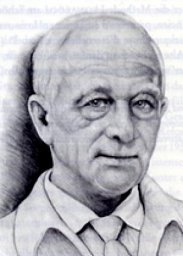 Klaus Goerttler合作论文数Institute of Experimental Pathology;German Cancer Research Centre;Institute of Experimental Pathology, German Cancer Research Centre13
 K.-J. Hutter合作论文数10Kl. Goerttler合作论文数9F Oberdorfer合作论文数3Nikolaus Blin合作论文数3Christof Granzow合作论文数3G Vankaick合作论文数2Gerry Futterman合作论文数2HE EIPEL合作论文数2H Ponstingl合作论文数2G Nasioulas合作论文数2
 Ludwig G. Strauss合作论文数German Cancer Research Center2
 Uwe Haberkorn合作论文数Department of Nuclear Medicine, University Hospital Heidelberg;Translational Lung Research Center Heidelberg;Deutsches Krebsforschungszentrum2Annette Altmann合作论文数2Th Klenner合作论文数2
 Stefan Scholtes合作论文数Cambridge Institute of Public Health, University of Cambridge/Cambridge Judge Business School, University of Cambridge2Chantal Delescluse合作论文数2Maria Manasterski合作论文数2Winfrid Liebrich合作论文数2M Vogt-Schaden合作论文数2Patrick Finzer合作论文数2Frank Roesl合作论文数1AMJ VANDRIELKULKER合作论文数1horst winterberg合作论文数1Hj Tanke合作论文数1M REINHARDT合作论文数1A. Alonso合作论文数1B. Lehner合作论文数1P Schlag合作论文数1A Alonso合作论文数1P Moller合作论文数1
 Dirk Brenner合作论文数Luxembourg Inst Hlth, Dept Infect & Immun, Expt & Mol Immunol, Esch Sur Alzette, Luxembourg1
 Wulf Dröge合作论文数Immunotec Inc.1
 Peter M. Schlag合作论文数Max Delbrück Center1Peter Helm合作论文数1
 David Chiaramonti合作论文数Scuola di Ingegneria, Università degli Studi di Firenze/Politecnico di Torino1Christian Kuntzen合作论文数1Volker Schirrmacher合作论文数1
 Ubaldo Soto合作论文数Institut für Biochemie I der, Universität Heidelberg;and European Molecular Biology Laboratory, Heidelberg, Germany;Institut für Biochemie I der, Universität Heidelberg1Nadine Seibert合作论文数1Mario Reali合作论文数1Sören Schneickert合作论文数1Heinz Eipel合作论文数1Helmut Hamfeld合作论文数1Paolo Pacenti合作论文数1Marijana Kopun合作论文数1
 Peter H. Krammer合作论文数The National Center for Tumor Diseases;Apogenix;Division of Immunogenetics, German Cancer Research Center1Hans Osswald合作论文数1A. Dimitrakopoulou合作论文数1




