(A) Immunoblots confirming MEF2C overexpression in MOLT4 cells. (B) Eight-day growth curves for control vs MEF2C OE MOLT4 cells. (C) Co-treatment with ziftomenib (0.3 µM) and CDK1/2 inhibitor (0.3 µM) in control vs MEF2C OE MOLT4 cells.
T-lineage acute lymphoblastic leukemia (T-ALL) lacks effective targeted therapies, with poor outcomes in relapsed/refractory (R/R) disease. HOXAhigh T-ALL is biologically aggressive and often resistant to standard therapy. Menin inhibitors, recently approved for KMT2A-rearranged leukemias, may be effective in T-ALL, but biomarkers of response remain undefined. This study aims to evaluate the efficacy of menin inhibition in T-ALL and identify molecular predictors of sensitivity. We tested menin inhibitors (ziftomenib, revumenib, and VTP50469) in 14 primary T-ALL samples and 8 cell lines, representing HOXAhigh and HOXAlow genotypes. In vitro sensitivity assays, xenograft mouse models, transcriptomics, proteomics, and phosphoproteomics were used to characterize drug response. MEF2C modulation experiments and combination studies with cyclin-dependent kinase (CDK) 1/2 and ERK1/2 inhibitors were performed in vitro and in vivo. Menin inhibitors suppressed leukemic growth in a subset of HOXAhigh and HOXAlow primary human T-ALL samples. Similarly, ziftomenib was effective in reducing tumor burden in xenografts without major toxicity. Upon treatment, we observed downregulation of canonical menin targets (HOXA, MEIS1, and MEF2C) and upregulation of T-cell differentiation programs. Phosphoproteomic studies identified MEF2C S222 phosphorylation-mediated by CDK1/2 and ERK1/2-as a predictor of ziftomenib sensitivity in T-ALL. MEF2C overexpression promoted proliferation and ziftomenib resistance, whereas its knockdown impaired growth. Ziftomenib synergized with CDK1/2 and ERK1/2 inhibitors in vitro and improved survival in xenografted mice. In conclusion, a subset of T-ALL, defined by high p-MEF2C S222, is sensitive to menin inhibition. Combining ziftomenib with CDK or ERK inhibition offers synergistic efficacy, supporting biomarker-driven clinical trials of this strategy in R/R T-ALL.
Supp Table 3: Loci that are differentially hypomethylated in IMF with JAK2V617F mutations when compared to controls
ABSTRACT:The prognosis for relapsed or refractory (R/R) nucleophosmin 1-mutated (NPM1m) acute myeloid leukemia (AML) is poor and represents an urgent unmet medical need. Revumenib, a potent, selective menin inhibitor, was recently approved for the treatment of R/R acute leukemia with a KMT2A translocation in patients aged ≥1 year based on results from the phase 1/2 AUGMENT-101 study. Here, we present results from patients with R/R NPM1m AML enrolled in the phase 2 portion of AUGMENT-101. Enrolled patients received revumenib with or without a strong CYP3A4 inhibitor every 12 hours in 28-day cycles. Primary end points were rate of complete remission (CR) or CR with partial hematologic recovery (CRh; CR + CRh), safety, and tolerability. Secondary end points included overall response rate (ORR) and duration of response. As of 18 September 2024, 84 patients received ≥1 dose of revumenib. Median age was 63 years; 1 patient was aged <18 years. The protocol-defined, efficacy-evaluable population for the primary analysis included 64 adult patients (≥3 previous lines of therapy, 35.9%; previous venetoclax, 75.0%). The CR + CRh rate was 23.4% (1-sided P = .0014); the ORR was 46.9%. Median duration of CR + CRh was 4.7 months. Of 30 responders, 5 (16.7%) proceeded to hematopoietic stem cell transplant (HSCT) and 3 resumed revumenib after HSCT. Treatment-related adverse events led to treatment discontinuation in 4 patients (4.8%). Revumenib demonstrated clinically meaningful responses in this heavily pretreated, older population with NPM1m AML, including remissions that enabled HSCT. The safety profile of revumenib was consistent with previously reported results. This trial was registered at www.clinicaltrials.gov as #NCT04065399.
Supp Table 1: Transcripts associated with loss of cytosine methylation and increased gene expression in FDCP cells with JAK2V617F compared to FDCP with WT Jak2
Supp Table 4: Loci that are differentially methylated in IMF with JAK2V617F mutations when compared to controls
Abstract Even though the Ten-eleven translocation (TET) enzymes catalyze the generation of 5-hydroxymethylcytosines required for lineage commitment and subsequent differentiation of stem cells into erythroid cells, the mechanisms that link extracellular signals to TET activation and DNA hydroxymethylation are unknown. We demonstrate that hematopoietic cytokines phosphorylate TET2, leading to its activation in erythroid progenitors. Specifically, cytokine receptor–associated JAK2 phosphorylates TET2 at tyrosines 1939 and 1964. Phosphorylated TET2 interacts with the erythroid transcription factor KLF1, and this interaction with TET2 is increased upon exposure to erythropoietin. The activating JAK2V617F mutation seen in myeloproliferative disease patient samples and in mouse models is associated with increased TET activity and cytosine hydroxymethylation as well as genome-wide loss of cytosine methylation. These epigenetic and functional changes are also associated with increased expression of several oncogenic transcripts. Thus, we demonstrate that JAK2-mediated TET2 phosphorylation provides a mechanistic link between extracellular signals and epigenetic changes during hematopoiesis. Significance: Identification of TET2 phosphorylation and activation by cytokine-stimulated JAK2 links extracellular signals to chromatin remodeling during hematopoietic differentiation. This provides potential avenues to regulate TET2 function in the context of myeloproliferative disorders and myelodysplastic syndromes associated with the JAK2V617F-activating mutation. This article is highlighted in the In This Issue feature, p. 681
Venetoclax plus azacitidine is recognized as standard of care for patients with acute myeloid leukemia (AML) ineligible for intensive chemotherapy (IC). However, some patients may still not be treated with venetoclax combinations due to frailty concerns. We evaluated efficacy and safety of venetoclax plus azacitidine vs. placebo plus azacitidine in patients with newly diagnosed AML ineligible for IC from the phase 3 VIALE-A study (NCT02993523) and the phase 1b M14-358 study (NCT02203773), stratified by two methods to potentially assess frailty. The first method was age-based (75–79, 80–84, ≥85 years; n = 303 pooled from both studies) and the second was fitness-based using the AML composite model (AML-CM), a comorbidity-based model to estimate mortality risk (Group A, B, C; n = 380, from VIALE-A). Efficacy, including composite complete remission and overall survival, were improved with venetoclax plus azacitidine vs. placebo plus azacitidine across age and AML-CM groups. Safety was generally similar between age and AML-CM groups and no new safety signals were identified. Taken together, these data suggest that patients benefit from venetoclax plus azacitidine regardless of age or degree of frailty and the combination may be considered for patients with AML who may be deemed frail. Clinical trial information NCT02993523; NCT02203773.
Background:Outcomes for patients with acute myeloid leukemia (AML) or myelodysplastic syndrome (MDS) that have progression after treatment with hypomethylating agent (HMA) and venetoclax (VEN) are poor. However, data for chemotherapy and VEN (C+VEN) therapy after prior treatment with HMA+VEN are limited. Methods:We identified 18 patients with AML or MDS/AML who received C+VEN after prior HMA+VEN. Results:Complete remission (CR) or CR with incomplete hematologic recovery (CRi) was achieved in 7 patients (39%) and 6 patients (33%) proceeded to allogeneic hematopoietic stem cell transplantation. Conclusion:This study shows suggests that C+VEN could be a viable option in a subset of patients after HMA+VEN.
Background: Rearrangements of the lysine methyltransferase 2A (KMT2Ar) gene occur in ≤10% of acute leukemias (ALs) and are associated with a poor prognosis. In patients (pts) with KMT2Ar AL, the menin-KMT2A fusion protein interaction is a key driver of leukemogenesis. Revumenib, an oral, potent, and selective menin inhibitor, demonstrated a high rate of complete remission (CR) or CR with partial hematologic recovery (CR+CRh; 23%) and overall response rate (ORR; 63%) with a tolerable safety profile in pts with R/R KMT2Ar AL in the phase 2 interim analysis of AUGMENT-101 (NCT04065399). The KMT2Ar cohorts met prespecified stopping rules for efficacy, and the data from this analysis (n=57) were the basis for a New Drug Application to the FDA. Here we report longer follow-up and a larger data set, including safety and efficacy results for all pts with KMT2Ar enrolled in the phase 2 study (N=116), representing the largest evaluation of menin inhibition in pts with R/R KMT2Ar AL to date. Methods: Pts aged ≥30 d with R/R KMT2Ar AL were enrolled and received revumenib 163 mg (95 mg/m2 if body weight <40 kg) every 12 h (q12h) with a strong CYP3A4 inhibitor azole in 28-d continuous cycles. Treatment continued until lack of at least morphological leukemia-free state (MLFS) after 4 cycles, disease progression, or unacceptable adverse events (AEs). Primary objectives were safety and tolerability and rate of CR+CRh. Key secondary endpoints included rate of composite CR (CRc [CR+CRh+CR with incomplete platelet recovery+CR with incomplete count recovery), ORR (CRc+MLFS+partial remission), and duration of response (DoR). The efficacy population included pts with centrally confirmed KMT2Ar and ≥5% baseline bone marrow blasts. Measurable residual disease (MRD) was assessed locally by flow cytometry or PCR at the discretion of investigators. Results: At the time of the interim analysis (data cutoff [DCO]: July 24, 2023), 13 pts achieved CR+CRh (23%), 6 of whom remained in follow-up with no relapse or death at that time. In this current analysis, with 7 additional mo of follow-up (DCO: February 29, 2024), the updated median duration of CR+CRh in these 13 responders was 13.0 mo (95% CI, 3.4 mo-not reached [NR]); 5 remained in follow-up with no relapse or death, while 1 more pt had relapsed. A total of 116 pts with R/R KMT2Ar AL received ≥1 dose of revumenib and were included in the safety population. Median age was 35.5 y (range, 0.6-75.0); 28 (24%) pts were <18 y, and 14 (12%) were ≥65 y. A total of 95 (82%) pts had AML, and 21 (18%) had ALL or MPAL; 67 (58%) were female, and 18 (16%) were non-White. Pts were heavily pretreated (median of 2 prior therapies [range, 1-11]), with 51 (44%) receiving ≥3 prior lines, 73 (63%) receiving prior venetoclax, and 59 (51%) underwent prior hematopoietic stem cell transplant (HSCT). In the efficacy population (n=97), 22 pts (23% [95% CI, 15%-32%]) achieved CR+CRh with a median DoR of 6.4 mo (95% CI, 1.9 mo-NR). CRc rate was 42% (95% CI, 32%-53%); ORR was 64% (95% CI, 54%-73%). Of 18 CR+CRh responders with MRD results available, 11 (61%) achieved MRD negativity; 21/36 (58%) MRD-evaluable CRc responders achieved MRD negativity. Of 62 pts who achieved ORR, 21 (34%) proceeded to HSCT. Nine pts resumed revumenib post HSCT. In the safety population (N=116), 106 (91%) pts experienced a grade ≥3 treatment-emergent AE (TEAE) and 63 (54%) experienced a grade ≥3 treatment-related AE (TRAE). The most common (≥10%) grade ≥3 TEAEs were febrile neutropenia (45 [39%]), anemia (23 [20%]), platelet count decreased (19 [16%]), differentiation syndrome (17 [15%]; only 1 grade 4, no grade 5), neutrophil count decreased (17 [15%]), white blood cell count decreased (17 [15%]), sepsis (16 [14%]), and QTc prolongation (15 [13%]; all grade 3). Sixteen pts (14%) discontinued treatment due to a TEAE, and 6 (5%) discontinued due to a TRAE. Nineteen (16%) and 4 (3%) pts experienced a TEAE or TRAE leading to death, respectively. Conclusions: Revumenib monotherapy provides clinically meaningful responses in heavily pretreated pts with R/R KMT2Ar acute leukemias, including high rates of MRD negativity and ability to proceed to HSCT. Continued treatment and follow-up of pts after the interim analysis demonstrate the durability of ongoing response. The safety profile of revumenib with this longer follow-up is consistent with prior reports. This trial represents the largest evaluation of a targeted therapy for pts with R/R KMT2Ar acute leukemias to date.
 Richard Larson合作论文数Department of Medicine, University of Chicago45
 Wendy Stock合作论文数Department of Medicine, University of Chicago;Comer Children's Hospital;Duchossois Center for Advanced Medicine, The University of Chicago Medical Center42
 Olatoyosi Odenike合作论文数33
 Andrew Saul Artz合作论文数Division of Leukemia, Department of Hematology and Hematopoietic Cell Transplantation, City of Hope;Center for Cancer and Aging, City of Hope32
 Lucy A. Godley合作论文数Center for Clinical Cancer Genetics, University of Chicago;Department of Medicine, University of Chicago;Institute for Integrative Physiology, University of Chicago24Jalaja Potluri合作论文数23
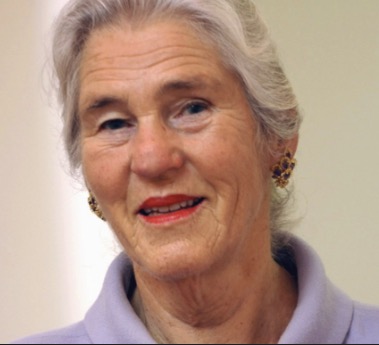 Janet Rowley合作论文数University of Chicago22Keith W. Pratz合作论文数Comprehensive Cancer Center;Johns Hopkins University;Comprehensive Cancer Center, Johns Hopkins University20Vinod Pullarkat合作论文数19
 Hongtao Liu合作论文数Department of Medicine-Hematology and Oncology, University of Chicago18
 Courtney DiNardo合作论文数Department of Leukemia, The University of Texas MD Anderson Cancer Center18
 Martha Lucia Arellano合作论文数18Roger T. Luo合作论文数17JD ROWLEY合作论文数14
 Brian Andrew Jonas合作论文数School of Medicine, University of California, Davis14
 Satyajit Kosuri合作论文数Department of Medicine, The University of Chicago13Amittha Wickrema合作论文数Section of Hematology/Oncology, Department of Medicine, The University of Chicago13
 Michelle M. Lebeau合作论文数The University of Chicago Medicine Comprehensive Cancer Center;Department of Medicine-Hematology and Oncology, University of Chicago13
 Manuel Diaz合作论文数Univ. of Georgia13Rt Luo合作论文数12Catherine Lavau合作论文数12
 Michael Bishop合作论文数Department of Medicine, The University of Chicago12
 Ghayas C Issa合作论文数12
 Dan Pollyea合作论文数Division of Hematology, Department of Medicine, University of Colorado School of Medicine12Christian Recher合作论文数11Brenda Chyla合作论文数11
 Koen Van Besien合作论文数Joan and Sanford I. Weill Department of Medicine, Weill Cornell Medicine, Cornell University11
 Marina Konopleva合作论文数Department of Oncology, Albert Einstein College of Medicine;Department of Molecular Pharmacology, Albert Einstein College of Medicine11
 Richard M. Stone合作论文数Dana-Farber Cancer Institute;Harvard Medical School11Yanming Zhang合作论文数11
 Shuangli Mi (米双利)合作论文数Beijng Institute of Genomics, Chinese Academy of Sciences (China National Center For Bioinformation)11Gurbuxani Sandeep合作论文数10Garcia Jacqueline S合作论文数Department of Medicine, The University of Chicago10Liu Hui合作论文数10
 Saygin Caner合作论文数Behçet's Syndrome Research Centre, Istanbul University10F Simone合作论文数9Kith Pradhan合作论文数9Ulrich G. Steidl合作论文数9Ji Nie合作论文数Univ Chicago, Chicago, IL 60637 USA9Tushar V Bhagat合作论文数Prince Sattam bin Abdulaziz University9
 Peng Ji合作论文数Department of Pathology, Feinberg School of Medicine, Northwestern University9Jeremy Segal合作论文数Biological Sciences Division, The University of Chicago9
 Sanchari Bhattacharyya合作论文数Albert Einstein Coll Med, Bronx, NY 10461 USA9
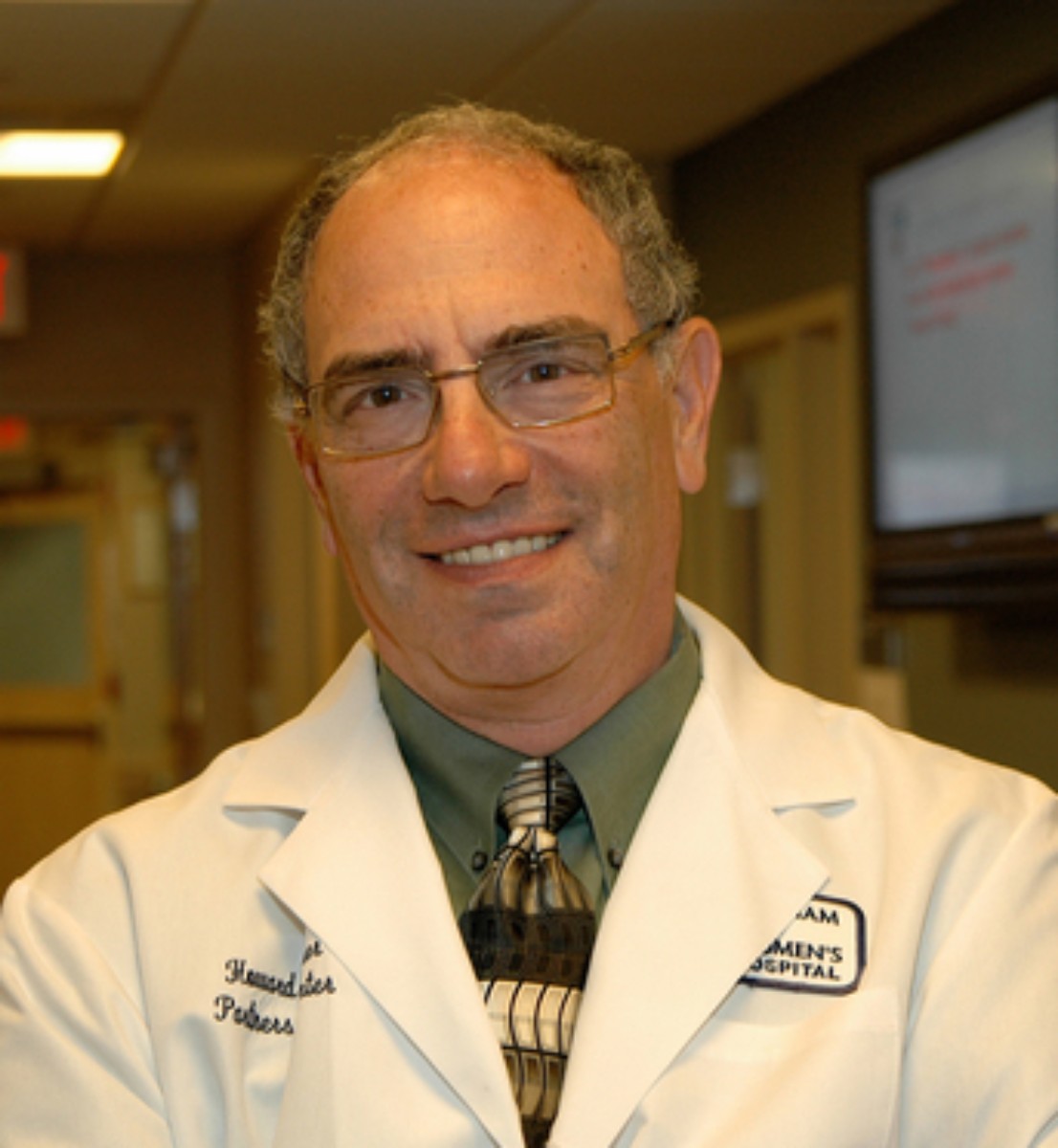 Howard L. Weiner合作论文数Harvard Medical School;Ann Romney Center for Neurological Diseases, Brigham and Women’s Hospital9Kathy McGraw合作论文数9
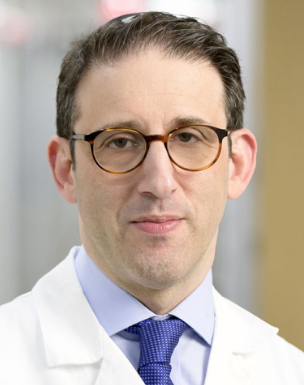 Eytan M. Stein合作论文数David H. Koch Center for Cancer Care, Memorial Sloan Kettering Cancer Center9
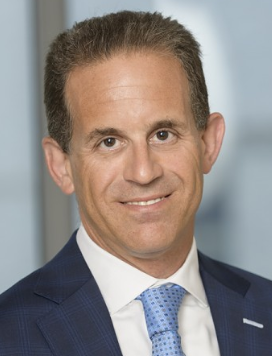 Ross L. Levine合作论文数Memorial Sloan Kettering Cancer Center;Ajax Therapeutics;QIAGEN9Nischal Sangeeta合作论文数9Sundaravel Sriram合作论文数Department of Medicine, The University of Chicago9




