Aedes aegypti is the vector of important human diseases, and genomic resources are crucial in facilitating the study of A. aegypti and its ecosystem interactions. Several laboratory-acclimated strains of this mosquito have been established, but the most used strain in toxicology studies is "Rockefeller," which was originally collected and established in Cuba 130 years ago. A full-length genome assembly of another reference strain, "Liverpool," was published in 2018 and is the reference genome for the species (AaegL5). However, genetic studies with the Rockefeller strain are complicated by the availability of only the Liverpool strain as the reference genome. Differences between Liverpool and Rockefeller have been known for decades, particularly in the expression of genes relevant to mosquito behavior and vector control (e.g. olfactory). These differences indicate that AaegL5 is likely not fully representative of the Rockefeller genome, presenting potential impediments to research. Here, we present a chromosomal-level assembly and annotation of the Rockefeller genome and a comparative characterization vs the Liverpool genome. Our results set the stage for a pan-genomic approach to understanding evolution and diversity within this important disease vector.
Exome and genome sequencing have become the tools of choice for rare disease diagnosis, leading to large amounts of data available for analyses. To identify causal variants in these datasets, powerful filtering and decision support tools that can be efficiently used by clinicians and researchers are required. To address this need, we developed seqr - an open source, web-based tool for family-based monogenic disease analysis that allows researchers to work collaboratively to search and annotate genomic callsets. To date, seqr is being used in several research pipelines and one clinical diagnostic lab. In our own experience through the Broad Institute Center for Mendelian Genomics, seqr has enabled analyses of over 10,000 families, supporting the diagnosis of more than 3,800 individuals with rare disease and discovery of over 300 novel disease genes. Here we describe a framework for genomic analysis in rare disease that leverages seqr's capabilities for variant filtration, annotation, and causal variant identification, as well as support for research collaboration and data sharing. The seqr platform is available as open source software, allowing low-cost participation in rare disease research, and a community effort to support diagnosis and gene discovery in rare disease.
Computational models have great potential to accelerate bioscience, bioengineering, and medicine. However, it remains challenging to reproduce and reuse simulations, in part, because the numerous formats and methods for simulating various subsystems and scales remain siloed by different software tools. For example, each tool must be executed through a distinct interface. To help investigators find and use simulation tools, we developed BioSimulators (https://biosimulators.org), a central registry of the capabilities of simulation tools and consistent Python, command-line and containerized interfaces to each version of each tool. The foundation of BioSimulators is standards, such as CellML, SBML, SED-ML and the COMBINE archive format, and validation tools for simulation projects and simulation tools that ensure these standards are used consistently. To help modelers find tools for particular projects, we have also used the registry to develop recommendation services. We anticipate that BioSimulators will help modelers exchange, reproduce, and combine simulations.
Filamin C (encoded by the FLNC gene) is a large actin-cross-linking protein involved in shaping the actin cytoskeleton in response to signaling events both at the sarcolemma and at myofibrillar Z-discs of cross-striated muscle cells. Multiple mutations in FLNC are associated with myofibrillar myopathies of autosomal-dominant inheritance. Here, we describe for the first time a boy with congenital onset of generalized muscular hypotonia and muscular weakness, delayed motor development but no cardiac involvement associated with a homozygous FLNC mutation c.1325C>G (p.Pro442Arg). We performed ultramorphological, proteomic, and functional investigations as well as immunological studies of known marker proteins for dominant filaminopathies. We show that the mutant protein is expressed in similar quantities as the wild-type variant in control skeletal muscle fibers. The proteomic signature of quadriceps muscle is altered and ultrastructural perturbations are evident. Moreover, filaminopathy marker proteins are comparable both in our homozygous and a dominant control case (c.5161delG). Biochemical investigations demonstrate that the recombinant mutant protein is less stable and more prone to degradation by proteolytic enzymes than the wild-type variant. The unusual congenital presentation of the disease clearly demonstrates that homozygosity for mutations in FLNC severely aggravates the phenotype.
Few studies have been conducted to understand post-zygotic accumulation of mutations in cells of the healthy human body. We reprogrammed 32 skin fibroblast cells from families of donors into human induced pluripotent stem cell (hiPSC) lines. The clonal nature of hiPSC lines allows a high-resolution analysis of the genomes of the founder fibroblast cells without being confounded by the artifacts of single-cell whole-genome amplification. We estimate that on average a fibroblast cell in children has 1035 mostly benign mosaic SNVs. On average, 235 SNVs could be directly confirmed in the original fibroblast population by ultradeep sequencing, down to an allele frequency (AF) of 0.1%. More sensitive droplet digital PCR experiments confirmed more SNVs as mosaic with AF as low as 0.01%, suggesting that 1035 mosaic SNVs per fibroblast cell is the true average. Similar analyses in adults revealed no significant increase in the number of SNVs per cell, suggesting that a major fraction of mosaic SNVs in fibroblasts arises during development. Mosaic SNVs were distributed uniformly across the genome and were enriched in a mutational signature previously observed in cancers and in de novo variants and which, we hypothesize, is a hallmark of normal cell proliferation. Finally, AF distribution of mosaic SNVs had distinct narrow peaks, which could be a characteristic of clonal cell selection, clonal expansion, or both. These findings reveal a large degree of somatic mosaicism in healthy human tissues, link de novo and cancer mutations to somatic mosaicism, and couple somatic mosaicism with cell proliferation.
Autism spectrum disorder (ASD) is a disorder of brain development. Most cases lack a clear etiology or genetic basis, and the difficulty of re-enacting human brain development has precluded understanding of ASD pathophysiology. Here we use three-dimensional neural cultures (organoids) derived from induced pluripotent stem cells (iPSCs) to investigate neurodevelopmental alterations in individuals with severe idiopathic ASD. While no known underlying genomic mutation could be identified, transcriptome and gene network analyses revealed upregulation of genes involved in cell proliferation, neuronal differentiation, and synaptic assembly. ASD-derived organoids exhibit an accelerated cell cycle and overproduction of GABAergic inhibitory neurons. Using RNA interference, we show that overexpression of the transcription factor FOXG1 is responsible for the overproduction of GABAergic neurons. Altered expression of gene network modules and FOXG1 are positively correlated with symptom severity. Our data suggest that a shift toward GABAergic neuron fate caused by FOXG1 is a developmental precursor of ASD.
Reprogramming somatic cells into induced pluripotent stem cells (iPSCs) has been suspected of causing de novo copy number variation. To explore this issue, here we perform a whole-genome and transcriptome analysis of 20 human iPSC lines derived from the primary skin fibroblasts of seven individuals using next-generation sequencing. We find that, on average, an iPSC line manifests two copy number variants (CNVs) not apparent in the fibroblasts from which the iPSC was derived. Using PCR and digital droplet PCR, we show that at least 50% of those CNVs are present as low-frequency somatic genomic variants in parental fibroblasts (that is, the fibroblasts from which each corresponding human iPSC line is derived), and are manifested in iPSC lines owing to their clonal origin. Hence, reprogramming does not necessarily lead to de novo CNVs in iPSCs, because most of the line-manifested CNVs reflect somatic mosaicism in the human skin. Moreover, our findings demonstrate that clonal expansion, and iPSC lines in particular, can be used as a discovery tool to reliably detect low-frequency CNVs in the tissue of origin. Overall, we estimate that approximately 30% of the fibroblast cells have somatic CNVs in their genomes, suggesting widespread somatic mosaicism in the human body. Our study paves the way to understanding the fundamental question of the extent to which cells of the human body normally acquire structural alterations in their DNA post-zygotically.
In this chapter we describe the core Protein Production Platform of the Northeast Structural Genomics Consortium (NESG) and outline the strategies used for producing high-quality protein samples using Escherichia coli host vectors. The platform is centered on 6X-His affinity-tagged protein constructs, allowing for a similar purification procedure for most targets, and the implementation of high-throughput parallel methods. In most cases, these affinity-purified proteins are sufficiently homogeneous that a single subsequent gel filtration chromatography step is adequate to produce protein preparations that are greater than 98% pure. Using this platform, over 1000 different proteins have been cloned, expressed, and purified in tens of milligram quantities over the last 36-month period (see Summary Statistics for All Targets, http://www. nmr.cabm.rutgers.edu/bioinformatics/ZebaView/). Our experience using a hierarchical multiplex expression and purification strategy, also described in this chapter, has allowed us to achieve success in producing not only protein samples but also many three-dimensional structures. As of December 2004, the NESG Consortium has deposited over 145 new protein structures to the Protein Data Bank (PDB); about two-thirds of these protein samples were produced by the NESG Protein Production Facility described here. The methods described here have proven effective in producing quality samples of both eukaryotic and prokaryotic proteins. These improved robotic and/or parallel cloning, expression, protein production, and biophysical screening technologies will be of broad value to the structural biology, functional proteomics, and structural genomics communities.
 Mark B Gerstein合作论文数School of Engineering & Applied Science, Yale University4
 Flora Vaccarino合作论文数Department of Neuroscience, Yale School of Medicine, Yale University;Child Study Center, Yale School of Medicine, Yale University3
 Livia Tomasini合作论文数3
 Alexej Abyzov合作论文数Dept Hlth Sci Res, Mayo Clin3Mariangela Amenduni合作论文数2
 Anna Szekely合作论文数Department of Neurology, Yale School of Medicine, Yale University2
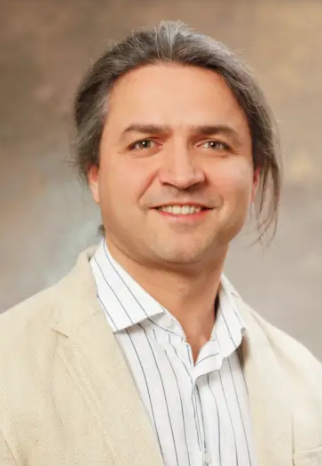 Gianfilippo Coppola合作论文数Pathology Faculty, Yale School of Medicine, Yale University2
 Katarzyna Chawarska合作论文数Child Study Center, School of Medicine, Yale University2Alexander Eckehart Urban合作论文数2
 Jessica Mariani合作论文数2
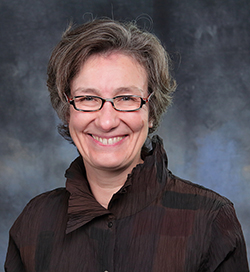 Elena L. Grigorenko合作论文数Department of Psychology, College of Liberal Arts and Social Sciences, University of Houston2Dean Palejev合作论文数2
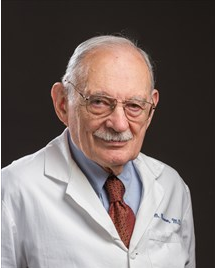 Sherman Weissman合作论文数Yale School of Medicine2
 John F. Hunt合作论文数1Bonnie Cooper合作论文数1Gvt Swapna合作论文数1M.C. Baran合作论文数1Hugh Sorby合作论文数1Margaret Wu合作论文数1Liang-yu Shih合作论文数1Teresa Climent合作论文数1Li Chung Ma合作论文数1Joshua M. Cooper合作论文数1John Detloff合作论文数1Ikeoluwa Osei-Owusu合作论文数1Hana Snow合作论文数1Harindra Arachchi合作论文数1Stacy Mano合作论文数1Alysia Lovgren合作论文数1Melanie O'Leary合作论文数1Lior A Rosenberg Belmaker合作论文数1Chi Kent Ho合作论文数1Anthony F Ferrandino合作论文数1Nikolaos Vasmatzis合作论文数1Katherine R Chao合作论文数1Robert Müller合作论文数1Emily O'Heir合作论文数1Grace E VanNoy合作论文数1Drashti Patoliya合作论文数1Gnaneswara Marupilla合作论文数1Azraf Anwar合作论文数1Shifa Zhang合作论文数1
 Matthias Konig合作论文数1William Phu合作论文数1
 Diego Jahn合作论文数Center for Information Services and High Performance Computing, Technische Universität Dresden1
 Payton J Thomas合作论文数Department of Biomedical Engineering, University of Utah1Samantha Baxter合作论文数1Henry Agnew合作论文数1
 Lawrence J Babb合作论文数1




