Two essential questions for those leading the field of public administration are: What do we teach our students, and how do we train them? As scholars, we pay significant attention to our research, often to the detriment of recognizing the potential for merging our research with teaching through the Scholarship of Teaching and Learning (SoTL). However, given our students' leadership positions, SoTL-related work is vital to their success. In this article, we have come together to reflect on the state of SoTL's work in public administration. Through this reflection, we explore the windows of opportunity for research that we see emerging. Included among these opportunities is the need for research on how we can best serve students in and out of the classroom, as well as research the most effective way of managing our programs. We also see the need for research into faculty development, instructional design, and the return on investment for a public administration degree. Lastly, we argue for improved recognition of the value and contribution of SoTL-related work in tenure and promotion standards.
Public budgeting and finance is a discipline that encompasses communities of research and practice. Too often, however, these communities fail to engage each other, instead choosing to operate independently. The result is that the research being conducted fails to address the questions of the day and our governments’ challenges. In this article, we come together as a community of academics and practitioners to establish an agenda for where future research should be conducted. This agenda aims to align the research being undertaken within the academic community with the needs of those working in the community of practice. After establishing ten areas where research is needed, we followed a ranked-choice voting process to establish a prioritization for them. Based on the outcome of this process, the two primary areas where research is currently needed most are the fiscal health of our governments and the implementation of social equity budgeting.
Significant attention has been paid within the public budgeting and finance literature on the determinants of fiscal health and fiscal stress from the context of understanding unhealthy cities. A key assumption of this work is that healthy and unhealthy cities are similar, but what drives a city to be fiscally healthy may be very different than what causes a city to be fiscally stressed. Using a data set of the 150 largest cities in the United States from 1990 to 2017, we explore the factors behind what leads a city to be healthy. The results show that positive fiscal health is directly connected to a city’s ability to reduce expenditures or increase revenue rather than their ability to reduce debt or manage their cash. We also found strong demographic and geographic drivers behind healthy cities.
Master of Public Administration (MPA) alumni face increasingly diverse and global professional expectations. Public affairs specialists generally go on to manage complex partnerships that involve a wide array of participants. Public administration education ought to do its part to ensure these graduates succeed. In this sense, we offer comparative public administration (CPA) as an effective, multipurpose tool for disassembling public monuments to parochialism and sculpting competent practitioners that reflect our stated desires for a more inclusive orientation. First, we seek to define CPA and consider its relative importance. Next, we assess how CPA is currently taught in Master of Public Administration (MPA) programs within the United States. The focus then shifts to discussing how MPA programs should be teaching CPA and proposes learning outcomes. Finally, we offer tools for attaining these outcomes.
Accreditation of master's degree programs in public administration, public affairs, and related fields is the gold standard of program management. Although the Network of Schools of Public Policy, Affairs, and Administration (NASPAA) has been accrediting Master of Public Administration (MPA) programs since 1980, its reach has not yet covered undergraduate programs. Rather, NASPAA provides guidelines for undergraduate programs that departments may choose to follow or ignore at their leisure. This chapter explores the issue of undergraduate accreditation for public administration programs in the United States. Particular attention is paid toward the nature of accreditation of undergraduate education and the various models of accreditation that public administration programs may adopt. It also explores the value that program accreditation would bring some of the concerns surrounding it.
"Know your price: Valuing Black lives and property in America’s Black cities." Journal of Public Affairs Education, 27(4), pp. 508–509
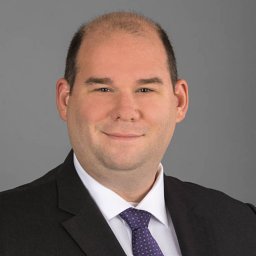 Bruce D McDonald, III合作论文数7
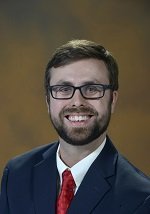 William Hatcher合作论文数Dept Social Sci, Augusta Univ4
 Matthew D. Leight合作论文数NC State Univ3
 J. W. Decker合作论文数North Carolina State Univ2
 Sean McCandless合作论文数2
 Charles E. Menifield合作论文数Department of Political Science, University of Missouri2
 Craig S Maher合作论文数2Meagan M. Jordan合作论文数2wie yusuf合作论文数1
 Martin Luby合作论文数1
 Aziza Zemrani合作论文数1
 Elaine Yi Lu合作论文数1
 Ana-Maria Dimand合作论文数1Evelyn Trammell合作论文数1Hunter Bacot合作论文数1Saman Afshan合作论文数1Andrew J. Grandage合作论文数1Arwi Kriz合作论文数1Amber Overholser合作论文数1Kaitrin Mahar合作论文数1
 Carl J. Gabrini合作论文数1
 Iuliia Shybalkina合作论文数1
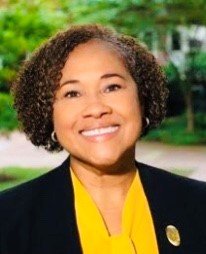 Rajade M. Berry-James合作论文数North Carolina State Univ1
 Charles D. Taylor合作论文数Bowen Ctr Publ Affairs, Ball State Univ1
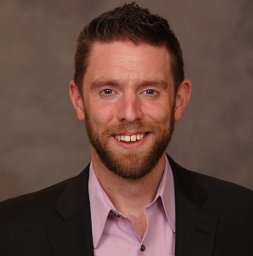 Andrew Crosby合作论文数Dept Publ Adm, Pace Univ1
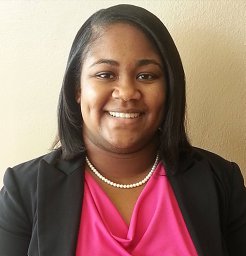 Michelle L. Lofton合作论文数Publ Budgeting & Finance, Univ Georgia1
 Felipe Lozano合作论文数School of Public and International Affairs, University of Georgia1
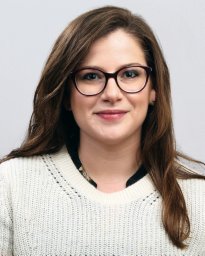 Rachel Emas合作论文数Sch Publ Affairs & Adm, Rutgers State Univ1
 Laura Wheeler合作论文数1
 Tia Sherèe Gaynor合作论文数Polit Sci, Univ Cincinnati1
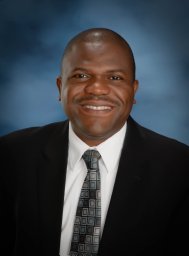 Komla D. Dzigbede合作论文数Dept Publ Adm, SUNY Binghamton1Darrin Wilson合作论文数Northern Kentucky University1
 Jekyung Lee合作论文数Hainan Univ, Hainan Univ Arizona State Univ Joint Int Tourism1
 Sungdae Lim合作论文数Dept Polit Sci, Sam Houston State Univ1
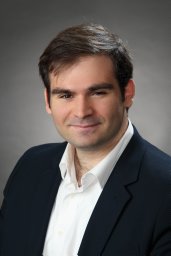 Vincent Reitano合作论文数Sch Publ Affairs & Adm, Western Michigan Univ1
 Amanda Kass合作论文数Govt Finance Res Ctr, Univ Illinois1
 Robert A. Greer合作论文数Bush Sch Govt & Publ Serv, Texas A&M Univ1
 George Atisa合作论文数1
 Cristian Pliscoff合作论文数Sch Govt, Univ Catolica Chile1
 Sungho Park合作论文数Dept Polit Sci, Univ Alabama1
 Can Chen合作论文数Dept Publ Policy & Adm, Florida Int Univ1Sarah E. Larson合作论文数1Christina Barsky合作论文数1Eric Stokan合作论文数1Megan E. Hatch合作论文数1
 Michael Overton合作论文数Univ Idaho1
 Sarah Young合作论文数Univ North Georgia1
 Kimberly Wiley合作论文数Dept Family Youth & Community Sci, Univ Florida1
 Mikhail Ivonchyk合作论文数Dept Publ Adm & Policy, SUNY Albany1




