OBJECTIVE:We aimed to evaluate the noninferiority of ultrasound-guided transvaginal puncture compared with laparoscopic drainage in the treatment of tubo-ovarian abscesses (TOA). DESIGN:We conducted a prospective, randomized, two-arm, parallel, noninferiority, uni-centric, therapeutic trial comparing 2 surgical techniques for the management of TOA: echo-guided transvaginal puncture and laparoscopic drainage. SUBJECTS:Subjects were patients aged 18 to 43 years with a tubo-ovarian abscess visible on ultrasound or CT scan, larger than 2 cm, without signs of complications. The per-protocol analysis, as recommended for noninferiority trials, included 38 patients. INTERVENTION:Ultrasound-guided transvaginal puncture and laparoscopic drainage in the treatment of TOA. MAIN OUTCOMES MEASURES:The main outcome was the rate of cure measured by a composite score: clinical improvement (pain and temperature) and biological improvement (regression of biological inflammatory syndrome). The secondary endpoints take into account various aspects of the early and late postoperative period. RESULTS:Transvaginal puncture under ultrasound is no less effective than laparoscopy in the treatment of TOA associated with IV antibiotic therapy. It also showed that transvaginal puncture had the advantage of reducing the operating time and morphine consumption during hospitalization. No difference was observed between the two techniques on the 1-month follow-up ultrasound. CONCLUSION:The best treatment for a tubo-ovarian abscess should be that which is the safest, most effective, least invasive, least expensive, and least detrimental to female fertility. Transvaginal puncture seems to meet these criteria; thanks to the DATO (Drainage of Tubo-Ovarian Abscesses) study, we were able to show that this procedure was no less effective than laparoscopy in terms of early cure.
Objective To develop best practice guidelines under the auspices of the CNGOF (National college of French Gynaecologist Obstetrician) and Convergences PP (Convergences in Pelviperineal Pain) for the management of endometriosis-associated pelvic pain. Method We organised a literature review and a formal group consensus. A multidisciplinary steering committee composed of 14 healthcare professionals and 2 patients association representatives drafted an argument based on literature analysis, resulting in 7 proposed definitions and 59 best practice recommendations. These proposals were then submitted for review by 108 French healthcare professionals from various specialties and professions. The first two rounds of rating were conducted online between June 2024 and November 2024, followed by a final videoconference meeting in January 2025. Results The participation rate was 68% in the first round (74/108) and 76% in the second round (56/74). In total, 3 definitions and 45 best practice recommendations were retained and distributed across 6 sections: 1) Definition; 2) Assessment of chronic pelvic pain associated with endometriosis; 3) Non-pharmacological management; 4) Pharmacological management; 5) Surgical management; 6) Communication, health education, and therapeutic education. Conclusion This formal consensus process has enabled the development of definitions and best practice guidelines to assist healthcare professionals in managing patients suffering from pain associated with endometriosis, thereby promoting better screening, characterization of pain, and therapeutic management.
INTRODUCTION:Numerous studies have shown that the diagnostic performance and reproducibility of visual recognition of endometriosis during laparoscopy are poor. The use of artificial intelligence (AI) seems relevant for exhaustive lesion recognition. Standardization of the visual classification of lesions, in the form of an ontology, is an essential prerequisite to enable medical experts to annotate surgical data consistently and subsequently allow engineers to train and build an artificial intelligence tool for endometriosis recognition. MATERIAL AND METHODS:A systematic search was conducted in the MEDLINE (via PubMed), EMBASE, and the Cochrane Library databases up to May 2022, aiming to identify studies describing the laparoscopic visual appearance of superficial endometriosis, endometriomas, and deep infiltrating endometriosis. The accumulated data in the literature concerning the visual appearance of the different forms of endometriosis were used to create an ontology that could be used for artificial intelligence applications. RESULTS:Out of 932 articles screened, 35 studies were selected based on the inclusion criteria of human subjects with histologically confirmed endometriosis lesions visualized via laparoscopy. The selected studies were reviewed to develop a visual ontology of endometriosis lesions observed via laparoscopy. The lesions were categorized into 4 classes and further subdivided into 11 subclasses: superficial (black, red, white, or subtle), adhesions (dense or filmy), deep (obliteration, retraction, or deformation), and ovarian (endometrioma or chocolate fluid). The positive predictive value (PPV) varied across lesion types: black lesions (PPV 47%-97%), red lesions (PPV 33%-100%), white lesions (PPV 20%-81%), and ovarian endometriosis (PPV 42%-98%). Nonspecific lesions such as adhesions (PPV 16%-50%) and subtle superficial lesions (PPV 0%-67%) presented lower PPVs. Deep endometriosis lesions, often buried within organs, required indirect signs (obliteration, retraction, deformation) for identification. CONCLUSIONS:The visual ontology proposed in this systematic search could facilitate the detection and classification of endometriosis lesions using artificial intelligence. This study highlights the challenges of reaching a consensus on lesion recognition and classification in AI projects due to the diverse visual presentations of endometriosis.
OBJECTIVE:This study aimed to evaluate the feasibility of using indocyanine green (ICG) to assess vascularisation by visualizing ovarian fluorescence after laparoscopic cystectomy or plasmajet therapy. The secondary objective was to assess its potential as a surgical marker for predicting the risk of ovarian reserve impairment. SETTINGS:The research design was a prospective feasibility study conducted in the gynecological surgery department at Clermont Ferrand University Hospital. PARTICIPANTS:A total of 45 participants aged 18 to 42 years who required laparoscopic surgical treatment for a benign ovarian cyst (<10 cm in diameter) were included in the study. INTERVENTION:The participants underwent laparoscopic cystectomy or plasmajet therapy with intraoperative evaluation of ovarian vascularisation using ICG fluorescence. Ovarian reserve was assessed using AMH levels and AFC at baseline (M0) and at 6 and 12 months postoperatively (M6 and M12). Pregnancy outcomes were also recorded. RESULTS:Fluorescence was observed in 100% of cases, with Likert scores ≥3 in 80% of the participants. No adverse effects related to ICG were identified. No correlation was found between ICG intensity and ovarian reserve measures. Postoperative follow-up demonstrated a decrease in AMH levels at M6, followed by a halt in this decline at M12 with a tendency toward amelioration halt at M12(2.42 [1.12; 2.71] at M0 then 1.23 [0.37; 2.23] ng/mL at M6; p < 0.001) then 1.46 [0.66; 2.67] ng/mL at M12; p < 0.342) and increased AFC (M0: 11 [8; 18] ; M + 6: 17 [9; 20]; p = 0.018 ; M + 12: 19 [12; 27]; p = 0.001). Among the 26 participants who desire pregnancy, 38.5% conceived spontaneously, and 16% were referred to Assisted Reproductive Technology (ART). CONCLUSION:The use of ICG fluorescence is a feasible approach to the intraoperative assessment of ovarian vascularisation. However, its utility in guiding clinical decisions remains to be demonstrated.
A growing body of literature has revealed that patients with endometriosis are at an increased risk for epithelial ovarian cancer (EOC) and cardiovascular disease (CVD). Endometriosis is a heterogeneous disease in terms of its clinical symptoms and the locations of endometriotic lesions. More epidemiological studies investigating the relationship between endometriosis and the risk of EOC and CVD should incorporate location- and symptom-specific analyses of diverse populations according to geography and ancestry. Such analyses would allow us to more effectively prevent and treat these comorbidities for this heterogeneous disease in a patient-oriented manner and improve our understanding of endometriosis's pathophysiology.
This narrative review synthesizes existing literature to elucidate the complex interplay between endometriosis and mental health disorders, exploring their prevalence, underlying mechanisms, and the impact of systemic failures and misinformation. Compared with women without endometriosis, patients with endometriosis have significantly higher rates of mental health disorders, including a 1.5-times higher risk of depression, a 1.4-times higher risk of anxiety, and elevated rates of body dysmorphic disorder and post-traumatic stress disorder. These comorbidities stem from a complex bidirectional relationship involving chronic inflammation, pain sensitization, early-life trauma, and the profound psychosocial impact of infertility. Prolonged diagnostic delays and feelings of invalidation significantly contribute to psychological injury, while social media misinformation heightens distress and drives patients towards unproven interventions. Endometriosis imposes a substantial mental health burden, exacerbated by these systemic issues and misleading narratives. Effective management necessitates integrated, multidisciplinary care, including robust mental health support, and proactive governmental policies to promote specialized centers, combat misinformation, and implement diagnostic advancements, thereby improving patient outcomes and quality of life.
Whether endometriosis is a progressive disease remains debated. Central to this debate is understanding the natural history of endometriotic lesions, which are essentially wounds undergoing repeated tissue injury and repair. Viewing the disease through this lens, we reassess the literature on the progression, or absence thereof, of endometriosis and offer our perspective on this debate by delineating the aggravating and mitigating factors that influence lesional progression. We propose that the degree of lesional fibrosis, measurable via elastography as lesional stiffness, represents a promising marker for progression, as it correlates with aberrant histology, molecular alterations, symptom severity, clinical prognosis, and lesional mechanobiology. Lesional stiffness could aid in diagnosis, guide treatment choice, and predict outcomes, providing a valuable tool for managing endometriosis.
Objectif Élaborer des conseils de bonne pratique sous l’égide du CNGOF et de Convergences PP pour la prise en charge des douleurs associées à l’endométriose. Méthode Ces conseils de bonne pratique ont été élaborés selon la méthode de consensus d’experts formalisée. Un comité de pilotage pluridisciplinaire composé de 14 professionnels de santé et de deux représentantes d’associations de patientes a rédigé, après analyse de la littérature, un argumentaire et proposé 7 définitions et 59 conseils de bonne pratique. Ces propositions ont été soumises à 108 professionnels de santé français exerçant diverses spécialités et professions. Les deux premiers tours de cotation ont été effectués en ligne entre juin 2024 et novembre 2024, puis une réunion finale en visioconférence s’est déroulée en janvier 2025. Résultats Le taux de participation a été de 68 % au premier tour (74/108) et de 76 % au second (56/74). Au total, 3 définitions et 45 conseils de bonne pratique ont été retenus et ont été répartis en 6 sections : 1) définition ; 2) bilan de la douleur pelvienne chronique associée à l’endométriose ; 3) prise en charge non médicamenteuse ; 4) prise en charge médicamenteuse ; 5) prise en charge chirurgicale ; 6) communication, éducation en santé et éducation thérapeutique. Conclusion Ce consensus formalisé d’experts a permis d’élaborer des définitions et conseils de bonne pratique pour aider la communication des professionnels de santé prenant en charge les patientes souffrant de douleurs associées à l’endométriose, favorisant ainsi un meilleur dépistage, une meilleure caractérisation des douleurs et une meilleure prise en charge thérapeutique.
OBJECTIVE:To develop best practice guidelines under the auspices of the CNGOF and Convergences PP for the management of pain associated with endometriosis. METHOD:We organised a literature review and a formal expert consensus. A multidisciplinary steering committee composed of 14 healthcare professionals and 2 patient association representatives drafted an argument based on literature analysis, resulting in 7 proposed definitions and 59 best practice recommendations. These proposals were then submitted for review by 108 French healthcare professionals from various specialties and professions. The first two rounds of rating were conducted online between June 2024 and November 2024, followed by a final videoconference meeting in January 2025. RESULTS:The participation rate was 68% in the first round (74/108) and 76% in the second round (56/74). In total, 3 definitions and 45 best practice recommendations were retained and distributed across 6 sections: 1) Definition; 2) Assessment of chronic pelvic pain associated with endometriosis; 3) Non-pharmacological management; 4) Pharmacological management; 5) Surgical management; 6) Communication, health education, and therapeutic education. CONCLUSION:This formal expert consensus process has enabled the development of definitions and best practice guidelines to assist healthcare professionals in managing patients suffering from pain associated with endometriosis, thereby promoting better screening, characterization of pain, and therapeutic management.
OBJECTIVE:To develop a machine learning method for the automatic recognition of endometriosis lesions during laparoscopic surgery and evaluate its feasibility and performance. DESIGN:Collecting and annotating surgical videos and training, validating, and testing a deep neural network. SETTING:Multicenter proof-of-concept study using surgical videos from expert centers in France, Hungary, Brazil, and Denmark. PARTICIPANTS:Surgical video sequences were collected from 112 patients who underwent laparoscopic procedures for suspected endometriosis between January 2020 and August 2023. Sequences with identifiable endometriosis lesions were included, while poor-quality images and sequences with prior surgical manipulation were excluded. INTERVENTIONS:A deep neural network based on YOLOv5 was trained to detect and classify nine visual classes of endometriosis lesions (superficial black, superficial red, superficial white, superficial subtle, filmy adhesions, dense adhesions, deep endometriosis, ovarian endometrioma, and ovarian chocolate fluid). RESULTS:The model performance was good for the "superficial black," "superficial subtle," and "ovarian chocolate fluid" classes (F1 score = 0.94, 0.74, and 0.75, respectively), acceptable for the "dense adhesion," "ovarian endometrioma" and "deep endometriosis" classes (F1 score = 0.70, 0.63 and 0.632, respectively), and weak for the "superficial red," "superficial white," and "filmy adhesions" classes (F1 score = 0.25, 0.18, 0.16 and 0.02, respectively). However, while these results highlight the model's strong potential in identifying most lesions in at least one frame of each sequence, they underscore the need for further refinement to improve accuracy and precision. CONCLUSION:This study demonstrates the feasibility of applying artificial intelligence for visual recognition of endometriosis during laparoscopic surgery. While the initial results are encouraging, further development is needed to enhance the model performance and standardize the annotation methods. The integration of AI in surgical practice holds promise for assisting in endometriosis diagnosis and improving surgical outcomes.
Purpose:To identify risk factors that predict the persistence of noncyclical pelvic pain in patients with endometriosis despite receiving hormone therapy. Methods:This retrospective study examined 164 patients with histopathologically confirmed deep infiltrating endometriosis (DE) and/or ovarian endometrioma (OV). Clinical data obtained through preoperative face-to-face interviews were analyzed to identify risk factors for persistent pain despite receiving hormonal treatment (defined as visual analog-scale score [VAS] score > 30). All patients received preoperative hormonal treatment with progestins, combined oral contraceptives, or gonadotropin-releasing hormone agonists for at least three months prior to surgery. Results:Multivariable analysis identified several risk factors: OV (odds ratio [OR]: 4.11, 95% confidence interval [CI]: 1.67-10.1, p = 0.002) versus no OV, noncyclical chronic pelvic pain (VAS score ≤ 60: OR: 12.0, 95% CI: 4.17-34.6; VAS score > 60: OR: 7.03, 95% CI: 2.25-21.9, p < 0.001) versus no pain, severe dyspareunia (VAS score > 60) (OR: 6.73, 95% CI: 4.17-34.6, p = 0.002) versus no dyspareunia, and a previous cesarean section (OR: 9.53, 95% CI: 1.54-59.0, p = 0.02) versus no previous cesarean section. Conclusions:Patients with ovarian endometrioma, noncyclical chronic pelvic pain, severe dyspareunia, and a history of cesarean section are at an increased risk for persistent pain despite hormonal treatment.
STUDY OBJECTIVE:To propose a model of international meetings of minimally invasive gynecologic surgery to decrease the carbon footprint while preserving personal interactions and the financial stability of meetings and of medical societies. WHAT WE KNOW:International medical society meetings create a substantial carbon footprint, with 95% generated by air travel. Meetings may be organized virtually or in person, with distinct benefits and drawbacks of each format. In-person meetings encourage personal interactions, sensitive discussions, and social exchanges, which are important for learning and mental well-being. WHAT WE PROPOSE:A collaborative effort of international societies to organize annual scientific meetings at one main venue per continent and regional hubs where participants can come together in person. Presentations and session moderations will be possible at the main venues and distant hubs. Carbon footprint from air travel would decrease, whereas the scientific content would be improved by the collaboration between the societies. We theorize that local hubs, easier and less expensive to reach, will increase the number of participants who face economic, geopolitical, ecological, and familial barriers to travel. Regional and time differences would allow each society to preserve the specific characteristics and sessions of its conference. The preservation of one main venue on each continent will enable a gradual transition, allowing medical societies and corporate sponsors to take advantage of the enlarged audience, while measuring the desired outcomes and being able to adjust their management. Hub participants will be actively involved in reducing the burden of travel, transitioning to a preference of joining the main venue only every second or third year. CONCLUSION:An economically sustainable approach toward low carbon footprint, scientifically improved, and more accessible meetings needs to be considered.
OBJECTIVE:To demonstrate the laparoscopic management of bilateral round ligament endometriosis. SETTING:A tertiary referral center specializing in minimally invasive gynecologic surgery. PARTICIPANTS:An obese woman who had previously undergone a hysterectomy with ovarian preservation and excision of uterosacral endometriosis nodules 2 years prior. She later developed recurrent daily pelvic pain. MRI revealed two nodules suggestive of endometriosis: a 6 cm-long lesion extending through the right deep inguinal ring, and a 3 cm-long lesion located 15 mm from the left deep ring both measuring 18 mm in diameter. Her pre-hysterectomy imaging had shown no involvement of the round ligaments. INTERVENTIONS:Because the nodules were nonpalpable, ultrasound-guided percutaneous barbed metal wires were placed preoperatively to ensure accurate identification if visualization during laparoscopy proved difficult or if conversion to an open approach was required. One wire was inserted directly into the right lesion and another 3 mm from the left. Laparoscopic resection began with a peritoneal incision overlying the endometriotic nodule, followed by careful dissection of the lesion along the inguinal canal. Affected segments of the round ligament were excised bilaterally. Both procedures were completed without complication, and the patient was relieved from pain. Histopathological examination confirmed bilateral endometriotic nodules with fibrotic remodeling. CONCLUSION:Inguinal round ligament endometriosis is atypical (1-3). In the review by Dalkalitsis et al. (4), 94% of reported cases presented as a painful inguinal mass, whereas only 1 case presented with lower abdominal pain, as in our patient. Most were managed by a direct extraperitoneal approach with only one case (0.75%) treated laparoscopically (5). This case demonstrates that a laparoscopic approach is a feasible and effective alternative, permitting precise excision while limiting peritoneal dissection and avoiding inguinal canal widening, thereby minimizing the risk of hernia formation particularly in obese patients. VIDEO ABSTRACT.
OBJECTIVES:Endometriosis is an estrogen-dependent disease, and hormonal treatment is the most common treatment. Both deep infiltrating endometriosis (DIE) and ovarian endometrioma (OV) are characterized by dense surrounding fibrotic tissue. However, no studies have examined the effect of hormonal treatment on fibrosis in endometriotic lesions. In the present study, we evaluated the effects of hormonal treatment on collagen type I, matrix metalloproteinase-1 (MMP-1), and tissue inhibitor of metalloproteinases 1 (TIMP-1) protein expression in DIE and OV lesions. STUDY DESIGN:Immunohistochemical analyses in a total of 228 patients were performed on paraffin-embedded endometriosis tissue samples collected prospectively. Among them, a total of 164 patients who underwent laparoscopic surgery for DIE and/or OV received preoperative hormone treatment (continuous combined oral contraceptive [CO], progestin, or gonadotropin-releasing hormone agonist [GnRHa]) for at least three months prior to surgery. For comparison, paired endometrial and endometriotic samples were used from 40 age-matched patients with DIE and/or OV, as well as endometrial samples from a total of 24 women undergoing tubal ligation or reversal. RESULTS:Continuous CO, progestins, and GnRHa decreased collagen type I protein expression in DIE but had no significant effect on OV. Furthermore, TIMP-1 protein expression in DIE was significantly lower than in OV, and hormonal treatment further decreased TIMP-1 expression in DIE but not in OV. The decreased fibrosis observed in DIE may be due, in part, to decreased levels of TIMP-1 resulting from hormonal treatment. CONCLUSIONS:Hormonal treatment reduces fibrosis in DIE. However, it has no significant effect on OV.
OBJECTIVES:This is a retrospective study designed to assess the impact of two-stage versus single-stage surgical management on survival in patients with FIGO III-IV ovarian neoplasia receiving surgical management. METHODS:This is a retrospective, multicenter study, based on the FRANCOGYN group database. Two groups were studied, the first having primary surgical management in a single operation, and the second having two-stage sequence primary surgical management. RESULTS:208 patients were included in the study. In terms of overall survival, in univariate analysis, there was a statistically significant difference in favor of single-stage surgical management, but this was not demonstrated in multivariate analysis (p = 0,228). Similarly, in terms of recurrence-free survival, there was no statistically significant difference between the two groups studied (p = 0,123). CONCLUSION:Performing exploratory laparoscopy at the same time as cytoreduction surgery does not significantly improve recurrence-free survival in patients with FIGO III-IV ovarian cancer. This trend was also observed in the overall survival analysis.
 G Mage合作论文数307
 Jean Luc Pouly合作论文数267
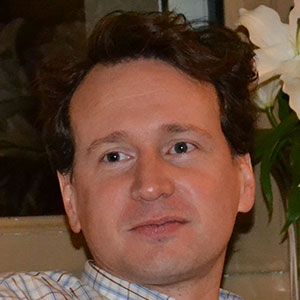 Nicolas Bourdel合作论文数Pôle Gynécologie Obstétrique Et Reproduction Humaine, Centre Hospitalier Universitaire De Clermont-Ferrand214Arnaud Wattiez合作论文数186M.A. Bruhat合作论文数174
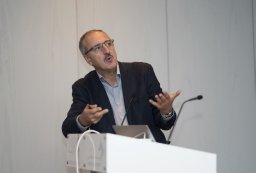 Revaz Botchorishvili合作论文数Department of Gynecologic Surgery, CHU Estaing172
 Benoit Rabischong合作论文数Gynecological Surgery Department, Centre Hospitalier Universitaire Clermont-Ferrand;International Center for Endoscopic Surgery106H Manhes合作论文数93Sachiko Matsuzaki合作论文数92Kris Jardon合作论文数73Gérard Mage合作论文数61
 Charles Chapron合作论文数Université de Paris;Hôpital Cochin à Paris;Unité INSERM U1016 Département “Développement, Reproduction et Cancer” à l’Institut Cochin58B Rabischong合作论文数52Pauline Chauvet合作论文数CHU de Clermont-Ferrand, CHU Estaing, service de gynécologie obstétrique et reproduction humaine, gynécologie A, 1, place Lucie-Aubrac, 63100 Clermont-Ferrand, France50C. Houlle合作论文数41Christophe Pomel合作论文数34Laurent Janny合作论文数29Gremeau Anne-Sophie合作论文数27J. Pouly合作论文数26Claude Darcha合作论文数22A. S. Gremeau合作论文数20
 Adrien Bartoli合作论文数Universite Clermont Auvergne;Institut Universitaire de France;University Hospital of Clermont-Ferrand;SurgAR;DIA2M;EnCoV20Frank Bolandard合作论文数20S Bassil合作论文数19H Roman合作论文数19S. Curinier合作论文数19
 Slim K合作论文数Department of Digestive Surgery, University Hospital, CHU, Clermont-Ferrand, France
Francophone Group for Enhanced Recovery After Surgery, France19Brugnon Florence合作论文数19Catherine Rivoire合作论文数19
Slim K合作论文数Department of Digestive Surgery, University Hospital, CHU, Clermont-Ferrand, France
Francophone Group for Enhanced Recovery After Surgery, France19Brugnon Florence合作论文数19Catherine Rivoire合作论文数19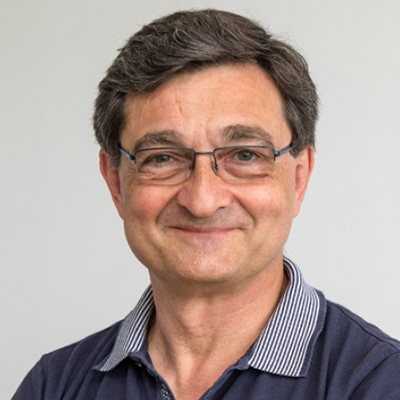 Pierre Déchelotte合作论文数Division of Nutrition, Rouen University Hospital18Bruno Pereira合作论文数18Chauffour Candice合作论文数17
 William Kondo合作论文数17Benjamin Cotte合作论文数16Aurélie Comptour合作论文数15M Bruhat合作论文数15E. Glowaczower合作论文数15X. Tran合作论文数15Denis Gallot合作论文数15Le Bouëdec G合作论文数14Bonnin M合作论文数14Arnaud Fauconnier合作论文数14
 Erdogan Nohuz合作论文数polyclinique de l'Hôtel-Dieu, CHU14A.-S. Azuar合作论文数Département de gynécologie–obstétrique, CHU Estaing Clermont-Ferrand14S. Tamburro合作论文数14Jacques Raiga合作论文数14
 Jacques Dauplat合作论文数13




