Large lakes, such as Lake Simcoe, Ontario, Canada, are undergoing significant change due to local and global stressors. Uni- and multivariate analyses of Lake Simcoe’s zooplankton community from 1986 to 2012 indicated multiple events of ecosystem change that were synchronous across three lake stations. In the mid-1990s, shifts in zooplankton species abundance and richness, and total cladoceran body size were strongly correlated with the invasion of the zooplanktivore, Bythotrephes cederstroemii. In the early 2000s, additional shifts in zooplankton abundance, as well as copepod body size, coincided with increased water clarity (linked to filter feeding by the invader Dreissena polymorpha) and hypolimnetic water temperature. Further community changes occurred in the 2000s when Bythotrephes declined and many vulnerable cladoceran species recovered. However, the Lake Simcoe community did not fully return to its pre-invasion state as the cold-water herbivores, Daphnia longiremis and Daphnia pulicaria, remained absent. The Lake Simcoe zooplankton community illustrates ongoing ecosystem change that propagated throughout the lake food web, and may be reflected in other lakes experiencing global stressors of climate change and species invasions.
We hypothesized that north shore water quality of Lake Erie's Central Basin is impacted by Central Basin hypoxia and, by extension, related to redox-dependant internal phosphorus (P) loading from the profundal sediments. To evaluate this hypothesis, we first quantified Central Basin hypoxia as hypoxic factor (HF, days in Aug-Sep that a sediment area equal to the Central Basin surface area was hypoxic) from published annual hypoxic (<2.0 mg/L dissolved oxygen) areal extent and duration. From 1985 to 2012, mean HF values were 15.2 (SE 1.45) d/Aug-Sep and ranged between 0 (1996) and 34.3 (2012) d/Aug-Sep. Second, we estimated internal load from an areal P release rate of 8 mg/m(2)/d, multiplied by HF. The estimate of 122 (SE 11.6) mg/m(2)/Aug-Sep (1985-2012, n = 28) is supported by an independent estimate of 136 (SE 20.3) mg/m(2)/summer (1970-1986, n = 15) computed from total P concentration increases at fall turnover and by an estimate for 1970. Third, 2013 temperature and oxygen profiles demonstrated periodic upwelling on the north shore of the Central Basin, in agreement with other studies. Fourth, we analysed P, chlorophyll a (Chl-a) and phytoplankton species data at 2 north shore drinking water intake stations. HF and internal loading were significantly correlated with summer soluble reactive P, August-October Chl-a concentrations, and cyanobacteria abundance at the Central Basin site but not at the control site in the Western Basin. While these correlations are weak, suggesting other effects including benthic productivity, they may be partially caused by hypolimnetic water circulated toward the shoreline.
Lake Simcoe has been influenced by multiple environmental drivers over the past decades, especially by reductions in phosphorus (P) loading, climate change, and invasive species such as dreissenid mussels (DM) which became firmly established in 1996. We examined the cumulative impact of these drivers on the volume-weighted hypolimnetic dissolved oxygen concentration (VWHDO) below 18 m at station K42 in Kempenfelt Bay during ice-free seasons from 1980 to 2012. Hypolimnetic DO depletion began in early spring when thermal stratification was observable but weak and continued throughout the ice-free season until cooling sufficiently lowered water column stability. In comparison to the pre-DM invasion period (1980-1995), mean annual VWHDOmit was 2.4 mg L-1 higher in the post-DM period (1996-2012), VVVHDOmin was 1.54 mg L-1 higher and the mean duration of the depletion period (L) was 16 days longer. Mean DO depletion rate (DR) and temperature adjusted DO depletion rate (DRadj) were slightly lower (7% and 5%, respectively) after 1996. P controls and DM had a positive effect on VWHDO, presumably by lowering productivity and diverting organic matter away from the hypolimnon. However, longer L apparently offset improvements in VWHDO,in. If lengthening of L associated with regional warming continues, then additional efforts to reduce P loads will be necessary to achieve the goal of maintaining VWHDOmin above the target of 7 mg O-2 L-1 throughout the summer and fall. (C) 2018 International Association for Great Lakes Research. Published by Elsevier B.V. All rights reserved.
Predicting how freshwater biota respond to multiple stressors is currently a major challenge facing aquatic ecologists and environmental managers. Lake Simcoe is an ideal location to test the impact of multiple stressors on aquatic biota over time, as changes in climate warming, species invasions, nutrient loading, and human population growth have occurred throughout the last three decades. In this study, we used a suite of multivariate analyses to quantify the unique and interactive effects of physico-climatic, water quality, and biological variables in explaining phytoplankton community composition from 1986 to 2012. Changes in water quality, zooplankton abundance and community composition (following the invasion of Bythotrephes longimanus), euphotic zone temperature and thermal stability, and the invasion of zebra mussels (Dreissena polymorpha) acting at different times throughout the period of record, were associated with major shifts in the phytoplankton community of Lake Simcoe: dominance of eutrophic diatoms and cyanobacteria from 1986 to 1997 shifted to chlorophytes after 1998, then again to a diverse mix of taxa represented by all major categories of algae after 2004. Contrary to expectation, we found little evidence that interactions between multiple stressors are taking place in Lake Simcoe. Instead, our results demonstrated the sequential nature of multiple stressors in influencing interannual variation in phytoplankton community structure. By occurring consecutively over time, we propose a “sequence of stressors” has influenced the ecological health of the lake over the preceding three decades. Considered by category, biological stressors, followed by water quality, then temperature and climate, explained the largest amount of total variance in the phytoplankton data. The prominence of zooplankton community changes as significant predictors of phytoplankton community change throughout the period of record suggests the top-down effect of these herbivores are also very important. Our results highlight the importance of extensive ecosystem monitoring in determining ecosystem health. Our approach may assist in the management of other aquatic systems, where identifying when multiple stressors are not operating may simplify the management process, allowing remediation efforts to focus on the most impactful stressors as primary targets for ecosystem restoration.
The Bay of Quinte, a Z-shaped embayment at the northeastern end of Lake Ontario, has a long history of eutrophication problems primarily manifested as spatially extensive algal blooms and predominance of toxic cyanobacteria. The purpose of this study was to identify the structural changes of the phytoplankton community induced by two environmental alterations: point-source phosphorus (P) loading reduction in the late 1970s and establishment of dreissenid mussels in the mid-1990s. A combination of statistical techniques was used to draw inference about compositional shifts of the phytoplankton assemblage, the consistency of the seasonal succession patterns along with the mechanisms underlying the algal biovolume variability in the Bay of Quinte over the past three decades. Based on a number of diversity and similarity indices, the algal assemblages in the upper and middle segments of the Bay are distinctly different from those typically residing in the outer segments. Our analysis also identified significant differences among the phytoplankton communities, representing the pre- and post-P control as well as the pre- and post-dreissenid invasion periods. Recent shifts in phytoplankton community composition were mainly associated with increased frequency of occurrence of toxin-producing Microcystis outbreaks and reduced biovolume of N2 fixers, such as Aphanizomenon and Anabaena. Bayesian hierarchical models were developed to elucidate the importance of different abiotic factors (light attenuation, water temperature, phosphorus, and ammonium) on total cyanobacteria, Microcystis, Aphanizomenon, and Anabaena relative biovolume. Our modelling exercise suggests that there is significant spatial heterogeneity with respect to the role of the factors examined, and thus total phosphorus alone cannot always explain the year-to-year variability of cyanobacteria succession patterns in the system. The lessons learned from the present analysis will be helpful to the water quality criteria setting process and could influence the management decisions in order to delist the system as an Area of Concern.
Mid-winter limnological surveys of Lake Erie captured extremes in ice extent ranging from expansive ice cover in 2010 and 2011 to nearly ice-free waters in 2012. Consistent with a warming climate, ice cover on the Great Lakes is in decline, thus the ice-free condition encountered may foreshadow the lakes future winter state. Here, we show that pronounced changes in annual ice cover are accompanied by equally important shifts in phytoplankton and bacterial community structure. Expansive ice cover supported phytoplankton blooms of filamentous diatoms. By comparison, ice free conditions promoted the growth of smaller sized cells that attained lower total biomass. We propose that isothermal mixing and elevated turbidity in the absence of ice cover resulted in light limitation of the phytoplankton during winter. Additional insights into microbial community dynamics were gleaned from short 16S rRNA tag (Itag) Illumina sequencing. UniFrac analysis of Itag sequences showed clear separation of microbial communities related to presence or absence of ice cover. Whereas the ecological implications of the changing bacterial community are unclear at this time, it is likely that the observed shift from a phytoplankton community dominated by filamentous diatoms to smaller cells will have far reaching ecosystem effects including food web disruptions.
Winter conditions are rapidly changing in temperate ecosystems, particularly for those that experience periods of snow and ice cover. Relatively little is known of winter ecology in these systems, due to a historical research focus on summer 'growing seasons'. We executed the first global quantitative synthesis on under-ice lake ecology, including 36 abiotic and biotic variables from 42 research groups and 101 lakes, examining seasonal differences and connections as well as how seasonal differences vary with geophysical factors. Plankton were more abundant under ice than expected; mean winter values were 43.2% of summer values for chlorophyll a, 15.8% of summer phytoplankton biovolume and 25.3% of summer zooplankton density. Dissolved nitrogen concentrations were typically higher during winter, and these differences were exaggerated in smaller lakes. Lake size also influenced winter-summer patterns for dissolved organic carbon (DOC), with higher winter DOC in smaller lakes. At coarse levels of taxonomic aggregation, phytoplankton and zooplankton community composition showed few systematic differences between seasons, although literature suggests that seasonal differences are frequently lake-specific, species-specific, or occur at the level of functional group. Within the subset of lakes that had longer time series, winter influenced the subsequent summer for some nutrient variables and zooplankton biomass.
Stephanie E. Hampton,* Aaron W. E. Galloway, Stephen M. Powers, Ted Ozersky, Kara H. Woo, Ryan D. Batt, Stephanie G. Labou, Catherine M. O’Reilly, Sapna Sharma, Noah R. Lottig, Emily H. Stanley, Rebecca L. North, Jason D. Stockwell, Rita Adrian, Gesa A. Weyhenmeyer, Lauri Arvola, Helen M. Baulch, Isabella Bertani, Larry L. Bowman, Jr., Cayelan C. Carey, Jordi Catalan, William ColomMontero, Leah M. Domine, Marisol Felip, Ignacio Granados, Corinna Gries, Hans-Peter Grossart, Juta Haberman, Marina Haldna, Brian Hayden, Scott N. Higgins, Jeff C. Jolley, Kimmo K. Kahilainen, Enn Kaup, Michael J. Kehoe, Sally MacIntyre, Anson W. Mackay, Heather L. Mariash, Robert M. McKay, Brigitte Nixdorf, Peeter N~ oges, Tiina N~ oges, Michelle Palmer, Don C. Pierson, David M. Post, Matthew J. Pruett, Milla Rautio, Jordan S. Read, Sarah L. Roberts, Jacqueline R€ ucker, Steven Sadro, Eugene A. Silow, Derek E. Smith, Robert W. Sterner, George E. A. Swann, Maxim A. Timofeyev, Manuel Toro, Michael R. Twiss, Richard J. Vogt, Susan B. Watson, Erika J. Whiteford and Marguerite A. Xenopoulos Abstract Winter conditions are rapidly changing in temperate ecosystems, particularly for those that experience periods of snow and ice cover. Relatively little is known of winter ecology in these systems, due to a historical research focus on summer ‘growing seasons’. We executed the first global quantitative synthesis on under-ice lake ecology, including 36 abiotic and biotic variables from 42 research groups and 101 lakes, examining seasonal differences and connections as well as how seasonal differences vary with geophysical factors. Plankton were more abundant under ice than expected; mean winter values were 43.2% of summer values for chlorophyll a, 15.8% of summer phytoplankton biovolume and 25.3% of summer zooplankton density. Dissolved nitrogen concentrations were typically higher during winter, and these differences were exaggerated in smaller lakes. Lake size also influenced winter-summer patterns for dissolved organic carbon (DOC), with higher winter DOC in smaller lakes. At coarse levels of taxonomic aggregation, phytoplankton and zooplankton community composition showed few systematic differences between seasons, although literature suggests that seasonal differences are frequently lake-specific, species-specific, or occur at the level of functional group. Within the subset of lakes that had longer time series, winter influenced the subsequent summer for some nutrient variables and zooplankton biomass.
Predictive models based on broad scale, spatial surveys typically identify nutrients and climate as the most important predictors of cyanobacteria abundance; however these models generally have low predictive power because at smaller geographic scales numerous other factors may be equally or more important. At the lake level, for example, the ability to forecast cyanobacteria dominance is of tremendous value to lake managers as they can use such models to communicate exposure risks associated with recreational and drinking water use, and possible exposure to algal toxins, in advance of bloom occurrence. We used detailed algal, limnological and meteorological data from two temperate lakes in south-central Ontario, Canada to determine the factors that are closely linked to cyanobacteria dominance, and to develop easy to use models to forecast cyanobacteria biovolume. For Brandy Lake (BL), the strongest and most parsimonious model for forecasting % cyanobacteria biovolume (% CB) included water column stability, hypolimnetic TP, and % cyanobacteria biovolume two weeks prior. For Three Mile Lake (TML), the best model for forecasting % CB included water column stability, hypolimnetic TP concentration, and 7-d mean wind speed. The models for forecasting % CB in BL and TML are fundamentally different in their lag periods (BL = lag 1 model and TML = lag 2 model) and in some predictor variables despite the close proximity of the study lakes. We speculate that three main factors (nutrient concentrations, water transparency and lake morphometry) may have contributed to differences in the models developed, and may account for variation observed in models derived from large spatial surveys. Our results illustrate that while forecast models can be developed to determine when cyanobacteria will dominate within two temperate lakes, the models require detailed, lake-specific calibration to be effective as risk-management tools.
Calcium (Ca) concentrations are decreasing in softwater lakes across eastern North America and western Europe. Using long-term contemporary and palaeo-environmental field data, we show that this is precipitating a dramatic change in Canadian lakes: the replacement of previously dominant pelagic herbivores (Ca-rich Daphnia species) by Holopedium glacialis , a jelly-clad, Ca-poor competitor. In some lakes, this transformation is being facilitated by increases in macro-invertebrate predation, both from native ( Chaoborus spp . ) and introduced ( Bythotrephes longimanus ) zooplanktivores, to which Holopedium , with its jelly coat, is relatively invulnerable. Greater representation by Holopedium within cladoceran zooplankton communities will reduce nutrient transfer through food webs, given their lower phosphorus content relative to daphniids, and greater absolute abundances may pose long-term problems to water users. The dominance of jelly-clad zooplankton will likely persist while lakewater Ca levels remain low.
Our study examines the relative importance of the causal linkages between exogenous total phosphorus (TP) loading and internal nutrient recycling with the water quality conditions in Lake Simcoe, Ontario, Canada. We enhance the mechanistic foundation of a simple TP mass-balance model, originally developed to guide the eutrophication management in the system. The structural improvements include the incorporation of macrophyte dynamics, the explicit representation of the role of dreissenids in the system, and the improved portrayal of the interplay between water column and sediments. Our model provides good agreement with the observed TP variability in the system during the study period (1999–2007). Consistent with empirical evidence, our model predicts that macrophyte uptake from the interstitial waters is responsible for a significant loss of P from the sediments. Our model also suggests that dreissenids filter a considerable amount of particulate P from the water column, but the effective clearance rate is significantly lower with a substantial amount of the filtered particles (> 85%) returned into the water column as faeces, pseudofeces or other metabolic excreta. P diffusive fluxes from the sediments account for about 30–35% of the exogenous P loading in Lake Simcoe. The sediments in the main basin are mostly driven by fast diagenetic processes of settling organic matter from the epilimnion, suggesting an internal P loading of 9.2 tonnes yr− 1. Finally, our study attempts to explain the lack of distinct decreasing trends in ice-free TP concentrations after the invasion of dreissenid mussels, suggesting that the presence of active nutrient recycling pathways, potentially magnified by the particular morphological features and hydrodynamic patterns of Lake Simcoe, could counterbalance the direct effects of dreissenid filtration.
Monitoring at five municipal water treatment plant intakes revealed several significant trends in Lake Erie's nearshore water quality since the 1960s and 1970s. Phytoplankton densities, in particular the abundance of diatoms, decreased following early phosphorus loading controls and the establishment of dreissenid mussels, while silica concentrations increased. There were notable reductions and breakpoints in the trends in phytoplankton cell densities in consecutive years from the west to the east of the lake (western basin in 1987, central in 1988, and eastern in 1989) coinciding with the reported timing of dreissenid mussel invasion and establishment. There have also been shifts in phytoplankton species composition that were related to variations in total phosphorus, chloride, silica, and nitrate concentrations. Annual mean phosphorus concentrations have decreased significantly and remained low since the early 1990s in the eastern basin, showed no consistent trend in the central basin, and decreased in the western basin. Concentrations have increased in the western basin since the mid-1990s, although not to the levels seen during the early 1980s. Recently, chlorophyll a concentrations have also increased in the western and eastern basins of the lake.
Using a 25-year record of monitoring data, we show that recent climate change has affected the thermal properties and oxygen content of seven lakes in south-central Ontario, Canada, and five lakes in north-central Wisconsin, USA. Coherent patterns in autumnal lake warming were driven by increased autumn air temperature in both lake districts. Temperature increases were restricted to the epilimnion and metalimnion of the lakes, resulting in increased thermal stability of the water column. Mixing depths also decreased over the study period. Shallower mixing depths in the Ontario lakes were due to climate-driven increases in lake-water dissolved organic carbon concentrations. Collectively, changes in the thermal regime of the lakes suggest autumn mixing of the water column may be delayed. Metalimnetic oxygen also increased in the Wisconsin lakes, perhaps in response to increased algal production as lake thermal regimes changed. The response of individual lakes to climate change was modified by lake chemistry in the Ontario lake district and by lake chemistry and morphometry in the Wisconsin lake district. Our results demonstrate coherent lake response to climate change and highlight the importance of both regional and local factors in regulating individual lake response to global climate change.
The global increase in cyanobacterial bloom reports heightens the need for a critical evaluation of models used for their prediction. In particular, it is unclear whether empirical cyanobacterial models vary regionally because of differences in environmental conditions and (or) community composition. To address this question, we applied linear and nonlinear models as well as mixed-effect models to a dataset of seasonally integrated environmental and cyanobacterial measurements collected from 149 lakes spread across three regions in Canada. Across all lakes, we found that linear models outperformed nonlinear approaches and that nutrients (phosphorus, nitrogen) were the best predictors of cyanobacterial biomass. Importantly, there was no significant regional difference in predicted cyanobacterial responses to nutrients, even though the means for these variables were different among regions. From canonical correspondence analyses of taxonomic biomass data, temperature, water column stability, and forms of inorganic nitrogen were also important in explaining cyanobacterial community structure at the regional scale. Based on these analyses, we conclude that North American models are suitable for estimating total cyanobacterial biomass from any particular temperate region in Canada.
This special section of Inland Waters features the first of numerous papers that highlight trends and insights emerging from decades of ecological monitoring and research activities on Lake Simcoe, Canada. Lake Simcoe is the largest lake in southern Ontario after the Laurentian Great Lakes. Like most large lakes, Simcoe has been negatively impacted over the past century by human activities, which accelerated dramatically around the 1930s (Hawryshyn et al. 2012). Phosphorus (P) loading from point and nonpoint sources caused excessive growth of plants and algae that consume hypolimnetic oxygen during decomposition, which limited coldwater fish habitat and contributed to the recruitment failure of popular sportfish such as lake trout ( Salvelinus namaycush ) and lake whitefish ( Coregonus clupeaformis ; Evans et al. 1996). The establishment in recent decades of invasive fish, invertebrates, and plants is changing lake habitat, food webs, and native species dynamics (Evans et al. 2011, Ginn 2011, Ozersky et al. 2011). Increasing air temperature associated with climate change has prolonged thermal stratification and shortened the period of ice cover (OMOE et al. 2009, Stainsby et al. 2011). Metals and organic pollutants originating from urban and industrial sources have accumulated in lake and tributary sediments (Helm et al. 2011, Landre et al. 2011), potentially affecting aquatic biota and increasing the risk associated with human fish consumption (Gewurtz et al. 2011, Lembcke et al. 2011). Additionally, the cumulative effects of these and other stressors have drastically altered aquatic communities (Depew et al. 2011, Ginn 2011, Jimenez et al. 2011, Winter et al. 2011). In response to public concern about the ecological health of the lake, the Lake Simcoe Protection Act was approved by the Government of Ontario in 2008 with a mandate to protect and restore the Lake Simcoe watershed (Government of Ontario 2008). The Act established the Lake Simcoe Protection Plan (LSPP; OMOE et al. 2009) that identifies a number of targets and indicators to characterize environmental health in the Lake Simcoe watershed and details 119 policies and actions to achieve these targets. Scientific monitoring and research play an integral role in the success of the LSPP, which supports an ecosystem approach to informing policies and actions, taking into account the interconnectedness of the lake and watershed. The LSPP mandates the enhancement of current monitoring programs, development of new monitoring programs, and the promotion and implementation of research projects that build upon existing science to continually update management decisions as part of an adaptive management approach. The challenges posed by the LSPP necessitate collaborative research efforts and sharing of responsibilities, resources, and knowledge among federal, provincial, and local governments, academics, conservation authorities, agricultural, commercial, and industrial sectors, First Nations communities, the general public, and other stakeholders. The collection of papers shows the value of a collaborative approach and demonstrates how strong partnerships can facilitate integrative approaches to scientific monitoring and research efforts being used to protect Lake Simcoe.
Lake Simcoe, the largest lake in southern Ontario outside of the Laurentian Great Lakes, is affected by numerous stressors including eutrophication resulting from total phosphorus (TP) loading, climate change, and invasions of exotic species. We synthesized the long-term responses of Lake Simcoe to these stressors by assessing trends in water quality and biological composition over multiple trophic levels. Evidence for climate change included increasing thermal stability of the lake and changes in subfossil diatom communities over time. Although the deep water dissolved oxygen (O-2) minimum has increased significantly since TP load reductions, it is still below estimated historical values and the Lake Simcoe Protection Plan end-of-summer target level of 7 mg O-2 L-1. Low deep water O-2 concentrations corresponded with a decline in coldwater fish abundance. Since 1980, some nutrient concentrations have decreased (spring TP) while others have increased (silica), but many show no obvious changes (ice-free TP, nitrate, ammonium). Increases in water clarity, combined with declines in chlorophyll a and phytoplankton biovolumes in Cook's Bay, were temporally consistent with declines in TP loading and the lake-wide establishment of dreissenid mussels as a major component of the Lake Simcoe ecosystem. Using an investigative tool, we identified 2 periods when abrupt shifts potentially occurred in multiple parameters: 1986 and 1995-1997. Additional ecosystem level changes such as declines in zooplankton, declines in offshore benthic invertebrate abundance, and increased nearshore invertebrate abundance likely reflect the effects of invasive species. The interaction of these multiple stressors have significantly altered the Lake Simcoe ecosystem.
This special section of Inland Waters contains the final installment of a collection of papers on Lake Simcoe, Ontario, Canada. Collectively, the 4 papers in Volume 3, Issue 1 and the 13 papers in the current issue demonstrate the integrative and collaborative monitoring and research efforts underway to protect this large, multi-stressed lake. In the first preface to the special sections (Palmer et al. 2013), we detailed legislative and financial initiatives that have been implemented by the federal and provincial governments to support science in the Lake Simcoe watershed. Here, we summarize the resultant science reported in these special sections and highlight priority areas for future work.
 Jennifer G. Winter合作论文数13Joelle D. Young合作论文数9
 Rebecca L. North合作论文数Biology Department, University of Waterloo6Eleanor A. Stainsby合作论文数5
 Norman D. Yan合作论文数Department of Biology,York University5
 Derek E. Smith合作论文数4
 Michael R Twiss合作论文数Department of Biology, Clarkson University4
 Andrew M. Paterson合作论文数Ontario Ministry of the Environment, Dorset Environmental Science Centre4
 Hamdi Jarjanazi合作论文数4
 Peter J. Dillon合作论文数Trent University4
 Eugene A. Silow合作论文数3
 Erika Whiteford合作论文数3George Swann合作论文数3
 Leah M. Domine合作论文数3
 Sally Macintyre合作论文数Department of Ecology, Evolution and Marine Biology, University of California, Santa Barbara;Marine Science Institute, University of California, Santa Barbara3
 Larry L Bowman, Jr.合作论文数Yale Poorvu Ctr Teaching & Learning, Yale Univ3
 Stephanie Labou合作论文数Univ Calif San Diego3
 George Arhonditsis合作论文数Department of Ecology and Evolutionary Biology, University of Toronto3Matthew J. Pruett合作论文数3
 Richard Vogt合作论文数Department of Biological Sciences, College of Arts and Sciences, University of South Carolina3
 David Post合作论文数Department of Ecology & Evolutionary Biology, Yale University3
 Sue Watson合作论文数Trent University3
 Brian Hayden合作论文数Kilpisjärvi Biological Station, University of Helsinki3
 John P. Smol合作论文数Department of Biology, Queen’s University3
 Marisol Felip合作论文数Departament d'Ecologia i, Centre de Recerca d'Alta Muntanya;Universitat de Barcelona;Departament d'Ecologia i Centre de Recerca d'Alta Muntanya, Universitat de Barcelona3
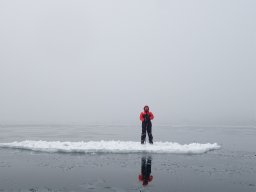 Ted Ozersky合作论文数3
 Corinna Gries合作论文数Center for Limnology, College of Letters and Science, University of Wisconsin-Madison;Environmental Data Institute, University of Wisconsin-Madison3
 Anson W. Mackay合作论文数Department of Geography, University College London3
 Stephen M. Powers合作论文数Center for Limnology;University of Wisconsin-Madison;Center for Limnology, University of Wisconsin-Madison3Lewis A. Molot合作论文数Faculty of Environmental Studies, York University3
 Robert Michael McKay合作论文数Department of Biology, McGill University Montreal3
 Maxim Timofeyev合作论文数Baikalian Research Centre3
 Cayelan Carey合作论文数Department of Biological Sciences, College of Science, Virginia Tech3
 Stephanie Hampton合作论文数Department of Environmental Science & Policy, University of California, Davis3
 Scott N. Higgins合作论文数Biology Department, University of Waterloo3
 Enn Kaup合作论文数3
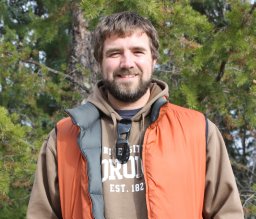 Michael D Rennie合作论文数Aquatic Ecology Group Department, University of Toronto3Marina Haldna合作论文数3
 Marguerite A. Xenopoulos合作论文数Department of Biology;Trent University;Department of Biology, Trent University3
 Lauri Arvola合作论文数Lammi Biological Station, University of Helsinki3
 Manuel Toro合作论文数3
 Rita Adrian合作论文数Department of Community and Ecosystem Ecology, Leibniz-Institute of Freshwater Ecology and Inland Fisheries3
 Noah R. Lottig合作论文数Center for Limnology;University of Wisconsin-Madison;Center for Limnology, University of Wisconsin-Madison3Jeffrey C. Jolley合作论文数3
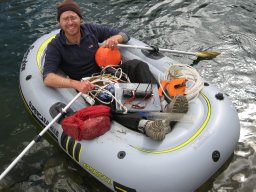 Steven Sadro合作论文数Department of Ecology, Evolution, and Marine Biology, University of California3
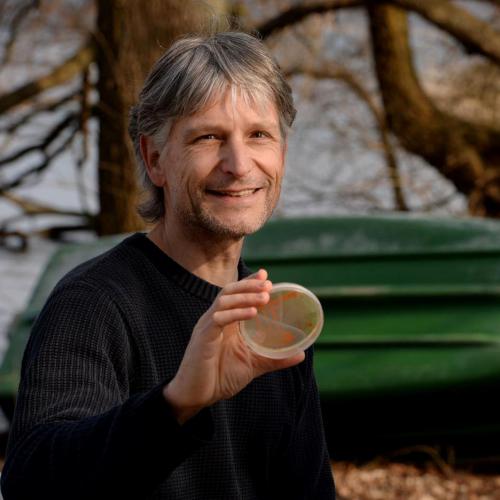 Hans Peter Grossart合作论文数Department of Plankton and Microbial Ecology, Leibniz-Institute of Freshwater Ecology and Inland Fisheries3Sarah L. Roberts合作论文数2Don Pierson合作论文数2
 David Lembcke合作论文数2




