Flashbulb memories (FBMs) refer to vivid and long-lasting autobiographical memories for the circumstances in which people learned of a shocking and consequential public event. A cross-national study across eleven countries aimed to investigate FBM formation following the first COVID-19 case news in each country and test the effect of pandemic-related variables on FBM. Participants had detailed memories of the date and others present when they heard the news, and had partially detailed memories of the place, activity, and news source. China had the highest FBM specificity. All countries considered the COVID-19 emergency as highly significant at both the individual and global level. The Classification and Regression Tree Analysis revealed that FBM specificity might be influenced by participants' age, subjective severity (assessment of COVID-19 impact in each country and relative to others), residing in an area with stringent COVID-19 protection measures, and expecting the pandemic effects. Hierarchical regression models demonstrated that age and subjective severity negatively predicted FBM specificity, whereas sex, pandemic impact expectedness, and rehearsal showed positive associations in the total sample. Subjective severity negatively affected FBM specificity in Turkey, whereas pandemic impact expectedness positively influenced FBM specificity in China and negatively in Denmark.
The COVID-19 pandemic created a unique set of circumstances in which to investigate collective memory and future simulations of events reported during the onset of a potentially historic event. Between early April and late June 2020, we asked over 4,000 individuals from 15 countries across four continents to report on remarkable (a) national and (b) global events that (i) had happened since the first cases of COVID-19 were reported, and (ii) they expected to happen in the future. Whereas themes of infections, lockdown, and politics dominated global and national past events in most countries, themes of economy, a second wave, and lockdown dominated future events. The themes and phenomenological characteristics of the events differed based on contextual group factors. First, across all conditions, the event themes differed to a small yet significant degree depending on the severity of the pandemic and stringency of governmental response at the national level. Second, participants reported national events as less negative and more vivid than global events, and group differences in emotional valence were largest for future events. This research demonstrates that even during the early stages of the pandemic, themes relating to its onset and course were shared across many countries, thus providing preliminary evidence for the emergence of collective memories of this event as it was occurring. Current findings provide a profile of past and future collective events from the early stages of the ongoing pandemic, and factors accounting for the consistencies and differences in event representations across 15 countries are discussed.
Conflict and violence in adolescents are on the rise in recent years. The interest in this phenomenon, such as peer rejection in groups or mistreatment in couples, has therefore greatly increased. In regard to this, we propose to study adolescents' responses in situations of conflict and violence, in order to identify resolution discursive strategies and their association with these two contexts; also offer some practical guidelines for intervention. Argumentative discourse (2250 utterances) of 42 adolescents, boys and girls, discussing two dilemmas (group conflict and partner violence) in groups, was analyzed qualitatively. The results show different themes and discursive strategies of coping with group conflicts and partner violence, and greater differences between boys and girls in the latter. Finally, we provide a training activity addressed to teachers about this area.
 Andrea Taylor合作论文数2
 Zheng JIN合作论文数2
 Irem Ergen合作论文数2
 Steve MJ Janssen合作论文数School of Psychology, Faculty of Science, The University of Nottingham2
 Jose Antonio Matías-García合作论文数Department of Experimental Psychology, University of Seville2
 Krystian Julian Barzykowski合作论文数2
 Lynn Watson合作论文数2
 Ioanna Markostamou合作论文数School of Psychology, Aristotle University of Thessaloniki2
 Öner Sezin合作论文数a Department of Psychology, Koç University2
 Nourkova Veronika合作论文数Moscow State University2
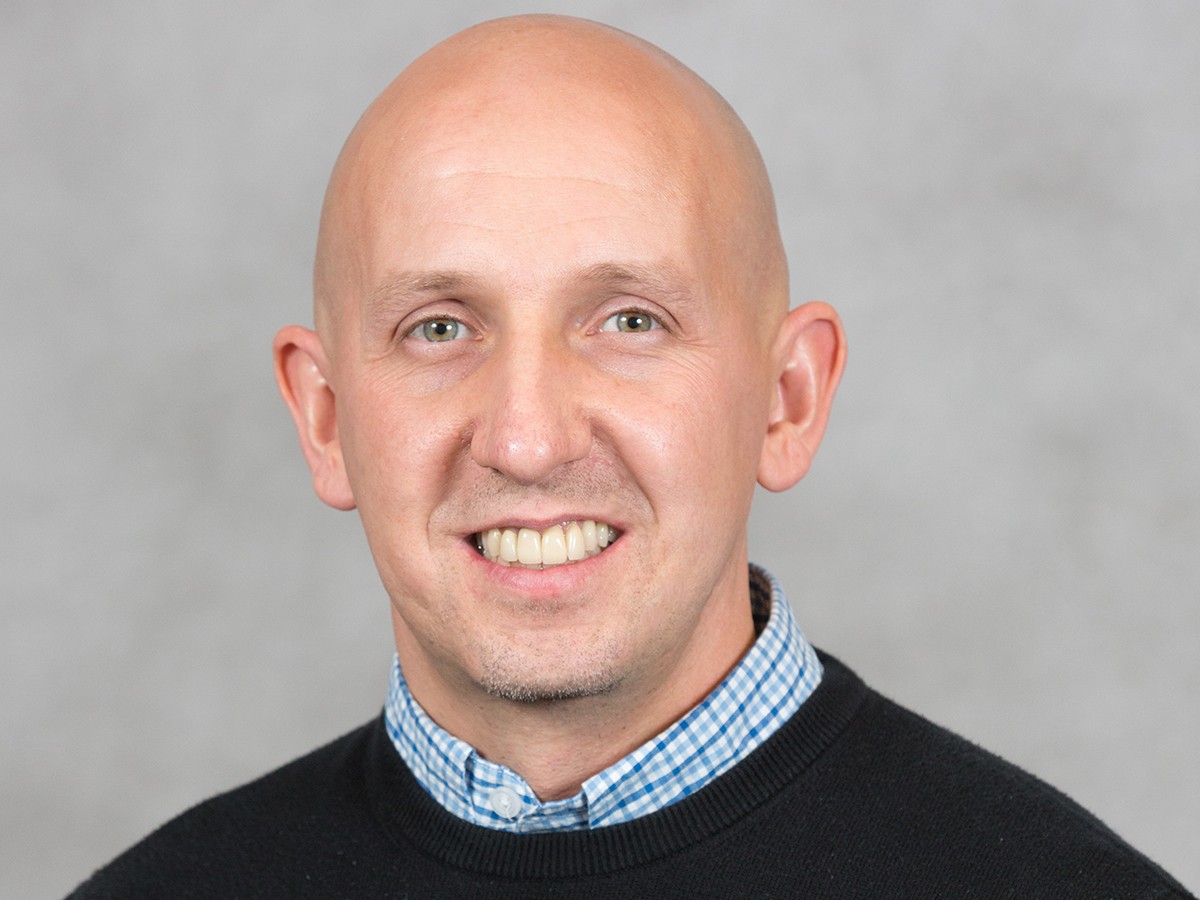 Karl K. Szpunar合作论文数Department of Psychology, Faculty of Arts, Ryerson University2
 Antonietta Curci合作论文数Dept Educ, Psychol, Commun, Univ Bari Aldo Moro2
 Tiziana Lanciano合作论文数2
 Andres Santamaria合作论文数Laboratorio de Actividad Humana;Facultad de Psicología;Universidad de Sevilla;Laboratorio de Actividad Humana, Universidad de Sevilla2
 Alena A. Gofman合作论文数1Lucrèce Heux合作论文数1
 Zeynep Adıguzel合作论文数1
 Kristine Anthony合作论文数1Katarzyna Filip合作论文数1
 Ezgi Bilgin合作论文数1
 Manuel Luis De la Mata-Benitez合作论文数1
 María Lojo合作论文数1
 Federica Alfeo合作论文数1
 Steven J. Dessenberger合作论文数1
 Oyku Uner合作论文数1Ryan P M Hackländer合作论文数1
 Claudia Marin合作论文数University of Bari Aldo Moro1Kaibin ZHAO合作论文数1Angela Maria D’Uggento合作论文数1
 Eylul Tekin合作论文数Dept Psychol & Brain Sci, Washington Univ1Christina Bermeitinger合作论文数1
 Samuel Arias合作论文数1
 Javier Saavedra合作论文数Department of Experimental Psychology, University of Seville1
 Scott Cole合作论文数Institute of Psychological Sciences, University of Leeds1
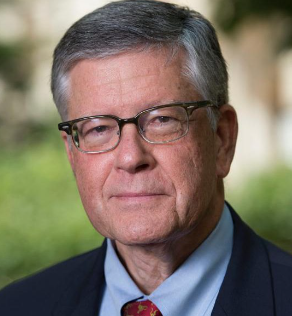 Henry L. Roediger, III合作论文数Memory Lab, Department of Psychological and Brain Sciences, Washington University in St. Louis1
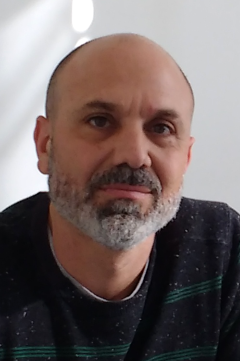 Manuel De la Mata合作论文数IFIBYNE - CONICET, University of Buenos Aires;Departamento de Fisiología, Biología Molecular y Celular, FCEN, University of Buenos Aires1
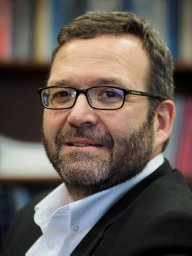 Sami Gulgoz合作论文数Koç University1
 Rosario Cubero合作论文数1
 Maryanne Garry合作论文数Victoria University of Wellington1




