Fatty pancreas (FP) is emerging as a concerning focus in pancreatology, though its impact on pancreatic neoplastic cystic lesions (PNCL) risk remains unclear. The study aims to evaluate the prevalence of FP in patients with PNCL and to determine if FP is significantly increased in the subgroup of PNCL with significant risk of malignancy. We conducted a retrospective, single-center, matched case–control study on patients diagnosed with PNCL between 2019–2024. We included patients with endosonographic (EUS) and computerized tomography (CT) evaluation. FP was defined by pancreas-to-spleen attenuation ratio (P/S) under 0.7 on CT. Ethical approval was granted by the local ethics committee (346,833/19.05.2023), registered in Clinical Trials (ID: NCT06867172). The study enrolled 22 cases with PNCL and 44 matched controls, adjusted by age, sex, nutritional status and lack of hepato-bilio-pancreatic diseases or major comorbidities. 14 of the 22 patients had lesions with risk of malignancy. No significant differences in P/S ratio (p = 0.496) or in FP prevalence (P/S > 0.7, p = 0.573) were observed between these groups. We could observe that P/S ratio were lower in the tail in patients with premalignant PNCL (p = 0.059). There were no significant differences between pancreatic fat ratio in head, body and tail (p = 0.399). Although pancreatic fat content did not significantly differ between patients with PNCL and the general population, an observed non-significant increase in steatosis in the pancreatic tail could warrant further investigation. Additional studies are necessary to clarify the role of FP in the progression and risk of pancreatic neoplastic cystic lesions.
Background/Objectives: Acute-on-chronic pancreatitis (ACP) is a fibro-inflammatory syndrome that stands at the border between acute pancreatitis (AP) and chronic pancreatitis (CP). It can be broadly defined as an acute exacerbation of CP. Large language models (LLMs) are artificial intelligence (AI) machine learning tools that can be employed in clinical decision systems (CDSs). Methods: This is an exploratory benchmark study. Six LLM chatbots were evaluated on a Likert scale by a panel of 13 experts in pancreatology based on the similarity of responses to a position statement (PS) in ACP. Results: ClaudeAI had the best average Likert score, while Alice had the lowest. There was a positive correlation between the length of the response and expert-perceived similarity. There was no correlation between seniority and Likert score. Conclusions: In this exploratory benchmark, some LLMs generated answers that were often judged as similar to the position statement, suggesting that they might be helpful as educational support tools and may assist in the refinement of research questions or in the identification of research gaps in this particular pathology.
Background Gastric subepithelial lesions (SELs) from the muscularis propria are usually managed surgically or with surveillance. Advances in endoscopic techniques now permit safe en bloc resection, even for lesions with extraluminal growth, but data from outside East Asia are scarce. Methods We performed a multicenter retrospective study across 18 centers in Europe, the Middle East, South America and South Asia, including patients with gastric SELs from the muscularis propria resected by endoscopic submucosal dissection (ESD) or submucosal tunneling endoscopic resection (STER) between 2017 and 2024. Outcomes included en bloc resection, safety, complications, and recurrence. Results Eighty-two patients (62.2% women; median age 59 years) were included. Median lesion size was 2 cm (range 0.6-8). Lesions were located in the cardia (18.3%), fundus (18.3%), body (40.2%), and antrum (23.2%). Histology showed gastrointestinal stromal tumors in 78.0%, leiomyomas in 19.5%, and schwannomas in 2.5%. Most were endoluminal (80.5%), 19.5% were extraluminal, and 7.3% extended beyond the serosa. ESD was performed in 65.9% and STER in 34.1%. Median procedure time was 120 min. Deliberate perforation was performed in 31.7%, while 92.3% were managed endoscopically. En bloc resection was achieved in 96.3%, with defect closure in 90.2%. Complications occurred in 7%, with no mortality. Local relapse occurred in 2.5% after a median 9-month follow up. One-third of procedures took place in non-academic centers. Conclusions ESD and STER are safe and effective alternatives to surgery or surveillance for gastric SELs from the muscularis propria, including lesions with extraluminal growth. Longterm, comparative studies alongside laparoscopic surgery are warranted.
Sepsis represents a major cause of mortality, especially among patients with liver cirrhosis, who are at increased risk due to immune dysfunction, gut-derived bacterial translocation, and altered hepatic metabolism. Traditional biomarkers such as C-reactive protein (CRP), procalcitonin (PCT), and interleukin-6 (IL-6) often have reduced diagnostic reliability in this subgroup, due to impaired liver and renal function. Presepsin, a soluble fragment of CD14 released during phagocytic activation, has emerged as a promising biomarker for early sepsis detection. This systematic review explores the diagnostic and prognostic utility of presepsin in cirrhotic and non-cirrhotic patients with suspected infection. Data from multiple clinical studies indicate that presepsin levels correlate with infection severity and clinical scores such as SOFA and APACHE II. In cirrhotic patients, presepsin demonstrates superior sensitivity and specificity compared to conventional biomarkers, maintaining diagnostic value despite hepatic dysfunction. Its utility extends to differentiating bacterial infections from fungal infections and monitoring treatment response. While preliminary evidence is compelling, further prospective, multicenter studies are required to validate its integration into standard care algorithms. Presepsin may become a valuable addition to clinical decision-making tools, particularly in hepatology-focused sepsis management.
Objectives: Esophagogastroduodenoscopy (EGD) performed with topical pharyngeal anesthesia presents less adverse events and post-procedural impairment associated with sedation. The aim of this study was to evaluate if by combining Flurbiprofen and Lidocaine sprays for topical pharyngeal anesthesia there is an improvement in patient tolerance and endoscopist satisfaction in comparison to using Lidocaine spray alone. Methods: We conducted a single center, double blind, randomized controlled trial designed to compare unsedated EGD using topical Flurbiprofen spray (Strepsils Intensive®) plus Lidocaine spray versus Lidocaine spray alone. We assessed patients’ tolerance and endoscopist satisfaction through a 0 to 10 points visual numerical rating scale. Results: A total of 36 patients were included and randomized in two equal groups: Lidocaine and Flurbiprofen spray group (FL) and Lidocaine spray group (L). No significant differences were found amongst groups for patient discomfort score (FL 5.33 ± 2.42, L 5.56 ± 2.12, p = 0.708), pain score (FL 1.77 ± 2.17, L 1.89 ± 0.74, p = 0.119), gag reflex intensity score (FL 1.61 ± 0.82, L 1.83 ± 0.68, p = 0.418), patient satisfaction score (FL 7.78 ± 2.46, L 7.22 ± 1.78, p = 0.428), and endoscopist satisfaction score (FL 7.5 ± 2.87, L 7.58 ± 1.45, p = 0.312). Conclusions: During unsedated EGD, both Lidocaine plus Strepsils spray and Lidocaine spray alone were safe and well tolerated. The combination of Flurbiprofen and Lidocaine did not significantly improve patients’ level of discomfort, pain, gag reflex, and satisfaction and endoscopist satisfaction.
BACKGROUND:Pancreatic ductal adenocarcinoma (PDAC) is an aggressive lethal malignancy with limited options for treatment and a 5-year survival rate of 11% in the United States. As for other types of tumors, such as colorectal cancer, aberrant de novo lipid synthesis and reprogrammed lipid metabolism have been suggested to be associated with PDAC development and progression. AIM:To identify the possible involvement of lipid metabolism in PDAC by analyzing in tumoral and non-tumoral tissues the expression level of the most relevant genes involved in the long-chain fatty acid (FA) import into cell. METHODS:A gene expression analysis of FASN, CD36, SLC27A1, SLC27A2, SLC27A3, SLC27A4, SLC27A5, ACSL1, and ACSL3 was performed by qRT-PCR in 24 tumoral PDAC tissues and 11 samples from non-tumoral pancreatic tissues obtained via fine needle aspiration or via surgical resection. The genes were considered significantly dysregulated between the groups when the p value was < 0.05 and the fold change (FC) was ≤ 0.5 and ≥ 2. RESULTS:We found that three FA transporters and two long-chain acyl-CoA synthetases genes were significantly upregulated in the PDAC tissue compared to the non-tumoral tissue: SLC27A2 (FC = 5.66; P = 0.033), SLC27A3 (FC = 2.68; P = 0.040), SLC27A4 (FC = 3.13; P = 0.033), ACSL1 (FC = 4.10; P < 0.001), and ACSL3 (FC = 2.67; P = 0.012). We further investigated any possible association between the levels of the analyzed mRNAs and the specific characteristics of the tumors, including the anatomic location, the lymph node involvement, and the presence of metastasis. A significant difference in the expression of SLC27A3 (FC = 3.28; P = 0.040) was found comparing patients with and without lymph nodes involvement with an overexpression of this transcript in 17 patients presenting tumoral cells in the lymph nodes. CONCLUSION:Despite the low number of patients analyzed, these preliminary results seem to be promising. Addressing lipid metabolism through a broad strategy could be a beneficial way to treat this malignancy. Future in vitro and in vivo studies on these genes may offer important insights into the mechanisms linking PDAC with the long-chain FA import pathway.
Text We report the case of a 32 years-old female with a hereditary history of breast and pancreatic cancer among the maternal line, who presented into our clinic for the endoscopic ultrasonographic (EUS) evaluation of a dilation in the main pancreatic duct. A hypoechoic, inhomogenous, 17mm nodule was found into the cefalic area of the pancreas. The nodule was punctured via FNA (fine needle aspiration). The FNA diagnosis was of a ductal adenorcarcinoma. An extensive pannel of genes for the evaluation of the mutations for inherited digestive cancer was performed afterwards. BRCA-2 was the only mutation present. Thereby, after neoadjuvant chemotherapy and cephalic duodenopancreatectomy, the inherited-pancreatic adenocarcinoma was cured, the present prevailing once again the past's hit.
Background and aims. Clinically significant delayed bleeding (CSDB) may complicate endoscopic colorectal submucosal dissection (ESD). We aimed to assess the efficacy of preventive measures for CSDB. Methods. We assessed the results of a prospective registry of colorectal ESD for laterally spreading lesions. We evaluated the effect of clip closure and PuraStat application on the prevention of CSDB. Results. A total of 40 patients with 41 colorectal ESDs were included. ESD was successful in 38 lesions (92.7%), 35 with R0 resection (92.1%) and 33 with curative resection (86.8%). CSDB occurred in 3 of 38 lesions (7.9%, 95% CI [1.7–21.4%]), exclusively after rectal ESD (3 of 22 rectal lesions vs. 0 of 16 colonic lesions, p = 0.249). Clip closure was more frequently used after colonic ESD (12 of 16 colonic lesions vs. 2 of 22 rectal lesions, p < 0.001) and was not protective for CSDB in the univariate analysis, even though no events occurred after clip closure (0 of 14 lesions with clip closure vs. 3 of 24 lesions without, p = 0.283). PuraStat was more frequently applied after ESD for rectal lesions (16 of 22 rectal lesions vs. 2 of 16 colonic lesions, p < 0.001) and was not protective for CSDB, with all three events occurring after PuraStat application (3 of 18 lesions with PuraStat application vs. 0 of 20 lesions without, p = 0.097). Conclusions. CSDB occurred exclusively after rectal ESD, and no predictive factors were identified in the univariate analysis. Clip closure and PuraStat application were not protective for CSDB.
Objective: Crohn’s disease (CD) is an immune-mediated inflammatory bowel disease (IBD), which comprises an idiopathic aberrant systemic and local inflammatory response. This response is a result of unknown interactions between the luminal content and the intestinal wall. This article is a review of the current state of knowledge providing information to help obstetricians to manage patients with CD, and to understand the particularities of these patients, with emphasis during pregnancy and postpartum, including recommendation for the birthing methods. It is important to explain the usefulness of the pursue of treatment during pregnancy, taking into consideration the drugs allowed during pregnancy, and addressing the challenges that CD may pose in addition to the physiological adaptations of pregnancy. Mechanism: As both an obstetrician and a gastroenterologist, this topic can be approach from two distinct perspectives. Firstly, how CD influences fertility and pregnancy, and secondly, an exploration on how hormonal changes and immune system tolerance during pregnancy probably influences CD. Findings in Brief: Data shows that pregnancy outcomes are influenced by the clinical course of CD at the time of conception. Latent disease prior to conception is associated with uneventful pregnancies and favorable neonatal outcomes, comparable to general population. Conversely, an active disease during pregnancy and ileal localization can be associated with prematurity, stillbirth, and small-for-gestational age (SGA) infants. A high risk of preeclampsia was reported in pregnancy with severe CD and oral or systemic corticosteroids administration. Optimal management approach involves a multidisciplinary team consisting of an obstetrician, gastroenterologist, and surgeon. Thiopurines and biologic agents are considered safe during pregnancy and breastfeeding. In infants with CD, alteration in the composition of the maternal microbiome may contribute to the systemic inflammation and to influence the transmission of an altered microbiota to the infants. This suggests that modulating the early microbiome can be an effective strategy to reduce cases of CD. Conclusions: Healthcare practitioners and patients must be aware that CD patients can have a successful pregnancy and a healthy infant. A multidisciplinary team can provide supportive care and help address significant information to adapt the treatment plan, and to monitor pregnancy.
Background and Aims: Helicobacter pylori (H. pylori) infection has an unknown prevalence in certain Romanian regions. We aimed to estimate it in communities from Southern regions of Romania with limited access to health services. Methods: We designed a cross-sectional study to include adult voluntary participants in the “Health in the neighborhood” medical assistance program. This was offered in villages with deprived healthcare availability from Southern regions of Romania. An immunochromatographic assay for the qualitative detection of H. pylori stool antigen was used for testing. Results: We included 708 adult voluntary participants in 10 villages, 6 from Muntenia and Oltenia Regions (Southern Romania), 2 from Dobrogea and 2 from Moldova (2.4% of all village inhabitants). H. pylori prevalence in Romanian Southern regions was 28.2%, (95%CI: 24-32.6%), and overall was 27.1%, (95%CI: 23.9-30.6%). There were no significant differences of H. pylori infection pertaining to regions distribution (p=0.711), gender ratio (p=0.779), age distribution (p=0.471) and hemoglobin value (p=0.503). Conclusions: H. pylori prevalence in communities from Southern regions of Romania with limited access to health services was 28.2%, 95%CI: 24-32.6%.
Aims We aimed to present the preliminary results of the ESDREG colorectal endoscopic submucosal dissection (ESD) prospective registry (Clinical Trials number NCT06033976).
Pancreatic cysts are becoming a popular diagnostic tool due to the increased availability of high-quality cross-sectional imaging. Pancreatic cystic lesions constitute closed, liquid-containing cavities, which are either neoplastic or non-neoplastic. While serous lesions often follow a benign course, mucinous lesions can hide carcinoma and, therefore, require different management. Moreover, all cysts should be considered mucinous until proven otherwise, thus limiting the errors in managing these entities. Due to the need for high contrast soft tissue imaging, magnetic resonance imaging represents an elective, non-invasive diagnostic tool. Endoscopic ultrasound (EUS) has started gaining more prominence with regard to the proper diagnosis and management of pancreatic cysts, offering quality information with minimal risks. Enabling both the acquisition of endoscopic images of the papilla and the endosonographic high-quality evaluation of septae, mural nodules along with the vascular patterns of the lesion contribute to a definitive diagnosis. Moreover, the possibility of obtaining cytological or histological samples could become mandatory in the foreseeable future, allowing for more precise molecular testing. Future research should focus on detecting methods to quickly diagnose high-grade dysplasia or early cancer for patients with pancreatic cysts, thus allowing time for appropriate treatment and avoiding surgical overtreatment or over surveillance in selected cases.
[This corrects the article DOI: 10.1055/a-1797-1936.].
 Diculescu Mircea合作论文数19
 Catalina Vladut合作论文数Dept Gastroenterol, Prof Dr Agrippa Ionescu Clin Emergency Hosp18Thierry Ponchon合作论文数17Dana Bilous合作论文数12Vincent Lepilliez合作论文数11
 Mathieu Pioche合作论文数Gastroenterology Department, Edouard Herriot Hospital11Mircea Diculescu合作论文数11J.-C. Saurin合作论文数Service d’hépatogastroentérologie, hôpital Édouard-Herriot9Elena Tianu合作论文数8Mircea Manuc合作论文数Clinic of Gastroenterology, Fundeni Clinical Institute7
 Mariana Jinga合作论文数Internal Medicine Department, “Dr. Carol Davila” Central University Emergency Military Hospital7
 Cristian Gheorghe合作论文数Center of Gastroenterology and Hepatology;Fundeni Clinical Institute;Center of Gastroenterology and Hepatology, Fundeni Clinical Institute7Tudor Arbanas合作论文数6Jc Souquet合作论文数6
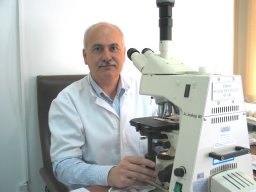 Gabriel Becheanu合作论文数Department of Pathology, “Carol Davila” University of Medicine and Pharmacy6
 Adrian Saftoiu合作论文数Carol Davila University of Medicine and Pharmacy;Gastroenterology & Hepatology Department, Elias Emergency University Hospital;Gastroenterology Department, Ponderas Academic Hospital6Valérie Hervieu合作论文数5Constantinescu Gabriel合作论文数Department of Gastroenterology and Internal Medicine, Clinical Emergency Hospital5
 Daniela Dobru合作论文数Department of Gastroenterology, University of Medicine and Pharmacy Tirgu Mures5Ionescu M E合作论文数5
 Bertrand Napoleon合作论文数5Rodica Gincul合作论文数5
 Eugen Dumitru合作论文数5Adrian Goldis合作论文数5
 Andrada Seicean合作论文数Third Medical Clinic;University of Medicine;Third Medical Clinic, University of Medicine5Bogdan Mateescu合作论文数4Maria Ciocîrlan合作论文数4Lucian Negreanu合作论文数4A. Lupu合作论文数4C Ciora合作论文数4Ciocîrlan Mirela合作论文数4
 Balaban Vasile合作论文数Carol Davila University of Medicine and Pharmacy4
 Liana Gheorghe合作论文数Fundeni Clin Inst4Christine Lefort合作论文数4
 Marcel Tantau合作论文数Institutul Regional de Gastroenetrologie şi Hepatologie, Universitatea de Medicina si Farmacie Iuliu Hatieganu Cluj-Napoca4E. Tianu合作论文数3Anca Trifan合作论文数3Cătălina Diaconu合作论文数3Anca Gheorghiu合作论文数3MG Lapalus合作论文数3Vasile Sandru合作论文数3Bertrand Napoléon合作论文数3Ionescu Mihnea合作论文数3
 Tantau Alina合作论文数3Preda Carmen Monica合作论文数Fundeni Gastroenterology and Hepatology Center3Drug Vasile合作论文数Institute of Gastroenterology and Hepatology, Gr. T. Popa University of Medicine and Pharmacy3Ilie Madalina合作论文数3
 Raluca Simona Costache合作论文数3




