Anne Frank wrote in her diary, ‘All children must look after their own upbringing. Parents can only give good advice or put them on the right paths, but the final forming of a person’s character lies in their own hands’. This quote illustrates the challenge faced by BMJ Open Sports & Exercise Medicin e (BOSEM) since its creation. Born in 2015, BOSEM was initially deemed as the ‘open access’ offspring of the British Journal of Sports Medicine . Six years later, BOSEM has published 629 manuscripts with over 900 unique authors listed. Our journal is ready to fly the nest. Now, the final forming of BOSEM’s personality lies with us, the new editorial team. Who are we, what is our personality, what makes us unique? We aim to support our community to make a difference for the general health and well-being of our patients, athletes and the world population. While this goal may not be truly unique in the sports and exercise medicine (SEM) landscape, the way we want to achieve it is. What makes us different is that BOSEM hosts clinically meaningful and impactful publications Open Access. Being true to the phrase ‘scientia potentia est’, all our content is freely available to everyone, and you can interact with BOSEM regardless of where you live and work. We take a continuous …
ObjectiveTelehealth has been established as a viable option for improved access and timeliness of care. Physician-guided patient self-evaluation may improve the viability of telehealth evaluation; however, there are little data evaluating the efficacy of self-administered examination (SAE). This study aims to compare the diagnostic accuracy of a patient SAE to a traditional standardised clinical examination (SCE) for evaluation of femoroacetabular impingement syndrome (FAIS).Methods75 patients seeking care for hip-related pain were included for participation. All patients underwent both SAE and SCE and were randomised to the order of the examinations. Diagnostic accuracy statistics were calculated for both examination group for a final diagnosis of FAIS. Mean diagnostic accuracy results for each group were then compared using Mann-Whitney U non-parametric tests.ResultsThe diagnostic accuracy of individual SAE and SCE manoeuvres varied widely. Both SAE and SCE demonstrated no to moderate change in post-test probability for the diagnosis of FAIS. Although low, SAE demonstrated a statistically greater mean diagnostic accuracy compared with the SCE (53.6% vs 45.5%, p=0.02).ConclusionDiagnostic accuracy was statistically significantly higher for the self-exam than for the traditional clinical exam although the difference may not be clinically relevant. Although the mean accuracy remains relatively low for both exams, these values are consistent with hip exam for FAIS reported in the literature. Having established the validity of an SAE, future investigations will need to evaluate implementation in a telehealth setting.
 Renan A Resende合作论文数1Ana Morais Azevedo合作论文数1Diana Gai Robinson合作论文数1justin rohrberg合作论文数1
 Chao Cao合作论文数1Kwadwo Owusu-Akyaw合作论文数1Tej Pandya合作论文数Royal Bolton NHS Fdn Trust1Sonia Cheng合作论文数Sydney School of Health Sciences, The University of Sydney1Sheree Bekker合作论文数1
 Justin Carrard合作论文数University of Lausanne1
 Habib Noorbhai合作论文数Faculty of Health Sciences, University of Johannesburg1
 Dominic Mah合作论文数Sch Med, Univ New South Wales1
 Daniel Rojas-Valverde合作论文数Escuela Ciencias del Movimiento Humano y Calidad de Vida (CIEMHCAVI),, Universidad Nacional1
 Marelise Badenhorst合作论文数Institute of Sport and Exercise Medicine (ISEM) Division of Orthopaedic Surgery, Stellenbosch University1
 Nirmala Kanthi Panagodage Perera合作论文数Department of Health, Medicine and Caring Sciences, Linkoping University1
 Nicola Sewry合作论文数International Olympic Committee (IOC) Research Centre1David M Keohane合作论文数1
 Amy Elizabeth Harwood合作论文数Centre for Sports, Exercise and Life Sciences, Coventry University1Siobhan M. Statuta合作论文数1
 Nash Anderson合作论文数1
 Fabio Carlos Lucas de Oliveira合作论文数1
 Patrick J Owen合作论文数Co-senior authors.1
 Carolyn A Hutyra合作论文数Optimal Care, Optum.1
 Daniel L Belavy合作论文数Charite, Ctr Muscle & Bone Res, D-13353 Berlin, Germany1
 Chad E. Cook合作论文数Department of Orthopaedic Surgery, School of Medicine, Duke University;Center of Excellence in Manual and Manipulative Therapy, Duke University;Department of Population Health Sciences, Duke University1Yorgi Mavrou合作论文数School of Health Sciences, Faculty of Medicine and Health, The University of Sydney1
 Aamir Raoof Memon合作论文数Institute of Physiotherapy and Rehabilitation Sciences, Peoples University of Medical and Health Sciences for Women1
 Todd S. Ellenbecker合作论文数Rehab Plus Sports Therapy Scottsdale1
 Osman Ahmed合作论文数School of Physiotherapy, University of Otago1
 Trine Moholdt合作论文数KG Jebsen Center of Exercise in Medicine, Norwegian University of Science and Technology1Patrick C Wheeler合作论文数University Hospitals of Leicester NHS Trust, Loughborough University1
 Joske Nauta合作论文数1
 Lingxiao Chen合作论文数Department of Orthopaedics, Tianjin Medical University General Hospital1
 van Nassau Femke合作论文数EMGO Institute for Health and Care Research, VU University Medical Center1
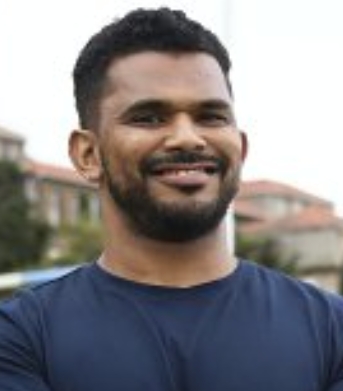 Sharief Hendricks合作论文数Division of Physiological Sciences, Department of Human Biology, Faculty of Health Sciences, University of Cape Town1
 Hespanhol Luiz Carlos合作论文数Masters and Doctoral Programs in Physical Therapy, Universidade Cidade de São Paulo1
 Richard C. Mather III合作论文数1
 Lehecka B J合作论文数1Blake Tracy合作论文数1
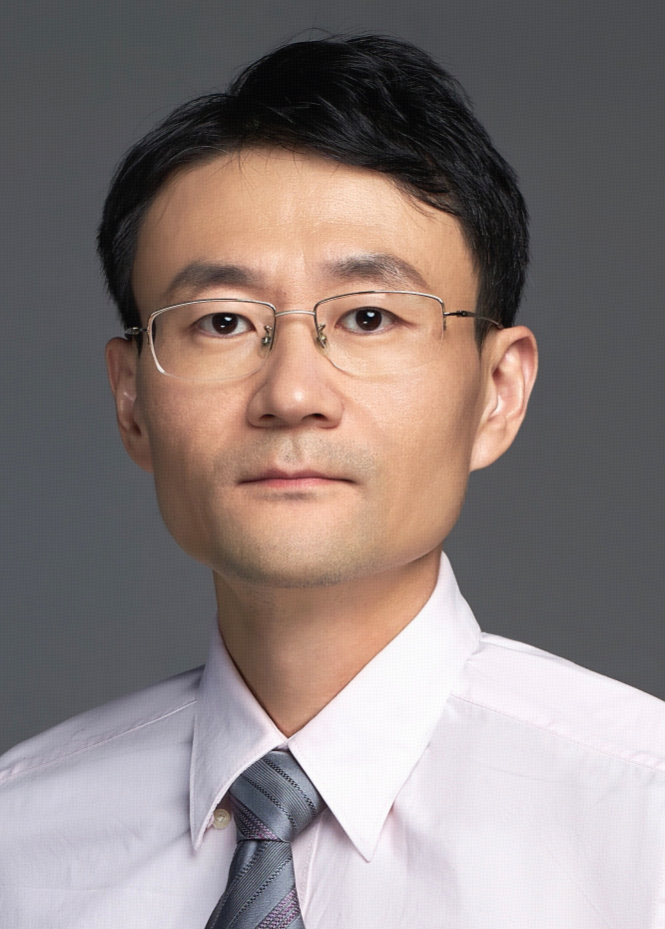 Tao Xiao (肖韬)合作论文数School of Mathematical Sciences, Shenzhen University1
 Evert Verhagen合作论文数Department of Public and Occupational Health, Amsterdam University Medical Center1
 Pascal Edouard合作论文数1
 Rina Márcia Magnani合作论文数Universidade Estadual Paulista1
 Robert Manske合作论文数Department of Physical Therapy, Wichita State University1




