The radiologic finding of focal stenosis of the main pancreatic duct is highly suggestive of pancreatic cancer. Even in the absence of a mass lesion, focal duct stenosis can lead to surgical resection of the affected portion of the pancreas. We present four patients with distinctive pathology associated with non-neoplastic focal stenosis of the main pancreatic duct. The pathology included stenosis of the pancreatic duct accompanied by wavy, acellular, serpentine-like fibrosis, chronic inflammation with foreign body-type giant cell reaction, and calcifications. In all cases, the pancreas toward the tail of the gland had obstructive changes including acinar drop-out and interlobular and intralobular fibrosis. Three of the four patients had a remote history of major motor vehicle accidents associated with severe abdominal trauma. These results emphasize that blunt trauma can injure the pancreas and that this injury can result in long-term complications, including focal stenosis of the main pancreatic duct. Pathologists should be aware of the distinct pathology associated with remote trauma and, when the pathology is present, should elicit the appropriate clinical history.
PURPOSE Circulating carbohydrate antigen 19-9 (CA19-9) levels reflect FUT3 and FUT2 fucosyltransferase activity. Measuring the related glycan, DUPAN-2, can be useful in individuals unable to synthesize CA19-9. We hypothesized that similar to CA19-9, FUT functional groups determined by variants in FUT3 and FUT2 influence DUPAN-2 levels, and having tumor marker reference ranges for each functional group would improve diagnostic performance. MATERIALS AND METHODS Using a training/validation study design, FUT2/ FUT3 genotypes were determined in 938 individuals from Johns Hopkins Hospital: 607 Cancer of the Pancreas Screening (CAPS) study subjects with unremarkable pancreata and 331 with pancreatic ductal adenocarcinoma (PDAC). Serum DUPAN-2 and CA19-9 levels were measured by immunoassay. RESULTS In controls, three functional FUT groups were identified with significant differences in DUPAN-2 levels: FUT3-intact, FUT3-null/FUT2-intact, and FUT3-null/FUT2-null. DUPAN-2 training set diagnostic cutoffs for each FUT group yielded higher diagnostic sensitivity in the validation set for patients with stage I/II PDAC than uniform cutoffs (60.4% [95% CI, 50.2 to 70.0] v 39.8% [30.0 to 49.8]), at approximately 99% (96.7 to 99.6) specificity. Combining FUT/CA19-9 and FUT/DUPAN-2 tests yielded 78.4% (72.3 to 83.7) sensitivity for stage I/II PDAC, at 97.7% (95.3 to 99.1) specificity in the combined sets, with higher AUC (stage I/II: 0.960 v 0.935 for CA19-9 + DUPAN-2 without the FUT test; P < .001); for stage I PDAC, sensitivity was 62.0% (49.1 to 73.2; AUC, 0.919 v 0.883; P = .03). CA19-9 levels in FUT3-null/FUT2-null PDAC subjects were higher than in FUT3-null/FUT2-intact subjects (median/IQR; 24.9/57.4 v <1/2.3 U/mL; P = .0044). In a simulated CAPS cohort, AUC precision recall (AUCPR) scores were 0.51 for CA19-9 alone, 0.64 for FUT/CA19-9, 0.73 for CA19-9/DUPAN-2, and 0.84 for FUT/CA19-9/DUPAN-2. CONCLUSION Using a tumor marker gene test to individualize CA19-9 and DUPAN-2 reference ranges achieves high diagnostic performance for stage I/II pancreatic cancer.
This clinical practice guideline from the American Society for Gastrointestinal Endoscopy (ASGE) provides an evidence-based approach for strategies to diagnose and manage Gastroesophageal Reflux Disease (GERD). This document was developed using the Grading of Recommendations, Assessment, Development, and Evaluation (GRADE) framework and serves as an update to the prior ASGE guideline on the role of endoscopy in the management of GERD (2014). The updated guideline addresses the indications for endoscopy in patients with GERD, including patients who have undergone sleeve gastrectomy (SG) and peroral endoscopic myotomy (POEM). It also discusses endoscopic evaluation of gastroesophageal junctional integrity comprehensively and uniformly. Important, this guideline discusses management strategies for GERD including lifestyle interventions, proton pump inhibitors (PPIs), and endoscopic antireflux therapy including transoral incisionless fundoplication (TIF), radiofrequency energy, and TIF combined with hiatal hernia repair (cTIF). The ASGE recommends upper endoscopy for the evaluation of GERD in patients with alarm symptoms. The ASGE suggests upper endoscopy for symptomatic patients with a history of SG and POEM. The ASGE recommends careful endoscopic evaluation, reporting, and photo-documentation of objective GERD findings and gastroesophageal junction landmarks and integrity to improve patient care and outcomes. In patients with GERD symptoms, the ASGE recommends lifestyle modifications. In patients with symptomatic and confirmed GERD with predominant heartburn symptoms, the ASGE recommends medical management including PPIs at the lowest dose for the shortest duration while initiating discussion about long-term management options. In patients with confirmed GERD with small hiatal hernia (≤2 cm) and Hill grade I or II flap valve who meet specific criteria, the ASGE suggests evaluation for TIF as an alternative to long-term medical management. In patients with confirmed GERD with a large hiatal hernia (>2 cm) and Hill grade 3 or 4 flap valve, the ASGE suggests evaluation for combined endoscopic-surgical TIF (cTIF) in a multidisciplinary review. This document clearly outlines the methodology, analysis, and decision used to reach the final recommendations and represents the official ASGE recommendations on the above topics.
In the 1990s, as prevention became a central strategy in the battle against cancer and the molecular genetics revolution uncovered the genetic basis of numerous hereditary cancer syndromes, there were no options available for patients at increased risk of developing pancreatic cancer. When surveillance efforts for those at familial and hereditary risk of pancreatic cancer emerged in the late 1990s, it was uncertain if early detection was achievable. In this introduction to the special issue, we offer an overview of the history of surveillance for pancreatic cancer, including the first reports of familial pancreatic cancer in the medical literature, the initial results of surveillance in the United States and the initiation of surveillance programs for hereditary pancreatic cancer in the Netherlands. This special issue features a collection of 18 articles written by prominent experts in the field, focusing specifically on refining surveillance methodologies with the primary objective of improving care of high-risk individuals. Several reviews in this collection highlight improved survival rates associated with pancreas surveillance, underlying the potential of early detection and improved management in the continuing fight against pancreatic cancer.
BACKGROUND AND AIMS:Transoral incisionless fundoplication (TIF) is an established safe endoscopic technique for the management of GERD but with variable efficacy. In the past decade, the TIF technology and technique have been optimized and more widely accepted, but data on outcomes outside clinical trials are limited. We tracked patient-reported and clinical outcomes of GERD patients after TIF 2.0. METHODS:Patients with body mass index <35 kg/m2, hiatal hernia <2 cm, and confirmed GERD with typical or atypical symptoms from 9 academic and community medical centers were enrolled in a prospective registry and underwent TIF 2.0 performed by gastroenterologists and surgeons. The primary outcomes were safety and clinical success (response in 1 subjective and at least 1 of 3 objective secondary end points). Secondary end points were symptom improvement, acid exposure time (AET), esophagitis healing, proton pump inhibitor (PPI) use, and satisfaction. Outcomes were assessed at last follow-up within 12 months. RESULTS:A total of 85 patients underwent TIF 2.0, and 81 were included in the outcomes analysis. Clinical success was achieved in 94%, GERD Health-Related Quality of Life scores improved in 89%, and elevated Reflux Symptom Index score normalized in 85% of patients with elevated baseline. Patient satisfaction improved from 8% to 79% (P < .0001). At baseline, 81% were taking at least daily PPI, and after TIF 2.0, 80% were on no or occasional PPI (P < .0001). Esophageal AET was normal in 72%, greater with an optimized TIF 2.0 valve (defined as >300-degree circumference and >3-cm length; 94% vs 57%; P = .007). There were no TIF 2.0-related serious adverse events. CONCLUSIONS:TIF 2.0 is a safe and effective endoscopic outpatient treatment option for selected patients with GERD.
Abstract Background GERD is a common cause of chronic cough. Although barrier therapy with laparoscopic fundoplication is highly effective for typical GERD symptoms, the response rates are variable for chronic cough. We hypothesized that transoral incisionless fundoplication (TIF) or TIF with hiatal hernia repair (cTIF) may be a suitable alternative for medically refractory cough associated with GERD. Aim We prospectively s studied the effectiveness and safety of TIF/cTIF in patients with chronic cough and proven GERD. Methods Patients with GERD and extra-esophageal symptoms from 10 academic and community medical centers (TIF Registry), elevated GERD-HRQL score +/- Reflux Symptom Index (RSI) >13 and pathologic reflux by esophageal pH-metry, or erosive esophagitis/Barrett’s esophagus were evaluated before and after a minimum 6 months post TIF/cTIF performed by gastroenterologists and surgeons. Patients with history of prior foregut/bariatric surgery, chronic obstructive or interstitial lung disease, or prior lung transplant were excluded. The primary outcome was improvement in RSI score at last follow-up compared to baseline. Secondary outcomes were: 1) normalization of RSI (<13), 2) improvement in cough sub-scores of RSI (decrease ≥ 2 points or to 0 on a 5-point scale), 3) GERD symptom improvement (>50% decrease in GERD-HRQL, or < 2 in all sub-scores) 4) discontinuation of proton pump inhibitor (PPI), and 5) overall patient satisfaction. We further analyzed response in patients with cough-predominant phenotype (chief complaint of cough and RSI troublesome cough subscore ≥2). Results 198 patients with cough and GERD successfully underwent TIF/cTIF (Table 1) without serious adverse events. Greater than 6-month follow-up was available for 177 patients at a median of 12 months [IQR 6,12]. Median RSI score decreased from 18 [IQR 13, 27] to 5 [IQR 2, 11] (p < 0.0001), median change 11 [IQR5,11]. 83% of patients with elevated baseline RSI normalized their scores. 75% of patients had improvement of cough when lying down (median: 1 point [IQR 0,3]), and 72% of patients had improvement of troublesome cough (median: 1 point [IQR 1,3]). 83% of patients successfully discontinued or decreased PPI to occasional use. Patient satisfaction improved from a baseline of 5.6% to 68.8% (p <0.0001). Compared to patients without cough-predominant symptoms, cough-predominant patients (n=108) experienced an additional 4.2-point decrease in in RSI score (p = 0.01) and 1.5-point decrease in troublesome cough sub-scores (p<0.0001). Patients with regurgitation phenotype were more likely to have a favorable cough response at 6 months (p<0.0001). In appropriately selected patients, cTIF and TIF were comparable for cough, GERD-HRQL, RSI, and PPI responses. Conclusion TIF/cTIF are effective and safe alternative barrier therapies for patients with pH-positive cough-predominant GERD.
This clinical practice guideline from the American Society for Gastrointestinal Endoscopy (ASGE) provides an evidence-based approach for strategies to diagnose and manage GERD. This document was developed using the Grading of Recommendations Assessment, Development, and Evaluation framework and serves as an update to the 2014 ASGE guideline on the role of endoscopy in the management of GERD. This updated guideline addresses the indications for endoscopy in patients with GERD as well as in the emerging population of patients who develop GERD after sleeve gastrectomy or peroral endoscopic myotomy. It also discusses how to endoscopically evaluate gastroesophageal junctional integrity in a comprehensive and uniform manner. Importantly, this guideline also discusses management strategies for GERD including the role of lifestyle interventions, proton pump inhibitors (PPIs), and endoscopic antireflux therapy (including transoral incisionless fundoplication [TIF], radiofrequency energy, and combined hiatal hernia repair and TIF [cTIF]) in the management of GERD. The ASGE suggests upper endoscopy for the evaluation of GERD in patients with alarm symptoms, with multiple risk factors for Barrett’s esophagus, and with a history of sleeve gastrectomy. The ASGE recommends careful endoscopic evaluation, reporting, and photo-documentation of objective GERD findings with attention to gastroesophageal junction landmarks and integrity in patients who undergo upper endoscopy to improve care. In patients with GERD symptoms, the ASGE recommends lifestyle modifications. In patients with symptomatic and confirmed GERD with predominant heartburn symptoms, the ASGE recommends medical management including PPIs at the lowest dose for the shortest duration possible while initiating discussion about long-term management options. In patients with confirmed GERD with small hiatal hernias (≤2 cm) and Hill grade I or II who meet specific criteria, the ASGE suggests evaluation for TIF as an alternative to chronic medical management. In patients with persistent GERD with large hiatal hernias (> 2cm) and Hill grade III or IV, the ASGE suggests either cTIF or surgical therapy based on multidisciplinary review. This document summarizes the methods, analyses, and decision processes used to reach the final recommendations and represents the official ASGE recommendations on the above topics.
Objective: Nitrous oxide cryoballoon ablation (CBA) is an effective therapy for Barrett’s esophagus (BE). Data regarding the efficacy of CBA for complete eradication of BE-associated intramucosal adenocarcinoma (ImCA) after endoscopic mucosal resection (EMR) are limited. Our aim is to determine the eradication rates of CBA for ImCA after unsuccessful attempted EMR. Methods: In this retrospective study we analyzed data from the electronic medical record of patients with ImCA who were treated with CBA as primary or rescue ablative therapy at a tertiary care academic center between July 2014 and September 2022. The primary outcome was complete eradication of ImCA (CE-CA). Secondary outcomes included eradication rate of intestinal metaplasia, recurrence rate of cancer and intestinal metaplasia, cancer-related morality, and disease-specific survival. Results: Thirty-five patients were included in the study. Group 1: 23 patients with EMR with positive margins. Group 2: 12 patients with unlocalized biopsy-proven ImCA. The median pre-CBA Prague C and M were 2 cm (SD ± 3.6) and 4.0 cm (SD ± 4). 21 (91%) patients in Group 1 achieved CE-CA within 1 year after a median 3 (IQR 2) CBA sessions. BE-CA related mortality was zero. There were no cases of recurrent intraluminal or extraluminal CA. 32 patients achieved and maintained CE-CA, while 23 (65.7%) achieved CE-IM by year 1. Conclusion: In our cohort, CBA was safe and effective for cancer and intestinal metaplasia eradication up to 5 years from initial treatment. Prospective studies are needed to assess the role of CBA in endoscopic therapy of early esophageal cancer.
 Michael G. Goggins合作论文数Department of Pathology, School of Medicine, Johns Hopkins University;Division of Gastroenterology and Hepatology, The Johns Hopkins Hospital;Early Detection of Pancreatic Cancer Laboratory, Johns Hopkins University113
 Ralph Hruban合作论文数Department of Oncology, Johns Hopkins University School of Medicine;The Sol Goldman Pancreatic Cancer Research Center, Johns Hopkins University108
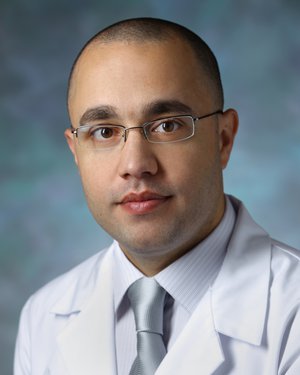 Mouen Khashab合作论文数School of Medicine, The Johns Hopkins University;The Johns Hopkins Hospital107
 Anne Marie Lennon合作论文数104
 Amitabh Chak合作论文数Department of Medicine, School of Medicine, Case Western Reserve University;Digestive Health Research Institute, School of Medicine, Case Western Reserve University99
 Eun Ji Shin合作论文数School of Medicine, The Johns Hopkins University97
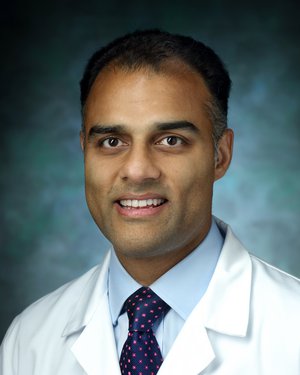 Vikesh Singh合作论文数Comprehensive Transplant Center, Johns Hopkins University;Pancreatitis Center, Johns Hopkins University;School of Medicine, Johns Hopkins University74
 Anthony Nicholas Kalloo合作论文数School of Medicine, Johns Hopkins University57
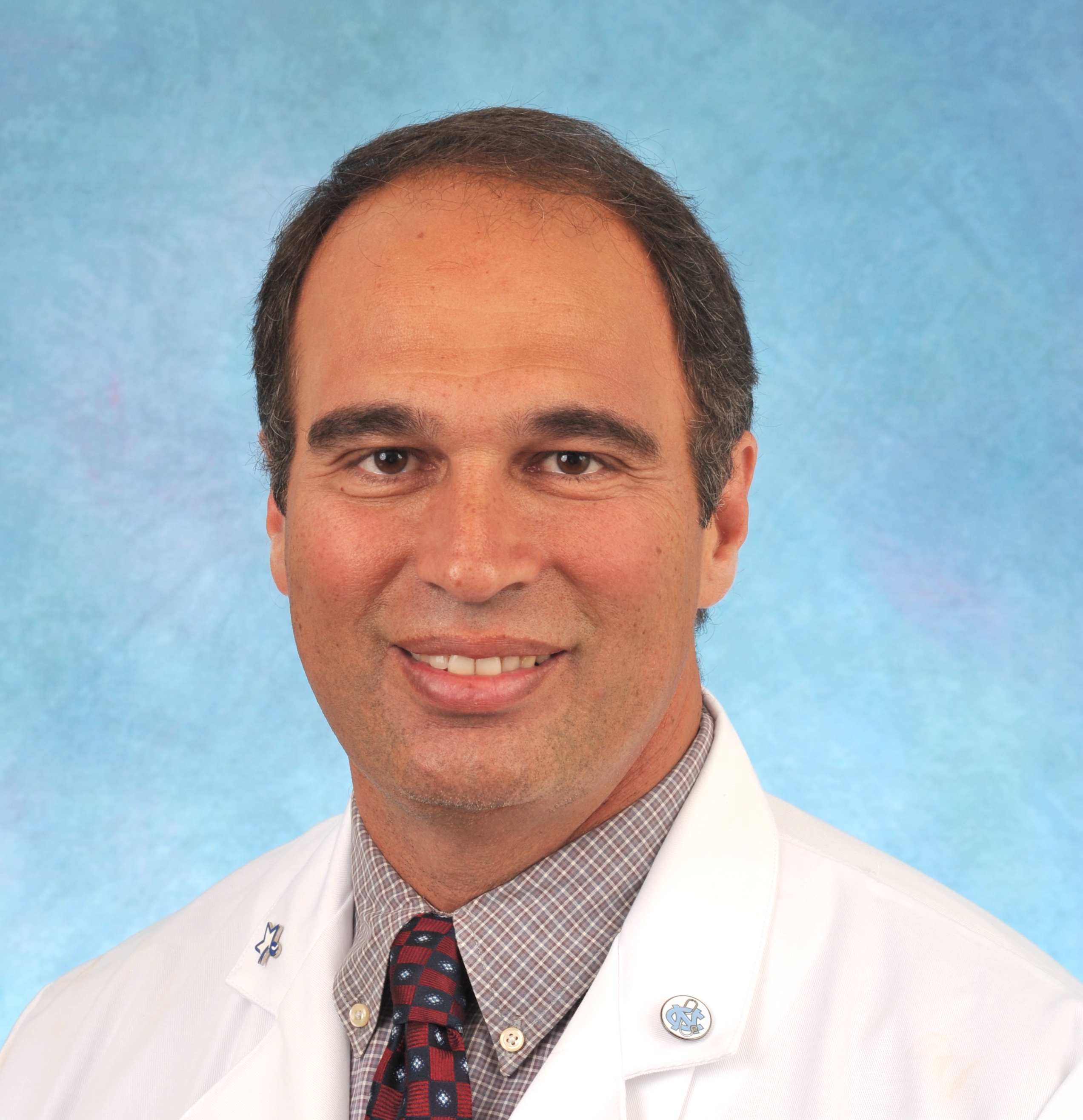 Nicholas J. Shaheen合作论文数Center for Gastrointestinal Biology and Disease, School of Medicine, University of North Carolina;Division of Gastroenterology & Hepatology, Department of Medicine, School of Medicine, University of North Carolina52
 Elizabeth A. Montgomery合作论文数Department of Pathology, Miller School of Medicine, Medical Campus, University of Miami47
 Christopher Wolfgang合作论文数Department of Surgery, School of Medicine, New York University;Johns Hopkins School of Medicine44
 Jean S Wang合作论文数43
 Mohamad Dbouk合作论文数Division of Gastroenterology and Hepatology, Johns Hopkins Medical Institutions41
 Patrick I Okolo合作论文数Johns Hopkins Medical Institute41
 Kumbhari Vivek合作论文数Dept Med, Div Gastroenterol & Hepatol, Johns Hopkins Med Inst39
 Olaya Brewer Gutierrez合作论文数38
 Prasad G. Iyer合作论文数Mayo Clinic, Mayo Clinic36
 Sanjay B. Jagannath合作论文数34
 Sanford Markowitz合作论文数Department of Medicine, School of Medicine, Case Western Reserve University;Department of Genetics and Genome Sciences, School of Medicine, Case Western Reserve University;Department of Molecular Biology and Microbiology, School of Medicine, Case Western Reserve University;Case Comprehensive Cancer Center, Case Western Reserve University33
 Kerry Dunbar合作论文数Dallas VA Medical Center, University of Texas Southwestern Medical Center;Division of Digestive and Liver Diseases, Department of Internal Medicine, Medical School, University of Texas Southwestern Medical Center33
 Richard Schulick合作论文数Division of Surgical Oncology, Department of Surgery, School of Medicine, University of Colorado33
 Bettegowda Chetan合作论文数The Johns Hopkins University31S.A. Giday合作论文数31
 Elliot K. Fishman合作论文数School of Medicine, The Johns Hopkins University29
 Payal Saxena合作论文数Royal Prince Alfred Hospital29Julian A. Abrams合作论文数29Ihab R. Kamel合作论文数28Mv Sivak合作论文数26
 Kenneth J. Chang合作论文数Division of Gastroenterology and Executive, School of Medicine, University of California26
 Charles J. Yeo合作论文数Department of Surgery, Sidney Kimmel Medical College, Thomas Jefferson University25
 Anirban Maitra合作论文数Perlmutter Cancer Center, NYU Langone Health;Department of Pathology, NYU Grossman School of Medicine;GI Cancer Center, NYU Langone Health25
 Gary W. Falk合作论文数Department of Medicine, Perelman School of Medicine, University of Pennsylvania24
 Apoorva Chandar合作论文数Case Western Reserve University;Department of Medicine General Internal, University Hospitals Cleveland Medical Center24
 Jin He合作论文数Department of Surgery, School of Medicine, Johns Hopkins University23
 Venkata Akshintala合作论文数Johns Hopkins Medical Institution;University of Pittsburgh Medical Center23Sergey V. Kantsevoy合作论文数23
 Kishore Guda合作论文数23
 Jill S. Barnholtz-Sloan合作论文数Winship Cancer Institute, Emory University;Department of Biostatistics and Bioinformatics, Rollins School of Public Health, Emory University22
 Saowanee Ngamruengphong合作论文数Department of Otolaryngology-Head and Neck Surgery, School of Medicine, Johns Hopkins University21James R. Eshleman合作论文数Dept Pathol, Johns Hopkins Univ21
 Alison Patricia Klein合作论文数Department of Otolaryngology-Head and Neck Surgery, School of Medicine, Johns Hopkins University20
 Sapna Syngal合作论文数Centers for Early Detection and Interception, Dana-Farber Cancer Institute;Division of Cancer Genetics and Prevention, Dana-Farber Cancer Institute;Harvard Medical School;Brigham and Women's Hospital20
 Amanda Blackford合作论文数BayesMendel Lab, Harvard University;School of Medicine, Johns Hopkins University19
 William M. Grady合作论文数Translational Science and Therapeutics Division, Fred Hutchinson Cancer Center;Public Health Sciences Division, Fred Hutchinson Cancer Center;Division of Gastroenterology, University of Washington School of Medicine19
 Ashley L. Faulx合作论文数18Michael Borges合作论文数Johns Hopkins Med Inst, Sol Goldman Pancreat Canc Res Ctr, Dept Pathol, Baltimore, MD 21231 USA18
 Reem Z. Sharaiha合作论文数Joan and Sanford I. Weill Department of Medicine, Weill Cornell Medicine, Cornell University18
 Randall E. Brand合作论文数Department of Medicine, School of Medicine, University of Pittsburgh18Charles J. Lightdale合作论文数18




