BackgroundIn HIV infection, even under long-term antiretroviral therapy (ART), up to 20% of HIV-infected individuals fail to restore CD4+ T cell counts to the levels similar to those of healthy controls. The mechanisms of poor CD4+ T cell reconstitution on suppressive ART are not fully understood.MethodsHere, we tested the hypothesis that lipopolysaccharide (LPS) from bacteria enriched in the plasma from immune non-responders (INRs) contributes to blunted CD4+ T cell recovery on suppressive ART in HIV. We characterized plasma microbiome in HIV INRs (aviremic, CD4+ T cell counts < 350 cells/μl), immune responders (IRs, CD4+ T cell counts > 500 cells/μl), and healthy controls. Next, we analyzed the structure of the lipid A domain of three bacterial species identified by mass spectrometry (MS) and evaluated the LPS function through LPS induced proinflammatory responses and CD4+ T cell apoptosis in PBMCs. In comparison, we also evaluated plasma levels of proinflammatory cytokine and chemokine patterns in these three groups. At last, to study the causality of microbiome-blunted CD4+ T cell recovery in HIV, B6 mice were intraperitoneally (i.p.) injected with heat-killed Burkholderia fungorum, Serratia marcescens, or Phyllobacterium myrsinacearum, twice per week for total of eight weeks.FindingsINRs exhibited elevated plasma levels of total microbial translocation compared to the IRs and healthy controls. The most enriched bacteria were Burkholderia and Serratia in INRs and were Phyllobacterium in IRs. Further, unlike P. myrsinacearum LPS, B. fungorum and S. marcescens LPS induced proinflammatory responses and CD4+ T cell apoptosis in PBMCs, and gene profiles of bacteria-mediated cell activation pathways in THP-1 cells in vitro. Notably, LPS structural analysis by mass spectrometry revealed that lipid A from P. myrsinacearum exhibited a divergent structure consistent with weak toll-like receptor (TLR) 4 agonism, similar to the biological profile of probiotic bacteria. In contrast, lipid A from B. fungorum and S. marcescens showed structures more consistent with canonical TLR4 agonists stemming from proinflammatory bacterial strains. Finally, intraperitoneal (i.p.) injection of inactivated B. fungorum and S. marcescens but not P. myrsinacearum resulted in cell apoptosis in mesenteric lymph nodes of C57BL/6 mice in vivo.InterpretationThese results suggest that the microbial products are causally associated with INR phenotype. In summary, variation in blood microbial LPS immunogenicity may contribute to immune reconstitution in response to suppressive ART. Collectively, this work is consistent with immunologically silencing microbiome being causal and targetable with therapy in HIV.FundingThis work was supported by the National Institute of Allergy and Infectious Diseases (NIAID; R01 AI128864, Jiang) (NIAID; P30 AI027767, Saag/Health), the Medical Research Service at the Ralph H. Johnson VA Medical Center (merit grant VA CSRD MERIT I01 CX-002422, Jiang), and the National Institute of Aging (R21 AG074331, Scott). The SCOPE cohort was supported by the UCSF/Gladstone Institute of Virology & Immunology CFAR (P30 AI027763, Gandhi) and the CFAR Network of Integrated Clinical Systems (R24 AI067039, Saag). The National Center for Advancing Translational Sciences of the National Institutes of Health under Award Number UL1TR001450 (the pilot grant, Jiang). The content is solely the responsibility of the authors and does not necessarily represent the official views of the National Institutes of Health.
A rare subset of HIV-infected individuals, termed elite controllers (ECs), can maintain long-term control over HIV replication in the absence of antiretroviral therapy (ART). To elucidate the biological mechanism of resistance to HIV replication at the molecular and cellular levels, we performed RNA sequencing and identified alternative splicing variants from ECs, HIV-infected individuals undergoing ART, ART-naive HIV-infected individuals, and healthy controls. We identified differential gene expression patterns that are specific to ECs and may influence HIV resistance, including alternative RNA splicing and exon usage variants of the CREM/ICER gene (cyclic AMP [cAMP]-responsive element modulator/inducible cAMP early repressors). The knockout and knockdown of specific ICER exons that were found to be upregulated in ECs resulted in significantly increased HIV infection in a CD4+ T cell line and primary CD4+ T cells. Overexpression of ICER isoforms decreased HIV infection in primary CD4+ T cells. Furthermore, ICER regulated HIV long terminal repeat (LTR) promoter activity in a Tat-dependent manner. Together, these results suggest that ICER is an HIV host factor that may contribute to the HIV resistance of ECs. These findings will help elucidate the mechanisms of HIV control by ECs and may yield a new approach for treatment of HIV. IMPORTANCE A small group of HIV-infected individuals, termed elite controllers (ECs), display control of HIV replication in the absence of antiretroviral therapy (ART). However, the mechanism of ECs' resistance to HIV replication is not clear. In our work, we found an increased expression of specific, small isoforms of ICER in ECs. Further experiments proved that ICER is a robust host factor to regulate viral replication. Furthermore, we found that ICER regulates HIV LTR promoter activity in a Tat-dependent manner. These findings suggest that ICER is related to spontaneous control of HIV infection in ECs. This study may help elucidate a novel target for treatment of HIV.
Blood microbiome is important to investigate microbial-host interactions and the effects on systemic immune perturbations. However, this effort has met with major challenges due to low microbial biomass and background artifacts. In the current study, microbial 16S DNA sequencing was applied to analyze plasma microbiome. We have developed a quality-filtering strategy to evaluate and exclude low levels of microbial sequences, potential contaminations, and artifacts from plasma microbial 16S DNA sequencing analyses. Furthermore, we have applied our technique in three cohorts, including tobacco-smokers, HIV-infected individuals, and individuals with systemic lupus erythematosus (SLE), as well as corresponding controls. More than 97% of total sequence data was removed using stringent quality-filtering strategy analyses; those removed amplicon sequence variants (ASVs) were low levels of microbial sequences, contaminations, and artifacts. The specifically enriched pathobiont bacterial ASVs have been identified in plasmas from tobacco-smokers, HIV-infected individuals, and individuals with SLE but not from control subjects. The associations between these ASVs and disease pathogenesis were demonstrated. The pathologic activities of some identified bacteria were further verified in vitro. We present a quality-filtering strategy to identify pathogenesis-associated plasma microbiome. Our approach provides a method for studying the diagnosis of subclinical microbial infection as well as for understanding the roles of microbiome-host interaction in disease pathogenesis.
Potential mechanisms of poor CD4+ T cell reconstitution after viral suppression with antiretroviral therapy (ART) in HIV disease have been extensively investigated. We recently discovered that anti-CD4 autoantibody plays a role in impaired CD4+ T cell recovery from ART in HIV-infected individuals with viral suppression, which accounts for a mechanism specific for CD4+ T cell depletion. However, the mechanism of pathologic anti-CD4 autoantibody production in treated HIV disease remains unknown. Here we report that seasonal influenza vaccination induced IgG anti-CD4 autoantibodies, predominant IgG3 subclass, in some viral-suppressed ART-treated HIV+ subjects. To explore the mechanism of anti-CD4 antibody production in this population, we performed and analyzed gene profiles in isolated B cells using a gene microarray and plasma 32 cytokines. Notably, both gene expression and multiple cytokine analyses showed pre-vaccination plasma level of IL-23 was the key cytokine linked to IgG anti-CD4 antibody production in response to immunization in vivo Exogenous rIL-23 increased autoreactive IgG binding on CD4+ T cells from HIV+ subjects in vitro Results from this study may reveal a role of IL-23 in anti-CD4 autoantibody production in treated HIV.IMPORTANCEIn our published studies, we determine that pathological anti-CD4 IgGs from immunologic non-responders on virally-suppressive ART (CD4 cell counts < 350 cells/μL) mediated CD4+ T cell death via antibody-mediated cytotoxicity (ADCC), which play a role in poor CD4+ T cell recovery from ART. Up to 25% of HIV-infected individuals are non-responders and demonstrate increased morbidity and mortality. However, the mechanism of anti-CD4 autoantibody production in treated HIV remains unknown. In this study, we report that IL-23 may be the key cytokine to promote anti-CD4 autoantibody production after immunization in ART-treated HIV-infected individuals.
A rare subset of HIV-infected individuals, termed elite controllers (ECs), can maintain long-term control over HIV replication in the absence of antiretroviral therapy (ART). To elucidate the biological mechanism of resistance to HIV replication at the molecular and cellular levels, we performed RNA sequencing and identified alternative splicing variants from ECs, HIV-infected individuals undergoing ART, ART-naïve HIV-infected individuals, and healthy controls. Differential gene expression patterns that are specific to ECs and may influence HIV resistance were identified, including alternative RNA splicing and exon usage variants of the CREM/ICER gene (cAMP-responsive element modulator/inducible cAMP early repressors). The knockout and knockdown of specific ICER exons that were found to be upregulated in ECs resulted in significantly increased HIV infection in CD4+ T cell line and primary CD4+ T cells. Overexpression of ICER isoforms decreased HIV infection in primary CD4+ T cells. Furthermore, ICER regulated HIV-1 LTR promoter activity in a Tat-dependent manner. Together, these results suggest that ICER is an HIV host factor that may contribute to HIV resistance of ECs. These findings will help elucidate the mechanisms of HIV control by ECs and may yield a new approach for treatment of HIV. ### Competing Interest Statement The authors have declared no competing interest.
Background Little is known about chronic cannabis smoking-associated oral microbiome and its effects on central nervous system (CNS) functions. Results In the current study, we have analyzed the saliva microbiome in individuals who chronically smoked cannabis with cannabis use disorder and in non-smoking controls. We found that cannabis smoking in humans was associated with oral microbial dysbiosis. The most increased oral bacteria were Streptococcus and Actinomyces genus and the most decreased bacteria were Neisseria genus in chronic cannabis smokers compared to those in non-smokers. To investigate the function of cannabis use-associated microbiome, mice were orally exposured to Actinomyces. meyeri, Actinomyces. odontolyticus, or Neisseria. elongate through oral gavage twice per week for six months which mimics human conditions. Strikingly, oral exposure of Actinomyces meyeri, an oral pathobiont, but not the other two control bactreria, decreased global activity and increased β-amyloid 42 protein production in the mouse brains. Conclusions This is the first study to reveal that cannabis-associated enrichment of Actinomyces meyeri may contribute to a hallmark of neuropathology.
Increased autoreactive antibodies have been reported in HIV disease; however, the mechanism accounting for autoantibody induction in HIV remains unknown. Herein, we show that seasonal influenza vaccination induces autoantibody production (e.g., IgG anti-nuclear antibody (ANA) and anti-double-stranded DNA antibody (anti-dsDNA)) in some viral-suppressed antiretroviral therapy (ART)-treated HIV+ subjects, but not in healthy controls. These autoantibodies were not derived from antigen-specific B cells but from activated "bystander" B cells analyzed by single-cell assay and by study of purified polyclonal ANAs from plasma. To explore the mechanism of autoantibody generation in HIV+ subjects, plasma level of microbial products, gene expression profile of B cells, and B cell receptor (BCR) repertoires were analyzed. We found that autoantibody production was associated with increased plasma level of microbial translocation; the patients with high autoantibodies had skewed B cell repertoires and upregulation of genes related to innate immune activation in response to microbial translocation. By analyzing circulating microbial 16S rDNA in plasma, the relative abundance of Staphylococcus was found to be associated with autoantibody production in HIV+ subjects. Finally, we found that injection of heat-killed Staphylococcus aureus promoted germinal center B cell responses and autoantibody production in mice, consistent with the notion that autoantibody production in HIV+ patients is triggered by microbial products. Our results showed that translocation of Staphylococcus can promote B cell activation through enhancing germinal center response and induces autoantibody production. It uncovers a potential mechanism linking microbial translocation and autoimmunity in HIV+ disease and provides a strong rationale for targeting Staphylococcus to prevent autoantibody production.
BACKGROUND:It is recommended that HIV-infected individuals receive annual influenza vaccination due to their high susceptibility to influenza infection, especially among women. However, there have been few studies investigating sex-related responses to influenza vaccine in antiretroviral therapy (ART)-treated HIV-infected individuals.METHOD:In this study, 26 aviremic ART-treated HIV-infected individuals and 16 healthy controls were enrolled in the current study. Blood was collected prior to vaccination (D0), on days 7-10 (D7) and on days 14-21 (D14) following administration of the 2013-2014 seasonal influenza vaccine. A series of analyses evaluated the serological and cellular responses following influenza vaccination.RESULTS:Female HIV-infected individuals had increased influenza-specific antibody avidity relative to male HIV-infected individuals, but similar plasma levels of influenza-specific binding antibodies and neutralizing antibodies. Increased cycling B cells and follicular helper CD4 T (Tfh) cells were observed in female HIV-infected individuals pre and postvaccination compared with male HIV-infected individuals, and cycling Tfh cells were directly correlated with influenza-specific antibody avidity. Moreover, plasma testosterone levels were inversely correlated with antibody avidity index. The magnitude of microbial translocation [plasma lipopolysaccharide (LPS)] level was directly correlated with influenza-specific antibody avidity. Circulating 16S rDNA microbiome showed that enrichment of specific species within Proteobacteria was associated with influenza-specific antibody avidity. These results, including differences based on sex and correlations, were only observed in HIV-infected individuals but not in the healthy controls.CONCLUSION:This study demonstrated sex differences in influenza-specific antibody avidity in ART-treated HIV disease, and provides valuable information on vaccination strategy in the ART-treated HIV-infected population.
 Luo Zhenwu合作论文数Department of Microbiology and Immunology, Medical University of South Carolina5Heath Sonya L合作论文数4Martin Lisa K合作论文数3Wu Yongxia合作论文数3
 Zejun Zhou (周泽军)合作论文数Hunan institute of Biology, College of Life sciences, Hunan Normal University;Shi Cheng College, Hunan Normal University3Maria Anna Julia Westerink合作论文数2Elizabeth Ogunrinde合作论文数2Wei Jiang合作论文数2
 Alison Scott合作论文数Dept Microbial Pathogenesis, Univ Maryland2
 Ping Jin合作论文数Clinical Center, National Institutes of Health2David F. Stroncek合作论文数2
 Lumin Zhang合作论文数National University of Defense Technology2
 Zhefeng Meng合作论文数2
 Stephanie Warth合作论文数1Tao Zhang合作论文数1Catrina Robinson合作论文数1Xu Wang合作论文数1Fuli Mi合作论文数1Bin Su合作论文数1Lei Ma合作论文数1Hui Liu合作论文数1Kendra Maas合作论文数1Amanda Wagner合作论文数1
 Wanli Xu合作论文数1Xueling Wu合作论文数1Jeremy Y Yu合作论文数1Zhen Li (李贞)合作论文数1
 McRae-Clark Aimee L合作论文数Dept Psychiat, Med Univ S Carolina1
 Alexander Alekseyenko合作论文数Biomedical Informatics Center, Medical University of South Carolina;Department of Public Health Sciences, College of Medicine, Medical University of South Carolina;Department of Oral Health Sciences, College of Dental Medicine, Medical University of South Carolina;Department of Healthcare Leadership and Management, College of Health Professions, Medical University of South Carolina1
 Davide Amato合作论文数1
 Zihai Li合作论文数Pelotonia Institute for Immuno-Oncology, The Ohio State University1Liu Hui C合作论文数1
 Steven Deeks合作论文数School of Medicine, University of California, San Francisco;Division of HIV, Infectious Diseases and Global Medicine, Zuckerberg San Francisco General Hospital1
 Ena Wang合作论文数Nurix Therapeutics, Inc.1Wan Zhuang合作论文数1
 Allison Ross Eckard合作论文数Emory University School of Medicine and Children's Healthcare of Atlanta1
 Zhiliang Hu合作论文数1
 Benitez Andreana合作论文数Center for Biomedical Imaging, Medical University of South Carolina1
 Jeffrey N. Martin合作论文数San Francisco General Hospital;Department of Epidemiology and Biostatistics, University of California, San Francisco1
 Xuezhong Yu (俞学中)合作论文数Zhejiang University School of Medicine1
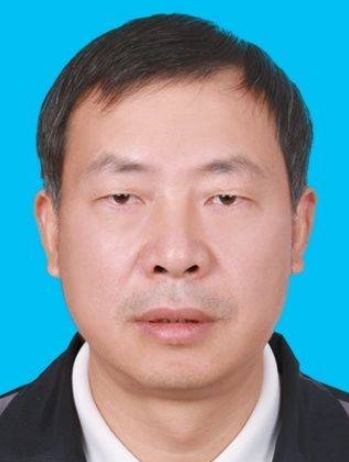 Guoyang Liao (廖国阳)合作论文数Institute of Medical Biology, Chinese Academy of Medical Sciences1
 Michael T. Collins合作论文数School of Veterinary Medicine;University of Wisconsin;School of Veterinary Medicine, University of Wisconsin1Jiafeng Zhang (张佳峰)合作论文数1
 Hao Wu (吴昊)合作论文数Beijing You An Hospital, Capital Medical University1Xiaoyu Fu (付晓宇)合作论文数School of Physics, Central South University1Shenghui Qin (秦生辉)合作论文数1Quan-Zhen Li合作论文数Department of Immunology, University of Texas Southwestern Medical Center1




