MnS inclusions in free-cutting steel were investigated using the BL16U2 beamline at the Shanghai Synchrotron Radiation Facility. Two-dimensional cross-sectional imaging of MnS inclusions was conducted through computed tomography. ImageJ software was employed to extract characteristic parameters from the MnS-containing two-dimensional images, followed by correlation analysis to identify the optimal combination of parameters for dataset construction. A multi-branch gated segmented integrated regression network (MBG-SIRN) was developed based on the PyTorch framework. This model adopts a stacked ensemble strategy, in which the multi-branch gated network and eXtreme gradient boosting (Xgboost) are used as base learners, with Xgboost also serving as the meta-learner. Furthermore, the Sparrow Search Algorithm was applied to automatically optimize hyperparameters such as learning rate and weight decay. The results demonstrate that the MBG-SIRN model exhibits outstanding predictive accuracy in estimating the number of MnS inclusions. Specifically, 98.3% of the samples achieved relative errors within the range of [0, 0.1], and the coefficient of determination approached 1, confirming the model's ability to accurately quantify MnS inclusions.
Although Ce treatment has been shown to modify non-metallic inclusions in H13 hot-work die steel, the transformation sequence and precipitation behavior of Ce-bearing inclusions under coupled composition–temperature conditions remain insufficiently clarified. In this study, FactSage 8.2 thermodynamic calculations, melting experiments, and SEM–EDS characterization were used to investigate the effects of O, S, Al, and Ca contents, the S/O ratio, and temperature on Ce-modified inclusion evolution. Increasing the O content stabilized Ce2O3 and CeAlO3, whereas low O content and a high S/O ratio favored CexSy formation. Increasing the O content or decreasing the S/O ratio shifted CexSy formation to higher Ce contents and increased the critical Ce content required for its formation. The Al content mainly promoted CeAlO3 and Al2O3 and had a limited effect on the overall transformation pathway. Increasing the Ca content from 0.0001 to 0.0025 wt pct decreased CeAlO3 and Ce2O2S, whereas Ce2O3 increased when the Ca content reached 0.0025 wt pct. At 0.01 wt pct Ca, CeAlO3 and Ce2O2S no longer appeared, and CaO and CaS became the main inclusions. Lower temperatures generally favored Ce2O2S, CeAlO3, and CexSy relative to Ce2O3. Experimental observations were qualitatively consistent with the calculated trends. These results establish a thermodynamic basis for controlling Ce-bearing inclusion evolution in H13 steel through composition and temperature adjustment.
TiN inclusions precipitated during the solidification of Ti-microalloyed high-strength steels tend to grow to large sizes and are therefore difficult to dissolve during subsequent rolling and heat treatment. In this study, TiN precipitation and diffusion-controlled growth during solidification were quantitatively predicted using a numerical model coupling solute microsegregation with inclusion growth kinetics. Based on thermodynamic calculations using FactSage, the equilibrium partition coefficients of solute elements and the solubility product of TiN were calculated and incorporated into the model. The results demonstrate that the use of dynamic partition coefficients improves the accuracy of predicting solute enrichment in the interdendritic liquid during the late stage of solidification. Moreover, the model employing a thermodynamically optimized TiN solubility product provides more reliable predictions of TiN precipitation than traditional empirical approaches. Alloying elements exhibit distinct effects on TiN evolution: increasing Ti content mainly advances the onset of TiN precipitation but has a limited influence on the final inclusion size, whereas increasing N content significantly promotes TiN growth. The cooling rate is identified as the dominant kinetic factor controlling TiN size, with the maximum TiN size increasing from approximately 1 to 2 μm to 13 to 17 μm as the cooling rate decreases from 50 to 0.5 °C s−1.
The physicochemical properties of carbon significantly influence the melting behavior of mold fluxes. In this study, straw-derived biochar is proposed as a carbon-neutral alternative to carbon black and considers its influence on the melting behavior of mold flux. The structural and physicochemical characteristics of the carbon were systematically investigated using proximate and elemental analyzer, laser particle size analyzer, and scanning electron microscope. The melting behavior was evaluated using the single hot thermocouple technique. The results show that compared with carbon black, straw-derived biochar exhibits a larger specific surface area of 1 267.42 m2g-1 and a lower sulfur and nitrogen content of 0.13% and 0.62%, respectively, reducing the release of nitrogen and sulfur pollutants. Additionally, straw-derived biochar exhibits a lower fixed carbon of 80.51%, reducing the emissions of CO2 and CO. The melting experiments show that the regulatory effects on the melting temperature progressively enhance with carbon increasing from 4 to 10%. While, the controlling effectiveness reduces as the carbon increase to 12%. Carbon enhances the viscosity of molten slag, and the degree to which carbon black increases the viscosity is greater than that of straw-derived biochar. Q0Si and Q1Si decreased, and Q2Si and Q3Si increase with an addition of carbon, elevating the degree of polymerization from 0.58 to 0.73, and ultimately increasing the complexity of silicate network structure. Straw-derived biochar is a sustainable carbon-neutral carbon source, and can replace the traditional fossil carbon and effectively regulate the melting behavior of mold flux.
Phosphorus removal is critical for ensuring the quality of steel products. Previous studies have shown that Li 2 O exhibits better performance in enhancing the dephosphorization ability of slag. Therefore, it is essential to investigate the phosphorus enrichment and dephosphorization mechanism of Li 2 O‐containing slag. In this study, the phosphorus distribution and the microstructure of slag are investigated by scanning electron microscopy–energy‐dispersive X‐ray spectroscopy, thermodynamic equilibrium calculations, Raman spectroscopy, and ab initio molecular dynamics simulations. The results show that phosphorus mainly distributes in the P‐rich phase in the form of 2Ca 2 SiO 4 ·Ca 3 P 2 O 8 before adding Li 2 O into the slag, while the P‐rich phase of 2Ca 2 SiO 4 ·Ca 3 P 2 O 8 disappears and phosphorus mainly distributes in the matrix phase after introducing Li 2 O into the slag. Besides, the addition of Li 2 O significantly strengthens the PO bond by increasing the potential energy barrier of PO bond from 111.6 to 152.2 kJ mol −1 , which can effectively inhibit rephosphorization and enhance the dephosphorization capacity of slag. Furthermore, Li 2 O can depolymerize the [SiO 4 ] and [PO 4 ] network structures and increase the free oxygen ratio, thereby reducing the slag polymerization degree and improving the dephosphorization capacity of the slag.
The graphitized carbon blocks are used as cathode and anode materials on modern aluminum electrolyzers, which provide a reaction interface between molten salts and a graphitized cathode for the electrochemical reaction. The first-principle calculations were performed to clarify the defluorination mechanism of fluoro-aluminates on graphite cathodes in aluminum electrolysis for energy efficiency and carbon emission reduction. The adsorption behaviors of intermediates involved in defluorination reactions on graphite surfaces are analyzed, revealing their spontaneous adsorption based on their adsorption energies and charge density differences. Furthermore, the defluorination pathways of both single Na3AlF6 clusters and fluoride-aluminate polymers are elucidated. Notably, Na3AlF6, after undergoing the thermochemical defluorination process to obtain AlF3, preferentially undergoes electrochemical defluorination via Al-F-Al polymerization. The key findings indicate that the chemical defluorination of Na3AlF6 leading to NaAlF4 serves as a pivotal step, facilitating the overall defluorination process and enhancing the aluminum production efficiency. This work provides fundamental insights into optimizing aluminum electrolysis processes.
The microstructure and surface tension of mold flux are crucial for the stable operation of continuous casting process. The surface tension of CaO-SiO2-Al2O3 based slags with different Al2O3 additions was calculated by molecular dynamics simulation. The microstructure of the slag was analyzed to reveal the mechanism of surface tension transition. Furthermore, the pulling cylinder method was employed to verify the accuracy of the molecular dynamics simulation. The results showed that the surface tension increased with Al2O3. Nevertheless, when at 15 % to 20 %, due to the formation of anion AlO2- with weak electrostatic potential, the surface tension shows a downward trend.
The Ti–Al alloys are widely favored by the aerospace industry for their excellent properties. Among them, TiAl3 is notable for its low density (3.36 g/cm3), very high specific strength, and excellent high-temperature oxidation resistance. However, its low toughness and insufficient plasticity at room temperature greatly limit the practical applications of TiAl3. On the other hand, it has been found that TiAl3 intermetallic compound powders have the potential to be used as wear-resistant layers, high-temperature corrosion-resistant thin-film materials, and reinforcing particles for metal matrix composites. In this paper, the TiAl3 intermetallic compounds were successfully prepared by melting titanium and pellets with the molar ratio of 1 : 3. The powder was prepared by the high-energy ball milling by the bulk TiAl3 prepared in the induction furnace. The influences of ball milling time, atmosphere and rotational speed on the ball milling efficiency were investigated to determine the optimal parameters based on the analysis of the particle size distribution after ball milling.
Abstarct Improving the removal rate of inclusions is crucial for enhancing the quality of steel products. The paper designs a swirling flow generator (SFG), which is installed between the ladle and the long nozzle, to optimize the efficiency of converting gravitational potential energy of the molten steel into swirling kinetic energy within the long nozzle. Compared the effects of the discrete phase model (DPM) and the DPM-volume of fluid (VOF) on the removal of inclusions during bubble injection, where the collision elimination behavior of inclusions and bubbles was simulated using a self-developed user-defined function (UDF), which optimizes the collision determination between bubbles and inclusions from a time point approach to a time step method, enabling full-process monitoring of bubble-inclusion collisions within discretized time steps. The results indicate that the application of the SFG significantly optimizes the flow field in the long nozzle, compared to the traditional long nozzle (TLN), the inclusion removal rate in the swirling long nozzle could be increased by approximately 50% and 20% using the DPM model and DPM-VOF coupled model, respectively.
Inclusions have a significant impact on the properties of steel. The inclusion modification is performed to control the harmful effect of inclusion on quality of steel. Magnesium and its alloys serve as effective modifiers during the steelmaking process, transforming irregular and clustered Al2O3 inclusions into smaller and well-dispersed MgAl2O4 particles. During the solidification of steel, MgAl2O4 acts as nucleation agent for MnS inclusions, facilitating the formation of MnS-MgAl2O4 complex inclusions with a soft exterior MnS layer surrounding a hard MgAl2O4 core. In this study, the first-principles computations were performed to obtain the adsorption energies of Mn and S atoms on Al(Mg) termination of the low-index structure of MgAl2O4(1 1 1). The adsorption structure was systematically optimised via computational modelling by investigating distinct Mn and S atom adsorption patterns on the MgAl2O4 inclusion surface. The most energetically favourable adsorption positions for Mn and S atoms were identified through a comparative analysis of the computed adsorption energies following geometric optimisation. The stable adsorption structure and the optimal adsorption path of Mn and S atoms in the MnS-MgAl2O4 complex inclusions were obtained. Furthermore, the density of states (DOS), partial density of states (PDOS) and charge density difference (CDD) provided further insights into the electrical structure of the adsorption structure during the formation of the MnS-MgAl2O4 complex inclusions. These findings are important in guiding the modification of complex inclusions, thereby optimising the quality and properties of the steel.
Nonmetallic inclusions in steel directly affect the cleanliness of molten steel. The separation of inclusions at the steel–slag interface, as the final step of inclusion removal, plays a critical role in determining overall removal efficiency. Therefore, it is essential to investigate the separation behavior of inclusions at the steel–slag interface and the factors influencing their removal for producing high–quality steel. In this article, numerical simulations of the separation process of the inclusion cluster at the steel–slag interface are conducted by using the volume of fluid (VOF), six degrees of freedom (6‐DOF) model, dynamic mesh, and overset mesh. The effects of various physical parameters on the separation behavior of the inclusion cluster in the molten steel–inclusion cluster–slag system are systematically studied. The results show that the inclusion cluster exhibits three distinct motion behaviors at the interface: complete transfer to the slag phase, oscillation between molten steel and slag, and stable retention at the interface. By comparing the displacement and velocity of the inclusion cluster under different parameter conditions during the separation process, the sensitivity of these parameters on inclusion cluster removal is ranked as follows: contact angle > interfacial tension > slag viscosity > inclusion cluster density.
Inclusions have a significant impact on the properties of steel. The complex inclusions of MnS-Al2O3 in high-speed wheel steel largely reduce the stress concentration around the inclusion and enhance the toughness of the steel. Hot working is inevitable in the processing of high-speed wheel steel. Thus, it is necessary to explore the best heat treatment process to reduce the proportion of Al2O3 inclusions and increase the proportion of complex inclusions. In this work, the relationship between MnS proportion and inclusion rate was obtained by analyzing the mass fraction of elements in complex inclusions with different parcel degrees. Then, the evolution process of inclusions in the heat treatment process is analyzed through thermodynamic calculation. Finally, the change of inclusions is detected and analyzed by heat treatment experiment, and the best heat treatment process for the formation of MnS-Al2O3 complex inclusions was explored.
The most important way to improve the quality of steel is to reduce the number of non-metallic inclusions in the molten steel, which directly affects the quality of the billet. In this paper, a novel swirling flow generator (SFG) is intended to be installed around the inlet of the submerged entry nozzle (SEN) in the tundish to generate a centrifugal swirling flow by utilising gravitational potential energy. The discrete phase model and volume of fluid were adopted to simulate the motion and interaction between bubbles and inclusion particles in a rotating flow field. In the centrifugal swirling flow, collision behaviour between the inclusions and bubbles is considered by a self-developed user-defined function program. Computational fluid dynamics (CFD) simulation results show that the radial pressure gradient is favourable for the inclusion and bubble to move towards the centre, and the more number of blowing ports, the easier the bubbles move to the centre of the SEN, which greatly increases the collision probability between inclusions and bubbles. The application of the SFG could significantly improve the removal efficiency of inclusions. Therefore, it is more advantageous to eliminate the inclusions by injecting air bubbles into the swirling flow field.
The rare earth modification of inclusions is an effective method to solve the critical issue of brittle inclusions leading to the failure of high manganese steel railway frog as one of the most essential assemble units of the railway operating system. The high manganese steel with rare earth yttrium was produced using a vacuum induction furnace. The multi-dimensional structural analysis of composite inclusions in the high manganese steel was performed to clarify the composition, crystal structure, and interface structure of the composite inclusions at multi-scales ranging from micrometers and nanometers to atoms and electrons. The chemical composition and morphology of composite inclusions were characterized by scanning electron microscopy with energy dispersive X-ray spectroscopy. After modification with rare earth yttrium, the MnS-Al2O3 composite inclusions in the steel transform into Y2S3-Y2O2S composite inclusions with smaller dimensions and approximately spherical shapes. The interface structure and crystallographic orientation of the Y2S3-Y2O2S composite inclusions were revealed as Y2O2S (1 0 0) // Y2S3 (5 0 3) by the focused ion beams scanning electron microscopy and the high-resolution transmission electron microscopy analysis. Moreover, the first-principles calculations were performed to obtain the adsorption energies and electronic structures of Y and S atoms at various positions on different terminations of the three low-index surfaces ((1 0 0), (1 1 0), and (1 1 1)) of Y2O2S, which reveals the adsorption pathway of Y and S atoms and formation mechanism of enclosed phase Y2S3 on the core phase Y2O2S that the adsorbate Y and S atoms grew parallel to the Y2O2S (1 0 0) surface and formed specific hexagonal ring structures of Y2S3 crystal.
Download This Paper Open PDF in Browser Add Paper to My Library Share: Permalink Using these links will ensure access to this page indefinitely Copy URL Copy DOI
The microstructure of dephosphorization slag determines its macroscopic properties. Dephosphorization process affects the dissolution of P2O5 in the slag and changes the dephosphorization conditions. In this paper, molecular dynamics simulation was used to study the effect of composition on the microstructure and macroscopic properties of CaO-P2O5 binary system, which have a significance effect on the dissolution mechanism of P2O5 in slag in the steelmaking field. The microstructure of the melt was described by radial distribution function, cluster proportion, bond angle distribution and so on. The diffusion coefficient, viscosity, thermal conductivity and surface tension were calculated to describe the macroscopic properties of the molten slags. The results show that the P-O bond length changes from 1.45 to 1.55 as the content of CaO increases from 50 % to 70 %. The planar [PO3](-) anions gradually transform into tetrahedral [PO4](3-) anions with increasing X-CaO, and finally the [PO4](3-) clusters occupy the majority. Ca exists as free cation and plays the role of charge complement in molten CaO-P2O5 melt. The order of diffusion ability of elements is O2- > Ca2+ > P5+ as X-CaO increases from 50 % to 70 %. The viscosity of the system tends to decrease. The dilution of P-O clusters is enhanced with the increase of X-CaO. The thermal conductivity and surface tension shows an upward trend.
The slag-metal reaction during the continuous casting of high Al steel changes the molten slag structure from silicon-oxygen to silicon-oxygen-aluminum network structure, greatly affecting the viscosity properties of mold flux. In order to reveal the internal mechanism of the viscosity change during slag-metal reaction, the molecular dynamics simulation was employed to monitor the microstructure evolution characteristics of molten slag under different Al2O3/SiO2. The results showed that Q3Al decrease from 25.48% to 22.26%, Q4Al and Q5Al increase from 68.82% and 1.70% to 71.26% and 2.88%, respectively with an increase of Al2O3/SiO2 from 0.1 to 1.2. The [AlO4]5- tetrahedral structure changed from low coordination to high coordination structure, the degree of polymerization increased, and the viscosity increased. The viscosity calculated by molecular dynamics is in good agreement with the experimental measurement. Finally, A dynamic link model between structural transformation and viscosity was innovatively established.
Inclusions in steel have an important effect on steel properties. Al2O3 is a common inclusion in steel, resulting in stress concentration in steel products. Mg treatments can transform Al2O3 into small and dispersed MgAl2O4 inclusions, which can serve as the nucleation center for MnS to form MgAl2O4–MnS composite inclusions. In this study, based on multi-scale characterization of the chemical composition, phase, and structure of the interface of the MgAl2O4–MnS composite inclusions, the mechanism of the formation of MgAl2O4–MnS composite inclusions was revealed by first-principles calculations. Firstly, the chemical composition, morphology, and crystal structures of the composite inclusions were determined by scanning electron microscope and energy dispersive spectrometer (SEM-EDS) and X-ray diffraction (XRD). Secondly, the MgAl2O4–MnS inclusions were micro-sectioned by SEM and focus ions beam (FIB) to explore their interface. The high-resolution transmission electron microscopy (HTEM) analysis showed that the orientation relationship between MgAl2O4 and MnS was MgAl2O4 (111)//MnS (200). Finally, the electronic structures and adsorption energy of the atoms of Mn and S on the low exponential structures ((100), (110), and (111)) of MgAl2O4 with different initial positions were investigated by first principles. It is determined that the most stable adsorption structure can be obtained following the path of adsorbing Mn first and then S on the (111) surface of MgAl2O4. The characterization from multi-scale revealed the formation mechanism of MgAl2O4–MnS composite inclusion. The theoretical calculation and the experimental results are in good agreement.
 LiYing Ju (琚立颖)合作论文数12Shaopeng Gu (谷少鹏)合作论文数10
 Henan Cui合作论文数8Xiaopei Guo合作论文数7
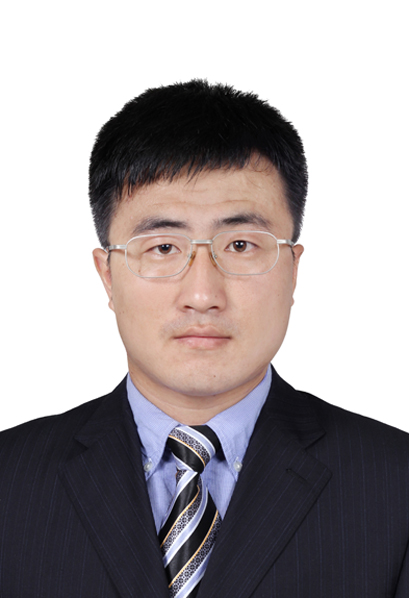 Jie Dang (党杰)合作论文数College of Materials Science and Engineering, Chongqing University7Yulin Zhu合作论文数6
 Bo Shang (商波)合作论文数School of Chemistry and Chemical Engineering, Chongqing University4Guozhang Tang合作论文数3Qian Meng合作论文数3
 Fucheng Zhang (张福成)合作论文数School of Materials Science and Engineering, Yanshan University;College of Metallurgy and Energy, North China University of Technology3
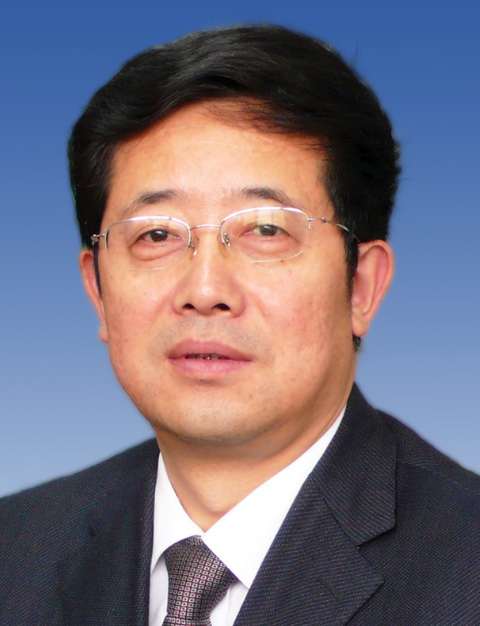 Chenguang Bai (白晨光)合作论文数College of Materials Science and Engineering, Chongqing University3Yi Zhao合作论文数2Xin Zhaoyang合作论文数2AiMin Gao (高爱民)合作论文数2
 Muhammad Aamir合作论文数1Daixiu Wei合作论文数1
 Shang Zhiqiang合作论文数1
 Jianchuan Yan合作论文数1Zhengxue Jiang合作论文数1Yuhan Sun合作论文数1Xiaoming Ding合作论文数1Huang Xing合作论文数1
 Yifan Zhang (张祎凡)合作论文数Los Alamos National Laboratory1Renyi Xie合作论文数1
 Tao Li (李涛)合作论文数School of Chemical Engineering, Zhengzhou University1
 Muhammad Sajid合作论文数Department of General Surgery, Combined Military Hospital Rawalpindi1Xudong Gao合作论文数1
 Wenzhou Yu (余文轴)合作论文数College of Materials Science and Engineering, Chongqing University1
 Zhixiong You (游志雄)合作论文数College of Materials Science & Engineering, Chongqing University1
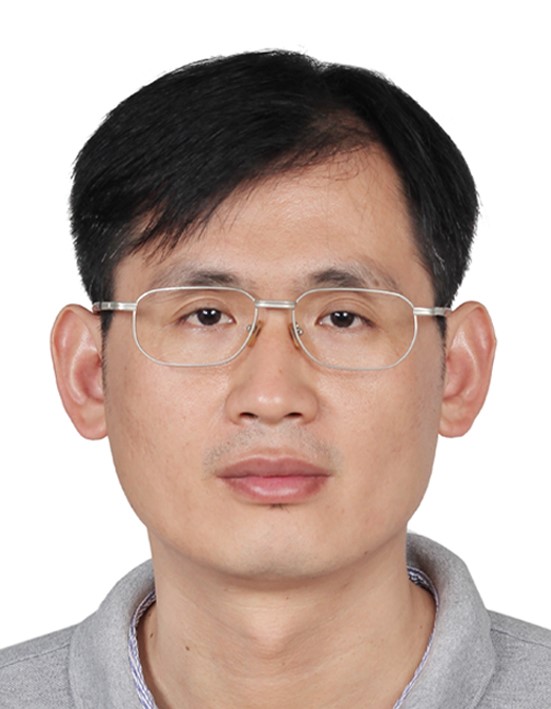 Shufeng Yang (杨树峰)合作论文数School of Metallurgical and Ecological Engineering, University of Science and Technology Beijing1
 Wei Liu (柳伟)合作论文数School of Materials Science and Engineering, Ocean University of China1
 Ning Wang (王宁)合作论文数School of Chemical Engineering and Technology, Sun Yat-sen University1
 Liqiang Wang (王立强)合作论文数School of Materials Science and Engineering, Shanghai Jiao Tong University1
 Zhaohui Wang (汪朝晖)合作论文数College of Materials Science and Engineering, Hunan University1
 Hailong Yi (衣海龙)合作论文数Northeastern University1




