Broadly neutralising antibodies (bNAbs) targeting HIV show promise for both prevention of infection and treatment. Among these, 10-1074 has shown potential in neutralising a wide range of HIV strains. However, resistant viruses may limit the clinical efficacy of 10-1074. The prevalence of both de novo and emergent 10-1074 resistance will determine its use at a population level both to protect against HIV transmission and as an option for treatment. To help understand this further, we report the prevalence of pre-existing mutations associated with 10-1074 resistance in a bNAb-naive population of 157 individuals presenting to UK HIV centres with primary HIV infection, predominantly B clade, receiving antiretroviral treatment. Single genome analysis of HIV proviral envelope sequences showed that 29% of participants’ viruses tested had at least one sequence with 10-1074 resistance-associated mutations. Mutations interfering with the glycan binding site at HIV Env position 332 accounted for 95% of all observed mutations. Subsequent analysis of a larger historic dataset of 2425 B-clade envelope sequences sampled from 1983 to 2019 revealed an increase of these mutations within the population over time. Clinical studies have shown that the presence of pre-existing bNAb mutations may predict diminished therapeutic effectiveness of 10-1074. Therefore, we emphasise the importance of screening for these mutations before initiating 10-1074 therapy, and to consider the implications of pre-existing resistance when designing prevention strategies.
This study aims to understand the impact of early antiretroviral therapy (ART) on HIV-specific T-cell responses measured after treatment interruption, which may inform strategies to deliver ART-free immune-mediated viral suppression. HIV-specific T-cell immunity was analysed using gamma interferon enzyme-linked immunospot assays in two studies. SPARTAC included individuals with primary HIV infection randomised to 48 weeks of ART ( n = 24) or no immediate therapy ( n = 37). The PITCH ( n = 7) cohort started antiretroviral therapy in primary infection for at least one year, followed by TI. In SPARTAC, participants treated in PHI for 48 weeks followed by TI for 12 weeks, and those who remained untreated for 60 weeks made similar HIV Gag-directed responses (both magnitude and breadth) at week 60. However, the treated group made a greater proportion of novel HIV Gag-directed responses by Week 60, suggestive of a greater reserve to produce new potentially protective responses. In the more intensively followed PITCH study, 6/7 participants showed dominant Gag and/or Pol-specific responses post-TI compared with pre-TI. Although early ART in PHI was not associated with major differences in HIV-specific immunity following TI compared with untreated participants, the potential to make more new Gag-directed responses warrants further investigation as this may inform strategies to achieve ART-free control.
Background: To characterize their potential use in pre-exposure prophylaxis (PrEP) we compared the pharmacokinetics of raltegravir and lamivudine in genital tissue against ex vivo tissue infection with HIV-1. Methods: Open-label trial of 36 HIV-negative females and males randomized to 7 days raltegravir 400 mg twice daily and 7 days raltegravir 400 mg+lamivudine 150 mg twice daily (after washout), or vice versa. Blood, saliva, rectal fluid, rectal tissue, vaginal fluid and vaginal tissue were sampled at baseline and on and off PrEP during a total of 12 days, for pharmacokinetics and antiviral activity via ex vivo HIV-1(BaL) challenge. Ex vivo infectivity was compared with baseline. The trial has been registered in https://clinicaltrials.gov/ with the identifier NCT03205566. Results: Steady state for both drugs was reached by day 4. Dosing with raltegravir alone provided modest ex vivo HIV protection with higher drug levels in rectal tissue and vaginal tissue than in plasma on and off PrEP. Off PrEP, plasma and vaginal concentrations declined rapidly, while persisting in the rectum. On PrEP, the highest lamivudine concentrations were in the rectum, followed by vaginal tissue then plasma. Lamivudine washout was rapid in plasma, while persisting in the rectum and vagina. Raltegravir/lamivudine increased ex vivo protection on and off PrEP compared with raltegravir alone, reaching maximum protection at day 2 in rectal tissue and at day 8 in vaginal tissue. Conclusions: Raltegravir 400 mg+lamivudine 150 mg showed high levels of ex vivo HIV protection, associated with high drug concentrations persisting after discontinuation in vaginal and rectal compartments, supporting further investigation of these agents for PrEP.
Background: It is unclear from epidemiological data for COVID-19 infections, whether people living with HIV (PLWH) have a different outcomes compared to the general population. We conducted a multi-centre, retrospective matched cohort study of SARS-CoV-2 PCR-positive hospital inpatients analysed by HIV-status. Methods: HIV-negative patients were matched to PLWH admitted to hospital before 31 st May 2020, with a 3:1 ratio by: hospital site, SARS-CoV-2 test date +/- 7 days, age +/- 5 years, gender, and index of multiple deprivation decile (IMDD) +/- 1. The primary objective was clinical improvement (≥2-point improvement on a 7-point ordinal scale) or hospital discharge by day 28, whichever was earlier. Results: 68 PLWH and 181 HIV-negative comparators were included. After adjustment for ethnicity, frailty, baseline hypoxia, duration of symptoms prior to baseline, body mass index categories, and comorbidities (hypertension, chronic cardiac disease, chronic lung disease, active malignancy, diabetes, and chronic renal disease), the effect size of HIV status was not associated with time to clinical improvement or discharge from hospital (aHR 0.70, 95%CI 0.43, 1.17; p=0.18), despite unadjusted hazards of PLWH achieving the primary outcome being 43% lower (p=0.005). Baseline frailty (aHR=0.79; 95%CI 0.65, 0.95; p=0.011), malignancy (aHR=0.37; 95%CI 0.17, 0.82; p=0.014) remained associated with poorer outcomes. PLWH were more likely of black and minority ethnicities (75.0% vs 48.6%, p=0.0002), higher median clinical frailty score (3 IQR 2-5 vs 2 IQR 1-4, p=0.0069), higher proportion of active malignancy (14.4% vs 9.9%, p=0.29). Median body mass index (BMI) was lower amongst PLWH (27.7 IQR 23.9-32.3 vs 29.4 IQR 24.7-34.3, p=0.19). Median CD4 count of PLWH was 352cells/µL (IQR 235-619) and 95.7% had suppressed viral loads <200copies/mL, 63/68 (92.3%) were taking antiretroviral therapy. Conclusions: Differences in clinical outcomes of COVID-19 hospitalisations in PLWH may be due to other important factors including increased frailty and comorbidities such as malignancies, rather than HIV-status alone. Funding Statement: This study has not received any funding sources. Declaration of Interests: MJL has received grants and honoraria from Gilead Sciences and Viiv Healthcare not related to this work. SF has received research grants to her institution from NIH, MRC, BMGF. JT has received support for virtual conference registration from ViiV Healthcare and research grants from the Medical Research Council and the British HIV Association not related to this work. CvH has received educational grants, conference support and advisory board fees from ViiV Healthcare, Gilead Sciences, MSC not related to this work. MP reports grants and personal fees from Gilead Sciences and personal fees from QIAGEN, outside the submitted work. MP is supported by a NIHR Development and Skills Enhancement Award (NIHR301192) and in receipt of funding from UKRI / MRC (MR/V027549/1). He acknowledges the support from UKRI, the NIHR Leicester BRC and NIHR ARC East Midlands. No other competing interests, financial relationships with any organisations that might have an interest in the submitted work, or other relationships or activities that could appear to have influenced the submitted work have been reported by other authors. Ethics Approval Statement: Ethical approval was granted by the UK Health Research Authority (REC reference 20/HRA/2278).
Background The level of evidence for HIV transmission risk through condomless sex in serodifferent gay couples with the HIV-positive partner taking virally suppressive antiretroviral therapy (ART) is limited compared with the evidence available for transmission risk in heterosexual couples. The aim of the second phase of the PARTNER study (PARTNER2) was to provide precise estimates of transmission risk in gay serodifferent partnerships. Methods The PARTNER study was a prospective observational study done at 75 sites in 14 European countries. The first phase of the study (PARTNER1; Sept 15, 2010, to May 31, 2014) recruited and followed up both heterosexual and gay serodifferent couples (HIV-positive partner taking suppressive ART) who reported condomless sex, whereas the PARTNER2 extension (to April 30, 2018) recruited and followed up gay couples only. At study visits, data collection included sexual behaviour questionnaires, HIV testing (HIV-negative partner), and HIV-1 viral load testing (HIV-positive partner). If a seroconversion occurred in the HIV-negative partner, anonymised phylogenetic analysis was done to compare HIV-1 pol and env sequences in both partners to identify linked transmissions. Couple-years of follow-up were eligible for inclusion if condomless sex was reported, use of pre-exposure prophylaxis or post-exposure prophylaxis was not reported by the HIV-negative partner, and the HIV-positive partner was virally suppressed (plasma HIV-1 RNA < 200 copies per mL) at the most recent visit (within the past year). Incidence rate of HIV transmission was calculated as the number of phylogenetically linked HIV infections that occurred during eligible couple-years of follow-up divided by eligible couple-years of follow-up. Two-sided 95% CIs for the incidence rate of transmission were calculated using exact Poisson methods. Findings Between Sept 15, 2010, and July 31, 2017, 972 gay couples were enrolled, of which 782 provided 1593 eligible couple-years of follow-up with a median follow-up of 2.0 years (IQR 1.1-3.5). At baseline, median age for HIV-positive partners was 40 years (IQR 33-46) and couples reported condomless sex for a median of 1.0 years (IQR 0.4-2.9). During eligible couple-years of follow-up, couples reported condomless anal sex a total of 76 088 times. 288 (37%) of 777 HIV-negative men reported condomless sex with other partners. 15 new HIV infections occurred during eligible couple-years of follow-up, but none were phylogenetically linked within-couple transmissions, resulting in an HIV transmission rate of zero (upper 95% CI 0.23 per 100 couple-years of follow-up). Interpretation Our results provide a similar level of evidence on viral suppression and HIV transmission risk for gay men to that previously generated for heterosexual couples and suggest that the risk of HIV transmission in gay couples through condomless sex when HIV viral load is suppressed is effectively zero. Our findings support the message of the U=U (undetectable equals untransmittable) campaign, and the benefits of early testing and treatment for HIV. Copyright (C) 2019 The Author(s). Published by Elsevier Ltd.
 Sarah Fidler合作论文数Department of Genitourinary Medicine and Infectious Disease;Faculty of Medicine;Imperial College London;Faculty of Medicine, Imperial College London6
 Julie Fox合作论文数6
 John Thornhill合作论文数The Oxford Martin School, Oxford National Institute of Health Research Biomedical Research Centre5
 Marie Williamson合作论文数3Julianne Lwanga合作论文数3Adrian Palfreeman合作论文数Univ Hosp Leicester3Colette Smith合作论文数Institute for Global Health, Population Health Sciences, University College London3Nori Achyuta V合作论文数3Lisa Hamzah合作论文数3
 Arne van Eeden合作论文数2Kyle Ring合作论文数2Lynsey Goodwin合作论文数2Sarah Lawrence合作论文数2Rebecca Marchant合作论文数2Helen Brown合作论文数Univ Oxford, Nuffield Dept Med, Peter Medawar Bldg Pathogen Res, Oxford, England2Nicola Robinson合作论文数Univ York, York YO10 5DD, N Yorkshire, England2
 Luke Blagdon Snell合作论文数Department of Infection, Guy's and St. Thomas' NHS Foundation Trust2Manish Pareek合作论文数2
 John Frater合作论文数Experimental Medicine Division, Nuffield Department of Medicine, University of Oxford2
 Johannes Bogner合作论文数LMU University Hospital Munich2Jan M. Prins合作论文数2Clare L Van Halsema合作论文数2Ranjababu Kulasegaram合作论文数2Christian Pradier合作论文数1Enos Bernasconi合作论文数1Lucia Taramasso合作论文数1Cristina Mussini合作论文数1
 Antonio Di Biagio合作论文数1Tina Bruun合作论文数1Arne B Jessen合作论文数1Rebecca Simons合作论文数1Tim Kümmerle合作论文数1Manuela Rasi合作论文数1Patricia Cobarsí合作论文数1Coca Necsoi合作论文数1Anja Huefner合作论文数1Jorge Del Romero Guerrero合作论文数1Dan Clutterbuck合作论文数1
 Gitte Kronborg合作论文数Department of Clinical Medicine, Faculty of Health and Medical Sciences, University of Copenhagen1
 Elizabeth Challenger合作论文数Dept Mol & Clin Pharmacol, Univ Liverpool1
 Sam T Douthwaite合作论文数1
 Jhia Jiat Teh合作论文数Department of Medicine, Imperial College London1Sabine Kinloch合作论文数Royal Free London NHS Fdn Trust, London, England1Panagiota Zacharopoulou合作论文数1
 Clara Lehmann合作论文数1
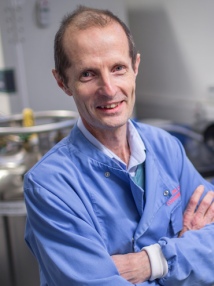 Robin Shattock合作论文数Immunology of Infection, Department of Infectious Disease, Faculty of Medicine, Imperial College London1
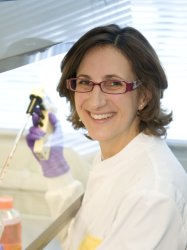 Carolina Herrera合作论文数Immunology of Infection, Department of Infectious Disease, Faculty of Medicine, Imperial College London1Skaletz-Rorowski Adriane合作论文数1




