Accurately quantifying and analyzing the distribution, spatial autocorrelation, and sources of heavy metals (HMs) in soil and river sediments is crucial for assessing human and geological impacts on regional environments. This study collected 9631 soil and 61 sediment samples from the upstream Yishu River Basin, characterized by mountainous reservoirs, to systematically investigate the spatial distribution and potential sources of HMs. We suggest that mountainous reservoirs significantly intercept and regulate HMs in sediments. The average HM concentrations were higher in soils than in sediments, with elevated levels observed in mountainous regions and fault zones. Soils in clastic rock areas had notably higher HM concentrations than those in carbonate rock areas. Using bivariate local indicators of spatial association (LISA) and the positive matrix factorization (PMF) model, five major sources of HMs in soils and sediments were identified: agricultural activities (Cu, Zn, Cd), geological background (Cr, Ni), coal combustion (Hg), mining activities (As, Cu, Ni), and traffic-industrial mixed sources (Pb, As, Cr, Cd). This approach pinpointed the two major hotspot areas located in the Yishui Urban Area and the Gongdanshan Mining Area, providing a scientific basis for the management and prevention of HMs contamination in key water source areas.
Knowledge of the enrichment mechanisms of rare earth elements (REEs) and yttrium (REY) in deep-sea sediments is critical for strategic resource exploration. However, the nonlinear coupling effects of multiple environmental factors on REY enrichment remain poorly understood. This study presents a geochemical analysis of major, trace, and REEs from sediment Core XT06, dated by high-resolution paleomagnetic stratigraphy. Combined with environmental proxy indicators (excess Ba, Si, and Mn), the sedimentary sequence was divided into three stages. Using element correlation analysis, REY distribution patterns, and kernel principal component analysis (K-PCA), we systematically investigated the host phases, sources, and primary environmental controls on REY enrichment. The results indicate that while the correlations between REY concentrations and P2O5, CaO, Fe2O3, and MnO vary across the three stages, bioapatite and Fe-Mn (oxyhydr)oxides remain the dominant host phases overall. REY distribution patterns suggest that seawater is the dominant source. K-PCA decoupled the nonlinear interactions among environmental factors, revealing that the principal component controlling REY enrichment (PC1) is closely associated with eolian input and biological productivity. A comparison with five globally representative REY-rich deep-sea sedimentary regions shows that the enrichment mechanism in this area exhibits both regional specificity and global relevance. This study represents the first use of K-PCA to disentangle the nonlinear coupling of environmental factors influencing deep-sea REY enrichment. We propose a ‘Carrier–Source–Environment Synergy’ model for semi-enclosed marginal sea basins, providing a new perspective for the assessment of deep-sea REY resources.
Heavy metals transported form rivers into the sea were predominantly in the particulate form, while carbonate minerals act as an important component of river sediments and vital carrier of heavy metals. Intense human activities have a significant impact on the riverine transport of carbonate minerals, as well as heavy metals, but the nature of their correlation was not clear. The implementation of water-sediment regulation scheme (WSRS) in the Yellow River provides an ideal natural model for this study. Based on the investigation and analysis of the variations of particulate carbonates and heavy metals in the sediments from Xiaolangdi Reservoir (XLDR) and suspended sediments from Lijin Hydrology Station during the WSRS period, we identified the effects of the particulate carbonate dissolution and water redox state changes on the transport forms of heavy metals. The results showed that the sudden discharge of water and sediment from XLDR induced the dissolution of carbonate minerals in the downstream, resulting in the release of carbonate-bound heavy metals (Cu and Pb). A small fraction of the released Cu and Pb was converted to the dissolved form, while a larger portion is transferred to the reducible from (bound to Fe-Mn oxide) caused by the changes in the redox state of water body. This study provides important scientific significance for in-depth understanding of the control mechanisms of heavy metals migration and transformation transported by rivers under human activity influences, and also can hold scientific support for the ecological protection of the river basin.
Abstract The balance between organic carbon (OC) sequestration and oxidation regulates the oceanic carbon cycle, and OC reactivity determines its susceptibility to remineralization or long‐term burial. However, the stability of sedimentary OC on continental margins remains poorly understood. Here, we quantify chemically oxidizable and oxidation‐resistant OC fractions and their compositions across the East China Continental Margins (ECCM) using a chemical oxidation approach. Burial fluxes of oxidizable and oxidation‐resistant OC across the ECCM are estimated at 11.8 (interquartile range: 8.5–15.5) and 10.8 (interquartile range: 6.9–14.1) Mt C yr−1, respectively. Oxidation‐resistant OC is overwhelmingly terrestrial (>90%) but derived from contrasting sources, whereas oxidizable OC is predominantly marine‐derived, and has approximately sixfold higher OC loadings than oxidation‐resistant OC. Global synthesis of 1,102 marine sediments shows that ∼61.6 ± 24% of sedimentary OC is oxidizable, indicating that continental margins act as transient reservoirs of reactive OC that are highly susceptible to environmental perturbation.
Small microplastics are abundant in marine sediments but remain poorly resolved in long-term sedimentary records. Here, we used laser direct infrared imaging to quantify 20-500 μm microplastics in two dated sediment cores from the Yangtze River Estuary-East China Sea continuum. Particles <100 μm accounted for more than 90% of all detected microplastics in both cores, indicating that small microplastics dominate the sedimentary inventory and have likely been underestimated in previous records. The two cores showed distinct proximal-distal differences. The Zhejiang-Fujian coastal mud depocenter contained higher microplastic abundance than the Yangtze subaqueous delta, whereas polymer composition differed markedly, with polyurethane dominating the distal core and polyamide dominating the proximal core. These contrasts indicate that sedimentary microplastic burial is shaped by source-to-sink transport and depositional setting across the estuary-shelf continuum. The centennial records were divided into four stages: pre-1949, 1949-1980, 1980-2000, and post-2000. Stepwise increases and major inflection points broadly coincided with transitions in China's plastics industry, whereas pronounced post-2000 fluctuations likely reflect the basin-scale engineering activities and hydrodynamic disturbance. Although the first occurrence of microplastics is not a reliable isochronous marker, transitions in dominant polymer abundances provide useful complementary constraints for evaluating 210Pb/137Cs-based sediment chronologies. These results demonstrate that small microplastics provide sensitive sedimentary records of anthropogenic activity and can improve centennial-scale interpretation of microplastic burial on river-dominated continental margins.
Abstract Reservoir regulation significantly alters the export and flux of terrestrial particulate organic carbon (POC), while also modifying its composition and fate within fluvial systems. However, the effects of different regulatory regimes on riverine POC persistence and transformation remains uncertain. Here, we investigated POC dynamics during both impoundment and water‐sediment regulation periods of the Xiaolangdi Reservoir (XLDR) in the Yellow River. By analyzing carbon isotopic signatures and reactive iron‐bound OC (OCFeR), we found that under the interception of XLDR, petrogenic OC (OCpetro, 54.3 ± 5.0%) replaced pre‐aged soil as the dominant component of riverine POC. The strong affinity of OCpetro for fine‐grained fractions suggested it was primarily bound to clay minerals and originated from midstream 14C‐free loess and paleosol. Due to reservoir‐induced sediment fining, OCpetro enrichment outweighed the contribution of primary production to the sedimentary OC in XLDR. In contrast, FeR selectively preserved younger, modern C3 plant‐derived OC (OCbio) in the catchment, while preferentially absorbing phytoplankton‐derived OC in the reservoir environment. Under the sediment‐regulation mode, XLDR‐released POC underwent significant mineralization during rapid transport. Intensified hydrodynamic disturbances and oxic environment led to substantial losses or oxidation of OCpetro (43 ± 10%) and most autochthonous OC from XLDR. Affected by downstream redox transitions, FeR reduction induced the desorption and release of OCFeR from suspended sediments, further accelerating OCbio mineralization. Our finding suggests that, rather than a long‐term carbon sink, reservoir may function as a transient carbon storage with its regulation regime profoundly altering the heterogeneity and preservation of riverine POC in aquatic systems.
Particle size is an important characteristic of suspended matter, and it contains crucial information about the deposition process. Suspended particle samples in the water mixing zone of the Changjiang River Estuary were collected in December 2016. Untreated original grain size and the decentralized grain size of the suspended particles were measured via a laser particle size analyzer. Morphological characteristics and the chemical composition of the suspended particles were also studied systematically using a scanning electron microscope (SEM) with an energy dispersive X-ray spectrometer (EDS). Then, the flocculation and sedimentation of suspended matter in the water mixing zone were explored by combining them with the water mixing processes in the estuary. The average particle size of suspended matter in the mixing zone of the Changjiang River Estuary ranges from Ф5.73 to Ф7.98. The particle size distribution pattern is an abnormal model with a mainly unimodal pattern. In the freshwater area that was dominated by runoff, the suspended matter is mainly composed of fine particles, the settling velocity is slow, and the flocculation is weak. Floc particles were often seen in the mixing zone, with the flocs having a relatively large particle size, a low density and a loose structure appearing at the weak mixing zone; the flocs had a compacted structure in most areas of the mixing zone. The changes of suspended particle size in the estuarine mixing zone promote the settling and deposition of suspended matter, which has an important influence on the bed geomorphology and preservation of the fine suspended particles in the estuary.
Tropical continental shelves play an important role in the global carbon cycle especially in the context of increased anthropogenic interference and climate change. However, the long-term fate and response of sedimentary organic carbon (OC) in these regions remain poorly understood. In this study, we analyzed bulk OC and molecular biomarkers in a sediment core collected from the lower Gulf of Thailand, and compiled with several published records of sedimentary organic matter (OM) from other tropical Asian margins. Our results reveal a dramatic similar to 40 % increase in terrestrial OC inputs since the 1980s, likely driven by the effects of accelerated coastal erosion from rising sea levels and the degradation of mangrove ecosystems. In addition, shifts in regional human activities, including changes in energy consumption patterns, have altered the sources of pyrogenic OM, contributing to the observed spatial and temporal variability of anthropogenic OM across tropical coastal margins. Molecular fingerprints highlight recent changes in the accumulation of land-based OM, showing an increased presence of erosion-derived and degraded OC, along with pyrogenic OM. This shift is linked to the combined effects of coastal retreat and basin-wide emissions, influenced by both natural climate forces and anthropogenic activities.
Reservoir construction has significantly modified the export and residence of riverine carbon in global rivers; however, various strategies of reservoir operation also introduce great uncertainties into aquatic carbon transformation and associated ecological effects. The material transport in the Yellow River (YR) is currently manipulated by water‐sediment regulation scheme (WSRS) of Xiaolangdi Reservoir (XLDR), an effective strategy for managing sediment‐laden rivers worldwide. Here, we investigated the spatiotemporal variability of water chemistry and dissolved inorganic carbon (DIC), from within XLDR to downstream YR. The results revealed that during the water regulation of XLDR, downstream DIC export was controlled by carbonate weathering but influenced by enhanced oxidation of dissolved organic carbon and soil CO 2 flushing. In contrast, during the sediment regulation, XLDR‐released particulate organic carbon (POC) underwent significant mineralization within ∼400 km transport range, resulting in water acidification, hypoxia and extremely high CO 2 partial pressure. Furthermore, the substantial CO 2 production markedly intensified the carbonate weathering of XLDR‐released sediments. Major cation and isotopic analyses indicated that 81%–82% of the downstream DIC production originated from OC mineralization, while 18%–19% contributed by carbonate mineral dissolution. As a strong CO 2 source, the WSRS significantly accelerated the CO 2 evasion along the downstream YR, which was estimated at 0.27 ± 0.05 Tg C within a month, corresponding to a 27% increase in annual downstream CO 2 efflux. The CO 2 evasion was primarily driven by the reservoir sediment release and OC mineralization. These findings highlight the crucial role of reservoir regulation in modulating riverine carbon transformation and emissions.
This study analyzed trace elements (Cu, Pb, Zn, Cr, Cd, As, and Hg) in 42 surface sediment samples collected from the Yellow River Estuary and Laizhou Bay to characterize their spatial distributions and pollution statuses. Determination of trace elements was carried out by ICP-MS for Cu, Pb, Zn, Cr, and Cd, and by AFS for As and Hg. The results showed that the average concentrations for Cu, Pb, Zn, Cr, Cd, As, and Hg were 13.21 mg kg-1, 10 .61 mg kg-1, 21 .03 mg kg-1, 24 .41 mg kg-1, 0.14 mg kg-1, 6.47 mg kg-1, and 14.15 mu g kg-1, respectively. All the trace elements were classified in the first-class sediment according to the Chinese national standard 'Marine Sediment Quality'. The higher concentrations and pollution levels were found in the eastern Yellow River estuary which due to inputs from the Yellow River, and northeastern Laizhou Bay which could be attributed to the impacts of human activities at Longkou Port. This study has important scientific value for further understanding the source-sink effects of pollutants and regional environmental effects of heavy metals.
Estuarine and coastal areas are one of the ultimate sinks for terrestrial heavy metals which play a vital role on the aquatic ecosystem. This study examined heavy metals contents and speciations in Yellow River subaqueous delta surface sediment, to characterize their sedimentation and transformation during transport from estuary to the sea. The results showed that higher concentrations were found in the seaward and the shear front affected areas. The surface sediments were generally not contaminated by heavy metals, except for Cd was highly enriched, while the post-standardization spatial distribution reflected the effect of estuarine processes as a “filter” that effectively intercepting heavy metals. The dominated phase was residual fraction for Cr, Cu, Zn, Cd, while reducible fraction for Ni and carbonate fraction for Pb. The transformation of heavy metal species was mainly influenced by the changes in the sediment components such as carbonate minerals, organic matter and FeMn oxides.
As an important link of mercury (Hg) migration and transformation from land to ocean, rivers have been significantly influenced by anthropogenic activities, resulting in unpredictable environmental influences on the basin and offshore areas. In this study, the particulate Hg content of sediments in Xiaolangdi Reservoir (XLDR), Lijin Hydrological Station, and the Yellow River estuarine area during the water-sediment regulation scheme (WSRS) period in 2018 were analyzed, the characteristics and influencing factors of particulate Hg transport were explored. Our results revealed that the transport flux of particulate Hg into the sea during WSRS was 8.7 t, accounting for 68.8 % of the annual flux. High Hg content derived from the anthropogenic sources was observed in XLDR sediment, and Hg content in sediments of the lower reaches and estuary was elevated due to the sediments were mainly from XLDR during the sediment regulation stage. Under the influence of WSRS, the Hg content in the sediments of the lower reaches to estuary continuum was affected by the variation of sediment particle size, which was caused by the difference of sediment sources. In addition, WSRS led to a change in the binding forms of Hg in sediments, from mostly binding with organic matter in the XLDR to being comprehensively restricted by organic matter, iron and manganese oxides and carbonate minerals. Therefore, the transport behaviors and deposition patterns of particulate Hg in the reservoir-downstream-estuarine continuum has a good response to the implementation process of WSRS.
The Jiaodong Peninsula is located on the junction of the North China Craton (NCC) and South China Block (SCB), where Mesozoic igneous rocks are widespread. However, the petrogenesis and tectonic settings for these Mesozoic igneous rocks are still controversial. In this study, we present detailed geochronological and geochemical analyses of quartz monzonite, monzogranite, syenogranite, and alkali feldspar granite in the Qingdao area, east of the Jiaodong Peninsula, to constrain their petrogenesis and tectonic setting. Zircon U–Pb dating shows that they mainly formed in the Early Cretaceous (120.5–113.1 Ma). Quartz monzonite exhibits adakitic geochemical features (e.g., low Y and high Sr/Y). Combined with its Sr–Nd–Hf isotopic features, we suggest that quartz monzonite may have been produced by the partial melting of phengite-bearing eclogites at the base of the thickened continental crust of the NCC. In contrast, monzogranite and syenogranite exhibit I-type granite affinities, whereas alkali feldspar granite exhibits features consistent with A-type granite. The strongly negative εHf(t) and εNd(t) values of the I-type rocks indicate that they were most likely produced through partial melting of granitic gneisses from the NCC, whereas A-type magmas may be formed through fractional crystallization from the non-adakitic granitic magma. Combined with previous studies, we suggest that these granitoids were formed in a lithospheric extensional setting via the rollback of the subducted Paleo-Pacific slab, which resulted in the reworking of the deep crust beneath the Sulu ultrahigh-pressure metamorphic belt.
Sedimentary organic matter (SOM) on continental slopes in marine regions can sensitively record climatic and environmental changes. In this study, total organic carbon content (TOC), total nitrogen content (TN), and their stable isotope compositions (δ 13 C and δ 15 N) for sediments of core G02 were investigated (at ∼24.2-year resolution) to reveal the temporal variations in organic matter sources and the main controls on the sources and distribution of buried organic matter on the northwestern continental slope of the South China Sea over the last ∼8600 years. Results of a δ 13 C binary mixing model reveal that ∼82.3 ± 3% of SOM is derived from marine autochthonous sources. We suggest that the carbon and nitrogen contents and compositions of SOM are governed by distinct factors. The more positive δ 15 N values before the Pulleniatina Minimum Event occurrence are ascribed to stronger subsurface water intrusion by the Kuroshio Current, which led to enhanced subsurface denitrification and in turn counteracted the effect of mixing with surface water caused by the East Asian winter monsoon. Sedimentary δ 13 C values show a fluctuant decrease during ca. 8.6–3.0 cal kyr BP and a conspicuous increase during ca. 3.0–1.4 cal kyr BP. These changes are attributed to the decrease of marine productivity induced by the continuous weakening East Asian monsoon effect and the decrease of terrigenous organic carbon input induced by the weakened Indian summer monsoon precipitation, respectively. Since ca. 1.4 cal kyr BP, human activities have become the dominant factor in controlling the production and distribution of organic carbon. The results provide an important basis for understanding of source-sink processes of organic matter and the factors influencing these processes on continental slopes in low-latitude marginal seas.
The sedimentary processes of seamount regions are closely related to climate change and ocean evolution. The clay minerals, grain size and 14C ages of core SCS18-1, which was collected from the Beipo seamount in the northern South China Sea (SCS) were analyzed to discuss the provenance and paleoenvironmental conditions during the last deglaciation. The sediments of core SCS18-1 are dominated by clayey silt, which is mainly composed of illite (55.2~62.1%) and chlorite (17.1~22.5%), with subordinate kaolinite (9.5~12.6%) and smectite (7.3~15.1%). The illite chemical index and illite crystallinity indicate strong physical weathering conditions. The results of the end-member modeling algorithm (EMMA) suggest that the sediments of core SCS18-1 consist of three end-members containing EM1 (0.98 μm), EM2 (9.29 μm) and EM3 (44.19 μm), with average contents of 3%, 66% and 31%, respectively. The finest endmember represents fluvial mud, the middle and coarsest endmembers are considered fluvial fine silt and eolian dust, respectively. The mean grain size is mainly controlled by the coarser fraction EM3. Based on the clay minerals, grain size and SEM analysis, we can conclude that since the onset of the last deglaciation (16.1 ka BP), the sediments of core SCS18-1 mainly originate from fluvial input, and eolian material also contributed to the sediments. The clay mineral assemblages of core SCS18-1 are stable and originate mainly from Taiwan. Additionally, the Pearl River appears to be a secondary contributor of clay minerals. Further, the Luzon Islands only account for a small proportion. Major kaolinite and moderate illite and chlorite are thought to originate from the Pearl River, predominant illite and chlorite from Taiwan, and principal smectite from the Luzon Islands. Both the relative content of EM1+ EM2 and the illite chemical index effectively represent the variation of East Asia summer monsoon (EASM) strength. Meanwhile, the relative content of EM3 effectively represents the East Asian winter monsoon (EAWM) change. The material supply of core SCS18-1 is mainly controlled by solar radiation in the Northern Hemisphere.
Coastal oceans, the transition zones between terrestrial and oceanic systems, are susceptible to anthropogenic mercury (Hg) inputs and are regarded as critical dynamic interfaces of the global Hg cycle. However, the extent to which coastal oceans are accountable for sequestering Hg remains largely unknown owing to the lack of data on high‐resolution Hg accumulation in marine sediments. Synthesizing the results of this study (eight cores and 212 surface sediments) and the literature (three cores and 149 surface sediments), we provide a quantitative evaluation of the biogeochemical cycle of sedimentary Hg in the East China Marginal Seas (ECMS), including the response of the coastal marine sediments to anthropogenic disturbance as well as both human‐derived and natural Hg burial fluxes. We find a linear increase in Hg accumulation since the 1950s (2.0 ± 2.5% yr −1 ) and a decline in Hg accumulation between 2010 and 2016. Modern burial fluxes of total and anthropogenic Hg in the ECMS (covering ∼4.8 × 10 5 km 2 of sea surface) were estimated to be 89.1 ± 48.3 and 35.9 ± 33.1 Mg yr −1 , respectively. Using a compilation of 688 surface sediments and 131 sediment cores (819 samples in total) distributed globally in coastal oceans, we estimate that approximately 1,590 (range: 1,190–2,760) Mg yr −1 (Method 1) and 540 (range: 310–960) Mg yr −1 (Method 2) Hg are accumulated in coastal ocean regions. Our findings suggest that coastal oceans are likely the largest global marine sinks for Hg and play a dominant role in regulating the oceanic Hg cycle and budgets.
Reservoir construction increasingly alters the natural transport of riverine water and sediment to the sea, including the trace metals and other pollutants. In 2018, an intensive flood event and 412 million tons of sediment were released from the Xiaolangdi dam during the water-sediment regulation of Yellow River, one of the world's largest sediment releases. During the artificial flood event, the surface sediments in Xiaolangdi Reservoir (XLD) and the Yellow River estuary, suspended sediments at Lijin Station were collected. The concentration and speciation of particulate Cr, Ni, Cu, Zn, Cd and Pb, as well as the major geochemical composition were analyzed, to characterize the behaviors of the metals from the reservoir to estuary mixing zone, and elucidate the controlling mechanisms. The results showed that for exogenous phases, Cr, Ni, Cu and Zn were likely bound to the FeMn oxides, whereas Pb and Cd were mainly adsorbed in the carbonates. The trace metals in XLD were stably combined with fine-grained bottom sediments at high concentrations before dam release. During the delivery from reservoir to downstream channel, the binding of Cr, Ni and Cu with FeMn oxides was markedly enhanced. Pb and Cu showed obvious migration from carbonates to FeMn oxides, and Cd and Pb were even released into the water. The accumulation and migration of trace metals were controlled by the adsorption of fine-grained components, especially FeMn oxides and carbonates, and influenced by the oxidizing processes. After entering the estuary, the trace metals were greatly scavenged by reservoir-sourced fine particles, tended to bound to organic matter affected by the reducing environment. Our results suggest that dam regulation and artificial flood events will likely alter the existing forms and redox state of trace metals and the potential environmental effects should be considered.
Suspended particulate barite crystals were detected in the water columns at four different stations near the 90°E ridge in the Indian Ocean. Four distinct morphological types of marine barites were distinguished: euhedral-subhedral crystals, oval or round crystals, rhombic crystals, and irregular crystals. The barite crystals in the study area are typically fine, with a dominant size of 1–3 µm. The vertical distribution of barites is significantly affected by the formation and sedimentation processes. Barites begin to appear at a depth of 30 m and are formed primarily from the surface to the depth of 2000 m with a concentration peak at the depth of 200 m, where particles are coarser than those in the other layers. The barites begin to settle and dissolve once formed in the water column, resulting in finer barite particles and lower particle concentrations. The formation of barite crystals is related to biological processes associated with the decomposition of barium-rich skeletons in the microenvironment of decaying organic matter that is affected by the primary productivity and dissolved oxygen content in the water column. The dissolving process of barite crystals showed similar variation with the concentration of dissolved barium in ocean water, and the substitution of strontium for barite in crystals promotes the selective dissolution of barite and exerts an important impact on its morphology. It is approximately 33% of barites in the amount and 22% in the concentration to settle to the bottom of the water column compared to that observed in the main barite formation zone.
The leakage of an enclosure structure will cause abnormal changes in the seepage flow field, which in turn can lead to the deformation of the enclosure structure and affect the surrounding geotechnical body. In this paper, a fiber-optic temperature measurement system is used to detect the location of the seepage points in a station of the Qingdao subway during open pit excavation, and the abnormal variation of the seepage field caused by the seepage points is obtained by numerical calculation and field measurement. Then, numerical simulation is performed to analyze the effects of seepage field anomalies on the deformation of the enclosure structure and surface settlement. It is found that the seepage flow caused by the leakage point has a significant influence on the surface settlement and the deformation of the enclosure structure. With the increase of excavation depth, the deformation of the enclosure structure increases and the maximum deformation position shifts downward. The deformation of the enclosure structure decreases when the leakage point exists. The surface volume also increases gradually with the excavation, and the maximum surface settlement position shifts outward significantly. The settlement range becomes larger when the leakage point exists.
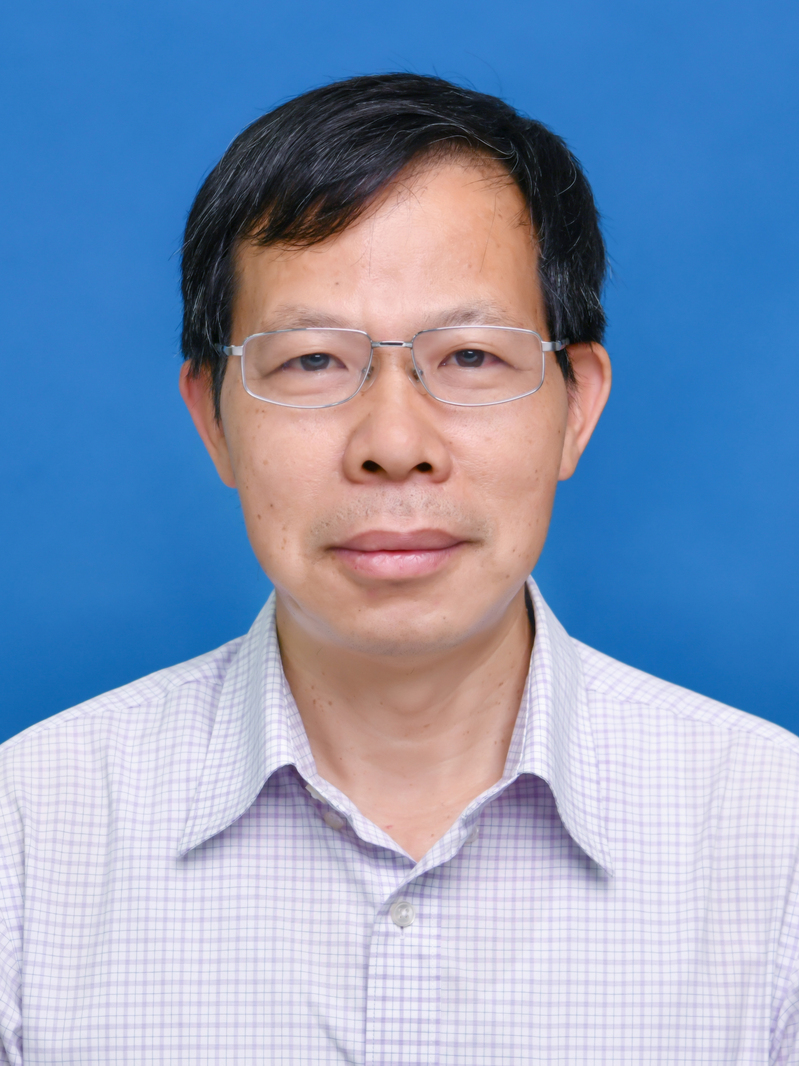 Dejiang Fan (范德江)合作论文数College of Marine Geosciences, China Ocean University50
 Xueshi Sun合作论文数17
 Zuosheng Yang (杨作升)合作论文数College of Marine Geosciences, Ocean University of China16
 XiLin Zhang (张喜林)合作论文数11
 Xiaoxia Sun (孙晓霞)合作论文数中国科学院海洋研究所11
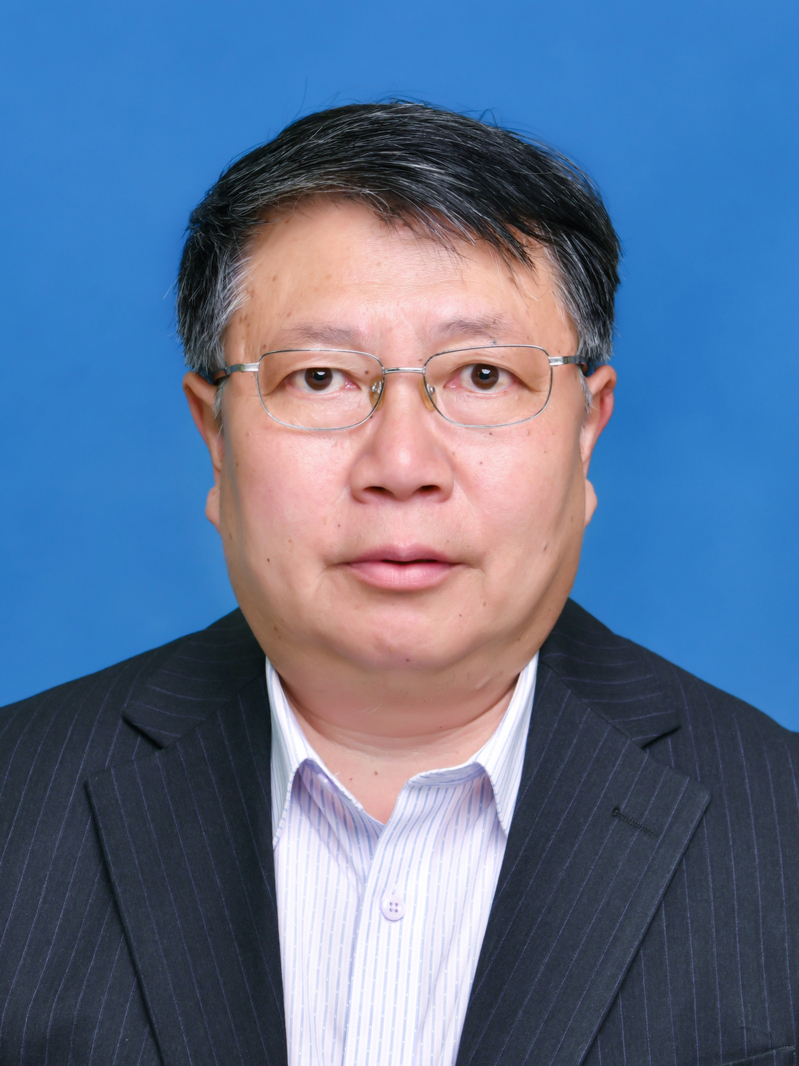 Zongzhu Han (韩宗珠)合作论文数College of Marine Geosciences, Ocean University of China10
 Bin Chen合作论文数9
 Yuan Tian (田源)合作论文数Fisheries College, Ocean University of China9Aibin Zhang (张爱滨)合作论文数8
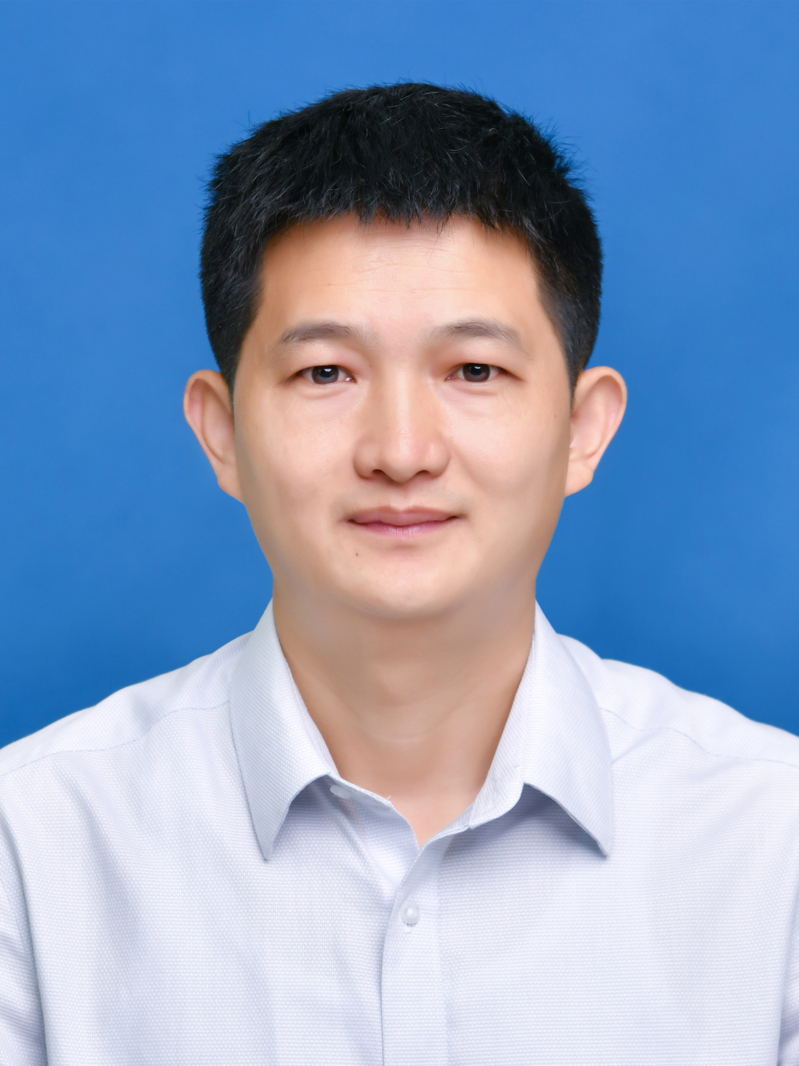 Zhiqing Lai (来志庆)合作论文数School of Marine Geosciences, China Ocean University7
 Huijie Liao (廖辉杰)合作论文数6QiGang Zhu (朱其刚)合作论文数6
 Xuejiao Bu (部雪娇)合作论文数School of Marine Geosciences, China Ocean University6Yue PANG (逄悦)合作论文数5
 Jingbo Chen合作论文数5
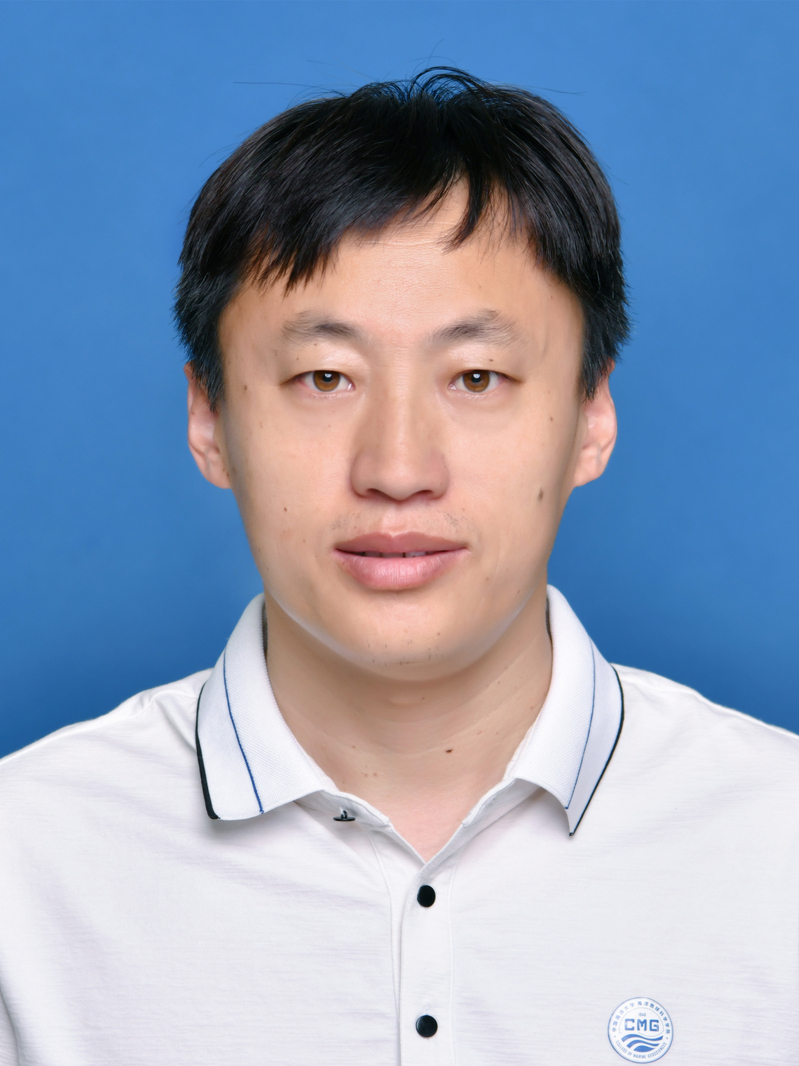 Naishuang Bi (毕乃双)合作论文数College of Marine Geosciences, Ocean University of China5
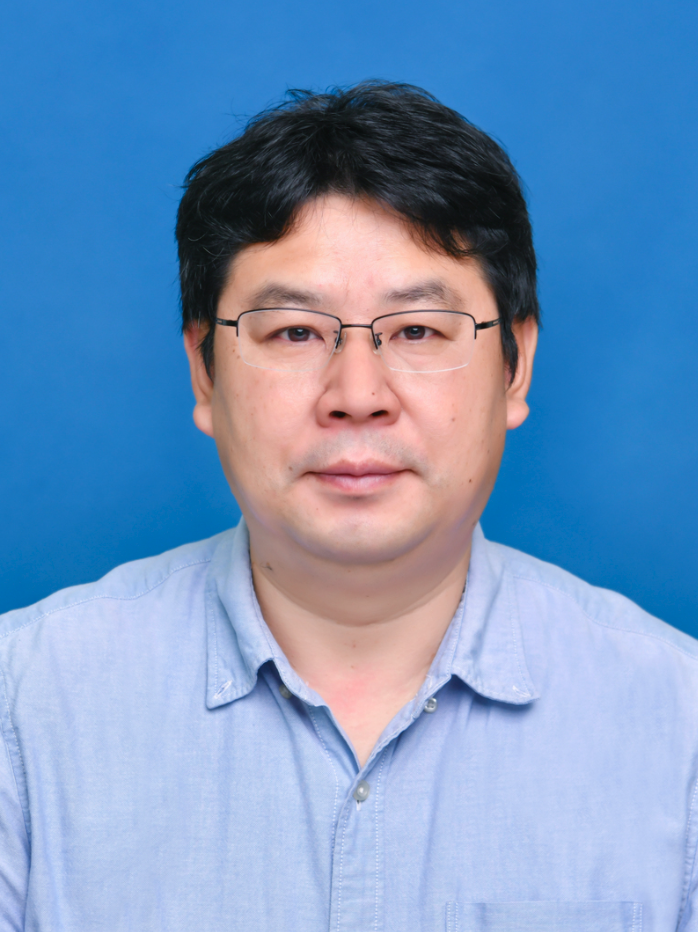 Houjie Wang (王厚杰)合作论文数College of Marine Geosciences, Ocean University of China5
 Yanfang Yin合作论文数4Yong-jie LIAO (廖永杰)合作论文数4
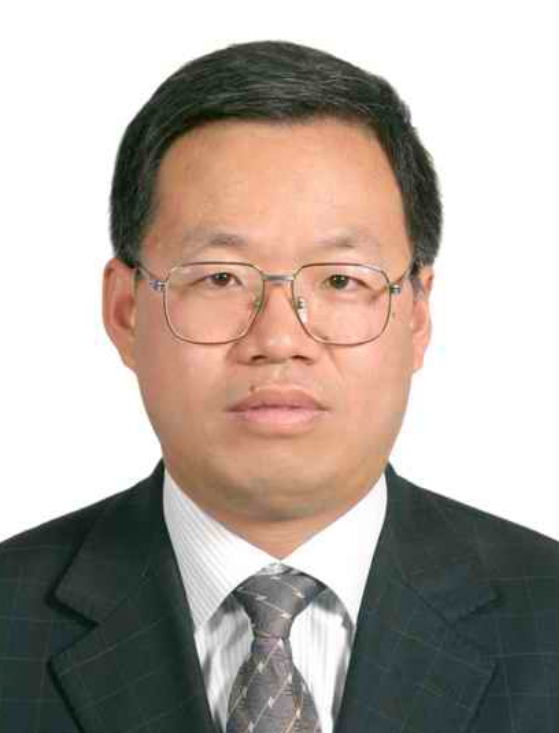 Xuefa Shi (石学法)合作论文数Lab of Marine Geology and Geophysics, First Institute of Oceanography, Ministry of Natural Resources4Yadi Yang (杨雅迪)合作论文数3Zhizhou Hu (胡治洲)合作论文数3DING Yi合作论文数3Wenqiang Zhang合作论文数3Qingli Gong合作论文数3Zhilei Sun合作论文数3
 Zheng Shiwen合作论文数3
 Shenggui Deng (邓声贵)合作论文数School of Marine Geosciences, China Ocean University3
 Chunji Jin (金春姬)合作论文数Key Lab of Marine Environment and Ecology, Ministry of Education, Ocean University Of China3
 Yibin Li (李贻斌)合作论文数School of Control Science and Engineering, Shandong University3
 Zhigang Guo (郭志刚)合作论文数Department of Environmental Science and Engineering, Fudan University3
 Limin Hu (胡利民)合作论文数Key Lab of Submarine Geosciences and Prospecting Techniques, Ocean University of China3
 Bangqi Hu (胡邦琦)合作论文数Researcher, Qingdao Institute of Marine Geology3
 Xu Tian合作论文数2Liang Wang合作论文数2Yingqiu LV (吕迎秋)合作论文数2Ruochen Sun (孙若晨)合作论文数2Guogang Li合作论文数2Hui YU (于辉)合作论文数2QuanMin Zhao (赵全民)合作论文数2HeLong Wei (魏合龙)合作论文数2Liang Zou (邹亮)合作论文数2Hong Xu (许红)合作论文数2He Zhang (张贺)合作论文数2
 Cuiling xu (徐翠玲)合作论文数2
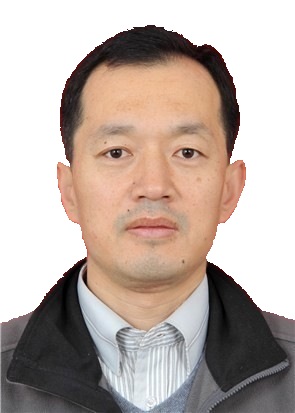 Jun Li (李军)合作论文数长江大学2Jingtao Zhao合作论文数2
 Xiao Wu (吴晓)合作论文数Key Lab of Submarine Geosciences and Prospecting Techniques, Ocean University of China2




