Emotional dialogue research includes two influential strategy traditions. Empathetic dialogue prioritizes understanding a speaker's emotional experience. Emotional support conversation selects and sequences support for the seeker's current needs. Sustained use introduces a further goal. Effective support should sustain users' capacities for emotion regulation, coping, self-endorsed decisions, and social connection across the interaction lifecycle. We propose capability-sustaining emotional dialogue (CSED) as a longitudinal research paradigm that aligns supportive strategy with this goal and organizes data, models, system design, evaluation, and governance around repeated use, non-use, transition, and termination. A targeted literature-and-corpus audit motivates this position. In a PRISMA-ScR-guided sample, 95
Personality-conditioned LLM agents (PC-Agents) are increasingly used in emotional support, social simulation, and role-playing, motivating the development of lifelong agents that remain coherent over extended interactions. A key component of such coherence is personality evolution: agents should undergo plausible, psychology-grounded changes as they experience life events in different contexts. Although prior work shows that LLM personalities can shift under contextual perturbations, how these shifts vary across traits, events, personas, and models remains poorly understood. We study event-induced personality change after 11 major life events, using the Big Five traits as a psychometric anchor and interpreting the resulting trajectories against longitudinal evidence from human personality psychology. Across four diagnostic axes, PC-Agents exhibit measurable trait shifts at similar rates for event-trait pairs with and without documented human change directions. Even when shifts follow the expected direction, their magnitudes usually fall below human effect-size ranges. Gender and cultural-region prompts show little moderating effect, while persona-level dispersion is compressed three- to four-fold relative to human samples. To enable systematic comparison, we introduce BFI-Adapt, a reusable benchmark for scoring the directional fidelity of event-induced personality change, and use it to rank 14 models. A validation suite shows that the measured shifts exceed no-event retest noise, remain stable under independently paraphrased prompts, exhibit limited and model-dependent convergence with scenario-based behavioral choices, and persist across intervening unrelated dialogue. Together, these checks establish the measured trajectories as robust event-conditioned response patterns. Our results suggest that current PC-Agents simulate the mean of human personality dynamics, but not its shape.
Self-report questionnaires remain the default tool for probing the psychological characteristics of Large Language Model (LLM) agents, yet classical instruments (BFI, BDI, MBTI, BSS) inherit three well-known threats under LLMs: contamination from training corpora, directional bias under social-desirability framing, and limited responsiveness to context beyond the item text. We ask whether a *projective* paradigm can be adapted into a usable psychometric tool for LLM agents. We introduce **GenPT** (Generative Projective Testing), which reformulates TAT, Rorschach, and SCT with newly generated stimuli and organises assessment as a three-stage pipeline (Behavior Collection → Interpretation → Diagnosis) grounded in SCORS-G and a Simplified Rorschach Analysis System. On personality traits (Big Five, MBTI) and mental-health risks (depression, suicide ideation), questionnaires exhibit systematic directional shifts under social-desirability framing, most strongly on suicide ideation, whereas GenPT’s collected behavioral patterns stay near the symmetric baseline; under a longitudinal counselling context, GenPT-based depression assessment shifts by roughly an order of magnitude more than its questionnaire counterpart. Questionnaires remain competitive on clean-persona trait tasks where items align lexically with the persona description. Overall, GenPT complements rather than replaces self-report when contamination resistance, bias asymmetry, and context sensitivity matter. Code and stimuli: https://github.com/sci-m-wang/GenPT.
Large language models (LLMs) have achieved impressive performance across natural language tasks and are increasingly deployed in real-world applications. Despite extensive safety alignment efforts, recent studies show that such alignment is often shallow and remains vulnerable to jailbreak attacks. Existing defense mechanisms, including decoding-based constraints and post-hoc content detectors, struggle against sophisticated jailbreaks, often intervening robust detection or excessively degrading model utility. In this work, we examine the decoding process of LLMs and make a key observation: even when successfully jailbroken, models internally exhibit latent safety-related signals during generation. However, these signals are overridden by the model's drive for fluent continuation, preventing timely self-correction or refusal. Building on this observation, we propose a simple yet effective approach that explicitly surfaces and leverages these latent safety signals for early detection of unsafe content during decoding. Experiments across diverse jailbreak attacks demonstrate that our approach significantly enhances safety, while maintaining low over-refusal rates on benign inputs and preserving response quality. Our results suggest that activating intrinsic safety-awareness during decoding offers a promising and complementary direction for defending against jailbreak attacks. Code is available at: https://github.com/zyz13590/SafeProbing.
To address the interpretability challenge in machine learning (ML) systems, counterfactual explanations (CEs) have emerged as a promising solution. CEs are unique as they provide workable suggestions to users, instead of explaining why a certain outcome was predicted. The application of CEs encounters two main challenges: general user preferences and variable ML systems. On one hand, user preferences for specific values can vary depending on the task and scenario. On the other hand, the ML systems for verification may change while the CEs are performed. Thus, user preferences tend to be general rather than specific, and CEs need to be adaptable to variable ML models while maintaining robustness even as these models change. Facing these challenges, we propose general user preferences based on insights from psychology and behavioral science, and add the challenge of non-static ML systems as one preference. Moreover, we introduce a novel method, Tree-based Conditions Optional Links (T-COL) for generating CEs adaptable to general user preferences. Moreover, we employ T-COL to enhance the robustness of CEs with specific conditions, making CEs robust even when the ML models are replaced. To assess subjectivity preferences, we define LLM-based autonomous agents to simulate users and align them with real users. Experiments show that T-COL outperforms all baselines in adapting to general user preferences.
Creative capabilities of MLLMs matter in design, communication, education, and human–AI collaboration, yet remain difficult to evaluate because explicit targets and reward signals are scarce compared with accuracy-oriented tasks. Cross-concept understanding is a core cognitive capacity underlying receptive creativity. It enables a perceiver to recover intended meaning from non-obvious but meaningful conceptual relations. We operationalize item construction as cross-concept encoding and model inference as cross-concept decoding. We introduce C4, a cognition-inspired evaluation framework for Chengyu (Chinese idiom)-based Cross-Concept Creativity. Its encoding component maps target slots to imageable substitute concepts along bridge paths in a manually annotated and third-party-reviewed cross-concept network, enabling batch generation with explicit structure, difficulty indexed by bridge count and depth, and exact answers. Using this framework, we instantiate the C4 Evaluation Set (C4-Eval), comprising 184 synthetic items and 37 human-created cross-concept chengyu figures collected from online sources. We manually construct and review cross-concept relations, bridge paths, and reasoning processes for the collected figures. Each C4-Eval item is instantiated in five task settings, yielding 884 primary answer-recovery cases. Across ten evaluated MLLMs, the strongest closed models reach 50.7
Modern industrial applications increasingly demand language models that act as agents, capable of multi-step reasoning and tool use in real-world settings. These tasks are typically performed under strict cost and latency constraints, making small agentic models highly desirable. In this paper, we introduce the AgenticQwen family of models, trained via multi-round reinforcement learning (RL) on synthetic data and a limited amount of open-source data. Our training framework combines reasoning RL and agentic RL with dual data flywheels that automatically generate increasingly challenging tasks. The reasoning flywheel increases task difficulty by learning from errors, while the agentic flywheel expands linear workflows into multi-branch behavior trees that better reflect the decision complexity of real-world applications. We validate AgenticQwen on public benchmarks and in an industrial agent system. The models achieve strong performance on multiple agentic benchmarks, and in our industrial agent system, close the gap with much larger models on search and data analysis tasks. Model checkpoints and part of the synthetic data: https://huggingface.co/collections/alibaba-pai/agenticqwen. Data synthesis and RL training code: https://github.com/haruhi-sudo/data_synth_and_rl. The data synthesis pipeline is also integrated into EasyDistill: https://github.com/modelscope/easydistill.
Imbuing Large Language Models (LLMs) with specific personas is prevalent for tailoring interaction styles, yet the impact on underlying cognitive capabilities remains unexplored. We employ the Neuron-based Personality Trait Induction (NPTI) framework to induce Big Five personality traits in LLMs and evaluate performance across six cognitive benchmarks. Our findings reveal that persona induction produces stable, reproducible shifts in cognitive task performance beyond surface-level stylistic changes. These effects exhibit strong task dependence: certain personalities yield consistent gains on instruction-following, while others impair complex reasoning. Effect magnitude varies systematically by trait dimension, with Openness and Extraversion exerting the most robust influence. Furthermore, LLM effects show 73.68
In the realm of time series forecasting (TSF), it is imperative for models to adeptly discern and distill hidden patterns within historical time series data to forecast future states. Transformer-based models exhibit formidable efficacy in TSF, primarily attributed to their advantage in apprehending these patterns. However, the quadratic complexity of the Transformer leads to low computational efficiency and high costs, which somewhat hinders the deployment of the TSF model in real-world scenarios. Recently, Mamba, a selective state space model, has gained traction due to its ability to process dependencies in sequences while maintaining near-linear complexity. For TSF tasks, these characteristics enable Mamba to comprehend hidden patterns as the Transformer and reduce computational overhead compared to the Transformer. Therefore, we propose a Mamba-based model named Simple-Mamba (S-Mamba) for TSF. Specifically, we tokenize the time points of each variate autonomously via a linear layer. A bidirectional Mamba layer is utilized to extract inter-variate correlations and a Feed-Forward Network is set to learn temporal dependencies. Finally, the generation of forecast outcomes through a linear mapping layer. Experiments on thirteen public datasets prove that S-Mamba maintains low computational overhead and achieves leading performance. Furthermore, we conduct extensive experiments to explore Mamba’s potential in TSF tasks. Our code is available at https://github.com/wzhwzhwzh0921/S-D-Mamba.
Constrained by the cost and ethical concerns of involving real seekers in AI-driven mental health, researchers develop LLM-based conversational agents (CAs) with tailored configurations, such as profiles, symptoms, and scenarios, to simulate seekers. While these efforts advance AI in mental health, achieving more realistic seeker simulation remains hindered by two key challenges: dynamic evolution and multi-session memory. Seekers' mental states often fluctuate during counseling, which typically spans multiple sessions. To address this, we propose AnnaAgent, an emotional and cognitive dynamic agent system equipped with tertiary memory. AnnaAgent incorporates an emotion modulator and a complaint elicitor trained on real counseling dialogues, enabling dynamic control of the simulator's configurations. Additionally, its tertiary memory mechanism effectively integrates short-term and long-term memory across sessions. Evaluation results, both automated and manual, demonstrate that AnnaAgent achieves more realistic seeker simulation in psychological counseling compared to existing baselines. The ethically reviewed and screened code can be found on https://github.com/sci-m-wang/AnnaAgent.
The emergence of multimodal large language models (MLLMs) has triggered extensive research in model evaluation. While existing evaluation studies primarily focus on unimodal (vision-only) comprehension and reasoning capabilities, they overlook critical assessments of complex multimodal reasoning tasks that require integrated understanding of both visual and textual contexts. Such multimodal tasks present unique challenges, demanding sophisticated reasoning across multiple modalities and deep comprehension of multimodal contexts. In this paper, we present MM-InstructEval , a comprehensive evaluation framework that incorporates diverse metrics to assess model performance across various multimodal reasoning tasks with vision-text contexts. We conduct extensive zero-shot evaluations on 45 models (including 36 MLLMs) across 16 multimodal datasets, encompassing 6 distinct tasks using 10 different instructions. Our framework introduces multiple innovative metrics, including the “Best Performance” metric to benchmark peak model capabilities, the “Mean Relative Gain” metric to assess overall efficacy across models and instructions, the “Stability” metric to measure robustness, and the “Adaptability” metric to quantify the compatibility between models and instructions. Through comprehensive evaluation and analysis, we uncover several significant insights about model architectures, instruction formats, and their interactions in multimodal reasoning tasks. Our findings establish new benchmarks for assessing the reasoning capabilities of MLLMs and provide strategic guidance for future developments. To facilitate continued research and evaluation in this field, we release our framework and resources at https://github.com/declare-lab/MM-InstructEval, with an interactive leaderboard available at MM-InstructEval Leaderboard.
Large Language Models (LLMs) have demonstrated remarkable capabilities, yet their further evolution is often hampered by the scarcity of high-quality training data and the heavy reliance of traditional methods on expert-labeled data. This reliance sets a ceiling on LLM performance and is particularly challenging in low data resource scenarios where extensive supervision is unavailable. To address this issue, we propose a novel paradigm named LANCE (**LAN**guage models as **C**ontinuous self-**E**volving data engineers) that enables LLMs to train themselves by autonomously generating, cleaning, reviewing, and annotating data with preference information. Our approach demonstrates that LLMs can serve as continuous self-evolving data engineers, significantly reducing the time and cost of post-training data construction. Through iterative fine-tuning on Qwen2 series models, we validate the effectiveness of LANCE across various tasks, showing that it can maintain high-quality data generation and continuously improve model performance. Across multiple benchmark dimensions, LANCE results in an average score enhancement of **3.64** for Qwen2-7B and **1.75** for Qwen2-7B-Instruct. This autonomous data construction paradigm not only lessens reliance on human experts or external models but also ensures data aligns with human preferences, offering a scalable path for LLM self-improvement, especially in contexts with limited supervisory data. Code is available at: https://github.com/Control-derek/LANCE.
Sentiment Triplet Extraction (STE) is a challenging Aspect-based Sentiment Analysis task that involves identifying aspect terms, aspect categories, opinion terms, and their corresponding sentiment polarities in sentences. However, the complex relationships and implicit elements constituting sentiment triplets (aspect, opinion, polarity) or (aspect, category, polarity) pose a significant challenge. This paper proposes a novel model called Multi-view Contrastive Learning (MCL) for STE. We treat STE as a text generation task and employ Contrastive Learning at both the triplet and sentiment views. At the triplet view, the source text is used as an anchor, and the target text is regarded as positive samples, while negative samples are obtained by destroying triplet elements in the target text. At the sentiment view, aspect terms are concatenated with their corresponding opinion terms or categories, and the same sentiment polarity in the dataset is used as positive samples, while different polarities are considered negative samples. Our experimental results show that the proposed model outperforms the baseline GASEXTRACTION by a significant margin, with every improvement on F1 of 5.21 for Aspect Sentiment Triplet Extraction and 2.98 for Aspect Category Sentiment Detection. These results highlight the effectiveness of incorporating Contrastive Learning in the STE task.
LLMs have demonstrated commendable performance across diverse domains. Nevertheless, formulating high-quality prompts to instruct LLMs proficiently poses a challenge for non-AI experts. Existing research in prompt engineering suggests somewhat scattered optimization principles and designs empirically dependent prompt optimizers. Unfortunately, these endeavors lack a structured design template, incurring high learning costs and resulting in low reusability. In addition, it is not conducive to the iterative updating of prompts. Inspired by structured reusable programming languages, we propose LangGPT, a dual-layer prompt design framework as the programming language for LLMs. LangGPT has an easy-to-learn normative structure and provides an extended structure for migration and reuse. Experiments illustrate that LangGPT significantly enhances the performance of LLMs. Moreover, the case study shows that LangGPT leads LLMs to generate higher-quality responses. Furthermore, we analyzed the ease of use and reusability of LangGPT through a user survey in our online community.
Post-training quantization (PTQ) for large language models (LLMs) significantly accelerates model inference and relieves memory constraints, without incurring model training. A "smoothing paradigm" is commonly used in LLM quantization, which transfers the quantization difficulty of activation to weight quantization using mathematically equivalent transformations. However, existing methods face two issues: 1) Most smoothing parameters are hand-crafted defined which leads to suboptimal results; 2) There are significant performance degradations when tested on unseen datasets. To address these challenges, this paper introduces a robust learnable smooth-based PTQ framework, called LRQuant. Firstly, we consider a learnable paradigm to find optimal smoothing parameters which are initialized by logarithmic activation equivalent. In addition, we empirically found that only relying on MSE loss could hardly lead to optimal quantization results, and we then propose a novel loss function based on the negative logarithm of cosine similarity (NLC loss) between outputs of full-precision and quantized block. At last, we pioneeringly introduce Test-time adaptation (TTA) into LLM quantization, which allows for rapid model adaptation during testing to improve generalization performance. More surprisingly, we find that by using our TTA method, we can achieve better results on test sets than directly using test sets for calibration in some cases while avoiding catastrophic forgetting. Codes are available at https://github.com/zjq0455/RLQ.
Empathetic Response has been a significant proportion of natural language processing research. Large Language Models (LLMs) have shown great potential in generating empathetic responses. But currently, many research only use a single LLM to generate responses. For empathetic responses, the approach of using a single LLM with single-turn has a problem, which is the lack of utilizing the capability of multiple LLMs for debate. Just like humans, they require multiple conversation to address issues. In addition, previous tasks have overlooked the role of different psychological schools in empathetic responses. Different psychological schools use different methods to treat users, such as Cognitive-Behavioral Therapy (CBT), Psychodynamic Therapy (PT), and Humanistic Therapy (HT). Different schools have their own strengths in addressing psychological issues. The current issue with using LLMs for empathetic responses is the lack of integration of different schools of psychology and multiple rounds. To address this issue, we propose a psychologist-agent-based multi-turn dialogue framework. This framework comprises a group of arguers with preferences of different psychological schools, used in discussion and response generation, and a decision maker lacking preferences for determining the final response. The framework, utilizing multiple LLMs supplemented by psychological schools, naturally addresses the aforementioned challenges. Besides, we proposed an LLM-based method for evaluating empathetic responses. Experiments on the EMPATHETICDIALOGUES demonstrated the effectiveness of our approach.
LLMs have demonstrated commendable performance across diverse domains. Nevertheless, formulating high-quality prompts to assist them in their work poses a challenge for non-AI experts. Existing research in prompt engineering suggests somewhat scattered optimization principles and designs empirically dependent prompt optimizers. Unfortunately, these endeavors lack a structural design, incurring high learning costs and it is not conducive to the iterative updating of prompts, especially for non-AI experts. Inspired by structured reusable programming languages, we propose LangGPT, a structural prompt design framework. Furthermore, we introduce Minstrel, a multi-generative agent system with reflection to automate the generation of structural prompts. Experiments and the case study illustrate that structural prompts generated by Minstrel or written manually significantly enhance the performance of LLMs. Furthermore, we analyze the ease of use of structural prompts through a user survey in our online community.
Emotional Support Conversation (ESC) is a typical dialogue that can effec-tively assist the user in mitigating emotional pressures. However, owing to the inherent subjectivity involved in analyzing emotions, current non-artificial methodologies face challenges in effectively appraising the emo-tional support capability. These metrics exhibit a low correlation with human judgments. Concurrently, manual evaluation methods extremely will cause high costs. To solve these problems, we propose a novel model FEEL (Framework for Evaluating Emotional Support Capability with Large Lan-guage Models), employing Large Language Models (LLMs) as evaluators to assess emotional support capabilities. The model meticulously considers var-ious evaluative aspects of ESC to apply a more comprehensive and accurate evaluation method for ESC. Additionally, it employs a probability distribu-tion approach for a more stable result and integrates an ensemble learning strategy, leveraging multiple LLMs with assigned weights to enhance evalua-tion accuracy. To appraise the performance of FEEL, we conduct extensive experiments on existing ESC model dialogues. Experimental results demon-strate our model exhibits a substantial enhancement in alignment with human evaluations compared to the baselines. Our source code is available at https://github.com/Ansisy/FEEL.
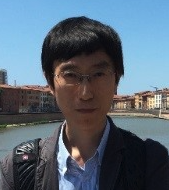 Shi Feng (冯时)合作论文数Department of Computer Science, School of Computer Science and Engineering, Northeastern University21
 Daling Wang (王大玲)合作论文数School of Computer Science and Engineering, Northeastern University18
 Yifei Zhang (张一飞)合作论文数MOE Key Laboratory of Medical Image Computing, School of Computer Science and Engineering, Northeastern University16
 Xiaocui Yang合作论文数DeCLaRe Lab, Singapore University of Technology and Design12
 Wenfang Wu合作论文数5Yinglin Wang (王英林)合作论文数School of Information Management & Enineering, Shanghai University of Finance and Economics5
 Yongkang Liu (刘永康)合作论文数School of Computer and Communication Engineering, Northeastern University at Qinhuangdao3
 Chengyu Wang (汪诚愚)合作论文数Alibaba Group3
 Jun Huang合作论文数Alibaba Group3
 Yuanzhong Liu合作论文数State Key Lab, Wuhan Univ2
 Xiaoming Fu (傅晓明)合作论文数Institute of Computer Science, University of Goettingen2
 Soujanya Poria合作论文数The School of Electrical and Electronic Engineering, Nanyang Technological University2
 Minghui Qiu (邱明辉)合作论文数ByteDance2Zhiming Ma合作论文数1
 Peidong Wang (王培东)合作论文数Northeastern University1Chao Zeng合作论文数1
 Taolin Zhang (张涛林)合作论文数School of Computer Science and Information Engineering, Hefei University of Technology1Jiaqi Zhao合作论文数1
 Jianing Wang (王嘉宁)合作论文数Meituan1Fanheng Kong合作论文数1Yi Huang合作论文数1Junbing Yan合作论文数School of Computer Science and Technology, East China Normal University1Lei Li合作论文数1Ziyun Xu合作论文数1Cheng Ge合作论文数1jianzhang zhang (张建章)合作论文数1
 Boyu Hou合作论文数Coll Comp Sci, Chongqing Univ1Yingfeng Luo合作论文数1
 Chengguang Tang合作论文数Tencent AI Lab1
 Chen Shi (施晨)合作论文数Alibaba Group1
 Yang Li (李洋)合作论文数College of Computer and Control Engineering, Northeast Forestry University1
 Qi Sun合作论文数1
 Xuebo Liu (刘学博)合作论文数School of Computer Science and Technology, Harbin Institute of Technology, Shenzhen;Institute of Computing and Intelligence, Harbin Institute of Technology, Shenzhen1
 Hamido Fujita (藤田)合作论文数Faculty of Software and Information Science, Iwate Prefectural University;Universiti Teknologi Malaysia;Óbuda University;Andalucía Research Institute, Universidad de Granada;Malaysia-Japan International Institute of Technology;Nantong University;National Taipei University of Technology1
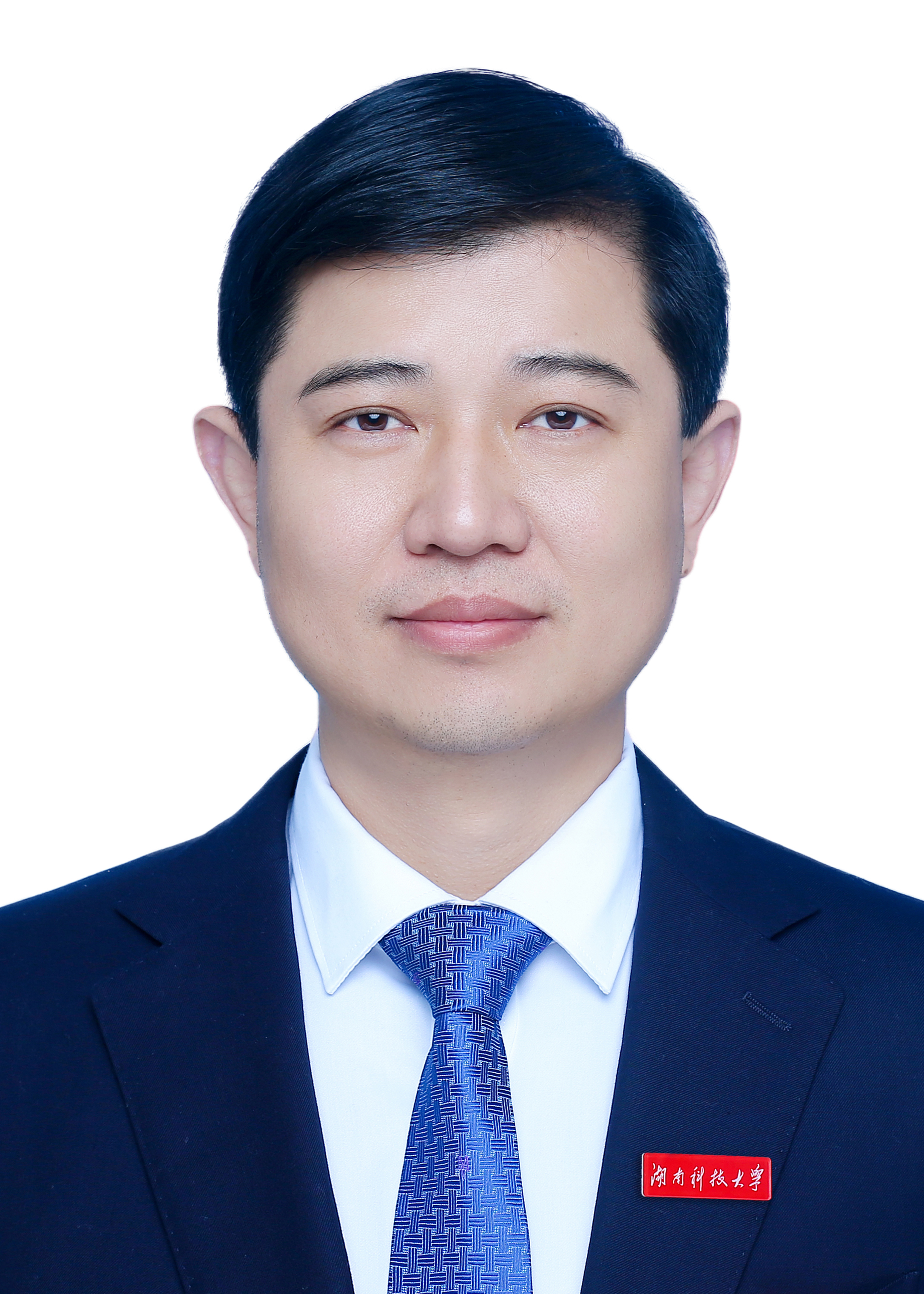 Jin Wang (王进)合作论文数Hunan University of Science and Technology1
 Ge Yu (于戈)合作论文数College of Computer Science and Engineering, Northeastern University1Miao Zhang合作论文数Monash University1
 Wei Lin (林伟)合作论文数Alibaba Group1Tingting Liu合作论文数East China Normal University1
 Xi Chen合作论文数Alibaba Group1
 Kaisong Song (宋凯嵩)合作论文数Machine Intelligence Technology Lab, Zhejiang Tmall Tehchnology Co., Ltd;Institute for Aritificial Intelligence, Alibaba Group1
 Liqiang Nie (聂礼强)合作论文数School of Computer Science and Technology, Harbin Institute of Technology (Shenzhen)1




