With the introduction of minimally invasive surgery, laparoscopic and robotic approaches have become increasingly popular for liver resections. However, few studies have compared the perioperative outcomes of open (OLR), laparoscopic (LLR), and robotic liver resections (RLR) together at once for lesions located in the superior parts of the right anterior and posterior segments, S7 and S8. This study reports data for S7 and S8 up to 5 years post-operation. Perioperative data of S7 and S8 resections performed at Prince of Wales Hospital from January 2014 to December 2024 were retrieved. For statistically significant variables (p < 0.05), pairwise comparisons using Bonferroni correction was performed. Kaplan-Meier method was used for survival analysis. A total of 162 resections were retrospectively analysed, including 137 open, 14 laparoscopic, and 11 robotic liver resections. Robotic resections achieved the shortest post-operative length of stay (OLR: 7, LLR: 6, RLR: 4 days, p < 0.001) out of the 3 approaches and a 0.0
A 63-year-old man received a robotic left lateral sectionectomy for a 2 cm solitary segment (seg) 2/3 hepatocellular carcinoma (HCC). Pathology revealed clear margins without vascular invasion. Three years later patient received transarterial chemo-embolization (TACE) for suspected intrahepatic recurrence. However, follow-up computed tomography (CT) revealed solitary peritoneal metastasis which increased to 8 cm at splenic hilum despite targeted therapy and immunotherapy was given, thus a robotic excision of the peritoneal metastasis with splenectomy was performed. CT at 3 months after surgery revealed solely new intrahepatic recurrences at segs 6 and 7. A total of four TACE were given subsequently. Laparoscopic seg 6/7 wedge liver resection was performed for residual disease. Two further small recurrences occurred at seg 7 at 2 years after surgery; stereotactic body radiotherapy (SBRT) was given. Ultimately, the patient was disease-free and enjoyed good quality of life for more than 10 years since the initial operation despite episodes of extrahepatic and intrahepatic recurrences. Thus, a multidisciplinary approach for HCC management is important to optimize treatment outcomes. Long-term cure is possible with multimodality treatment for recurrent HCC, and the use of minimally invasive surgery can enhance patient's quality of life.
In this introduction to the special issue 'The Global Economy and the Origins of Modern Chinese Business', we first provide a historiographical overview of the development of modern Chinese business from the early nineteenth century to the 1970s, with a special focus on the transnational linkages of Chinese enterprises. We highlight how Chinese businesses engaged and interacted with the global economy and globalisation over one and a half centuries. We then introduce the six contributions to this special issue. These contributions cover case studies ranging from Shanxi remittance firms to Mao-era economic relations between China and Latin America, showcasing how Chinese businesses navigated and interacted with changing international dynamics. Next, the article explains common themes amongst the contributions and their larger implications for understanding the historical trajectory of Chinese business in relation to the global economy. Finally, the concluding discussion highlights several avenues for future research in Chinese business history.
BACKGROUND:Urinary cell-free DNA (ucfDNA) is a valuable resource for truly non-invasive liquid biopsy. UcfDNA comprises transrenal ucfDNA passing from the bloodstream through the glomeruli and locally shed urinary-tract ucfDNA. Understanding their differences in characteristics may enable new diagnostic applications. METHODS:We analyzed 136 ucfDNA samples from healthy controls, pregnant women, patients with chronic kidney diseases (CKDs), and bladder cancer using massively parallel sequencing. Fragmentomic characteristics including fragment sizes and 5' end motifs were deduced. The relationship between ucfDNA and chromatin accessibility was examined by overlapping ucfDNA with open chromatin regions (OCRs, lacking histones) and heterochromatin regions (HCRs, tightly packed with histones). FINDINGS:Compared with urinary-tract ucfDNA, the transrenal ucfDNA was shorter and enriched for C-ends. The transrenal ucfDNA was over-represented in OCRs but depleted in HCRs, indicating an interplay between the glomerular filtration barrier and the effective cfDNA size. In patients with proteinuria (preeclampsia and CKDs), the amount of ucfDNA from HCRs increased, suggesting elevated glomerular permeability of histone-bound plasma DNA molecules. In oncology, the use of hypomethylation signals in HCRs enhanced bladder cancer detection, with an area under the receiver operating characteristic curve of 0.93. CONCLUSIONS:Chromatin accessibility states impact the transrenal clearance of plasma DNA, likely through the size restriction of the glomerular barrier. This realization has enabled the rational development of novel approaches for detecting or monitoring renal dysfunction and urological cancers. FUNDING:The Innovation and Technology Commission of the Hong Kong SAR Government (InnoHK initiative) and the Li Ka Shing Foundation supported this study.
Background & Aims:Recent studies demonstrated the importance of fibrosis in promoting an immunosuppressive liver microenvironment and thereby aggressive hepatocellular carcinoma (HCC) growth and resistance to immune checkpoint blockade (ICB), particularly via monocyte-to-monocytic myeloid-derived suppressor cell (M-MDSC) differentiation triggered by hepatic stellate cells (HSCs). We thus aimed to identify druggable targets in these immunosuppressive myeloid cells for HCC therapy. Methods:M-MDSC signature genes were identified by integrated transcriptomic analysis of a human HSC-monocyte culture system and tumor-surrounding fibrotic livers of patients with HCC. Mechanistic and functional studies were conducted using in vitro-generated and patient-derived M-MDSCs. The therapeutic efficacy of a M-MDSC targeting approach was determined in fibrosis-associated HCC mouse models. Results:We uncovered over-expression of protein phosphatase 1 regulatory subunit 15A (PPP1R15A), a myeloid cell-enriched endoplasmic reticulum stress modulator, in human M-MDSCs that correlated with poor prognosis and ICB non-responsiveness in patients with HCC. Blocking TGF-β signaling reduced PPP1R15A expression in HSC-induced M-MDSCs, whereas treatment of monocytes by TGF-β upregulated PPP1R15A, which in turn promoted ARG1 and S100A8/9 expression in M-MDSCs and reduced T-cell proliferation. Consistently, lentiviral-mediated knockdown of Ppp1r15a in vivo significantly reduced ARG1+S100A8/9+ M-MDSCs in fibrotic liver, leading to elevated intratumoral IFN-γ+GZMB+CD8+ T cells and enhanced anti-tumor efficacy of ICB. Notably, pharmacological inhibition of PPP1R15A by Sephin1 reduced the immunosuppressive potential but increased the maturation status of fibrotic HCC patient-derived M-MDSCs. Conclusions:PPP1R15A+ M-MDSC cells are involved in immunosuppression in HCC development and represent a novel potential target for therapies. Impact and implications:Our cross-species analysis has identified PPP1R15A as a therapeutic target governing the anti-T-cell activities of fibrosis-associated M-MDSCs (monocytic myeloid-derived suppressor cells). The results from the preclinical models show that specific inhibition of PPP1R15A can break the immunosuppressive barrier to restrict hepatocellular carcinoma growth and enhance the efficacy of immune checkpoint blockade. PPP1R15A may also function as a prognostic and/or predictive biomarker in patients with hepatocellular carcinoma.
Recent studies have revealed an unexplored population of long cell-free DNA (cfDNA) molecules in human plasma using long-read sequencing technologies. However, the biological properties of long cfDNA molecules (>500 bp) remain largely unknown. To this end, we have investigated the origins of long cfDNA molecules from different genomic elements. Analysis of plasma cfDNA using long-read sequencing reveals an uneven distribution of long molecules from across the genome. Long cfDNA molecules show overrepresentation in euchromatic regions of the genome, in sharp contrast to short DNA molecules. We observe a stronger relationship between the abundance of long molecules and mRNA gene expression levels, compared with short molecules (Pearson's r = 0.71 vs. -0.14). Moreover, long and short molecules show distinct fragmentation patterns surrounding CpG sites. Leveraging the cleavage preferences surrounding CpG sites, the combined cleavage ratios of long and short molecules can differentiate patients with hepatocellular carcinoma (HCC) from non-HCC subjects (AUC = 0.87). We also investigated knockout mice in which selected nuclease genes had been inactivated in comparison with wild-type mice. The proportion of long molecules originating from transcription start sites are lower in Dffb-deficient mice but higher in Dnase1l3-deficient mice compared with that of wild-type mice. This work thus provides new insights into the biological properties and potential clinical applications of long cfDNA molecules.
Background Cell-free DNA (cfDNA) analysis offers an attractive noninvasive means of detecting and monitoring diseases. cfDNA cleavage patterns within a short range (e.g., 11 nucleotides) have been reported to correlate with cytosine-phosphate-guanine (CpG) methylation, allowing fragmentomics-based methylation analysis (FRAGMA). Here, we adopted FRAGMA to the extended region harboring multiple nucleosomes, termed FRAGMAXR.Methods We profiled cfDNA nucleosomal patterns over the genomic regions from -800 to 800 bp surrounding differentially methylated CpG sites, harboring approximately 8 nucleosomes, referred to as CpG-associated cfDNA nucleosomal patterns. Such nucleosomal patterns were analyzed by FRAGMAXR in cancer patients and pregnant women.Results We identified distinct cfDNA nucleosomal patterns around differentially methylated CpG sites. Compared with subjects without cancer, patients with hepatocellular carcinoma (HCC) showed reduced amplitude of nucleosomal patterns, with a gradual decrease over tumor stages. Nucleosomal patterns associated with differentially methylated CpG sites could be used to train a machine learning model, resulting in the detection of HCC patients with an area under the receiver operating characteristic curve of 0.93. We further demonstrated the feasibility of multicancer detection using a dataset comprising lung, breast, and ovarian cancers. The tissue-of-origin analysis of plasma cfDNA from pregnant women and cancer patients revealed that the placental DNA and tumoral DNA contributions deduced by FRAGMAXR correlated well with values measured using genetic variants (Pearson r: 0.85 and 0.94, respectively).Conclusions CpG-associated cfDNA nucleosomal patterns of cfDNA molecules are influenced by DNA methylation and might be useful for biomarker developments for cancer liquid biopsy and noninvasive prenatal testing.
The analysis of tissues of origin of cell-free DNA (cfDNA) is of research and diagnostic interest. Many studies focused on bisulfite treatment or immunoprecipitation protocols to assess the tissues of origin of cfDNA. DNA loss often occurs during such processes. Fragmentomics of cfDNA molecules has uncovered a wealth of information related to tissues of origin of cfDNA. There is still much room for the development of tools for assessing contributions from various tissues into plasma using fragmentomic features. Hence, we developed an approach to analyze the relative contributions of DNA from different tissues into plasma, by identifying characteristic fragmentation patterns associated with selected histone modifications. We named this technique as FRAGmentomics-based Histone modification Analysis (FRAGHA). Deduced placenta-specific histone H3 lysine 27 acetylation (H3K27ac)-associated signal correlated well with the fetal DNA fraction in maternal plasma (Pearson’s r = 0.96). The deduced liver-specific H3K27ac-associated signal correlated with the donor-derived DNA fraction in liver transplantation recipients (Pearson’s r = 0.92) and was significantly increased in patients with hepatocellular carcinoma (HCC) ( P < 0.01, Wilcoxon rank-sum test). Significant elevations of erythroblasts-specific and colon-specific H3K27ac-associated signals were observed in patients with β-thalassemia major and colorectal cancer, respectively. Furthermore, using the fragmentation patterns from tissue-specific H3K27ac regions, a machine learning algorithm was developed to enhance HCC detection, with an area under the curve (AUC) of up to 0.97. Finally, genomic regions with H3K27ac or histone H3 lysine 4 trimethylation (H3K4me3) were found to exhibit different fragmentomic patterns of cfDNA. This study has shed light on the relationship between cfDNA fragmentomics and histone modifications, thus expanding the armamentarium of liquid biopsy.
BACKGROUND:Intraductal papillary mucinous tumour (IPMN) of pancreas is increasingly recognized to have malignant potential. Fukuoka guidelines are commonly used to select patients with IPMN for resection due to high chance of malignancy, which includes high-grade dysplasia (HGD) or invasive carcinoma (IC). METHODS:A retrospective study on consecutive patients who have undergone pancreatectomy with IPMN as the final pathology was performed. Operative and survival outcomes were analysed. The positive predictive values (PPV) of high-risk stigmata (HRS) and worrisome features (WF) of Fukuoka guidelines for HGD/IC were determined. RESULTS:Between August 2011 and September 2020, various types of pancreatectomy were performed for 36 patients with histologically proven IPMN. They included 26 pancreaticoduodenectomy, 7 distal pancreatectomy, 2 central pancreatectomy, and 1 total pancreatectomy. There were 30 branch duct type IPMN, 5 main duct type, and 1 mixed type. There was no 30-day mortality. Overall complications and pancreatic fistula occurred in 44.4% and 5.6% of patients, respectively. Patients without HGD/IC had 100% survival at 5 years with no recurrent disease. There were 13 patients with HGD/IC, their 1-, 3-, 5-year overall and disease-free survival were 84.6%, 76.9%, 67.3% and 84.6%, 68.4%, 58.6%, respectively, both significantly shorter than non-HGD/IC group (P = 0.002 and 0.001, respectively). The PPV of HRS and WF for HGD/IC were 33.3% and 23.5%, respectively. The combined PPV of HRS and WF for HGD/IC was 38.0%. CONCLUSION:Survival after pancreatectomy for IPMN was favourable, but was significantly worse in the presence of HGD/IC. Fukuoka guidelines were useful in predicting malignant IPMN.
Abstract Focusing on soy sauce exports from Hong Kong to the United States, this article traces the origin of the ‘Made in Hong Kong’ label to the US-led embargo on Chinese goods during the Korean War and explores the repercussions the recent Sino-US conflict generated on the label. By examining the history of an enterprise embroiled in two episodes of global trade disruptions, this article reveals how politically motivated US trade policies steered businesses in Hong Kong to pursue commercial opportunities by leveraging geopolitics, both global and local. Strategically capitalizing on Hong Kong’s position during the Cold War that allowed local exports to the United States, Hong Kong entrepreneurs created an international product chain. When the latest Sino-US trade war erupted, Trump’s elimination of the distinction between China-made and Hong Kong-made exports coincided with a wave of local consumerism in Hong Kong and unintentionally imbued meaning into homegrown products. From a commercially expedient marker aimed at satisfying the US government’s anti-China trade requirements, the ‘Made in Hong Kong’ label has recently been repurposed as a badge of local pride and perseverance as Hong Kong/mainland tension escalated. Necessitated by global trade policies and infused with connotations of shifting geopolitics, the malleable ‘Made in Hong Kong’ label signified not only reactions to US policies but also fluid Hong Kong/China relations. In successive rounds of US-initiated trade disruptions, the place-of-origin label reflected Hong Kong’s changing place in global geopolitics and the city’s position vis-à-vis the PRC.
Background Laparoscopic liver resection (LLR) of high difficulty score is technically challenging. There is a lack of clinical evidence to support its applicability in terms of the long-term survival benefits. This study aims to compare clinical outcomes between LLR and the open liver resection of high difficulty score for hepatocellular carcinoma (HCC). Materials and Methods From 2010 to 2020, using Iwate criteria, 424 patients underwent liver resection of high difficulty score by the laparoscopic ( n = 65) or open ( n = 359) approach. Propensity score (PS) matching was performed between the two groups. Short-term and long-term outcomes were compared between PS-matched groups. Univariate and multivariate analyses were performed to identify prognostic factors affecting survival. Results The laparoscopic group had significantly fewer severe complications (3% vs. 10.8%), and shorter median hospital stays (6 days vs. 8 days) than the open group. Meanwhile, the long-term oncological outcomes were comparable between the two groups, in terms of the tumor recurrence rate (40% vs. 46.1%), the 5-year overall survival rate (75.4% vs. 76.2%), and the 5-year recurrence-free survival rate (50.3% vs. 53.5%). The high preoperative serum alpha-fetoprotein level, multiple tumors, and severe postoperative complications were the independent poor prognostic factors associated with worse overall survival. The surgical approach (Laparoscopic vs. Open) did not influence the survival. Conclusion LLR of high difficulty score for selected patients with HCC has better short-term outcomes than the open approach. More importantly, it can achieve similar long-term survival outcomes as the open approach.
Background Recent studies using single molecule, real-time (SMRT) sequencing revealed a substantial population of analyzable long cell-free DNA (cfDNA) in plasma. Potential clinical utilities of such long cfDNA in pregnancy and cancer have been demonstrated. However, the performance of different long-read sequencing platforms for the analysis of long cfDNA remains unknown. Methods Size biases of SMRT sequencing by Pacific Biosciences (PacBio) and nanopore sequencing by Oxford Nanopore Technologies (ONT) were evaluated using artificial mixtures of sonicated human and mouse DNA of different sizes. cfDNA from plasma samples of pregnant women at different trimesters, hepatitis B carriers, and patients with hepatocellular carcinoma were sequenced with the 2 platforms. Results Both platforms showed biases to sequence longer (1500 bp vs 200 bp) DNA fragments, with PacBio showing a stronger bias (5-fold overrepresentation of long fragments vs 2-fold in ONT). Percentages of cfDNA fragments 500 bp were around 6-fold higher in PacBio compared with ONT. End motif profiles of cfDNA from PacBio and ONT were similar, yet exhibited platform-dependent patterns. Tissue-of-origin analysis based on single-molecule methylation patterns showed comparable performance on both platforms. Conclusions SMRT sequencing generated data with higher percentages of long cfDNA compared with nanopore sequencing. Yet, a higher number of long cfDNA fragments eligible for the tissue-of-origin analysis could be obtained from nanopore sequencing due to its much higher throughput. When analyzing the size and end motif of cfDNA, one should be aware of the analytical characteristics and possible biases of the sequencing platforms being used.
Purpose To compare the peri-operative and long-term survival outcomes of minimally invasive liver resection (MILR) (robotic or laparoscopic) with open liver resection (OLR) in patients with hepatocellular carcinoma (HCC). Methods Data of patients who underwent liver resection for HCC were reviewed from a prospectively collected database. Outcomes of MILR were compared with those of OLR. A propensity score matching analysis with a ratio of 1:1 was performed to minimise the potential bias in clinical pathological factors. Results From January 2003 to December 2017, a total of 705 patients underwent liver resection for HCC. Amongst them, 112 patients received MILR and 593 patients received OLR. After propensity score matching, there were 112 patients in each of the MILR and OLR groups. Patients were matched by age, sex, hepatitis status, presence of cirrhosis, platelet count, albumin level, bilirubin level, alkaline phosphatase (ALP) level, alanine transferase (ALT) level, creatinine level, tumour differentiation, tumour size, tumour number, presence of tumour rupture, presence of vascular invasion, extent of liver resection (minor/major) and difficulty score. The 1-, 3- and 5-year overall survival rates were 94.4%, 90.4% and 82.3% in the MILR group vs 95.4%, 80.5% and 71.8% in the open group (p = 0.240). The 1-, 3- and 5-year disease-free survival rates were 81.0%, 63.1% and 55.8% in the MILR group vs 79.1%, 58.1% and 45.7 in the open group (p = 0.449). The MILR group demonstrated significantly less blood loss (p < 0.001), less blood transfusion (p = 0.004), lower post-operative complications (p < 0.001) and shorter hospital stay (p < 0.001) when compared with the OLR group. Conclusions Our data shows MILR yielded superior post-operative outcomes to OLR, with comparable survival outcomes.
Against the backdrop of the changing meaning of the “Chinese” language in Hong Kong, this article explores how Mandarin, once an unproblematic link to a nebulous Chinese nation for Hongkongers, now reflects anti-mainland sentiments. In the 1970s, Hong Kong Chinese who fought against English colonial oppression embraced Cantonese as their de facto Chinese language even as some conceded the broader allure of Mandarin. As the popularity of Cantonese rose, the appeal of Mandarin lingered but did not result in its higher currency. In the period leading up to the 1997 handover, while the colonial government did not mandate the study of Mandarin, its economic practicality surged, especially as the reform era engineered tremendous opportunities for Hongkongers in the mainland. Ironically, as Hongkongers have registered enhanced Mandarin proficiency, mounting resentment toward Mandarin in the city over the past two decades has come to represent a response to intensifying mainland control over Hong Kong.
Emergency pancreaticoduodenectomy (EPD) is a rarely performed operation. It is important to know the indications and outcomes of EPD to have a better understanding of its application in clinical practice. A review of eight consecutive cases of EPD was done. Between January 2003 and December 2021, 8 out of 370 patients (2.2%) in a single center received pancreaticoduodenectomy as emergency. There were six males and two females with a median age of 45.5 years. The indications were trauma in three patients, bleeding tumors in two patients, and one patient each in obstructing duodenal tumor, postoperative complication and post-endoscopic retrograde cholangiopancreatography (ERCP) complication. The median operative time and blood loss were 427.5 minutes and 1,825 mL, respectively. There was no operative mortality. Seven patients (87.5%) had postoperative complications. Three patients (37.5%) developed postoperative grade B pancreatic fistula. The median postoperative hospital stay was 23.5 days. Five patients were still alive while three patients survived for 13, 31, and 42 months after the operation. The causes of death were recurrent tumors in two patients, and sepsis in one patient. According to this case series, EPD is associated with increased morbidity and pancreatic fistula, but is still deserved in life-threatening situations and long-term survival is possible after EPD.
Using declassified colonial and British records in Hong Kong and London, as well as memoirs of former leftists and newspapers, this article explores the strategies the Hong Kong colonial government employed in a propaganda campaign to garner political support of the rural population in the New Territories, a porous land frontier during the Cold War. It also analyses the varying political orientations of migrant farmers, who often had received economic benefits from both the colonial government and the leftist organizations. This article reveals that the colonial government established the Vegetable Marketing Organization (VMO), a state-owned enterprise, to first nationalize the vegetable wholesale market in the immediate post-war period, and subsequently used it to combat increasing political influence and anti-government activities of the communist-controlled Society of Plantations. Despite the improvement of the livelihood of immigrant farmers, the VMO Scheme failed to out-compete the Society economically, which was ultimately eliminated by draconian measures. Through studying the agrarian politics and economic contestations in Hong Kong's rural area, this article provides a lens on how the Cold War was played out at a village level in East Asia.
Massive expansion of immature and suppressive myeloid cells is a common feature of malignant solid tumors. Over-expression of cyclin-dependent kinase 20, also known as cell cycle-related kinase (CCRK), in hepatocellular carcinoma (HCC) correlates with reduced patient survival and low immunotherapy responsiveness. Beyond tumor-intrinsic oncogenicity, here we demonstrated that CCRK is upregulated in myeloid cells in tumor-bearing mice and in patients with HCC. Intratumoral injection of Ccrk-knockdown myeloid-derived suppressor cells (MDSCs) increased tumor-infiltrating CD8+T cells and suppressed HCC tumorigenicity. Using an indel mutant transgenic model, we showed that Ccrk inactivation in myeloid cells conferred a mature phenotype with elevated IL-12 production, driving Th1 responses and CD8+T cell cytotoxicity to reduce orthotopic tumor growth and prolong survival. Mechanistically, CCRK activates STAT3/E4BP4 signaling in MDSCs to acquire immunosuppressive activity through transcriptional IL-10 induction and IL-12 suppression. Taken together, our findings unravel mechanistic insights into MDSC-mediated immunosuppression and offer a therapeutic kinase-target for cancer immunotherapy.
Structural variations (SVs) are commonly found in cancer genomes. They can cause gene amplification, deletion and fusion, among other functional consequences. With an average read length of hundreds of kilobases, nano-channel-based optical DNA mapping is powerful in detecting large SVs. However, existing SV calling methods are not tailored for cancer samples, which have special properties such as mixed cell types and sub-clones. Here we propose the Cancer Optical Mapping for detecting Structural Variations (COMSV) method that is specifically designed for cancer samples. It shows high sensitivity and specificity in benchmark comparisons. Applying to cancer cell lines and patient samples, COMSV identifies hundreds of novel SVs per sample.
Cell-free DNA (cfDNA) fragmentation is nonrandom, at least partially mediated by various DNA nucleases, forming characteristic cfDNA end motifs. However, there is a paucity of tools for deciphering the relative contributions of cfDNA cleavage patterns related to underlying fragmentation factors. In this study, through non-negative matrix factorization algorithm, we used 256 5′ 4-mer end motifs to identify distinct types of cfDNA cleavage patterns, referred to as “founder” end-motif profiles (F-profiles). F-profiles were associated with different DNA nucleases based on whether such patterns were disrupted in nuclease-knockout mouse models. Contributions of individual F-profiles in a cfDNA sample could be determined by deconvolutional analysis. We analyzed 93 murine cfDNA samples of different nuclease-deficient mice and identified six types of F-profiles. F-profiles I, II, and III were linked to deoxyribonuclease 1 like 3 (DNASE1L3), deoxyribonuclease 1 (DNASE1), and DNA fragmentation factor subunit beta (DFFB), respectively. We revealed that 42.9% of plasma cfDNA molecules were attributed to DNASE1L3-mediated fragmentation, whereas 43.4% of urinary cfDNA molecules involved DNASE1-mediated fragmentation. We further demonstrated that the relative contributions of F-profiles were useful to inform pathological states, such as autoimmune disorders and cancer. Among the six F-profiles, the use of F-profile I could inform the human patients with systemic lupus erythematosus. F-profile VI could be used to detect individuals with hepatocellular carcinoma, with an area under the receiver operating characteristic curve of 0.97. F-profile VI was more prominent in patients with nasopharyngeal carcinoma undergoing chemoradiotherapy. We proposed that this profile might be related to oxidative stress.
Cell-free DNA (cfDNA) fragmentation patterns contain important molecular information linked to tissues of origin. We explored the possibility of using fragmentation patterns to predict cytosine-phosphate-guanine (CpG) methylation of cfDNA, obviating the use of bisulfite treatment and associated risks of DNA degradation. This study investigated the cfDNA cleavage profile surrounding a CpG (i.e., within an 11-nucleotide [nt] window) to analyze cfDNA methylation. The cfDNA cleavage proportion across positions within the window appeared nonrandom and exhibited correlation with methylation status. The mean cleavage proportion was ∼twofold higher at the cytosine of methylated CpGs than unmethylated ones in healthy controls. In contrast, the mean cleavage proportion rapidly decreased at the 1-nt position immediately preceding methylated CpGs. Such differential cleavages resulted in a characteristic change in relative presentations of CGN and NCG motifs at 5' ends, where N represented any nucleotide. CGN/NCG motif ratios were correlated with methylation levels at tissue-specific methylated CpGs (e.g., placenta or liver) (Pearson's absolute r > 0.86). cfDNA cleavage profiles were thus informative for cfDNA methylation and tissue-of-origin analyses. Using CG-containing end motifs, we achieved an area under a receiver operating characteristic curve (AUC) of 0.98 in differentiating patients with and without hepatocellular carcinoma and enhanced the positive predictive value of nasopharyngeal carcinoma screening (from 19.6 to 26.8%). Furthermore, we elucidated the feasibility of using cfDNA cleavage patterns to deduce CpG methylation at single CpG resolution using a deep learning algorithm and achieved an AUC of 0.93. FRAGmentomics-based Methylation Analysis (FRAGMA) presents many possibilities for noninvasive prenatal, cancer, and organ transplantation assessment.
 LAI Bo San Paul (賴寶山)合作论文数Division of Hepato-biliary and Pancreatic Surgery, Department of Surgery, Faculty of Medicine, The Chinese University of Hong Kong;Wong Tze Lam - Hing Tak Centre of Surgical Outcome Research, Faculty of Medicine, The Chinese University of Hong Kong;School of Biomedical Sciences, Faculty of Medicine, The Chinese University of Hong Kong;Department of Surgery, Prince of Wales Hospital;Hospital Authority76
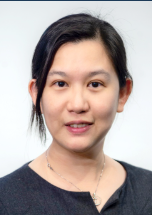 Ching Ning Charing Chong (莊清寧)合作论文数Department of Surgery, Faculty of Medicine, The Chinese University of Hong Kong;Department of Surgery, Prince of Wales Hospital, The Chinese University of Hong Kong55
 Law, Ying Kit Simon (羅英傑)合作论文数Department of Surgery, School of Clinical Medicine, Li Ka Shing Faculty of Medicine, The University of Hong Kong47
 Kit Fai Lee合作论文数46
 Sheung-Tat Fan合作论文数Department of Surgery, The University of Hong Kong, Queen Mary Hospital, Hong Kong28Yue Sun Cheung合作论文数26
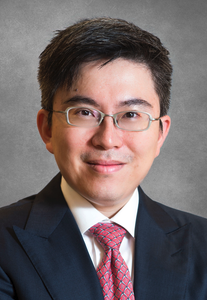 Stephen Lam Chan合作论文数Department of Clinical Oncology, Faculty of Medicine, The Chinese University of Hong Kong24Andrew K Y Fung合作论文数22
 Chung-Mau Lo (盧寵茂)合作论文数Department of Surgery, School of Clinical Medicine, LKS Faculty of Medicine, University of Hong Kong22
 Peiyong Jiang (江培勇)合作论文数Department of Chemical Pathology, Faculty of Medicine, The Chinese University of Hong Kong;Biomedical Computing Centre, Li Ka Shing Institute of Health Sciences, Faculty of Medicine, The Chinese University of Hong Kong19Hon Ting Lok合作论文数18
 Chi-Leung Liu (廖子良)合作论文数Department of Surgery, University of Hong Kong18
 Dennis Yuk Ming Lo (卢煜明)合作论文数Department of Chemical Pathology, Faculty of Medicine, The Chinese University of Hong Kong18
 Allen Kwan Chee Chan (陳君賜)合作论文数Department of Chemical Pathology, Faculty of Medicine, The Chinese University of Hong Kong;Li Ka Shing Institute of Health Sciences, Faculty of Medicine, The Chinese University of Hong Kong18
 Rossa Chiu (趙慧君)合作论文数Department of Chemical Pathology, Faculty of Medicine, The Chinese University of Hong Kong15
 Henry LY Chan (陈力元)合作论文数S.H. Ho Centre for Digestive Health, The Chinese University of Hong Kong;Union Hospital;Shanghai Henlius Biotech, Inc.15RTP Poon合作论文数14
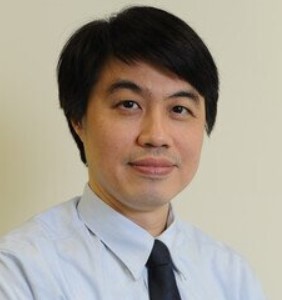 Ka-fai To (杜家輝)合作论文数Department of Anatomical and Cellular Pathology, Faculty of Medicine, Chinese University of Hong Kong;State Key Laboratory in Oncology, Chinese University of Hong Kong14Sunny Cheung合作论文数14Ky Lam合作论文数13
 Suk Hang Alice Cheng合作论文数Li Ka Shing Inst Hlth Sci, Chinese Univ Hong Kong13
 Grace Lai Hung Wong (黃麗虹)合作论文数Department of Medicine and Therapeutics, Faculty of Medicine, The Chinese University of Hong Kong;Institute of Digestive Disease, The Chinese University of Hong Kong;State Key Laboratory of Digestive Diseases, The Chinese University of Hong Kong13
 Kent-Man Chu (朱建民)合作论文数Department of Surgery, School of Clinical Medicine, University of Hong Kong;Department of Surgery, University of Hong Kong at Queen Mary Hospital13
 Sze Lok Alfred Cheng (鄭詩樂)合作论文数School of Biomedical Sciences, Faculty of Medicine, The Chinese University of Hong Kong12Zhou Jingying合作论文数12Ecs Lai合作论文数11ST Fan合作论文数11K. F. Lee合作论文数11
 William I Wei合作论文数11
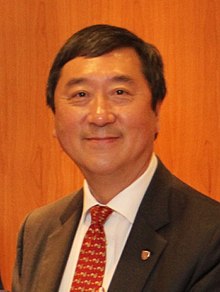 Joseph Sung (沈祖堯)合作论文数Lee Kong Chian School of Medicine, Nanyang Technological University11
 Anthony Chan (陳德章)合作论文数Sir YK Pao Centre for Cancer, Hong Kong Cancer Institute, The Chinese University of Hong Kong;Department of Clinical Oncology, The Chinese University of Hong Kong11
 Anthony W.H. Chan合作论文数The Chinese University of Hong Kong;IPath Laboratory Limited10
 Simon Chun-Ho Yu合作论文数Department of Imaging and Interventional Radiology,The Chinese University of Hong Kong10
 Vincent Ws Wong (黃煒燊)合作论文数Department of Medicine & Therapeutics, Faculty of Medicine, The Chinese University of Hong Kong10Kit-Fai Lee合作论文数10Y. S. Cheung合作论文数9Hanyong Sun合作论文数Chinese Univ Hong Kong, Dept Med & Therapeut, Hong Kong, Hong Kong, Peoples R China9
 Wenlei Peng合作论文数Chinese Univ Hong Kong, Li Ka Shing Inst Hlth Sci, Shatin, Hong Kong, Peoples R China9Hui Joyce Wai Yi合作论文数9
 Irene Ng (吳呂愛蓮)合作论文数Department of Pathology, Li Ka Shing Faculty of Medicine, The University of Hong Kong;State Key Laboratory of Liver Research, Li Ka Shing Faculty of Medicine, The University of Hong Kong;Queen Mary Hospital;Peking Union Medical College Hospital9
 Wilson Ng合作论文数9
 Ching-Lung Lai (黎青龍)合作论文数Department of Medicine, School of Clinical Medicine, LKS Faculty of Medicine, The University of Hong Kong9Yang Weiqin合作论文数8Anthony Kongwai Fong合作论文数8
 Sheung Tat Fan (范上達)合作论文数Department of Surgery, School of Clinical Medicine, Li Ka Shing Faculty of Medicine, The University of Hong Kong;Liver Surgery Centre, Hong Kong Sanatorium & Hospital8Gopesh Srivastava合作论文数Department of Pathology, Li Ka Shing Faculty of Medicine, The University of Hong Kong8
 Manson Fok (霍文逊)合作论文数Faculty of Health Sciences,Macau University of Science and Technology8
 Tak Yeung Leung合作论文数8
 Poon Tung Ping Ronnie (潘冬平)合作论文数Gleneagles Hospital Hong Kong;Department of Surgery, The University of Hong Kong8




