Homology Directed Repair (HDR)-based genome editing is an approach that could permanently correct a broad range of genetic diseases. However, its utility is limited by inefficient and imprecise DNA repair mechanisms in terminally differentiated tissues. Here, we tested "Repair Drive", a novel method for improving targeted gene insertion in the liver by selectively expanding correctly repaired hepatocytes in vivo. Our system consists of transient conditioning of the liver by knocking down an essential gene, and delivery of an untargetable version of the essential gene in cis with a therapeutic transgene. We show that Repair Drive dramatically increases the percentage of correctly targeted hepatocytes, up to 25%. This resulted in a five-fold increased expression of a therapeutic transgene. Repair Drive was well-tolerated and did not induce toxicity or tumorigenesis in long term follow up. This approach will broaden the range of liver diseases that can be treated with somatic genome editing.
Genome-wide association studies typically identify hundreds to thousands of loci, many of which harbor multiple independent peaks, each parsimoniously assumed to be due to the activity of a single causal variant. Fine-mapping of such variants has become a priority and since most associations are located within regulatory regions, it is also assumed that they colocalize with regulatory variants that influence the expression of nearby genes. Here we examine these assumptions by using a moderate throughput expression CROPseq protocol in which Cas9 nuclease is used to induce small insertions and deletions across the credible set of SNPs that may account for expression quantitative trait loci (eQTL) for genes associated with inflammatory bowel disease (IBD). Of the 4,384 SNPs targeted in 88 loci (an average of 50 per locus), 439 were significant and further examined for validation. From these, 98 significantly altered target gene expression in HL-60 myeloid cell line, 74 in induced macrophages from these HL-60 cells, and 78 in induced neutrophils for a total of 201 validated effects (46%), 43 of which were observed in at least two of the cell types. Considering the observed sensitivity and specificity of the controls, we estimate that there are at least 150 true positives per cell type, an average of almost 2.4 for each of the 64 eQTL for which putative causal variants have been fine-mapped. This implies that haplotype effects are likely to explain many of the associations. We also demonstrate that the same approach can be used to investigate the activity of very rare variants in regulatory regions for 89 genes, providing a rapid strategy for establishing clinical relevance of non-coding mutations.
CRISPR/Cas9 based gene editing typically functions by creating a DNA double-strand break (DSB) at the intended target locus in a cell. Recent reports showed the occurrence of unintended on-target large gene modifications by CRISPR/Cas9-induced DSB, including large deletions, insertions, and chromosomal rearrangements, in addition to small insertions and deletions. These on-target large gene modifications can have high frequencies, undetectable by standard short-range PCR based assays, leading to data misinterpretation, reduced efficacy, and potential safety concerns in therapeutic gene editing. Here, we summarize the recent advances in analyzing large on-target gene editing outcomes and their implications to clinical application, and discuss opportunities for future improvements.
Most genome editing analyses to date are based on quantifying small insertions and deletions. Here, we show that CRISPR-Cas9 genome editing can induce large gene modifications, such as deletions, insertions, and complex local rearrangements in different primary cells and cell lines. We analyzed large deletion events in hematopoietic stem and progenitor cells (HSPCs) using different methods, including clonal genotyping, droplet digital polymerase chain reaction, single-molecule real-time sequencing with unique molecular identifier, and long-amplicon sequencing assay. Our results show that large deletions of up to several thousand bases occur with high frequencies at the Cas9 on-target cut sites on the HBB (11.7 to 35.4%), HBG (14.3%), and BCL11A (13.2%) genes in HSPCs and the PD-1 (15.2%) gene in T cells. Our findings have important implications to advancing genome editing technologies for treating human diseases, because unintended large gene modifications may persist, thus altering the biological functions and reducing the available therapeutic alleles.
The 53rd Annual Meeting of the APS Division of Atomic, Molecular and Optical Physics will take place from May 30 – June 3, 2022 in Orlando, Fl, USA. Virtual Presenter Help Desk
Motivation The scalable design of safe guide RNA sequences for CRISPR gene editing depends on the computational “scoring” of DNA locations that may be edited. As there is no widely accepted benchmark dataset to compare scoring models, we present a curated “TrueOT” dataset that contains thoroughly validated datapoints to best reflect the properties of in vivo editing. Many existing models are trained on data from high throughput assays. We hypothesize that such models may suboptimally transfer to the low throughput data in TrueOT due to fundamental biological differences between proxy assays and in vivo behavior. We developed new Siamese convolutional neural networks, trained them on a proxy dataset, and compared their performance against existing models on TrueOT.Results Our simplest model with a single convolutional and pooling layer surprisingly exhibits state-of-the-art performance on TrueOT. Adding subsequent layers improves performance on the proxy dataset while compromising performance on TrueOT. We demonstrate that model complexity can only improve performance on TrueOT if transfer learning techniques are employed. These results suggest an urgent need for the CRISPR community to agree upon a benchmark dataset such as TrueOT and highlight that various sources of CRISPR data cannot be assumed to be equivalent.Availability and Implementation Our code base and datasets are available on GitHub at [github.com/baolab-rice/CRISPR\_OT\_scoring][1].### Competing Interest StatementThe authors have declared no competing interest. [1]: http://github.com/baolab-rice/CRISPR_OT_scoring
Introduction: Several gene editing strategies have been developed to cure sickle cell disease (SCD), including the use of CRISPR/Cas9 to edit beta-globin (HBB), gamma-globin (HBG), or B-cell lymphoma/leukemia 11A (BCL11A) in hematopoietic stem and progenitor cells (HSPCs) from patients with SCD. Although high gene-editing rates can be achieved and off-target effects reduced, new challenges in applying the gene-editing strategies, including unintended gene modifications, need to be addressed in order to cure SCD with high efficacy and safety. To date, due to limitations in sequencing methods, studies on CRISPR/Cas9 genome editing for treating SCD only identified small insertions/deletions (INDELs); the extent and consequences of unintended large gene modifications are generally unknown. Here we provide accurate quantification and profiling of unintended gene modifications due to Cas9 induced double-stranded breaks (DSBs) in SCD HSPCs, including large deletions, insertions, and complex chromosomal arrangements, and the comparison of different approaches.
It is generally accepted that oligomeric enzymes evolve from their monomeric ancestors, and the evolution process generates superior structural benefits for functional advantages. Furthermore, adjusting the transition between different oligomeric states is an important mechanism for natural enzymes to regulate their catalytic functions for adapting environmental fluctuations in nature, which inspires researchers to mimic such a strategy to develop artificially oligomerized enzymes through protein engineering for improved performance under specific conditions. On the other hand, transforming oligomeric enzymes into their monomers is needed in fundamental research for deciphering catalytic mechanisms as well as exploring their catalytic capacities for better industrial applications. In this article, strategies for developing artificially oligomerized and monomerized enzymes are reviewed and highlighted by their applications. Furthermore, advances in the computational prediction of oligomeric structures are introduced, which would accelerate the systematic design of oligomeric and monomeric enzymes. Finally, the current challenges and future directions in this field are discussed.
 Gang Bao合作论文数Laboratory of Biomolecular Engineering & Nanomedicine, Rice University9
 So Hyun Park合作论文数6
 Mia Furgurson合作论文数2Tyler Chickering合作论文数2Christopher J Walkey合作论文数2Stephanie Lefebvre合作论文数2Lavanya Saxena合作论文数2Sarah Hyde合作论文数2Marcel Chuecos合作论文数2
 Marco De Giorgi合作论文数Dept Mol Physiol & Biophys, Baylor Coll Med2Ayrea Hurley合作论文数Dept Mol Physiol & Biophys, Baylor Coll Med2Adam Castoreno合作论文数Alnylam Pharmaceut, 300 Third St, Cambridge, MA 02142 USA2
 Yidan Pan合作论文数Rice Univ, Bioengn, Houston, TX USA2
 Karl-Dimiter Bissig合作论文数Department of Pharmacology and Cancer Biology, Duke University School of Medicine2
 Vivien Sheehan合作论文数Hematology Center, Baylor College of Medicine2
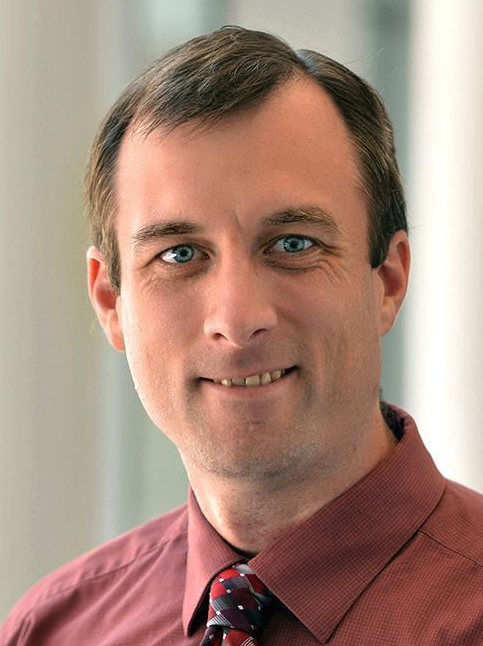 William R. Lagor合作论文数Baylor College of Medicine2June Qin合作论文数2
 Vasant Jadhav合作论文数2Rich Gang Li合作论文数1
 Peng Cui (崔鹏)合作论文数Institute of Mountain Hazards and Environment, Chinese Academy of Sciences;Institute of Geographic Sciences and Natural Resources Research, Chinese Academy of Sciences;University of Chinese Academy of Sciences1Kelly Wassarman合作论文数1Jong H Kim合作论文数1
 Guo Weixuan合作论文数1
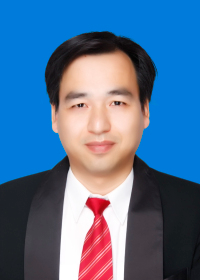 Jinxi Song (宋进喜)合作论文数College of Soil and Water Conservation Science and Engineering, Northwest A&F University;College of Urban and Environmental Sciences, Northwest University1Huang Yuanyuan合作论文数1Kehong SUN (孙克红)合作论文数1Yu Gao (高宇)合作论文数1M Cecilia Ljungberg合作论文数1Hoang-Anh Vu合作论文数1
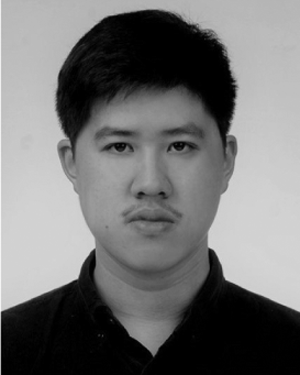 Yilei Fu合作论文数1Alexandria M Doerfler合作论文数1
 Yankai Zhang合作论文数1
 Kalyani Patel合作论文数1
 Todd Treangen合作论文数Department of Computer Science, George R. Brown School of Engineering and Computing, Rice University;Train Genomics1
 James F Martin合作论文数Department of Molecular Physiology, Baylor College of Medicine;Cardiomyocyte Renewal Laboratory, Texas Heart Institute, Texas Medical Center1
 Lee Ciaran M合作论文数Department of Biomedical Engineering, Georgia Institute of Technology and Emory University1
 Buhle Moyo合作论文数School of Pathology, University of the Witwatersrand1
 Kota Pavan合作论文数Department of Biomedical Engineering, Case Western Reserve University1
 Zichao Zhou (周子超)合作论文数Institute for Interdisciplinary Information Sciences, Tsinghua University1
 Deshmukh Harshavardhan合作论文数Department of Biomedical Engineering, Georgia Institute of Technology and Emory University1
 Luming Duan (段路明)合作论文数Institute for Interdisciplinary Information Sciences, Tsinghua University1
 Huizhu Yang (杨辉著)合作论文数School of Robotics and Advanced Manufacture, College of Artificial Intelligence, Harbin Institute of Technology, Shenzhen;Institute of Low Altitude Science and Technology, College of Artificial Intelligence, Harbin Institute of Technology, Shenzhen1Ying Wang (王颖)合作论文数1
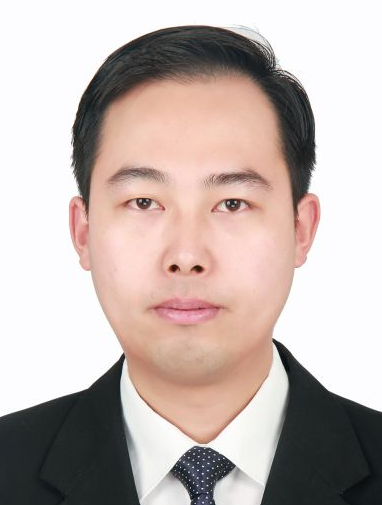 Sheng Hu (胡胜)合作论文数College of Urban and Environmental Sciences, Northwest University1
 Hu Liu (刘护)合作论文数School of Chemistry and Chemical Engineering, Beijing Institute of Technology1
 Bo Lv (吕波)合作论文数School of Chemistry and Chemical Engineering, Beijing Institute of Technology1
 Chun Li (李春)合作论文数Department of Chemical Engineering, Tsinghua University1Yumin Wu (武玉民)合作论文数1
 Richard G. Baraniuk合作论文数Department of Electrical and Computer Engineering, George R. Brown School of Engineering, Rice University;SafeInsights;OpenStax1




