In this study, transmission electron microscopy (TEM) and cryo-scanning electron microscopy (cryo-SEM) were evaluated for their ability to detect lipid bodies in microalgae. To do so, Phaeodactylum tricornutum and Nannochloropsis oculata cells were harvested in both the mid-exponential and early stationary growth phase. Two different cryo-SEM cutting methods were compared: cryo-planing and freeze-fracturing. The results showed that, despite the longer preparation time, TEM visualisation preceded by cryo-immobilisation allows a clear detection of lipid bodies and is preferable to cryo-SEM. Using freeze-fracturing, lipid bodies were rarely detected. This was only feasible if crystalline layers in the internal structure, most likely related to sterol esters or di-saturated triacylglycerols, were revealed. Furthermore, lipid bodies could not be detected using cryo-planing. Cryo-SEM is also not the preferred technique to recognise other organelles besides lipid bodies, yet it did reveal chloroplasts in both species and filament-containing organelles in cryo-planed Nannochloropsis oculata samples.
In this study, imaging flow cytometry (iFCM), confocal laser scanning microscopy (CLSM) and Raman microscopy were compared for their ability to detect lipid bodies in Phaeodactylum tricornutum (a diatom) and Nannochloropsis oculata. These two microalgae belonging to a different phylum were cultivated under standard growing conditions and analysed in the mid-exponential and early stationary growth phase. Lipids were detected using Nile red as a fluorescent dye. Spectral unmixing was applied in CLSM to separate the fluorescent signals from neutral lipids, polar lipids and pigments. CLSM was able to detect lipid bodies in a higher number of cells compared to iFCM or Raman microscopy. Pigments were interfering with the lipid body detection in iFCM while proteins were interfering in Raman microscopy. Nevertheless, the increase in lipid body area per cell from the mid-exponential phase to the early stationary growth phase follows a similar trend for both CLSM and iFCM.
Diatoms, an evolutionarily successful group of microalgae, display high levels of intraspecific genetic variability in natural populations. However, the contribution of various mechanisms generating such diversity is unknown. Here we estimated the genetic micro-diversity within a natural diatom population and mapped the genomic changes arising within clonally propagated diatom cell cultures. Through quantification of haplotype diversity by next-generation sequencing and amplicon re-sequencing of selected loci, we documented a rapid accumulation of multiple haplotypes accompanied by the appearance of novel protein variants in cell cultures initiated from a single founder cell. Comparison of the genomic changes between mother and daughter cells revealed copy number variation and copy-neutral loss of heterozygosity leading to the fixation of alleles within individual daughter cells. The loss of heterozygosity can be accomplished by recombination between homologous chromosomes. To test this hypothesis, we established an endogenous readout system and estimated that the frequency of interhomolog mitotic recombination was under standard growth conditions 4.2 events per 100 cell divisions. This frequency is increased under environmental stress conditions, including treatment with hydrogen peroxide and cadmium. These data demonstrate that copy number variation and mitotic recombination between homologous chromosomes underlie clonal variability in diatom populations. We discuss the potential adaptive evolutionary benefits of the plastic response in the interhomolog mitotic recombination rate, and we propose that this may have contributed to the ecological success of diatoms.
Diatoms, an evolutionarily successful group of microalgae, display high levels of intraspecific variability in natural populations. However, the process generating such diversity is unknown. Here we estimated the variability within a natural diatom population and subsequently mapped the genomic changes arising within cultures clonally propagated from single diatom cells. We demonstrate that genome rearrangements and mitotic recombination between homologous chromosomes underlie clonal variability, resulting in haplotype diversity accompanied by the appearance of novel protein variants and loss of heterozygosity resulting in the fixation of alleles. The frequency of interhomolog mitotic recombination exceeds 4 out of 100 cell divisions and increases under environmental stress. We propose that this plastic response in the interhomolog mitotic recombination rate increases the evolutionary potential of diatoms, contributing to their ecological success. One Sentence Summary Recombination between homologous chromosomes in diatom vegetative cells leads to extensive genomic diversity in clonal populations.
Background:Neuropsychiatric lupus (NPSLE) refers to the neurological and psychiatric manifestations that are commonly observed in patients with systemic lupus erythematosus (SLE). An important question regarding the pathogenesis of NPSLE is whether the symptoms are caused primarily by CNS-intrinsic mechanisms or develop as a consequence of systemic autoimmunity. Currently used spontaneous mouse models for SLE have already contributed significantly to unraveling how systemic immunity affects the CNS. However, they are less suited when interested in CNS primary mechanisms. In addition, none of these models are based on genes that are associated with SLE. In this study, we evaluate the influence of A20, a well-known susceptibility locus for SLE, on behavior and CNS-associated changes in inflammatory markers. Furthermore, given the importance of environmental triggers for disease onset and progression, the influence of an acute immunological challenge was evaluated. Methods:Female and male A20 heterozygous mice (A20+/-) and wildtype littermates were tested in an extensive behavioral battery. This was done at the age of 10±2weeks and 24 ± 2 weeks to evaluate the impact of aging. To investigate the contribution of an acute immunological challenge, LPS was injected intracerebroventricularly at the age of 10±2weeks followed by behavioral analysis. Underlying molecular mechanisms were evaluated in gene expression assays on hippocampus and cortex. White blood cell count and blood-brain barrier permeability were analyzed to determine whether peripheral inflammation is a relevant factor. Results:A20 heterozygosity predisposes to cognitive symptoms that were observed at the age of 10 ± 2 weeks and 24 ± 2 weeks. Young A20+/- males and females showed a subtle cognitive phenotype (10±2weeks) with distinct neuroinflammatory phenotypes. Aging was associated with clear neuroinflammation in female A20+/- mice only. The genetic predisposition in combination with an environmental stimulus exacerbates the behavioral impairments related to anxiety, cognitive dysfunction and sensorimotor gating. This was predominantly observed in females. Furthermore, signs of neuroinflammation were solely observed in female A20+/- mice. All above observations were made in the absence of peripheral inflammation and of changes in blood-brain barrier permeability, thus consistent with the CNS-primary hypothesis. Conclusions:We show that A20 heterozygosity is a predisposing factor for NPSLE. Further mechanistic insight and possible therapeutic interventions can be studied in this mouse model that recapitulates several key hallmarks of the disease.
 Wim Vyverman合作论文数Department of Biology, Ghent University4
 Ellen Verwee合作论文数2Esther Mienis合作论文数2
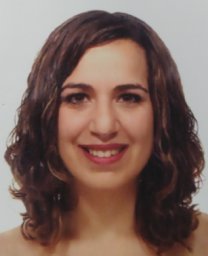 Cristina Maria Osuna-Cruz合作论文数Univ Ghent, Dept Plant Biotechnol & Bioinformat, Ghent, Belgium2
 Charlotte Nef合作论文数CNRS Research Federation for the Study of Global Ocean Systems Ecology and Evolution, FR2022/Tara Oceans GOSEE, Paris, France2
 Emmelien Vancaester合作论文数Univ Ghent, Dept Plant Biotechnol & Bioinformat, Ghent, Belgium2Petra Bulankova合作论文数Austrian Acad Sci, Gregor Mendel Inst, A-1010 Vienna, Austria2
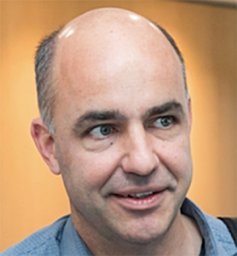 Thomas Mock合作论文数Univ E Anglia, Sch Environm Sci, Norwich NR4 7TJ, Norfolk, England2
 Tom Delmont合作论文数University of Chicago;University of Chicago2
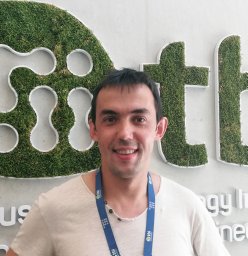 Denis Jallet合作论文数Institut de Biologie et Technologies de Saclay, Gif sur Yvette, France.2
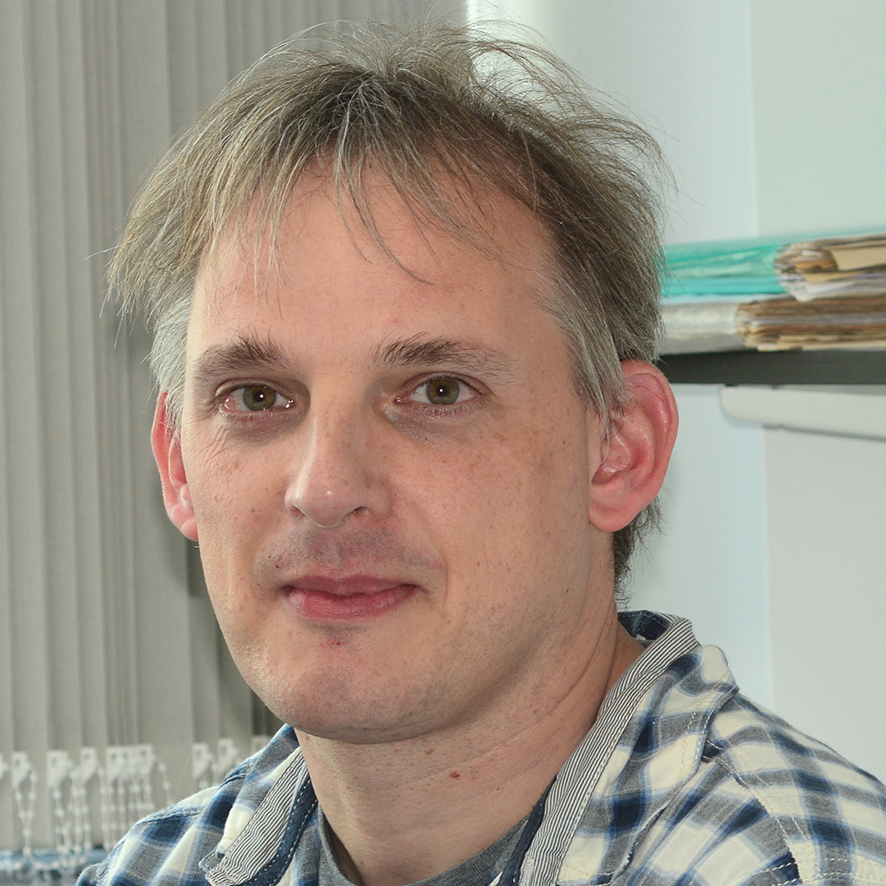 Lieven De Veylder合作论文数Department of Plant Biotechnology and Bioinformatics, Faculty of Sciences, Universiteit Gent2
 Daboussi Fayza合作论文数CELLECTIS S.A.2Koen Sabbe合作论文数2Peter Chaerle合作论文数Research Group Spermatophytes, Ghent University2
 Klaas Vandepoele合作论文数Department of Plant Biotechnology and Bioinformatics, Faculty of Sciences, Ghent University2Ilse Vercauteren合作论文数2
 Chris Bowler合作论文数CNRS;Institut de Biologie de l'Ecole Normale Superieure2
 Imogen Foubert合作论文数Faculty of Science, KULeuven;Department of Microbial and Molecular Systems, KULeuven;Faculty of Bioscience Engineering, KULeuven2
 Cock Van Oosterhout合作论文数Evolutionary Biology Group, University of Hull2Michiel De Bruyne合作论文数1
 Herlinde De Keersmaecker合作论文数1
 Zsuzsanna Callaerts-Vegh合作论文数Katholieke Univ Leuven, Lab Biol Psychol, Leuven, Belgium1
 Joost Verduijn合作论文数Ghent University1
 D'Hooge Rudi合作论文数Laboratory of Biological Psychology, University of Leuven1
 Els Van Damme合作论文数Department of Biotechnology, Faculty of Bioscience Engineering, Ghent University1
 Patrick Callaerts合作论文数1
 Davy Van de Walle合作论文数1Koen Dewettinck合作论文数Faculty of Agricultural Sciences, State University Ghent;Department of Food technology, Safety and Health, Faculty of Bioscience Engineering, Ghent University1
 Andre Skirtach合作论文数Department of Biotechnology, Faculty of Bioscience Engineering, University of Ghent1
 Geert van Loo合作论文数Cancer Research Institute Ghent, Ghent University1Veerle Vulsteke合作论文数1




