Background:Hemorrhagic shock (HS) following traumatic injury is hallmarked by innate immune activation, hypercoagulability, and thromboinflammatory complications. To date, the direct link between HS, injury severity, and endothelial cell (EC) contributions to thromboinflammation remains poorly understood. The goals of this study were to determine the impact of injury severity and HS on endothelial-mediated thromboinflammation and examine whether these changes increase the propensity for thrombosis.Methods:Plasma from 89 male trauma patients, stratified by HS and injury severity, and 10 healthy subjects were assessed for inflammatory mediators by BioPlex. Human lung microvascular endothelial cells were exposed to patient plasma for 4 hours, after which surface thrombin generation was measured by calibrated automated thrombogram, and ribonucleic acid extracted for gene expression analysis. Plasma from mice that underwent sham or fixed-pressure HS was infused into naive mice, followed by inferior vena cava ligation to induce thrombosis. Thrombi were collected 24 hours later for histologic analysis.Results:Inflammatory mediators were highest in plasma from patients with severe injuries and HS. Human lung microvascular endothelial cells exposed to trauma patient plasma exhibited increased thrombin generation and thromboinflammatory gene expression, with a more pronounced effect in HS patients. Lastly, mice infused with HS plasma developed significantly larger thrombi with higher neutrophil infiltration and reduced EC thrombomodulin expression compared with that of those infused with sham plasma.Conclusions:HS plasma amplifies endothelial-mediated inflammation and coagulation, which is driven, in part, by the presence of inflammatory mediators. HS plasma also increases the development of thrombosis in vivo. This study highlights mechanistic links between ECs, thromboinflammation, and postinjury complications.
BackgroundHyperfibrinolysis is strongly associated with early post-injury mortality, but the condition is preventable with timely detection and targeted interventions. Unfortunately, current hyperfibrinolysis diagnostic assays such as thromboelastography (TEG) are time-consuming, making them infeasible for use in real-time treatment strategies to guide adjustable, precise, and personalized interventions. Computational models offer a fast alternative to current practice for ascertaining patient hemostatic state from quickly-measurable protein concentrations. However, few models exist to predict clot strength. Our prior biologically-interpretable, phenomenological, dynamical system TEG model does not often satisfactorily capture hyperfibrinolysis because this feature was missing from training data. Here, we present model improvements that are experimentally-driven and theoretically-grounded to better facilitate the replacement of slow patient viscoelastic clotting measurements, with and without hyperfibrinolysis, by rapid and accurate predictions of TEG parameters in silico.MethodsWe created a tPATXA dataset to enable model refinements, and we validated TEG parameter predictions using the published Activation of Coagulation and Inflammation in Trauma (ACIT) dataset, which was excluded from model training. Our tPATXA dataset consists of 310 citrated native (CN) TEG assay profiles that were generated from healthy human donor whole blood samples spiked with tissue plasminogen activator (tPA) and tranexamic acid (TXA) at varying concentrations to provide added phenomenological information about fibrinolysis behavior. We then used ACIT clinical data from 93 trauma patients containing 254 citrated kaolin (CK) and 122 citrated kaolin with heparinase (CKH) TEG assays for model validation. We characterized model performance by: the coefficient of determination R2; percent-error predictions of TEG parameters R-time, K-time, alpha angle, maximum amplitude, and time to maximum amplitude; and absolute errors of TEG parameters Ly30 and Ly60.ResultsOur key model update is to make a previously-constant parameter a time-varying function. Our updated model substantially outperforms the prior model in both datasets. On the tPATXA dataset that both models were trained on and then subsequently predicted to verify competency, the model updates improved R2 from 0.9726 to 0.9983. On the ACIT validation dataset that was not used for training, the model updates improved R2 from 0.9848 to 0.9993, and reduced TEG parameter prediction variance by over 99%. In addition, the updated model had low prediction errors of 1%–13% for R-time, K-time, alpha angle, maximum amplitude, and time to maximum amplitude, and 0.7%–2.2% for Ly30 and Ly60. A mechanistic interpretation of the new parameter is its capture of the formation and breakdown of a fibrin clot mesh over time.ConclusionsOur refined model offers higher accuracy, consistency, and biological interpretability than previously available. Our updated model’s modular design supports future integration with literature phenomenological models that predict thrombin dynamics, as well as with externally-added controllers for automation. Thus, this work captures broad clinical coagulation insights and also lays the groundwork for real-time, personalized trauma care via control-theoretic tools.
Acute care surgery (ACS) is a specialty that includes trauma, emergency general surgery, and surgical critical care. It has become a vital surgical specialty in the United States, providing surgical services, rescue functions, disaster response, and other important services. Despite its key role in patient care and hospital operations, ACS faces challenges to its sustainability. This overview targets readers who wish to understand the structure and scope of ACS and who work with or manage these practices. The goal is to provide an overview of ACS, its current challenges, and suggestions for developing the specialty. This consensus statement was created by the Acute Care Surgery Workforce Workgroup, which includes representatives from various national surgical organizations. The article combines current ACS models, staffing and compensation practices, and institutional value. It relies on expert agreements and national trends. Several key themes are examined. The value of ACS is shown through better patient outcomes, efficiency, cost savings, and support for institutional missions like disaster preparedness and education. Current ACS programs differ significantly in structure, but two main staffing models exist: traditional (historic) and time delineated. Each model has its own advantages and challenges regarding workload, sustainability, and academic involvement. Regardless of the staffing model, most physician compensation often depends on the measurement of work relative value units. However, these do not fully capture the extent and intensity of ACS work. Additional challenges for the specialty include inconsistencies in terminologies, the absence of board certification, and varying compensation standards. Acute care surgery is a crucial specialty that provides significant value to patients, hospitals, and health care systems. To maintain sustainability and quality, health care leaders need to consider the complexities of ACS practice discussed in this article as well as local demands. Staffing and compensation models should be sustainable and optimize for patient care. Recognizing both clinical and nonclinical contributions of ACS surgeons is essential for resilience and further development of the specialty.
Objectives Shedding of the proteoglycan syndecan-1 (SDC-1) from the vascular endothelial surface into the circulation in severe trauma predicts mortality in trauma patients. However, the timing and duration of SDC-1 elevation in trauma patients have not been defined. The primary aim of this study was to describe the longitudinal pattern of SDC-1 elevation in trauma patients with either mechanical and/or burn injury during the first 120 hours of resuscitation and initial stabilization. Our secondary objective was to determine the association of endotheliopathy, as defined by elevated SDC-1 levels, with trauma-induced coagulopathy (international normalized ratio [INR] ≥ 1.4). Methods This prospective observational study enrolled adults meeting trauma activation criteria at 1 of 3 trauma centers. The blood was collected at presentation in the emergency department (time 0) and again at 2, 4, 6, 12, 24, 72, 96, and 120 hours. SDC-1 was quantified by ELISA, and elevated levels were defined as ≥40 ng/mL. The primary outcome of coagulopathy was defined as a clinical laboratory report of INR ≥ 1.4 during this timeframe. We determined the association between elevated SDC-1 and coagulopathy using logistic regression and adjusted for age, sex, burn status, and injury severity. Results We studied 301 severely injured individuals, including those with mechanical and burn injuries. Among these individuals, 96 (31.9%) had coagulopathy, 122 (40.5%) required transfusions, and 42 (14%) died. SDC-1 plasma levels were significantly greater in subjects with coagulopathy relative to noncoagulopathic patients. Plasma levels of SDC-1 ≥ 40 ng/mL conferred significantly increased odds of presenting with INR ≥ 1.4, with an adjusted odds ratio of 17.88 (95% CI, 5.14-62.24), P < .05. High SDC-1 levels (≥40 ng/mL) were most often evident at the initial blood draw and tended to remain elevated. Conclusion Plasma SDC-1 peaks early and remains elevated across time in most individuals with mechanical and/or burn injury. Individuals with elevated SDC-1 levels have an increased risk of coagulopathy independent of injury severity.
Understanding the complexity of trauma-induced thromboinflammation necessitates data-driven approaches. We hypothesized that longitudinal plasma profiling could reveal underlying differences in patients with injury who present with similar clinical characteristics but ultimately have different outcomes. Here, we performed multiomic analyses of longitudinal plasma samples from a clinical trial of patients with traumatic injury to identify molecular endotypes and trajectories that were associated with patient outcomes. The pathophysiologic states of patients with trauma were defined by the longitudinal proteomic and metabolomic plasma profiles from a diverse cohort. Then, patients were endotyped according to their longitudinal trajectories through trauma omic states, and injury patterns and outcomes were compared. We identified endotypes associated with divergent clinical outcomes despite similar injury patterns at presentation. Organ failure and time spent in the intensive care unit (ICU) were predicted with high accuracy using omic markers. Patients who presented with evidence of elevated proteasome activation, catabolism, and superoxide formation were vulnerable to heart failure, lung failure, and acute lung injury, respectively. In addition, omic markers of increased hypoxia, RBC lysis, and hydrolase activity better fit mortality and ICU time compared with injury covariates, while providing biological insight. Injury and outcome patterns persisted in a validation trauma cohort after endotype assignment at a single, early time point. These data align with the understanding that patients with trauma may experience markedly different biological responses and outcomes despite similar clinical presentations. We suggest that mapping patient trajectories through biological injury states could provide a framework for personalized patient treatment after trauma.
INTRODUCTION:Increasing chronological age drives dynamic changes in platelet functionality, bringing unique biologic challenges to the injured older adult. While platelets play an indispensable role in injury response, the impact of age on platelet dynamics after injury remains elusive. We examine the associations of age and platelet dynamics for injured patients not on antiplatelet therapy, hypothesizing that aging is associated with decreases in platelet count and function in injured patients. METHODS:We performed a secondary analysis of injured patients from a prospective observational study of coagulation and inflammation (2010-2024). Patients taking anticoagulants, antiplatelets, and/or with isolated traumatic brain injury were excluded. Univariable and multivariable associations of age and platelet count and function profiles (impedance aggregometry and viscoelastic testing) at presentation and up to seven days post-injury were analyzed. Platelet profiles, thromboembolic events, and mortality relationships were analyzed by stratifying age to <55 and ≥55 years. RESULTS:716 patients were examined. Median age was 36 years (range 15-97 years). On multivariable analyses platelet count and functional profiles demonstrated independent associations with increasing age at all time points measured - reduced platelet count, aggregation responses, and hypercoagulable clotting dynamics. In patients ≥55 years low platelet count and reduced aggregation responses on presentation were suggestive of increased mortality (all p<0.05). CONCLUSION:Following injury, increasing chronological age is independently associated with altered platelet profiles - reduced platelet count and aggregation responses with concurrent hypercoagulable clotting dynamics. These age-related cellular changes may portend worse outcomes, including mortality, and should be considered for intervenable biologic targets in future study.
Mechanisms that promote organ injury after trauma and hemorrhagic shock (T/HS) remain poorly defined. Endothelial heparan sulfates with a 3-O-sulfate (3-OS) modification, controlled by the HS3ST1 gene, have anticoagulant and anti-inflammatory properties through their interaction with antithrombin. Our objective was to determine whether HS3ST1 deficiency drives organ injury and poor outcomes after T/HS. Hs3st1 -/- and wild-type (WT) mice were subjected to T/HS followed by resuscitation with lactated ringer's (LR) or fresh frozen plasma (FFP). While no differences were observed between WT and Hs3st1 -/- LR resuscitated mice, lung injury and leukocyte infiltrates were significantly increased in FFP resuscitated Hs3st1 -/- compared to WT mice. In vitro, leukocyte slow rolling and adherence was increased in HS3ST1 KO compared to WT cells. Among 472 T/HS patients, of which 31 (7%) were homozygous for the rs16881446 variant allele (GG), the number of ventilator free days was lower, and mortality was significantly higher in AG and GG patients. The rs16881446 genotype was independently associated with mortality. In conclusion, HS3ST1 deficiency mitigates organ protection from FFP resuscitation, partly through mediating EC:leukocyte engagement, and predicts mortality after T/HS. These findings identify a novel therapeutic target and prognostic tool that can be leveraged towards improved risk stratification after trauma.
Obesity is a prevalent disease, but its influence on post-injury biology remains unclear. In this study, we aimed to characterize the independent effect of obesity on the proteomic and metabolomic signatures of trauma. Plasma was obtained on arrival from injured patients at a Level 1 Trauma Center and analyzed with modern mass spectrometry-based proteomics and metabolomics. Samples obtained after start of transfusion were excluded. Patients were stratified by “obesity” (body mass index [BMI]≥30 kg/m2) vs. “no obesity” (BMI < 30 kg/m2). In sub-group analyses, patients were sub-stratified by Low Injury/Low Shock (ISS < 15, base excess [BE]≥-6mEq/L) and High Injury/High Shock (ISS≥15, BE<-6). Multiple regression was used to adjust the omics data for significant covariates prior to performing ome-wide analyses. There were 183 patients included (48 [26
Objective: We aimed to investigate if ex vivo plasma from injured patients causes endothelial calcium (Ca 2+ ) influx as a mechanism of trauma-induced endothelial permeability. Summary Background Data: Endothelial permeability after trauma contributes to post-injury organ dysfunction. While the mechanisms remain unclear, emerging evidence suggests intracellular Ca 2+ signaling may play a role. Methods: Ex vivo plasma from injured patients with “Low Injury/Low Shock” (injury severity score [ISS]<15, base excess [BE])≥-6mEq/L) and “High Injury/High Shock” (ISS≥15, BE<-6mEq/L) were used to treat endothelial cells. Experimental conditions included Ca 2+ removal from the extracellular buffer, cyclopiazonic acid pre-treatment to deplete intracellular Ca 2+ stores, and GSK2193874 pre-treatment to block the TRPV4 Ca 2+ channel. Live cell fluorescence microscopy and ECIS were used to assess cytosolic Ca 2+ increases and permeability, respectively. Western blot and live cell actin staining were used to assess myosin light chain (MLC) phosphorylation and actomyosin contraction. Results: Compared to Low Injury/Low Shock plasma, High Injury/High Shock induced greater cytosolic Ca 2+ increase. Cytosolic Ca 2+ increase, MLC phosphorylation, and actin cytoskeletal contraction were lower without extracellular Ca 2+ present. High Injury/High Shock plasma did not induce endothelial permeability without extracellular Ca 2+ present. TRPV4 inhibition lowered trauma plasma-induced endothelial Ca 2+ influx and permeability. Conclusions: This study illuminates a novel mechanism of post-injury endotheliopathy involving Ca 2+ influx via the TRPV4 channel. TRPV4 inhibition mitigates trauma-induced endothelial permeability. Moreover, widespread endothelial Ca 2+ influx may contribute to trauma-induced hypocalcemia. This study provides the mechanistic basis for the development of Ca 2+ -targeted therapies and interventions in the care of severely injured patients.
INTRODUCTION:Transfusion of whole blood (WB) for traumatic hemorrhage has generated renewed interest in civilian trauma based on military experience. The association between blood products and severe sepsis remains unknown. We sought to determine which blood products were associated with the development of severe sepsis. METHODS:We utilized the TQIP database from 2020 to 2021. We included patients ≥15 ys of age who received at least one blood product and survived at least 24 hs. Severe sepsis is a standardized core quality measure for all reporting centers and defined as sepsis with organ dysfunction. We used descriptive, inferential, and multivariable logistic regression methods to test for associations and adjust for confounders. RESULTS:There were 83,924 patients included, of whom 1471 met criteria for severe sepsis. Patients with severe sepsis tended to be older (47 versus 42, P < 0.001), male (79% versus 74%, P < 0.001), have a higher injury severity score (29 versus 19, P < 0.001), higher proportion of serious injuries to the thorax (65% versus 47%, P < 0.001), abdomen (54% versus 32%, P < 0.001), and extremities (45% versus 32%, P < 0.001). Severe sepsis patients received more packed red cells, WB, platelets, cryoprecipitate, and plasma. When adjusting for age, sex, mechanism of injury, and injury severity score, WB was positively associated with severe sepsis (unit odds ratio 1.04, 95% confidence interval 1.01-1.07). CONCLUSIONS:Within this dataset, we found a 4% increased odds of sepsis with each unit of WB received among civilian trauma patients. The effects of blood product administration on immune system function remain unclear. High-quality, prospective explanatory studies are needed to better understand this relationship.
Supplemental oxygen is fundamental to caring for critically injured adults but can expose them to excess inspired oxygen. To determine the safety and effectiveness of targeting normoxemia in critically ill trauma patients. This multicenter, stepped-wedge, cluster randomized clinical trial compared targeted normoxemia (defined as a peripheral oxygen saturation [Spo2] of 90% to 96%) with usual care among adult trauma patients admitted to an intensive care unit (ICU) at 8 level I trauma centers across the US. These trauma centers were randomized at 3-month intervals when they crossed over from usual care to targeting normoxemia. Eligible patients were enrolled between July 15, 2020, and November 14, 2022. All statistical analyses were performed from April 2023 to November 2024 according to intention-to-treat approach. In the usual care group, supplemental oxygen was determined by treating clinicians. In the targeted normoxemia group, a multimodal educational and informatics intervention encouraged decreasing the supplemental oxygen administered whenever Spo2 exceeded 96%. The primary outcome was supplemental oxygen–free days (SOFDs), defined as the number of days alive and not receiving supplemental oxygen through day 28. Safety outcomes included hypoxemia (defined as Spo2 <88%) during the ICU admission, in-hospital mortality, and adverse events. A total of 12 487 patients were enrolled (mean [SD] age, 51.7 [21.1] years; 8799 males [70.5%]; mean [SD] Injury Severity Score, 19.6 [12.0]). The proportion of ICU time spent in normoxemia increased from 56.2% in the usual care group to 71.6% in the targeted normoxemia group. Hyperoxemia (defined as Spo2 >96%) decreased from 42.4% in the usual care group to 26.7% in the targeted normoxemia group, and hypoxemia was similar between groups (1.1% vs 1.1%). The raw mean (SD) number of SOFDs was 19.6 (10.3) days for the targeted normoxemia group and 17.5 (10.4) days for the usual care group (adjusted mean difference [AMD], 0.32 [95% CI, −0.37 to 1.00] days; P = .30). Among patients not receiving mechanical ventilation at ICU admission, mean SOFDs were greater in the targeted normoxemia group than in the usual care group (22.6 [8.30] days vs 20.6 [8.86] days; AMD, 0.75; 95% CI, 0.00-1.50 days). The mean (SD) time for weaning to room air was 1.6 (3.2) days for the targeted normoxemia group and 2.7 (4.0) days for the usual care group (adjusted hazard ratio [AHR], 1.23; 95% CI, 1.13-1.33 days). In-hospital mortality to day 90 occurred in 563 patients (9.9%) in the targeted normoxemia and 732 patients (10.7%) in the usual care group (AHR, 1.05; 95% CI, 0.83-1.33). No adverse events were reported in either group. This randomized clinical trial showed that targeting normoxemia did not increase the number of SOFDs but safely reduced supplemental oxygen use among critically ill trauma patients. ClinicalTrials.gov Identifier: NCT04534959
OBJECTIVES:To determine the association of whole blood and other blood products (components, prothrombin complex concentrate, and fibrinogen concentrate) with the development of acute respiratory distress syndrome (ARDS) among blood recipients. DESIGN:Retrospective cohort study. SETTING:American College of Surgeons Trauma Quality Improvement Program (TQIP) database between 2020 and 2021. PATIENTS:Patients 15 years old or older in the TQIP database between 2020 and 2022 who received at least one blood product. INTERVENTIONS:We compared characteristics and blood product administration between patients who developed ARDS versus those who did not. MEASUREMENTS AND MAIN RESULTS:There were 134,863 that met inclusion for this analysis. Within the included population, 1% (1927) was diagnosed with ARDS. The no ARDS group had a lower portion of serious injuries to the head/neck (31% vs. 46%), thorax (51% vs. 78%), abdomen (34% vs. 48%), and extremities (37% vs. 47%). The median composite Injury Severity Score was 21 (11-30) in the no ARDS group vs. 30 (22-41) in the ARDS group. Unadjusted survival of discharge was 74% in the no ARDS group vs. 61% in the ARDS group. In our multivariable model, we found that whole blood (unit odds ratio [uOR], 1.05; 95% CI, 1.02-1.07), male sex (odds ratio, 1.44; 95% CI, 1.28-1.63), arrival shock index (uOR, 1.03; 95% CI, 1.01-1.06), and composite Injury Severity Score (uOR, 1.03; 95% CI, 1.03-1.04) were associated with the development of ARDS. These persisted on sensitivity testing. CONCLUSIONS:We found an association between whole blood and the development of ARDS among trauma patients who received blood transfusions. Contrary to previous studies, we found no association between ARDS and fresh frozen plasma administration. The literature would benefit from further investigation via prospective study designs.
BACKGROUND In-house call (IHC) has previously been shown to result in increased burnout in acute care surgeons (ACSs). There is wide variation, however, in the implementation and culture of work surrounding IHC across trauma centers and within the demographics of practicing ACSs. We hypothesized that local work practices and culture surrounding IHC as well as sex of ACSs would impact burnout. METHODS Continuous physiologic data were collected over 6 months from 224 ACSs who wore a fitness wearable. Acute care surgeons were sent daily surveys to record work, personal activities, and feelings of burnout. The Maslach Burnout Inventory was completed by ACSs at the beginning and end of the study period. RESULTS Forty-eight (21.5%) of ACS reported being expected to complete the usual workday after IHC, 94 (42.2%) were expected to finish work from IHC, and 81 (36.3%) were expected to leave immediately after IHC was over. Acute care surgeons expected to complete a usual workday postcall were more likely to be burned out, and IHC resulted in a greater increase in their daily feelings of burnout than among ACSs who reported working in other work cultures. Females showed higher levels of daily burnout than males but no difference in the degree to which IHC led to burnout. CONCLUSION In-house call results in increased burnout in all ACSs; however, IHC had a larger impact on daily feelings of burnout in ACSs expected to work without adjustments to their work schedule postcall. Although female ACSs reported higher levels of daily burnout than male ACSs, IHC increased daily feelings of burnout equally between the two sexes. Taken together, these findings necessitate caution about work expectations surrounding IHC and suggest a need for the deliberate creation of a postcall culture for ACS. LEVEL OF EVIDENCE Prognostic and Epidemiological; Level III.
Abstract: In May 2024, the Division of Blood Diseases and Resources of the National Heart, Lung, and Blood Institute (NHLBI) hosted a hybrid workshop on “Extracorporeal membrane oxygenation (ECMO)-induced coagulopathy: strategic initiatives for research and clinical practice.” The event brought together clinicians, scientists, bioengineers, and policymakers to address the challenges of ECMO-associated coagulopathy and explore novel therapeutic approaches. Through expert presentations and collaborative discussions, the workshop focused on innovative anticoagulation strategies, precision medicine, and advanced diagnostics to enhance patient care. The discussions also identified critical research gaps and opportunities for future interdisciplinary collaboration. This summary reviews the current state of knowledge and outlines future research directions for improving ECMO-induced coagulopathy management.
BACKGROUNDPlatelets are well known for their roles in hemostasis, but they also play a key role in thromboinflammatory pathways by regulating endothelial health, stimulating angiogenesis, and mediating host defense through both contact dependent and independent signaling. When activated, platelets degranulate releasing multiple active substances. We hypothesized that the soluble environment formed by trauma platelet releasates (TPR) attenuates thromboinflammation via mitigation of trauma induced endothelial permeability and metabolomic reprogramming.METHODSBlood was collected from injured and healthy patients to generate platelet releasates and plasma in parallel. Permeability of endothelial cells when exposed to TPR and plasma (TP) was assessed via resistance measurement by electric cell-substrate impedance sensing (ECIS). Endothelial cells treated with TPR and TP were subjected to mass spectrometry-based metabolomics.RESULTSTP increased endothelial permeability, whereas TPR decreased endothelial permeability when compared with untreated cells. When TP and TPR were mixed ex vivo, TPR mitigated TP-induced permeability, with significant increase in AUC compared with TP alone. Metabolomics of TPR and TP demonstrated disrupted redox reactions and anti-inflammatory mechanisms.CONCLUSIONTrauma platelet releasates provide endothelial barrier protection against TP-induced endothelial permeability. Our findings highlight a potential beneficial action of activated platelets on the endothelium in injured patients through disrupted redox reactions and increased antioxidants. Our findings support that soluble signaling from platelet degranulation may mitigate the endotheliopathy of trauma. The clinical implications of this are that activated platelets may prove a promising therapeutic target in the complex integration of thrombosis, endotheliopathy, and inflammation in trauma.
BACKGROUND:In-house calls contribute to loss of sleep and surgeon burnout. Although acknowledged to have an opportunity cost, home call is often considered less onerous, with minimal effects on sleep and burnout. We hypothesized home call would result in impaired sleep and increased burnout in acute care surgeons.STUDY DESIGN:Data from 224 acute care surgeons were collected for 6 months. Participants wore a physiological tracking device and responded to daily surveys. The Maslach Burnout Inventory was administered at the beginning and end of the study. Within-participant analyses were conducted to compare sleep, feelings of restedness, and burnout as a function of home call.RESULTS:One hundred seventy-one surgeons took 3,313 home calls, 52.5% were associated with getting called and 38.5% resulted in a return to the hospital. Home call without calls was associated with 3 minutes of sleep loss (p < 0.01), home call with 1 or more call resulted in a further 14 minutes of sleep loss (p < 0.0001), and home call with a return to the hospital led to an additional 70 minutes of sleep loss (p < 0.0001). All variations of home call resulted in decreased feelings of restedness (p < 0.0001) and increased feelings of daily burnout (p < 0.0001, Fig. 1).CONCLUSIONS:Home call is deleterious to sleep and burnout. Even home call without calls or returns to the hospital is associated with burnout. Internal assessments locally should incorporate frequency of calls and returns to the hospital when creating call schedules. Repeated nights of home call can result in cumulative sleep debt, with adverse effects on health and well-being.
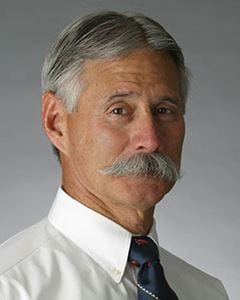 Ernest E Moore合作论文数Denver Health Medical Center;Trauma Research Center, Department of Surgery, School of Medicine, University of Colorado Denver;Denver General Hospital86
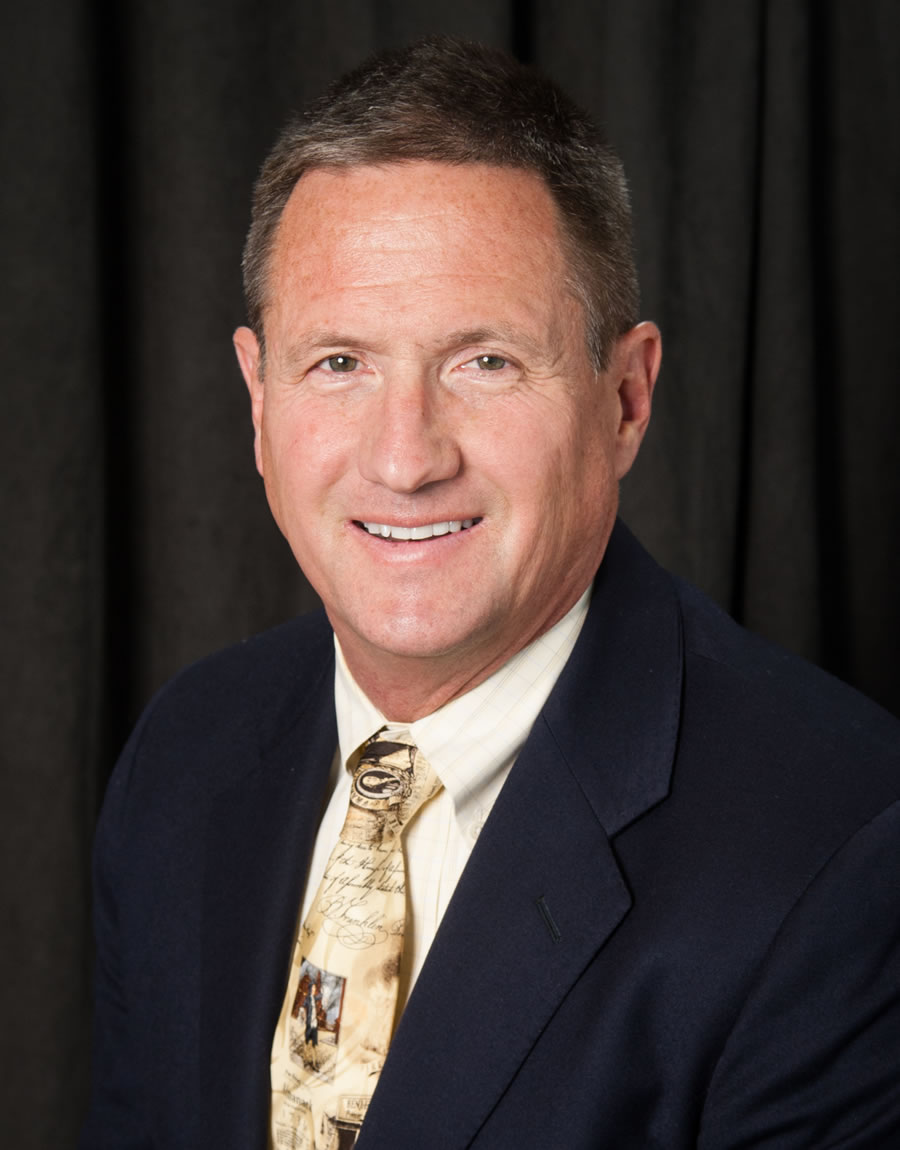 Christopher Colton Silliman合作论文数Department of Surgery, School of Medicine, University of Colorado Denver;Department of Pediatrics, School of Medicine, University of Colorado Denver45
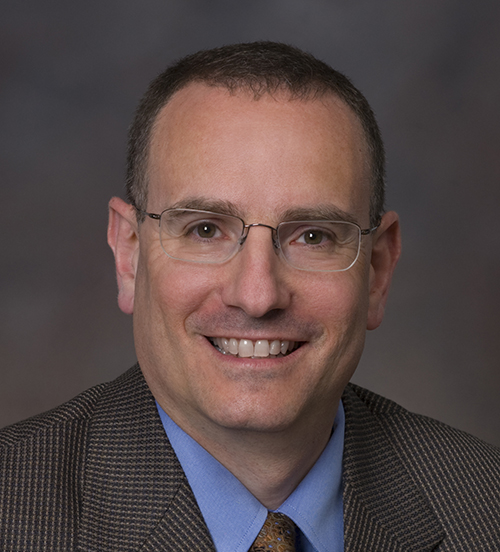 Martin A. Schreiber合作论文数Division of Trauma, Critical Care and Acute Care Surgery, School of Medicine, Oregon Health & Science University45
 Rachael A Callcut合作论文数40
 Maria Angela Sauaia合作论文数Department of Health Systems, Management and Policy, University of Colorado Denver39
 Lucy Z Kornblith合作论文数San Francisco General Hospital, University of California38
 John B. Holcomb合作论文数Department of Surgery, Heersink School of Medicine, The University of Alabama at Birmingham;Decisio Health, Inc.37
 Bryan Cotton合作论文数Department Of Surgery, McGovern Medical School, The University of Texas Health Science Center at Houston;Center for Translational Injury Research, The University of Texas Health Science Center at Houston36
 Julia Coleman合作论文数41033
 Erin Elizabeth Fox合作论文数Ctr Translat Injury Res, Univ Texas Hlth Sci Ctr Houston31
 Charles E. Wade合作论文数Department of Surgery, McGovern Medical School, The University of Texas Health Science Center28
 Eileen M. Bulger合作论文数Harborview Medical Center;University of Washington26
 Amanda Conroy合作论文数25Deborah J. Del Junco合作论文数25
 Anirban Banerjee合作论文数Department of Surgery, School of Medicine, University of Colorado24
 Karim Brohi合作论文数Blizard Institute, Faculty of Medicine and Dentistry, Queen Mary University of London;Barts and the London School of Medicine & Dentistry23
 Peter Muskat合作论文数23
 Angelo D'Alessandro合作论文数Department of Biochemistry and Molecular Genetics, School of Medicine, University of Colorado22Brittney J Redick合作论文数21Alexis L Cralley合作论文数21
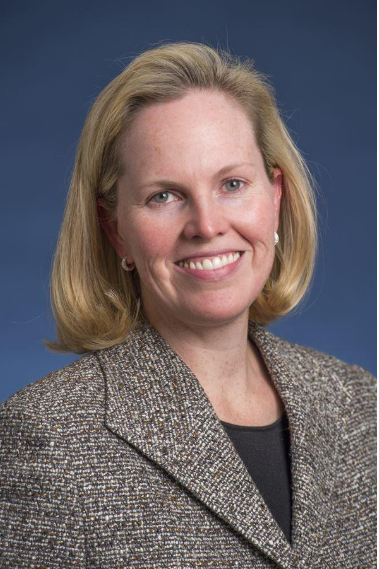 Clay Cothren Burlew合作论文数Department of Surgery, School of Medicine, University of Colorado;Department of Surgery-GI, Trauma, and Endocrine Surgery, School of Medicine, University of Colorado21
 Matthew Kutcher合作论文数Surg Res Lab, Univ Calif San Francisco21
 Jean-Francois Pittet合作论文数21Sanchayita Mitra合作论文数20Mohammad H Rahbar合作论文数18Ryan Lawless合作论文数18Karen J. Brasel合作论文数18
 Carolyn Calfee合作论文数Department of Medicine, University of California San Francisco;School of Medicine, University of California San Francisco;Center for Tobacco Control Research and Education, University of California San Francisco18Pieracci Fredric M合作论文数Dept Surg, Denver Hlth Med Ctr17Nelson Mary F合作论文数17
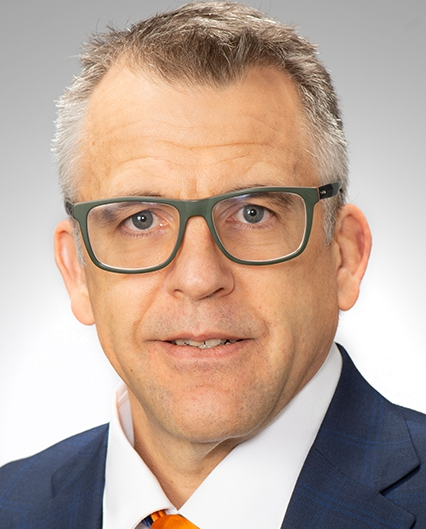 Jason L. Sperry合作论文数Department of Surgery, Division of Trauma and General Surgery, University of Pittsburgh Medical Center, Presbyterian Hospital;Department of Critical Care Medicine, University of Pittsburgh17
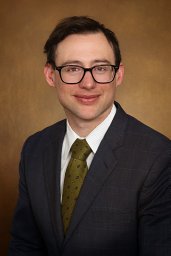 Hunter B. Moore合作论文数University of Vermont School of Medicine17Eric M. Campion合作论文数17
 Jason Samuels合作论文数College of Medicine, University of Oklahoma College of Medicine16M. Margaret Knudson合作论文数16Benjamin M Howard合作论文数15Margot DeBot合作论文数15Terry R Schaid合作论文数15John Myers合作论文数15
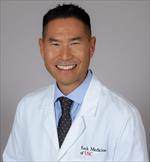 Kenji Inaba合作论文数Department of Surgery, Keck School of Medicine, University of Southern California;Division of Trauma and Surgical Critical Care, Keck School of Medicine, University of Southern California15Louis H. Alarcon合作论文数15Christopher Erickson合作论文数14Marguerite R. Kelher合作论文数14
 Herb Phelan合作论文数13
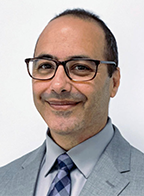 Joseph Cuschieri合作论文数Department of Surgery, School of Medicine, University of California San Francisco;Zuckerberg San Francisco General Hospital13
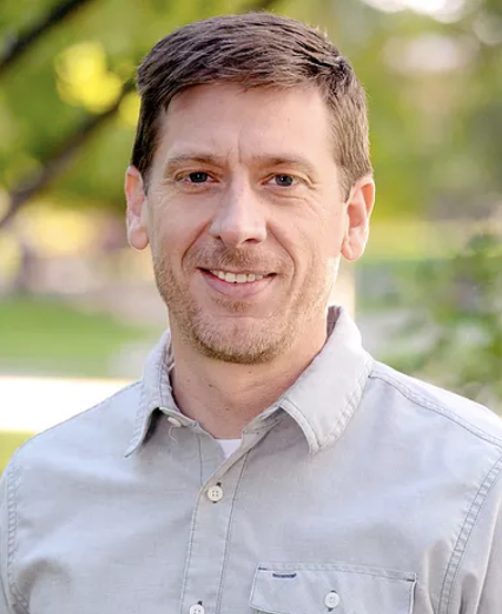 Kirk Hansen合作论文数Trauma Research Center, Department of Surgery, School of Medicine,University of Colorado Anschutz;University of Colorado Denver;Omix Technologies, Inc.13Jamie B Hadley合作论文数12Vilardi Ryan F合作论文数12
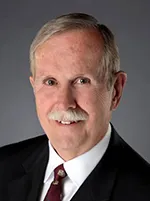 Ronald V. Maier合作论文数School of Medicine, University of Washington;Department of Surgery, University of Washington12




