Background and Aims: Belapectin reduced variceal development in a subgroup of patients with MASH cirrhosis. We report the efficacy and safety of belapectin in patients with MASH cirrhosis and portal hypertension without varices at baseline. Approach and Results: NAVIGATE was a global phase 2b trial. Patients were randomized to intravenous (i.v.) belapectin 2 or 4 mg/kg lean body weight or placebo for 18 months, stratified by type 2 diabetes. The primary endpoint was the incidence of varices with esophagogastroduodenoscopy (EGD) or a composite endpoint (new varices, intercurrent events, or discontinuation) at 18 months with belapectin versus placebo in the full analysis set (FAS). In a pre-specified analysis, new varices were evaluated in all patients who underwent EGD at baseline and 18 months. The per-protocol (PP) population was patients treated for 18 months with EGD at 18 months. Of 357 randomized patients, 291 completed treatment. Baseline characteristics were comparable across cohorts. In the FAS, 17.8% with placebo versus 10.1% with belapectin 2 mg/kg developed varices, a 43.2% reduction (p=0.13). In the per-protocol population (PP), varices occurred in 22.3% with placebo versus 11.3% with belapectin 2 mg/kg, a 50% reduction (unadjusted p=0.04). Belapectin 4 mg/kg had no significant effect on variceal development. For the composite endpoint at 18 months, no significant difference was observed between belapectin 2 mg/kg (p=0.14) or 4 mg/kg (p=0.261) and placebo in the FAS. Belapectin was well-tolerated with no safety signals. Conclusion: Belapectin 2 mg/kg lowered the development of new varices in MASH cirrhosis and portal hypertension.
BACKGROUND & AIMS:We report 104-week placebo-controlled data and long-term open-label extension (OLE) data from the ongoing ELATIVE® phase III trial (NCT04526665) of elafibranor in primary biliary cholangitis (PBC). METHODS:161 patients were randomized 2:1 to elafibranor 80 mg or placebo. The double-blind period (DBP) consisted of 52-week common (Part 1) and variable (Part 2) periods. Patients completing Part 1 continued into Part 2 until all patients completed Part 1, or for a maximum of 104 weeks. All patients completing Part 1 could enter the OLE and receive elafibranor. RESULTS:At Week 104 in the DBP Part 2, 64.3% (18/28) and 10.7% (3/28) of elafibranor-treated patients achieved biochemical response and alkaline phosphatase (ALP) normalization, versus no placebo-treated patients. In patients with moderate-to-severe fatigue or pruritus at baseline, mean (SE) changes to Week 104 in PROMIS Fatigue Short Form 7a (PFSF 7a) and PBC Worst-Itch Numeric Rating Scale (PBC WI NRS) were -6.3 (2.2) versus -0.4 (1.2) and -4.1 (1.0) versus 0.3 (1.2) with elafibranor versus placebo. 138 patients entered the OLE (continuous elafibranor: n=93; crossover elafibranor: n=45). In continuous patients at Weeks 104 and 156, 58.8% (47/80) and 65.0% (13/20) achieved biochemical response, and 15.0% (12/80) and 25.0% (5/20) achieved ALP normalization. In crossover patients, 51.2% (21/41) and 22.0% (9/41) achieved biochemical response and ALP normalization after 52 weeks. In continuous patients with baseline moderate-to-severe symptoms, mean (SE) changes to Week 130 in PFSF 7a and PBC WI NRS were -4.8 (1.5) and -4.0 (0.7). There were no unexpected safety findings. CONCLUSIONS:Through three years of treatment, elafibranor led to sustained biochemical improvements and was generally well tolerated, with numerical improvements in fatigue and pruritus. TRIAL REGISTRATION:NCT04526665 (https://clinicaltrials.gov/study/NCT04526665); first registered 08/26/2020 IMPACT AND IMPLICATIONS: • Given the chronic, progressive nature of primary biliary cholangitis (PBC), the long-term efficacy and tolerability of treatments is important.• Here, we present two-year results from the double-blind period, and long-term data from the ongoing open-label extension of the phase III ELATIVE® trial, wherein elafibranor (a peroxisome proliferator-activated receptor-α/δ agonist) treatment led to sustained biochemical improvements, stable non-invasive tests of fibrosis, and numerical improvements in fatigue and pruritus, through three years.• Elafibranor demonstrated a favorable safety profile up to a maximum treatment exposure of 3.5 years, including in patients crossing over from placebo.• These findings support elafibranor's role as a durable long-term treatment for patients with PBC, and are particularly relevant for clinicians managing patients with inadequate response or intolerance to first-line treatments.
BACKGROUND & AIMS:Primary sclerosing cholangitis (PSC) is a rare, chronic liver disease. Elafibranor, a dual peroxisome proliferator-activated receptor-α/δ agonist, was investigated in the phase II ELMWOOD trial (NCT05627362). METHODS:This 12-week, double-blind trial enrolled adults with PSC and alkaline phosphatase (ALP) ≥1.5× the upper limit of normal. The primary endpoint was elafibranor safety vs. placebo. Additional endpoints included relative mean change from baseline in ALP and enhanced liver fibrosis (ELF) score. RESULTS:A total of 68 participants (male: 54.4%; mean age: 46.3 years; inflammatory bowel disease: 55.9%) were randomized to elafibranor 80 mg (n = 22), elafibranor 120 mg (n = 23), or placebo (n = 23). At baseline, 70.6% were on ursodeoxycholic acid, 48.5% had ELF scores >9.8, and the mean ALP level was 369.5 U/L. At Week 12, rates of treatment-emergent adverse events (TEAEs) and TEAEs leading to discontinuation in participants on elafibranor 80 mg, 120 mg, and placebo were 68.2%, 78.3%, and 69.6%, and 4.5%, 4.3%, and 8.7%, respectively. Serious TEAEs occurred only in participants on placebo (4.3%). Participants on elafibranor 80 mg and 120 mg had reductions in ALP vs. placebo (least squares mean treatment difference [95% CI]: -35.3% [-49.2, -21.4] and -54.7% [-68.3, -41.0], respectively). ALP normalization occurred only in participants on elafibranor 80 mg (9.1%) and 120 mg (17.4%). The LS mean treatment differences (95% CI) in change from baseline in ELF scores in participants on elafibranor 80 mg and 120 mg vs. placebo were -0.19 (-0.52, +0.15) and -0.28 (-0.62, +0.06), respectively. CONCLUSIONS:Elafibranor was well tolerated in people with PSC and associated with greater biochemical improvements over 12 weeks compared with placebo. A greater magnitude of response was observed with elafibranor 120 mg compared with 80 mg. IMPACT AND IMPLICATIONS:For people with primary sclerosing cholangitis (PSC), there is a need for a well-tolerated and effective treatment that will enhance quality of life, prevent disease progression, and improve long-term outcomes. Here, we present results from the double-blind period of the phase II ELMWOOD trial in PSC, wherein elafibranor, a peroxisome proliferator-activated receptor-α/δ agonist, demonstrated a favorable safety profile, provided greater biochemical improvements over 12 weeks compared with placebo, and appeared to stabilize markers of fibrosis and improve pruritus. These findings support larger and longer term investigations of elafibranor to explore its therapeutic potential as a treatment for people with PSC.
 Arun J. Sanyal合作论文数Division of Gastroenterology, Hepatology and Nutrition, Department of Internal Medicine, School of Medicine, Virginia Commonwealth University101
 Velimir A. Luketic合作论文数Virginia Commonwealth Univ87
 John Mchutchison合作论文数Tune Therapeutics83
 Richard K. Sterling合作论文数Department of Medicine, School of Medicine, Virginia Commonwealth University;Department of Internal Medicine, School of Medicine, Virginia Commonwealth University81
 Eric Lawitz合作论文数Department of Medicine, University of Texas Health Science Center in San Antonio;Transplant Center, University of Texas Health Science Center in San Antonio;Texas Liver Institute, University of Texas Health Science Center in San Antonio81
 Andrew Joseph Muir合作论文数Division of Gastroenterology, Department of Medicine, School of Medicine, Duke University;Duke Clinical Research Institute, Duke University62
 Gregory T Everson合作论文数57
 Stephen Harrison合作论文数Radcliffe Department of Medicine, University of Oxford;Pinnacle Clinical Research57
 Nezam H. Afdha合作论文数Division of Gastroenterology, Beth Israel Deaconess Medical Center;Liver Center, Beth Israel Deaconess Medical Center;Harvard Medical School56
 Zachary D. Goodman合作论文数Inova Pathology Institute53
 Mark Sulkowski合作论文数Division of Infectious Diseases, Johns Hopkins Bayview Medical Center;Johns Hopkins University School of Medicine51
 K. Rajender (Raj) Reddy合作论文数Department of Medicine, Perelman School of Medicine, University of Pennsylvania;Division of Gastroenterology, University of Pennsylvania49Robert Myers合作论文数OrsoBio49
 Stefan Zeuzem合作论文数J W Goethe University Hospital46
 R. Todd Stravitz合作论文数Stravitz-Sanyal Institute for Liver Disease and Metabolic Health, Virginia Commonwealth University44
 Christopher Lawson Bowlus合作论文数Division of Gastroenterology and Hepatology, UC Davis Medical Center44
 Kris Kowdley合作论文数Liver Institute Northwest;Elson S. Floyd College of Medicine, Washington State University;Velocity Clinical Research, Inc.42Paul J. Pockros合作论文数41
 William Lee合作论文数Division of Digestive and Liver Diseases, Department of Internal Medicine, University of Texas Southwestern Medical Center36Reem H. Ghalib合作论文数36Mani Subramanian G合作论文数35
 Michael W. Fried合作论文数Center for Gastrointestinal Biology and Disease, School of Medicine, The University of North Carolina;Division of Gastroenterology and Hepatology, Department of Medicine, The University of North Carolina;Target RWE Health Evidence Solutions35
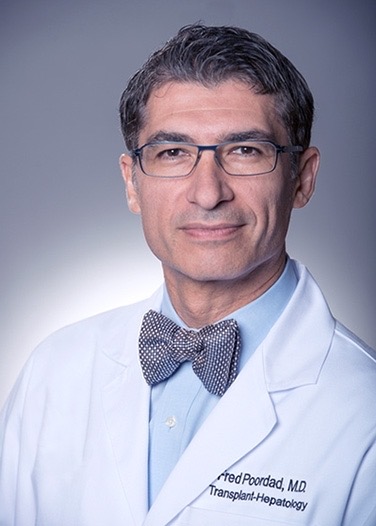 Fred Poordad合作论文数Hepatology University Transplant Center, The University of Texas Health Science Center at San Antonio;Cedars Sinai Medical Center, Department of Hepatology and Liver Transplantation, The University of Texas Health Science Center at San Antonio;Department of Medicine, The University of Texas Health Science Center at San Antonio35
 Stephen H Caldwell合作论文数Division of Gastroenterology and Hepatology, School of Medicine, University of Virginia;Digestive Health at Primary Care Center, University of Virginia33
 Anna Lok (駱淑芳)合作论文数Department of Internal Medicine, Medical School, University of Michigan32
 Timothy R. Morgan合作论文数Division of Gastroenterology, Department of Medicine, School of Medicine, University of California, Irvine32Ira M. Jacobson合作论文数32
 Cynthia Levy合作论文数32J. K. Albrecht合作论文数28Maribel Rodriguez-Torres合作论文数28Stephanie Noviello合作论文数28
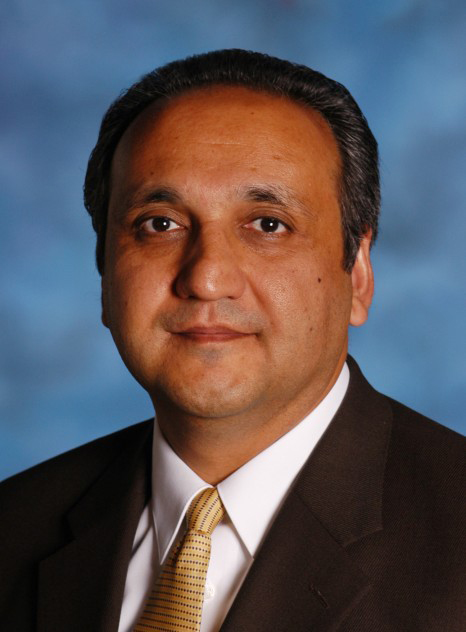 Zobair Younossi合作论文数The Global NASH Council27
 Pietro Andreone合作论文数Dipartimento di Scienze Mediche e Chirurgiche, Materno-Infantili e dell'Adulto, Università Degli Studi Di, Modena E Reggio Emilia27
 David R. Nelson合作论文数Division of Gastroenterology, Hepatology & Nutrition, Department of Medicine, College of Medicine, University of Florida26
 Jules L Dienstag合作论文数Massachusetts General Hospital;Harvard Medical School;Mass General Research Institute26Elizabeth C. Wright合作论文数National Institute of Diabetes and Digestive and Kidney Diseases, National Institutes of Health26
 Michael Trauner合作论文数Division of Gastroenterology and Hepatology, Department of Medicine III, Medical University of Vienna25
 John Moore Vierling合作论文数Department of Surgey, Baylor College of Medicine24Lisa M. Nyberg合作论文数24
 Keyur Patel合作论文数Institute of Medical Science, Temerty Faculty of Medicine, University of Toronto23
 Bruce R. Bacon合作论文数Saint Louis University School of Medicine;B.R. Bacon Consulting, LLC23Tarek Hassanein合作论文数23
 Stuart Gordon合作论文数Gastroenterology-Hepatology, William Beaumont Hospital23
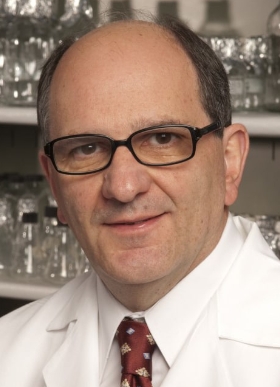 Adrian M. Di Bisceglie合作论文数Division of Gastroenterology and Hepatology, Saint Louis University;HighTide Therapeutics, Inc.23
 Victor Vargas合作论文数21
 Manal F. Abdelmalek合作论文数Department of Medicine, School of Medicine, Duke University;Division of Gastroenterology and Hepatology, Department of Internal Medicine, Mayo Clinic21Clifford A. Brass合作论文数21
 Herbert L. Bonkovsky合作论文数University of North Carolina at Charlotte21Mj Contos合作论文数21




