BACKGROUND:Introduction of guideline-directed medical therapy (GDMT) has transformed the care of heart failure (HF) with reduced ejection fraction, establishing four foundational drug classes. Yet, in clinical practice, many patients cannot initiate or maintain all four, and clinicians must pragmatically prioritise agents such as angiotensin receptor-neprilysin inhibitor and sodium-glucose cotransporter-2 inhibitor, whose comparative impacts are still explored. Moreover, the optimal loop diuretic to pair with modern GDMT, which enhances natriuresis, remains uncertain. METHODS:Between January 2022 and February 2024, we conducted a multicentre, open-label, randomised, 2×2 factorial design trial for ambulatory patients with symptomatic HF, elevated natriuretic peptide levels and left ventricular ejection fraction (LVEF) <50%, despite conventional therapies (eg, renin-angiotensin-aldosterone system inhibitors and beta-blockers). The patients were assigned to receive either sacubitril/valsartan or dapagliflozin, and torsemide or furosemide. The primary endpoint was the change in the Kansas City Cardiomyopathy Questionnaire Overall Summary Score (KCCQ-OSS) over 6 months; a prespecified secondary endpoint was a hierarchical clinical outcome. RESULTS:Of 231 randomised patients (median age 73 years; median LVEF 36%; 84.0% New York Heart Association class II), changes in KCCQ-OSS did not differ between sacubitril/valsartan and dapagliflozin (adjusted mean difference 2.53 points; 95% confidence interval (CI) -1.81 to 6.88; p=0.25) or between torsemide and furosemide (0.25 points; 95% CI -4.10 to 4.59; p=0.91). Hierarchical composite outcome analyses also showed no significant differences between sacubitril/valsartan and dapagliflozin (win ratio, 1.15; 95% CI 0.71 to 1.88), or between torsemide and furosemide (win ratio, 1.15; 95% CI 0.70 to 1.85). CONCLUSIONS:This trial found no evidence of benefit of one treatment over another for health status over 6 months. Given the sample size and predefined power, modest differences between treatments cannot be excluded. TRIAL REGISTRATION NUMBER:UMIN000045229.
Effect of Vitamin D Supplementation Stratified by Clinical Reference Ranges of Vitamin A
BACKGROUND:Vitamin D interacts with vitamin A through receptor heterodimerization. This post hoc analysis of the AMATERASU randomized clinical trial (RCT) of vitamin D3 supplementation examined whether serum vitamin A levels modify the association of vitamin D with relapse or death in patients with digestive tract cancer. METHODS:The primary outcome was relapse or death. Relapse-free survival (RFS) was evaluated using Nelson-Aalen cumulative hazard functions and Cox proportional hazards models. Serum vitamin A levels were categorized stepwise using clinical reference ranges and quantile cutoffs (halves, tertiles, quartiles, quintiles, and deciles), with post hoc grouping of the most coherent quantiles for analysis. RESULTS:Among 363 patients (mean age, 66 years; 67.8% male), serum vitamin A ranged from 0.15 to 4.30 μmol/L [median (IQR), 1.38 (1.05-1.74)] and correlated positively with 25-hydroxyvitamin D (ρ = 0.31; P < 0.0001). Patients in the lowest decile had higher relapse or death risk [HR, 2.05; 95% confidence interval (CI), 1.10-3.84; P = 0.03] than those in deciles 2 to 10. In the middle range (deciles 6-8), 5-year RFS was greater with vitamin D versus placebo (81.4% vs. 54.9%; HR, 0.31; 95% CI, 0.14-0.69; P = 0.004), with no effect in lower (deciles 1-5) or higher (deciles 9-10) ranges (Pinteraction = 0.008). CONCLUSIONS:Vitamin D supplementation may reduce relapse and death among patients with middle-to-upper range of serum vitamin A levels. IMPACT:These exploratory findings provide the first RCT evidence that serum vitamin A levels modify the effect of vitamin D supplementation on relapse or death among patients with digestive tract cancer.
Background/Objectives: Parathyroid hormone (PTH), which rises compensatory with vitamin D insufficiency and has been shown to down-regulate vitamin D receptor expression, represents a biologically plausible effect modifier. We investigated whether pretreatment serum PTH modifies the effect of postoperative vitamin D supplementation on relapse-free survival, and whether adding tumor p53 status further refines subgroup identification in an exploratory analysis. Methods: This post hoc analysis utilized data from the AMATERASU trial (UMIN000001977), a single-center, randomized, double-blind, placebo-controlled trial evaluating vitamin D3 (2000 IU/day) versus placebo in patients with curatively resected stage I-III digestive tract cancers (maximum follow-up, 7.5 years). Patients were dichotomized at the cohort median PTH (41 pg/mL). The primary outcome was relapse-free survival (RFS), analyzed using multivariable Cox proportional hazards models. Results: Of 417 randomized patients, 410 had baseline PTH data. In the lower PTH subgroup (≤41 pg/mL), vitamin D significantly improved RFS compared with placebo (fully adjusted hazard ratio [HR], 0.45; 95% confidence interval [CI], 0.24-0.81; p = 0.008). Conversely, no benefit was observed in the higher PTH subgroup (>41 pg/mL; fully adjusted HR, 1.25; 95% CI, 0.64-2.44; p for interaction = 0.016). Exploratory stratification of 365 patients with p53 data showed that the supplementation benefit appeared greatest in patients with both low PTH (≤41 pg/mL) and p53-positive tumors (fully adjusted HR, 0.38; 95% CI, 0.18-0.78; p = 0.009). Conclusions: Pretreatment serum PTH is a candidate effect modifier of postoperative vitamin D supplementation in digestive tract cancers.
BackgroundProgramed death-ligand 1 (PD-L1) is overexpressed on renal tubular and vascular epithelial cells in inflammatory kidney diseases as well as on aged kidney podocytes, contributing to chronic kidney disease (CKD) progression. The association of serum soluble programed death-ligand 1 (sPD-L1) levels and chronic kidney disease (CKD) progression is unknown.MethodsTo compare serum sPD-L1 levels among healthy individuals and patients with various CKD stages, including those undergoing dialysis, a secondary analysis was performed using clinical data and residual serum samples from four distinct cohorts, each prospectively collected for different research purposes: The Vaccine Cohort (2021–2022), the Cancer Cohort (2010–2018), the Dialysis Initiation Cohort (2023–2024), and the Dialysis Maintenance Cohort (2011–2015) included patients on stable maintenance dialysis.ResultsThe study analyzed serum sPD-L1 levels in 2,829 participants (mean age, 54.2 years; male, 54.2%) across the four cohorts. In the Vaccine and Cancer cohorts, sPD-L1 levels increased significantly with age (P < 0.001) and male sex (P < 0.001). In the Vaccine Cohort, elevated median sPD-L1 levels (pg/mL) were significantly associated with CKD stage progression (P < 0.001), showing exponentially higher levels with CKD progression. A similar association was observed and validated in the Cancer Cohort (P < 0.001). In the Dialysis Initiation Cohort (n = 15), sPD-L1 levels significantly increased three months after dialysis initiation compared to pre-dialysis levels (P = 0.03). In the Dialysis Maintenance Cohort, sPD-L1 levels increased with longer dialysis duration (P < 0.001).ConclusionSerum sPD-L1 levels might increase with CKD stage progression, dialysis initiation and longer dialysis duration. Further clinical investigation is required to confirm these results.
BACKGROUND:A 2021 meta-analysis of 37 randomised controlled trials (RCTs) of vitamin D supplementation for prevention of acute respiratory infections (ARIs) revealed a statistically significant protective effect of the intervention (odds ratio [OR] 0·92 [95% CI 0·86 to 0·99]). Since then, six eligible RCTs have been completed, including one large trial (n=15 804). We aimed to re-examine the link between vitamin D supplementation and prevention of ARIs. METHODS:Updated systematic review and meta-analysis of data from RCTs of vitamin D for ARI prevention using a random effects model. Subgroup analyses were done to determine whether effects of vitamin D on risk of ARI varied according to baseline 25-hydroxyvitamin D (25[OH]D) concentration, dosing regimen, or age. We searched MEDLINE, EMBASE, the Cochrane Central Register of Controlled Trials, Web of Science, and the ClinicalTrials.gov between May 1, 2020 (end-date of search of our previous meta-analysis) and April 30, 2024. No language restrictions were imposed. Double-blind RCTs supplementing vitamin D for any duration, with placebo or lower-dose vitamin D control, were eligible if approved by a Research Ethics Committee and if ARI incidence was collected prospectively and pre-specified as an efficacy outcome. Aggregate data, stratified by baseline 25(OH)D concentration and age, were obtained from study authors. The study was registered with PROSPERO (no. CRD42024527191). FINDINGS:We identified six new RCTs (19 337 participants). Data were obtained for 16 085 (83·2%) participants in three new RCTs and combined with data from 48 488 participants in 43 RCTs identified in our previous meta-analysis. For the primary comparison of any vitamin D versus placebo, the intervention did not statistically significantly affect overall ARI risk (OR 0·94 [95% CI 0·88-1·00], p=0·057; 40 studies; 61 589 participants; I2=26·4%). Pre-specified subgroup analysis did not reveal evidence of effect modification by age, baseline vitamin D status, dosing frequency, or dose size. Vitamin D did not influence the proportion of participants experiencing at least one serious adverse event (OR 0·96 [95% CI 0·90-1·04]; 38 studies; I2=0·0%). A funnel plot showed left-sided asymmetry (p=0·0020, Egger's test). INTERPRETATION:This updated meta-analysis yielded a similar point estimate for the overall effect of vitamin D supplementation on ARI risk to that obtained previously, but the 95% CI for this effect estimate now includes 1·00, indicating no statistically significant protection. FUNDING:None.
The resurgence of respiratory syncytial virus (RSV) infection among Japanese infants during the coronavirus disease 2019 pandemic might be due to a decrease in cord blood anti-RSV immunoglobulin G (IgG) positivity resulting from reduced maternal RSV exposure. This study examined changes in the positivity before and during the pandemic to clarify the relationship between this positivity and infantile/severe RSV infections. Data from a prospective cohort study conducted in Tokyo, Japan, involving mother-child pairs of infants born between February 2019 and August 2022 were reanalyzed. Cord blood anti-RSV IgG levels measured by enzyme-linked immunosorbent assay were classified as positive, gray zone, and negative. We examined the relationship between antibody positivity and infantile (≤12 months old) and/or severe RSV infections as diagnosed by pediatricians. A total of 319 families participated. There was a significant decrease in cord blood anti-RSV IgG positivity from 65.1% in 2019 to 50.9% in 2022 (P = .02). Among infants followed up until their 2nd birthday, 43 (33.1%) were diagnosed with RSV infections. Of these cases, 5 were infantile/severe and occurred among the 50 infants classified as negative or gray zone, while none were observed among the 80 infants classified as positive (P = .004). Infantile/severe RSV infection was identified in 4 (16.7%) born during the pandemic, representing a significantly higher rate than 1 (0.9%) born before the pandemic (P < .001). This study revealed an association between lower cord blood anti-RSV IgG positivity during the coronavirus disease 2019 pandemic compared to before the pandemic, and an increased risk of subsequent infant/severe RSV infections.
Background: The dietary fat hypothesis links increases in allergic diseases to reduced consumption of n-3 polyunsaturated fatty acids from fish, for example, eicosapentaenoic acid, and increased intake of n-6 polyunsaturated fatty acids from vegetable oils, for example, arachidonic acid. Objective: Building upon the "fat hypothesis,"we sought to investigate the association between 24 types of serum fatty acid levels in infants and the risk of subsequent food-induced anaphylaxis (FIA) by age 2 years as the primary outcome. Methods: This study was conducted as a prespecified supplemental analysis within the ABC randomized clinical trial. We measured levels of 24 fatty acids in residual serum samples collected from 268 infants at age 5 to 6 months using gas chromatography-mass spectrometry. Results: Among the 258 infants, 58 exhibited immediate-type food allergies, whereas 200 showed no food allergy. Of the 58 infants, 12 were diagnosed with FIA, whereas the remaining 46 had nonanaphylactic food allergy. Unexpectedly, among the 24 fatty acids, only adrenic acid, also known as docosatetraenoic acid, which is one of the n-6 polyunsaturated fatty acids, showed significantly lower levels in infants with FIA (median [interquar tile range] (wt.%), 0.16 [0.14-0.17]), compared with those with no food allergy (0.19 [0.17-0.21]) (P = .0007). In contrast, adrenic acid levels in infants with nonanaphylactic food allergy were 0.19 [0.16-0.21] (wt.%), which did not differ significantly from those in infants with no food allergy Conclusions: This study generated a hypothesis suggesting that infants with low serum adrenic acid levels might be at greater risk of subsequent FIA. This unexpected result warrants 2024;3:100291.)
The relationship between chronic kidney disease-mineral and bone disorder (CKD-MBD) and cognitive function remains largely unknown. This cross-sectional study aimed to explore the association between CKD-MBD and cognitive function in patients on hemodialysis. Hemodialysis patients aged ≥ 65 years without diagnosed dementia were included. Cognitive function was assessed using the Montreal Cognitive Assessment (MoCA) and Mini-Mental State Examination (MMSE). CKD-MBD markers, serum magnesium, intact parathyroid hormone (PTH), 25-hydroxyvitamin D (25-OHD), fibroblast growth factor (FGF)-23, and soluble α-klotho were measured. Overall, 390 patients with a median age of 74 (interquartile range, 70–80) years, mean serum magnesium level of 2.4 ± 0.3 mg/dL, and median MoCA and MMSE scores of 25 (22–26) and 28 (26–29), respectively, were analyzed. MoCA and MMSE scores were significantly higher (preserved cognitive function) in the high-magnesium group than in the low-magnesium group according to the unadjusted linear regression analysis (β coefficient [95
Introduction The current guidelines strongly recommend early initiation of multiple classes of cardioprotective drugs for patients with heart failure with reduced ejection fraction to improve prognosis and health status. However, evidence on the optimal sequencing of approved drugs is scarce, highlighting the importance of individualised treatment plans. Registry data indicate that only a portion of these patients can tolerate all four recommended classes, underscoring the need to establish the favoured sequence when using these drugs. Additionally, the choice between long-acting and short-acting loop diuretics in the present era remains uncertain. This is particularly relevant given the frequent use of angiotensin receptor-neprilysin inhibitor and sodium-glucose cotransporter 2 inhibitor, both of which potentiate natriuretic effects.Methods and analysis In a prospective, randomised, open-label, blinded endpoint method, LAQUA-HF (Long-acting vs short-acting diuretics and neurohormonal Agents on patients’ QUAlity-of-life in Heart Failure patients) will be a 2×2 factorial design, with a total of 240 patients randomised to sacubitril/valsartan versus dapagliflozin and torsemide versus furosemide in a 1:1 ratio. Most enrolment sites have participated in an ongoing observational registry for consecutive patients hospitalised for heart failure involved dedicated study coordinators, and used the same framework to enrol patients. The primary endpoint is the change in patients’ health status over 6 months, defined by the Kansas City Cardiomyopathy Questionnaire. Additionally, clinical benefit at 6 months defined as a hierarchical composite endpoint will be assessed by the win ratio as the secondary endpoint.Ethics and dissemination The medical ethics committee Keio University in Japan has approved this trial. All participants provide written informed consent prior to study entry. The results of this trial will be disseminated in one main paper and additional papers on secondary endpoints and subgroup analyses.Trial registration number UMIN000045229
A meta-analysis suggested that marine n-3 polyunsaturated fatty acids (PUFAs), e.g., eicosapentaenoic acid (EPA) and docosahexaenoic acid (DHA), might reduce cancer mortality. However, a randomized clinical trial of marine n-3 PUFA and vitamin D supplementation failed to verify this benefit. This study aimed to investigate the potential interaction between vitamin D supplementation and serum EPA and DHA levels. This post hoc analysis of the AMATERASU trial (UMIN000001977), a randomized controlled trial (RCT), included 302 patients with digestive tract cancers divided into two subgroups stratified by median serum levels of EPA + DHA into higher and lower halves. The 5-year relapse-free survival (RFS) rate was significantly higher in the higher half (80.9%) than the lower half (67.8%; hazard ratio (HR), 2.15; 95% CI, 1.29-3.59). In the patients in the lower EPA + DHA group, the 5-year RFS was significantly higher in the vitamin D (74.9%) than the placebo group (49.9%; HR, 0.43; 95% CI, 0.24-0.78). Conversely, vitamin D had no effect in the higher half, suggesting that vitamin D supplementation only had a significant interactive effect on RFS in the lower half (p for interaction = 0.03). These results suggest that vitamin D supplementation may reduce the risk of relapse or death by interacting with marine n-3 PUFAs.
 Suzuki Yutaka合作论文数50
 Kenneth C. Anderson合作论文数Dana-Farber Cancer Institute;Harvard Medical School45
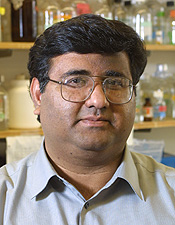 Dharminder Chauhan合作论文数Department of Medical Oncology, Dana Farber Cancer Institute;Jerome Lipper Myeloma Center, Dana Farber Cancer Institute;Harvard Medical School45Atsushi Ogata合作论文数35
 Gerrard Teoh合作论文数33Ohdaira Hironori合作论文数25
 Katsuhiko Yanaga合作论文数Graduate School of Medicine, Graduate School, International University of Health and Welfare;The Jikei University School of Medicine21
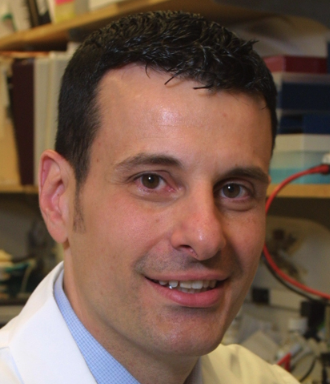 Steven P. Treon合作论文数Bing Center for Waldenström's Macroglobulinemia, Dana-Farber Cancer Institute;Harvard Medical School;Harvard Cancer Center21Nakashima Akio (中島章雄)合作论文数Division of Nephrology and Hypertension, School of Medicine, Jikei University19Akutsu Taisuke合作论文数18Yoshio Ishibashi合作论文数17
 Aikou Okamoto (岡本愛光)合作论文数Department of Obstetrics and Gynecology, School of Medicine, The Jikei University16Takashi Yokoo合作论文数Jikei Univ, Sch Med, Dept Internal Med, Div Nephrol & Hypertens,Minato Ku, Tokyo 1058461, Japan15Keitaro Yokoyama合作论文数15
 Ichiro Ohkido合作论文数15J Akatsuka合作论文数13Naruo Kawasaki合作论文数13Hideyuki Kashiwagi合作论文数11Yuki Yuza合作论文数11
 Hidetoshi Mezawa合作论文数10Masahiro Ikegami合作论文数10Yuichi Murayama合作论文数10Hama Takanori合作论文数9Masahiko Suzuki合作论文数9Nobuo Omura合作论文数9Y Hoshi合作论文数8Toshihiro Ishibashi合作论文数8Izumi Yamamoto合作论文数8Hiroshi Tachimoto合作论文数8
 Koji Nakada合作论文数8M Matsuzaki合作论文数7Y Kato合作论文数7N Hanyu合作论文数7H Uchiyama合作论文数7
 Adrian R. Martineau合作论文数Blizard Institute - Faculty of Medicine and Dentistry, Queen Mary University of London7
 Kenichi Goda合作论文数7Y Ishibashi合作论文数7Mafune Aki合作论文数7Kato Takakuni合作论文数7Hisao Tajiri合作论文数7
 James A. DeCaprio合作论文数Harvard Medical School;Division of Molecular and Cellular Oncology, Dana-Farber Cancer Institute7
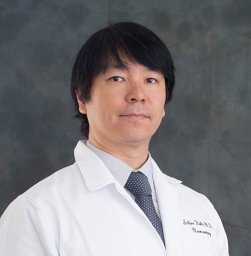 Ichiro Yuki合作论文数David Geffen School of Medicine, University of California Los Angeles7Misato Saito合作论文数7Toshihito Suda合作论文数6Miki Noya合作论文数6K Maekawa合作论文数6M Kamijo合作论文数6Tadao Tanaka合作论文数6
 Noopur Raje合作论文数Center for Multiple Myeloma, Massachusetts General Hospital;Harvard Medical School6




