Background: VCID and cerebral small vessel disease (CSVD) are the second leading cause of dementia. There is evidence that inflammation plays a role in VCID and CSVD. We hypothesized that inhibiting the NLRP3 inflammasome with the specific inhibitor, MCC950, would improve cognition and CBF in a mouse model of VCID. Methods: Middle-young C57BL/6 male mice (4-5 months old, male N=10-12/group) were subjected to bilateral carotid stenosis (BCAS model). Mice were randomly assigned to Sham, BCAS + placebo, or BCAS+MCC950 (10 mg/kg IP daily for 3 days and then every alternate day for 4 weeks) groups. We measured cerebral blood flow (CBF) via laser speckle contrast imaging (LSCI). Cognitive and motor functions were assessed using novel object recognition (NOR) and wire-hanging tests. Biochemical and histopathological analyses were also performed on brain tissues. Results: MCC950 improved cognition as measured by the NOR (Fig. 1A) and improved motor ability by the Beam Walk test (Fig. 1B). MCC950 also improved CBF compared to the placebo group (Fig. 2A&B). Moreover, biochemical and histopathological changes in the treatment group showed a significant (p<0.05) difference compared to the placebo group. Conclusions: These findings suggest that the NLRP3 inflammasome inhibitor, MCC950, mitigates cognitive impairment and motor deficits in the BCAS model and also significantly improves cerebral blood flow. This research highlights the potential of NLRP3 inflammasome inhibitors as a treatment for human VCID and CSVD.
Objectives: No single animal stroke model satisfies all needs of translational stroke investigation. While the nylon filament MCAo model is widely accepted in preclinical translational stroke research, thromboembolic models have more physiological relevance. Thromboembolic models are technically difficult, time consuming, and show variable results, however, rendering them less utilizable for widespread deployment in a multi-laboratory preclinical network. We sought to develop and validate a standardized thromboembolic middle cerebral artery occlusion model that encompasses vessel occlusion and subsequent thrombolysis. Methods: To reduce the numbers of donor animals required, we developed a method to store donor blood for later use. Using prefabricated microcatheters, we simplified thrombus preparation and handling. For thrombolysis we used intravenous Tenecteplase dosing at 1.5mg/kg. To demonstrate feasibility and ease-of-use, the model was implemented at six research laboratories. We wrote and field-tested standard operating procedures, training videos, and hands-on surgical training workshops. Results: We enrolled 170 Sprague Dawley rats—some of which were only used as blood donors—of both sexes at six laboratories which performed 4 to 6 thrombus embolizations per week. All laboratories achieved reproducible occlusion and thrombolysis. Thromboemboli prepared from stored blood worked as well as emboli from freshly drawn blood. Of 135 rats who received one embolus, 33 (24%) died before 48-hour MRI scan. In survivors, stroke volume was 13±16% of the ipsilateral hemisphere. Corner test, neurobehavioral battery, and MRI showed reasonably consistent stroke injury. Conclusions: We established the feasibility and reproducibility of a multi-laboratory rodent thromboembolic model. All sites, including novice surgeons, mastered the surgical protocol. Numbers of surgeries per week would allow high-throughput testing.
Delivering therapeutic agents to the central nervous system (CNS) is a significant challenge due to the BBB. To overcome this obstacle, researchers have used the rabies virus glycoprotein (RVG) that is found on the rabies virus envelope, which plays a crucial role in this process. The 189–214 amino acid region of RVG is essential for binding to nerve cells and enabling viral entry and fusion. In 2000, neuroglobin (Ngb), the third member of the globin family, was identified in the brains of humans and mice. Both in vitro and in vivo studies have shown that Ngb protects the brain from hypoxic, ischemic, and oxidative stress through its ability to bind oxygen reversibly. Recently, our laboratory has developed a DNA technology-based platform to make engineered exosomes using non-tumorous HEK293 cells that carry and express specific cell-targeting peptides (RGV) as well as therapeutic probes (Ngb). In this study, we have employed engineered exosomes carrying both RVG and Ngb as targeting and therapeutic agents to improve the outcome in tMCAo stroke in 12-16-month-old mice. We stipulate that engineered exosomes carrying neuron-specific RVG peptides as targeting ligands and therapeutic probe, Ngb , to protect neurons from hypoxic/ischemic and oxidative stress-related insults following ischemic stroke can be delivered to the injured neurons in the stroke and peri-infarct areas to improve the stroke outcome. We have successfully developed the engineered exosomes and proven the accumulation of the exosomes in the neurons in the stroke areas. Despite similar hypoperfusion on laser speckle images, magnetic resonance imaging (MRI) showed significantly smaller stroke volume in animals (n=20) that received engineered exosomes carrying both RVG and Ngb compared to the control exosomes and exosomes carrying gon ly RVG and Ngb separately. RNA seq, western blot, and proteomics data showed higher expression of Ngb, SOD, and NADH, indicating the protection of cells from oxidative stress and activation of the electron transport chain in mitochondria, which indicates an active role in cellular respiration, respectively. Immunohistochemistry showed a higher number of blood vessel formations in animals treated with exosomes carrying both RVG and Ngb. Despite the worst neurodeficit score on day 7, animals treated with exosomes carrying both proteins showed better recovery on day 28. Engineered exosomes carrying both RVG and Ngb could be an agent for treating stroke.
No single animal stroke model satisfies all needs of translational stroke investigation. While the nylon filament model is widely accepted in preclinical translational stroke research, thromboembolic models have more physiological relevance. Thromboembolic models are technically difficult, time consuming, and show variable results, making them problematic for multi-laboratory preclinical network use. We sought to develop and validate a multi-laboratory thromboembolic middle cerebral artery occlusion model that encompasses vessel occlusion and subsequent thrombolysis. To reduce the numbers of donor animals used, we developed a method to store donor blood for later use. Using prefabricated microcatheters, we simplified thrombus preparation and handling. Emboli were prepared in microcatheters and injected directly into the middle cerebral artery from the internal carotid artery. For thrombolysis we used intravenous Tenecteplase dosing at 1.5 mg/kg. To demonstrate feasibility and ease-of-use, the model was implemented at six research laboratories. We wrote and field-tested standard operating procedures, training videos, and hands-on surgical training workshops. We enrolled 170 Sprague Dawley rats of both sexes at six laboratories who performed 4 to 6 thrombus embolizations per week. All sites could achieve reproducible occlusion and thrombolysis. Thromboemboli prepared from stored blood served as well as emboli from freshly drawn blood. Of 135 rats who received one embolus, 33 (24
Traumatic brain injury (TBI) initiates complex neuroinflammatory cascades that significantly influence recovery outcomes. Although sex differences in neuroinflammation have been reported previously, findings remain inconclusive as the role of the female estrous cycle in post-injury responses is not well understood. In this study, we aimed to characterize sex-based differences in neuroinflammatory, vascular, and behavioral outcomes following TBI, with particular emphasis on the different phases of the estrous cycle in female mice. Male and female mice were subjected to controlled cortical impact (CCI) and subsequently assessed for behavioral deficits, cerebral blood flow (CBF), immune cell infiltration, and inflammatory genes expression. Although TBI induced robust neuroinflammation and reduction in CBF in both sexes, female mice showed significantly increased myeloid, microglial and T-cell presence, as well as elevated expression of key inflammatory transcripts (Btk, Inpp5d, and Tmem173), while downregulation in Grm2 expressions. Stratified cohort of female mice as per phases in estrous cycle (proestrus, estrus, metestrus, and diestrus) before injury showed alterations in Inpp5d, Csf3r, Csf1r, CD84, Tmem173, Homer1, Grm2 and Supt7l. Notably, female injured mice showed differential improvements in select parameters, although estrous cycle phase at the time of impact had limited but phase-dependent impact on CBF. Female mice did not show significant changes in the behavioral tests as compared to male or different estrous phenotypes. However, female mice showed higher frequency to visit center in an open arena. These findings highlight sex-specific neuroinflammatory and transcriptional responses to TBI, with moderate modulation by estrous cycle. Our study further suggests that one estrous phase could be more vulnerable to neuroinflammation or neurovascular injury than others on cellular and molecular level. However, this interphase difference might be masked in the studies including randomly cycled female population. Thus, our results underscore the importance of incorporating sex, estrous and hormonal status into sex-dependent studies on TBI and other brain diseases research to inform the development of targeted therapeutic strategies.
The failure to translate promising preclinical stroke therapies into clinical success is a multi-faceted problem; however, a critical contributing factor is the lack of rigorous, reproducible preclinical outcome measures. While magnetic resonance imaging (MRI) offers a translational alternative to traditional histology, its use in large, multi-site trials is challenged by data heterogeneity and the need for scalable analysis. To address this, we developed and validated a fully automated, open-source image analysis pipeline for the Stroke Preclinical Assessment Network (SPAN), a six-center preclinical trial network. The pipeline processed T2-weighted and apparent diffusion coefficient (ADC) maps from over 2,000 mice and rats, incorporating steps for cross-site data harmonization, deep learning-based brain extraction, and rule-based segmentation to quantify infarct volume, brain swelling, and atrophy. The pipeline demonstrated high accuracy, as automated lesion volumes strongly correlated with manual expert tracing on both MRI (R = 0.96) and 2,3,5-triphenyl-tetrazolium chloride (TTC)-stained tissue (R = 0.86). The U-net model for brain extraction achieved a Dice score of 0.96, and our harmonization method successfully reduced inter-site variability in quantitative MRI parameters. This robust and reproducible pipeline provides a scalable framework for standardizing tissue outcome assessment, enhancing the rigor of multi-site preclinical studies.
Background: Remote Ischemic Conditioning (RIC) is a simple and low-cost intervention that is thought to increase collateral blood flow through the vasodilatory effects of nitric oxide (NO) produced by the endothelium and red blood cells (RBC). This study aims to investigate whether RIC affects RBC deformability and levels of NO and nitrite in ischemic stroke patients. Methods: This is a predefined sub-study to the RESIST randomized clinical trial. RIC was started in the ambulance and continued at the hospital for seven days. Patients with a prehospital putative stroke and symptom duration <4 hours could be included in this biomarker study. Blood-samples were collected at different time points: Prehospital in the ambulance, in-hospital upon arrival, 2 hours post-admission, 24 hours post-admission. RBC deformability and erythrocyte aggregation rate were assessed using ektacytometry, NO using flowcytometry, and nitrite content using ozone chemiluminescence. Results: A total of 486 patients were included in this study, and of these 249 had AIS (51%). RIC treatment was not associated with increased RBC maximal deformability (RIC: 0.549, Sham: 0.548, p=0.31), RBC NO (RIC 35.30 median fluorescence intensity[MFI], Sham: 34.98 MFI, p=0.89) or nitrite (RIC: 0.036 µM, Sham: 0.034 µM, p=0.38), but RIC treatment was associated with a significantly reduced aggregation pressure, and a slower erythrocyte aggregation rate (RIC: 323.76 Pascal, Sham: 352.74 Pascal, p=0.0113) Conclusion: Prehospital and in-hospital Remote ischemic conditioning significantly reduced erythrocyte aggregation rate in patients with acute ischemic stroke, while there was no change in red blood cell deformability, NO content or whole-blood nitrite levels.
Background: The Stroke Preclinical Assessment Network (SPAN), a multi-center network consisting of a coordinating center and testing laboratories, was created to enhance the rigor of preclinical research, including testing of potential therapies in animals of different species, sex, age, and co-morbidities, with blinding and randomization. SPAN evaluated six potential therapies with the goal of identifying one or more efficacious agents to advance toward a clinical trial. Remote ischemic post-conditioning (RIC) was selected as a candidate therapy for testing. Methods: In Stage I, young, healthy mixed-sex mice were randomized into treatment groups by the coordinating center. In Stage II, aged mice, mice with high-fat diet-induced obesity, and spontaneously hypertensive rats were utilized. Each stage included 25% of the study population and efficacy/futility was determined after each stage. RIC was bilaterally administered as the first session occurred immediately after reperfusion, and the second session occurred as close as possible to 12 ± 2 hours at post-MCAo, using an automated blood pressure cuff that delivered 200-mmHg to the hindlimbs for 4 cycles x 5 minutes/cycle and then once per day x 5 days under anesthesia. Sham-conditioned animals were treated with a cuff that did not inflate. The primary outcome measure was a modified corner test on days 7 and 30 post-stroke. MRI was performed at 48 hours and 30 days. Probabilistic index models, which adjusted for covariates of interest, were fit to estimate the probability of a lower corner test index (better outcome) between sham and RIC. Results: A total of 266 mice (132 sham, 134 RIC) were enrolled in the study, with 50 sham and 51 RIC-treated mice dying within 5 days of stroke. Analysis of all data revealed no significant differences in day 30 alternative corner test index between sham and RIC-treated mice after stroke in young, healthy mice (p=0.449), aged mice (p=0.079), mice with diet-induced obesity (p=0.135), or in spontaneously hypertensive rats (p=0.807). The secondary analysis found that RIC improved day 30 tissue infarction volume by MRI in young, healthy mice (p=0.024 vs. sham) but not in other co-morbid conditions. Conclusions: After advancing through Stages I and II, RIC was deemed futile at the end of Stage II, as determined by the modified corner test on day 30. The requirement for repeated daily general anesthesia during RIC administration may have been a complicated factor.
BACKGROUND:The SPAN (Stroke Preclinical Assessment Network) is a confirmatory trial platform to test the efficacy and safety of candidate cerebroprotective interventions in acute stroke. As the largest multicenter preclinical stroke trial to date, the SPAN1 trial (first SPAN) prospectively captured many biological and procedural variables, revealing a high degree of heterogeneity introduced by the multicenter approach that may impact stroke outcomes. Here, we examined the biological and procedural predictors of tissue and neurological outcomes after focal cerebral ischemic stroke in rats. METHODS:SPAN1 enrolled and randomized 698 rats to various active treatment arms or controls. Rats were subjected to transient middle cerebral artery occlusion for 60 (spontaneously hypertensive rats) or 120 minutes (young, healthy Sprague-Dawley rats) and followed for 1 month. Eight biological and procedural independent variables (sex, weight, strain, intervention arm, site, endovascular filament silicone tip coating characteristics, anesthesia duration, and intervention protocol) and 5 dependent outcome variables (weight loss, 4-point neuroscore, corner test, infarct volume, and mortality) were captured. Multivariable regression was used to identify independent predictors of each outcome readout and determine their effect sizes. RESULTS:Spontaneously hypertensive rats exhibited larger infarcts than Sprague-Dawley rats, particularly among females. Neuroscores were also worse in spontaneously hypertensive rats. Prolonged anesthesia exposure was associated with smaller cortical and hippocampal infarcts. Filament thickness and length showed a complex association with different regional infarct volumes, neuroscores, weight loss, and corner test outcomes. Mortality was worse among females. Bivariate analysis of dependent variables revealed moderate correlations among the tissue and neurological outcomes. CONCLUSIONS:Using the large and multicenter, prospective SPAN1 dataset, our multivariable analyses identified several predictors influencing rat middle cerebral artery occlusion outcomes and refuted others previously reported. Investigators should consider whether biological and procedural predictors identified herein should be standardized, accounted for, or stratified during subject allocation to decrease variability and avoid confounders in future multicenter preclinical trials.
Background: Inflammation, a key player in both acute and chronic cerebral ischemia, is activated in brain tissues by bilateral carotid stenosis (BCAS)- induced chronic cerebral hypoperfusion. Our study aimed to investigate whether the deletion of the NLRP3inflammasome could abolish the deleterious effects of BCAS-induced chronic hypoperfusion in an experimental model of VCID. Methods: Microcoil-induced BCAS was used to induce chronic hypoperfusion. Middle-young (8-10 mice per group,4-5 months old, male) NLRP3WT and NLRP3KO were randomly assigned to BCAS-induced chronic hypoperfusion for four weeks. Cerebral blood flow was measured by laser speckle contrast imaging (LCSI) and CBF-ASL perfusion by MRI, and novel object recognition (NOR) and wire-hanging tests were also measured. Biochemical and histopathological staining was also assessed on the brain tissues. Results: At four weeks, there was a significant increase in CBF by LSCI and CBF-ASL perfusion by MRI in NLRP3KO mice compared to NLRP3WT groups. More importantly, the cognitive and motor function, as measured by NOR and wire-hanging tests, showed a remarkable improvement in NLRP3KO mice compared to WT. Conclusions: The findings suggest that deletion of NLRP3 inflammasome not only mitigates the cognitive impairment and motor effects of chronic hypoperfusion but also significantly improves cerebral blood flow. This indicates that targeting the NLRP3 inflammasome may be a new therapeutic approach against VCID.
Current translational rodent stroke models induce middle cerebral artery occlusion (MCAo) using nylon filaments, injected emboli, intraluminal thrombin, or perivascular endothelin-1 to simulate human stroke. Among these methods, thromboemboli injection followed by thrombolysis best mimics the neuroinflammatory events seen in human patients and may be preferable to the inert nylon filament method most widely used. The standard thromboembolic models, used in leading single laboratories, however, can be time-consuming, produce variable results, and require considerable skill to master. To address these limitations, we developed a thromboembolic MCAo model that targets vessel occlusion and uses intravenous thrombolysis to achieve recanalization, paralleling the systemic thrombolysis administered in clinical scenarios. To reduce the number of animals, we developed a method to store blood from donor animals for later emboli preparation for multiple subjects. Our utilization of prefabricated Doccol microcatheters simplifies thrombus preparation and injection by pre-loading thromboemboli into the microcatheters that are then inserted into the internal carotid artery. To achieve recanalization, we infused intravenous Tenecteplase at a dose of 1.5 mg/kg. To promote reproducibility, we prepared and field-tested standard operating procedures, training videos, and hands-on surgical training workshops. The model uses a standard surgical approach that should be familiar to all investigators who use the widely accepted nylon filament model. Passage of the microcatheter into the distal internal carotid artery, avoiding the pterygopalatine artery, is accomplished in a manner similar to the nylon filament insertion. Recovery and post-stroke assessments may be done with typical behavioral, radiographic, and histologic protocols. This model offers a practical, reproducible, and accessible approach for investigators seeking a thromboembolic MCAo model with controlled recanalization.
Introduction:Exosomes from different sources have been used for therapeutic purposes to target stroke and other disorders. However, exosomes from endothelial progenitor cells (EPCs) have not been tested in any stroke model, and in vivo bio-distribution study is lacking. Targeted delivery of IV-administered exosomes has been a significant challenge. Delivery of exosomes to the brain is a daunting task, and a blood-brain barrier (BBB)-penetrable peptide is being considered. However, the next step in practical treatment will be delivering naïve (unmodified) exosomes to the stroke site without destroying host tissues or disrupting BBB, or the membranes of the delivery vehicles. Low-intensity-pulsed focused ultrasound (LIPFUS) is approved for clinical use in the musculoskeletal, transcranial brain, and physiotherapy clinics. The objectives of the proposed studies were to determine whether LIPFUS-mediated increased delivery of EPC-derived exosomes enhances stroke recovery and functional improvement in mice with transient middle cerebral artery occlusion (tMCAo) stroke. Methods:To enhance exosome delivery to the stroke area, we utilized LIPFUS. We evaluated stroke volume using MRI at different time points and conducted behavioral studies parallel to MRI to determine recovery. Ultimately, we studied brain tissue using immunohistochemistry to assess the extent of stroke and tissue regeneration. Results and Discussion:In vivo, imaging showed a higher accumulation of EPC exosomes following LIPFUS without any damage to the underlying brain tissues, increased leakage of albumin, or accumulation of CD45+ cells. Groups of mice (14-16 months old) were treated with Vehicle (PBS), LIPFUS only, EPC-exosomes only, and LIPFUS+EPC-exosomes. LIPFUS + EPC exosomes groups showed a significantly decreased stroke volume on day 7, decreased FluoroJade+ cells, and significantly higher numbers of neovascularization in and around the stroke areas compared to that of other groups.
Background/Aims: The Stroke Preclinical Assessment Network (SPAN) is a randomized, placebo-controlled, blinded, multi-laboratory preclinical study using a Multi-Arm Multi-Stage statistical design to select one or more putative stroke treatments with an implied high likelihood of success in future human clinical stroke trials. Methods: Through a rigorous NIH-managed peer review process, six independent research laboratories were selected for testing five promising cerebrovascular interventions. A Coordinating Center at the University of Southern California leads the trial. The Interventions, also selected through an NIH peer review process, included NanO2 (NuvOx) an oxygen delivery emulsion, tatCN19o (Neurexis) a CaM-kinase II inhibitor, GSK2256098 (GlaxoSmithKline/ETSU) a focal adhesion kinase inhibitor, GSK2256294 (GlaxoSmithKline/OHSU) a soluble epoxide hydrolase inhibitor, and BPN-27332 (Loxagen/MGH) a lipoxygenase inhibitor. After a pilot trial to evaluate several behavioral measures, we designated the primary endpoint for SPAN 2 to be a multi-item functional test battery, the Simplified SPAN Score. All other procedures, including behavior tests and magnetic resonance imaging were performed as they were in SPAN 1. Per the SPAN 2 pre-specified protocol, an interim analysis was performed after Stage 1, aka, SPAN 2.1. Results: SPAN 2.1 enrolled 774 subjects, divided among 4 animal co-morbid models in whom a transient filament MCAo was performed: young healthy mice (n=193), diet-induced obese mice (n=197), aged mice (n=192), and spontaneously hypertensive rats (192). Nine subjects were found ineligible, leaving an ITT population of 765, of whom 13 were dropped during the stroke procedure—the primary analysis population (mITT) included 751 subjects. Protocol compliance was evaluated: over 99% of subjects received the correct assigned intervention, but dose timing was protocol adherent in only 61%. Animals who did not receive all assigned doses (n=100) were excluded, leaving a Full Treatment population of 651. Mortality after treatment included 158 subjects, 21% of the mITT group. Among the animal comorbid models, mortality was greatest (40%) in aged mice. Conclusions: The feasibility and protocol compliance seen in SPAN 1 have been replicated in stage 1 of the second trial, SPAN 2.1. Mortality resembles previous experience, with an improved survival in aged mice. SPAN 2 has advanced to Stage 2 where improved dose timing is implemented.
Remote ischemic conditioning (RIC) is emerging as a simple, inexpensive, and safe intervention for improving systemic vascular health in addition to standard treatments. It involves intermittent ischemic compressions of limbs. RIC mechanisms and optimal therapeutic protocols remain to be established. We conducted a RIC dose–response randomized blinded study in patients following a mild stroke or transient ischemic attack. Patients were randomly allocated into five dose groups, including sham, within 6 months of their qualifying event. RIC was applied for 28 days followed by 7 days off period. Weekly blood biomarkers tested included red blood cell (RBC) deformability, RBC nitric oxide synthase, adenosine monophosphate kinase, and the inflammasome NLRP3, and macrophage TNF-α and IL-10. The primary outcome was change in the biomarkers over time and was examined using mixed models adjusting for A1c. Forty participants, eight per group, completed this study. There were no significant changes over time between groups in any of the biomarkers tested (all P > 0.07). In addition, biomarker changes from baseline to end of the 4-week treatment were not significantly different between groups (all P > 0.10). The biomarkers tested in this study did not have a clear dose response effect from RIC. Other biomarkers may prove useful in monitoring the effects of RIC. TRIAL REGISTRATION: https://clinicaltrials.gov (identifier: 1513705-3).
BACKGROUND:Past failures in translating stroke cerebroprotection provoked calls for a more rigorous methodological approach, leading to the stroke preclinical assessment network SPAN (Stroke Preclinical Assessment Network), where uric acid (UA) treatment exceeded a prespecified efficacy boundary for the primary functional outcome. Still, successful translation to humans requires confirmation of the effect of UA across key biological variables relevant to patients with stroke. METHODS:We measured the effects of intravenous UA treatment (16 mg/kg) versus intravenous saline in groups of animals enrolled in the SPAN network with diverse comorbidities, sex, and age. The masked study drug or placebo was administered during reperfusion in rodents undergoing a transient middle cerebral artery filament occlusion. The primary outcome was the modified corner test index at day 30 poststroke, and numerous secondary outcomes were collected. A modified intention-to-treat population was used in the analysis. We tested for any interactions with sex, age, and comorbidities (obesity-induced hyperglycemia and hypertension). RESULTS:In total, 710 animals were randomized to receive either intravenous UA or saline. After accounting for procedural dropouts and exclusions from treatment, a total of 687 animals were qualified and analyzed, including 458 assigned to UA and 229 to intravenous saline control. UA-treated animals exhibited a better primary functional outcome at day 30 (probability, 0.56 [95% CI, 0.52-0.60]; P=0.006). UA-treated animals also had a better corner test index at day 7 (probability, 0.55 [95% CI, 0.5-0.59]; P=0.035) and a higher survival rate at day 30 (hazard ratio, 1.41 [95% CI, 1.08-1.83]; P=0.011). Brain morphometry at day 2 and 30 was comparable between the treatment groups. The improved functional outcome and survival in UA-treated animals were preserved across different species, sexes, ages, and comorbidities. CONCLUSIONS:UA provides ischemic stroke cerebroprotection across key relevant biological variables, making it a promising intervention to be further tested in human clinical trials.
BACKGROUND:The Stroke Preclinical Assessment Network tested 6 therapeutic interventions initiated at the time of reperfusion after focal ischemic stroke in young mice, aging mice, obese mice, and spontaneously hypertensive rats. This randomized, controlled trial was conducted across 6 sites with concealed treatment and blinded neurobehavior assessments. The trial had an adaptive design with preset levels of efficacy and futility interrogated after each of 4 stages. The primary outcome was turning preference on the corner test at 1 month. The PARP (poly(ADP-ribose) polymerase) inhibitor, veliparib, was considered futile after the second stage when pooling all animal models (n=231 veliparib; n=344 placebo). METHODS:A secondary analysis was performed to evaluate veliparib treatment on primary and secondary outcomes in individual subgroup models. RESULTS:Intravenous injection of veliparib at reperfusion failed to show a benefit on the corner test at 7 or 30 days of recovery in young mice, obese mice, or spontaneously hypertensive rats. However, in aging mice (15-18 months old), veliparib significantly improved performance on the corner test at 7 (P=0.007) and 30 (P=0.03) days and reduced foot-faults on the grid walk test at 7 (P=0.024) and 30 (P=0.008) days. These effects were independent of sex. Treatment had no effect on magnetic resonance imaging-determined lesion volume. The survival was similar with placebo and veliparib treatments across subgroups, although mortality was high in aging mice. CONCLUSIONS:Veliparib improved functional outcome in aging mice. Because ischemic stroke predominantly occurs in the aging population, further research into the benefit of PARP inhibitors in aged animal models of stroke is warranted.
 David C. Hess合作论文数53
 Fakhrul Islam合作论文数28
 Tauheed Ishrat合作论文数Brain Research Laboratory, Emory University27
 Md Nasrul Hoda合作论文数Neurotoxicology Laboratory, Jamia Hamdard (Hamdard University),27
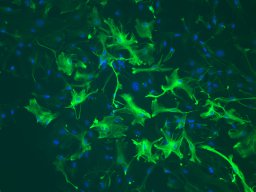 Krishnan M. Dhandapani合作论文数Institute of Molecular Medicine and Genetics;Department of Neurology;Medical College of Georgia;Institute of Molecular Medicine and Genetics, Medical College of Georgia25
 Kumar Vaibhav合作论文数Neurotoxicology laboratory, Hamdard University24
 Pradip Kumar Kamat合作论文数23
 Babak Baban合作论文数20Shahneela Siddiqui合作论文数18Seema Yousuf合作论文数15Ali S. Arbab合作论文数14
 Ajmal Ahmad合作论文数Neurotoxicology Laboratory, Hamdard University),13
 Mohd. Moshahid Khan合作论文数13
 Muzamil Ahmad合作论文数Department of Anesthesiology/Critical Care Medicine, Johns Hopkins University School of Medicine12Jessica Lamb合作论文数11
 Patrick Lyden合作论文数Keck School of Medicine, University of Southern California11
 Cenk Ayata合作论文数Massachusetts General Hospital;Mass General Research Institute;Harvard Medical School10
 Syed Shadab Raza合作论文数Lab Stem Cell & Restorat Neurol, Eras Lucknow Med Coll Hosp9
 Lauren Sansing合作论文数Department of Immunobiology, Yale University9
 Takahiko Imai合作论文数Department of Biofunctional Evaluation, Gifu Pharmaceutical University9
 Gulrana Khuwaja合作论文数Neurotoxicology Laboratory, Hamdard University9
 M. Kumskova合作论文数Div Hematol Oncol, Univ Iowa8
 Enrique C. Leira合作论文数University of Iowa Carver College of Medicine8
 Anil K. Chauhan合作论文数Department of Internal Medicine, Carver College of Medicine, The University of Iowa;Fraternal Order of Eagles Diabetes Research Center, The University of Iowa;Holden Comprehensive Cancer Center, The University of Iowa8Yanrong Shi合作论文数7
 Sherif Hafez合作论文数Pfizer Egypt Medical Affairs7
 Raymond C. Koehler合作论文数Department of Environmental Health Sciences, Bloomberg School of Public Health, Johns Hopkins University7
 Haseeb A. Khan合作论文数Department of Biochemistry, College of Science, King Saud University7Safhi Mohammed M合作论文数7Saif Ahmad合作论文数Department of Biotechnology, Jamia Hamdard-Hamdard University7Susan C. Fagan合作论文数7Jaroslaw Aronowski合作论文数7Hayate Javed合作论文数Neurotoxicology laboratory, Hamdard University7Abdullah Shafique Ahmad合作论文数7Louise D McCullough合作论文数6Jennifer L Waller合作论文数6
 Molly Braun合作论文数Medical College of Georgia, Augusta University;Department of Psychiatry and Behavioral Sciences, University of Washington School of Medicine;VISN 20 Mental Illness Research, Education and Clinical Center (MIRECC),, VA Puget Sound Health Care System;University of Washington School of Medicine, Augusta University6
 Basavaraju Sanganahalli合作论文数Bioimaging Sciences, Radiology & Biomedical Imaging, Yale School of Medicine, Yale University6
 Adviye Ergul合作论文数Department of Pathology and Laboratory Medicine, College of Medicine, Medical University of South Carolina;Augusta University6Chauhan Anjali合作论文数Neuropharmacology Laboratory, All India Institute of Medical Sciences6
 Márcio Augusto Diniz合作论文数Department of Population Health Science and Policy, Icahn School of Medicine at Mount Sinai6
 Asamoah Bosomtwi合作论文数6
 Sofiyan Saleem合作论文数Department of Anesthesiology and Critical Care Medicine, Johns Hopkins University School of Medicine6Jesse D. Wagner合作论文数5Karisma Nagarkatti合作论文数5
 Pallavi Shrivastava合作论文数Lab Genom & Neurovasc Dis, Univ Catolica Santa Maria5
 Andreia Morais合作论文数Harvard Medical School, Massachusetts General Hospital5
 M. N. Hoda合作论文数5
 Rolf Ankerlund Blauenfeldt合作论文数Aalborg Hospital, Aarhus University Hospital5




