INTRODUCTION:The mechanical activity of the stomach is mediated by electrical signals. Circular smooth muscle contractions and propagation of peristaltic waves occur during plateau/action potentials and are linked to slow waves generated by interstitial cells of Cajal. These electrical activities form the basis of gastric electrophysiology (EP). Test meals elicit three per minute peristaltic contractions. In contrast, test meals may evoke gastric dysrhythmias in patients with gastroparesis and chronic unexplained nausea. Postprandial gastric myoelectrical activity (GMA) can be recorded with noninvasive electrogastrogram (EGG) and body surface gastric mapping (BSGM). AREAS COVERED:This article overviews gastric slow waves, the electrical event that controls 3 cycles per minute (cpm) peristaltic contractions, their cellular origin, propagation patterns, electro-contractile coupling of smooth muscle cells, and modulation by the nervous system and hormones. EXPERT OPINION/COMMENTARY:Gastric EP is a growing field with a 100-year-old history. Studies of dysrhythmic GMA in a variety of nausea conditions stimulated recent interest in gastric EP. Conventional EGG recordings use three electrodes with a single channel GMA signal recording. BSGM uses 64 electrodes with multiple channel recordings, providing various phenotypes, new diagnostic categories and new approaches to therapy for gastric motility disorders.
INTRODUCTION:Chronic gastroduodenal disorders remain challenging to manage, and new diagnostic approaches are needed to better delineate underlying causes and guide therapeutic decisions. Body Surface Gastric Mapping (BSGM) technologies combine high-resolution gastric myoelectrical activity measurements with symptom and psychological profiling to provide mechanistic insights into gastric motor and sensory dysfunction. An International Working Group convened to derive the first consensus classification of BSGM phenotypes (the "Auckland Classification"). METHODS:A Technical Group conducted a systematic literature and clinical database review to identify objective test biomarkers and candidate disease mechanisms. Evidence was synthesized across 50 studies (primarily in gastroparesis, chronic nausea and vomiting, and functional dyspepsia), and BSGM phenotypes were mapped to existing treatment guidelines. Subsequently, iterative review and development of consensus was performed by a Consensus Group composed of international clinical experts familiar with BSGM. Eleven statements underlying the classification were then derived and circulated as a final survey to establish agreement. RESULTS:Six BSGM phenotypes were endorsed: three defined by myoelectrical abnormalities (Dysrhythmic, High Frequency, and Low Meal Response) and three by characteristic symptom associations (Sensorimotor, Continuous, and Delayed Onset Symptoms). Published studies plausibly linked these phenotypes to mechanisms including interstitial cell of Cajal depletion, vagal impairment, hypomotility, visceral hypersensitivity, gut-brain dysregulation, and small bowel dysfunction. Phenotypes were also mapped to existing mechanism-based treatment guidelines. Ten out of the eleven statements had > 80% agreement. CONCLUSIONS:The Auckland Classification, derived by international consensus, presents a structured framework for BSGM-defined patient phenotypes. Evidence and mechanism-based treatment options are suggested for each phenotype to provide a foundation for research, further validation, and a pathway for integrating BSGM into clinical care.
QuestionDoes combining gastric electrical stimulation (GES) with pyloroplasty offer additional clinical benefits for patients with refractory gastroparesis?FindingsIn this randomized clinical trial on combining pyloroplasty with GES in 38 adults with refractory gastroparesis, the improvement from baseline in gastroparesis symptom scores was significantly greater in the group with GES turned on after surgery compared with the group in which it was kept off for 3 months.MeaningThe findings of this study suggest that the combination of GES and pyloroplasty yields superior outcomes compared with pyloroplasty alone for refractory gastroparesis treatment by reducing symptoms safely and effectively. This randomized clinical trial examines whether combining gastric electrical stimulation with pyloroplasty offers more clinical benefits for patients with refractory gastroparesis than treatment with pyloroplasty alone. ImportancePatients with gastroparesis who do not respond to medical therapy may require surgical intervention, typically involving pyloroplasty (PP) alone or with implantation of a gastric electrical stimulation (GES) device.ObjectiveTo investigate the outcomes of combining PP with GES in medication-refractory gastroparesis.Design, Setting, and ParticipantsThis double-blind randomized clinical trial included patients who had diabetic or idiopathic gastroparesis. Patients from a US academic gastrointestinal motility clinic, who failed medical therapy, were included from January 10, 2017, to September 20, 2023. Patients were followed up for 6 months.InterventionsPatients with refractory gastroparesis underwent simultaneous implantation of GES with PP and were randomized into PP + GES-ON and PP + GES-OFF groups. In the PP + GES-ON group, the GES was turned on after surgery. In the PP + GES-OFF group, the device was kept off for 3 months and then was turned on for the following 3 months.Main Outcomes and MeasuresSymptom scores measured with the Gastroparesis Cardinal Symptom Index (GCSI) and the total symptom score (TSS), gastric emptying, and hospitalization length of stay were recorded and compared at baseline and at 3-month and 6-month follow-up visits. Between-group comparisons at 3 months were performed using the Wilcoxon rank sum test following the intention-to-treat procedure.ResultsThe study included 38 patients with gastroparesis (24 females [63.2%]; mean [SD] age, 46.7 [13.2] years), of whom 31 (81.6%) had diabetic gastroparesis, and 7 (18.4%) had idiopathic gastroparesis. Patients were randomized to the PP + GES-ON (n = 19) or the PP + GES-OFF (n = 19) group. At 3 months, the improvement from baseline in the GCSI (median [IQR] ON: -2.2 [-2.6 to -1.5] vs median [IQR] OFF: -0.9 [-1.8 to -0.4]; median difference, -1.33 [95% CI, -2.34 to -0.33]; P = .01) and the TSS (median [IQR] ON: -15.0 [-16.0 to -8.0] vs median [IQR] OFF: -3.0 [-10.0 to -1.0]; median difference, -12.00 [95% CI, -17.49 to -6.51]; P = .005) was significantly greater in the PP + GES-ON compared with the PP + GES-OFF group. Both groups exhibited significantly faster and similar gastric emptying results compared with the baseline. When the PP + GES-OFF group had GES activated at 3 months, symptoms improved significantly by 6 months (median [IQR] GCSI at 6 months: 1.2 [0.4-2.5] vs at baseline: 3.3 [2.8-4.1]; median [IQR] TSS at 6 months: 8.0 [2.0-10.0] vs at baseline: 18 [14.0-21.0]), achieving results comparable with those patients who had their GES device on for the full 6 months. These results at 6 months were accompanied by a significant reduction in hospital length of stay (median [IQR] at 6 months: 0 [0-2.0] vs at baseline: 4.1 [0-10.1]) and an excellent safety profile.Conclusions and RelevanceIn this randomized clinical trial, the combination of GES and PP yielded superior outcomes compared with PP alone, resulting in greater alleviation of gastroparesis symptoms and a reduction in hospitalization, which may enhance patient profiling and optimize decision-making for treatments.Trial RegistrationClinicalTrials.gov Identifier: NCT03123809
BACKGROUND:Single-balloon enteroscopy (SBE) is a minimally invasive procedure to assess and treat small bowel pathologies. The most common use is to detect suspected small bowel bleeding: Insignificant gastrointestinal (GI) bleeding or iron deficiency anaemia (IDA). The safety and feasibility of SBE in the elderly has not been adequately studied. AIM:To assess the safety and feasibility of both antegrade and retrograde SBE in elderly patients. METHODS:We performed a retrospective cohort study of all antegrade and retrograde SBE done at our center from March 2011 through May 2020. We collected patient's data including demographics, indications, findings, therapeutic interventions, and complications. The cohort was divided into 3 groups: Patients younger than 65 years (group 1), patients 65-75 years (group 2), and patients older than 75 years (group 3). We used 1-way one way analysis of variance, a χ 2 test, and logistic regression to compare study outcomes. The primary aim was to assess diagnostic yield, therapeutic yield and rates of complications from SBE among study groups. RESULTS:A total of 284 SBE were performed in 227 patients. In the 227 patients, we analyzed 194 antegrade (19 in gastric bypass patients) and 33 retrograde procedures. Mean age was 62.0 (SD: 16.7), 130 patients were women (57.3%), 98 were Hispanic (43.4%), and mean body mass index was 28 (SD: 6.3). The number of patients in each group were: Group 1 (117, 51.3%), group 2 (57, 25.0%) and group 3 (53, 23.7%). Gender, ethnicity, body mass index and proportions of antegrade and retrograde were comparable between age groups. The most common indications for procedure were: Obscure GI bleeding (48%), IDA (48%), abdominal pain (14%), and others (abnormal capsule, 43%; abnormal imaging, 9.7%; diarrhea 5.3%). The elderly (group 3) were more likely to have GI bleed as the indication (42.7%, 40.4%, 67.9%, P = 0.004) without difference in IDA (44.4%, 56.1%, 47.2%, P = 0.35). Diagnostic yield was significantly higher in the elderly group (48.2%, 53.7%, 68.0%), particularly in antegrade (48.5%, 53.3%, 72.1%, P = 0.033). Angioectasias were the most common finding (21.0%) and present more often in the elderly (10.9%, 20.4%, 44%) (P < 0.001). Therapeutic interventions were also more in the elderly group (35.0%, 33.3%, 58.5%, P = 0.007). There were only 2 (0.9%) complications, including minor oropharyngeal hemorrhage and esophageal trauma and no deaths, with no difference among groups. CONCLUSION:In a retrospective analysis of SBE, we found this procedure safe and feasible in the elderly. SBE has higher diagnostic and therapeutic yields in the elderly vs the other age groups, mainly because of the increased small bowel angioectasias.
Surgical treatments for drug-refractory gastroparesis (GP) include gastric electrical stimulation (GES) and pyloric interventions. No longitudinal studies have evaluated the clinical outcomes and safety of combined GES and pyloroplasty (PP). We aimed to investigate the long-term clinical effectiveness of concurrent utilization of GES and PP in GP. Forty-nine gastroparetics (35 female; 38 diabetics [DM]) were enrolled and followed up. Baseline and follow-up total symptom scores (TSS) and individual symptom components were assessed, and a 4-hour scintigraphy gastric emptying test (GET) was performed. Hospitalization days, medication use, HbA1c level, and serious adverse events (SAE) were recorded. The median follow-up was 47 months (range 5-90). Mean TSS was significantly reduced from 18.6 to 6.2 points (p ≤ .001). GET mean retention of isotope-labeled meal was reduced from 74% to 47% at 2 h and from 47% to 19% at 4 h (p < .01). Mean HbA1c improved from 9.0 to 7.9. Annual hospitalization days were reduced from a mean of 25 to 2 (p < .05). The overall satisfaction rate was subjectively graded as 87% by the patients. There were no immediate complications; SAEs attributed to GES occurred in 9% of patients. Based on this study, combining GES with PP shows long-term: (a) improvement in GP symptoms and a high patient satisfaction rate; (b) acceleration and in some patients' normalization of gastric emptying; (c) a decrease in hospitalizations; and (d) an acceptable safety and SAE profile.
Importance:Patients with gastroparesis who do not respond to medical therapy may require surgical intervention, typically involving pyloroplasty (PP) alone or with implantation of a gastric electrical stimulation (GES) device. Objective:To investigate the outcomes of combining PP with GES in medication-refractory gastroparesis. Design, Setting, and Participants:This double-blind randomized clinical trial included patients who had diabetic or idiopathic gastroparesis. Patients from a US academic gastrointestinal motility clinic, who failed medical therapy, were included from January 10, 2017, to September 20, 2023. Patients were followed up for 6 months. Interventions:Patients with refractory gastroparesis underwent simultaneous implantation of GES with PP and were randomized into PP + GES-ON and PP + GES-OFF groups. In the PP + GES-ON group, the GES was turned on after surgery. In the PP + GES-OFF group, the device was kept off for 3 months and then was turned on for the following 3 months. Main Outcomes and Measures:Symptom scores measured with the Gastroparesis Cardinal Symptom Index (GCSI) and the total symptom score (TSS), gastric emptying, and hospitalization length of stay were recorded and compared at baseline and at 3-month and 6-month follow-up visits. Between-group comparisons at 3 months were performed using the Wilcoxon rank sum test following the intention-to-treat procedure. Results:The study included 38 patients with gastroparesis (24 females [63.2%]; mean [SD] age, 46.7 [13.2] years), of whom 31 (81.6%) had diabetic gastroparesis, and 7 (18.4%) had idiopathic gastroparesis. Patients were randomized to the PP + GES-ON (n = 19) or the PP + GES-OFF (n = 19) group. At 3 months, the improvement from baseline in the GCSI (median [IQR] ON: -2.2 [-2.6 to -1.5] vs median [IQR] OFF: -0.9 [-1.8 to -0.4]; median difference, -1.33 [95% CI, -2.34 to -0.33]; P = .01) and the TSS (median [IQR] ON: -15.0 [-16.0 to -8.0] vs median [IQR] OFF: -3.0 [-10.0 to -1.0]; median difference, -12.00 [95% CI, -17.49 to -6.51]; P = .005) was significantly greater in the PP + GES-ON compared with the PP + GES-OFF group. Both groups exhibited significantly faster and similar gastric emptying results compared with the baseline. When the PP + GES-OFF group had GES activated at 3 months, symptoms improved significantly by 6 months (median [IQR] GCSI at 6 months: 1.2 [0.4-2.5] vs at baseline: 3.3 [2.8-4.1]; median [IQR] TSS at 6 months: 8.0 [2.0-10.0] vs at baseline: 18 [14.0-21.0]), achieving results comparable with those patients who had their GES device on for the full 6 months. These results at 6 months were accompanied by a significant reduction in hospital length of stay (median [IQR] at 6 months: 0 [0-2.0] vs at baseline: 4.1 [0-10.1]) and an excellent safety profile. Conclusions and Relevance:In this randomized clinical trial, the combination of GES and PP yielded superior outcomes compared with PP alone, resulting in greater alleviation of gastroparesis symptoms and a reduction in hospitalization, which may enhance patient profiling and optimize decision-making for treatments. Trial Registration:ClinicalTrials.gov Identifier: NCT03123809.
Background: Inflammatory bowel disease (IBD) is a chronic relapsing-remitting inflammatory disease of the intestinal tract. Tumor necrosis factor-alpha (TNF-α) signaling plays a major role in the pathogenesis of IBD and is commonly targeted for therapeutic purposes. Results on the contribution of TNF-α -308 and -238 single nucleotide polymorphisms (SNP) to the susceptibility to IBD have been contradictory in differ- ent populations. Methods: Allele frequency and genotype status of TNF-α -308 and -238 SNPs were investigated in 75 un- related patients with IBD [40 Crohn’s disease (CD) and 35 ulcerative colitis (UC)] and 140 healthy controls by polymerase chain reaction with sequence-specific primers (PCR-SSP). We also conducted a systematic review and meta-analysis of the published reports. Results: TNF-α -238 GG was detected at a higher frequency in CD and UC. TNF-α -308 GG was more frequently detected in UC compared to control. There was no significant association between TNF-α -238 or -308 gene polymorphisms and patients’ demography (i.e., gender and age) or disease phenotype (i.e., extraintestinal manifestations, treatment, activity index, age at onset, and duration of the disease). In the meta-analysis, TNF-α -238 (AA/AG) genotype tended to be less frequent in patients with UC compared to healthy controls. There was no association between TNF-α -238 gene polymorphisms (AA/AG or GG genotypes) and either form of IBD. Conclusion: TNF-α -308 and -238 SNPs are associated with IBD in Iranian patients. TNF-α -308 AA gen- otype is positively correlated with UC in this meta-analysis.
BACKGROUND Disorders of gut-brain interaction (DGBI) cause a substantial health burden. Herein we studied the prevalence and characteristics of DGBI and symptoms of bloating/distension in El Paso, Texas on the US-Mexico border, providing a unique opportunity to study the effects of acculturation. METHODS Subjects from community centers completed the Rome IV questionnaire for DGBI, short acculturation scale for Hispanics questionnaire, and bloating/distention Pictograms. Data were presented as prevalence (95% CI) and compared using χ2. RESULTS Of 216 participants, 197 (127 Hispanics, 90 with English acculturation) were included and 177 completed the Pictograms. Fifty-one [25.9% (20 to 32.6)] subjects fulfilled the criteria for at least one DGBI. Globus and functional dyspepsia were the most common upper DGBI, each in [3.0% (1.1 to 6.5)]. Unspecified functional bowel disorders [8.6% (5.1 to 13.5)], followed by functional abdominal bloating/distention [8.1% (4.7 to 12.9], and irritable bowel syndrome [6.1% (3.2 to 10.4] were the most common functional bowel disorder. Ninety-one (51.4%) reported bloating and/or distension with Pictograms; more frequently in those with DGBI (80.9% vs 40.8%, P < 0.001). Bloating and/or distension were reported by Pictograms in 30% of those not reporting it in the Rome IV Questionnaire. There were no differences based on acculturation or in Hispanics versus non-Hispanics. CONCLUSIONS On the US-Mexico border, we found a lower prevalence of DGBI than in the US or Mexico. functional abdominal bloating/distention was more prevalent on the US-Mexico border than in either country. Bloating/distension was more commonly reported with Pictograms than with verbal descriptors. There were no differences between Hispanics and non-Hispanics, suggesting shared environmental/acquired including dietary factors as the underlying mechanisms.
Background: Gastric electrical stimulation (GES) therapy is indicated for the treatment of drug-refractory gastroparesis (GP). However, the long-term effects of GES therapy on GP symptom control and identification of the optimal parameters to activate this long-term efficacy have not been investigated. Methods: We conducted a retrospective cohort analysis of 57 GP patients who received GES and pyloroplasty (PP). The interrogation of the GES system and assessment of GP symptoms were conducted at the initiation of GES therapy and during follow-up visits. We determined the changes in GES parameters including voltage (V), impedance (I), and current (C). The outcome was total symptom score (TSS), which was measured by self-reported GP symptoms. Results: The mean age of patients was 44 (±14) years, and 72% were females. The etiology for GP was diabetes mellitus in 72% and idiopathic in 28%. The median duration of GES follow-up was 47 months (range 5–73) A significant decrease was found in individual symptom scores and the TSS (−10.8; 95%CI: −12.6, −9.08) compared to baseline scores (p < 0.0001). During follow-up, readings for I (515 vs. 598 Ω), V (3.3 vs. 4.8 V), and C (6.5 vs. 8.4 mA) significantly increased (p ≤ 0.0001 for all parameters). Higher GES settings were associated with lower TSS in the adjusted analysis (RC, −1.97; 95%CI: −3.81, −0.12, p = 0.037). Conclusions: these findings suggest that adjusting GES parameters over time based on optimizing symptom improvement should be incorporated into the long-term care of patients receiving gastric neurostimulation therapy.
Gallstone is a rare cause of large-bowel obstruction. It can result in complete mechanical obstruction in the setting of underlying distal benign or malignant narrowing [1]. Traditionally, surgery is considered the primary treatment modality but carries elevated morbidity and mortality, making nonoperative approaches such as endoscopic mechanical or electrohydraulic lithotripsy (EHL) an integral part of the management [2].
 Irene Sarosiek合作论文数University of Kansas Medical Center70
 Richard W. McCallum合作论文数Department of Internal Medicine, Texas Tech University Health Sciences Center El Paso62
 Nasser Ebrahimi Daryani合作论文数Department of Gastroenterology, Tehran University of Medical Sciences;Imam Khomeini Hospital, Tehran University of Medical Sciences33
 Brian Richard Davis合作论文数Division of Radiation Oncology, Mayo Clinic29
 Nima Rezaei合作论文数Universal Scientific Education and Research Network;Karolinska Institutet;Department of Immunology, School of Medicine, Tehran University of Medical Sciences22Karina Espino合作论文数21Jerzy Sarosiek合作论文数21Marc J. Zuckerman合作论文数21Osvaldo Padilla合作论文数16
 Keith Sharkey合作论文数Hotchkiss Brain Institute, Department of Physiology and Pharmacology, Cumming School of Medicine, University of Calgary15
 Mohammad Reza Keramati合作论文数13
 Alok Kumar Dwivedi合作论文数Department of Molecular and Translational Medicine, Texas Tech University Health Sciences Center13
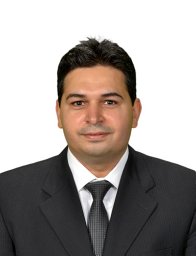 Elhanafi Sherif合作论文数Paul L. Foster School of Medicine, Texas Tech University13
 Max Julio Schmulson Wasserman合作论文数Facultad de Medicina, Universidad Nacional Autonoma de Mexico;Laboratorio de Hígado, Páncreas y Motilidad, Universidad Nacional Autonoma de Mexico13Aaron Shanker合作论文数12
 Tamis Bright合作论文数11
 Jesus Aguilar Diaz合作论文数11
 Alireza Sayyah合作论文数10
 Sharareh Moraveji合作论文数Washington Hospital Healthcare System;Physicians Medical Group of San Jose, Inc.10
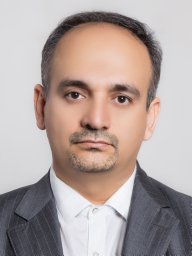 Mahdi Mahmoudi合作论文数Molecular Immunology Research Center, Tehran University of Medical Sciences10Torabi Alireza合作论文数9Ali Asad Hashtroudi合作论文数8
 Alejandro Robles合作论文数8
 Farhadi Elham合作论文数8Mina Ahmadi合作论文数Loqman-Hakim Hospital, Shahid Beheshti University of Medical Sciences8
 Babak Haghpanah合作论文数7
 Mohammad Taher合作论文数Dept Gastroenterol & Hepatol, Univ Tehran Med Sci7
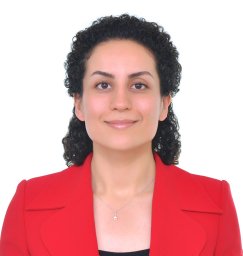 Hedayat Mona合作论文数School of Medicine, Tehran University of Medical Sciences7M Storr合作论文数7Abhizith Deoker合作论文数7Ben Alvarado合作论文数6Nagasri Shankar合作论文数6
 Ali Rezaie合作论文数University of California, Los Angeles;University of Calgary;Cedars-Sinai6Jakub Fichna合作论文数Dept Biochem, Med Univ Lodz6
 Christopher N. Andrews合作论文数6
 Mohammad Hossein Nicknam合作论文数School of Medicine, Tehran University of Medical Sciences6Natalia Vega合作论文数TTUHSC5
 Gian Galura合作论文数primary author of this manuscript.5Antonio Mendoza Ladd合作论文数5Nancy Casner合作论文数5Rooh-Allah Yegane合作论文数5
 Heather B Bradshaw合作论文数Program in Neuroscience, Florida State University5Solmaz Sigaroodi合作论文数4Ashraf Noureldin合作论文数4Laura Derbyshire合作论文数4Kandiah Raveendran合作论文数4Majd Michael合作论文数4Andrew J Ortega合作论文数4Somprakas Basu合作论文数4




