Abstract Epigenomic remodeling, such as changes in chromatin state, plays a crucial role in cancer biology by regulating gene expression changes that drive tumor progression, immune evasion, and the evolution of therapeutic resistance. Popular methods to study the epigenome include assay for transposase-accessible chromatin with sequencing (ATAC-seq) and chromatin immunoprecipitation sequencing (ChIP-seq). ATAC-seq only profiles open chromatin, missing critical details about the nature of accessible regions or silenced chromatin. ChIP-seq and its newer relative, cleavage under targets and tagmentation (CUT&Tag), provide more detailed information on chromatin states by targeting histone modifications with specific antibodies. ChIP-seq requires 106 cells to generate meaningful data—too high for precious samples. CUT&Tag offers higher sensitivity with 10-100x lower input and a significantly simplified workflow. When studying epigenetic changes in cancer, it is widely accepted that single-cell resolution is essential, given the complexity and heterogeneity of tumors and their microenvironment. Hence, there is a high demand to convert current epigenetic assays from bulk to single-cell resolution. In CUT&Tag, DNA is tagmented with a protein A/G-Tn5 fusion enzyme, which inserts sequencing adapters in situ for cell-specific labeling—enabling single-cell resolution. Some labs have experimented with single-cell CUT&Tag (scCUT&Tag), but here we present a novel, ready-to-use, validated method for automated, high-throughput scCUT&Tag. To assess drug induced changes in acetylation, we profiled H3K27ac patterns in thousands of single cells from a lung cancer cell line (A549 WT and A549 p53 KO) before and after epigenetic treatment (decitabine + panabinistat vs DMSO control). We observed global cell-type-specific acetylation in response to epigenetic therapy in both A549 WT and A549 p53 KO cells. When comparing scCUT&Tag data with single-cell total RNA-seq data we found that increased acetylation at gene promoters and enhancers correlated with increased gene expression, corroborating the observed changes in histone modification. In summary, the validated scCUT&Tag method provides a high-throughput, automated approach to identify genes regulated in response to epigenetic drug treatment of tumor cells at the single-cell level. Integrating this single-cell expression data provides deeper insight into cellular regulation, particularly in the context of drug responses in tumor cells. Citation Format: Shuwen Chen, Lisa Welter, Gilma Sevilla, Ploy Setthasap, Yana Ryan, Shiyi Yin, Alan Du, Jackson Peterson, Mike Covington, Mohammad Fallahi, Kazuo Tori, Bryan Bell, Bria Graham, Matt J. Meiners, Andrea L. Johnstone, Keith E. Maier, Martis W. Cowles, Bryan J. Venters, Michael Keogh, Xuan Qu, Colin McCornack, Ting Wang, Yue Yun, Andrew Farmer. Profiling histone modifications in single cells to gain insight into the effects of epigenetic drug treatment on tumor cells [abstract]. In: Proceedings of the American Association for Cancer Research Annual Meeting 2026; Part 1 (Regular Abstracts); 2026 Apr 17-22; San Diego, CA. Philadelphia (PA): AACR; Cancer Res 2026;86(7 Suppl):Abstract nr 3221.
Abstract RNA serves a central role in biology by converting genomic information into effector molecules, either as functional non-coding RNAs or as protein-coding mRNAs. While it has long been appreciated that complex RNA transcript profiles can be produced through alternative splicing, numerous discoveries have highlighted the essential role of alternative splicing in cell and developmental biology. Furthermore, aberrant splicing has recently been linked to diseases like cancer, neurodegeneration, and autoimmunity. Of particular interest, cancer-specific splice isoforms have emerged as a potential source of neo-antigens targetable by novel immune therapeutics. Thus, understanding the expression and function of RNA isoforms has become increasingly important in cancer biology research. A current limitation of long-read RNA sequencing (LR-RNA-seq) is the requirement of large amounts of input RNA, which can be unachievable for samples such as resected tumors or sorted single cells. Here, we describe SMART-Seq® mRNA Long Read kit, a new LR-RNA-seq library preparation technology that enables full-length RNA sequencing from single cells (∼10 pg RNA/cell) up to 100ng total RNA. In high-quality bulk RNA inputs, we demonstrate the ability to reliably sequence at an average read length (N50) of 2 kb and to detect full-length transcripts as long as 8 kb, enabling the discovery and quantification of novel mRNA isoforms in samples from both healthy tissues and cancer cells. Analysis of cancer cell lines with evolved resistance to targeted therapies identifies differential isoform usage associated with the evolution of cancer therapeutic resistance. We further describe an update to this technology, SMART-Seq® mRNA Long Read version 2, which expands the input range to 2µg, improves read-length performance, and enables UMI-based analysis. Comparison studies demonstrate that SMART-Seq mRNA Long Read technology substantially outperforms existing bulk and single-cell LR-RNA-seq methods. With PCR barcoding of up to 96 samples at a time, this technology will accelerate discovery as scientists catalog and study splice isoforms in both routine long read cDNA sequencing workflows and in settings where sample input is limited. Citation Format: Jackson Peterson, Yue Yun, Lisa Welter, Kazuo Tori, Alan Du, Yana Ryan, Ning Ma, Rachana Kumar, Shiyi Yin, Mike Covington, Shuwen Chen, Elena Shagisultanova, Mohammad Fallahi, Bryan Bell, Andrew Farmer. RNA isoform discovery and quantification with SMART-Seq® mRNA Long Read (v1 and v2) kits [abstract]. In: Proceedings of the American Association for Cancer Research Annual Meeting 2026; Part 1 (Regular Abstracts); 2026 Apr 17-22; San Diego, CA. Philadelphia (PA): AACR; Cancer Res 2026;86(7 Suppl):Abstract nr 1789.
Single-cell omics has been widely applied in oncology research for biomarker discovery, providing an in-depth understanding of cancer heterogeneity. While bulk sequencing methods lack the specificity afforded by single cell studies, single cell applications miss insights due to trade-offs for sensitivity at scale. Current high throughput single cell DNA-seq applications are limited to targeted sequencing approaches, while scaled single cell RNA-seq applications are limited to 3’ or 5’ end counting methods or only capture polyadenylated RNA transcripts. To address these challenges, we have developed a nanoliter dispensing instrument, library prep chemistries and a bioinformatics analyses suite that scales both single cell genomics and transcriptomics assays while maintaining whole genome and whole transcriptome coverage, respectively. To demonstrate the ability to scale a non-targeted single cell whole genome amplification (WGA) application, we applied our new WGA workflow to cancer cell lines and primary Clear Cell Renal Cell Carcinoma samples. The data revealed segmental aneuploidies and both germline and putative somatic variants in thousands of single cancer cells in a single day, at shallow sequencing depths of approximately 300,000 paired end reads per single cell. Addressing the limitation of scaled single-cell transcriptomic solutions, our new total RNA-seq workflow is capable of generating data on up to 100,000 single cells at a time in two days. We applied this high-throughput workflow on cancer cells treated and untreated with epigenetic therapy and selected 11,000 cells to reach a deeper sequencing depth. The results demonstrate the ability to identify new biomarkers through comprehensive profiling of both protein-coding and noncoding genes with full gene-body coverage, revealing significant expression differences across multiple RNA biotypes as well as identifying splice junction isoforms. Overall, our data highlights the advantages of complex and rich datasets generated from single-cell workflows, which, when paired with an unbiased, non-targeted approach, enable the discovery of novel genomic and transcriptomic events in oncology samples. Shuwen Chen, Peng Xu, Xuan Li, Joseph Liu, Yana Ryan, Kazuo Tori, Hima Anbunathan, Alan Du, Mike Covington, Raymond Mendoza, Samantha Leong, Tomoya Uchiyama, Mohammad Fallahi, Xuan Qu, Xiaoyun Xing, Bryan Bell, Patricio Espinoza, Ting Wang, Yue Yun, Andrew Farmer. Resolving tumor heterogeneity by uncovering novel genomic and transcriptomic events with a new scaled and automated workflow [abstract]. In: Proceedings of the American Association for Cancer Research Annual Meeting 2025; Part 2 (Late-Breaking, Clinical Trial, and Invited Abstracts); 2025 Apr 25-30; Chicago, IL. Philadelphia (PA): AACR; Cancer Res 2025;85(8_Suppl_2):Abstract nr LB047.
RNAs serve a central role in cellular biology by converting genomic information into effector molecules, either as mRNAs or directly functional RNAs. Measurement of RNA through RNA Sequencing has become an important method to understand biological processes. While it has been long appreciated that a vast diversity of RNA transcripts can be produced through alternative splicing, more recent work has defined a significant contribution of alternate and aberrant splicing to diseases like cancer, neurodegeneration, and autoimmunity. Thus, understanding the diversity of RNA transcripts is a key emerging topic in pathophysiology and biomarker discovery. Third-generation sequencing technologies provide the opportunity to sequence full-length cDNA without the need for fragmentation and hence provide a more complete picture of isoform structure and transcript abundance. However, a current limitation of long-read RNA sequencing (LR-RNA-seq) is the requirement for high input amounts of RNA that can be unachievable for some primary sample types, like RNA isolated from small amounts of tumor samples or sorted blood cancer cells. Here we describe a new LR-RNA-seq product enabling full-length RNA sequencing from single cells (∼10pg) up to 100 ng total RNA. With a 10ng total RNA input we demonstrate the ability to reliably sequence at an average length (N50) of 2kb and detection of full-length transcripts as long as 10kb. Performance at the single-cell level substantially outperforms existing single-cell LR-RNA-seq methods. Further, our data provides a more complete picture of isoform-specific changes compared to other commercially available technologies. With the ability to process up to 96 samples at a time, this technology will enable the processing of rare or valuable samples to uncover novel biomarkers beyond gene expression. Bryan Bell, Lisa Welter, Kazuo Tori, Jackson Peterson, Alan Du, Gilma Sevilla, Yana Ryan, Ploy Setthasap, Sherry Wei, Tomoya Uchiyama, Shiyi Yin, Mike Covington, Mohammad Fallahi, Saloni Pasta, Yue Yun, Andrew Farmer. Enabling long-read mRNA-seq for oncology biomarker discovery using limited clinical sample inputs [abstract]. In: Proceedings of the American Association for Cancer Research Annual Meeting 2025; Part 2 (Late-Breaking, Clinical Trial, and Invited Abstracts); 2025 Apr 25-30; Chicago, IL. Philadelphia (PA): AACR; Cancer Res 2025;85(8_Suppl_2):Abstract nr LB316.
Abstract Objective: Single-cell RNA-seq (scRNA-seq) analysis has been widely applied in oncology research for biomarker discovery. Although droplet-based methods are commonly used for such studies owing to their high throughput, they still miss important insights due to their lack of full-length transcript coverage. While full-length methods are available, to date, they have not been able to meet the throughput demands of many researchers. Moreover, both droplet and full-length scRNA-seq methods do not currently provide adequate readouts for non-coding genes, thereby limiting investigation of gene regulatory networks to protein coding genes. To close these gaps, we have developed a new high-throughput full-length scRNA-seq workflow that comprehensively profiles both protein-coding and non-coding genes in up to 60,000 cells within two days. Methods: Our new high-throughput workflow uses two rounds of combinatorial indexing, starting with a 96-well plate format for the first barcoding step followed by an automated second barcoding step in a 5,184-nanowell chip using an automated nanodispensing system. Initial testing demonstrated that our method could handle up to 60,000 cells without generating significant levels of doublets due to barcode collisions. To further illustrate the capacity of the new scRNA-seq approach, we profiled a total of approximately 11,000 isogenic A549 cells that either express WT TP53 or are TP53 null. In addition, both isogenic cell lines were treated with epigenetic therapy or mock treatment. Libraries were generated and sequenced using an Illumina® NextSeq®2000 sequencer. The sequencing data was then analyzed to define differential gene expression for both protein-coding and non-coding transcripts as a function of TP53 genotype and treatment condition, using Cogent™ NGS software. Results: Preliminary analysis showed that, on average, approximately 11,000 genes and 40,000 transcripts were detected per single cell at a read depth of 100,000 reads per cell. UMAP-based clustering confidently separated the cells according to their genotypes and treatment conditions using either protein-coding genes or non-coding genes. Furthermore, differential expression analysis identified both protein-coding and non-coding transcripts with significant expression differences, underscoring biological significance. Conclusion: Our new high-throughput full-length scRNA workflow enables preparation of high-quality full-length RNA-seq libraries for up to 60,000 cells with only two rounds of barcoding and shows high sensitivity and specificity in gene/transcript detection and quantification. The technology significantly improves the ability to identify new biomarkers by enabling comprehensive profiling of both protein-coding and non-coding full length transcripts. Citation Format: Peng Xu, Joseph Liu, Yana Ryan, Kazuo Tori, Xuan Li, Hima Anbunathan, Mike Covington, Tomoya Uchiyama, Mohammad Fallahi, Xuan Qu, Xiaoyun Xing, Ting Wang, Bryan Bell, Shuwen Chen, Yue Yun, Andrew Farmer. A novel, high-throughput full-length scRNA-seq workflow for improved biomarker discovery [abstract]. In: Proceedings of the American Association for Cancer Research Annual Meeting 2024; Part 1 (Regular Abstracts); 2024 Apr 5-10; San Diego, CA. Philadelphia (PA): AACR; Cancer Res 2024;84(6_Suppl):Abstract nr 316.
Abstract Objective: Genetic heterogeneity is a key factor underlying tumor drug resistance and metastatic potential. Understanding this heterogeneity is therefore vital to improving both prognosis and treatment. Next-generation sequencing is a valuable tool for analyzing the genetic makeup of tumors. However, bulk sequencing methods lack the sensitivity to fully resolve tumor heterogeneity. While single cell methods provide a powerful approach to dissect such heterogeneity, to date, these methods have been limited in their throughput. To address this bottleneck, we have developed a fully automated workflow for generating scDNA-seq libraries based on PicoPLEX® whole genome amplification (WGA) technology. This high-throughput method, which has been optimized on our ICELL8® cx Single-Cell System, enables the generation of WGA libraries for >1,000 single cells within one day. Methods: We first sought to demonstrate the ability of this new high-throughput method to generate WGA libraries of comparable quality to the standard PicoPLEX workflow in terms of genome coverage, GC bias, and other typical quality metrics. We additionally assessed copy number variant (CNV) detection sensitivity using two cell lines with well-characterized small segmental CNVs: GM22601 (~25Mb deletion on chromosome 4) and GM05067 (~45Mb gain on chromosome 9). We also analyzed a lymphoblastoid line (K562) that carries a range of chromosomal aneuploidies. A total of 1,288 single-cell WGA libraries were generated and sequenced to a depth of 250K paired-end reads per cell. Data analysis was done using the Ginkgo CNV pipeline with an average bin size of 500 kb. As a final proof of principal, we also generated single cell data using tumor and adjacent normal tissue from two clear cell renal cell carcinoma (ccRCC) samples. Results: Libraries generated using our high-throughput workflow had a high mapping rate, with 94.1% of the reads being uniquely mapped. Additionally, the libraries were comparable to those generated with the standard PicoPLEX workflow in terms of coverage uniformity, GC bias and other metrics. Moreover, the segmental aneuploidies in both GM22601 and GM05067 were reliably detected in >90% of cells at a read depth as low as 250,000 reads per cell. Analysis of the ccRCC samples revealed subclonal heterogeneity with various CNVs common to ccRCC, including deletion of chr. 3p, amplification of chr. 5q, and duplication of chr. 2. Conclusion: By adapting PicoPLEX technology to high throughput using the ICELL8 cx Single-Cell System, we have obtained single-cell WGA libraries from up to 1,200 cells at once and enabled the reliable detection of CNVs and tumor subclones at a shallow sequencing depth. In addition, by leveraging the automated nanoliter-dispensing capabilities of ICELL8 cx system this method provides a significant reduction in reagent use and labor compared to plate-based methods. Citation Format: Xuan Li, Raymond Mendoza, Samantha Leong, Hima Anbunathan, Mike Covington, Mohammad Fallahi, Bryan Bell, Shuwen Chen, Yue Yun, Andrew Farmer. Demystifying tumor heterogeneity with a fully automated, high-throughput single-cell DNA-Seq (scDNA-seq) workflow [abstract]. In: Proceedings of the American Association for Cancer Research Annual Meeting 2024; Part 1 (Regular Abstracts); 2024 Apr 5-10; San Diego, CA. Philadelphia (PA): AACR; Cancer Res 2024;84(6_Suppl):Abstract nr 318.
PDF file - 116K, Structure of the MCT1 inhibitors AR-C122982 (SR13800) and AR-C155858 (SR13801). Cell cycle analysis, viability, clonogenecity and lactate transport in the indicated cells treated with SR13800. Proliferation of MCF7 cells overexpressing MCT1 or MCT4.
Supplementary Figures 1-6 from Targeting Ornithine Decarboxylase Impairs Development of MYCN-Amplified Neuroblastoma
PDF file - 76K, Expression profiling, RNA-seq and MYC chromatin immunoprecipitation analyses of MCT1 in human P493-6 B cells. MCT1, MCT2, MCT3 and MCT4 mRNA levels in Raji BL and MCF7 breast cancer cells.
Supplemental figures, methods and tables. Figure S1 (related to Figure 1): YAP activity is required for NF2-null Schwann cell proliferation. Figure S2 (related to Figure 2): YAP is required for colony formation in vitro and tumor growth in vivo. Figure S3 (related to Figure 4): COX-2 activity is required for NF2-null Schwann cell growth. Figure S4 (related to Figure 5): SU6656 treatment suppresses EGFR activation. (A&B) Figure S5 (related to Figure 6): YAP activity increases the expression of COX-2 and AREG. Figure S6: Schematic model for the proposed role of YAP in NF2-null schwannoma cells. Table S1: Sequences of siRNAs Table S2: Primer Sequences for RT-PCR
PDF file - 728K, Immunohistochemistry analyses of MCT1 and MCT4, and survival and tumor analyses of Raji lymphoma and T47D breast cancer cell xenografts.
PDF file - 249K, Expression analysis of glycolytic genes in EMu-Myc B cells and lymphoma versus wild type B cells.
PDF file - 142K, MCT1 inhibition blocks glycolysis in Burkitt lymphoma cells, without affecting the steady state levels of glycolytic enzymes. Schematic of glutathione (GSH) metabolism and levels of components of glutamylcysteine ligase (GCL) in Raji BL cells treated with SR13800.
The aim of this study was to screen in vitro-fertilized embryos for aneuploidies via analysis of cfDNA in ESM samples using the Embgenix™ ESM Screen Kit to assess factors which could impact the concordance of this approach with preimplantation genetic testing for aneuploidy (PGT-A) from trophectoderm (TE) biopsy. Three sets of ESM samples were analyzed from a total of 95 embryos from two clinical sites. Embryos were cultured until Day 4, when each embryo was washed and transferred to a fresh media droplet and assisted hatching was performed on a subset of embryos. Embryos developed into mature blastocysts between Days 5–7. Prior to TE biopsy, ESM samples were collected and stored at –20°C or –80°C. Care was taken to collect the entire media droplet for each sample with minimal oil carryover, but for a subset of 12 embryos each sample was collected into two tubes so that the first tube contained ∼50% of the sample with minimal oil while the second tube contained the remainder with some oil carryover. cfDNA concentration and fragmentation were assessed for each sample prior to whole-genome amplification and library construction. Libraries were sequenced on an Illumina® MiSeq® and data was analyzed using Embgenix Analysis Software; results that failed quality control were excluded from further analysis. Corresponding ESM and TE biopsy-based PGT-A results were compared to assess the concordance of aneuploidy and sex determination across clinical sites, culture conditions, and collection protocols. ESM calls were categorized as euploid, mosaic (low/high), or aneuploid, while PGT-A results were reported as euploid, mosaic, or aneuploid. Clinical concordances for the three sample sets were 75%, 48%, and 60%, respectively, when mosaic and aneuploid ESM calls were categorized accordingly, and 75%, 57%, and 80%, when mosaic ESM calls were categorized as aneuploid. Sex concordances for the sample sets were 94%, 85%, and 80%, respectively. All 11 sex discordances involved samples called as male by PGT-A and female by ESM analysis, pointing to possible effects of maternal DNA contamination on the ESM results. Consistent with this possibility, 76% of the 42 ESM samples that yielded euploid calls were called female as compared to an frequency of 49% female calls by PGT-A. "Euploid female" ESM calls also accounted for 75% of discordant results involving non-mosaic calls. No differences in concordance were observed for assisted versus non-assisted hatching, and oil carryover did not affect data noisiness or concordance. Differences in concordance between ESM and PGT-A results were observed across sample sets but could not be attributed to factors such as oil carryover or assisted hatching. Additional studies are in progress to further elucidate these differences, but overrepresentation of female calls in the ESM results identifies maternal contamination as a likely driver of discordance and a focal point for refinement of ESM-based approaches.
PDF file - 78K, Effects of combined treatment of SR13800 and metformin on intracellular lactate and proliferation of Raji BL cells, and upon the proliferation of MCT1-expressing lymphoma and breast cancer cells.
PDF file - 366K, MYC, MCT1, MCT2, MCT3 and MCT4 mRNA levels in human tumors and survival analysis of human breast and lung cancer patients expressing high levels of both MYC and MCT1.
 John Cleveland合作论文数Department of Tumor Microenvironment and Metastasis, Moffitt Cancer Center30
 Chunying Yang合作论文数20Robert J Rounbehler合作论文数18
 Antonio Amelio合作论文数Department of Otolaryngology, School of Medicine, University of North Carolina at Chapel Hill;Cancer Center, Morsani College of Medicine;Department of Tumor Biology, H. Lee Moffitt Cancer Center and Research Institute, Inc17Li Weimin合作论文数16Joanne Doherty合作论文数13
 Chi Van Dang合作论文数School of Medicine, Johns Hopkins University12
 William R. Roush合作论文数Department of Chemistry, The Scripps Research Institute11Keziban Unsal-Kaçmaz合作论文数10
 Ganesh Kumar合作论文数10
 Jitendra Kumar Mishra合作论文数Medicinal and Process Chemistry Division, Central Drug Research Institute10Andrew A. Butler合作论文数10Andrea T. Hooper合作论文数10
 Mariola Tortosa合作论文数Consejo Superior de Investigaciones Científicas, Instituto de Química Orgánica General c/ Juan de la Cierva10
 Thomas D Bannister合作论文数Department of Medicinal Chemistry, Daiichi Asubio Medical Research Laboratories, LLC (DAIAMED),10
 Kristen E.N. Scott合作论文数9Genau Heide Marika合作论文数9Li Fangzheng合作论文数9
 Michael Cameron合作论文数Translational Research Institute, University of Florida;Department Of Molecular Medicine, University of Florida9Yunqi Lu合作论文数9
 Schaub Franz X合作论文数Department of Biomedicine, University Hospital Basel7
 Christian Peschel合作论文数7
 Ulrich Keller合作论文数Medical Department, Division of Hematology und Oncology, Charite – Universitatsmedizin Berlin;Max Delbrück Center for Molecular Medicine5Xuan Qu合作论文数4
 Anbunathan Hima合作论文数4
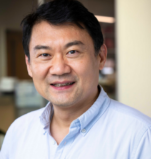 Ting Wang合作论文数Department of Genetics, Washington University School of Medicine in St. Louis;Center for Genome Sciences and Systems Biology, Washington University4
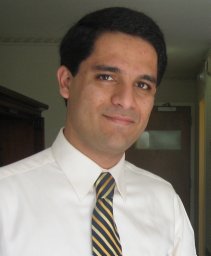 Hesaam Esfandyarpour合作论文数4A. Hoellein合作论文数3S. Schoeffmann合作论文数3Gian Franco Sferrazza合作论文数3Anthony eCarvalloza合作论文数3Maria Zajac-Kaye合作论文数3Gregory Ottenberg合作论文数3
 Hossein Moradi Shahrbabak合作论文数Univ Coll Agr & Nat Resources, Univ Tehran3J. Cleveland合作论文数3M. Jouzi合作论文数3Minghai Zhou合作论文数3
 Xiaoyun Xing合作论文数Washington Univ, Ctr Regenerat Med, Sch Med, St Louis, MO 63130 USA3
 Joseph L Kissil合作论文数Wistar Inst Anat & Biol3
 Corinne Lasmezas合作论文数3
 Smitha Kota合作论文数3Zhang Min合作论文数3
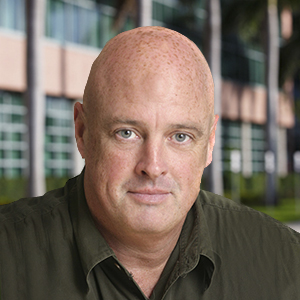 Howard T. Petrie合作论文数Department of Immunology and Microbiology, Scripps Research Institute;Division of Immunology, Department of Biomedical Sciences, Scripps Research Institute3
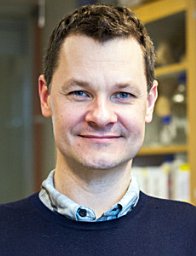 Jonas A Nilsson合作论文数University of Gothenburg3Troutman Scott合作论文数3
 Frederic J Kaye合作论文数Division of Hematology & Oncology, Department of Medicine, College of Medicine, University of Florida3
 Matthew D. Disney合作论文数Department of Chemistry, The Scripps Research Institute3
 Lizi Wu合作论文数Department of Molecular Genetics & Microbiology3R. Bryan Bell合作论文数3




