A novel series of 4,5-diphenyl-imidazole-indole-N-phenylacetamide derivatives (6a-m) was designed, synthesized, and evaluated for their inhibitory activities against α-glucosidase and acetylcholinesterase (AChE). Among the thirteen derivatives, nine were more potent than the standard α-glucosidase inhibitor (acarbose), and eleven showed higher potency than the standard AChE inhibitor (tacrine). The most effective compound against α-glucosidase was compound 6l, which demonstrated a 2.1-fold higher potency compared to acarbose. The best compound against AChE was compound 6j, which was 16.9-fold more potent than tacrine. Given that the compounds showed stronger inhibitory activity against AChE than against α-glucosidase, compound 6j, identified as the best AChE inhibitor, was selected for further investigation. Kinetic studies revealed that compound 6j is a competitive inhibitor of AChE. Molecular docking and dynamics simulations confirmed the stability of compound 6j within the active site of AChE. Additionally, compound 6j demonstrated no cytotoxicity at its effective dose against AChE in the normal cell line NIH-3T3, confirming its favorable safety profile at high concentrations.
A series of thirteen new 4-formyl-1,3-phenylene-bisoxy-bis(methylene)-bis(1,2,3-triazole-N-phenylacetamide) derivatives 8a-m were synthesized as potent α-glucosidase inhibitors. Compounds 8a-m were designed based on previously reported potent anti-α-glucosidase agents, and their in vitro assays against α-glucosidase demonstrated that the most potent compound among these compounds was significantly more potent than the template compounds. According to the in vitro assay, the most potent compound in this work, compound 8m, was 25 000-fold more potent than the standard inhibitor acarbose and 118.5-fold more potent than the best template used in its design. A kinetic study of compound 8m revealed that this compound is a competitive inhibitor of α-glucosidase. Molecular docking and dynamics studies were performed on this compound, which confirmed its interaction with the active site of α-glucosidase with a favorable binding energy.
To discover novel inhibitors for α-glucosidase, a new scaffold featuring a quinazolinone-thiophene skeleton was designed through molecular hybridization. Eighteen derivatives, 14a-f, 15a-f, and 19a-f, were synthesized from this scaffold. These compounds were tested against yeast α-glucosidase. The in vitro enzymatic assays showed that all but one of the new compounds were active against α-glucosidase. The most potent compound was 19d, which inhibited the activity 11.7 times more effectively than acarbose, a standard inhibitor. In vitro kinetic studies demonstrated that this compound is a competitive inhibitor. Furthermore, in silico docking studies showed that compound 19d interacts with key residues in the active sites of both homology-modeled yeast and human α-glucosidase with favorable binding energies. Additionally, molecular dynamics simulations indicated that 19d formed a stable complex with this enzyme. Density functional theory (DFT) calculations provided further insight into the potency of the lead compounds. Based on the in vitro results, the most potent compounds were further examined in silico for druglikeness, pharmacokinetics, and toxicity. These evaluations revealed that, in terms of druglikeness and pharmacokinetics, the new compounds were similar to acarbose, while they showed better toxicity profiles. Furthermore, the most potent compounds exhibited low cytotoxicity against normal NIH-3T3 cells.
A series of novel acetamide-indole-benzo[d]imidazole-carboxylic acid hybrids (8a-n) was designed based on the structural scaffolds of known protein tyrosine phosphatase 1B (PTP1B) and α-glucosidase inhibitors. Evaluation against PTP1B revealed that six compounds (8d, 8f-h, 8j, and 8l) exhibited superior inhibitory activity compared to the standard inhibitor suramin, while one derivative (8a) demonstrated comparable potency. The remaining compounds showed reduced efficacy relative to suramin. In contrast, only two compounds (8j and 8k) displayed marginally superior α-glucosidase inhibition compared to acarbose, while all other derivatives were less potent than the standard. Based on these results, subsequent investigations focused on the PTP1B inhibitory potential of this series. Kinetic analysis of the most potent compound, 8l, confirmed a competitive inhibition mechanism against PTP1B. Molecular docking studies of the most active compounds yielded binding modes consistent with the in vitro activity, and molecular dynamics simulations further verified the stable binding of compound 8l within the PTP1B active site, supporting its potential as a lead PTP1B inhibitor.
In this study, we report the synthesis, characterization, and enzyme inhibition effects of new thiosemicarbazone-indole-1,2,3-triazole-acetamide derivatives. All compounds were characterized by using NMR and FTIR spectroscopic and elemental analysis techniques. All new thiosemicarbazone-indole-1,2,3-triazole-acetamide derivatives (12a-q) were examined as potential inhibitors against acetylcholinesterase (AChE) and two key human carbonic anhydrases (hCA I and II), which are important in the treatment of Alzheimer’s disease. Enzymatic evaluations showed that all new compounds were more potent than the standard inhibitor tacrine against AChE, and most were more potent than the standard drug acetazolamide against carbonic anhydrases. Specifically, the best compound against AChE (12f) was 93.2-fold more potent than tacrine, while the best compounds against hCA I (12l) and hCA II (12m) were 2.4-fold and 2.3-fold more potent than acetazolamide, respectively. By molecular modeling study, compounds 12f, 12l, and 12m were placed into the active sites of AChE, hCA I, and hCAII, and the docking data agreed with the in vitro findings. Furthermore, molecular dynamics simulations demonstrated that compound 12f formed a stable complex with AChE.
A novel series of 5,6-diphenyl-1,2,4-triazine-3-yl-thioacetamide-chalcone hybrids (9a-n) was designed, synthesized, and evaluated for their antidiabetic potential. All derivatives exhibited potent in vitro α-glucosidase inhibitory activity (IC50 = 0.2-112 μM) compared with acarbose (IC50 = 750.0 μM). The most potent compound, 9b (IC50 = 0.2 μM), acted as a competitive inhibitor with a Ki value of 200 nM and demonstrated significant glucose-lowering activity in a zebrafish model. In addition, compound 9b effectively inhibited bovine serum albumin (BSA) glycation relative to aminoguanidine. Molecular docking and molecular dynamics revealed stable binding of compound 9b within the α-glucosidase active site, with a binding energy of -9.2 kcal/mol, compared with -4.04 kcal/mol for acarbose. According to the in silico ADMET analysis, compound 9b showed oral bioavailability comparable to acarbose, together with improved drug-like properties. Overall, these findings identify compound 9b as a promising lead α-glucosidase inhibitor with potent in vitro and in vivo antihyperglycemic activity, warranting further investigation for the treatment of type 2 diabetes.
α-Glucosidase is a key therapeutic target for treating type 2 diabetes mellitus. A new series of novel diazene-tri(phenoxy-1,2,3-triazole-acetamide) derivatives 9a-p was designed by hybridizing previously reported potent α-glucosidase inhibitors. The target compounds were successfully synthesized and structurally characterized by 1H NMR, 13C NMR, and elemental analysis. All synthesized compounds were evaluated for their anti-α-glucosidase efficacy and exhibited excellent inhibitory effects, with IC50 values ranging from 0.10 to 10.9 µM, which are approximately 69- to 7500-fold more potent than the reference drug acarbose (IC50 = 750.0 µM). Among this series, compound 9f showed the most potent activity. Kinetic enzyme assays revealed that compound 9f acts as a competitive inhibitor of α-glucosidase, competing with the natural substrate for binding to the active site, with a K i value of 100 nM. To gain mechanistic insight into the binding mode and the stability of the inhibitor-enzyme complex, molecular docking and molecular dynamics (MD) simulations were performed for compound 9f in the α-glucosidase active site. Furthermore, pharmacokinetic predictions using SwissADME and admetSAR showed that compound 9f exhibits a bioavailability radar and drug-likeness profile similar to that of acarbose. Based on the promising in vitro and in silico results, compound 9f represents a valuable lead compound for further structural optimization and development of efficient and potent new α-glucosidase inhibitors.
Due to the presence of pyridine, coumarin, and chroman heterocycles in the potent α-glucosidase inhibitors, here, these heterocycles were fused together and 14 derivatives 8a-n were synthesized of this fused structure. After synthesis, new chroman-pyridine-coumarin derivatives 8a-n were evaluated against yeast form of α-glucosidase and after determination of the most potent compound, kinetic study was performed on it. In vitro enzymatic inhibition assay showed that all the new compounds 8a-n were more potent than used standard inhibitor (acarbose) and the most potent compounds, were compounds 8e and 8d with inhibitory activities around 20.7 folds more than standard inhibitor. In vitro kinetic study demonstrated that these compounds, like standard inhibitor, were competitive inhibitors. In silico docking and dynamics studies on the most potent compounds showed that these compounds formed stable complexes with the active site of α-glucosidase.
Focal adhesion kinase 1 (FAK1) is a non-receptor tyrosine kinase involved in cancer metastasis and tumor progression. Due to its role in regulating cell migration and survival, FAK1 is considered a promising target for cancer therapy. While large chemical databases such as ZINC offer a wide variety of molecules, many of them have not yet been explored as potential FAK1 inhibitors.In this study, we applied several computational methods to identify new inhibitors of the FAK1 kinase domain. Pharmacophore models were built based on the FAK1–P4N complex (PDB ID: 6YOJ), and the most statistically reliable model was used to screen compounds from the ZINC database. Hits were first docked using AutoDock Vina in PyRx, and seventeen compounds with acceptable pharmacokinetic properties and low predicted toxicity were selected for more precise docking via SwissDock. Four promising candidates—ZINC23845603, ZINC44851809, ZINC266691666, and ZINC20267780—were chosen for molecular dynamics (MD) simulations using GROMACS. The stability and behavior of each protein–ligand complex were examined, and binding free energies were calculated using the MM/PBSA method. Among them, ZINC23845603 showed strong binding and interaction features similar to the known ligand P4N. Given its favorable binding energy and pharmacokinetic profile, ZINC23845603 may be a good candidate for further experimental studies targeting FAK1.
In this work, 1-phenyl-β-carboline-3-carboxamide-1,2,3-triazole-N-phenylacetamide skeleton as a novel scaffold was designed based on hybridization of moieties that were found in the potent α-glucosidase inhibitors. Fourteen derivatives 14a-n of this scaffold were synthesized by the efficient chemical reactions. In vitro anti-α-glucosidase assay demonstrated that all the new fourteen derivatives with IC50 values ranging from 64.0 to 661.4 µM were more potent than positive control acarbose with IC50 value of 750.0 and in vitro kinetic study revealed that the most potent compound among them, compound 14b, was an uncompetitive α-glucosidase inhibitor. Moreover, determination of the circular dichroism (CD) spectra demonstrated that compound 14b altered the secondary structure of α-glucosidase. Prediction of the pharmacokinetics and toxicity of the most potent compound 14b showed that our new compound had good toxicity profile as an oral drug candidate. Based on these findings, compound 14b can be considered as a promising candidate for the development of a new α-glucosidase inhibitor.
The present study demonstrated the design and synthesis of sulfonamide-1,2,3-triazole-acetamide derivatives 11a-o and screening against urease in vitro and in silico. These compounds were designed based on reported potent urease inhibitors and optimized structurally based on substituents on acetamide moiety. In vitro studies showed that all the new compounds 11a-o (IC50 values = 0.12-4.53 µM) were more potent than stand inhibitor thiourea (IC50 value = 23.76 µM). In this regard, the most potent compounds were N-phenylacetamide derivatives 11b, 11f, and 11 h with 2-methyl, 4-methoxy, and 2-fluoro substituents, respectively. In this regard, the most potent compound 11b was 198-folds more potent than thiourea against urease. In silico studies demonstrated that this compound with the binding energy less than thiourea attached to the urease's active site. Druglikeness, pharmacokinetics, and toxicity of compound 11b and thiourea were predicted by two credible online servers. These in silico studies showed that, in terms of druglikeness and pharmacokinetics, compound 11b was almost similar to thiourea while in term of toxicity, compound 11b was better than thiourea.
alpha-Glucosidase inhibitory activity of galbanic acid and its new amide derivatives 3a-n were investigated. Galbanic acid and compounds 3a-n showed excellent anti-alpha-glucosidase activity with IC50 values ranging from 0.3 +/- 0.3 mu M to 416.0 +/- 0.2 mu M in comparison to positive control acarbose with IC50 value of = 750.0 +/- 5.6. In the kinetic study, the most potent compound 3h demonstrated a competitive mode of inhibition with Ki = 0.57 mu M. The interaction of the most potent compound 3h with the alpha-glucosidase was further elaborated by in vitro Circular dichroism assessment and in silico molecular docking and Molecular dynamics studies. Compound 3h was also non-cytotoxic on human normal cells. In silico study on pharmacokinetics and toxicity profile of the most potent galbanic acid derivatives demonstrated that these compounds are valuable lead compounds for further study in order to achieve new anti-diabetic agents.
In this work, a novel series of quinoline-thiosemicarbazone-1,2,3-triazole-aceamide derivatives 10a-n as new potent alpha-glucosidase inhibitors was designed, synthesized, and evaluated. All the synthesized derivatives 10a-n were more potent than acarbose (positive control). Representatively, (E)-2-(4-(((3-((2-Carbamothioylhydrazineylidene)methyl)quinolin-2-yl)thio)methyl)-1H-1,2,3-triazol-1-yl)-N-phenethylacetamide (10n), as the most potent entry, with IC50 = 48.4 mu M was 15.5-times more potent than acarbose. According to kinetic study, compound 10n was a competitive inhibitor against alpha-glucosidase. This compound formed the desired interactions with important residues of the binding pocket of alpha-glucosidase with favorable binding energy in the molecular docking and molecular dynamics. Compounds 10n, 10e, and 10 g as the most potent compounds among the synthesized compounds were evaluated in term of pharmacokinetics and toxicity via online servers. These evaluations predicted that compounds 10n, 10e, and 10 g had good pharmacokinetic properties and toxicity profile.
Abstract In this work, a novel series of N-phenylacetamide-1,2,3-triazole-indole-2-carboxamide derivatives 5a–n were designed by consideration of the potent α-glucosidase inhibitors containing indole and carboxamide-1,2,3-triazole-N-phenylacetamide moieties. These compounds were synthesized by click reaction and evaluated against yeast α-glucosidase. All the newly title compounds demonstrated superior potency when compared with acarbose as a standard inhibitor. Particularly, compound 5k possessed the best inhibitory activity against α-glucosidase with around a 28-fold improvement in the inhibition effect in comparison standard inhibitor. This compound showed a competitive type of inhibition in the kinetics. The molecular docking and dynamics demonstrated that compound 5k with a favorable binding energy well occupied the active site of α-glucosidase.
In this work, we have reported the design, synthesis, in vitro, and in silico enzymatic evaluation of new bis-4-hydroxycoumarin-based phenoxy-1,2,3-triazole-N-phenylacetamide derivatives 5a-m as potent α-glucosidase inhibitors. All the synthesized analogues showed high inhibition effects against α-glucosidase (IC50 values ranging between 6.0 ± 0.2 and 85.4 ± 2.3 µM) as compared to the positive control acarbose (IC50 = 750.0 ± 0.6 µM). Among the newly synthesized compounds 5a-m, 2,4-dichloro-N-phenylacetamide derivative 5i with inhibition effect around 125-folds more than the acarbose was identified as the most potent entry. A structure–activity relationship (SAR) study about the title compounds 5a-m demonstrated that the inhibition effects of these compounds depend on the pattern of substitution on the N-phenylacetamide ring. The interaction modes and binding energies in the active site of enzyme of the important analogues (in term of SAR study) were evaluated through molecular docking study. Molecular dynamics and prediction of pharmacokinetic properties and toxicity of the most potent compound 5i also evaluated and the obtained data was compared with the acarbose.
In our effort directed toward the development of novel alpha-glucosidase inhibitors by molecular hybridization theory, a novel series of 2-amino-4-phenylthiazole-indole hybrids 7a-l was designed, synthesized, and evaluated. Our in vitro results demonstrated that all these compounds (7a-l) were more potent than positive control acarbose. Kinetic study of the most active entry (compound 7i) was also carried out to determine the mode of inhibition. The latter study revealed that compound 7i was a competitive inhibitor against alpha-glucosidase. Furthermore, the binding interaction modes of the most active compounds within the alpha-glucosidase active site were studied by molecular docking. Moreover, molecular dynamics of compound 7i was also carried out in order to determine the stability of complex compound 7i-alpha-glucosidase. The in silico pharmacokinetics and toxicity studies of the most potent compounds predicted that these compounds can be consider as useful lead structures to obtain new anti-diabetic agents.
α-Glucosidase as a carbohydrate-hydrolase enzyme is a crucial therapeutic target for type 2 diabetes. In this work, benzo[d]imidazole-amide containing 1,2,3-triazole- N -arylacetamide derivatives 8a–n were synthesized and evaluated for their inhibitory activity against α-glucosidase. In vitro α-glucosidase inhibition assay demonstrated that more than half of the title compounds with IC 50 values in the range of 49.0–668.5 μM were more potent than standard inhibitor acarbose (IC 50 = 750.0 µM). The most promising inhibitor was N -2-methylphenylacetamid derivative 8c . Kinetic study revealed that compound 8c (K i = 40.0 µM) is a competitive inhibitor against α-glucosidase. Significantly, molecular docking and molecular dynamics studies on the most potent compound showed that this compound with a proper binding energy interacted with important amino acids of the α-glucosidase active site. Study on cytotoxicity of the most potent compounds 8c , 8e , and 8g demonstrated that these compounds did not show cytotoxic activity against the cancer and normal cell lines MCF-7 and HDF, respectively. Furthermore, the ADMET study predicted that compound 8c is likely to be orally active and non-cytotoxic.
In this work, a new series of quinoline–quinazolinone–thioacetamide derivatives 9a–p were designed using a combination of effective pharmacophores of the potent α-glucosidase inhibitors.
An important target in the treatment of type 2 diabetes is α-glucosidase. Inhibition of this enzyme led to delay in glucose absorption and decrease in postprandial hyperglycemia. A new series of phthalimide-phenoxy-1,2,3-triazole- N -phenyl (or benzyl) acetamides 11a – n were designed based on the reported potent α-glucosidase inhibitors. These compounds were synthesized and screened for their in vitro inhibitory activity against the latter enzyme. The majority of the evaluated compounds displayed high inhibition effects (IC 50 values in the range of 45.26 ± 0.03–491.68 ± 0.11 µM) as compared to the positive control acarbose (IC 50 value = 750.1 ± 0.23 µM). Among this series, compounds 11j and 11i represented the most potent α-glucosidase inhibitory activities with IC 50 values of 45.26 ± 0.03 and 46.25 ± 0.89 µM. Kinetic analysis revealed that the compound 11j is a competitive inhibitor with a K i of 50.4 µM. Furthermore, the binding interactions of the most potent compounds in α-glucosidase active site were studied through molecular docking and molecular dynamics. The latter studies confirmed the obtained results through in vitro experiments. Furthermore, in silico pharmacokinetic study of the most potent compounds was also performed.
 Mohammad Mahdavi合作论文数14
 Somayeh Mojtabavi合作论文数Dept Pharmaceut Biotechnol, Univ Tehran Med Sci13
 Mohammad Ali Faramarzi合作论文数Department of Pharmaceutical Biotechnology, Faculty of Pharmacy, Tehran University of Medical Sciences, Tehran 14174, Iran13
 Mohammadi-Khanaposhtani Maryam合作论文数Faculty of Pharmacy, Tehran University of Medical Sciences10
 Bagher Larijani合作论文数Tehran University of Medical Science10Mohammad Hosein Sayahi合作论文数University College of Science, University of Tehran8Milad Noori合作论文数6
 Hadi Parsian合作论文数Department of Biochemistry and Biophysics, University of Medical Sciences6
 Dariush Moslemi合作论文数Shahid Rajace Hospital, Babol University of Medical Sciences6
 Ali Moazzam合作论文数Endocrinol & Metab Clin Sci Inst, Univ Tehran Med Sci5Reyhaneh Sariri合作论文数5
 S Mohsen Asghari合作论文数Faculty of Biological Sciences, Tarbiat Modares University5Navid Dastyafteh合作论文数4Majid Alikhani合作论文数3Ahmad Shahabi合作论文数3
 Farshid Yeganeh合作论文数3Nasli Esfahani Ensieh合作论文数Endocrinology and Metabolism Clinical Sciences Institute, Tehran University of Medical Sciences;Endocrinology and Metabolism Research Institute, Tehran University of Medical Sciences;Tehran University of Medical Sciences, Tehran University of Medical Sciences3
 Massoud Amanlou合作论文数Medicinal Chemistry and Drug Design & Development Research Center, Faculty of Pharmacy, Tehran University of Medical Sciences3
 Mehdi Asadi合作论文数Concordia University Montréal3
 Samanesadat Hosseini合作论文数3Zivar Salehi合作论文数Faculty of Medicine, Islamic Azad University – Tonekabon Branch3
 Roghieh Mirzazadeh合作论文数3Hossein Rastegar合作论文数2Minoo Khalili Ghomi合作论文数2Sajedeh Safapoor合作论文数2
 Rozita Yazzaf合作论文数2Faeze Yousefnejad合作论文数2Mehdi Alizadeh合作论文数2
 Mehdi Emadi合作论文数Elect & Comp Engn Dept, Babol Noshirvani Univ Technol2
 Mollasalehi Hamidreza合作论文数Institute of Biochemistry and Biophysics, University of Tehran2
 Ebrahim Zabihi合作论文数2Afsaneh Zonouzi合作论文数Department of Chemistry, University of Tarbiat Modarres2Azadeh Fakhrioliaei合作论文数1
 Reza Azarbad合作论文数1Mahtab Rahmani Gavanrudi合作论文数1Fateme Gholami合作论文数1Mahyar Mohammadi-Moghadam-Goozali合作论文数1Mohammad Mohammadi合作论文数1
 Aynaz Khademian合作论文数1Samira Zarei合作论文数1Meysam Talebi合作论文数1
 Zahra Rezaei合作论文数School of Pharmacy, Shiraz University of Medical Sciences1
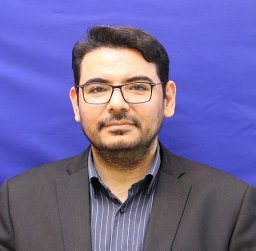 Mohammad-Reza Delnavazi合作论文数Faculty of Pharmacy, Tehran University of Medical Sciences1
 Hamed A. Ghramh合作论文数Faculty of Science, King Khalid University1Ahaki Moheb合作论文数1
 Mehdi Rassa合作论文数1
 Zahmatkesh Rasoul合作论文数1Soleimani Zahra合作论文数1
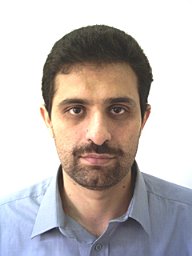 Moghadamnia Ali Akbar合作论文数Faculty of Pharmacology, Babol University of Medical Sciences1




