This paper emphasizes the need for more integrated research approaches when studying harmful algal blooms (HABs). Single-species research on HAB-forming algae provides important insights but fails to account for the interactions between Multiple species and their surrounding ecosystems, which is critical to understanding HAB dynamics, including HAB mitigation. To enhance our understanding of complex ecological phenomena and management of HABs, we emphasize approaches like multi-species field-based experiments, big data analysis and ecological modelling, and real-time monitoring, complemented by remote sensing that better represent actual natural environmental conditions, drivers, abiotic and biotic interactions.
Assessing heavy metal bioavailability and toxicity during bioprocess is critical for advancing green biotech-nology. The capability of whole-cell bioreporters to measure heavy metal bioavailability has been increasingly recognized. The advantages of this technology being applied to bioprocess monitoring are less studied. Here we investigate the potential of a cadmium-and lead-sensitive bioreporter to be used for heavy metals as a class, which holds great interest for bioprocess applications. We evaluated the bioavailability of eight individual heavy metals with bioreporter zntA, as well as the bioavailability and toxicity of mixed metals. The bioavailability and toxicity of heavy metals in bioprocess samples were also evaluated. We have demonstrated for the first time that the zntA bioreporter can effectively detect the bioavailability of zinc, nickel, and cobalt with limit of detection lower than 0.01, 0.08 and 0.5 mg.L-1, respectively. The detection limits meet the requirements of the WHO, the U.S. Environmental Protection Agency, and the China drinking water quality standards, which makes this approach reasonable for monitoring heavy metal bioavailability in bioprocess. LIVE/DEAD toxicity experiments have been conducted for the detection of mixed metal solution toxicity to zntA bioreporter which shows an EC50 (as EC50, concentration for 50% of maximal effect) value of mixed metal solution is 3.84 mg.L-1. Samples from wastewater treatment plants, sludge treatment plants and kitchen waste fermentation processes were analyzed to extend upon the laboratory results. The results of this study confirm the potential for practical applications of bioreporter technology in bioprocess monitoring. In turn, development for such practical applications is key to achieve the necessary level of commercialization to further make the routine use of bioreporters in bioprocess monitoring feasible.
INTRODUCTION:Chemical contamination and pollution are an ongoing threat to human health and the environment. The concern over the consequences of chemical exposures at the global level continues to grow. Because resources are constrained, there is a need to prioritize interventions focused on the greatest health impact. Data, especially related to chemical exposures, are rarely available for most substances of concern, and alternate methods to evaluate their impact are needed. STRUCTURED EXPERT JUDGMENT (SEJ) PROCESS:A Structured Expert Judgment (Research Outreach, 2021) process was performed to provide plausible estimates of health impacts for 16 commonly found pollutants: asbestos, arsenic, benzene, chromium, cadmium, dioxins, fluoride, highly hazardous pesticides (HHPs), lead, mercury, polycyclic-aromatic hydrocarbons (PAHs), polychlorinated biphenyls (PCBs), Per- and Polyfluorinated Substances (PFAs), phthalates, endocrine disrupting chemicals (EDCs), and brominated flame retardants (BRFs). This process, undertaken by sector experts, weighed individual estimations of the probable global health scale health impacts of each pollutant using objective estimates of the expert opinions' statistical accuracy and informativeness. MAIN FINDINGS:The foremost substances, in terms of mean projected annual total deaths, were lead, asbestos, arsenic, and HHPs. Lead surpasses the others by a large margin, with an estimated median value of 1.7 million deaths annually. The three other substances averaged between 136,000 and 274,000 deaths per year. Of the 12 other chemicals evaluated, none reached an estimated annual death count exceeding 100,000. These findings underscore the importance of prioritizing available resources on reducing and remediating the impacts of these key pollutants. RANGE OF HEALTH IMPACTS:Based on the evidence available, experts concluded some of the more notorious chemical pollutants, such as PCBs and dioxin, do not result in high levels of human health impact from a global scale perspective. However, the chemical toxicity of some compounds released in recent decades, such as Endocrine Disrupters and PFAs, cannot be ignored, even if current impacts are limited. Moreover, the impact of some chemicals may be disproportionately large in some geographic areas. Continued research and monitoring are essential; and a preventative approach is needed for chemicals. FUTURE DIRECTIONS:These results, and potential similar analyses of other chemicals, are provided as inputs to ongoing discussions about priority setting for global chemicals and pollution management. Furthermore, we suggest that this SEJ process be repeated periodically as new information becomes available.
The X-Press Pearl disaster illustrates the urgent needs for streamlined environmental impact assessment to inform decision making. The environmental contamination caused by the disaster is complex, and the biological impact of different environmental stressors, and at different biological scales, needs to be determined. Traditional methods for analyzing complex environmental stressors are often inefficient and do not reflect the biological impact of pollution. The combination of chemical stressors and biological impacts is the key to environmental impact assessment based on integrated monitoring. Whole-cell bioreporters are tools for rapid, efficient and quantitative detection of the bioavailability, stressor effects, and toxicity of pollutants, i.e., spanning a wide range of applications. Here we propose the view that using whole-cell bioreporter technology to streamline short-term environmental impact assessment for maritime disasters such as the X-Press Pearl is more fit-for-purpose/practical than other approaches in use.
Many aspects of the X-Press Pearl disaster contribute to the complexity of assessing disaster environmental impacts. This chapter considers the X-Press Pearl disaster, and others like it, that will inevitably occur with greater frequency in future, from the context of impact assessment, specifically, the need to link biological impacts to antecedent hazards. The chapter begins with a short discussion of the role of Environmental Impact Assessment in environmental management and decision support, outlining terms and concepts with emphasis on a weight-of-evidence approach. Next, the importance of monitoring planning and the need for integrated monitoring to support impact assessment is considered. Integrated monitoring enables the formation of causal links, demonstrating how the presence of stressors results in adverse biological impacts. This section considers how a suite of measurements are used to forge links between stressors and biological effects at different levels of biological organization ranging from subcellular to organism and ecosystem levels, and how monitoring planning is affected to collect appropriate data to fulfill weight-of-evidence requirements. Subsequently, analytical methods that produce data to link chemical and biological stressors are reviewed. These include integrated sampling and tissue chemistry and measurement of biological effects including methods for subcellular effects, tissue-response effects, whole-organism effects, and population and community/ecosystem effects. The chapter closes with reflections on what is needed to address the X-Press Pearls of the future, which, due to the growth of global shipping, are inevitable. Since most countries of the world are not prepared to deal with disasters of such magnitude, the X-Press Pearl disaster should serve as a global call to action.
 Xiaokai Zhang (张小凯)合作论文数School of Environment and Civil Engineering, Jiangnan University33
 Boling Li合作论文数27
 Boris Tefsen合作论文数VU University Medical Center, Free University Hospital12
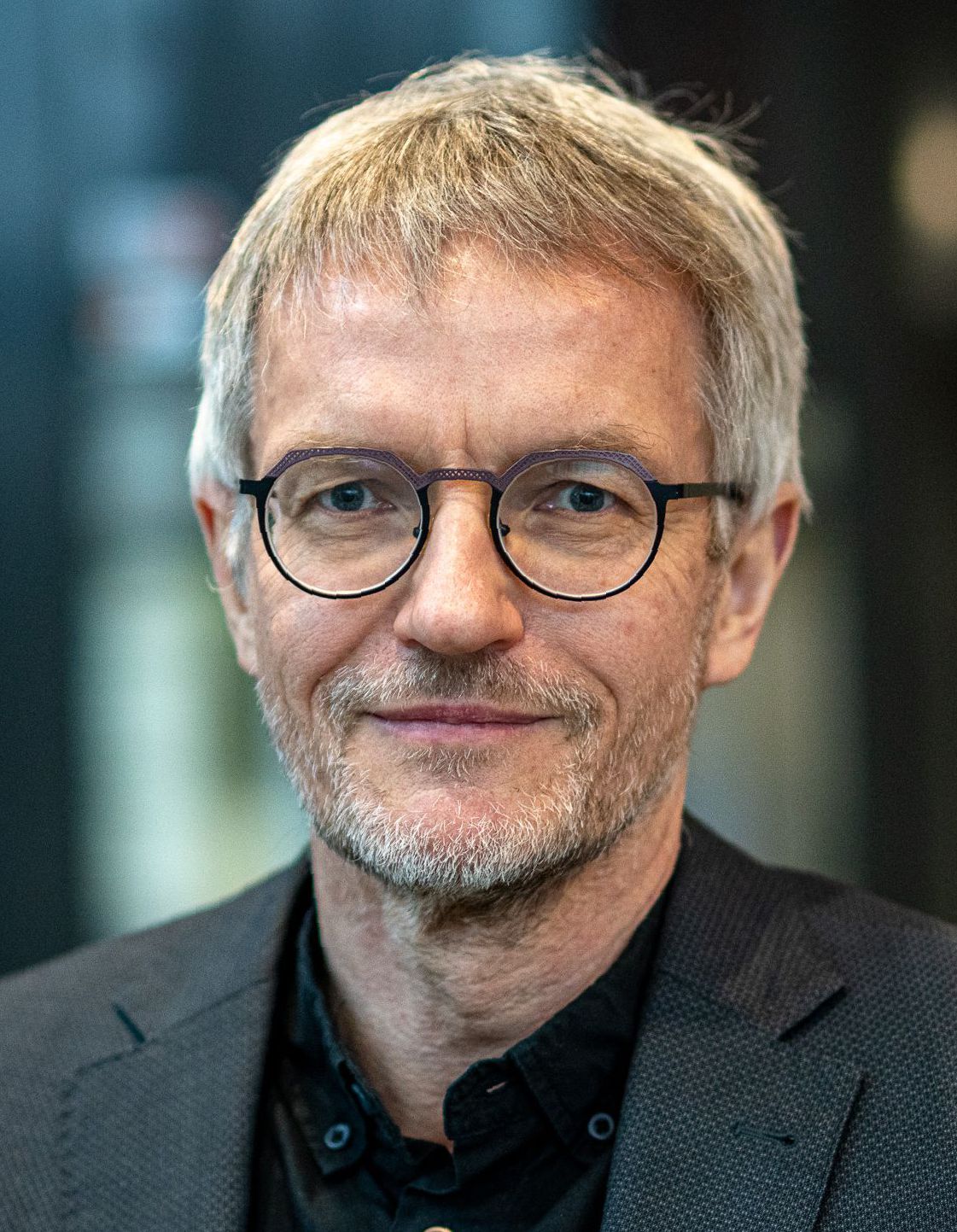 Hauke Harms合作论文数University of Leipzig;Department of Environmental Microbiology, Helmholtz Centre for Environmental Research, UFZ11
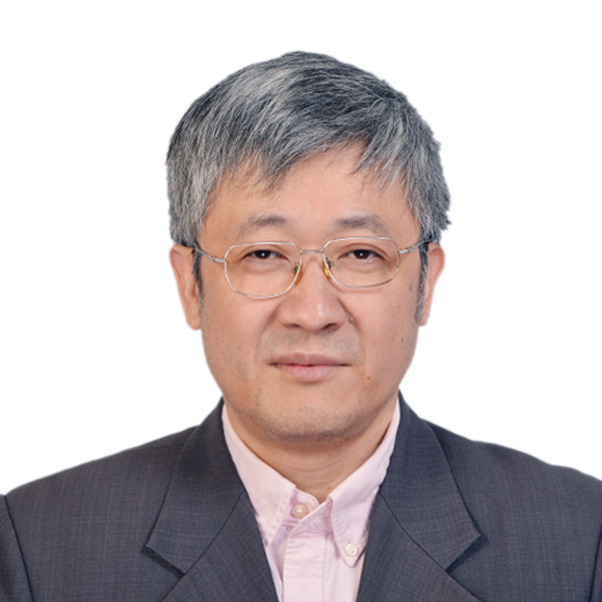 Boqiang Qin (秦伯强)合作论文数Nanjing Institute of Geography and Limnology, Chinese Academy of Sciences9
 Jan van der Meer合作论文数Department of Fundamental Microbiology, Faculty of Biology and Medicine, University of Lausanne8
 Richard M. Crooks合作论文数Department of Chemistry, The University of Texas at Austin7
 Robert Lucchese合作论文数Chemical Sciences Division, Lawrence Berkeley National Laboratory7
 Jianming Deng (邓建明)合作论文数Nangjing Institute of Geography & Limnology, Chinese Academy of Sciences;University of Chinese Academy of Sciences6
 Antonio J. Ricco合作论文数NASA Ames Research Center/Dublin City University6
 Sylvia Gertrud Sander合作论文数Department of Chemistry, University of Otago/International Atomic Energy Agency4
 Zhenyu Wang (王震宇)合作论文数School of Environment & Ecology, Jiangnan University4
 Merlin Bruening合作论文数Department of Chemical and Biomolecular Engineering, College of Science, University of Notre Dame4
 David Bergbreiter合作论文数Department of Chemistry, Texas A&M University4
 D. Ronen合作论文数3
 Halambage Upul D合作论文数Department of Pathology, Microbiology and Immunology, Vanderbilt University School of Medicine3Yuefen Zhou合作论文数3Mordeckai Magaritz合作论文数3Abraham J. Amiel合作论文数3
 Wasana Senevirathna合作论文数3
 Robin Tecon合作论文数Department of Fundamental Microbiology, University of Lausanne3M Gosch合作论文数2Dl Dermody合作论文数2
 Jiang Mengyuan合作论文数2Hc Yang合作论文数2
 Sabry Mohamed Nesiem Shaheen合作论文数Department of Soil- and Groundwater- Management, School of Architecture and Civil Engineering, University of Wuppertal;Laboratory of Soil‐ and Groundwater‐Management, Institute of Foundation Engineering, Waste- and Water-Management, School of Architecture and Civil Engineering, University of Wuppertal;Department of Soil & Water Sciences, Faculty of Agriculture, Kafrelsheikh University2Lukas Y Wick合作论文数2
 Hai Xu (徐海)合作论文数School of Earth System Science, Tianjin University2
 Yi Zhu (朱宜)合作论文数College of Water Sciences, Beijing Normal University2
 Shimshon Belkin合作论文数The Alexander Silberman Institute of Life Science, Hebrew University of Jerusalem2
 Hailong Wang (王海龙)合作论文数College of Civil Engineering and Architecture, Zhejiang University2
 Zheng Chen (陈铮)合作论文数School of Public Health and Management, Wenzhou Medical University2
 Rudolf Rigler合作论文数Department of Medical Biophysics, Karolinska Institute, S-171 77 Stockholm, Sweden/Department of Clinical Neuroscience (CNS), Sweden2
 Bin Gao合作论文数Department of Civil and Environmental Engineering, School of Engineering, Rensselaer Polytechnic Institute2
 Meththika Vithanage合作论文数GEUS;The University of Western Australia2
 Kristen N Buck合作论文数Department of Ocean Sciences, University of California Santa Cruz2Laetitia Adelard合作论文数Laboratoire de Génie Industriel, Université de La Réunion2
 Theo Lasser合作论文数BM 5143 (Btiment BM), Station 17, 1015 Lausanne, Switzerland2r j clougherty合作论文数2
 Jörg Rinklebe合作论文数School of Architecture and Civil Engineering, University of Wuppertal;Fakultät für Architektur und Bauingenieurwesen, University of Wuppertal2
 Tjalfe G Poulsen合作论文数Dept Chem & Biotechnol, Aalborg Univ2
 Lilian Corra合作论文数1SK Botting合作论文数1
 Amalia Laborde合作论文数1Daniel L. Dermody合作论文数1Huey C. Yang合作论文数1Matthew Mancuso合作论文数1Deshai Botheju合作论文数1David R. Turner合作论文数1




