Incidence rates of colorectal cancer vary geographically and have changed over time1. Notably, in the past two decades, the incidence of early-onset colorectal cancer, which affects individuals below 50 years of age, has doubled in many countries2-5. The reasons for this increase are unknown. Here we investigate whether mutational processes contribute to geographic and age-related differences by examining 981 colorectal cancer genomes from 11 countries. No major differences were found in microsatellite-unstable cancers, but variations in mutation burden and signatures were observed in the 802 microsatellite-stable cases. Multiple signatures, most with unknown aetiologies, exhibited varying prevalence in Argentina, Brazil, Colombia, Russia and Thailand, indicating geographically diverse levels of mutagenic exposure. Signatures SBS88 and ID18, caused by the bacteria-produced mutagen colibactin6,7, had higher mutation loads in countries with higher colorectal cancer incidence rates. SBS88 and ID18 were also enriched in early-onset colorectal cancers, being 3.3 times more common in individuals who were diagnosed before 40 years of age than in those over 70 years of age, and were imprinted early during colorectal cancer development. Colibactin exposure was further linked to APC driver mutations, with ID18 being responsible for about 25% of APC driver indels in colibactin-positive cases. This study reveals geographic and age-related variations in colorectal cancer mutational processes, and suggests that mutagenic exposure to colibactin-producing bacteria in early life may contribute to the increasing incidence of early-onset colorectal cancer.
International differences in the incidence of many cancer types indicate the existence of carcinogen exposures that have not yet been identified by conventional epidemiology make a substantial contribution to cancer burden 1 . In clear cell renal cell carcinoma, obesity, hypertension and tobacco smoking are risk factors, but they do not explain the geographical variation in its incidence 2 . Underlying causes can be inferred by sequencing the genomes of cancers from populations with different incidence rates and detecting differences in patterns of somatic mutations. Here we sequenced 962 clear cell renal cell carcinomas from 11 countries with varying incidence. The somatic mutation profiles differed between countries. In Romania, Serbia and Thailand, mutational signatures characteristic of aristolochic acid compounds were present in most cases and but these were rare elsewhere. In Japan, a mutational signature of unknown cause was found in more than 70% of cases but in less than 2% elsewhere. A further mutational signature of unknown cause was ubiquitous but exhibited higher mutation loads in countries with higher incidence rates of kidney cancer. Known signatures of tobacco smoking correlated with tobacco consumption, but no signature was associated with obesity or hypertension, suggesting that non-mutagenic mechanisms of action underlie these risk factors. The results of this study indicate the existence of multiple, geographically variable, mutagenic exposures that potentially affect tens of millions of people and illustrate the opportunities for new insights into cancer causation through large-scale global cancer genomics. Whole-genome sequencing of 962 clear cell renal cell carcinomas from 11 countries shows geographic variations in somatic mutation profiles, including a mutational signature of unknown cause in 70% of cases from Japan.
Biodiversity loss has accelerated over the past century and freshwater species overall are among those experiencing greatest declines. Genetic resources have the potential to help evaluate the full magnitude of this loss and represent a key tool to effectively allocate conservation resources and monitor the success of restoration efforts. The full power of genetic resources will be realized when the daunting task of referencing all DNA sequences of freshwater organisms is complete. Here, we quantified the availability and distribution of barcode and genome data for freshwater macroscopic organisms in Canada, a country rich in inland water resources and thus particularly vulnerable to aquatic species losses. Impressively, most inland water species (86 %) were represented by barcodes recorded in the BOLD Systems database, while very few had full genomes available (<4 %) in the NCBI database. We identified barcode data deficiencies in northern regions and for taxa assessed as most at risk or without sufficient information for conservation status classification. As expected, the speciose insect group had a lower-than-average number of records per species and a high proportion of data deficient species without adequate barcode coverage. This study highlights where future sequencing resources should be prioritized within initiatives such as the Canada BioGenome Project and BIOSCAN Canada and provides a workflow that could be applied internationally to inform conservation management plans and to mitigate biodiversity loss.
The COVID-19 era has brought about a number of novel challenges for the global biobanking community. An array of diverse tools (e.g., standards, best practices, and plans) exists to support quality and fitness-for-purpose in biobank operations. The International Society for Biological and Environmental Repositories (ISBER) COVID-19 Response Task Force has set out to identify needs and gaps in these tools and make recommendations for the next generation of available tools, having closely examined the COVID-19-related challenges. While conducting this work to examine the relationships between tools and biobank adaptability, a subgroup of the task force conducted a parallel effort to develop and describe individual COVID-19 era case studies based on a number of operating biobanks. Each case study presents a different combination of implemented tools. Observations and lessons learned from these case studies are provided, and experiences with tool implementation are discussed. This information is supplemented by data relating to tool usefulness that was obtained through an ISBER survey discussed in a companion article. The knowledge gained from this study will be combined with other task force efforts to make recommendations to better position the biobanking community in their response to future emergencies.
The era of COVID-19 has brought about a number of novel challenges for the global biobanking community. To better position the biobanking community to cope with current and future challenges, the International Society for Biological and Environmental Repositories (ISBER) COVID-19 Response Task Force was convened to identify needs and gaps in biobanking tools (existing resources that support good practice), for example, standards, best practices, business, etc. and to make recommendations to benefit the community. Toward these goals, the Task Force assembled a set of questions to explore individual biobanks' experiences, with emphasis on identification of key challenges and approaches, including tools employed. A survey was designed with the use of these questions and administered by ISBER. This article presents a summary of the aggregated data obtained from the survey responses, illustrating some of the major issues encountered and identifying which tools the survey respondents found most useful. In particular, this article focuses on the challenges identified during the early months of the COVID-19 era. Recommendations are provided to support biobank emergency preparedness for the future, address lessons learned, and propose solutions to bridge identified gaps. The analysis and the complete survey dataset will also inform the larger Task Force goal to develop specific tool recommendations.
BACKGROUND It is widely assumed that the integrity of tissue specimens remains stable indefinitely if preserved at cryogenic temperatures. With biobanking reaching a level of maturity where samples are increasingly stored for 10 years and beyond, this assumption of prolonged stability should be tested. Data from such an assessment are critical to verify if samples stored for extended durations remain "fit for purpose" or if there is need to reconsider the utility of samples stored beyond a certain timeframe. The Ontario Tumour Bank has been collecting samples since 2004, and assesses a random selection of frozen samples each year for RNA and DNA integrity as a part of ongoing quality control (QC) practices. This historical quality assessment data provide a unique opportunity to assess the impact of extended storage on nucleic acid integrity using replicate samples that remain in the bank in the present day as comparators. METHODS To examine the stability of fresh-frozen tumor tissue stored at cryogenic temperatures, RNA was extracted and analyzed from 87 cases over 14 disease sites stored long term in vapor-phase liquid nitrogen (LN2) (approximately -180°C). Historical QC data were compared against new data after re-extraction of replicate samples to determine the effect of extended storage on RNA quality. In addition, DNA was extracted from a subselection of samples (n = 20) to determine the effect of prolonged storage on DNA integrity. RESULTS No time-dependent decrease in tissue RNA or DNA quality, as measured by RNA integrity number (RIN) and DNA integrity number, was observed over an 11-year period. As a secondary observation, RNA integrity was not predictive of DNA integrity: DNA quality may still be very good, and as such RIN scores should not be used as a substitute indicator for evaluating DNA. CONCLUSIONS Extended cryogenic storage beyond 2-11 years remains a viable option for maintaining the high quality of specimens in biobanks.
Biopreservation and BiobankingVol. 15, No. 3 ISBER CornerThe 2017 ISBER Annual Meeting & Exhibits: “Due North: Aligning Biobanking Practice with Evolving Evidence and Innovation”Alison Parry-Jones and Monique AlbertAlison Parry-JonesWales Cancer Bank, Cardiff University, Cardiff, United Kingdom.Search for more papers by this author and Monique AlbertOntario Tumor Bank, Ontario Institute for Cancer Research, Toronto, Ontario, Canda.Search for more papers by this authorPublished Online:1 Jun 2017https://doi.org/10.1089/bio.2017.29024.apjAboutSectionsView articleView Full TextPDF/EPUB Permissions & CitationsPermissionsDownload CitationsTrack CitationsAdd to favorites Back To Publication ShareShare onFacebookTwitterLinked InRedditEmail View article"The 2017 ISBER Annual Meeting & Exhibits: “Due North: Aligning Biobanking Practice with Evolving Evidence and Innovation”." Biopreservation and Biobanking, 15(3), pp. 280–281FiguresReferencesRelatedDetails Volume 15Issue 3Jun 2017 InformationCopyright 2017, Mary Ann Liebert, Inc.To cite this article:Alison Parry-Jones and Monique Albert.The 2017 ISBER Annual Meeting & Exhibits: “Due North: Aligning Biobanking Practice with Evolving Evidence and Innovation”.Biopreservation and Biobanking.Jun 2017.280-281.http://doi.org/10.1089/bio.2017.29024.apjPublished in Volume: 15 Issue 3: June 1, 2017PDF download
Biopreservation and BiobankingVol. 13, No. 6 Special Issue on Sustainability in BiobankingMarianne Henderson, Daniel Simeon-Dubach, and Monique Albert, Guest EditorsGuest EditorialFinding the Path to Biobank Sustainability Through Sound Business PlanningMarianne Henderson, Daniel Simeon-Dubach, and Monique AlbertMarianne HendersonNational Cancer Institute, National Institutes of Health, Bethesda, Maryland.Search for more papers by this author, Daniel Simeon-Dubachmedservice, Walchwil, Switzerland.Search for more papers by this author, and Monique AlbertOntario Institute for Cancer Research, Toronto, Canada.Search for more papers by this authorPublished Online:23 Dec 2015https://doi.org/10.1089/bio.2015.29039.mhAboutSectionsView articleView Full TextPDF/EPUB Permissions & CitationsPermissionsDownload CitationsTrack CitationsAdd to favorites Back To Publication ShareShare onFacebookTwitterLinked InRedditEmail View article"Finding the Path to Biobank Sustainability Through Sound Business Planning." Biopreservation and Biobanking, 13(6), pp. 385–386FiguresReferencesRelatedDetailsCited byEconomics of Biobanking: Business or Public Good? Literature Review, Structural and Thematic Analysis30 June 2022 | Social Sciences, Vol. 11, No. 7Risk Assessment for Activity Regulated Under the Human Tissue Act: A Single Institution Experience Elena Miranda, Hayley Pye, Sonia Buckingham, Adriana Alves, and Manuel Rodriguez-Justo13 June 2022 | Biopreservation and Biobanking, Vol. 20, No. 3Finding the Value in Biobanks: Enhancing the CTRNet Locator Lise A. Matzke, Tamsin E. Tarling, Brent Gali, Simon Dee, Jodi LeBlanc, Suzanne Vercauteren, and Peter H. Watson19 April 2022 | Biopreservation and Biobanking, Vol. 20, No. 2How to Mitigate Unintentional Misconduct with Samples and Data in Biorepositories14 October 2022Opportunities and Risks for Research Biobanks in the COVID-19 Era and Beyond Daniel Simeon-Dubach and Marianne K. Henderson15 December 2020 | Biopreservation and Biobanking, Vol. 18, No. 6Assessing and measuring financial sustainability model of the Spanish HIV HGM BioBank6 January 2020 | Journal of Translational Medicine, Vol. 18, No. 1Transformation of the Taiwan Biobank 3.0: vertical and horizontal integration6 August 2020 | Journal of Translational Medicine, Vol. 18, No. 1Biobank Continuity Management: A Survey of Biobank Professionals Terry David Church and Frances J. Richmond10 October 2019 | Biopreservation and Biobanking, Vol. 17, No. 5Advancing Professionalization of Biobank Business Operations: Performance and Utilization Marianne K. Henderson, Kirstin Goldring, and Daniel Simeon-Dubach12 June 2019 | Biopreservation and Biobanking, Vol. 17, No. 3Advancing Professionalization of Biobank Business Operations: A Worldwide Survey Marianne K. Henderson, Kirstin Goldring, and Daniel Simeon-Dubach13 February 2019 | Biopreservation and Biobanking, Vol. 17, No. 1Biospecimens and Biobanking in Global HealthClinics in Laboratory Medicine, Vol. 38, No. 1Biospecimen Complexity—the Next Challenge for Cancer Research Biobanks?14 February 2017 | Clinical Cancer Research, Vol. 23, No. 4Biospecimen User Fees: Global Feedback on a Calculator Tool Lise A.M. Matzke, Sindy Babinszky, Alex Slotty, Anna Meredith, Tania Castillo-Pelayo, Marianne K. Henderson, Daniel Simeon-Dubach, Brent Schacter, and Peter H. Watson1 February 2017 | Biopreservation and Biobanking, Vol. 15, No. 1Business Planning in Biobanking: How to Implement a Tool for Sustainability Mirella Ciaburri, Mariarosaria Napolitano, and Elena Bravo1 February 2017 | Biopreservation and Biobanking, Vol. 15, No. 1Business Planning for a Campus-Wide Biobank Tamsin E. Tarling, Frances Lasser, Candace Carter, Lise A.M. Matzke, Gurm Dhugga, Nidhi Arora, Simon Dee, Jodi LeBlanc, Sindy Babinsky, Sheila O'Donoghue, Stefanie Cheah, Peter Watson, and Suzanne M. Vercauteren1 February 2017 | Biopreservation and Biobanking, Vol. 15, No. 1Trends in Biobanking Business Planning: Initial Results of a Survey of Biobankers Daniel Simeon-Dubach, Kirstin Goldring, and Marianne K. Henderson1 February 2017 | Biopreservation and Biobanking, Vol. 15, No. 1Achieving and Maintaining Sustainability in Biobanking Through Business Planning, Marketing, and Access Marianne K. Henderson, Kirstin Goldring, and Daniel Simeon-Dubach1 February 2017 | Biopreservation and Biobanking, Vol. 15, No. 1Biobanking in Africa: Opportunities and Challenges7 June 2017Data-Sharing Politics and the Logics of Competition in Biobanking12 September 2017 Volume 13Issue 6Dec 2015 InformationCopyright 2015, Mary Ann Liebert, Inc.To cite this article:Marianne Henderson, Daniel Simeon-Dubach, and Monique Albert.Finding the Path to Biobank Sustainability Through Sound Business Planning.Biopreservation and Biobanking.Dec 2015.385-386.http://doi.org/10.1089/bio.2015.29039.mhPublished in Volume: 13 Issue 6: December 23, 2015PDF download
BACKGROUNDPapillary renal-cell carcinoma, which accounts for 15 to 20% of renal-cell carcinomas, is a heterogeneous disease that consists of various types of renal cancer, including tumors with indolent, multifocal presentation and solitary tumors with an aggressive, highly lethal phenotype. Little is known about the genetic basis of sporadic papillary renal-cell carcinoma, and no effective forms of therapy for advanced disease exist.METHODSWe performed comprehensive molecular characterization of 161 primary papillary renal-cell carcinomas, using whole-exome sequencing, copy-number analysis, messenger RNA and microRNA sequencing, DNA-methylation analysis, and proteomic analysis.RESULTSType 1 and type 2 papillary renal-cell carcinomas were shown to be different types of renal cancer characterized by specific genetic alterations, with type 2 further classified into three individual subgroups on the basis of molecular differences associated with patient survival. Type 1 tumors were associated with MET alterations, whereas type 2 tumors were characterized by CDKN2A silencing, SETD2 mutations, TFE3 fusions, and increased expression of the NRF2-antioxidant response element (ARE) pathway. A CpG island methylator phenotype (CIMP) was observed in a distinct subgroup of type 2 papillary renal-cell carcinomas that was characterized by poor survival and mutation of the gene encoding fumarate hydratase (FH).CONCLUSIONSType 1 and type 2 papillary renal-cell carcinomas were shown to be clinically and biologically distinct. Alterations in the MET pathway were associated with type 1, and activation of the NRF2-ARE pathway was associated with type 2; CDKN2A loss and CIMP in type 2 conveyed a poor prognosis. Furthermore, type 2 papillary renal-cell carcinoma consisted of at least three subtypes based on molecular and phenotypic features. (Funded by the National Institutes of Health.).
Background: The pre-eminent goal of biobanks is to accelerate scientific discovery and support improvements in healthcare through the supply of high quality biospecimens to enable excellent science. Despite the need for retrospective future-proofed cancer repositories, they are presented with significant fiscal challenges. While it was once thought that biobanks could recover most, if not all, operational costs through distribution fees, biobanks have been consistently unable to fully realize this dream.Methods: Using data from three mature Canadian cancer biobanks, common attributes and assumptions related to cost recovery were evaluated. The values were entered into a simple financial model to determine the cost recovery potential for biobanks.Results: Over a 5-year period analyzed, aliquots from almost 40% (8990) of 23055 cases collected have been distributed in whole or in part to researchers. The financial modeling demonstrates that, based on values derived from the real life experiences of three major Canadian biobanks, full cost recovery through distribution is not feasible. A more realistic, experience based, expectation of cost recovery from distribution fees is in the range of 5%-25%, and this range is lower if only academic research is supported as opposed to also supporting industry researchers.Conclusions: Biobanks are expensive and, to mitigate costs, are frequently challenged to operate under "self-sustainable" financial models. However, the only possible route to self-sustainability through distribution fees in today's market would require an almost exclusive targeting of commercial researchers and, even then, evidence suggests this is an impossible goal to attain. Support for biobanks should recognize that they exist to further development of personalized treatments and diagnostics essential for precision medicine. For biobanks to continue to achieve this goal, pro bono publicum, funders need to be aware of the full funding requirements of biobanks and create appropriate funding streams.
Despite the integral role of biorepositories in fueling translational research and the advancement of medicine, there are significant gaps in harmonization of biobanking practices, resulting in variable biospecimen collection, storage, and processing. This significantly impacts accurate downstream analysis and, in particular, creates a problem for biorepository networks or consortia. The Canadian Tumour Repository Network (CTRNet; www.ctrnet.ca) is a consortium of Canadian tumor biorepositories that aims to enhance biobanking capacity and quality through standardization. To minimize the issue of variable biobanking practices throughout its network, CTRNet has developed and maintained a comprehensive set of 45 standard operating procedures (SOPs). There were four key elements to the CTRNet SOP development process: 1) an SOP development team was formed from members across CTRNet to co-produce each SOP; 2) a principal author was appointed with responsibility for overall coordination of the SOP development process; 3) the CTRNet Management Committee (composed of principal investigators for each member biorepository) reviewed/revised each SOP completed by the development team; and 4) external expert reviewers provided feedback and recommendations on each SOP. Once final Management Committee approval was obtained, the ratified SOP was published on the CTRNet website for public access. Since the SOPs were first published on the CTRNet website ( June 2008), there have been approximately 15,000 downloads of one or more CTRNet SOPs/Policies by users from over 60 countries. In accordance with biobanking best practices, CTRNet performs an exhaustive review of its SOPs at set intervals, to coincide with each granting cycle. The last revision was completed in May 2012.
Many non-drug technologies with regulatory approval fail to be recommended for reimbursement. Reasons include low quality evidence or lack of relevance Excellence in Clinical Innovation and Technology Evaluation (EXCITE) is a collaboration between industry, government and academia to develop a harmonized pre-market evaluation that mitigates risk, improves adoption, and responds to system needs EXCITE works with industry to evaluate evidence of efficacy and safety, cost effectiveness and adoption realities. It builds on Ontario’s field evaluation experience. Structure: 1) Management board representing industry, government, academia and the Ontario Health Technology Advisory Committee (OHTAC); 2) Scientific collaboration of 7 Methodological Centres (MC) and 24 Academic Health Science Centres and a Quality Assurance Committee; and 3) Chief Scientific Officer and secretariat. Process: The management board prioritizes applications based on innovation, relevance, and commercialization. MCs develop a protocol and budget for clinical evaluation, systematic review, and an economic analysis. Human factors and usability analysis, and preference studies are offered. Consideration is underway for conditions of early adoption. Studies are funded by industry through MaRS, which fosters and commercializes innovation. Of 17 applications (year 1), 3 have commenced evaluation, 3 are in protocol development, discussions ongoing in 3 and one declined. Studies are designed to satisfy regulatory and reimbursement requirements and reflect complexities of adoption while maintaining high academic standards. Lessons learnt include a better understanding of the complexities of adoption and the benefit of endorsement in mitigating risk; limited funding for evaluations; tension between needs of industry and independence and objectivity of MCs; and intricacies of contract structures. EXCITE is a potential alternative to post-market HTA in Ontario, and may improve adoption in other jurisdictions. Expansion to a national and international scale will provide global reach for evaluated technologies. This is a potentially innovative and powerful model of early HTA.
ABSTRACT The mechanism of action of AFN-1252, a selective inhibitor of Staphylococcus aureus enoyl-acyl carrier protein reductase (FabI), which is involved in fatty acid biosynthesis, was confirmed by using biochemistry, macromolecular synthesis, genetics, and cocrystallization of an AFN-1252–FabI complex. AFN-1252 demonstrated a low propensity for spontaneous resistance development and a time-dependent reduction of the viability of both methicillin-susceptible and methicillin-resistant S. aureus , achieving a ≥2-log 10 reduction in S. aureus counts over 24 h, and was extremely potent against clinical isolates of S. aureus (MIC 90 , 0.015 μg/ml) and coagulase-negative staphylococci (MIC 90 , 0.12 μg/ml), regardless of their drug resistance, hospital- or community-associated origin, or other clinical subgroup. AFN-1252 was orally available in mouse pharmacokinetic studies, and a single oral dose of 1 mg/kg AFN-1252 was efficacious in a mouse model of septicemia, providing 100% protection from an otherwise lethal peritoneal infection of S. aureus Smith. A median effective dose of 0.15 mg/kg indicated that AFN-1252 was 12 to 24 times more potent than linezolid in the model. These studies, demonstrating a selective mode of action, potent in vitro activity, and in vivo efficacy, support the continued investigation of AFN-1252 as a targeted therapeutic for staphylococcal infections.
Stratification of localized prostate cancer into low, intermediate, and high-risk disease reflects relative propensity for local and distant spread and is based on pre-treatment PSA, Gleason score, and T category. Despite this, there is still great heterogeneity in biochemical recurrence in this risk group. Our aim was to identify genomic copy number alterations (CNA's) that are independently associated with biochemical failure following image-guided radiotherapy (IGRT). High-resolution array comparative genomic hybridization (aCGH) was performed on needle biopsies derived from 115 intermediate risk patients prior to IGRT to the prostate gland alone. IGRT doses were 70-80 Gy (2 Gy/day) in 101 patients and 60-66 Gy (3 Gy/day) in 14 patients. Neoadjuvant and concurrent hormonal therapy (bicalutamide 150 mg od) was used in 25 patients. Clinical covariates were T category (36 T1c, 78 T2), Gleason score (1 G5, 30 G6, 84 G7) and pre-treatment PSA (range, 0.93-18.78 ng/mL). Median follow-up was 5.2 years. The outcome variable was time to biochemical failure (BF), defined by the Phoenix criteria or the initiation of salvage therapy. 22 regions with CNA loss or gain were observed in greater than 20% of patients and each was tested for its association with BF using a log-rank test. The percentage failure free was calculated and plotted using the Kaplan-Meier approach. Each of the variables of interest was then tested in a Cox proportional hazards model controlling for the 3 covariate clinical factors. Associations between the clinical factors and all CNA regions were investigated using the Fisher exact test. aCGH identified significant variation in CNA within this homogenous clinical risk group with the percentage of genome altered (PGA) ranging from < 1% to 35%. BF was observed in 33/115 patients. On multivariate analysis controlling for the clinical covariates, PGA predicted for BF with higher statistical significance than either T-category or Gleason score (p = 0.00016). Further, 3 CNA regions were independently associated with poorer DFS: del 1q32.1-q44 (p = 0.036); del 8p (p = 0.013) and del 22q (p = 0.023). Associations between these regions and clinico-pathologic data will be presented. This is the largest reported study of CNA's in intermediate risk prostate cancer. Global PGA (a surrogate for tumor genetic instability), and three specific genomic alterations, are independently associated with biochemical recurrence after IGRT. Current work includes associating specific genes to these prognostic CNAs to develop a genetic signature capable of predicting individualized radiotherapy response.
Sea spray aerosol influences climate considerably through both direct and indirect aerosol effects. Climate models contain a sea spray source function, i.e. the emission rate of sea spray aerosol droplets per unit area of the sea surface, currently parameterised in terms of wind speed and sea surface temperature (SST). The uncertainty between different formulations of the sea spray source function, and thus associated with the calculated emission fluxes for sea spray aerosol, is more than a factor of 2. In addition, the fraction of organic material in sub-micrometer sea spray droplets is highly uncertain. It is expected that improved estimates can be obtained by inclusion of factors, such as wave conditions, whitecap fraction, improved SST, salinity, and chlorophyll concentration. We aim to incorporate these factors in a new sea spray emission model constrained by the use of satellite observations. Here, we present a methodology for estimating the global primary marine sub-micron organic matter emission. As a first estimate we found an annual global emission of about 20 TgC.
Approximately one‐third of prostate cancer patients present with intermediate risk disease. Interestingly, while this risk group is clinically well defined, it demonstrates the most significant heterogeneity in PSA‐based biochemical outcome. Further, the majority of candidate genes associated with prostate cancer progression have been identified using cell lines, xenograft models, and high‐risk androgen‐independent or metastatic patient samples. We used a global high‐resolution array comparative genomic hybridization (CGH) assay to characterize copy number alterations (CNAs) in intermediate risk prostate cancer. Herein, we show this risk group contains a number of alterations previously associated with high‐risk disease: (1) deletions at 21q22.2 ( TMPRSS2:ERG ), 16q22–24 (containing CDH1 ), 13q14.2 ( RB1 ), 10q23.31 ( PTEN ), 8p21 ( NKX3.1 ); and, (2) amplification at 8q21.3–24.3 (containing c‐ MYC ). In addition, we identified six novel microdeletions at high frequency: 1q42.12–q42.3 (33.3%), 5q12.3–13.3 (21%), 20q13.32–13.33 (29.2%), 22q11.21 (25%), 22q12.1 (29.2%), and 22q13.31 (33.3%). Further, we show there is little concordance between CNAs from these clinical samples and those found in commonly used prostate cancer cell models. These unexpected findings suggest that the intermediate‐risk category is a crucial cohort warranting further study to determine if a unique molecular fingerprint can predict aggressive versus indolent phenotypes. Prostate 69:1091–1100, 2009. © 2009 Wiley‐Liss, Inc.
5158 Background: Prostate cancer is the most common cancer in men and the third leading cause of cancer deaths in North American males. Stratification into low, intermediate and high-risk disease reflects relative propensity for local and distant spread. PSA, Gleason score and T category often fail to predict biochemical recurrence in intermediate risk disease. Improving outcome in this subset requires additional molecular, prognostic and predictive factors. Sub-megabase tiling resolution (SMRT) array CGH is one assay capable of identifying novel markers in intermediate-risk disease. These markers may potentially provide a mechanism for predicting disease outcome. Methods: Fresh frozen needle biopsies obtained from 25 intermediate risk patients were selected for study. DNA was extracted from manually microdissected Gleason 6–7 cells. Genomic signatures were generated using SMRT array CGH. In house SeeGH software was used for visual interrogation of all array CGH profiles. Results: SMRT array CGH was performed on 25 intermediate risk fresh frozen needle biopsies. Reproducible array profiles were generated from separate sections of individual biopsies. Adjacent normal tissue DNA showed none of the changes found in Gleason 6–7 tissue. 283 DNA alterations were observed in our cohort, ranging from 4 to 28 with a mean of 12 per sample. The majority of alterations were single copy gains or losses. 81% of all alterations were losses. 20 alterations were found at frequencies of at least 20%. Known deletions included TMPRSS2:ERG and PTEN, and known amplifications included CMYC and 8p23.1–21.1. Six high frequency novel microdeletions were identified: 1q42.12-q42.3 (33.3%), 5q12.3–13.3 (21%), 20q13.32–13.33 (29.2%), 22q11.21 (25%), 22q12.1 (29.2%), and 22q13.31 (33.3%). Conclusions: SMRT array CGH can be used to assay minute amounts of prostate tissue microdissected from individual fresh frozen needle biopsies. This is the first successful application of this assay to intermediate risk prostate cancer. Reproducible genetic signatures were identified in this intermediate risk group. Multiple known regions of alteration and six novel regions of alteration were identified. Future studies require a larger sample set to potentially identify markers of clinical progression and/or treatment response. No significant financial relationships to disclose.
The lack of reliable early detection of ovarian cancer and the absence of specific symptoms result in diagnosis of ovarian cancer at advanced stage in the majority of the patients. Through gene expression profiling we can identify important genes that may help understand the evolution from normal ovarian tissue to ovarian cancer. The gene expression profiles of 7 normal ovaries and 26 ovaries with serous epithelial ovarian cancer (SEOC) were examined by cDNA microarrays using supervised and unsupervised analysis, with sequential significance filtering. Real-time RT-PCR was used to measure and compare the expression levels of 5 selected genes: WAP four-disulfide core domain protein HE4 (WAP, up-regulated), secreted phosphoprotein 1 (SPP1, osteopontin; up-regulated), activin A receptor, type I (ACVR1, up-regulated), tumor necrosis factor (TNF superfamily, member 2; TNF, up-regulated) and decorin (DCN, down-regulated) in 4 epithelial scrapings and in 6 bulk-extracted normal ovaries. The gene expression profile of SEOC was not dependent on the stage of the disease at diagnosis. A supervised microarray data analysis identified a subset of 329 genes showing significant differential expression between SEOC samples and bulk normal ovarian tissue and ovarian surface scrapings, including several new genes such as TNFalpha and activin A receptor type I. The real-time RT-PCR for the up-regulated genes did not differ significantly between normal ovarian epithelial scrapings and bulk-extracted ovaries. However, decorin showed a statistically significant difference (P=0.0073) in expression between epithelial scrapings and bulk-extracted ovaries. Previously uncharacterized genes are associated with the malignant phenotype of SEOC. Bulk normal ovarian tissue may serve as control for SEOC tissue in gene expression profiling. Gene expression profiling and sequential statistical analyses of gene subsets can identify new genes and molecular pathways affecting development of SEOC. The genes of interest can be potential targets for future research of SEOC.
Array comparative genomic hybridization (aCGH) and microarray expression profiling were used to subclassify DNA and RNA alterations associated with differential response to chemotherapy in ovarian cancer. Two to 4 Mb interval arrays were used to map genomic imbalances in 26 sporadic serous ovarian tumors. Cytobands 1p36, 1q42-44, 6p22.1-p21.2, 7q32.1-q34 9q33.3-q34.3, 11p15.2, 13q12.2-q13.1, 13q21.31, 17q11.2, 17q24.2-q25.3, 18q12.2, and 21q21.2-q21.3 were found to be statistically associated with chemotherapy response, and novel regions of loss at 15q11.2-q15.1 and 17q21.32-q21.33 were identified. Gene expression profiles were obtained from a subset of these tumors and identified a group of genes whose differential expression was significantly associated with drug resistance. Within this group, five genes (GAPD, HMGB2, HSC70, GRP58, and HMGB1), previously shown to form a nuclear complex associated with resistance to DNA conformation-altering chemotherapeutic drugs in in vitro systems, may represent a novel class of genes associated with in vivo drug response in ovarian cancer patients. Although RNA expression change indicated only weak DNA copy number dependence, these data illustrate the value of molecular profiling at both the RNA and DNA levels to identify small genomic regions and gene subsets that could be associated with differential chemotherapy response in ovarian cancer.
 Macgregor Pascale F合作论文数10
 Jeremy Squire合作论文数Department of Pathology and Forensic Medicine, Faculty of Medicine of Ribeirão Preto, University of São Paulo9Ben Beheshti合作论文数7
 LAI Bo San Paul (賴寶山)合作论文数Division of Hepato-biliary and Pancreatic Surgery, Department of Surgery, Faculty of Medicine, The Chinese University of Hong Kong;Wong Tze Lam - Hing Tak Centre of Surgical Outcome Research, Faculty of Medicine, The Chinese University of Hong Kong;School of Biomedical Sciences, Faculty of Medicine, The Chinese University of Hong Kong;Department of Surgery, Prince of Wales Hospital;Hospital Authority5
 Michael Milosevic合作论文数Department of Radiation Oncology, Temerty Faculty of Medicine, University of Toronto;Institute of Medical Science, University of Toronto;Cancer Clinical Research Unit, Princess Margaret Cancer Centre;University Health Network4
 Wan Lam合作论文数Department of Pathology and Laboratory Medicine, Faculty of Medicine, University of British Columbia;Department of Integrative Oncology, BC Cancer Research Centre4
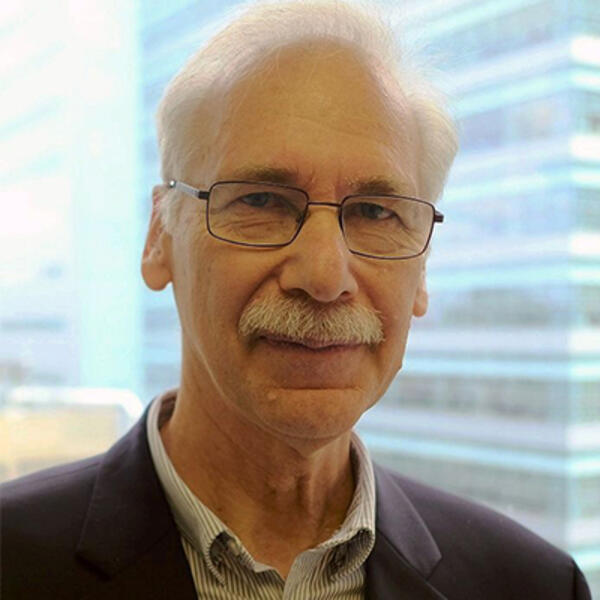 Theodorus van der Kwast合作论文数Department of Laboratory Medicine & Pathobiology, Temerty Faculty of Medicine, University of Toronto4
 Noelia Wong合作论文数4
 Adrian Ishkanian合作论文数4Brent Schacter合作论文数The Department of Medicine, University of Manitoba and The Manitoba Institute of Cell Biology4C. Malloff合作论文数3Meng Alice X合作论文数3
 Barry Philip Rosen合作论文数Department of Cellular Biology and Pharmacology, Herbert Wertheim College of Medicine, Florida International University;Department of Biochemistry and Molecular Biology, School of Medicine, Wayne State University3
 Robert G Bristow合作论文数Manchester Cancer Research Centre, The University of Manchester;Division of Cancer Sciences, School of Medical Sciences, Faculty of Biology, Medicine and Health, University of Manchester3Priscilia Chopard合作论文数2J Murphy合作论文数2Laura Humphreys合作论文数2Sasa Milosavljevic合作论文数2Dunja Martin合作论文数2Mieke De Wilde合作论文数2J. Ho合作论文数2Twt Leung合作论文数2
 Stephen Fitzgerald合作论文数2
 Surasak Sangkhathat合作论文数2Saamin Cheema合作论文数2Thomas Cattiaux合作论文数2Larry Phouthavongsy合作论文数2Koh Furuta合作论文数2Emma Snapes合作论文数2Mariya Kazachkova合作论文数Broad Institute of MIT and Harvard, Cambridge, MA2
 Azhar Khandekar合作论文数University of California, San Diego2Anush Mukeriya合作论文数2Erik N Bergstrom合作论文数University of California, San Diego2Anabela Martins合作论文数2Ricardo Cortez Cardoso Penha合作论文数2
 Raviteja Vangara合作论文数Center for Micro-Engineered Materials and Department of Chemical and Biological Engineering, University of New Mexico, Albuquerque, New Mexico 87131, USA.2
 Marcos Díaz-Gay合作论文数Ctr Invest Biomed Red Enfermedades Hepat & Digest, Inst Invest Biomed August Pi i Sunyer IDIBAPS, Gastrointestinal & Pancreat Oncol Grp, Barcelona, Catalonia, Spain2
 Beata Swiatkowska合作论文数Nofer Inst Occupat Med, Dept Environm Epidemiol, Lodz, Poland2Ivana Holcatova合作论文数2
 John M.S. Bartlett合作论文数Department of Laboratory Medicine & Pathobiology, Temerty Faculty of Medicine, University of Toronto;Diagnostic Development, Ontario Institute for Cancer Research;The University of Edinburgh2
 Ying Hu (胡颖)合作论文数Harbin Institute of Technology2
 Ludmil Alexandrov合作论文数Department of Cellular and Molecular Medicine, University of California, San Diego;Department of Bioengineering, University of California, San Diego2
 Marianna Bledsoe合作论文数2
 Ana Carolina De Carvalho Peters合作论文数International Agency for Research on Cancer2
 Rui Manuel Reis合作论文数2
 Simeon-Dubach Daniel合作论文数2
 Sandra Perdomo合作论文数2
 David Zaridze合作论文数Nuffield Department of Population Health, Medical Sciences Division, University of Oxford2Moody Sarah合作论文数2




