Supplementary Fig. 3 PARP7 knockout or inhibition has a similar synergistic lethal effect with AHR agonists
Supplementary Table 2. Primers used for construction of lentiCRISPRv2 sgRNA plasmids.
Supplementary Fig. 5 PARP7 inhibitor or inactivation can reverse AHR agonist induced AHR degradation and increase nuclear AHR
Supplementary Fig. 2 The combination of PARP7i and AHRa induces cell cycle arrest, rather than apoptosis and reprograms transcriptional profiles
Supplementary Fig. 6 PARP7i and AHRa synergistically suppress the in vitro growth of hormone-resistant cancer cell lines and promote proteasomal turnover of hormone receptors
Supplementary Fig. 1 Multiple AHRa are synergistically lethal with PARP7i in multiple cancer cells
Ligand optimization is central to drug discovery as hundreds of analogs might be designed and synthesized between an initial hit and a therapeutic candidate. The efficiency of this process is unclear, at least partly because there is no random background for optimization against which to compare. Such a random background might emerge from synthetically accessible but otherwise systematic random small substitutions across starting ligands, measuring likelihood of achieving a substantial improvement in affinity/potency or other property by any single perturbation. Recent literature and ligand-affinity/potency databases suggest that perhaps 10% of analogs with minor modifications improve upon a parent's potency substantially (by ≥10-fold), but this number is clouded by reporting bias, intentional improvement, and inter-group reproducibility. To begin to establish a background expectation for ligand optimization, we comprehensively and systematically modified 18 lead molecules across six targets with single atom changes; 257 compounds were synthesized. Unexpectedly, 11.2% of these random small perturbation analogs improved potency by ≥10-fold over their parents. Conversely, these more potent analogs typically had worse in vitro pharmacokinetics (e.g. reduced metabolic stability, lower plasma free fraction). While it was possible to find analogs where the potency increase compensated for inferior exposure and half-life, resulting in more potent compounds in vivo, overall a frustrated landscape for ligand optimization is revealed. This study begins to establish a background expectation for ligand potency optimization and offers a simple strategy to do so. It also begins to quantify the challenges confronting the field in moving beyond in vitro potency.
T cell exhaustion limits the efficacy of cancer immunotherapies. Here, we performed genome-wide loss-of-function screening in repetitively stimulated human T cells and identified the mulitfunctional ubiquitin-modifying protein A20/TNFAIP3 as a major negative regulator of exhausted T cell persistence. Protein large language modeling, deep base-editing mutagenesis, and studies in immunocompetent mice with domain-specific inactivating mutations revealed A20's non-enzymatic M1 ubiquitin-binding zinc finger 7 (A20ZF7) motif as critical to suppression of anti-tumor immunity. A20ZF7-deficient CD8+ tumor-infiltrating lymphocytes (TILs) resisted terminal exhaustion and circumvented an unappreciated mechanism restraining perforin degranulation in terminally exhausted cells. Human chimeric antigen receptor (CAR)-T cells engineered via base-editing to inactivate A20ZF7 via a single missense mutation also resisted exhaustion, secreted more perforin and robustly suppressed cancer in vivo. These studies pinpoint A20ZF7 as a novel T cell checkpoint and reveal precision base-editing of missense mutations as an effective approach to enhance CAR-T cell therapy.
Inhibitors of poly(ADP-ribose) polymerases (PARPs) have revolutionized the treatment of cancers with DNA repair deficiencies. Here we describe the structure-based discovery and synthesis of 6-6-5-5-6-fused pentacyclic scaffolds 5 and cis-(±)-6 as a novel class of PARP1 inhibitors. Chiral supercritical fluid chromatographic separation of cis-(±)-6 afforded inactive ent-6_P1 and active ent-6_P2. Compound 5 (P-gp ER = 0.9) and ent-6_P2 (P-gp ER = 1.1) demonstrated good Caco-2 permeability and are not actively effluxed by ABC transporters. In vitro analysis in HEK293T cells found that 5, cis-(±)-6, and ent-6_P2 showed near complete inhibition of PARP1 activity at 10 μM. Furthermore, compounds 5, cis-(±)-6, and ent-6_P2 displayed selective cytotoxic activity in BRCA mutant cancer cells but not isogenic BRCA-proficient cells. Taken together, 5 and ent-6_P2 define a novel class of lead PARP inhibitors for further development.
Phage-encoded anti-CRISPR (Acr) proteins inhibit CRISPR-Cas systems, allowing phage replication and lysogeny maintenance. Most of the Acrs characterized to date are stable stoichiometric inhibitors. While enzymatic Acrs have been characterized biochemically, little is known about their potency, specificity, and reversibility. Here, we examine AcrIF11, a widespread phage and plasmid-encoded ADP-ribosyltransferase (ART) that inhibits the Type I-F CRISPR-Cas system. We present a nuclear magnetic resonance (NMR) structure of an AcrIF11 homolog that reveals chemical shift perturbations consistent with NAD (cofactor) binding. In experiments that model both lytic phage replication and MGE/lysogen stability under high targeting pressure, AcrIF11 is a highly potent CRISPR-Cas inhibitor and more robust to Cas protein-level fluctuations than stoichiometric inhibitors. Furthermore, we demonstrate that AcrIF11 is remarkably specific, predominantly ADP-ribosylating Csy1 when expressed in P. aeruginosa. Given the reversible nature of ADP-ribosylation, we hypothesized that ADPr eraser enzymes (macrodomains) could remove ADPr from Csy1, a potential limitation of PTM-based CRISPR inhibition. We demonstrate that a human macrodomain can indeed remove the modification from Csy1 in P. aeruginosa lysate. Together, these experiments connect the in vitro observations of AcrIF11's enzymatic activity to its potent and specific effects in vivo, clarifying the advantages and drawbacks of enzymatic Acrs in the evolutionary arms race between phages and bacteria.IMPORTANCEBacteria have evolved diverse immune systems to prevent phage infection, and, consequently, phages have evolved diverse methods of evading bacterial immune systems. To evade the bacterial CRISPR-Cas immune system, phages encode anti-CRISPR proteins (Acrs). Acrs disable CRISPR-Cas by either stably binding to the CRISPR-Cas complex or by enzymatic modification. However, Acr enzymes have not been characterized in vivo during lytic infection or lysogenic maintenance. Here, we report the benefits and drawbacks of enzymatic inhibition with AcrIF11, an ADP-ribosyltransferase. Under "high pressure" scenarios such as high CRISPR targeting or CRISPR-Cas overexpression, AcrIF11 outperforms a strong, stable binding Acr by very specifically modifying the Cas8 protein, but nothing else in the cell. AcrIF11 additionally stabilizes lysogeny effectively, but the ADP-ribose modification can potentially be removed by macrodomains, which are ADP-ribose eraser enzymes. AcrIF11 is therefore a potent and widespread plasmid/phage-encoded inhibitor of Type I-F CRISPR-Cas systems with catalytic activity.
Small-molecule inhibitors of the mono (ADP) ribosyl transferase PARP7 are being evaluated asmonotherapy for tumors overexpressing PARP7 and in combination with immune checkpoint blockade. We previously showed that sensitivity to the PARP7 inhibitor (PARP7i) RBN-2397 could be enhanced by cotreatment with agonists of the aryl hydrocarbon receptor (AHRa) in cell lines that show strong intrinsic sensitivity to RBN-2397. In this study, we demonstrated that a range of tumor cell lines that are relatively insensitive to PARP7i or AHRa as individual agents are unexpectedly profoundly sensitive to their combination. Our data show that this synergistic response is dependent on the AHR/AHR nuclear translocator and is associated with increased levels of nuclear AHR and increased transcription of AHR target genes. In some hormone receptor-positive cell lines, we find that combination treatment is associated with proteasomal turnover of the steroid hormone receptors, androgen receptor and estrogen receptor. Both wild-type and hormone-resistant mutant forms of these receptors are degraded upon treatment with AHRa and PARP7i in breast and prostate cancer models. These results suggest that combining PARP7i with AHRa may extend the utility of these drugs to a wider range of tumors, including those that are refractory to hormone therapy.
Despite extensive investigation, the factors promoting aggressive prostate cancer are poorly understood. By performing a comprehensive analysis of whole-genome transcriptome data to identify differential expression across 1,567 patients with prostate cancer, we now report the identification of a novel lncRNA, Prostate Locus of Uncharacterized Transcript Outlier 201 (PLUTO-201), which is strongly associated with metastasis and poor overall survival in men with prostate cancer. We find that overexpression/knockdown of PLUTO-201 in pre-clinical models of prostate cancer modulates proliferation rates and markers of an aggressive phenotype through regulation of steroid biosynthesis and expression of the MHC class I complex, driving increased growth in androgen-depleted conditions and decreased susceptibility to T cell-mediated cytotoxicity. We further find that the heterogeneous nuclear ribonucleoprotein hnRNPK directly binds PLUTO-201 and is indispensable for its activity. Overall, our findings indicate that PLUTO-201 is a driver of aggressive prostate cancer phenotypes and poor clinical outcomes. Statement of Significance:Identification and characterization of PLUTO-201, a novel lncRNA driving aggressive biology in prostate cancer, sheds new light on the mechanisms driving aggressive prostate cancer and will motivate therapeutic and biomarker development. Statement of Translational Relevance:The factors promoting prostate cancer progression and metastasis are poorly understood, resulting in a lack of therapeutic targets and prognostic biomarkers for this disease. Here, we have identified the novel long non-coding RNA (lncRNA) PLUTO-201 as strongly associated with prostate cancer progression and metastasis in patients with localized prostate cancer undergoing prostatectomy. We show that PLUTO-201 promotes proliferation, invasion, and metastasis in multiple prostate cancer models both in vitro and in vivo . Mechanistically, we find that PLUTO-201 downregulates MHC class 1 and upregulates steroid biosynthesis by interacting with the heterogeneous nuclear ribonucleoprotein K (hnRNPK), leading to decreased T cell-mediated cytotoxicity and increased resistance to androgen receptor inhibition. Altogether, this study provides strong evidence for a critical role of PLUTO-201 in prostate cancer progression and metastasis, and a rationale for further exploration of PLUTO-201 as a therapeutic target and prognostic biomarker for patients with prostate cancer.
Severe acute respiratory syndrome coronavirus 2 (SARS-CoV-2) continues to pose a threat to public health. Current therapeutics remain limited to direct-acting antivirals that lack distinct mechanisms of action and are already showing signs of viral resistance. The virus encodes an ADP-ribosylhydrolase macrodomain (Mac1) that plays an important role in the coronaviral life cycle by suppressing host innate immune responses. Genetic inactivation of Mac1 abrogates viral replication in vivo by potentiating host innate immune responses. However, it is unknown whether this can be achieved by pharmacologic inhibition and can therefore be exploited therapeutically. Here, we report a potent and selective lead small molecule, AVI-4206, that is effective in an in vivo model of SARS-CoV-2 infection. Standard cellular models indicate that AVI-4206 has high target engagement and can weakly inhibit viral replication in a gamma interferon- and Mac1 catalytic activity-dependent manner. However, a stronger antiviral effect for AVI-4206 is observed in human airway organoids and peripheral blood monocyte-derived macrophages. In an animal model of severe SARS-CoV-2 infection, AVI-4206 reduces viral replication, potentiates innate immune responses, and leads to a survival benefit. Our results provide pharmacological proof of concept that Mac1 is a valid therapeutic target via a novel immune-restoring mechanism that could potentially synergize with existing therapies targeting distinct, essential aspects of the coronaviral life cycle. This approach could be more widely used to target other viral macrodomains to develop antiviral therapeutics beyond COVID-19.
A series of 2-thienylidene substituted 3-oxo-2,3-dihydrobenzofuran-7-carboxamide derivatives was synthesized and evaluated to investigate structure-activity relationship for inhibiting PARP1 enzyme activity. These efforts led to the identification of a new isosteric lead compound 2, (Z)-5-((7-carbamoyl-3-oxobenzofuran-2(3H)-ylidene)methyl) thiophene-2-carboxylic acid (PARP1 IC50 = 20 nM). Subsequently, the pendant carboxyl group of 2 was coupled with several amines to access adenine binding pocket (ABP) of PARP1 active site. Among the resulting analogs, several derivatives with a structural diversity in PARP1 ABP binding motifs showed PARP1 IC50 values in the range of 17 nM - 640 nM. These derivatives also showed improved cellular inhibition of PARylation compared to lead 2. Collectively, PARP1 ABP binding moieties such as (R)-3-aminoquinuclidine in 9, 1-methylspiro[indoline-3,3'-piperidin]-2-one in 11 and benzimidazole in 13 and 15 were favorable and thus these derivatives will serve as refined leads for future SAR optimization.
The de novo design of small molecule–binding proteins has seen exciting recent progress; however, high-affinity binding and tunable specificity typically require laborious screening and optimization after computational design. We developed a computational procedure to design a protein that recognizes a common pharmacophore in a series of poly(ADP-ribose) polymerase–1 inhibitors. One of three designed proteins bound different inhibitors with affinities ranging from <5 nM to low micromolar. X-ray crystal structures confirmed the accuracy of the designed protein-drug interactions. Molecular dynamics simulations informed the role of water in binding. Binding free energy calculations performed directly on the designed models were in excellent agreement with the experimentally measured affinities. We conclude that de novo design of high-affinity small molecule–binding proteins with tuned interaction energies is feasible entirely from computation.
 Alan Ashworth合作论文数Division of Hematology and Oncology, Department of Medicine, UCSF;Helen Diller Family Comprehensive Cancer Center, UCSF40
 O Leary Patrick C合作论文数UCD Conway Institute of Biomolecular and Biomedical Science, University College Dublin17
 Hua-Dong Chen合作论文数14
 Xuxu Gou合作论文数Sun Yat-Sen University, Sun Yat-sen University11
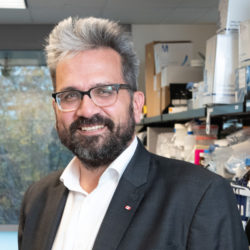 Nevan Krogan合作论文数Medical Center, University of California San Francisco;Department of Cellular and Molecular Pharmacology, University of California San Francisco;Mount Sinai School of Medicine, University of California San Francisco7Shaun D. Fontaine合作论文数6
 Beth A Cimini合作论文数Broad Inst MIT & Harvard, Imaging Platform, Cambridge, MA 02142 USA6
 Julia Carnevale合作论文数6Gary W. Ashley合作论文数6
 Daniel V. Santi合作论文数UCSF School of Pharmacy ,Pharmaceutical Chemistry6Galen J. Correy合作论文数Australian Natl Univ, Res Sch Chem, Canberra, ACT 2601, Australia5
 Felix Y. Feng合作论文数Department of Radiation Oncology, University of California, San Francisco5
 James S. Fraser合作论文数Department of Molecular and Medical Genetics, University of Toronto5
 David A Quigley合作论文数Helen Diller Family Comprehensive Cancer Center, University of California San Francisco5Bradley A. Stohr合作论文数5Yagmur Umay Doruk合作论文数4
 Moira Rachman合作论文数Department of Pharmaceutical Chemistry, University of California San Francisco4
 Manasi P Jogalekar合作论文数University of Callifornia4
 Kim Min-Kyu合作论文数4
 Peter Houghton合作论文数Department of Molecular Medicine, Long School of Medicine, The University of Texas Health Science Center at San Antonio;Department of Pediatrics, Long School of Medicine, The University of Texas Health Science Center at San Antonio;Greehey Children’s Cancer Research Institute, The University of Texas Health Science Center at San Antonio4Adam R. Renslo合作论文数4
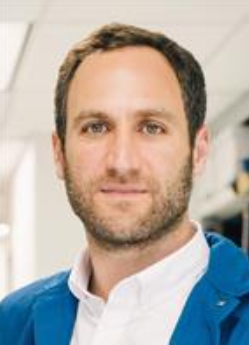 Alexander Marson合作论文数School of Medicine, University of California, San Francisco4Raushan T. Kurmasheva合作论文数4
 Danielle Swaney合作论文数University of California San Francisco4Maria McCavitt-Malvido合作论文数3Mauricio Montano合作论文数3Ajay Ravindranathan合作论文数3
 Rajdeep Das合作论文数3
 Ajda Rojc合作论文数Quantitat Biosci Inst QBI, Univ Calif San Francisco3Nupura Kale合作论文数3
 Taha Y Taha合作论文数Gladstone Institutes3
 Vishal Kothari合作论文数Pliant Therapeutics3
 Brian Shoichet合作论文数Department of Pharmaceutical Chemistry, School of Pharmacy, University of California, San Francisco;Department of Cellular and Molecular Pharmacology, University of California, San Francisco3
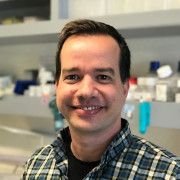 Eric Shifrut合作论文数Department of Immunology, Weizmann Institute of Science3Bakker Sietske T合作论文数Division of Molecular Biology, Netherlands Cancer Institute3
 Rahul Khushal Suryawanshi合作论文数School of Life Sciences, North Maharashtra University3
 Roth Theodore L合作论文数National Institutes of Neurological Disorders and Stroke, National Institutes of Health3
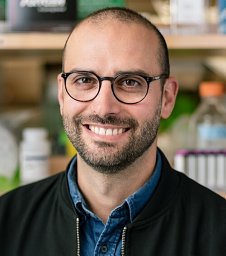 Eyquem Justin合作论文数Cellectis Therapeutics3Melanie Ott合作论文数Gladstone Institute of Virology and Immunology, University of California3
 R. Jeffrey Neitz合作论文数Department of Chemical Sciences, Elan Pharmaceuticals3
 Tanaji T. Talele合作论文数Department of Pharmaceutical Sciences, College of Pharmacy and Health Sciences, St. John's University3
 Stefanie Bachl合作论文数2Victoria Tobin合作论文数2Ryan Nguyen合作论文数2
 Birna Thorvaldsdottir合作论文数2
 Ryan L. Gonciarz合作论文数2
 Erica Stevenson合作论文数Gladstone Institute of Data Science and Biotechnology, J. Gladstone Institutes2Takaya Togo合作论文数2Francisco J Zapatero-Belinchón合作论文数2




